
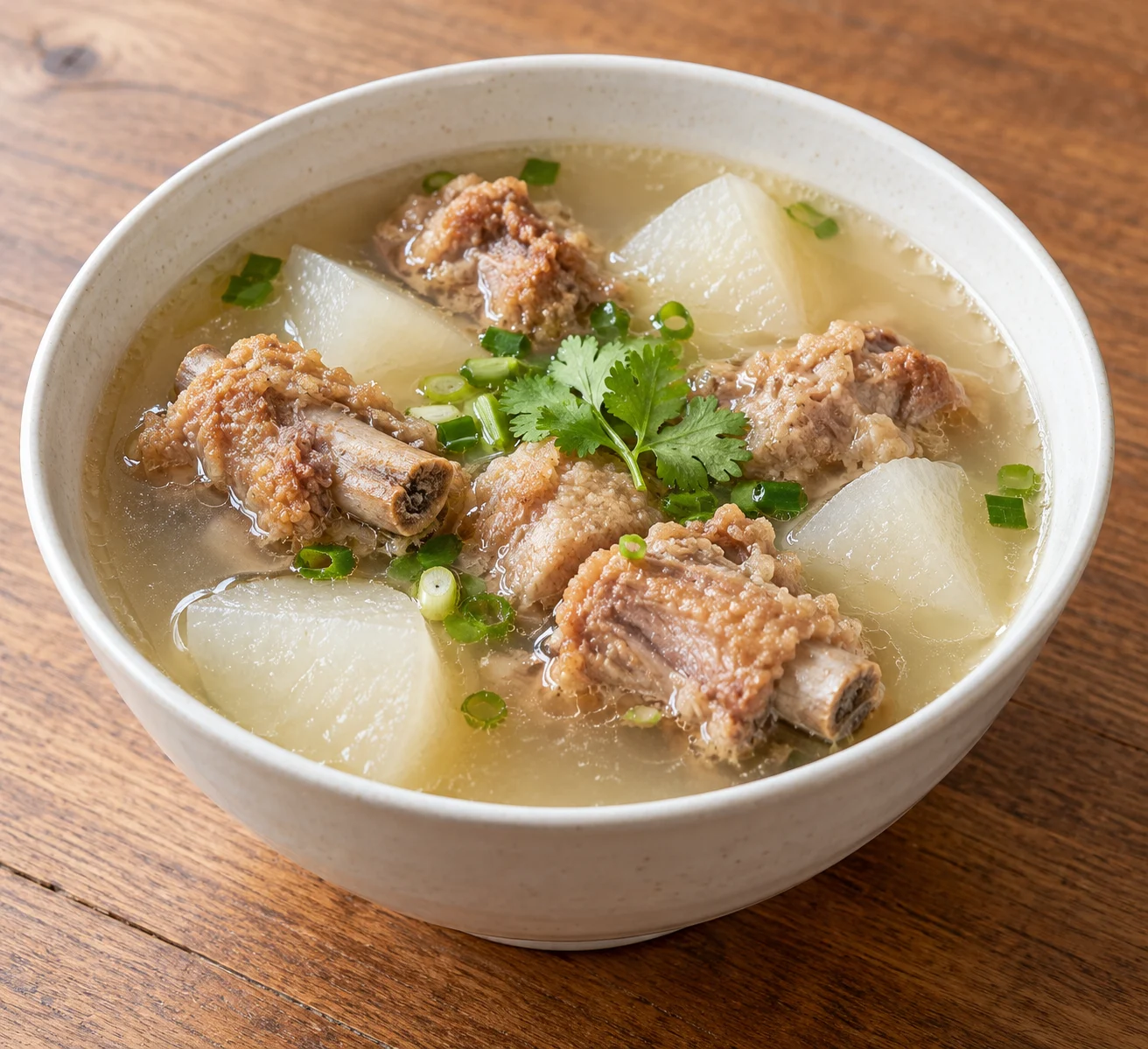
At the table
Use a spoon for the hot broth and chopsticks or a spoon for the ribs. Let each piece cool, separate the meat carefully from the bones, and eat the softened radish alongside. The name refers to the earlier frying step, so do not expect a crunchy crust in the finished soup.
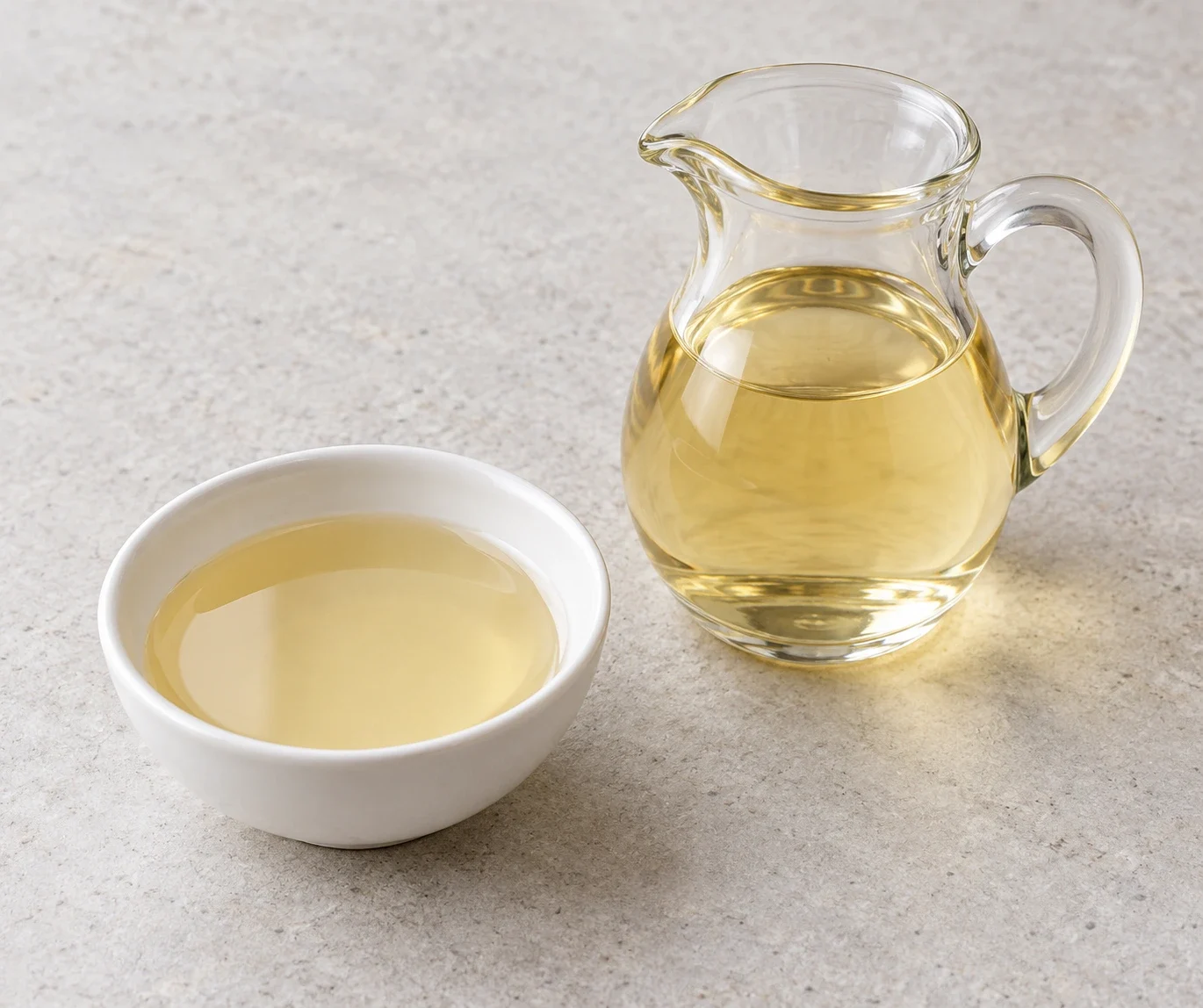
Contains pork and bones. Soy sauce commonly adds soy and wheat; egg, sesame oil and fish-based seasonings occur in some recipes. Cooking wine may be used, so do not assume an alcohol-free serving. Check the actual marinade and broth for dietary restrictions, and watch for hot liquid and small bone fragments.
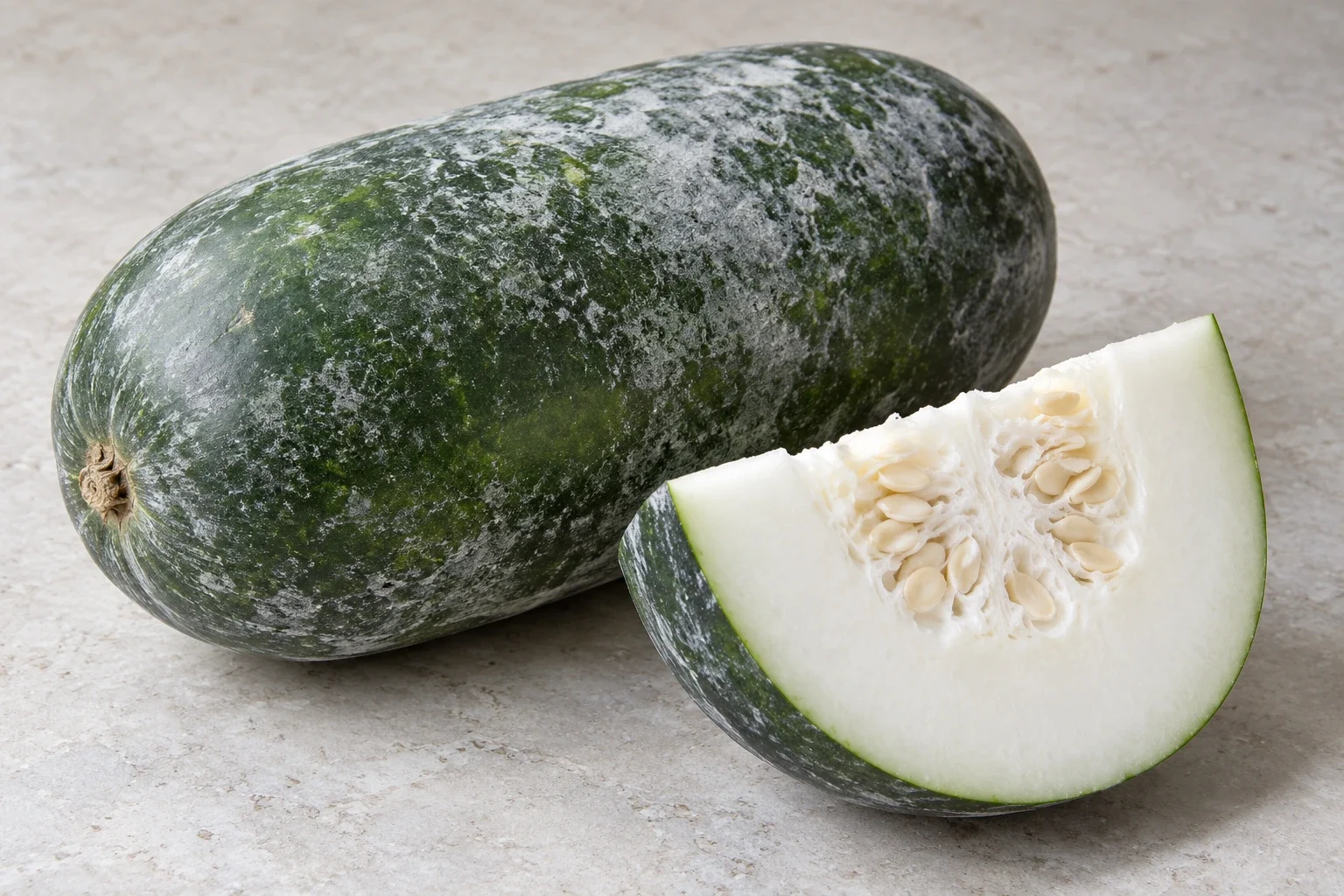
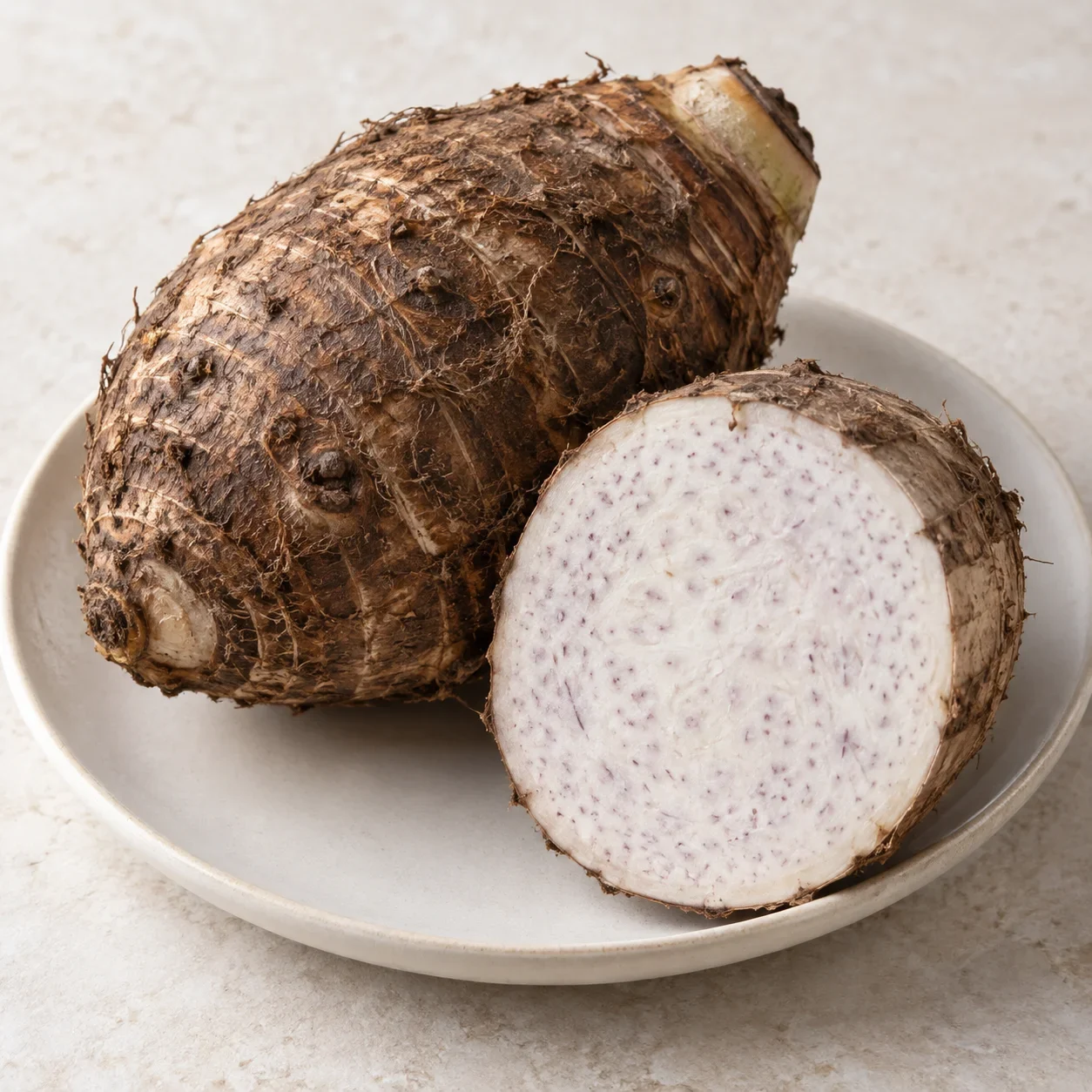
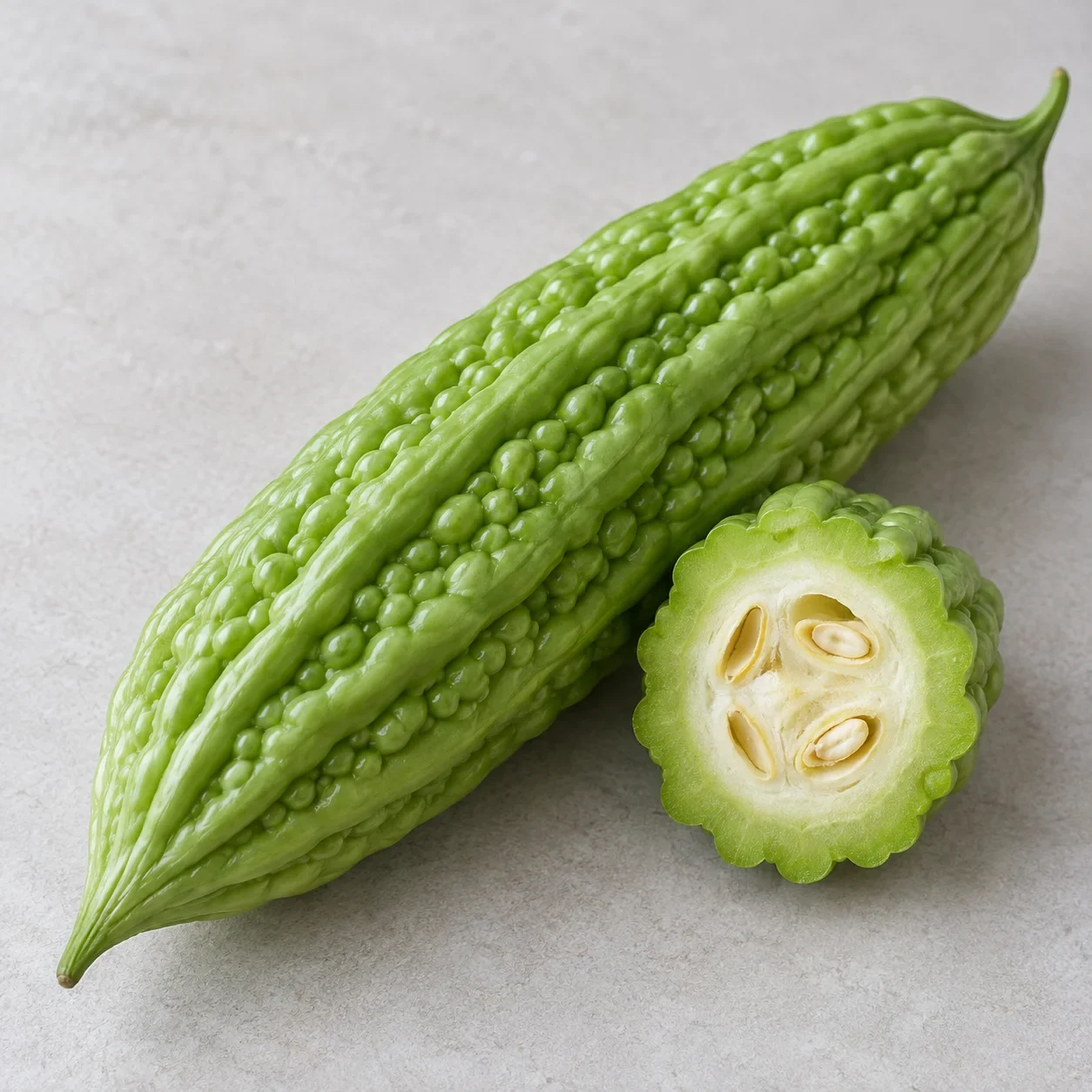
Daikon, winter melon and taro are familiar versions; some stalls also use bitter melon or daylily buds. Marinades may include egg, five-spice, sesame oil or cooking wine. Stock, fried shallots, coriander and vinegar vary, and some seasonings contain fish.
GET TO KNOW THE DISH
What goes into it?
Explore some key ingredients below. Preparations may use additional seasonings and ingredients.
Daikon, winter melon and taro are familiar versions; some stalls also use bitter melon or daylily buds. Marinades may include egg, five-spice, sesame oil or cooking wine. Stock, fried shallots, coriander and vinegar vary, and some seasonings contain fish.
Typical ingredients
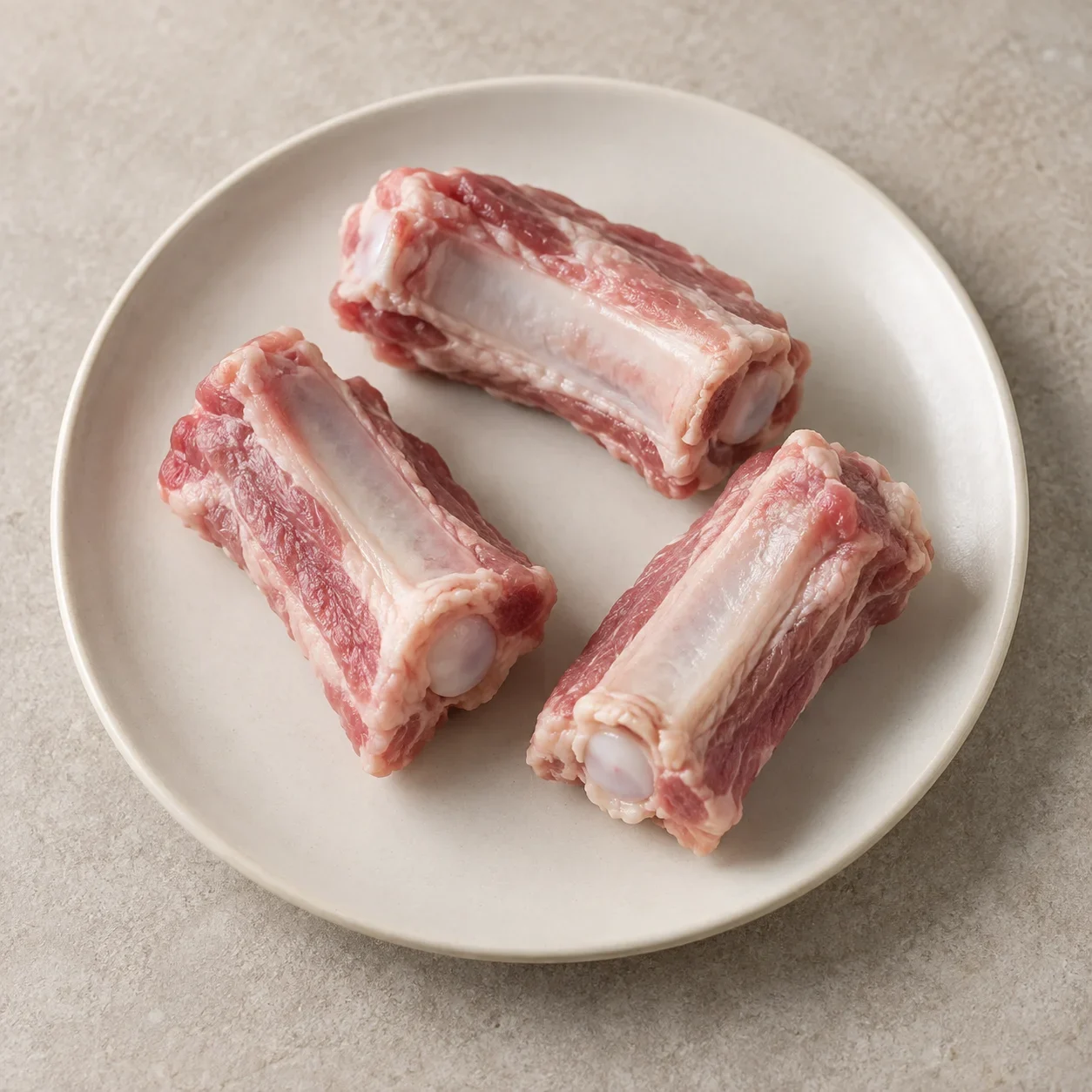
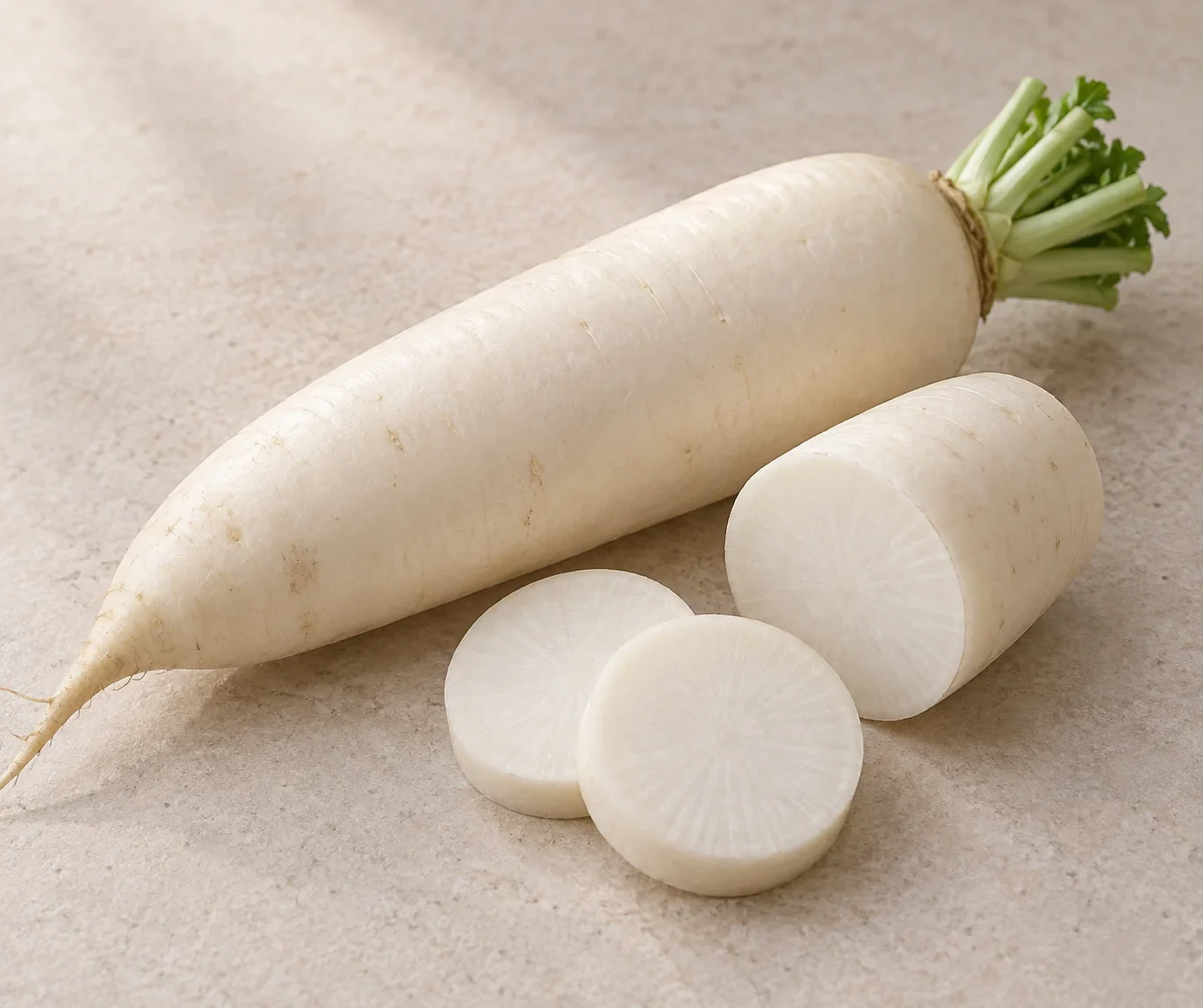
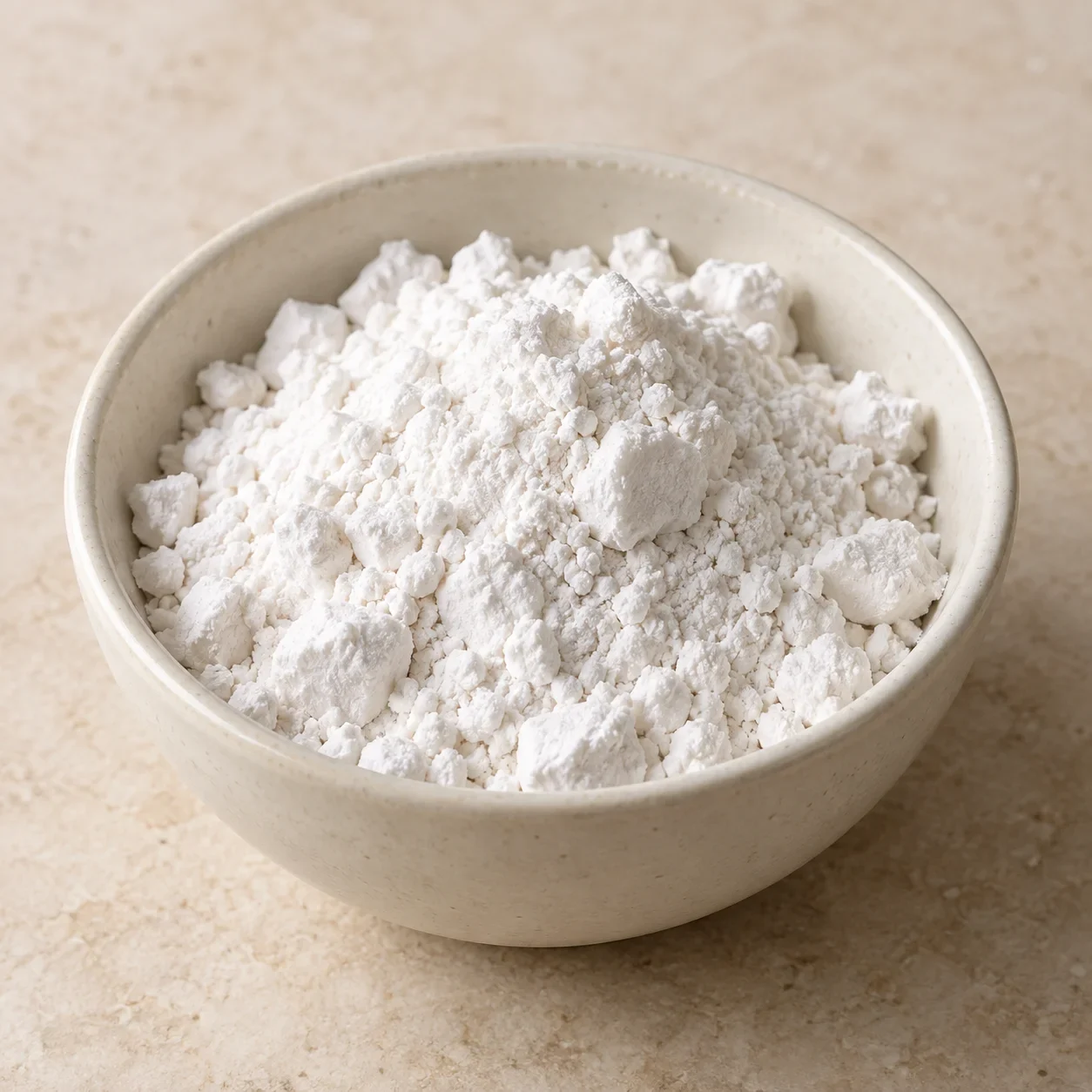
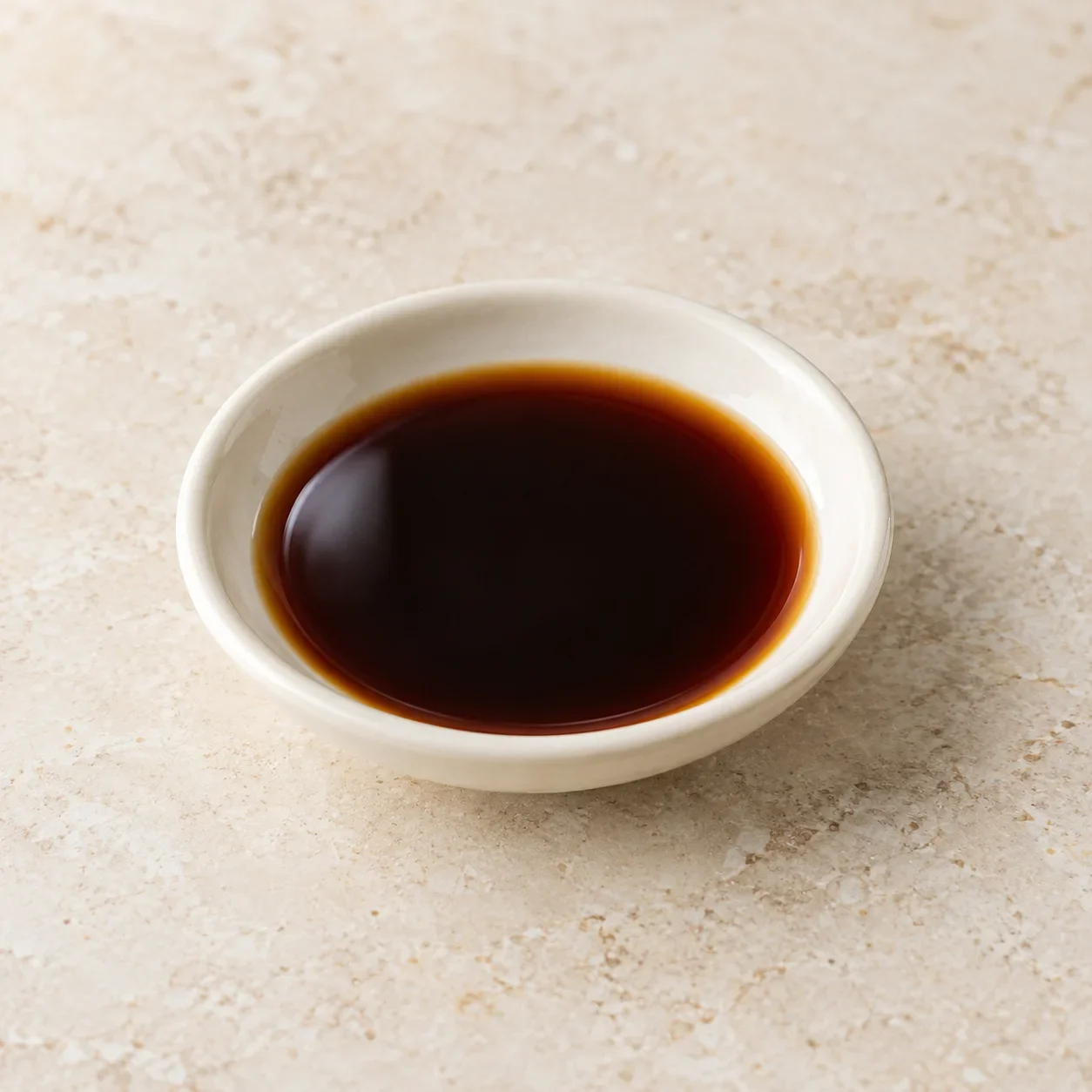
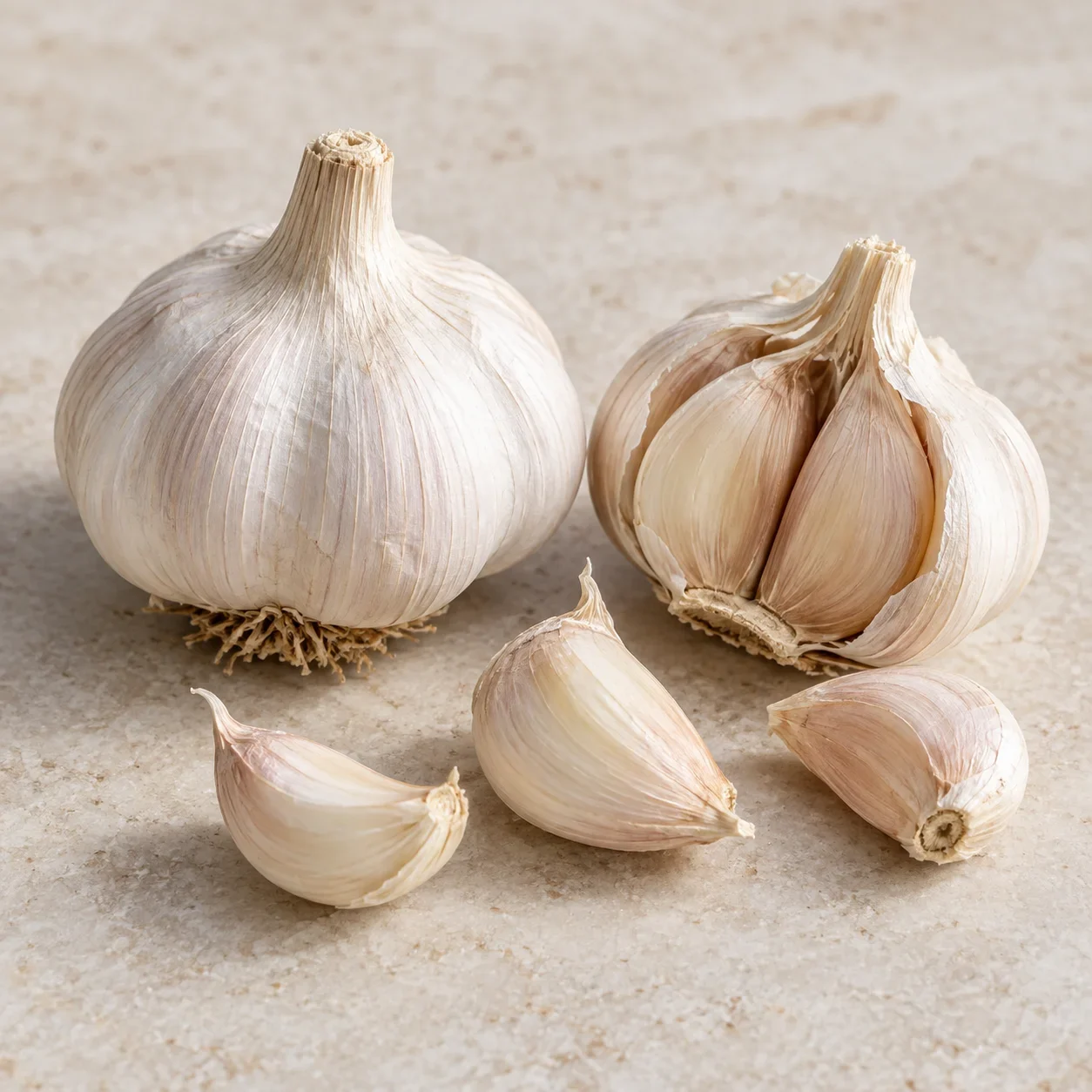
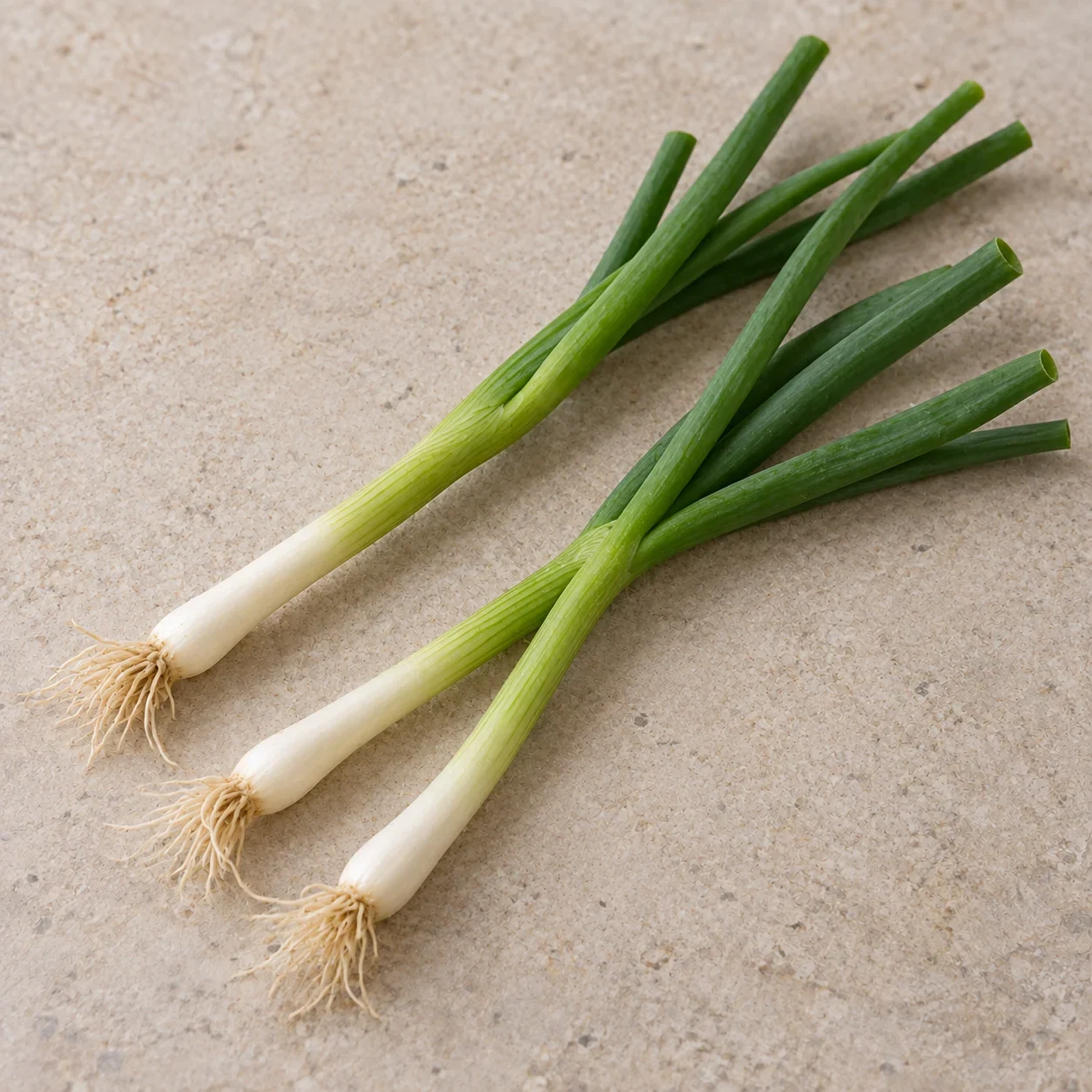

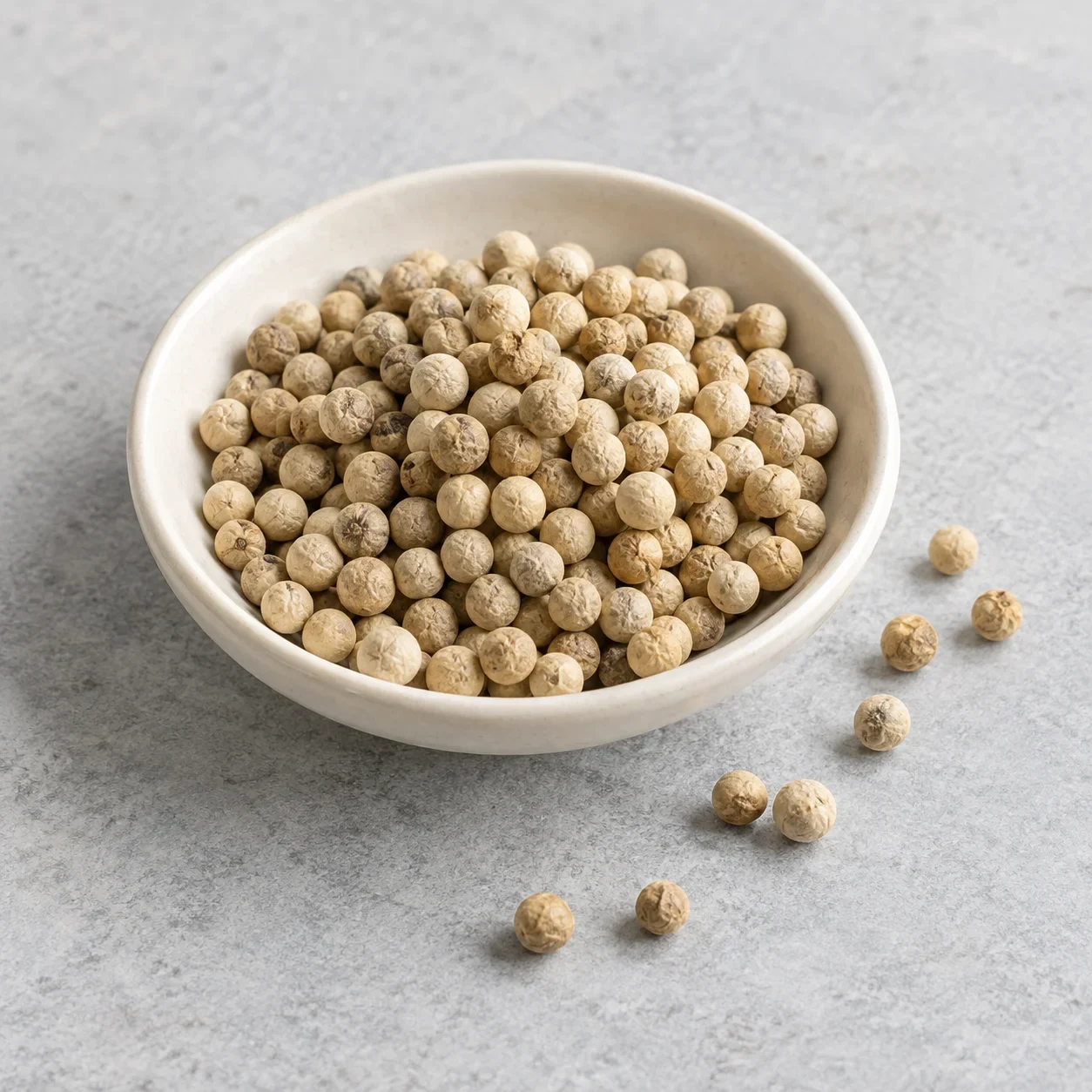
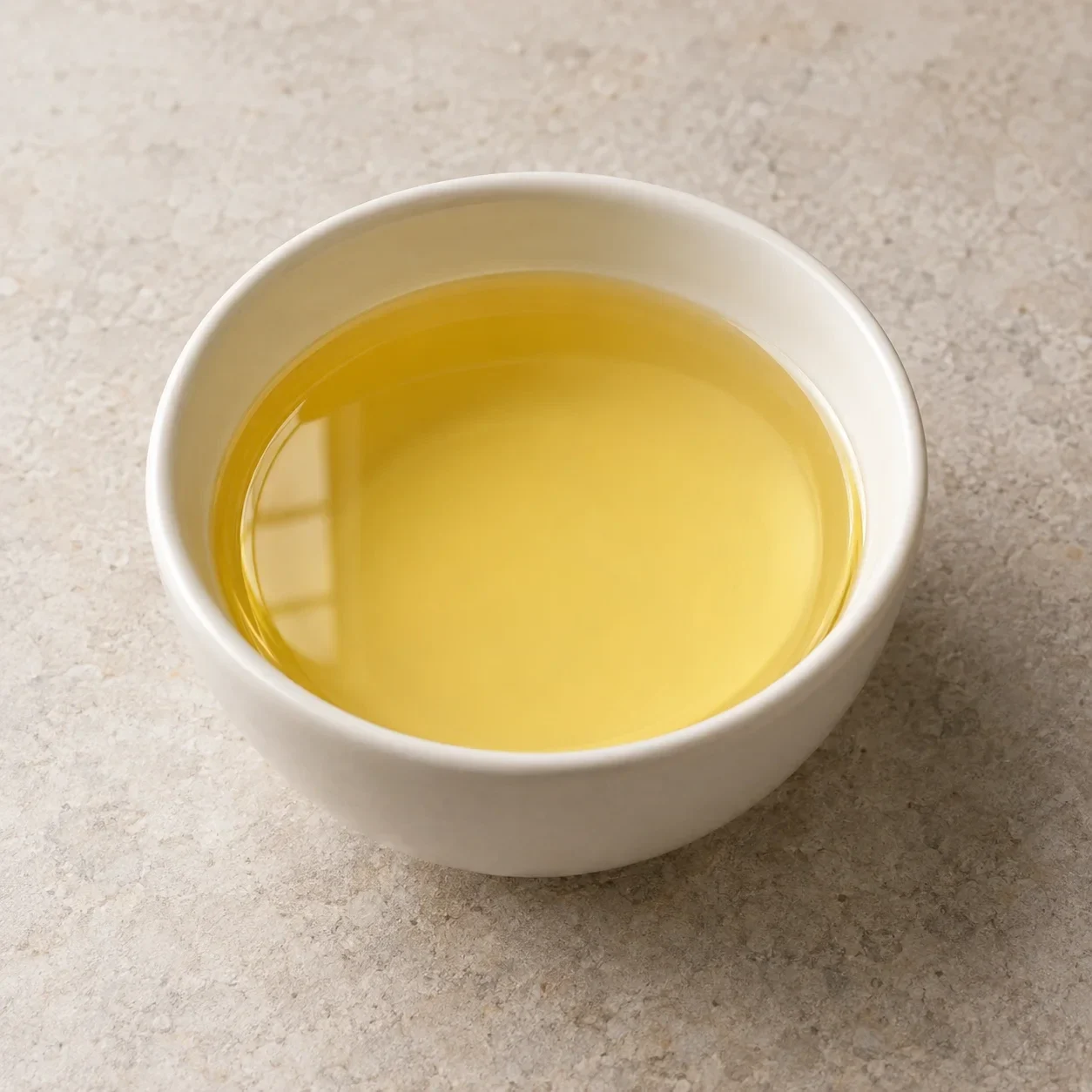
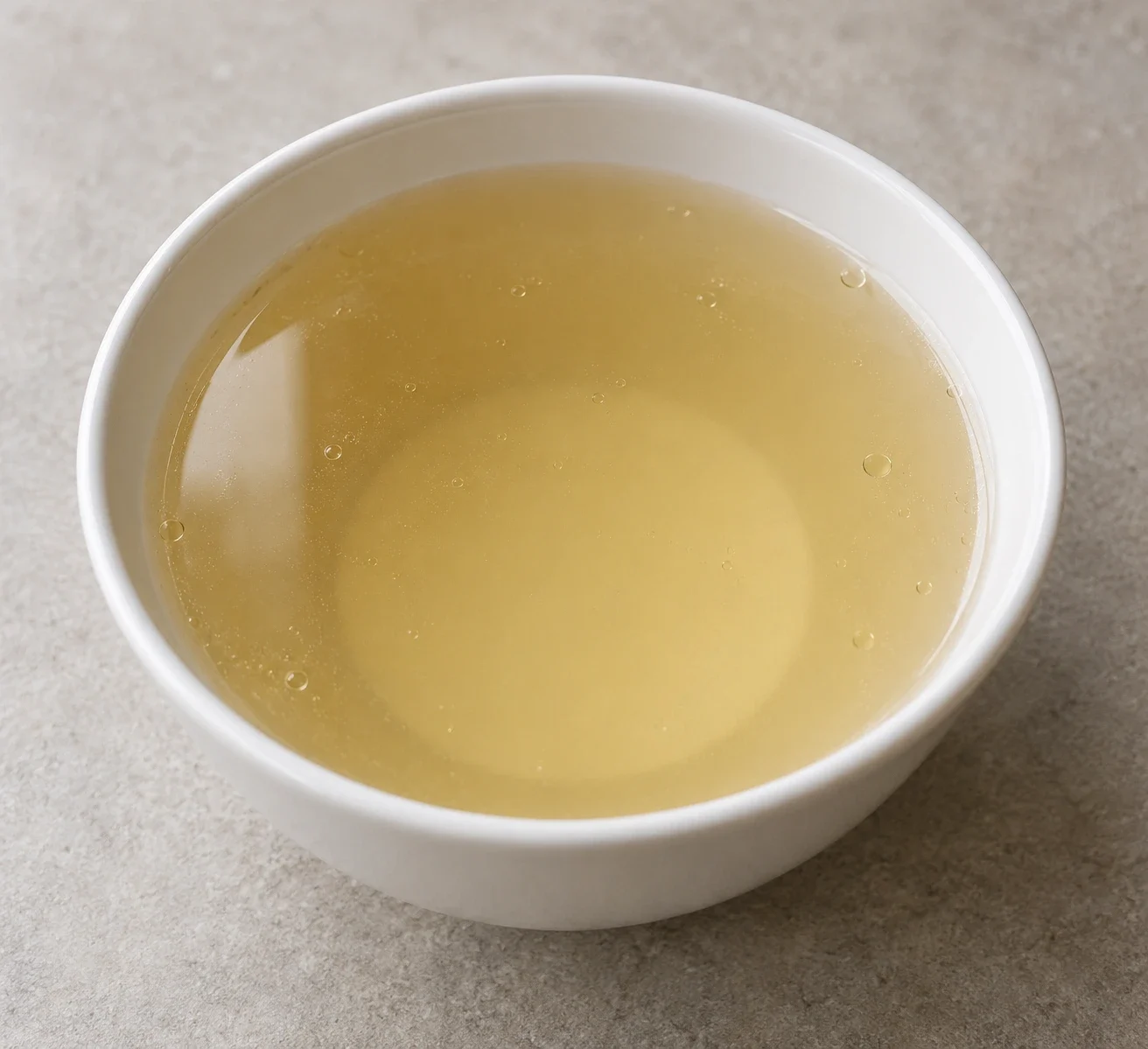
In some versions

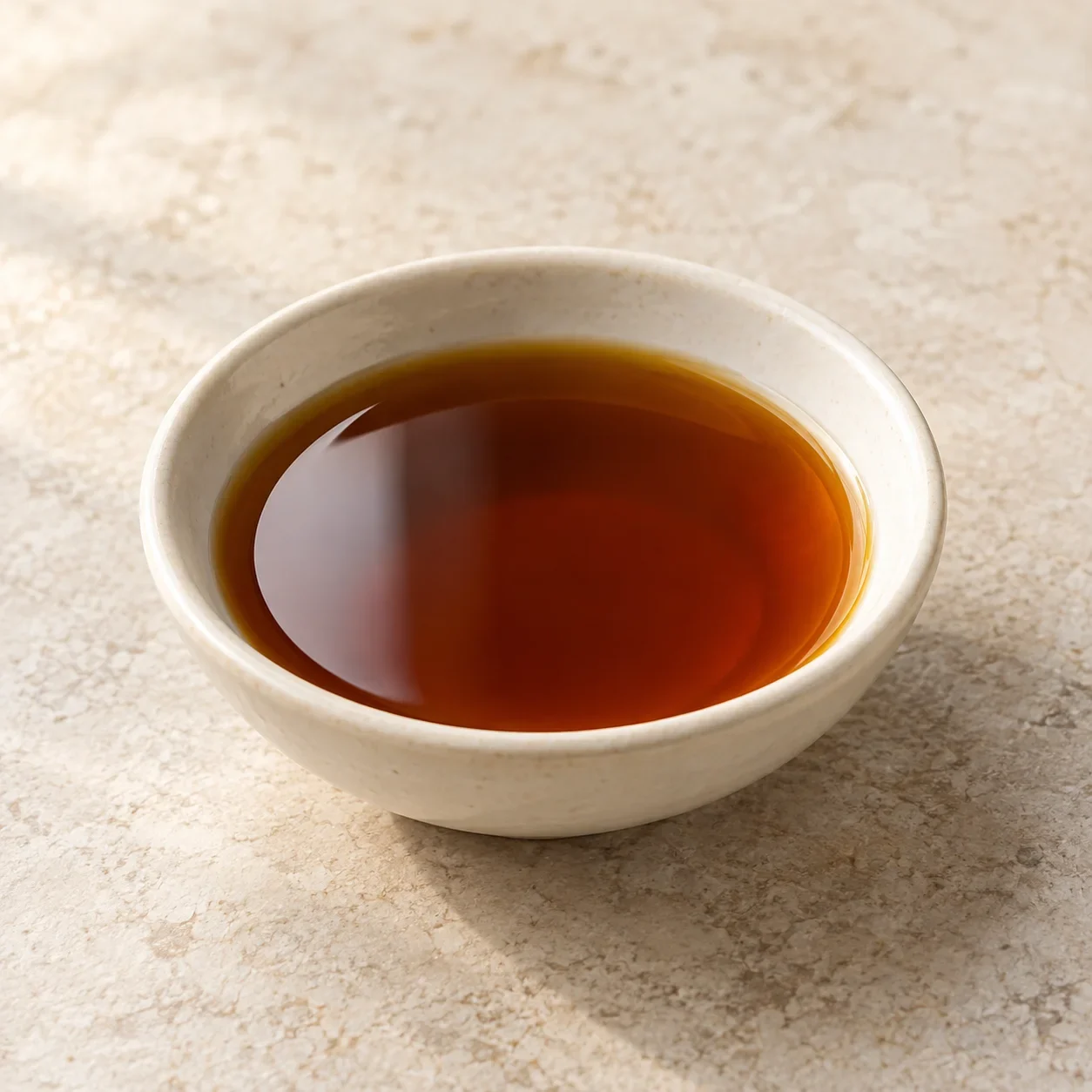
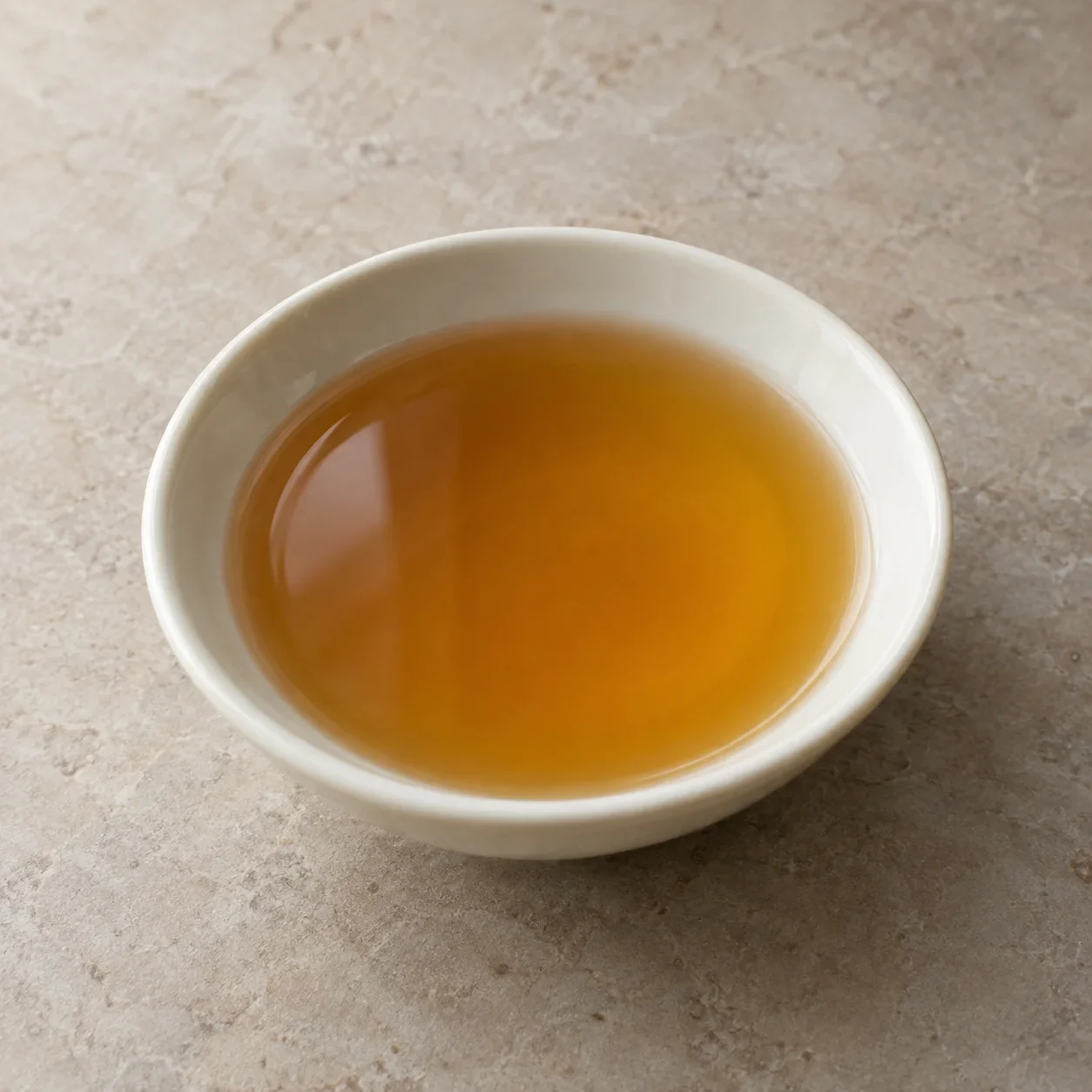
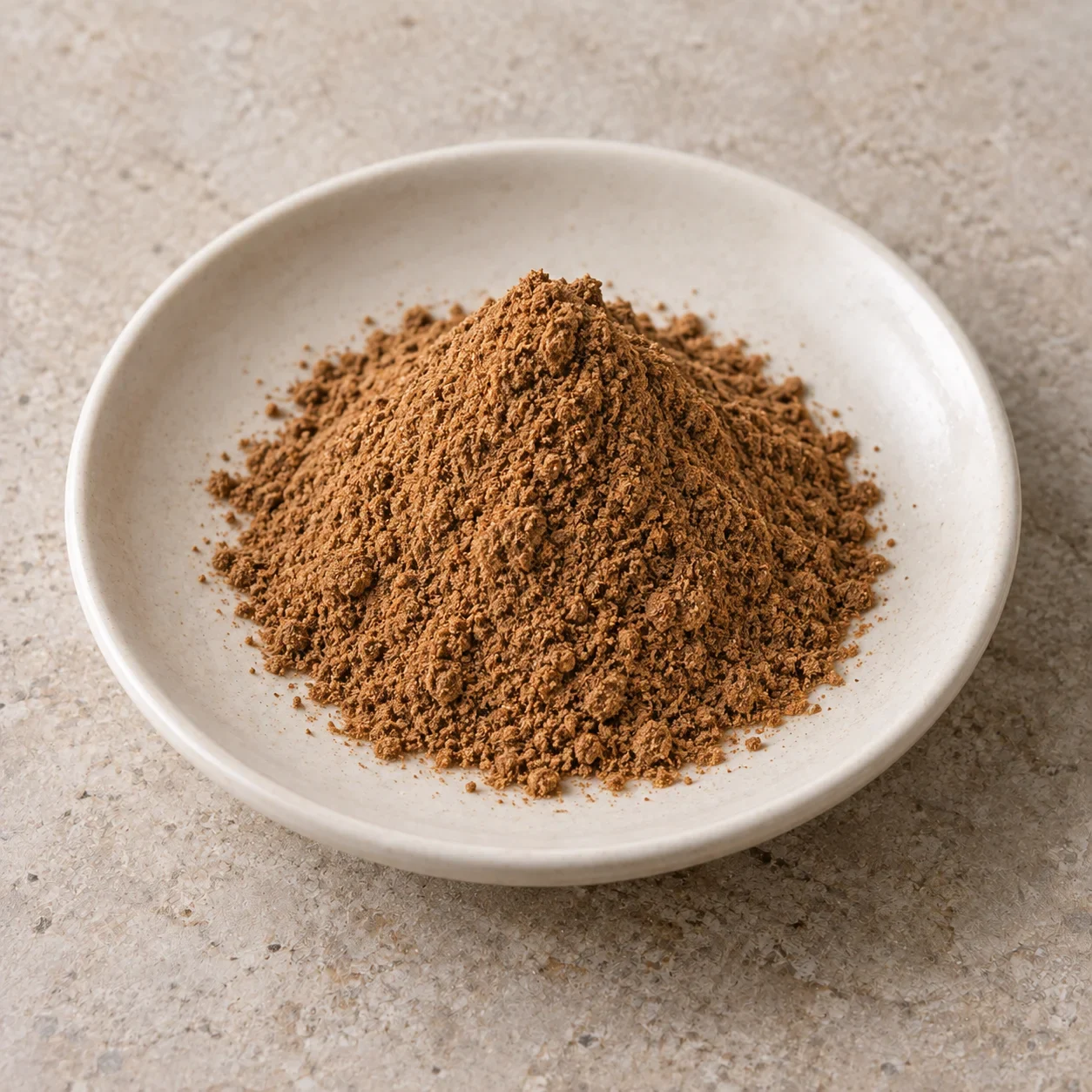
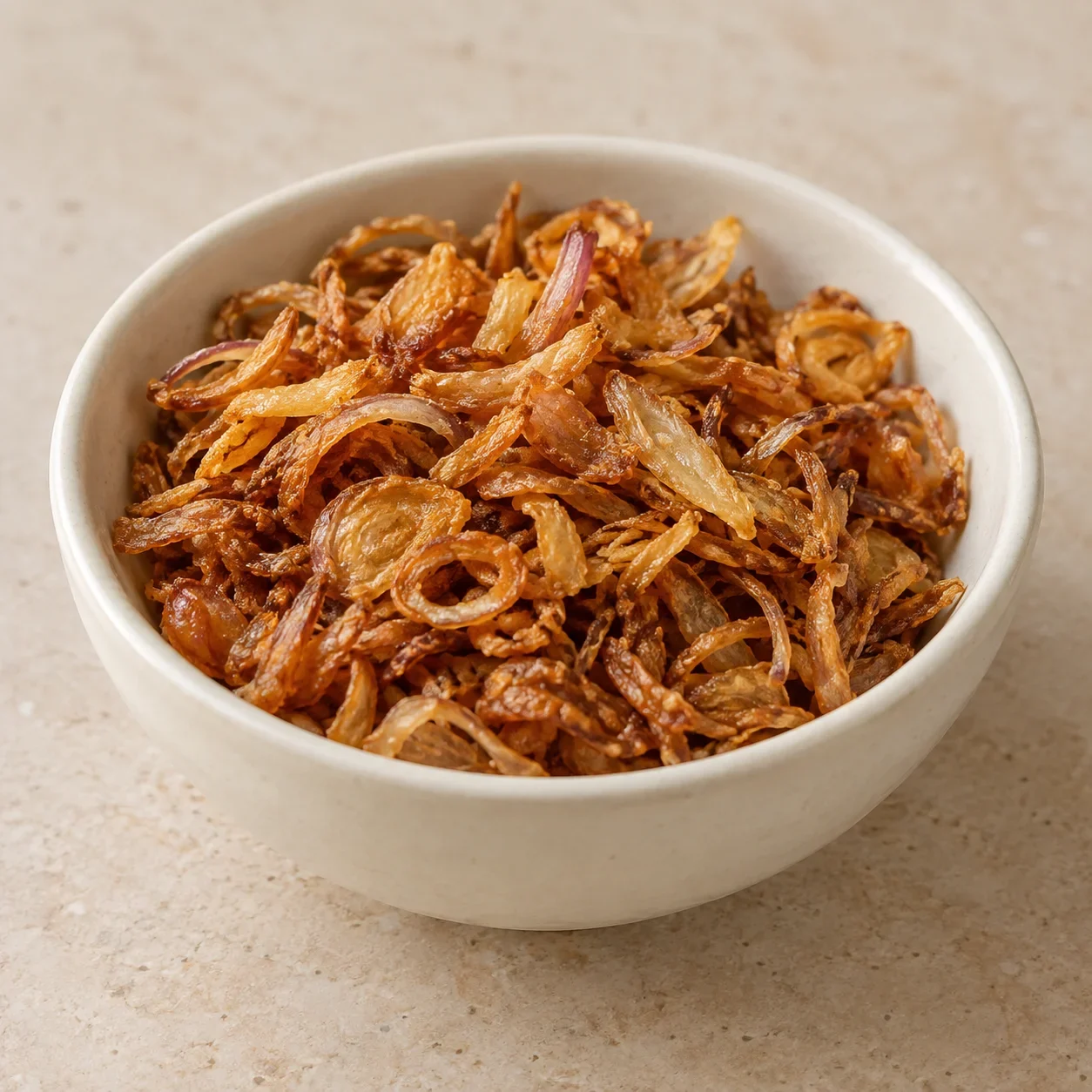
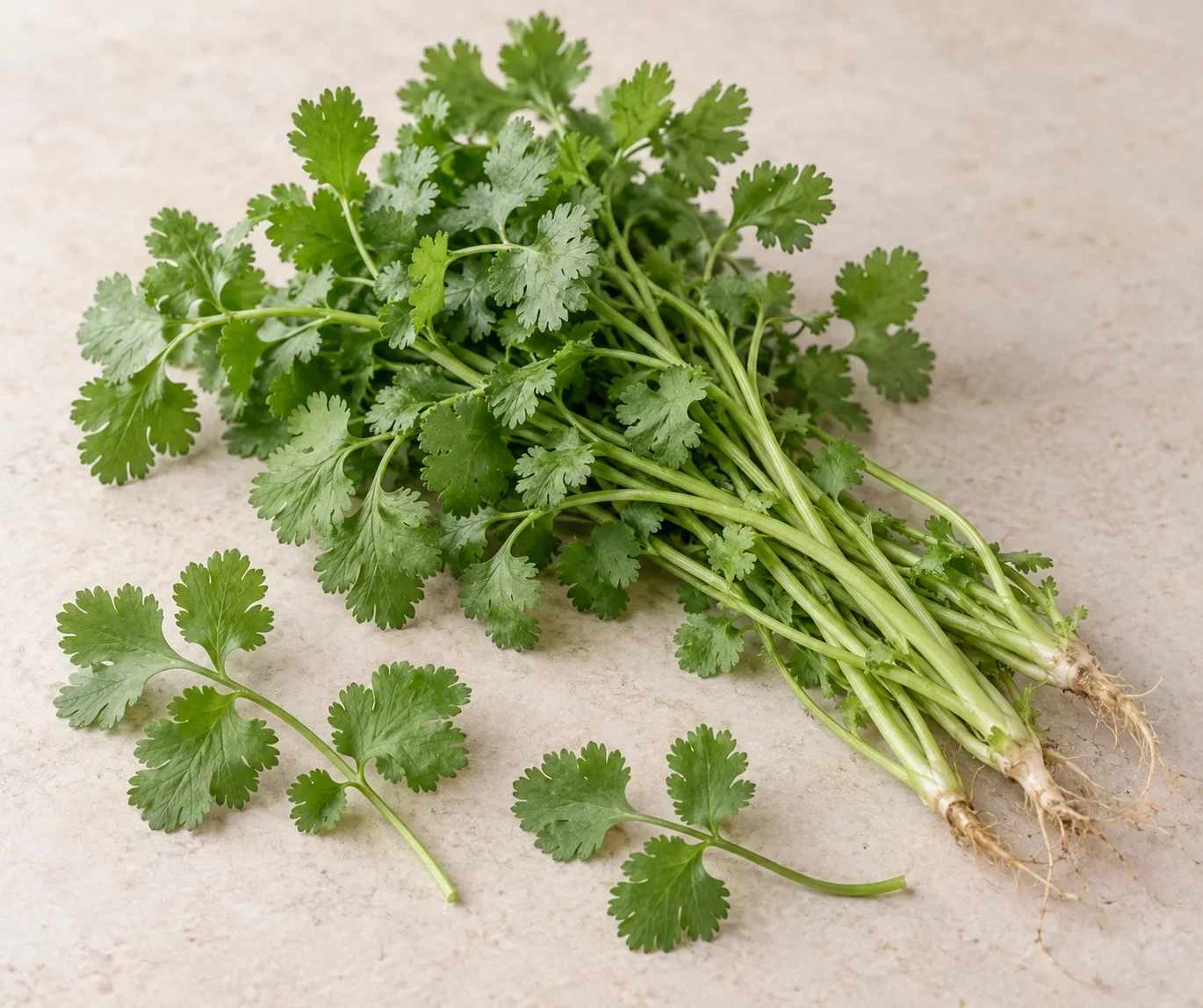
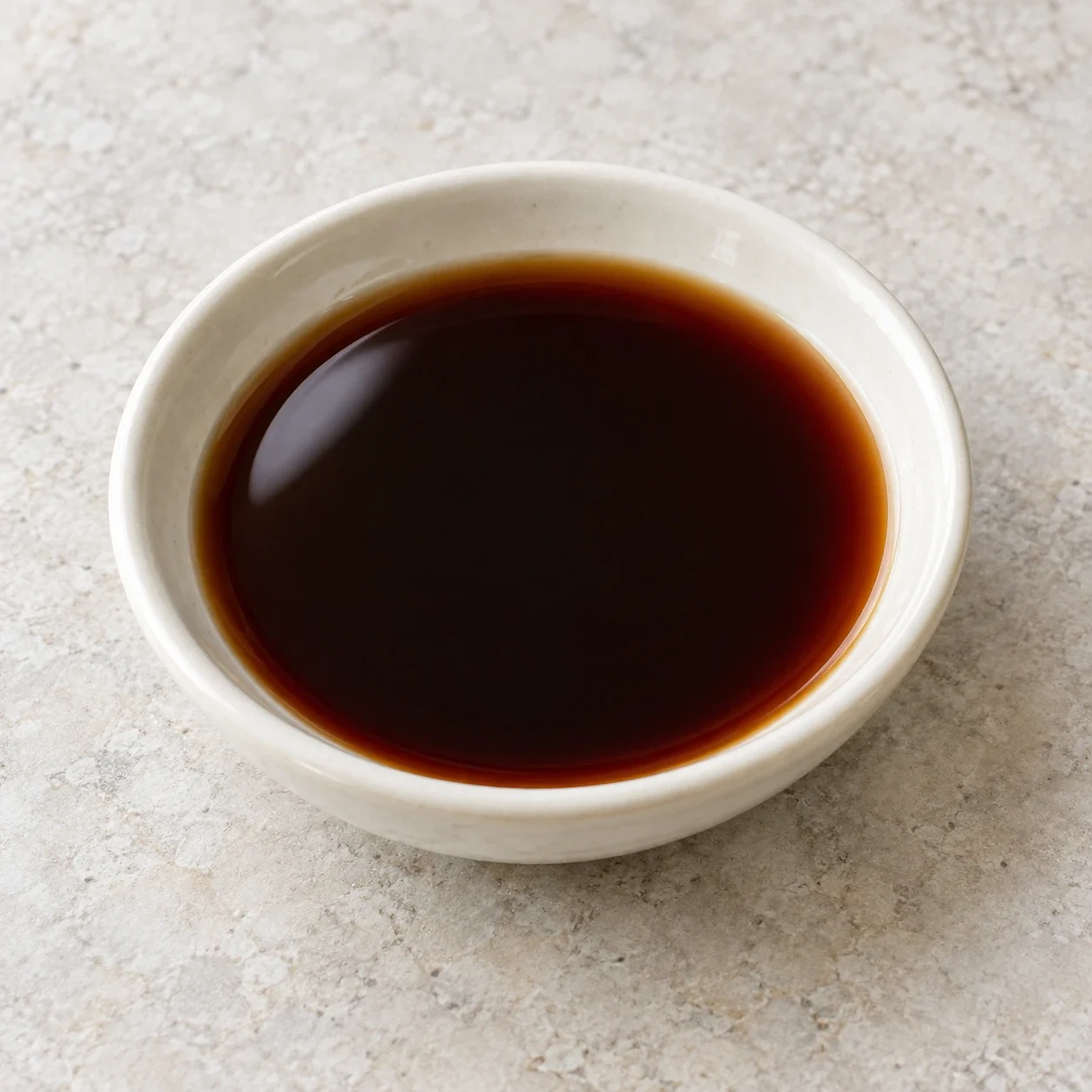
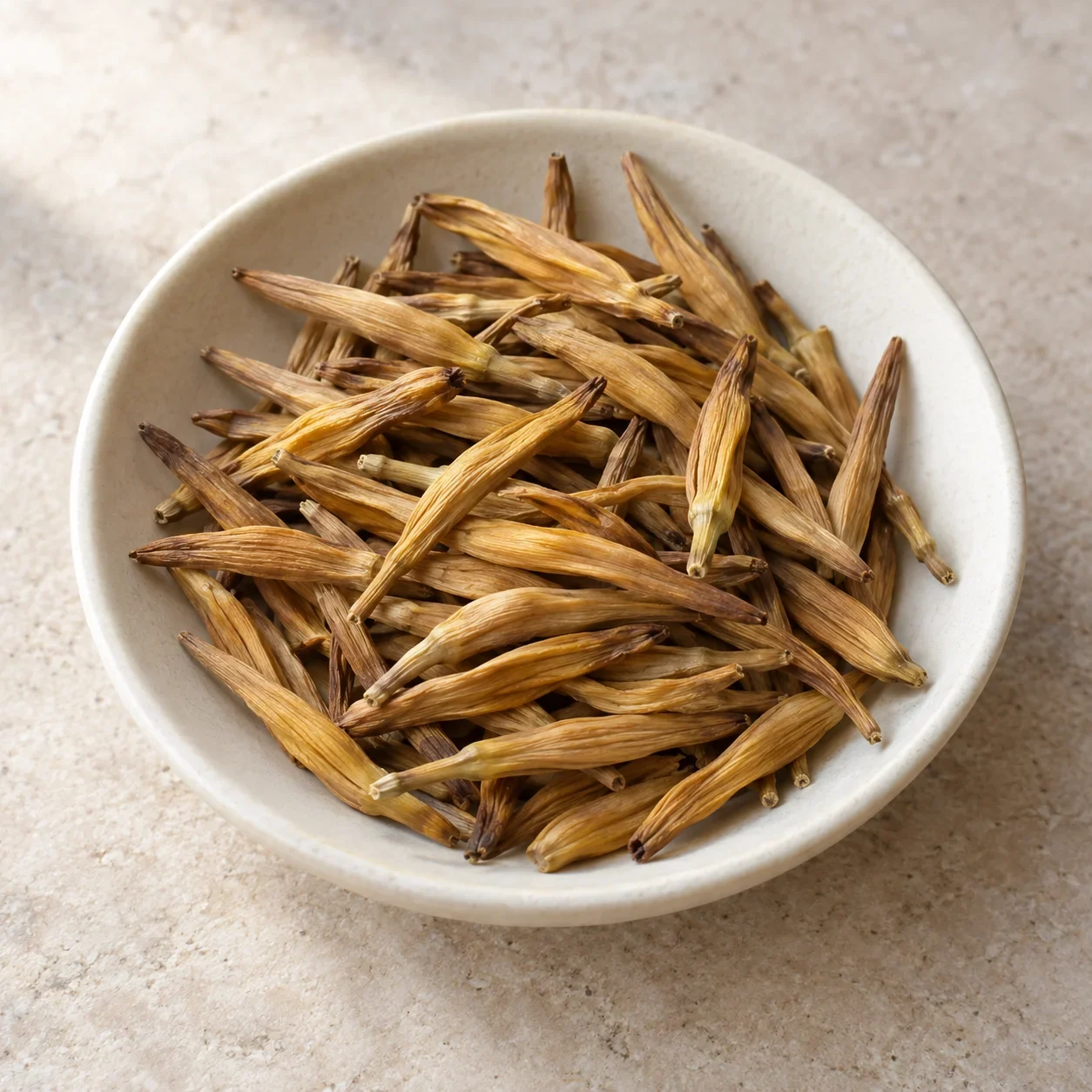
Recipes vary by restaurant.
How does it taste?
Savory pork and garlic with peppery warmth, gentle radish sweetness and the aroma of fried coating.
- Chili heat
- Texture
- Tender pork around small bones, a softened slightly springy coating, and juicy daikon in a light broth.
- How it’s made
- Marinate small pork ribs with soy sauce, garlic and seasonings, coat with sweet-potato starch and fry until golden. Add broth and daikon, then simmer or steam until tender. Some marinades include egg and sesame oil; cooking wine and aromatics vary.
Daikon, winter melon and taro are familiar versions; some stalls also use bitter melon or daylily buds. Marinades may include egg, five-spice, sesame oil or cooking wine. Stock, fried shallots, coriander and vinegar vary, and some seasonings contain fish.
A CONNECTION TO PLACE
Origin & regional roots
Associated with Taiwan.
About this regional connection
Taiwan: Taipei market administration documents the named night-market soup and fry-then-steam preparation.
Ask if they have it first
请问你们有排骨酥汤吗?
Do you have this item?
A LITTLE SOMETHING TO READ
Story & history
From the frying pan into the soup
Taiwanese night-market rib soup gains its character from two cooking stages. Frying develops the coating’s aroma; subsequent simmering or steaming softens the ribs and lets the soup soak into the coating. Vegetable choices give the same dish several distinct versions.