
At the table
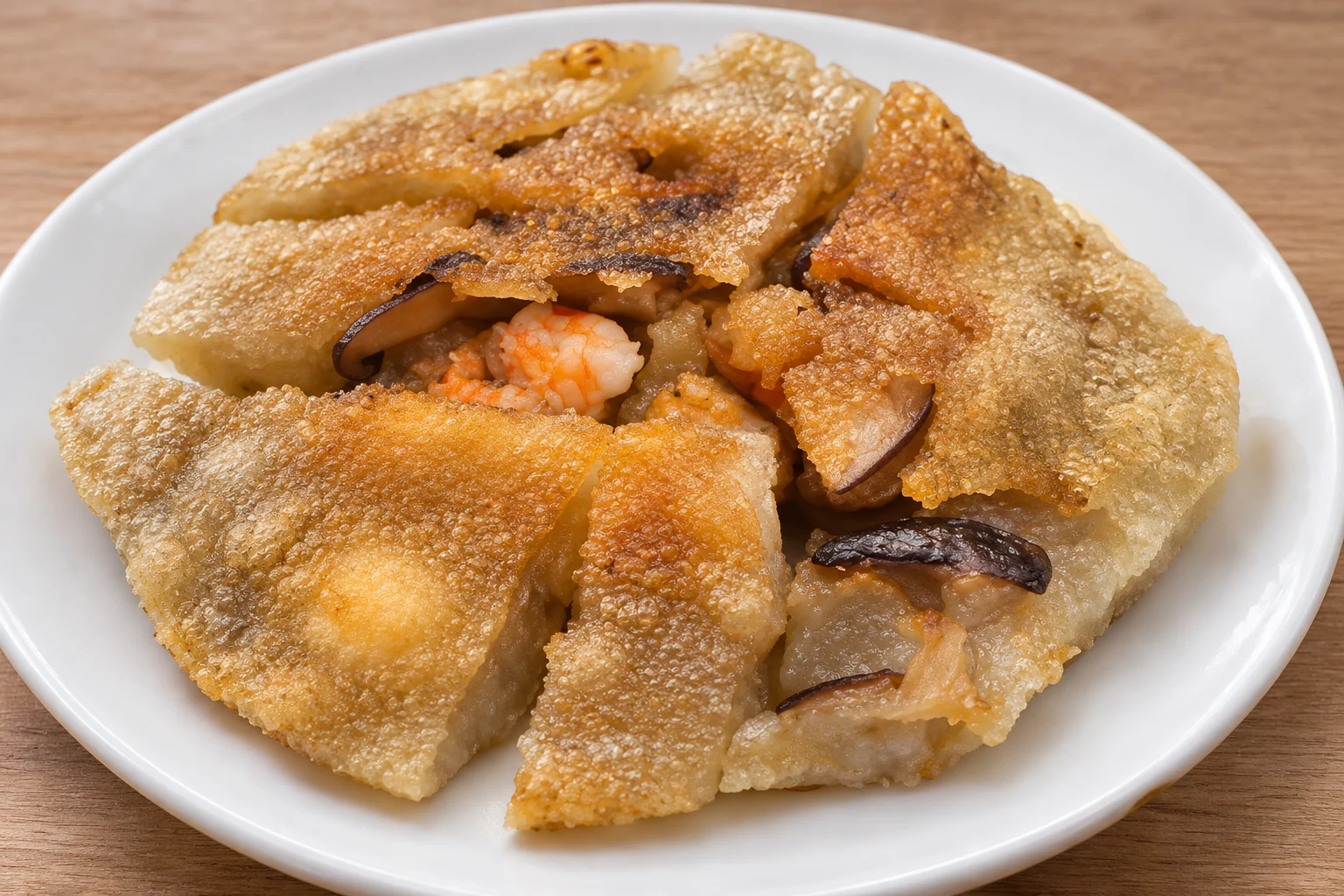
Eat hot from a small plate, using chopsticks or a fork to separate the cut pieces. Let the centre cool slightly. Shrimp may retain their shells; check before biting. Ask for chilli sauce separately if you prefer a mild serving.
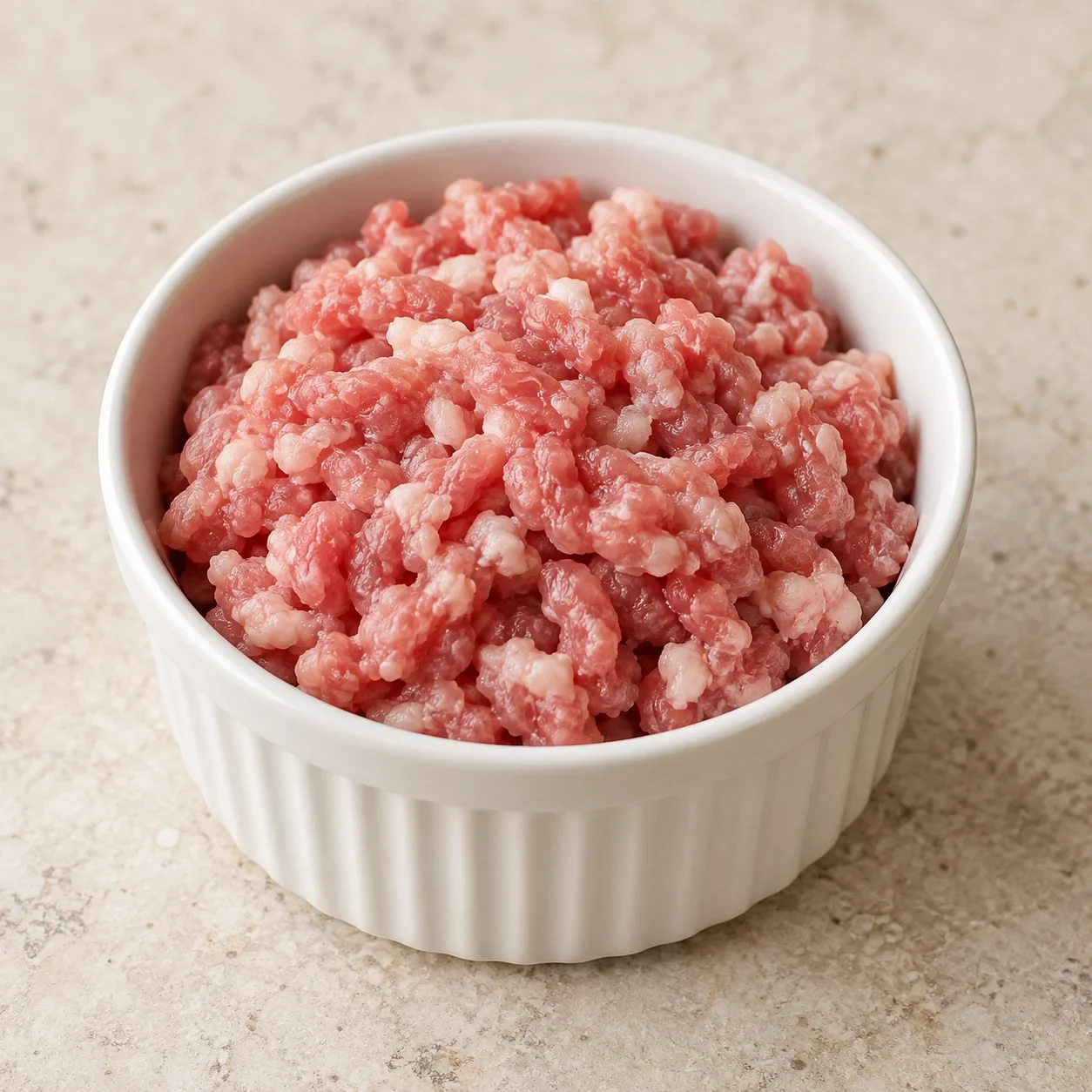
Contains pork, seafood and egg in this version; lard is also commonly used, so it is neither vegetarian nor vegan. Shrimp, squid and quail eggs are relevant allergens. Soy sauce, oyster sauce, fish sauce, shacha or peanut sauce may add soy, wheat, molluscs, fish, peanuts or sesame, depending on the recipe. Confirm the filling, sauces and shared utensils for allergies. A rice-and-starch casing does not guarantee a gluten-free finished dish.
Peach-shaped moulds are familiar, but bowl-shaped cakes also occur. Fillings may include dried scallops or dried shrimp; potato starch may alter the casing. Oil-heated and griddle-cooked versions differ in crust. Soy sauce, chilli sauce, shacha sauce and sometimes peanut sauce are different dressing options, not universal additions.
GET TO KNOW THE DISH
What goes into it?
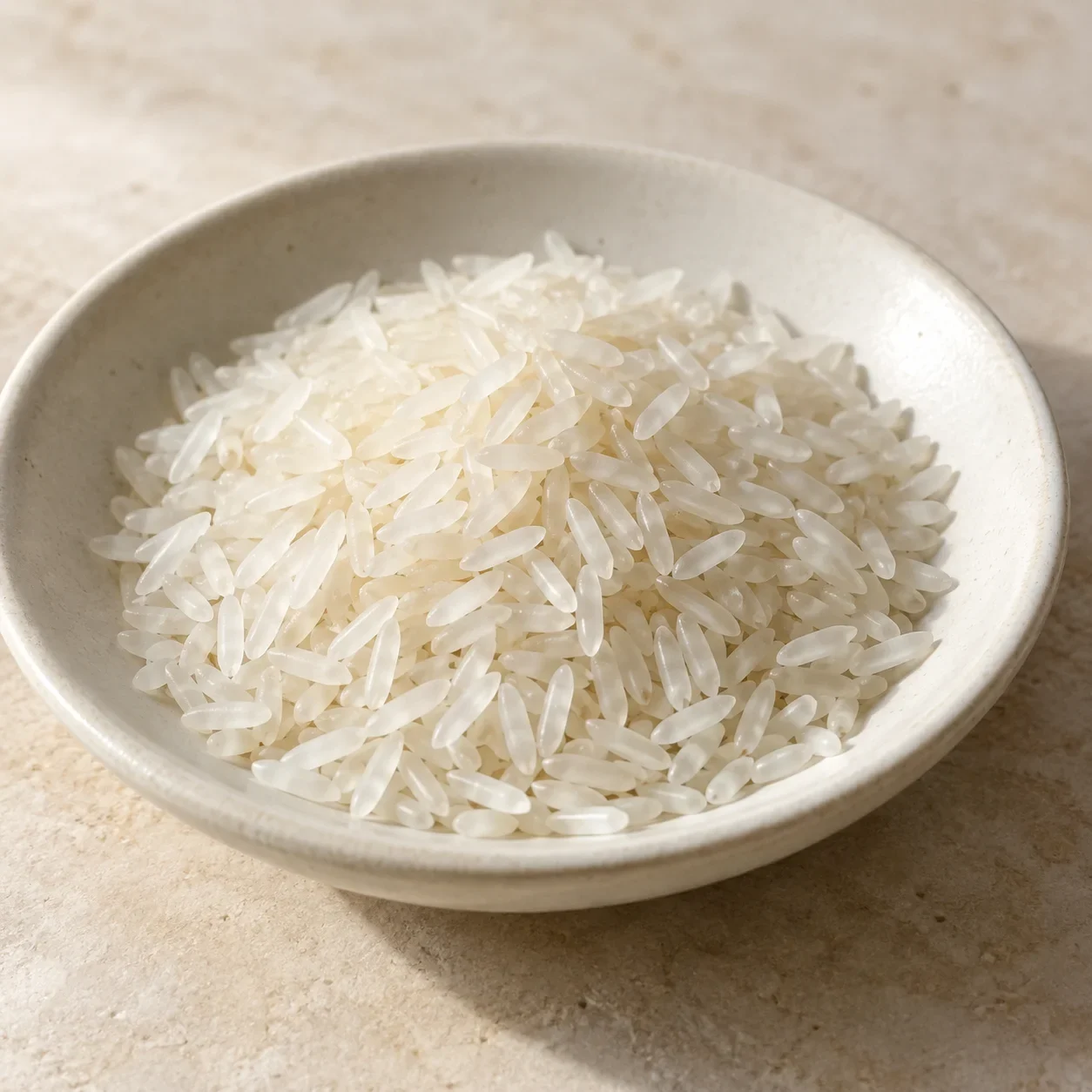
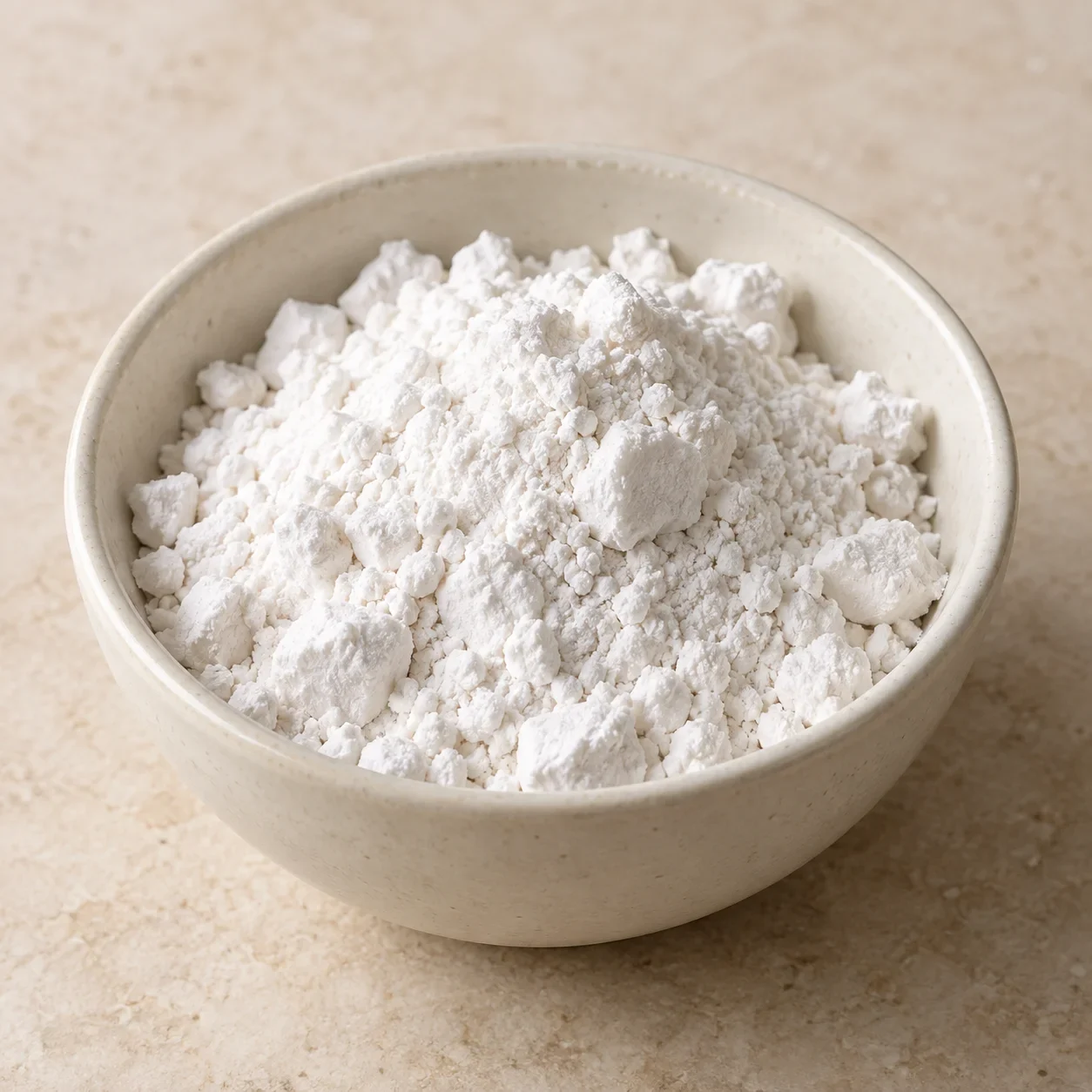
Explore some key ingredients below. Preparations may use additional seasonings and ingredients.
Peach-shaped moulds are familiar, but bowl-shaped cakes also occur. Fillings may include dried scallops or dried shrimp; potato starch may alter the casing. Oil-heated and griddle-cooked versions differ in crust. Soy sauce, chilli sauce, shacha sauce and sometimes peanut sauce are different dressing options, not universal additions.
Typical ingredients
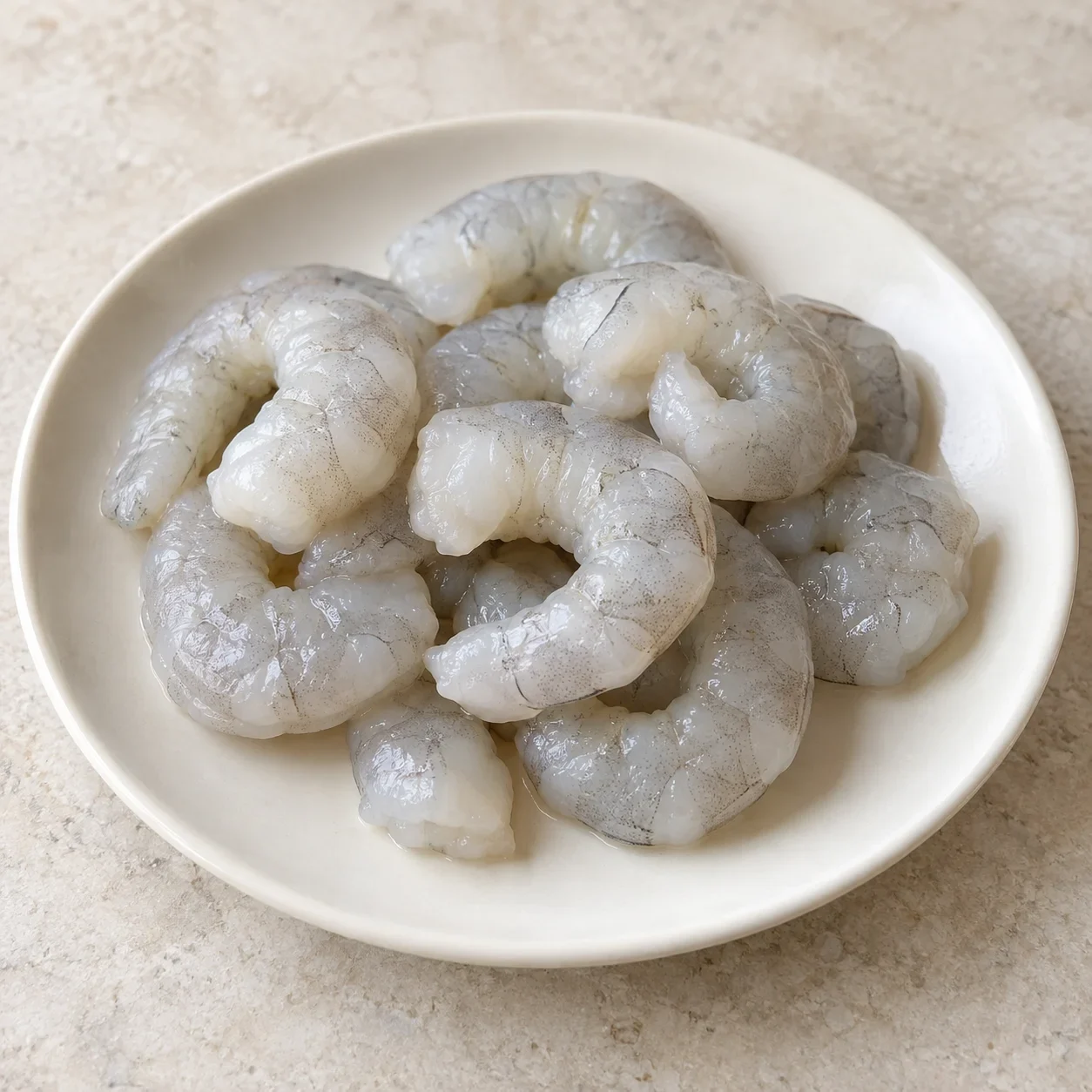
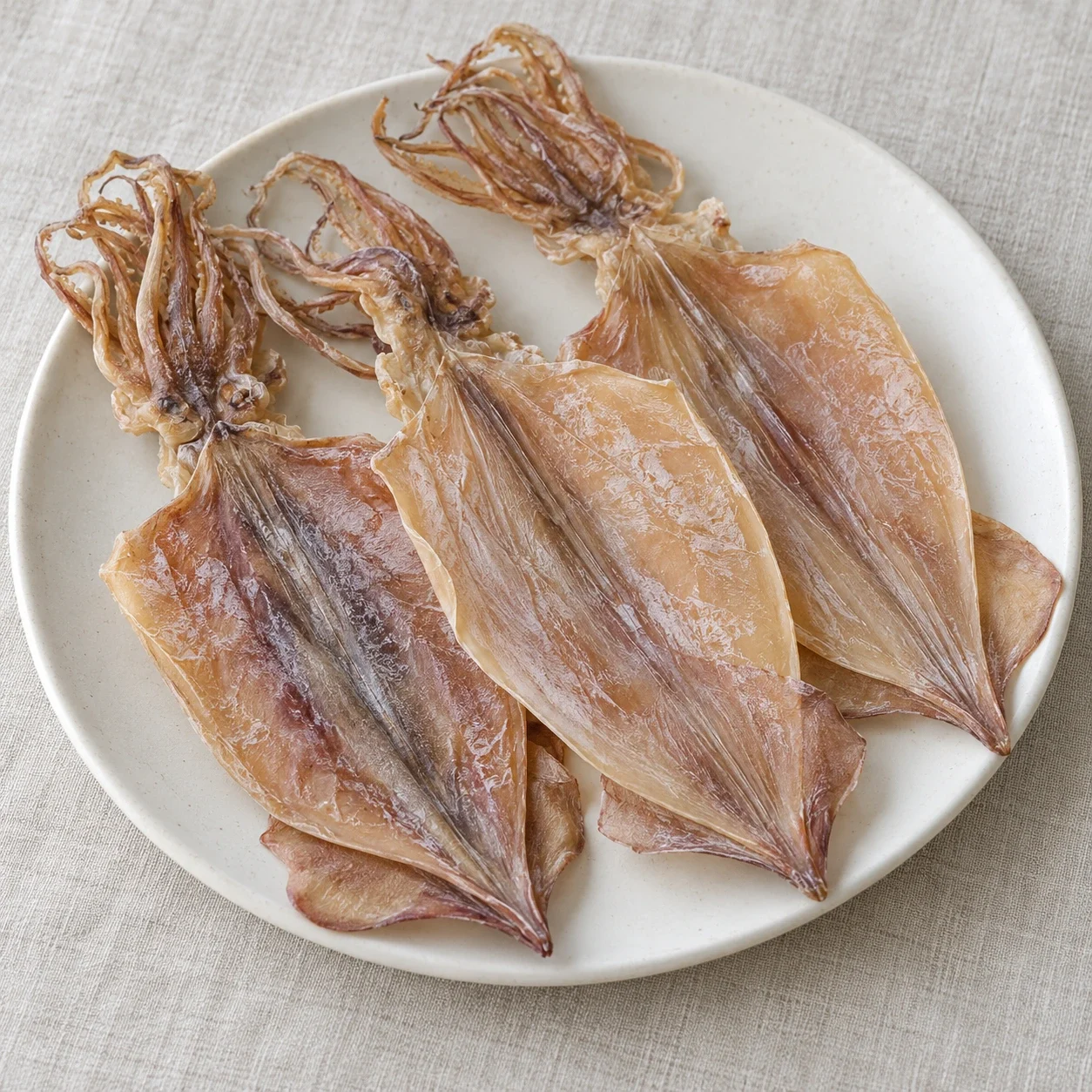
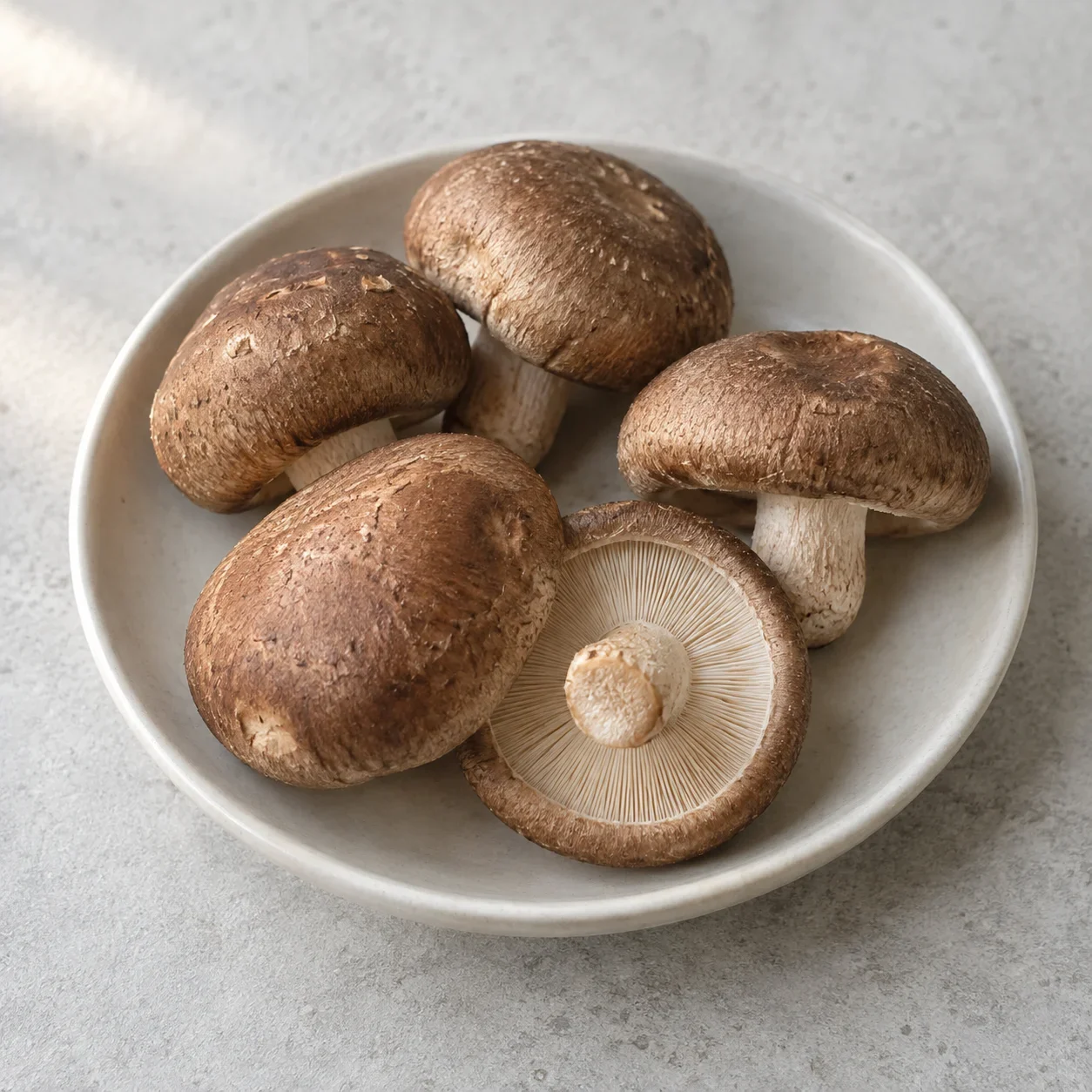
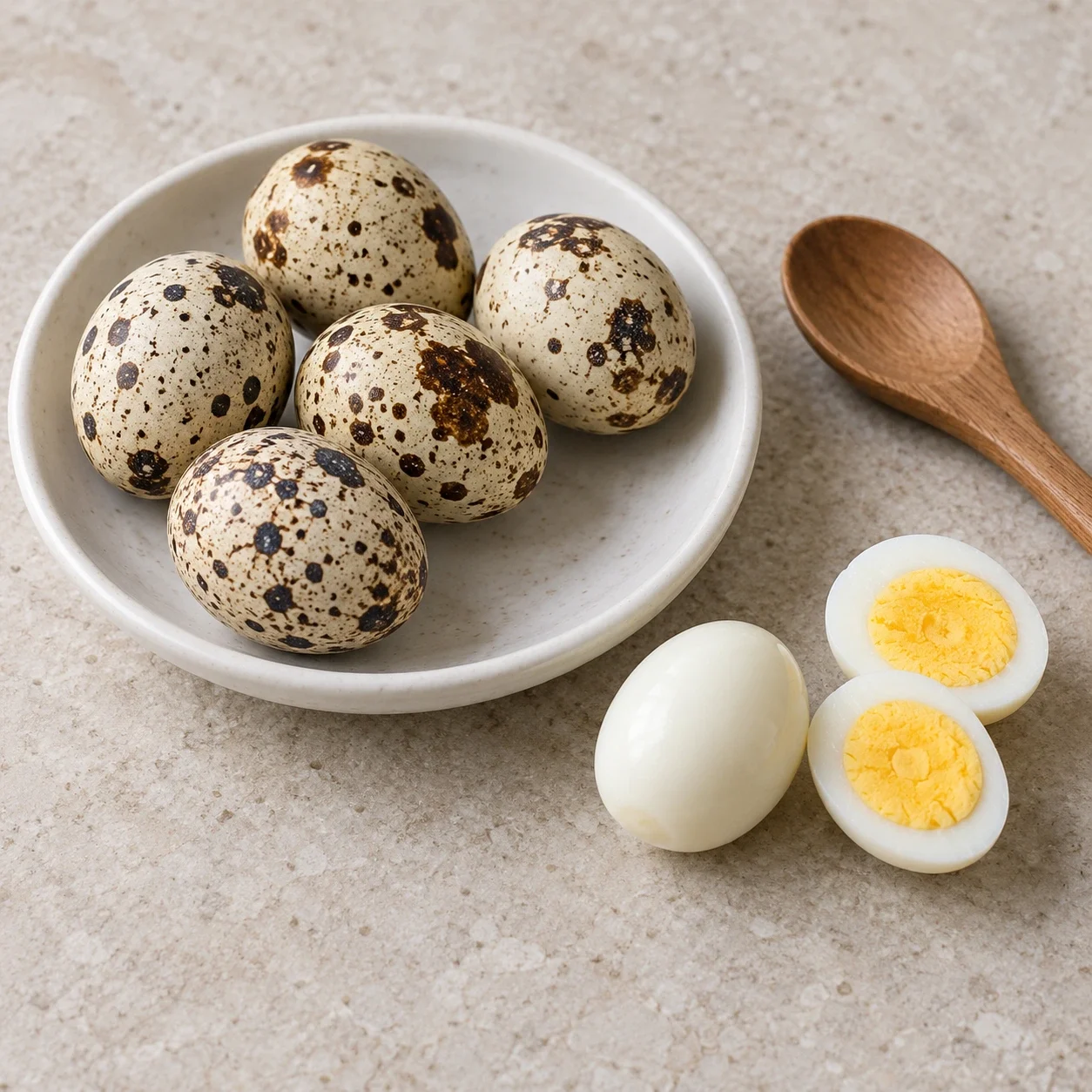
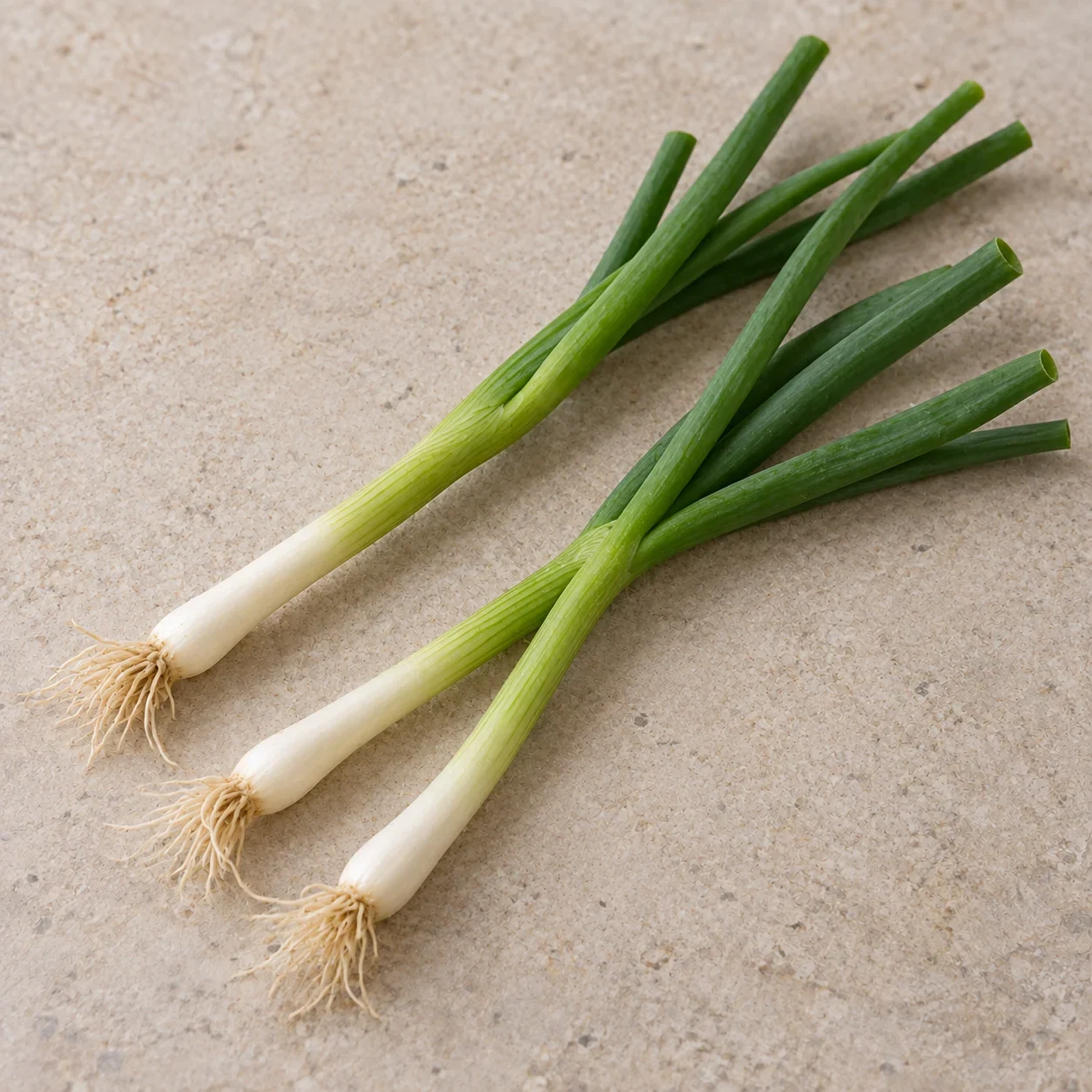
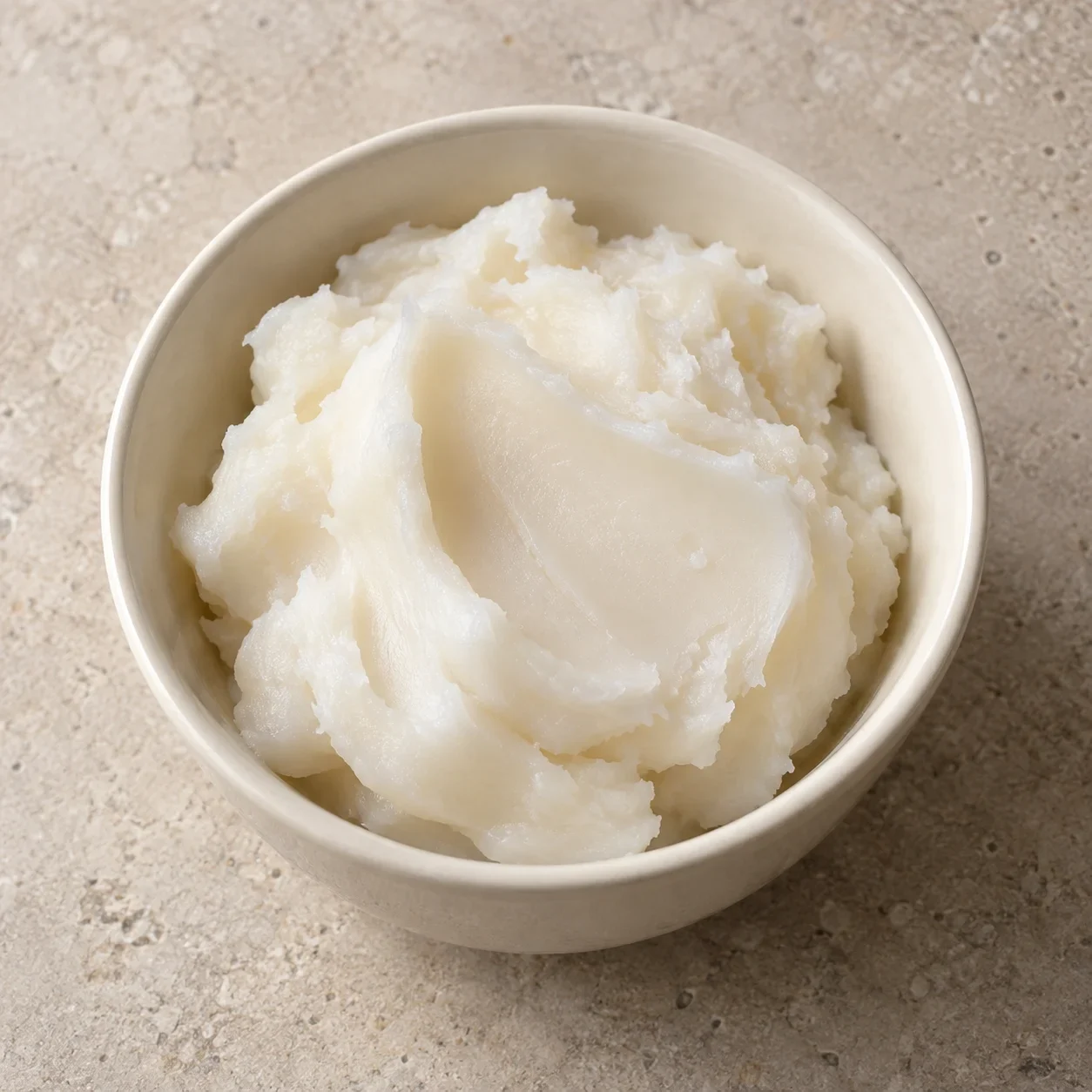
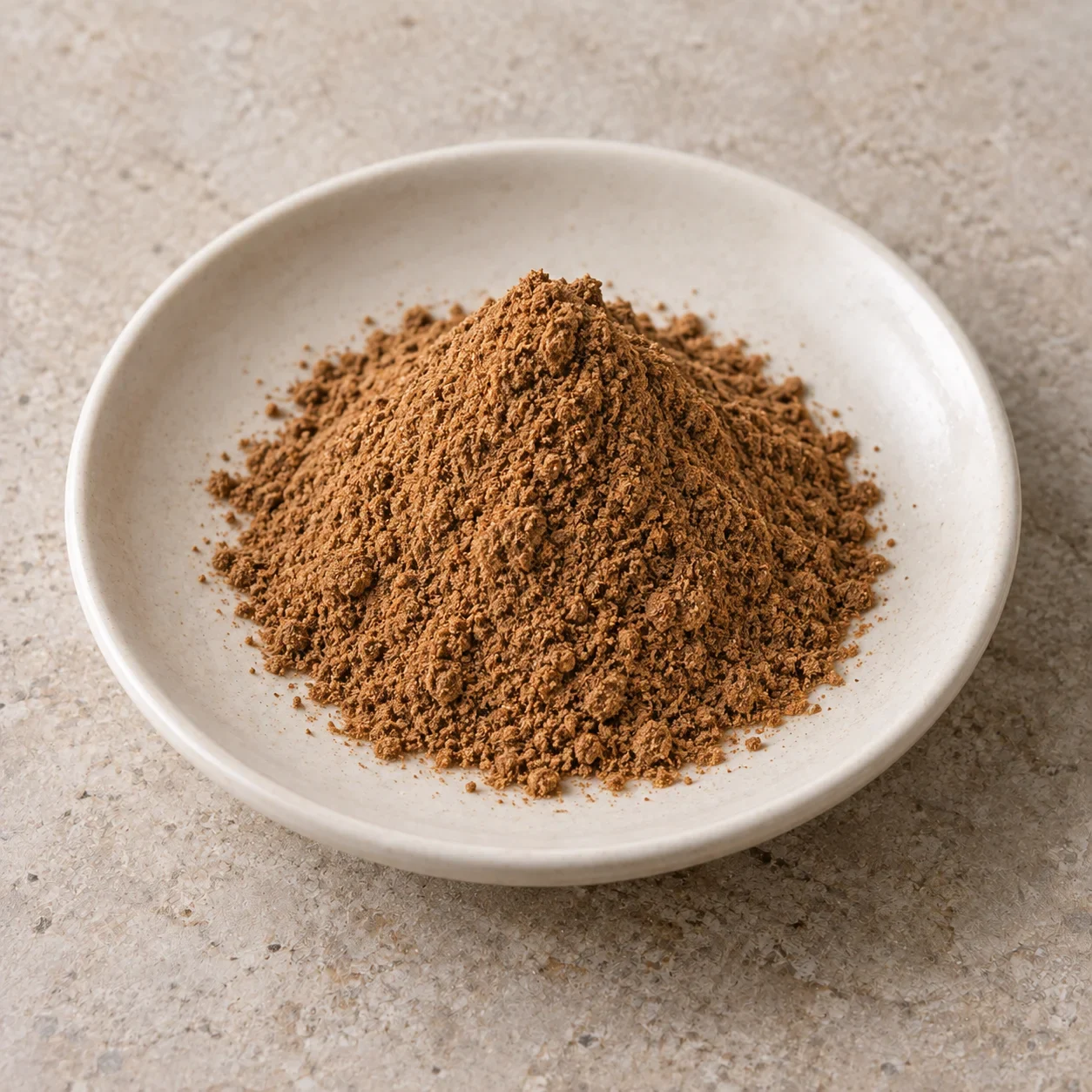

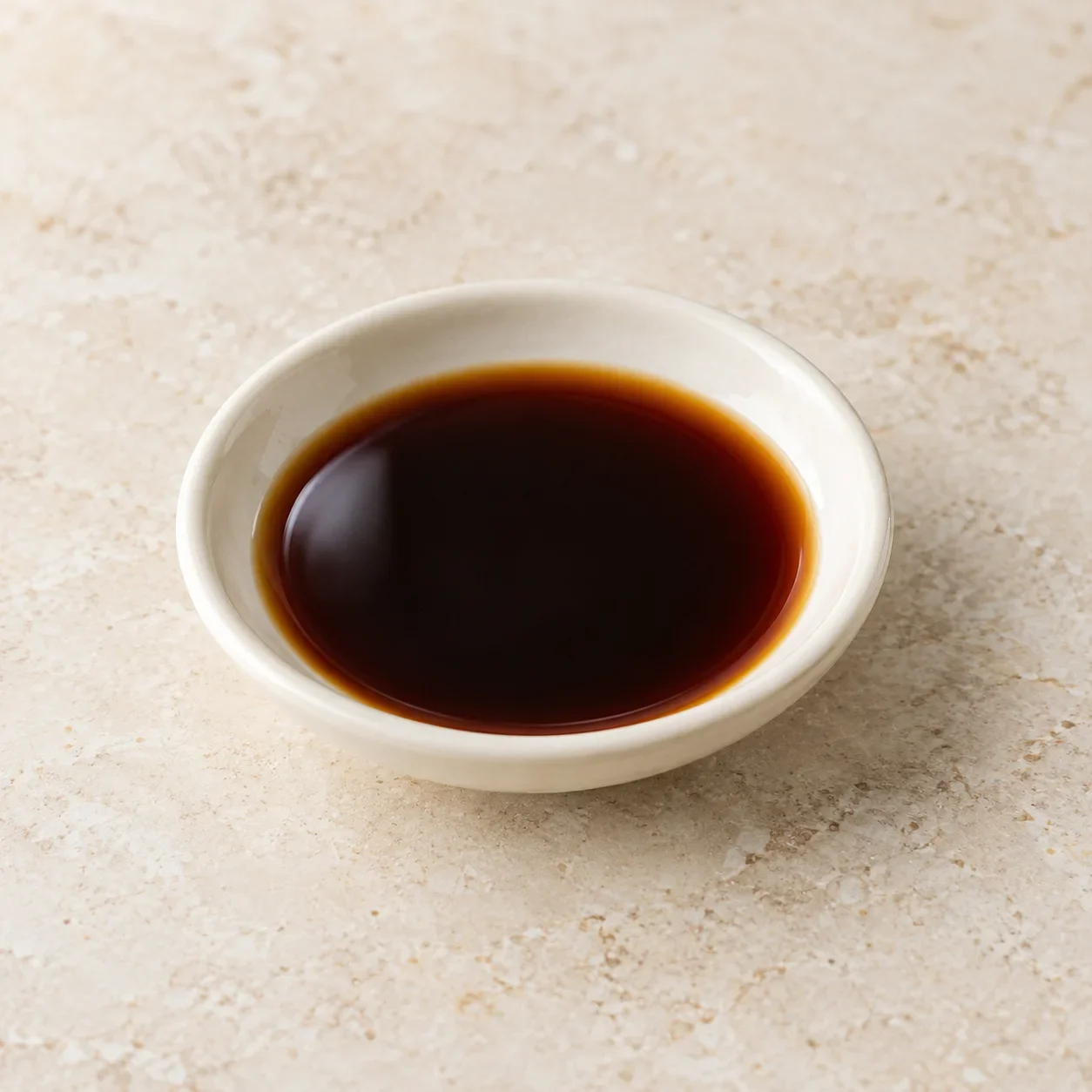
In some versions
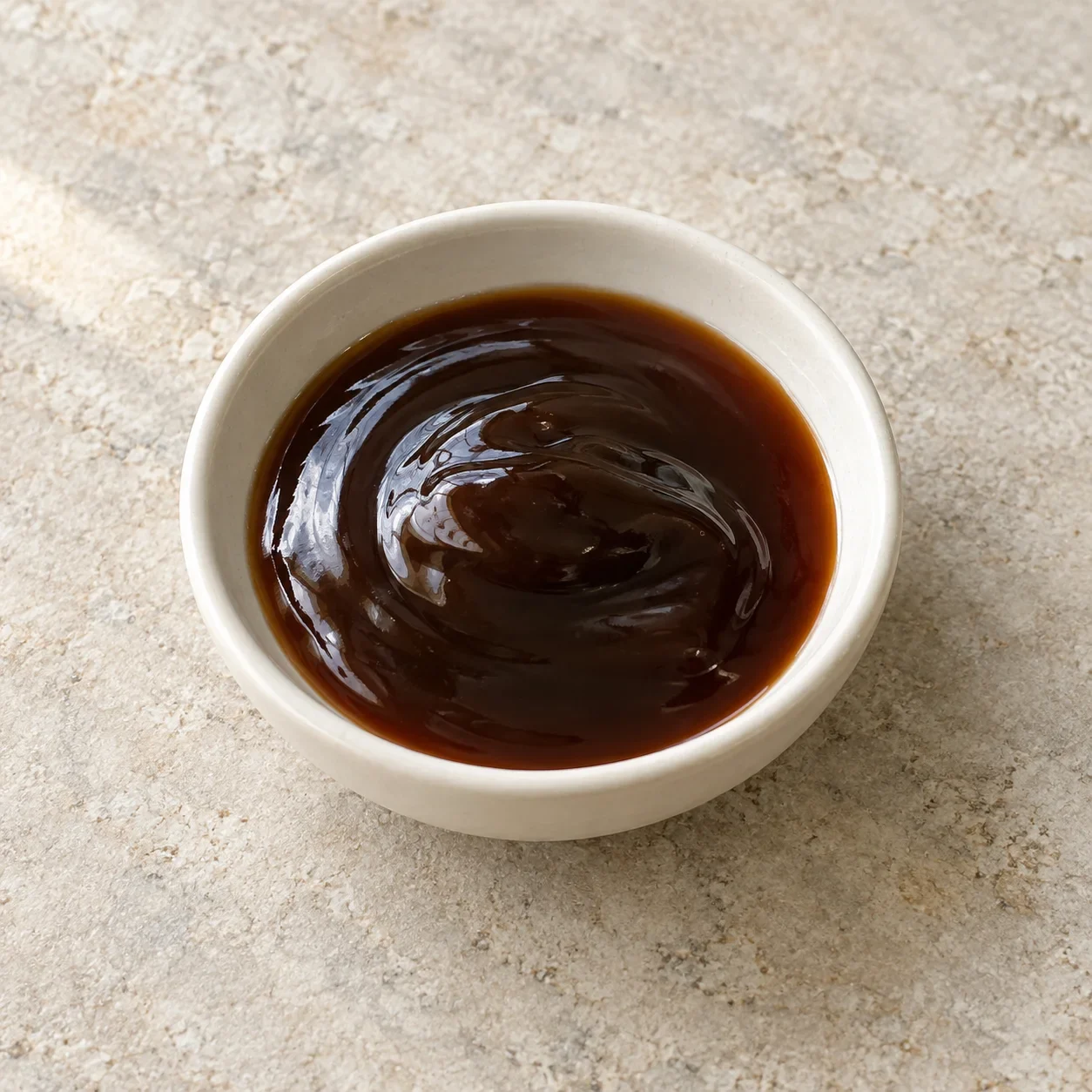
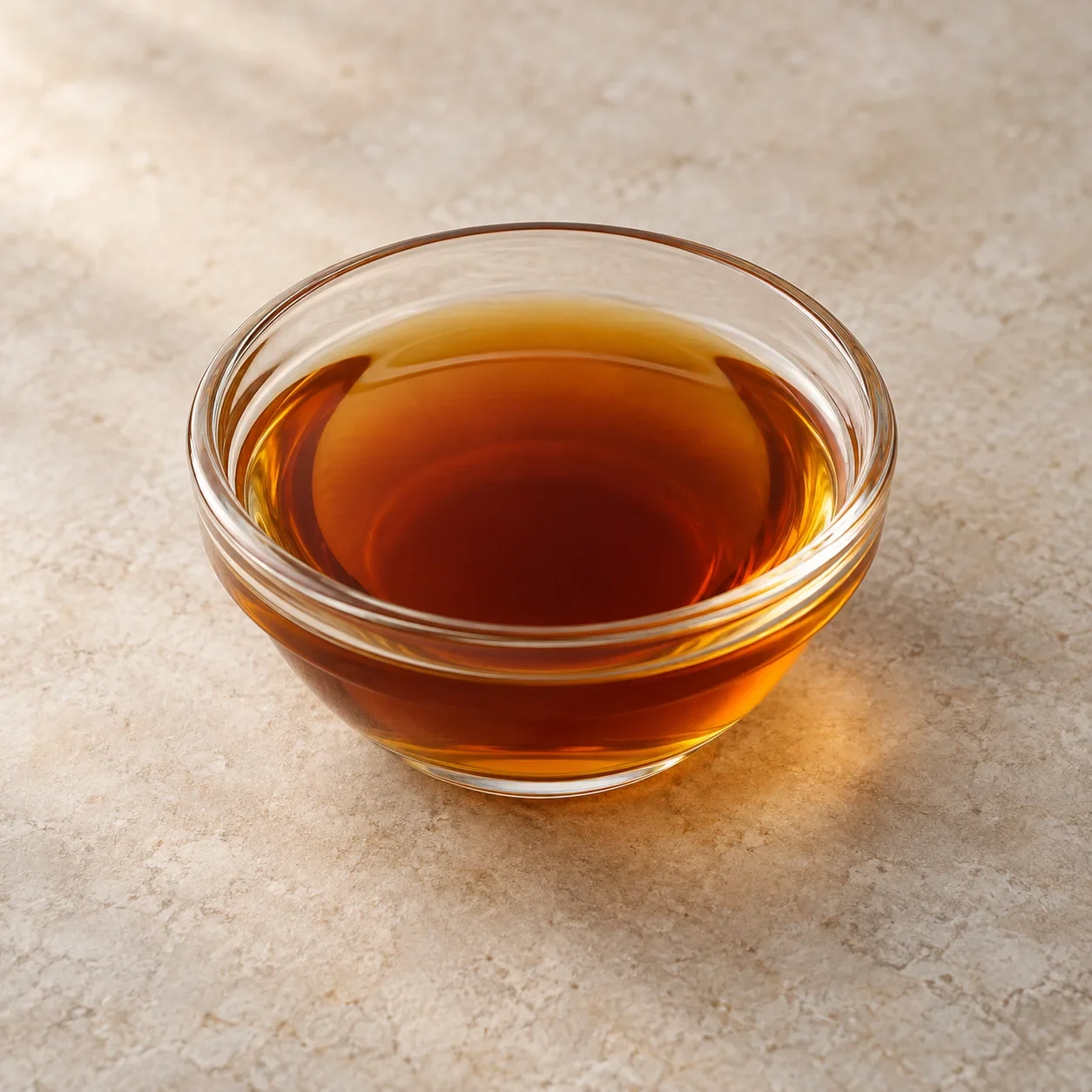
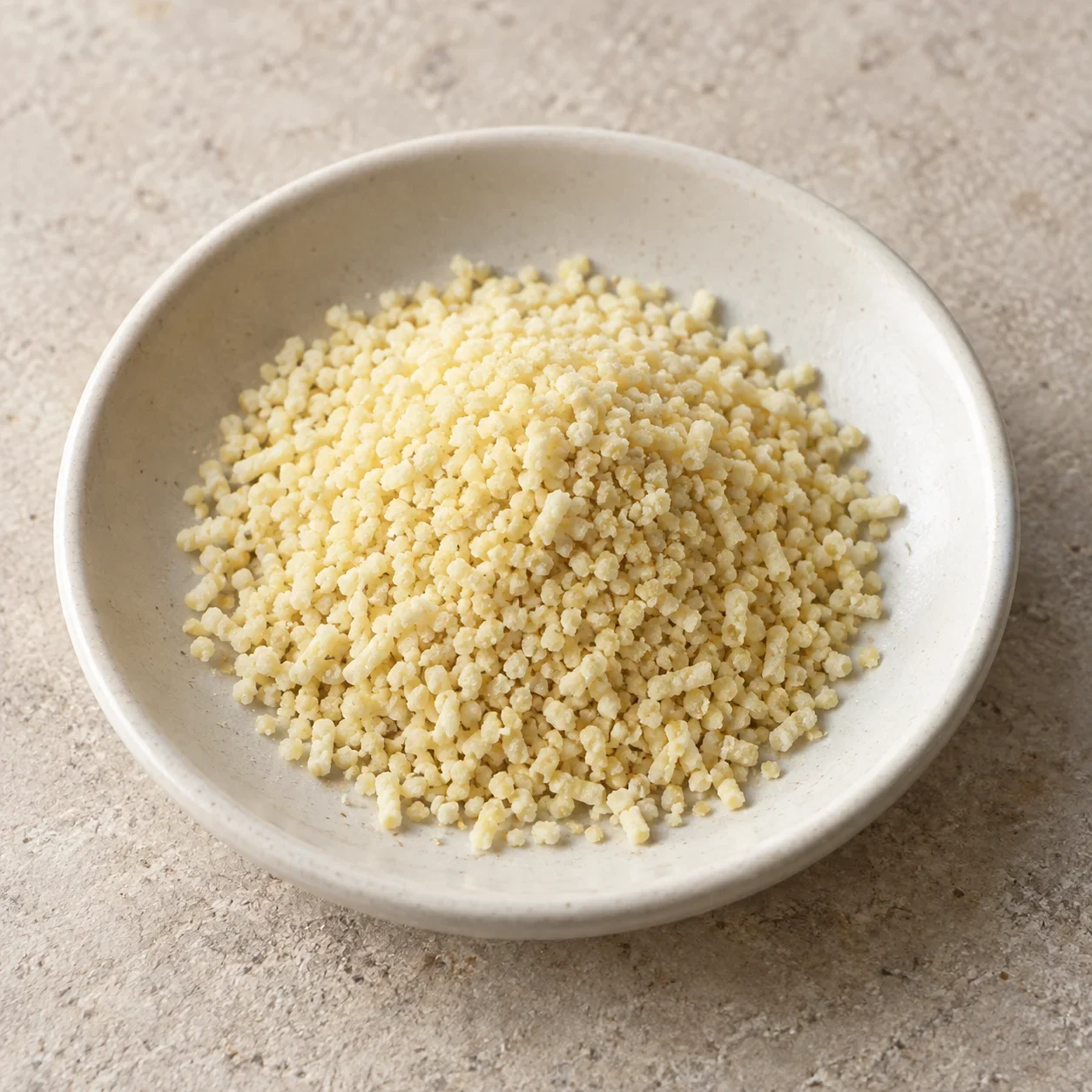
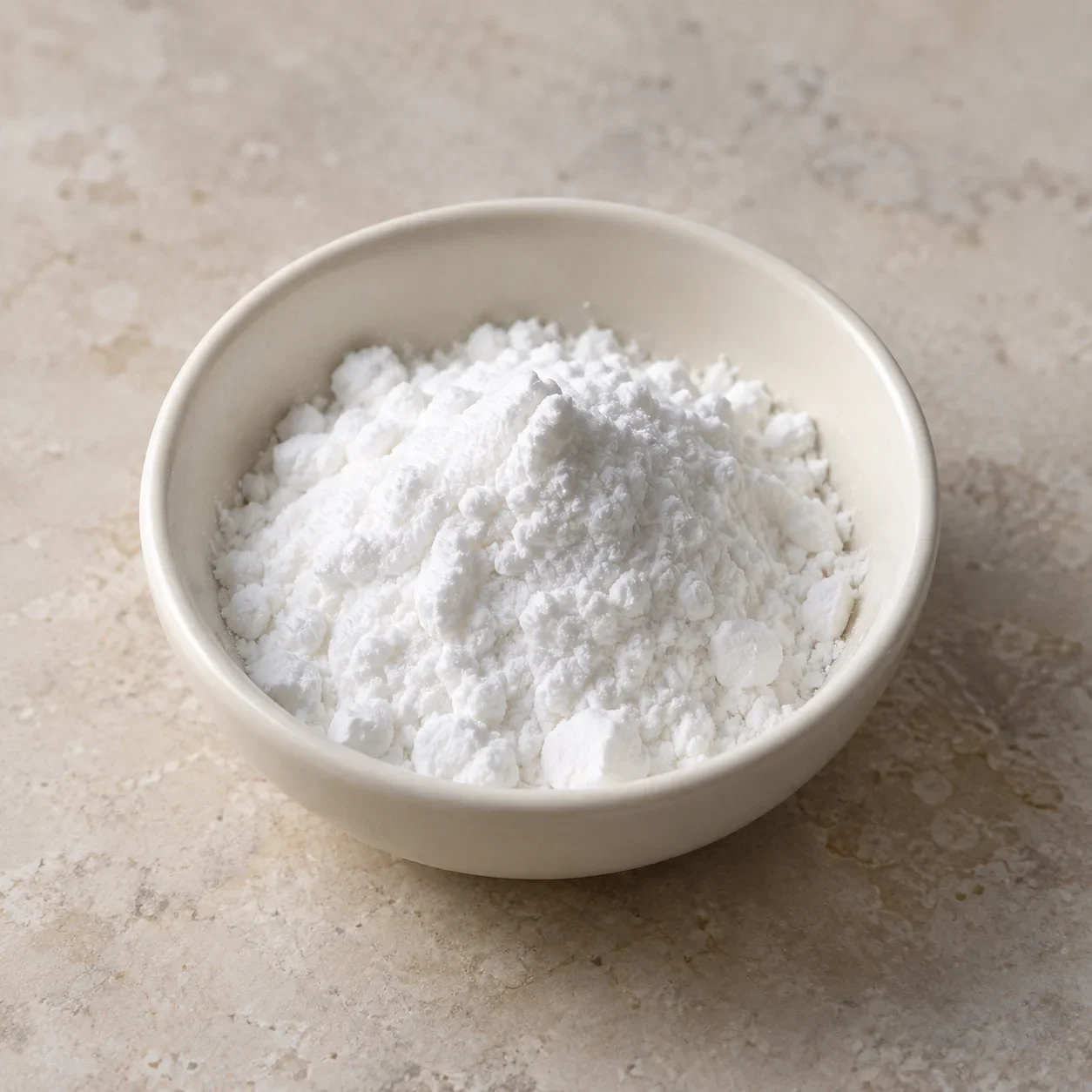
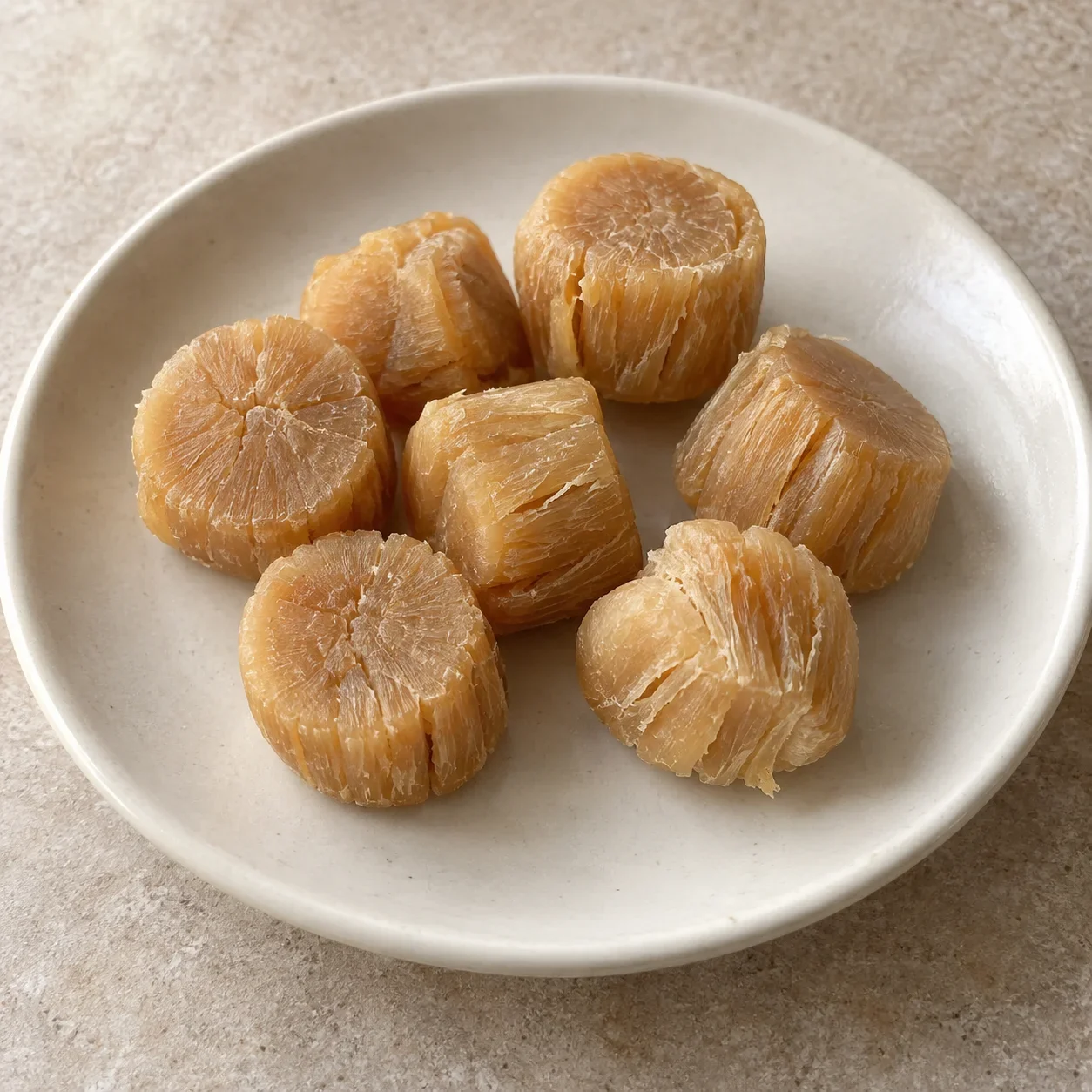
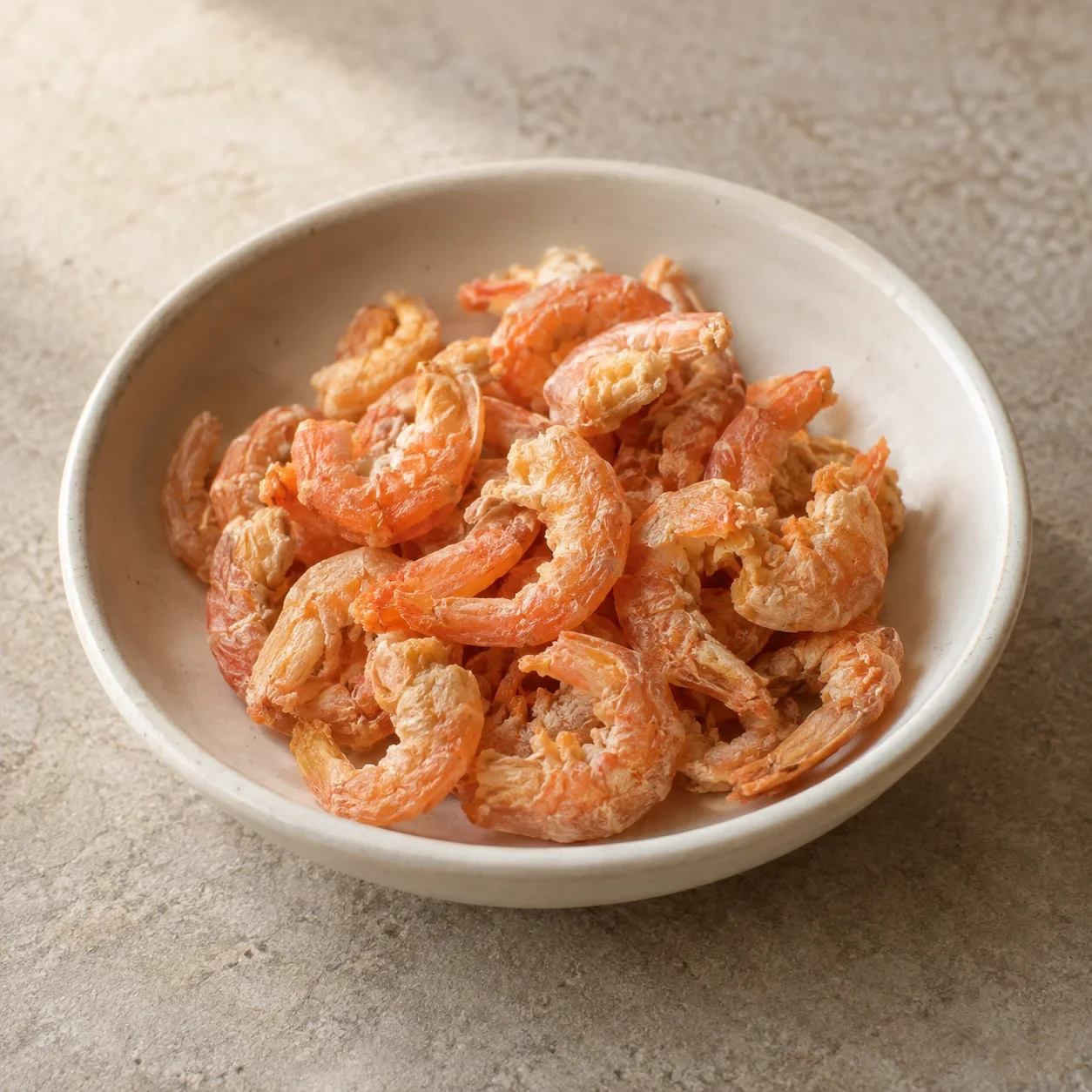
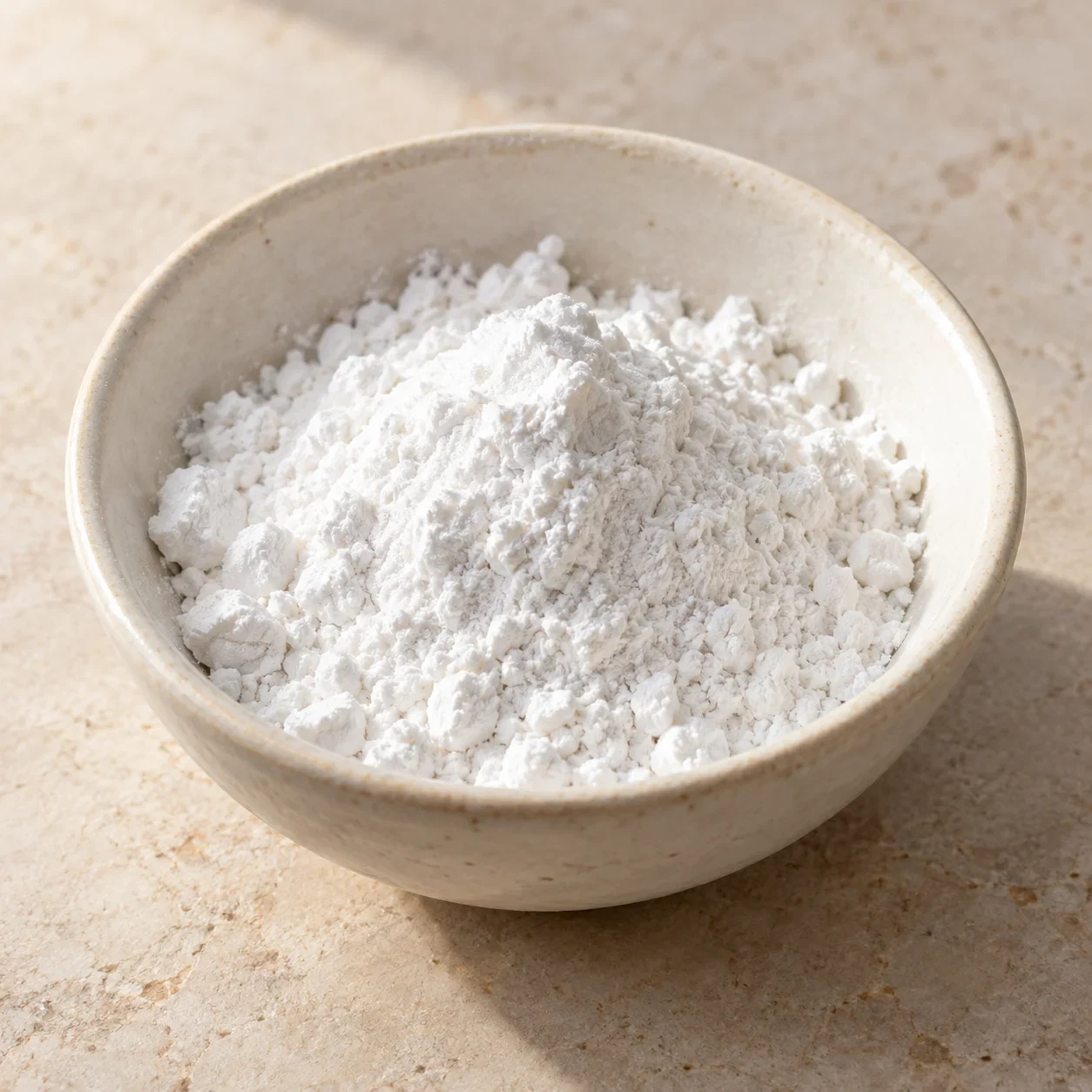
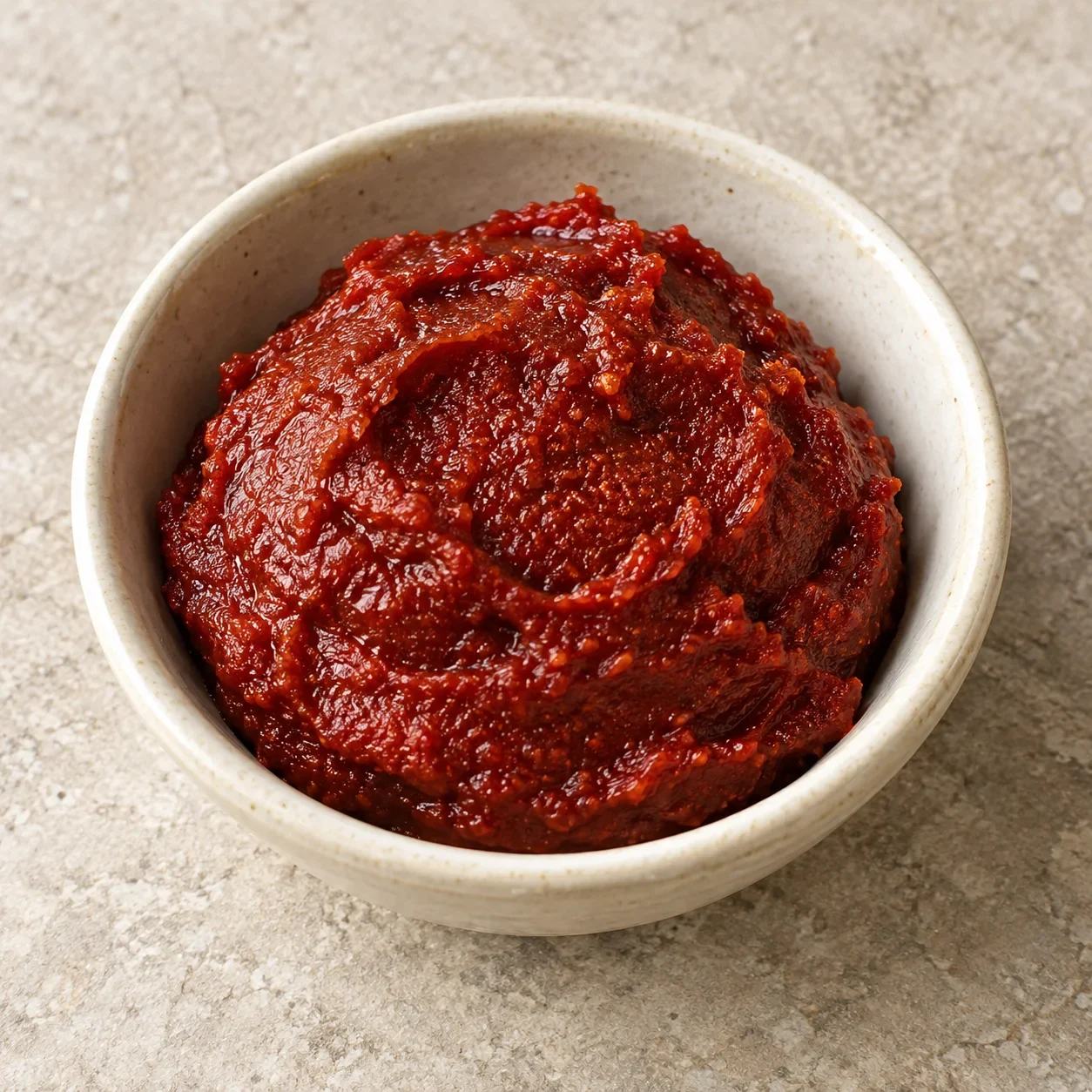
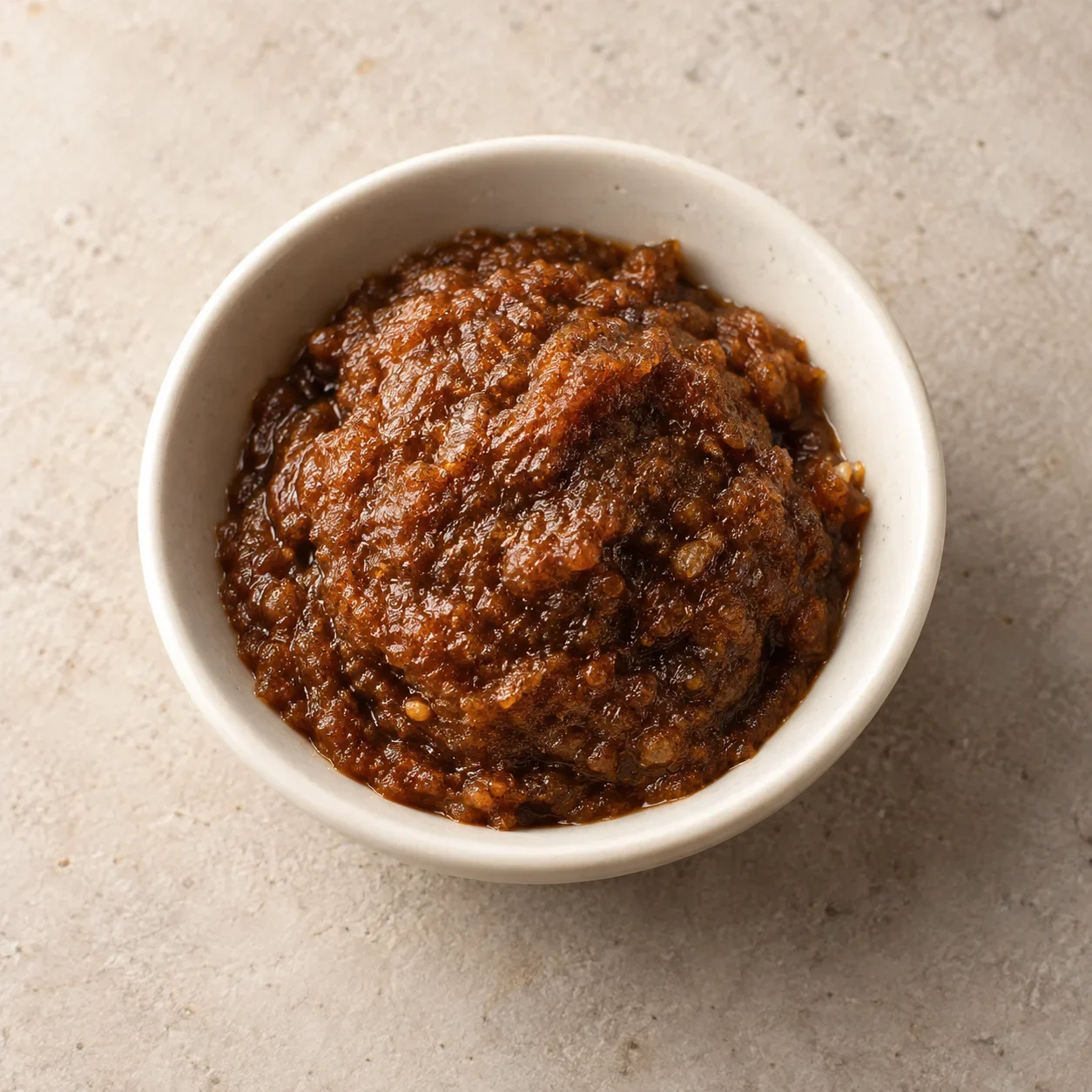
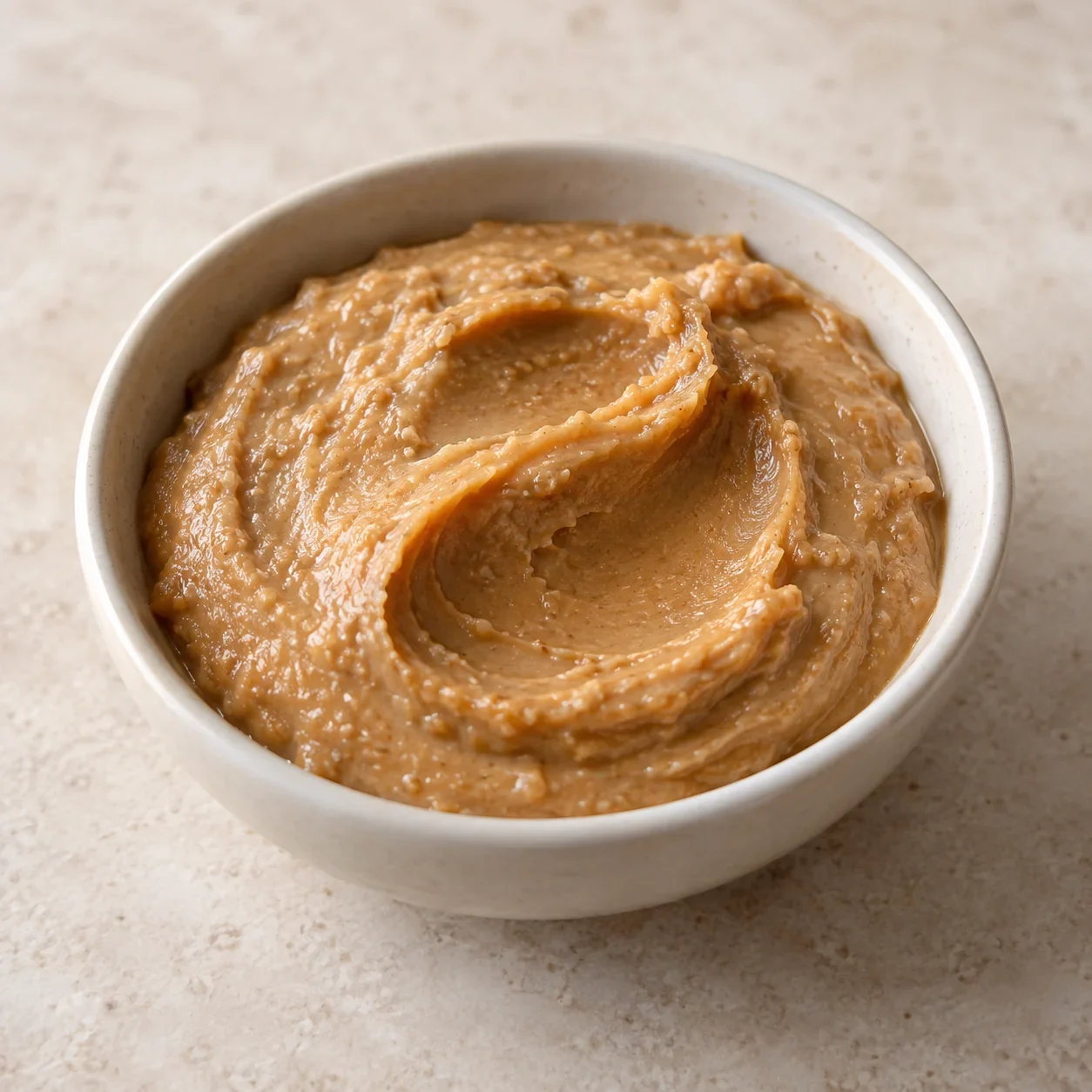
Recipes vary by restaurant.
How does it taste?
Rich pork and seafood savouriness with mushroom depth and a little five-spice fragrance. Soy-based dressing adds saltiness; optional chilli sauce brings heat.
- Chili heat
- Texture
- A dense, soft and springy starch casing with substantial pieces of filling. The outside may be lightly crisp after heating in oil, while the inside stays tender.
- How it’s made
- Blend cooked rice congee with sweet-potato starch. Layer the batter and prepared fillings in an oiled mould, cover with batter and steam until fully cooked. Unmould after setting, then heat through in oil, traditionally often lard. Cut open and add sauce.
Peach-shaped moulds are familiar, but bowl-shaped cakes also occur. Fillings may include dried scallops or dried shrimp; potato starch may alter the casing. Oil-heated and griddle-cooked versions differ in crust. Soy sauce, chilli sauce, shacha sauce and sometimes peanut sauce are different dressing options, not universal additions.
A CONNECTION TO PLACE
Origin & regional roots
Associated with Guangdong.
About this regional connection
Guangdong: Chaoyang in Shantou,including Miancheng.
Ask if they have it first
请问你们有潮汕鲎粿吗?
Do you have this item?
A LITTLE SOMETHING TO READ
Story & history
A Chaoyang snack with a changing filling
Hou guo is particularly associated with Chaoyang, including Miancheng. Its familiar moulded form encloses a generous filling. Modern preparations use shrimp and other seafood rather than the horseshoe crab suggested by its name, while retaining the sequence of steaming and heating in oil.