
At the table
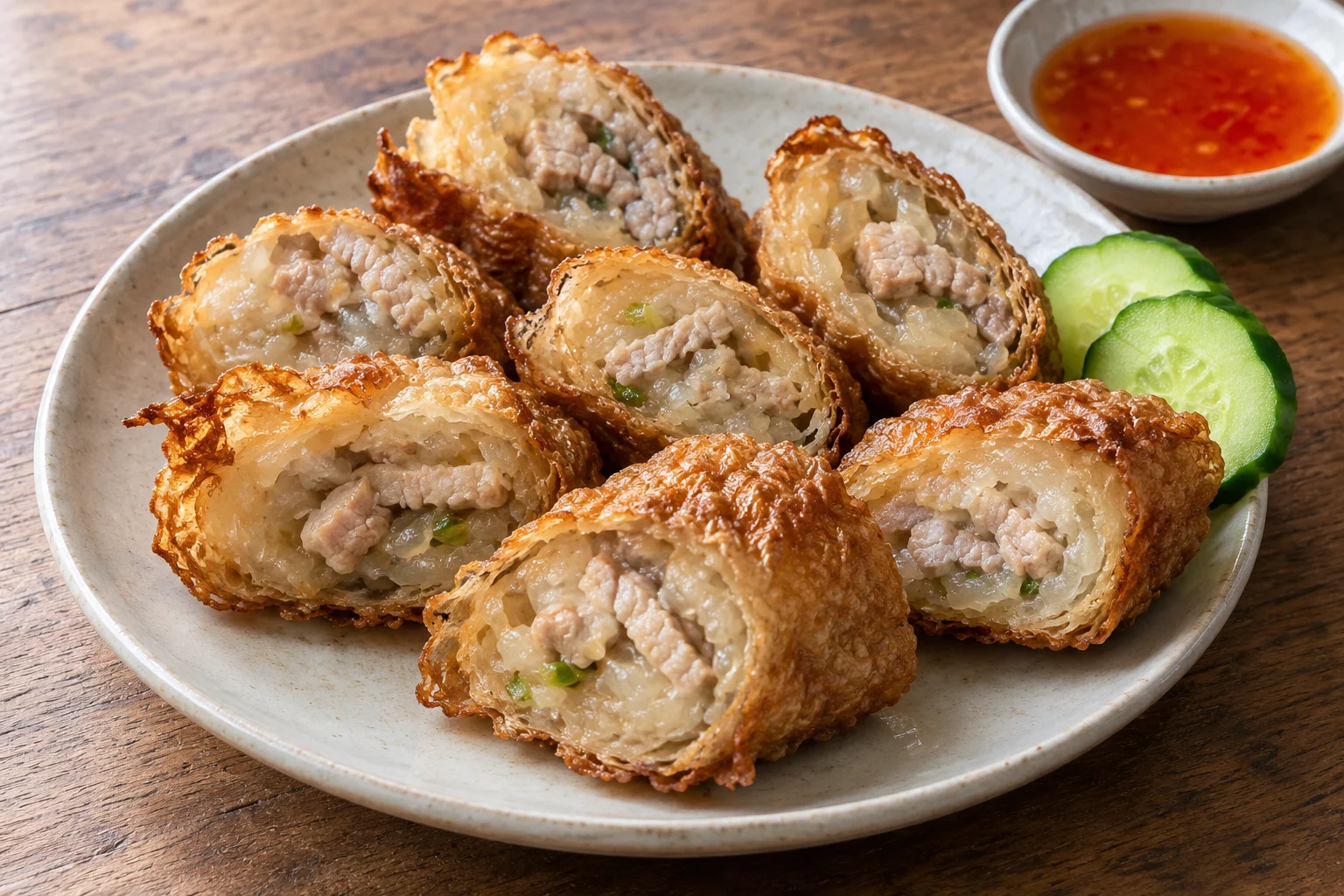
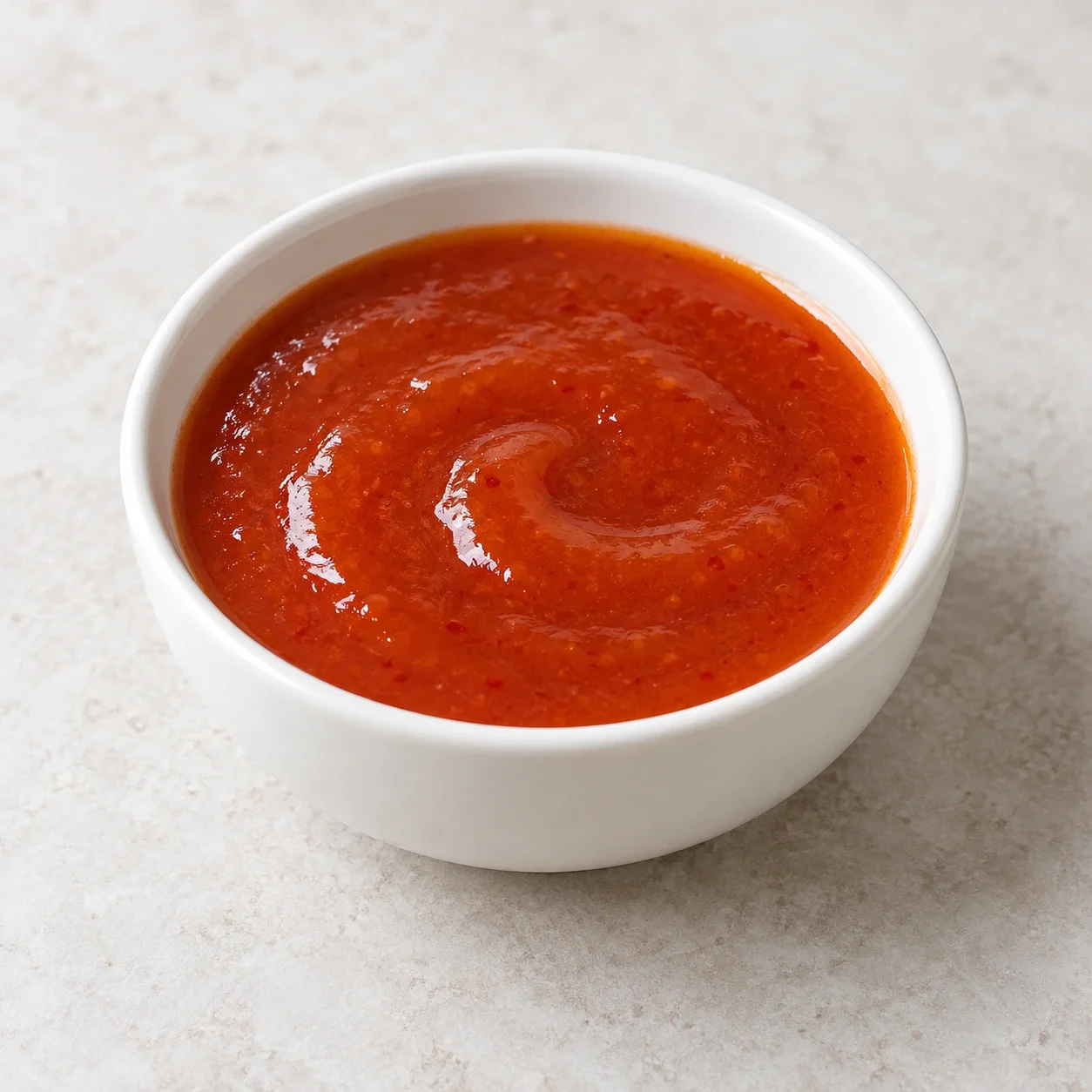
Eat freshly fried while the wrapper is crisp. Pieces can be eaten with chopsticks or a pick; the center may still be very hot. Try the roll first, then add sweet chili sauce if wanted. Cucumber may be served alongside.
The pork-onion reference version contains pork, soy and egg and is neither vegetarian nor vegan. Soy sauce commonly contains wheat, and binders or dipping sauces may also contain wheat. Fish paste appears in some versions; chicken is possible too. Cooking rice wine is used in the reference recipe, so do not assume the finished dish is alcohol-free. Confirm the filling, wrapper, sauces and shared frying oil for dietary needs. Pepper is distinct from chili; sweet chili sauce is not necessarily mild.
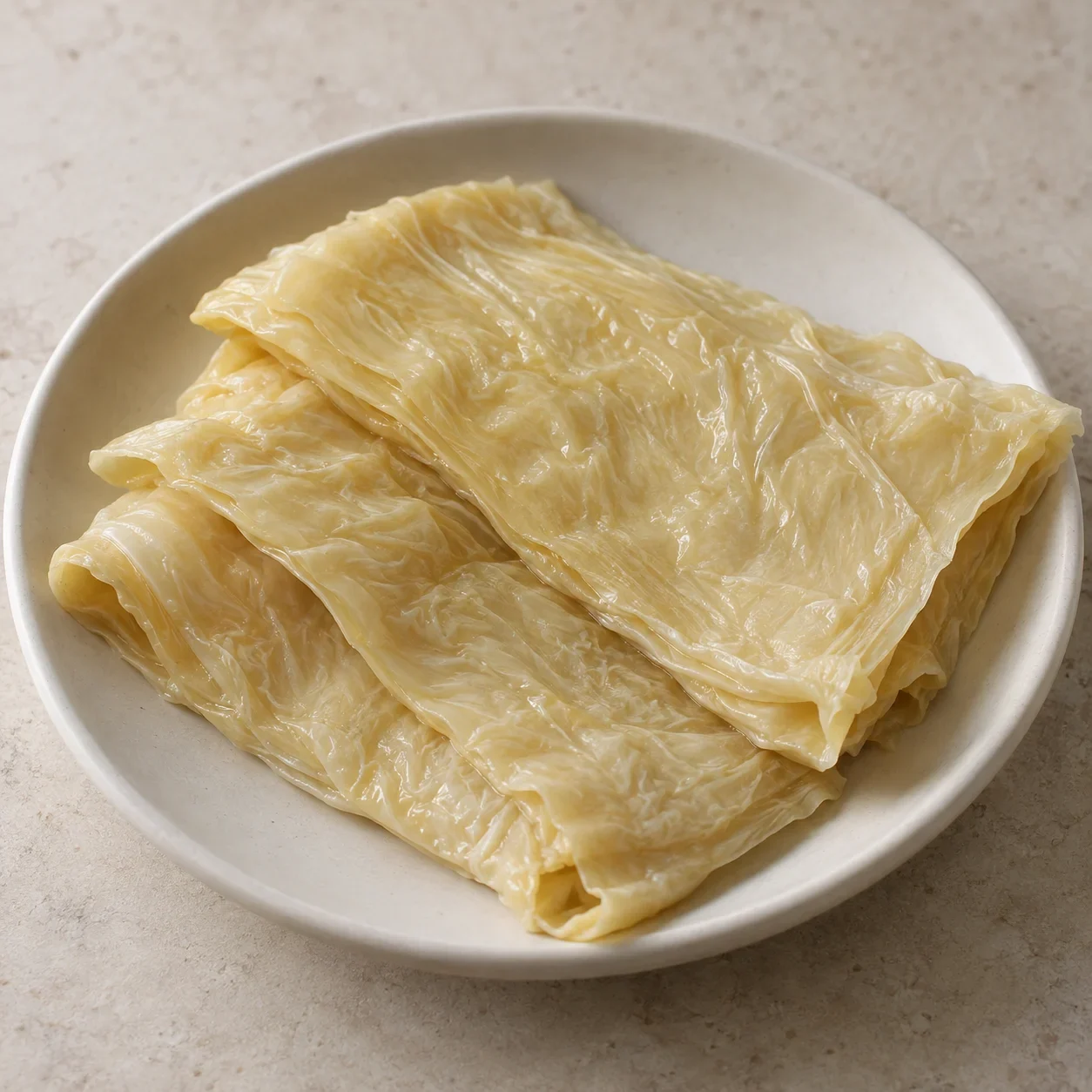
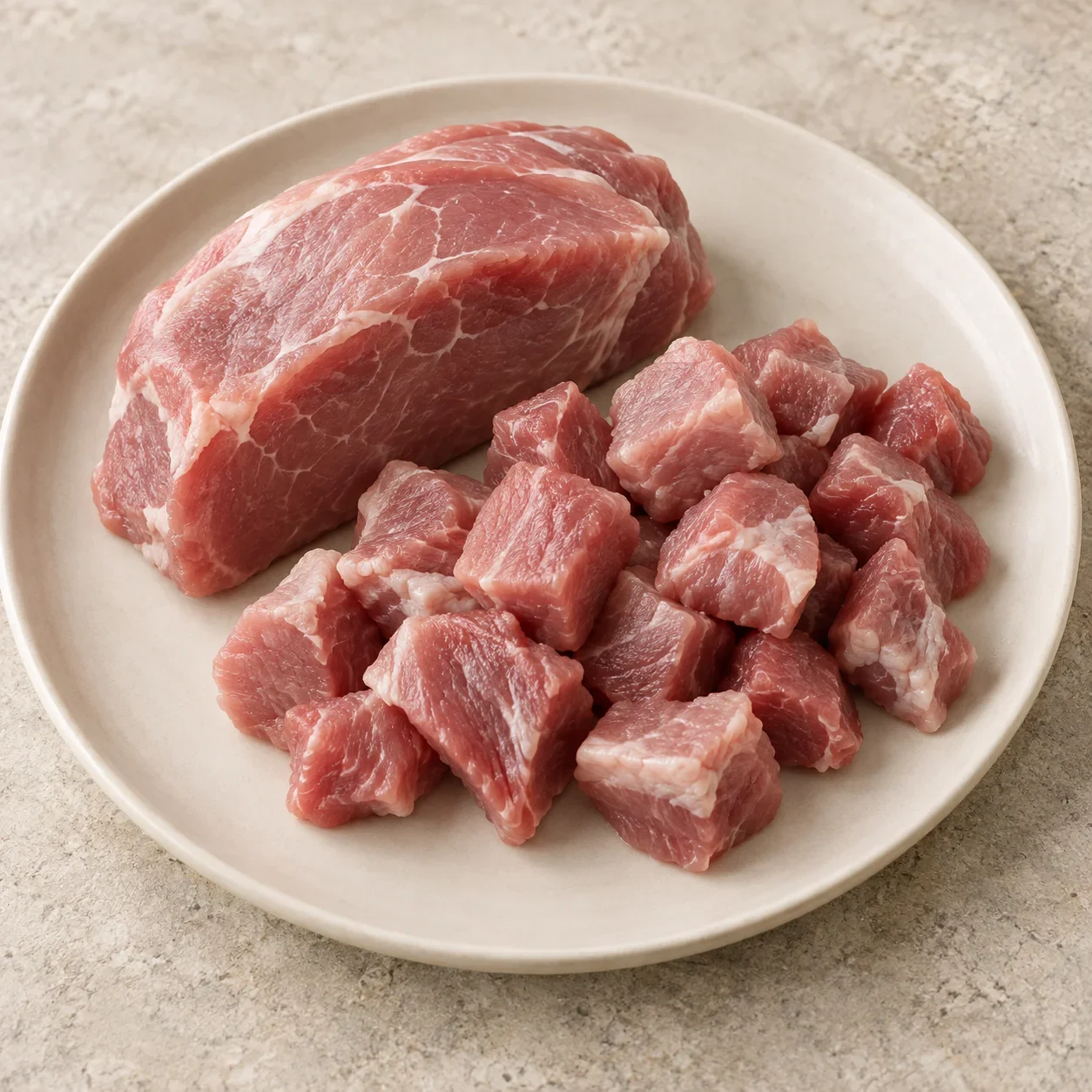
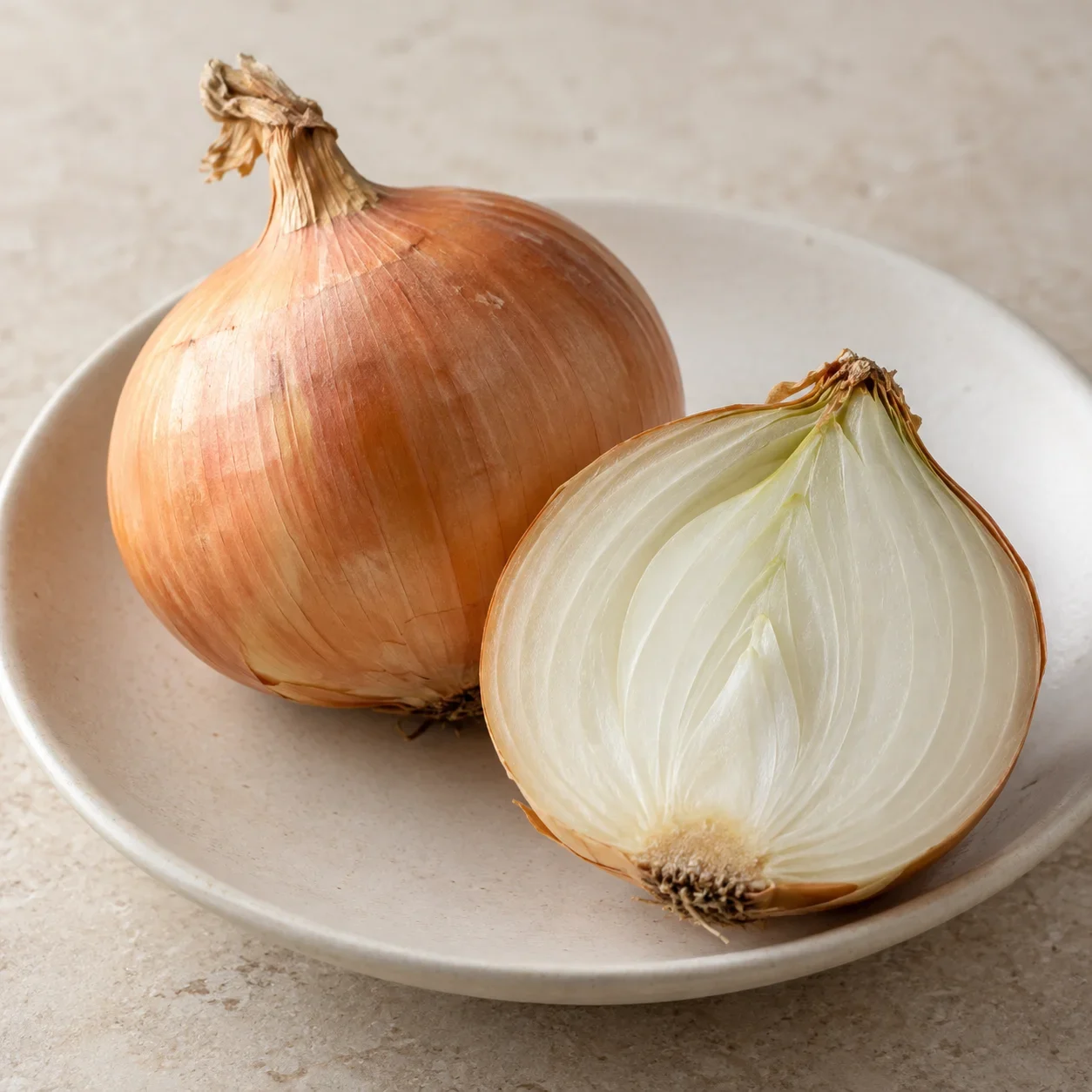
Pork and onion are a common pairing, but versions can include fish paste, water chestnut, taro, carrot or scallion. Some cooks use chicken. The name alone therefore does not identify the meat or allergens. The wrapper is thin soy-milk skin, not a wheat spring-roll wrapper. Dipping sauces and binders vary.
GET TO KNOW THE DISH
What goes into it?
Explore some key ingredients below. Preparations may use additional seasonings and ingredients.
Pork and onion are a common pairing, but versions can include fish paste, water chestnut, taro, carrot or scallion. Some cooks use chicken. The name alone therefore does not identify the meat or allergens. The wrapper is thin soy-milk skin, not a wheat spring-roll wrapper. Dipping sauces and binders vary.
Typical ingredients

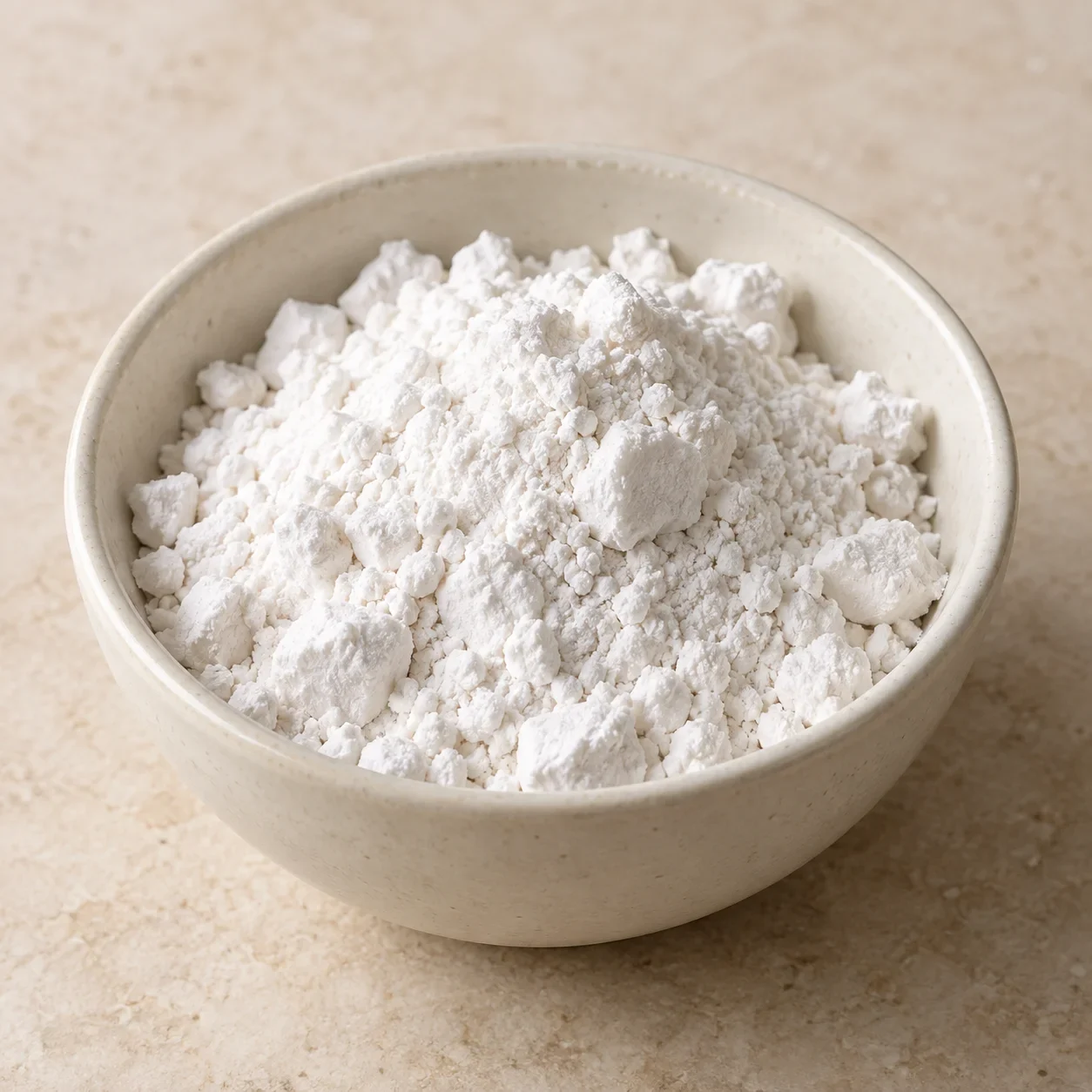
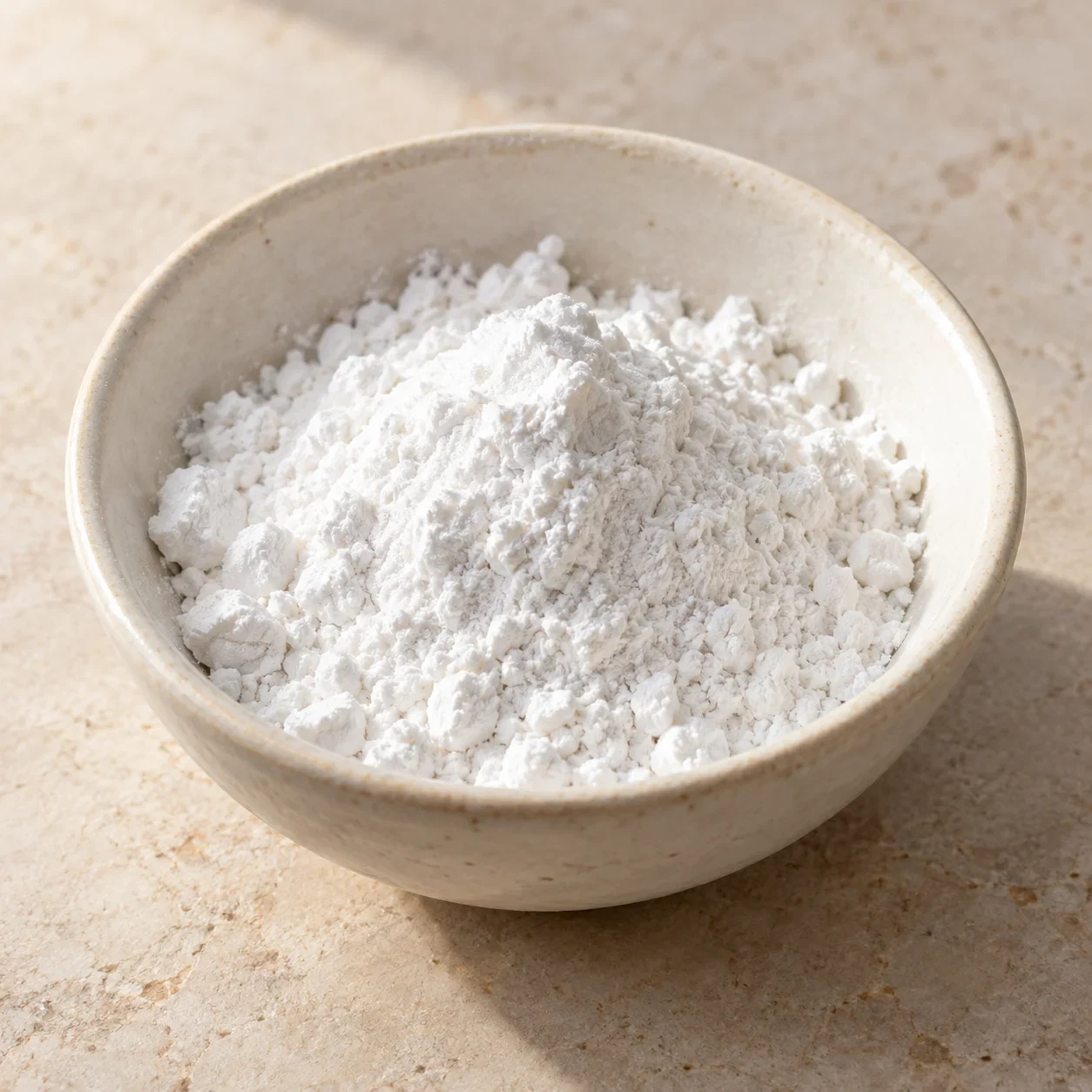

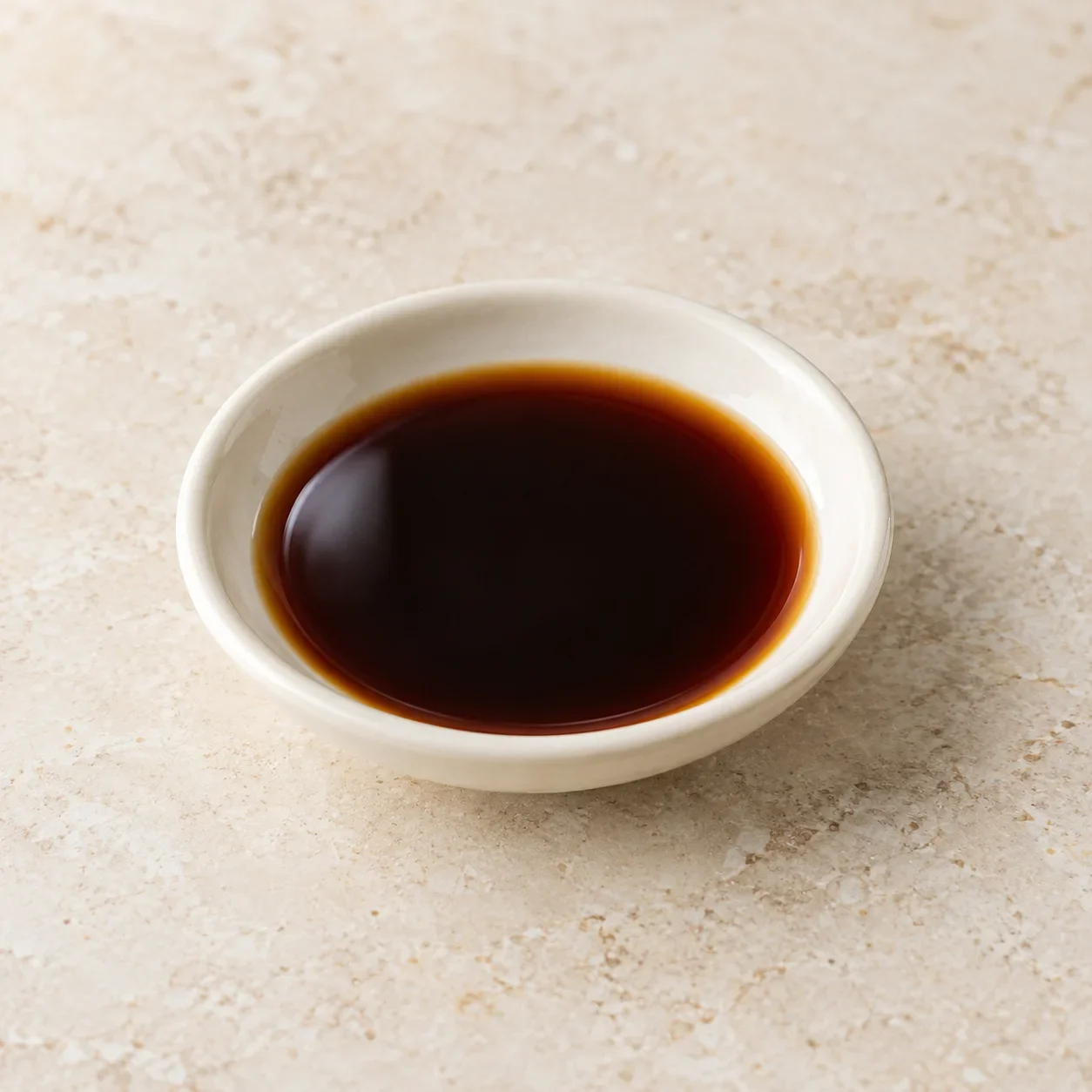
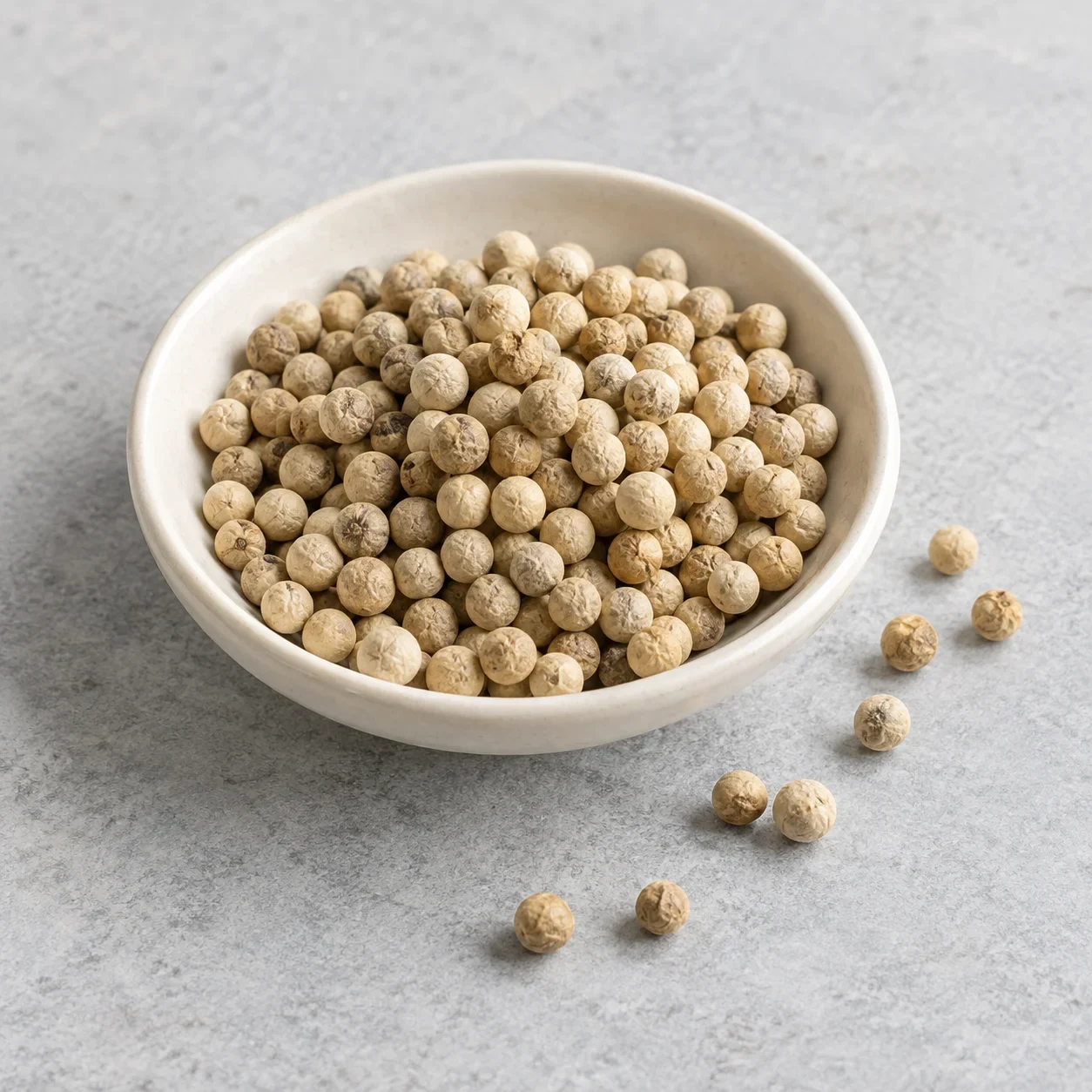
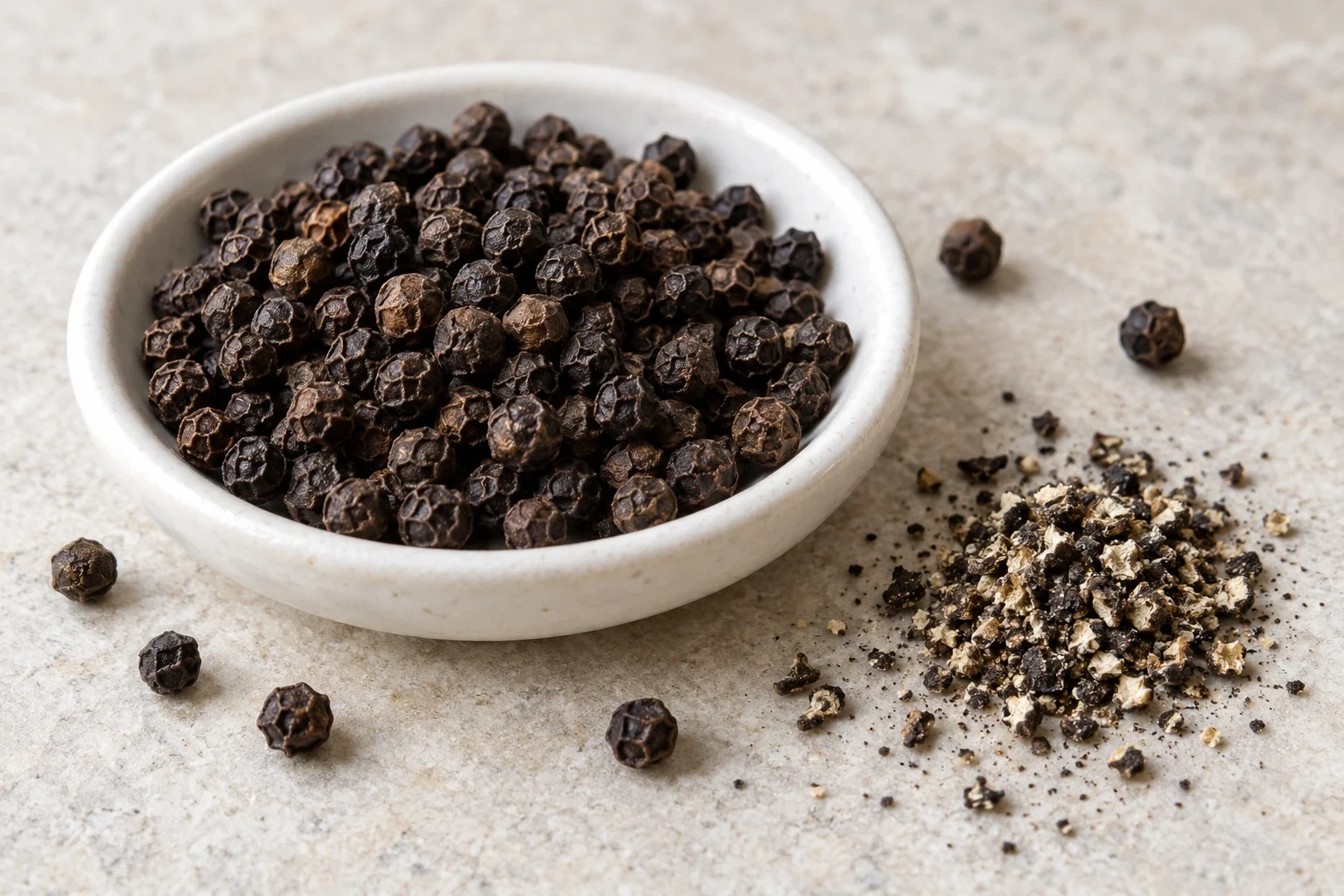

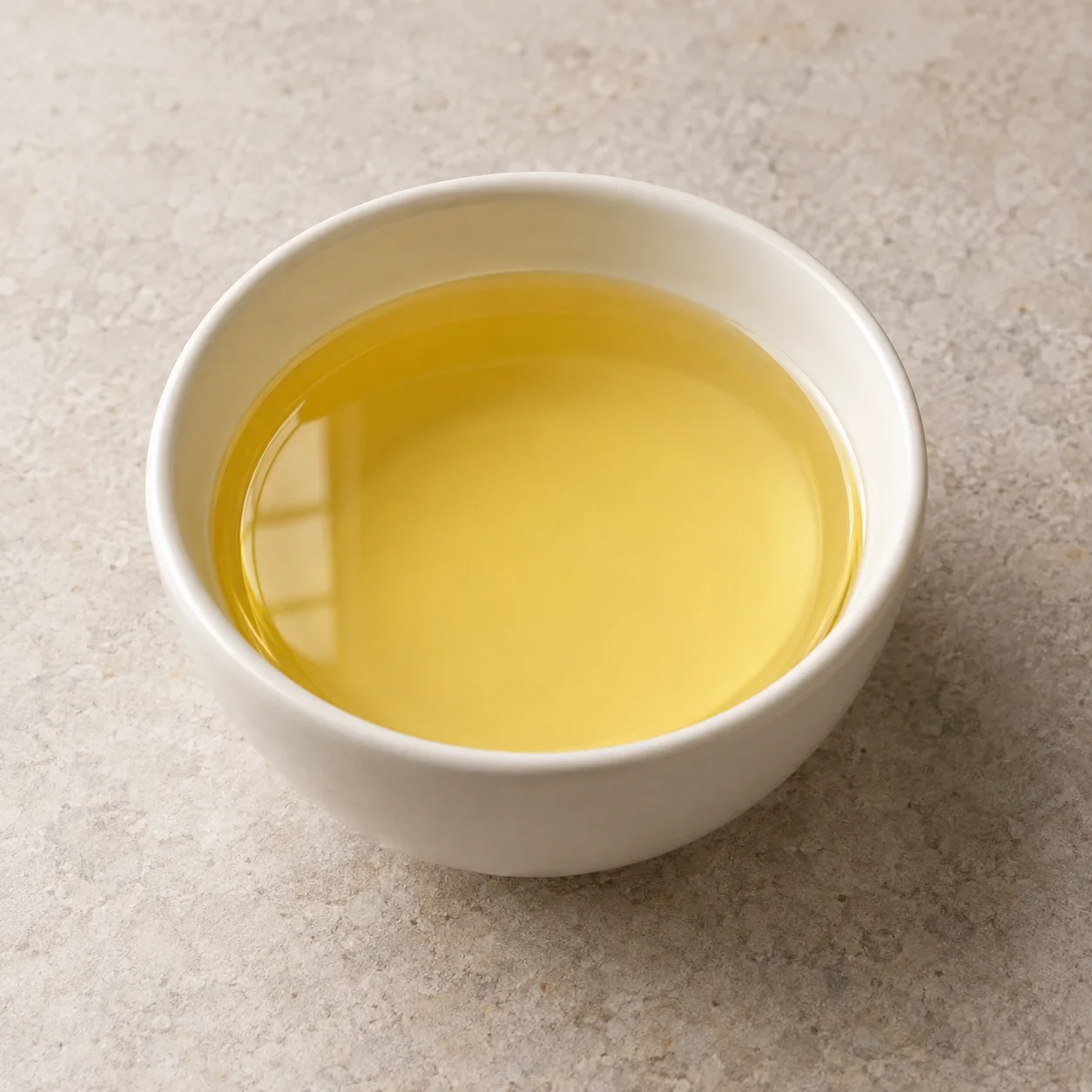
In some versions
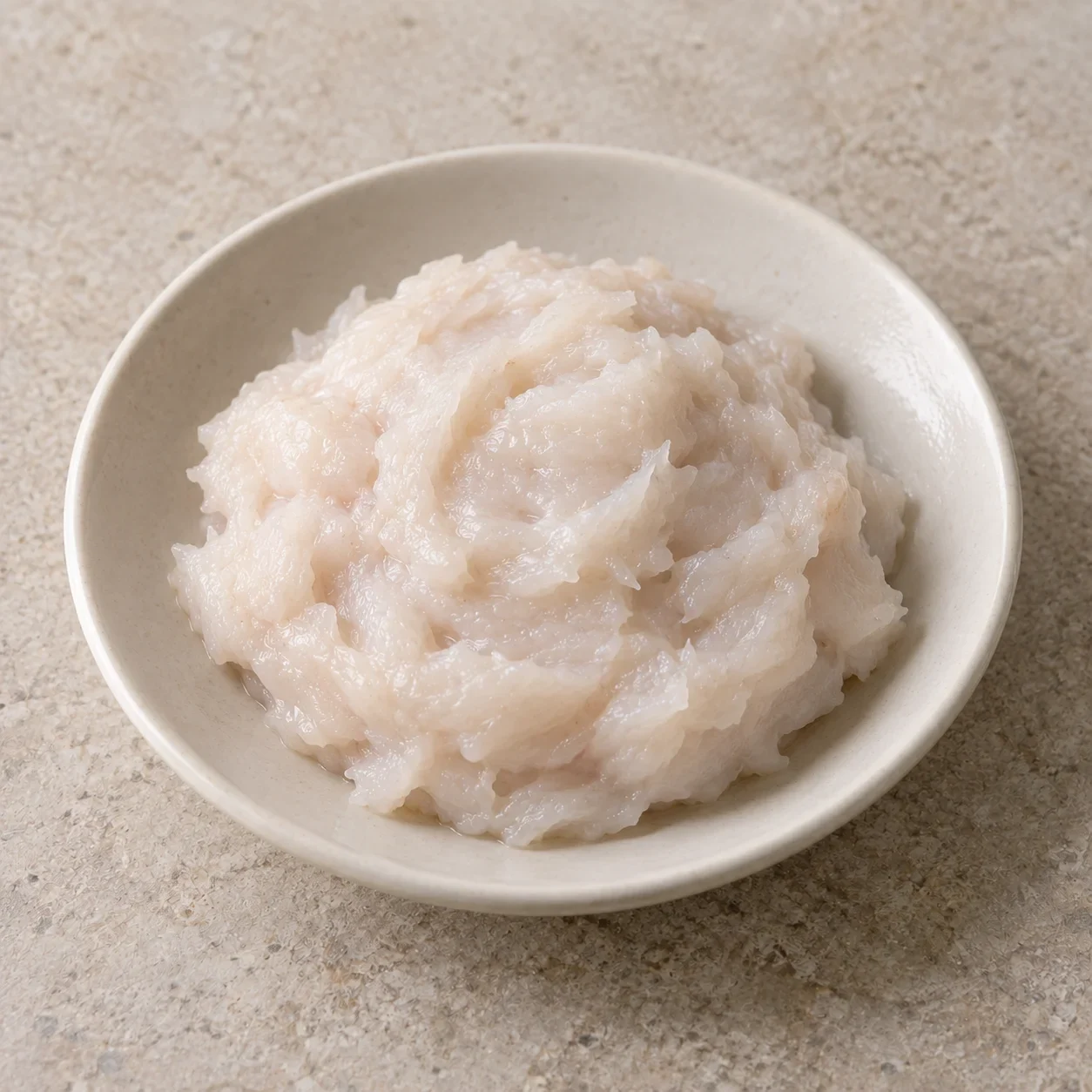
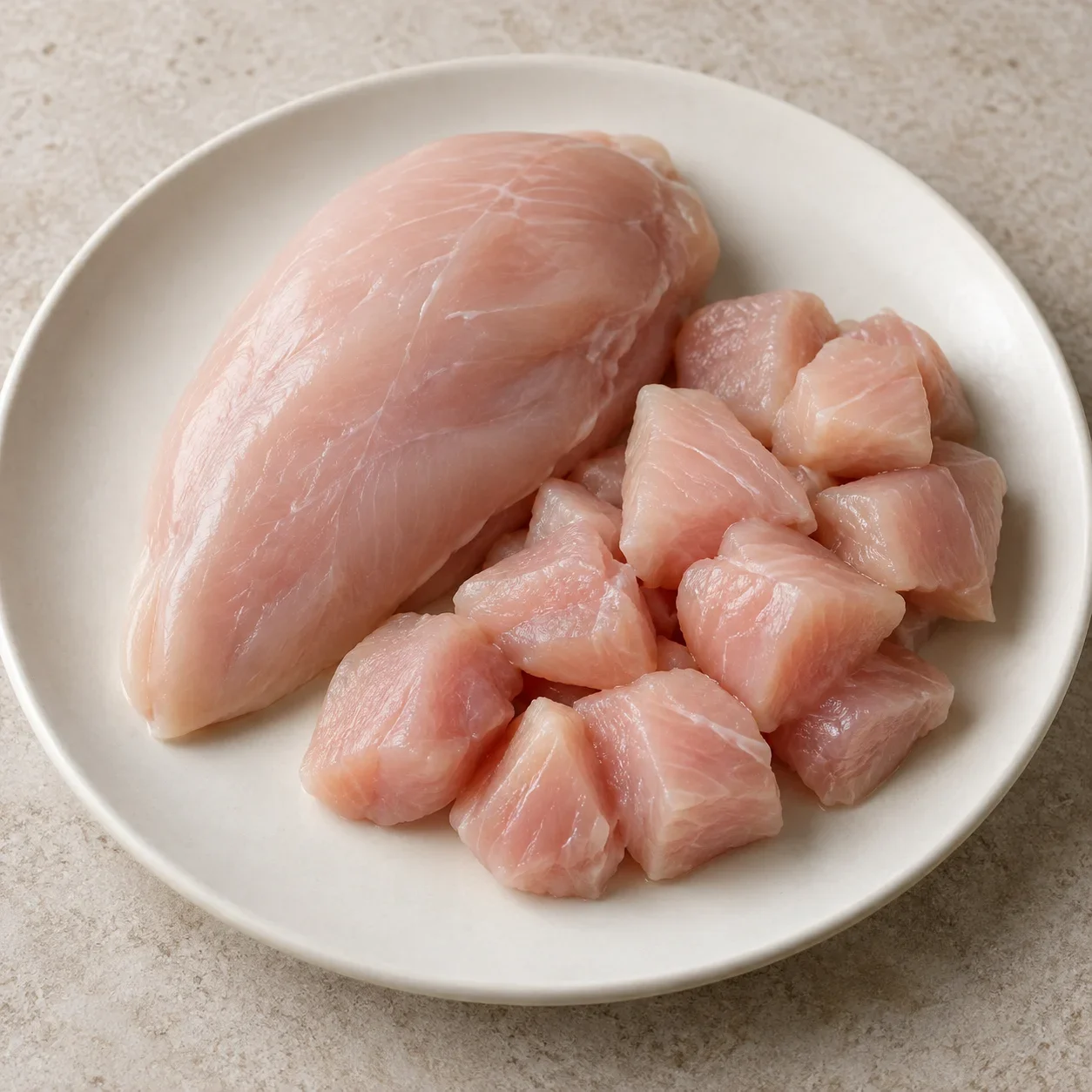
Recipes vary by restaurant.
How does it taste?
Savory pork and sweet onion with white and black pepper. The pork-onion reference version contains no chili; an optional sweet chili dip adds sweetness and chili heat.
- Chili heat
- Texture
- A thin, crisp bean-curd-skin wrapper surrounds a moist filling with tender meat and onion. Starch binds the filling; fish paste, water chestnut or taro can change the bite in other versions.
- How it’s made
- For a pork-onion version, season sliced pork with soy sauce, rice wine, white pepper, sugar, egg and potato starch. Season chopped onion with sugar and black pepper, drain it, and mix with sweet potato starch. Roll the onion mixture and pork in thin bean-curd skin, seal with egg, and deep-fry until the filling is cooked and the wrapper golden. Drain and slice before serving. Recipes and filling proportions vary.
Pork and onion are a common pairing, but versions can include fish paste, water chestnut, taro, carrot or scallion. Some cooks use chicken. The name alone therefore does not identify the meat or allergens. The wrapper is thin soy-milk skin, not a wheat spring-roll wrapper. Dipping sauces and binders vary.
A CONNECTION TO PLACE
Origin & regional roots
Associated with Taiwan.
About this regional connection
Taiwan: Taipei Markets Administration and Taiwan recipe publishers document the snack.
Ask if they have it first
请问你们有台式鸡卷吗?
Do you have this item?
A LITTLE SOMETHING TO READ
Story & history
A Taiwanese roll with a misleading name
Jijuan is found among Taiwanese market and street snacks. Its familiar name contains the character for chicken, yet many recipes use pork and onion in bean-curd skin. Stories explaining the name differ; the useful clue at the stall is the crisp soy wrapper and sliced savory filling. Ask what is inside rather than relying on a literal translation.