
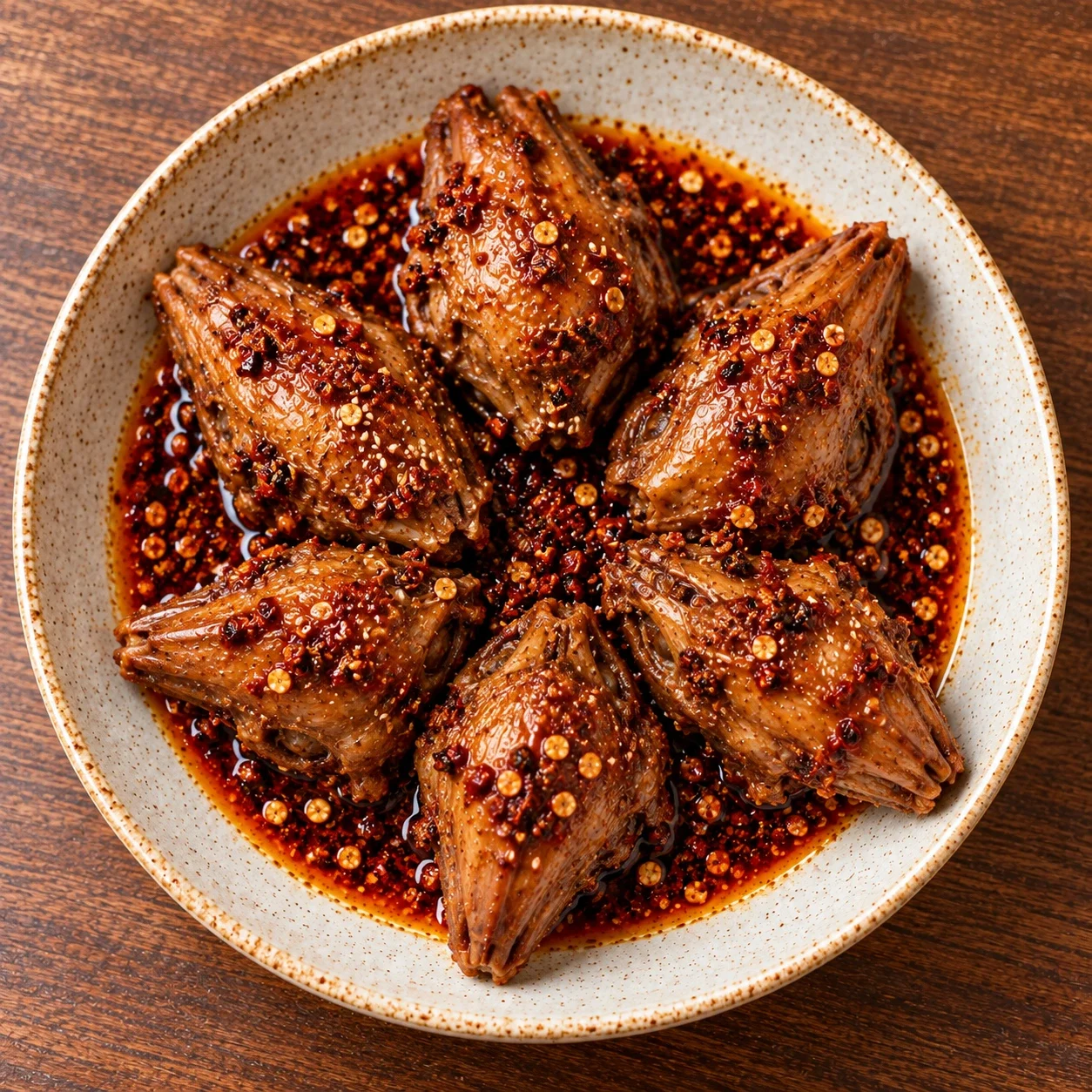
At the table
Steady the head on a plate and pick small pieces of meat from around the cheeks and jaw. Separate the meat carefully; do not chew or swallow the bones. Start with a small bite to judge the chili heat and tingling.
Contains rabbit and usually sesame. Watch for small bones and bone fragments. Brines and chili coatings vary, so confirm all ingredients if you have allergies or dietary restrictions; the seasoning is usually hot and numbing.
GET TO KNOW THE DISH
What goes into it?
Explore some key ingredients below. Preparations may use additional seasonings and ingredients.
Braising spice mixtures and chili coatings differ.
Typical ingredients
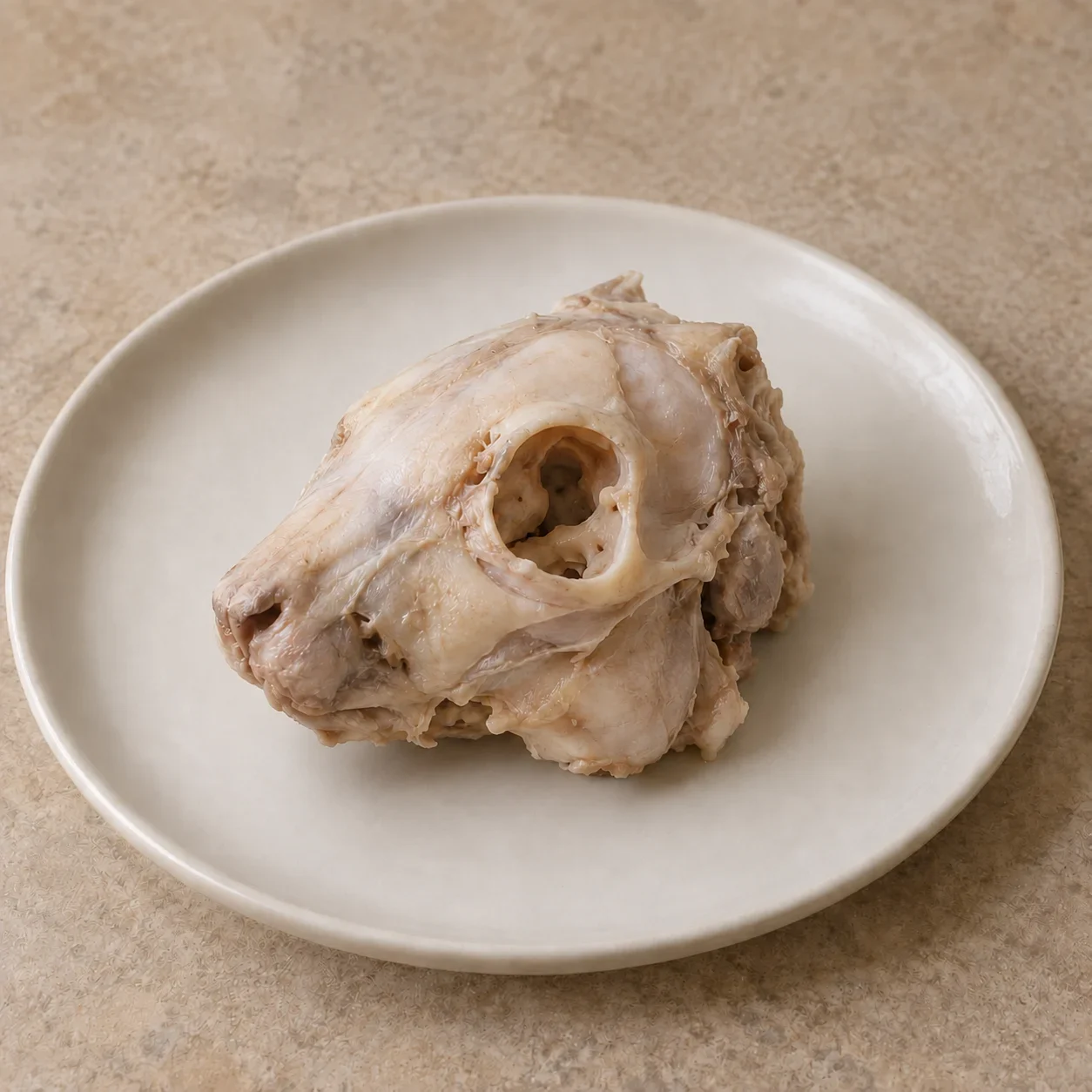
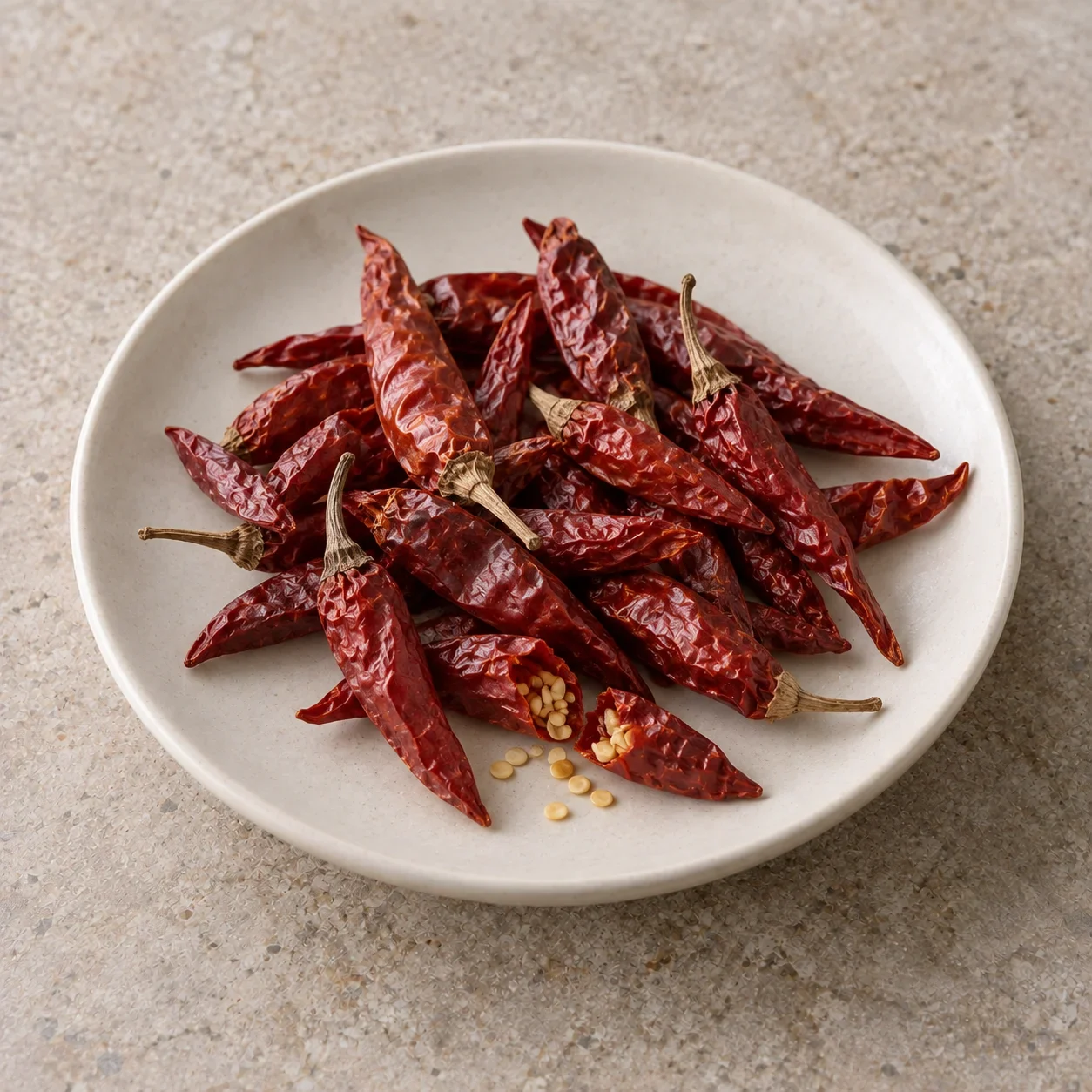
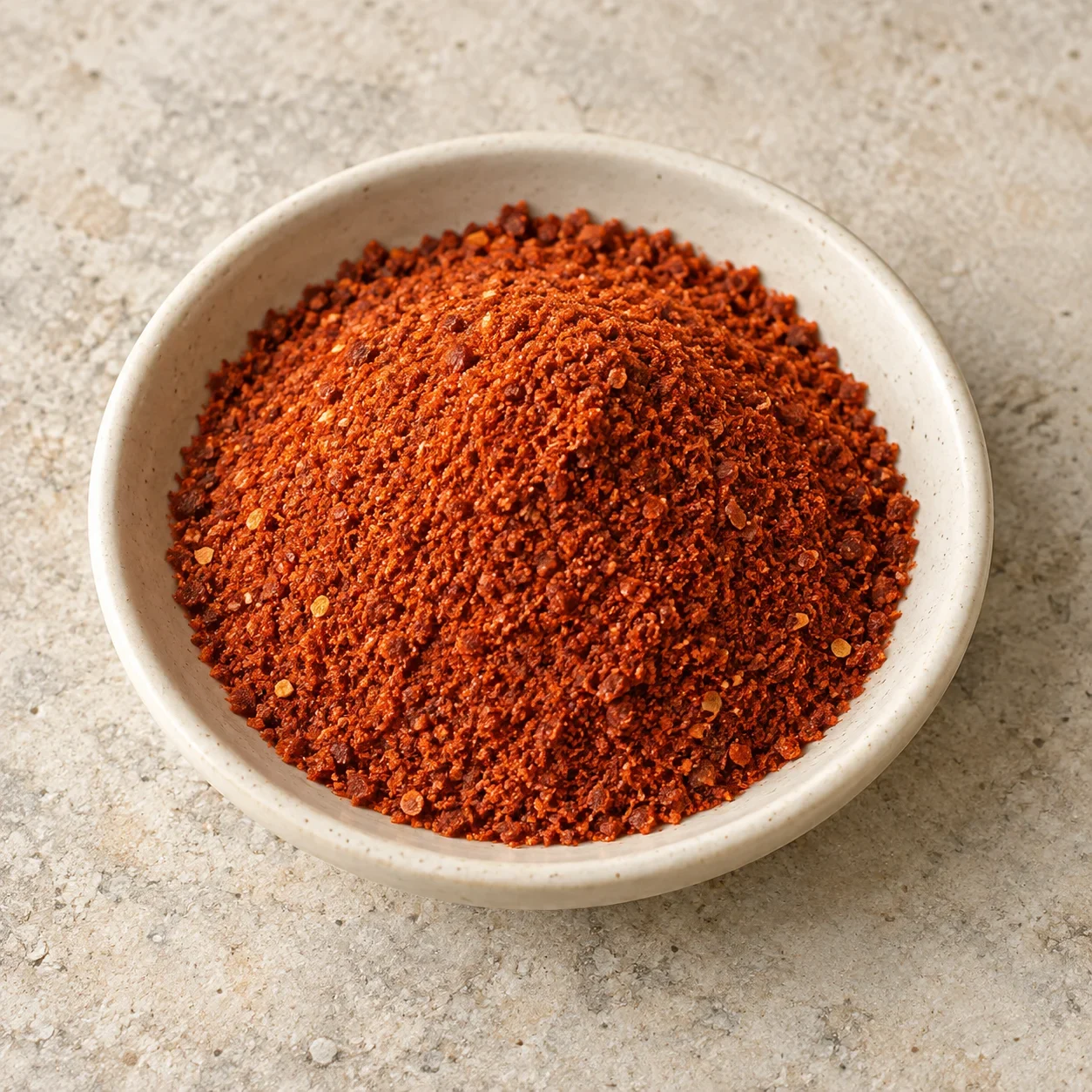
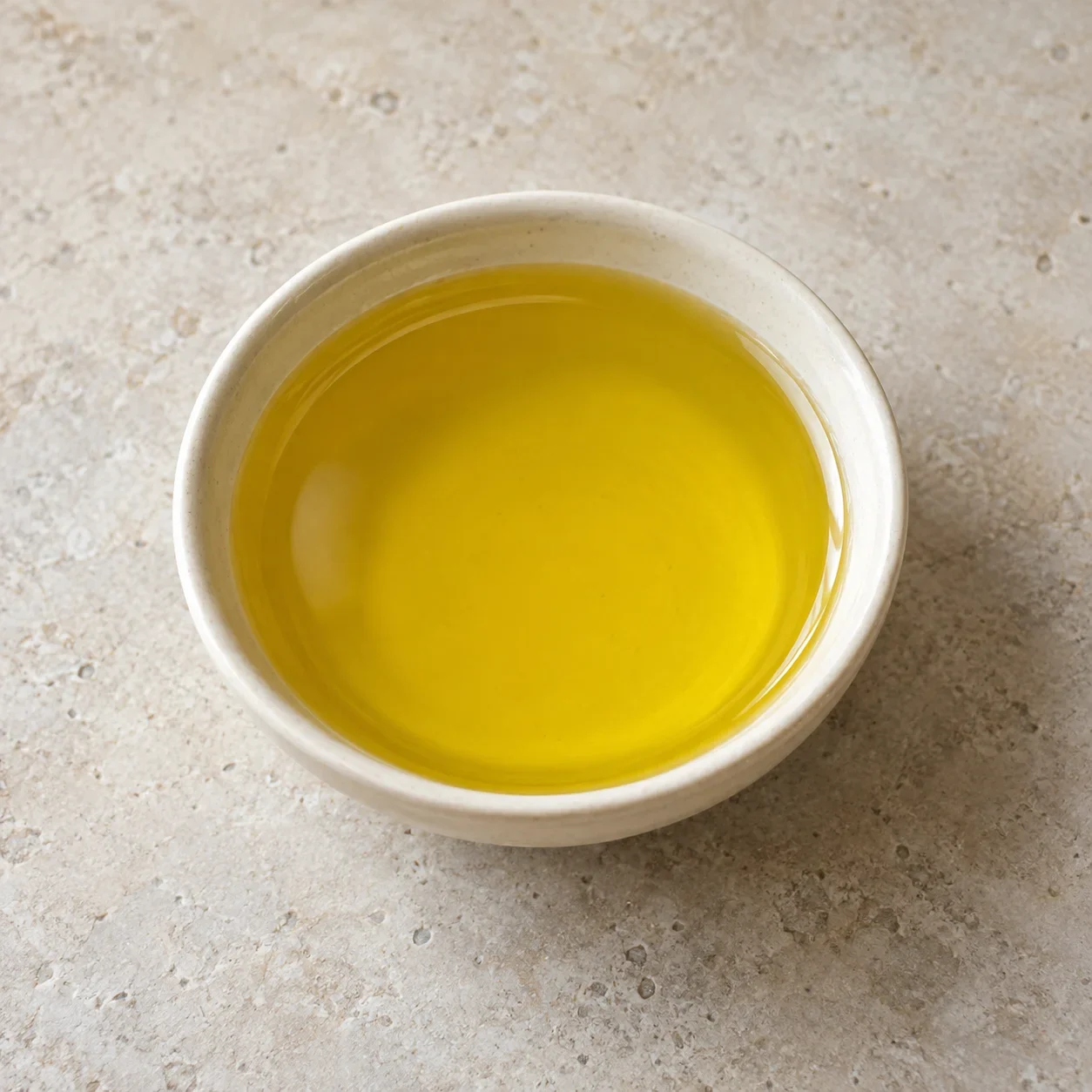
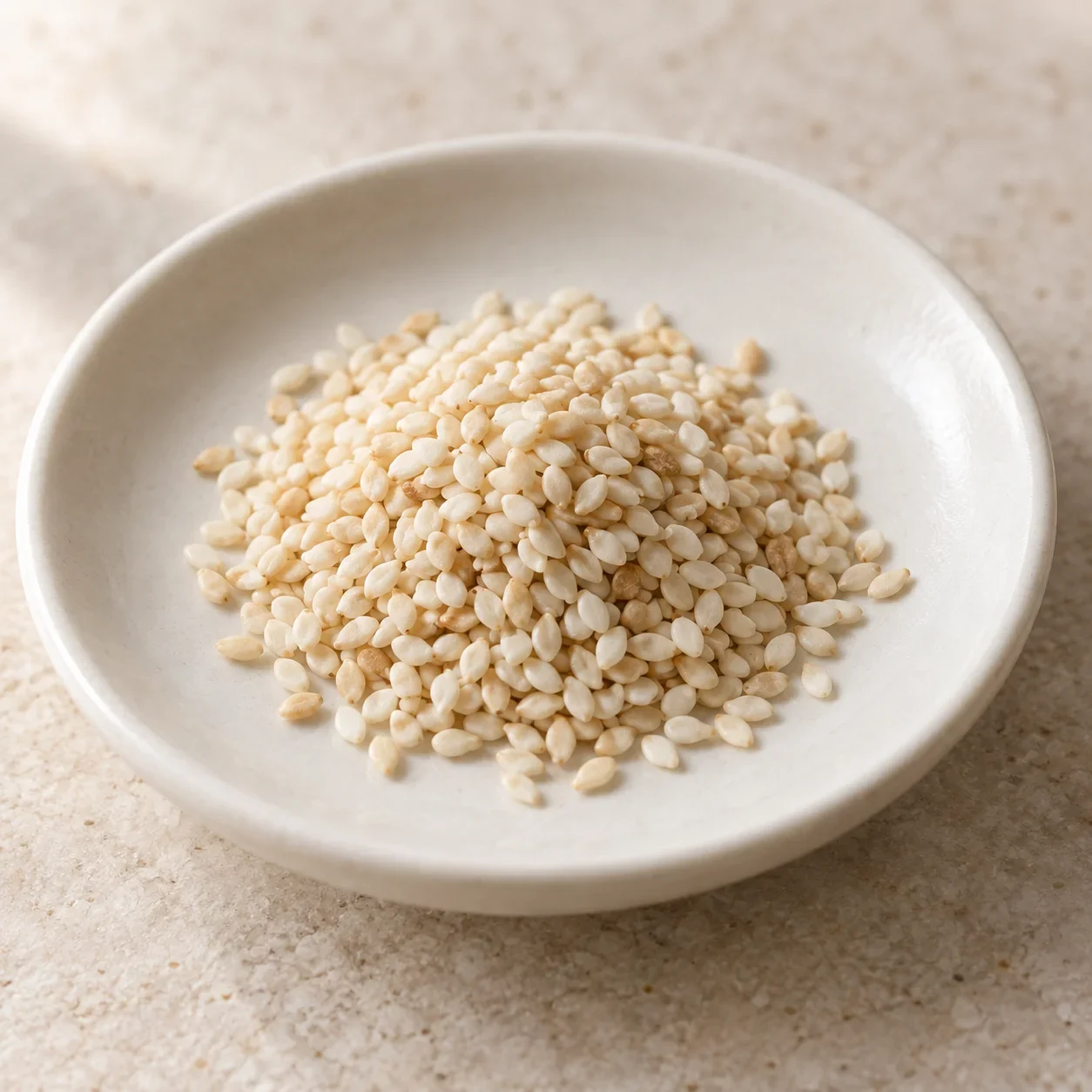

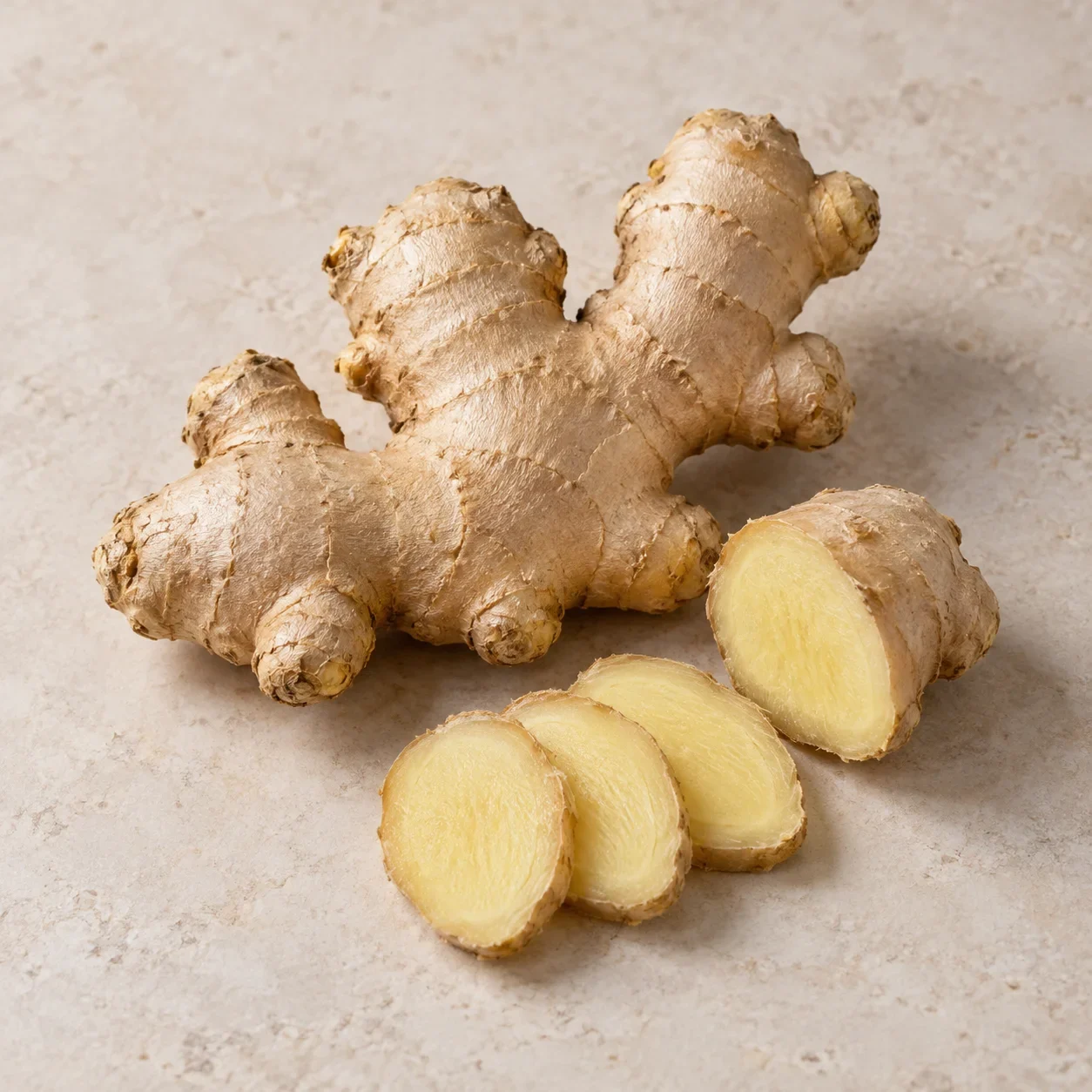
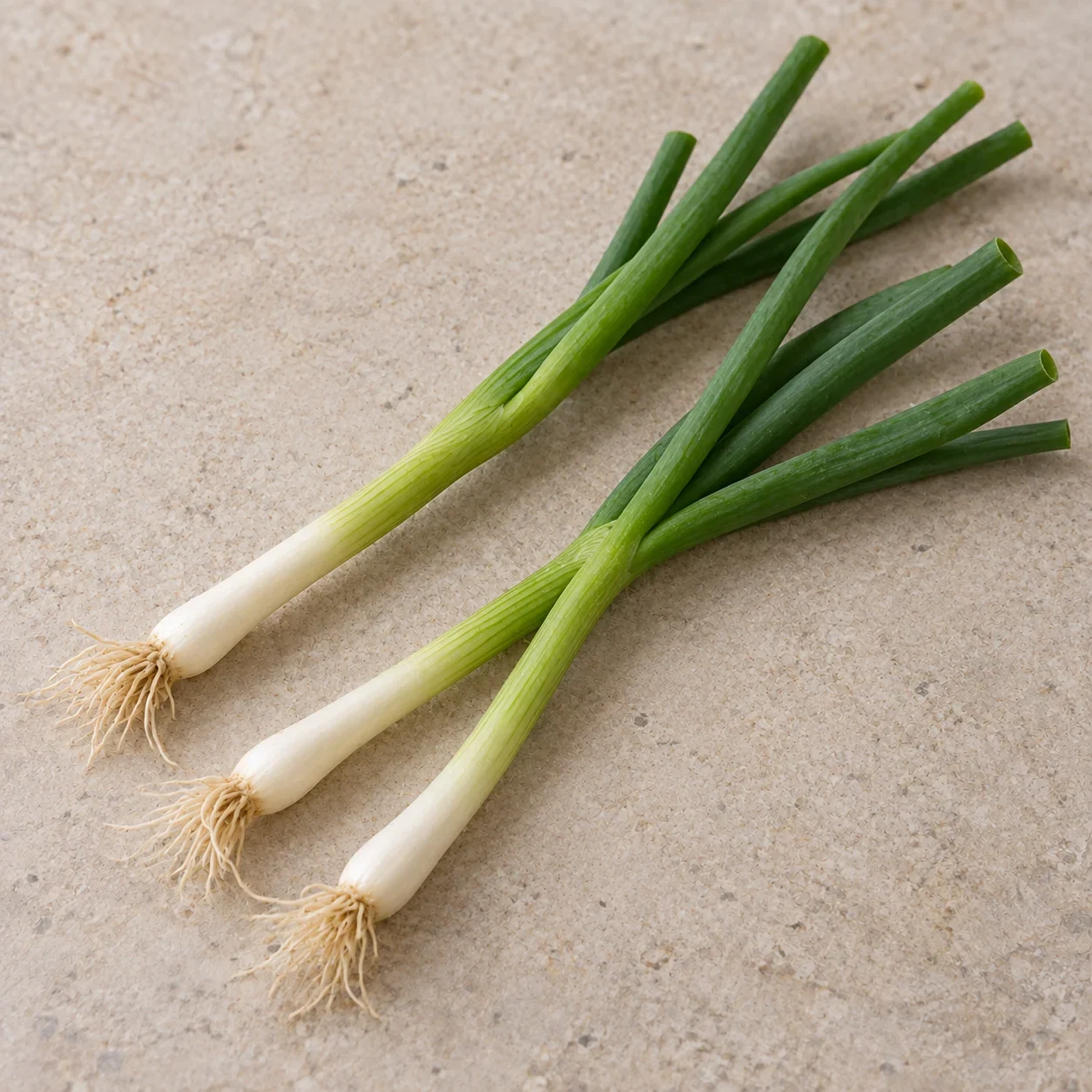
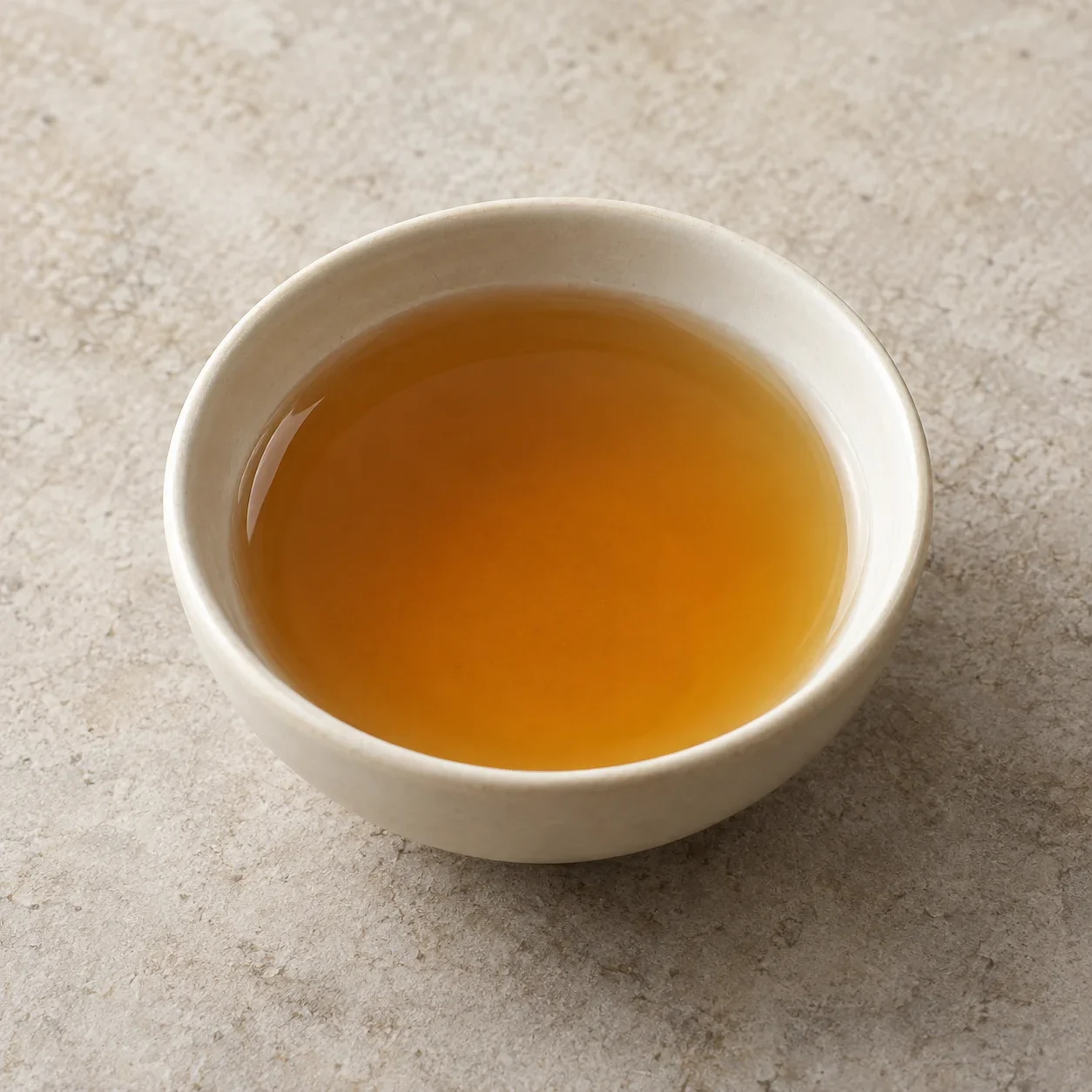
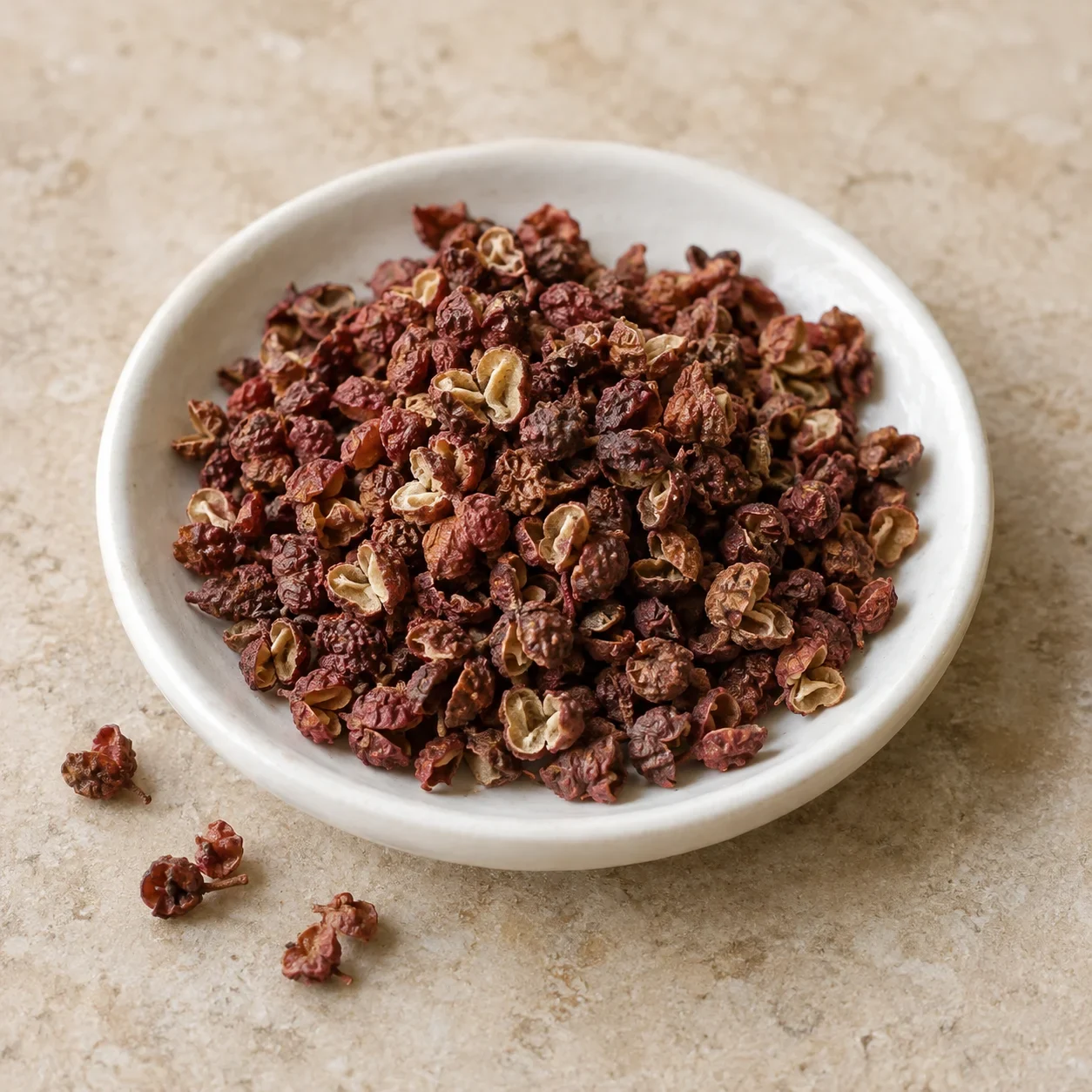
Recipes vary by restaurant.
How does it taste?
Spicy and savory with aromatic braising spices and a little sweetness.
- Chili heat
- Texture
- Tender small pieces of meat around firm bones, with an oily coating.
- How it’s made
- Clean and blanch the heads, braise them in spiced brine, then coat with seasoned chili oil.
Braising spice mixtures and chili coatings differ.
A CONNECTION TO PLACE
Origin & regional roots
Associated with Sichuan.
About this regional connection
Sichuan: Associated with Chengdu, Sichuan.
Ask if they have it first
请问你们有麻辣兔头吗?
Do you have this item?
A LITTLE SOMETHING TO READ
Story & history
How mala rabbit head became a Chengdu snack
Rabbit head is served bone-in: diners pick small pieces of meat from around the skull and jaw, rather than receiving a boneless portion. In Chengdu it is a local snack. Earlier local versions were pale and mildly brined rather than chili-hot. By the 1990s, as stronger chilies became more common on local tables, mala (numbing and spicy) rabbit head became popular in Chengdu. The shift from mild brining to numbing heat is one chapter in the city’s varied rabbit-food scene.