
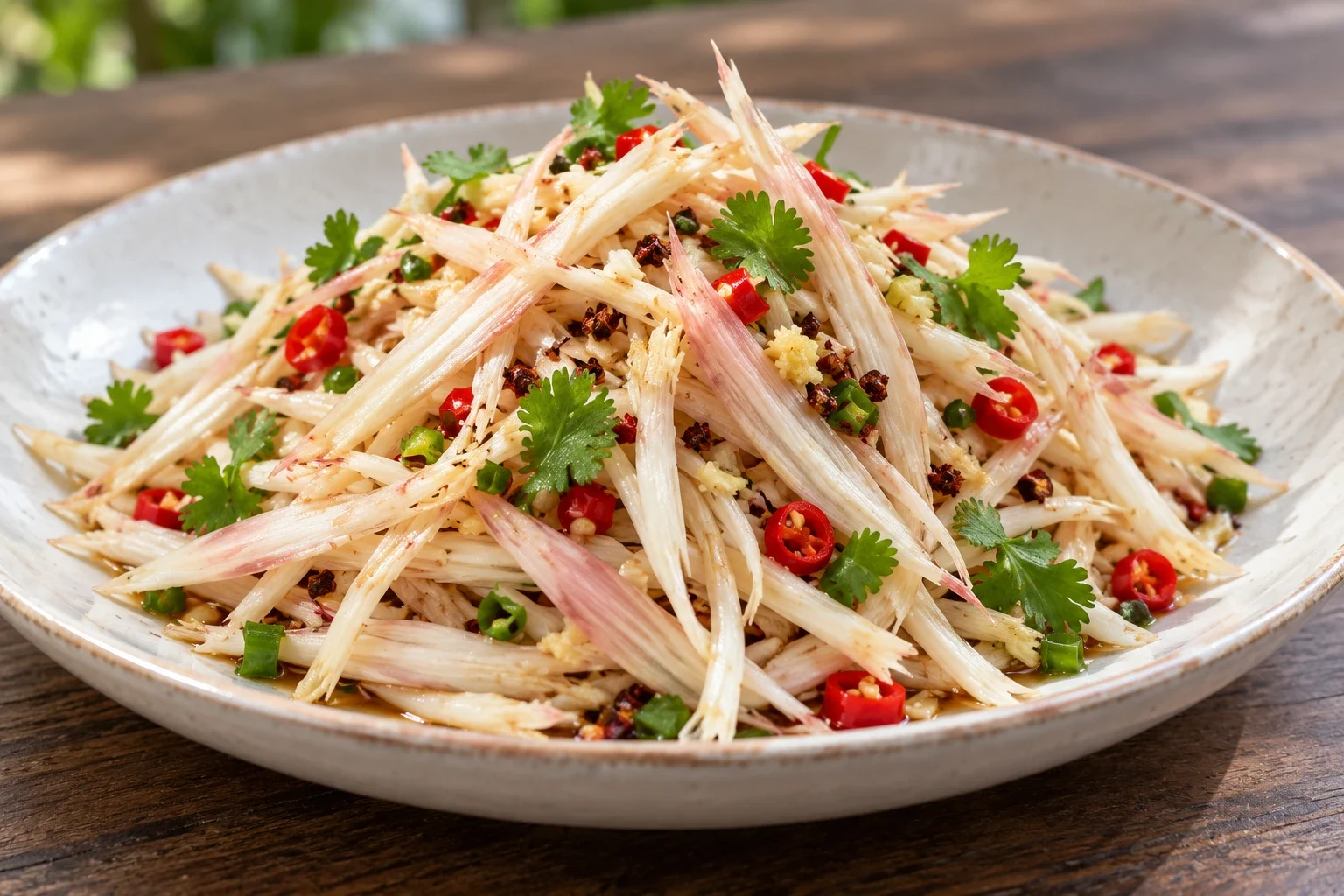
At the table
Toss gently if dressing has settled, then take small portions with chopsticks as a shared cold side. No peeling at the table is needed.
Soy sauce contains soy and often wheat. Ask about sauces and chili; this version uses uncooked shoots. Do not treat a food photo as a wild-plant identification guide.
Some versions use fermented soybeans. This soy-sauce version contains no added oil; seasonings and heat vary.
GET TO KNOW THE DISH
What goes into it?
Explore some key ingredients below. Preparations may use additional seasonings and ingredients.
Some versions use fermented soybeans. This soy-sauce version contains no added oil; seasonings and heat vary.
Typical ingredients
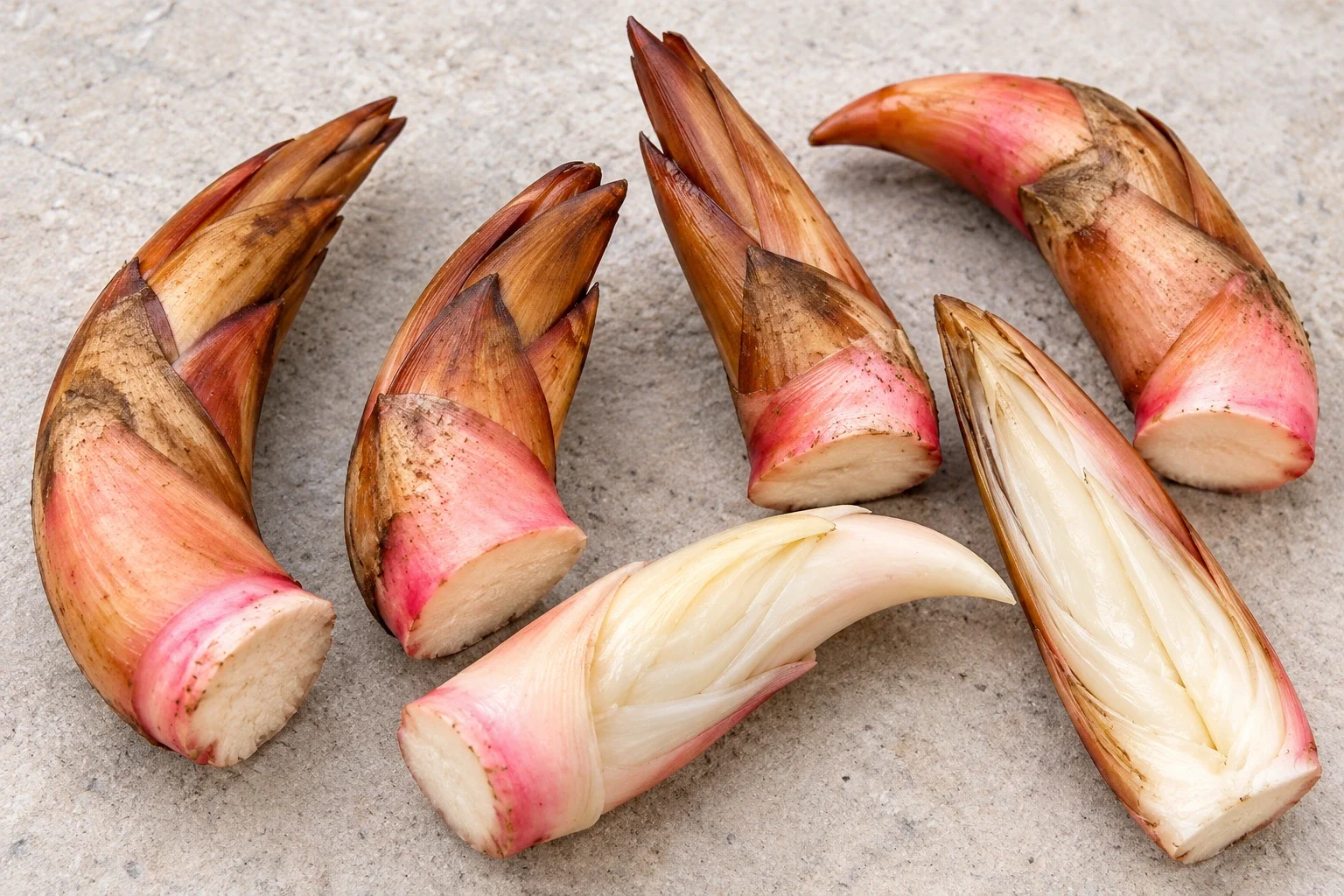
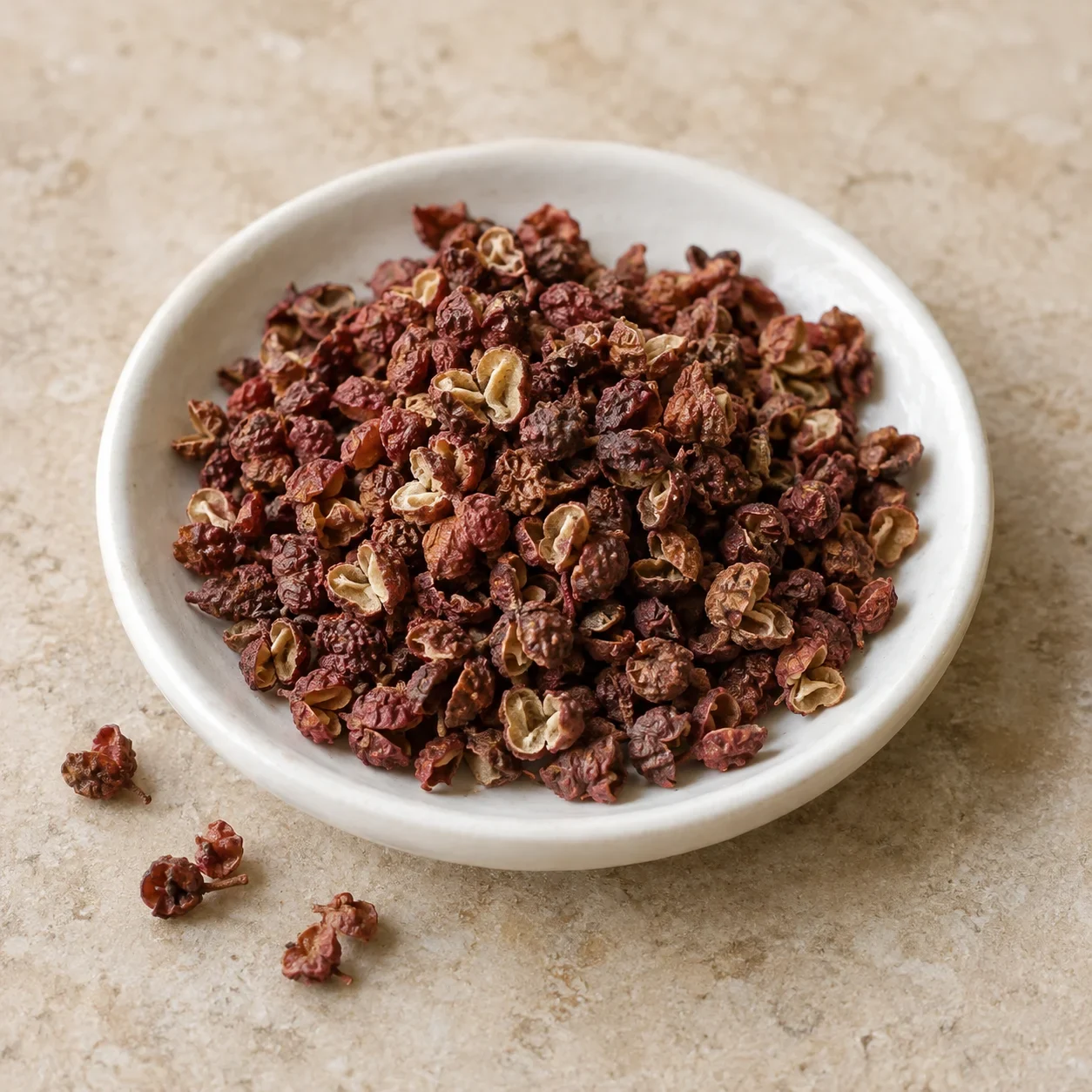
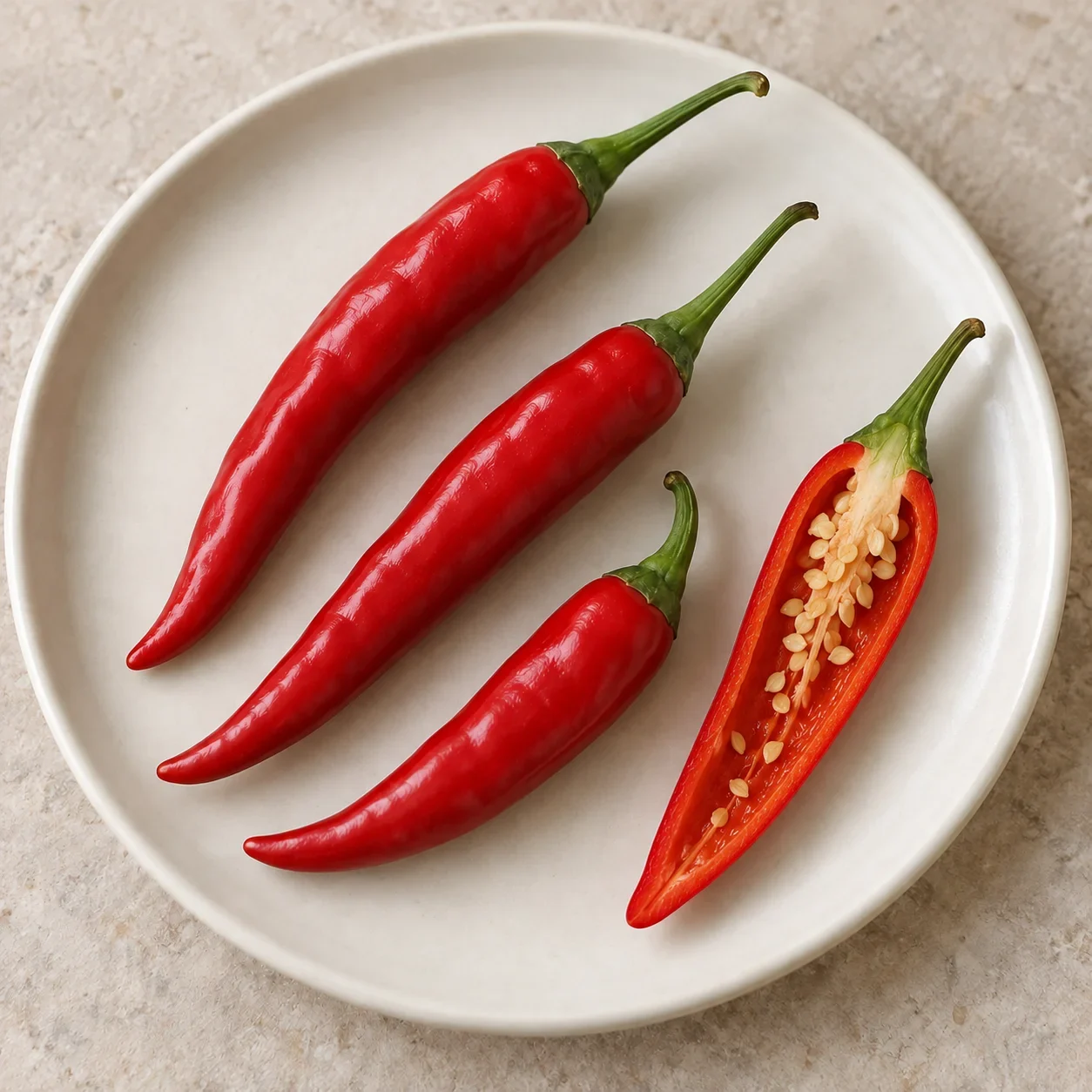


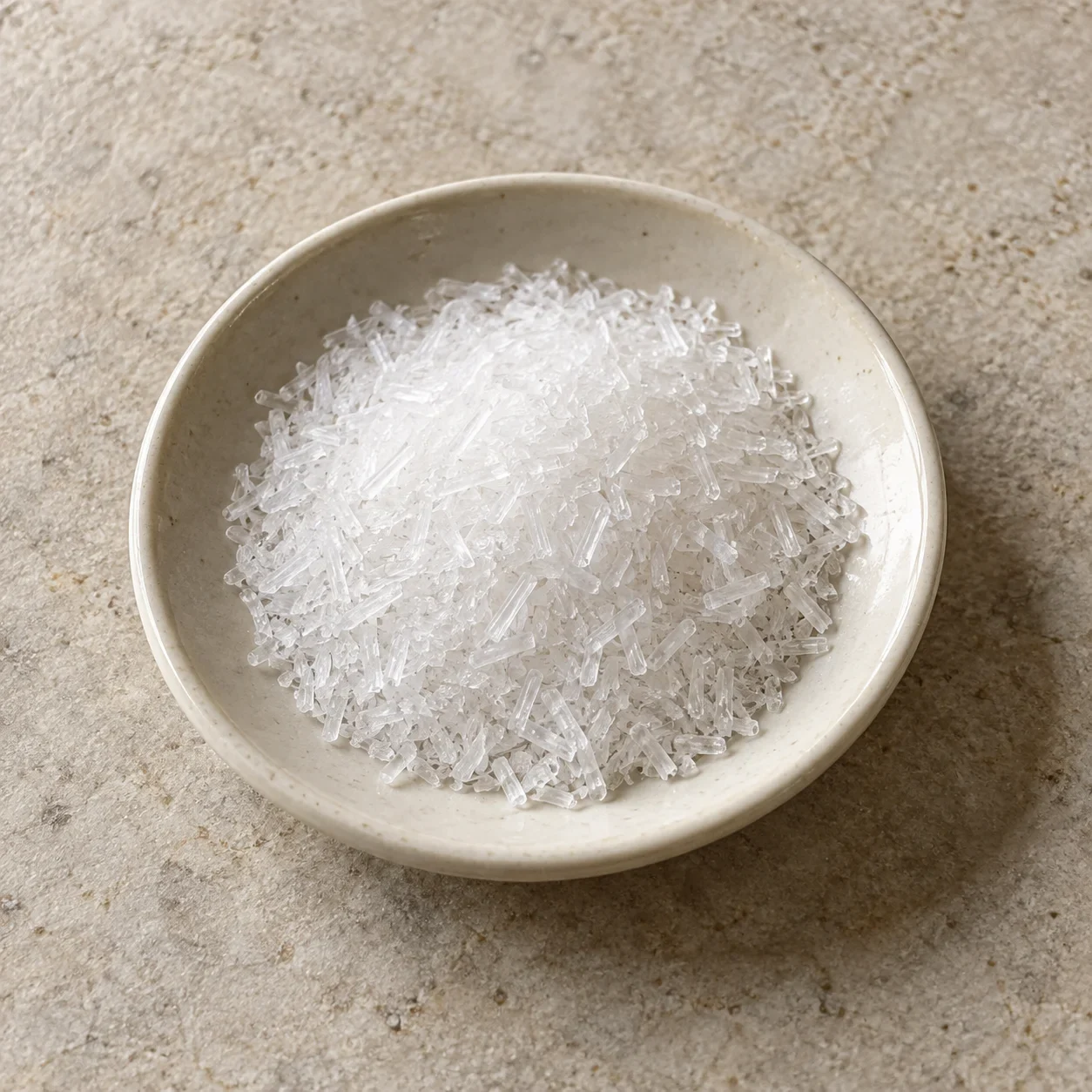
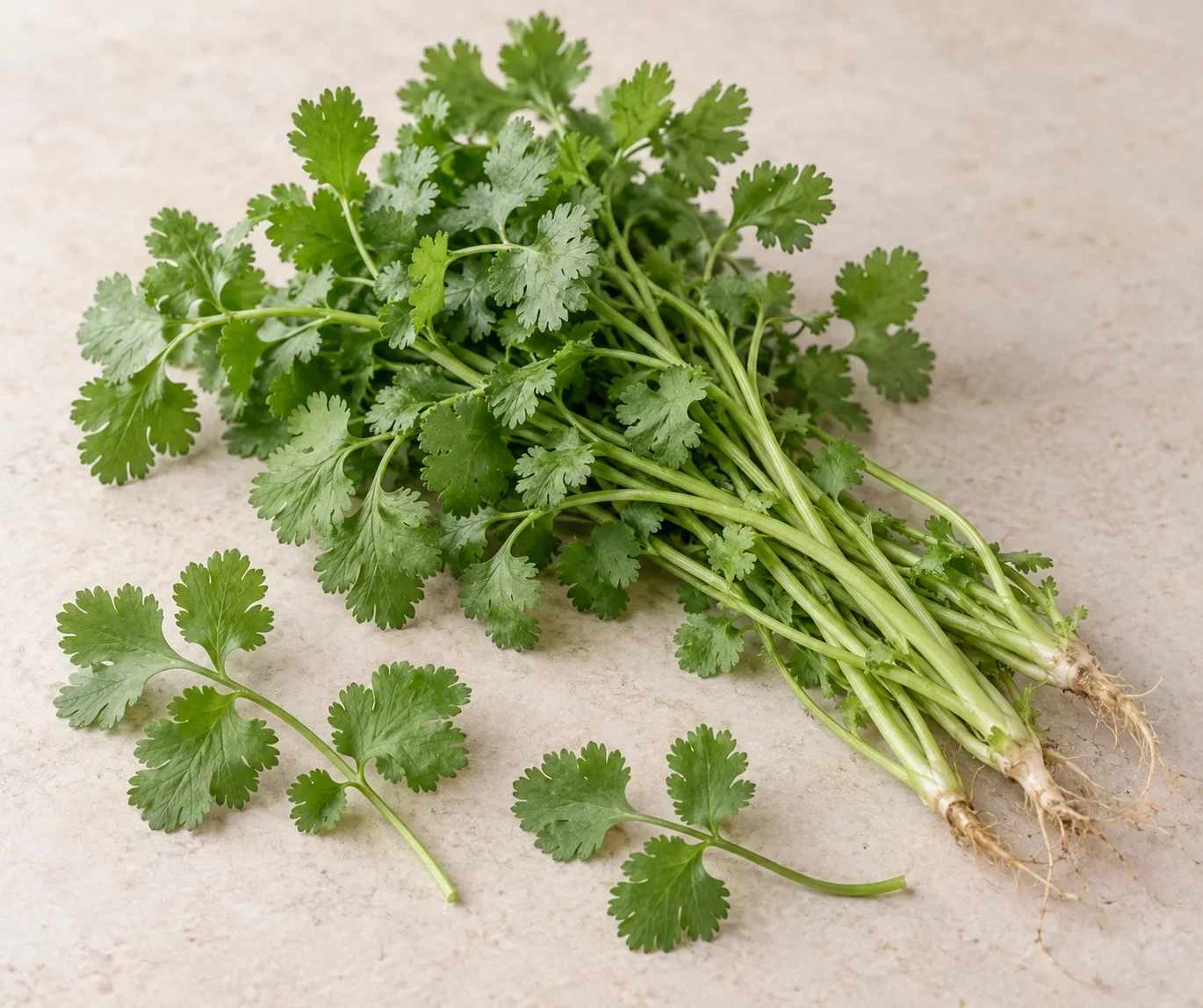
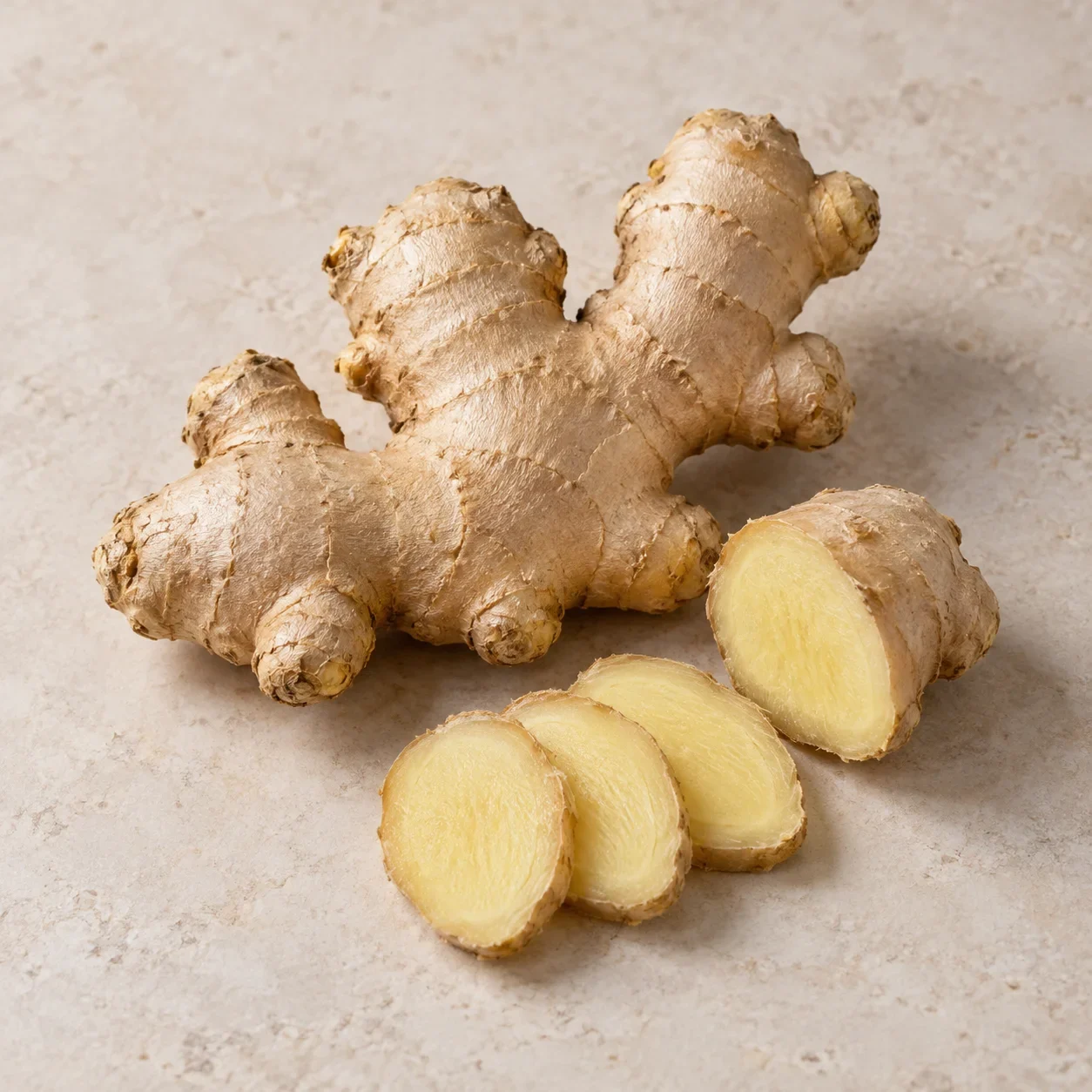
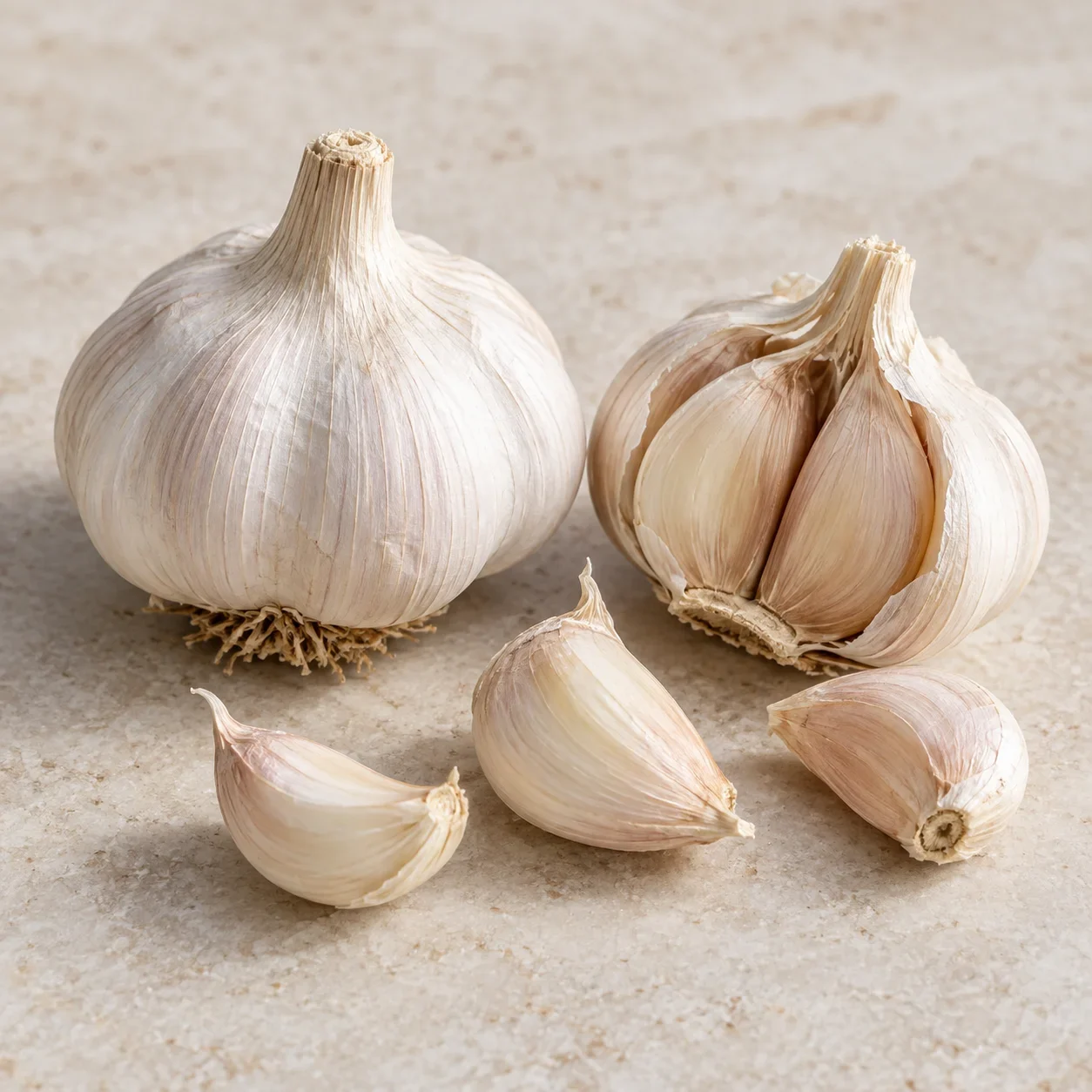

Recipes vary by restaurant.
How does it taste?
Fresh aromatic shoots, savory soy sauce, chili heat and tingling Sichuan pepper.
- Chili heat
- Texture
- Crisp, juicy and lightly fibrous, with a distinctive ginger-family fragrance.
- How it’s made
- Peel tough sheaths and trim old bases, wash and shred the shoots. Toss with Sichuan pepper, chili, scallion, salt, MSG, coriander, ginger, garlic and soy sauce.
Some versions use fermented soybeans. This soy-sauce version contains no added oil; seasonings and heat vary.
A CONNECTION TO PLACE
Origin & regional roots
Associated with Yunnan.
About this regional connection
Yunnan: 云南草果种植地区的鲜芽凉菜。
Ask if they have it first
请问你们有凉拌草果芽吗?
Do you have this item?
A LITTLE SOMETHING TO READ
Story & history
A fresh use for a spice crop
This account describes a tradition or story, rather than an established historical fact.
Yunnan’s tsaoko-growing areas use more than the dried fruit. Tender seasonal shoots are sold as vegetables and served in salads or cooked dishes, including local tsaoko banquets.