
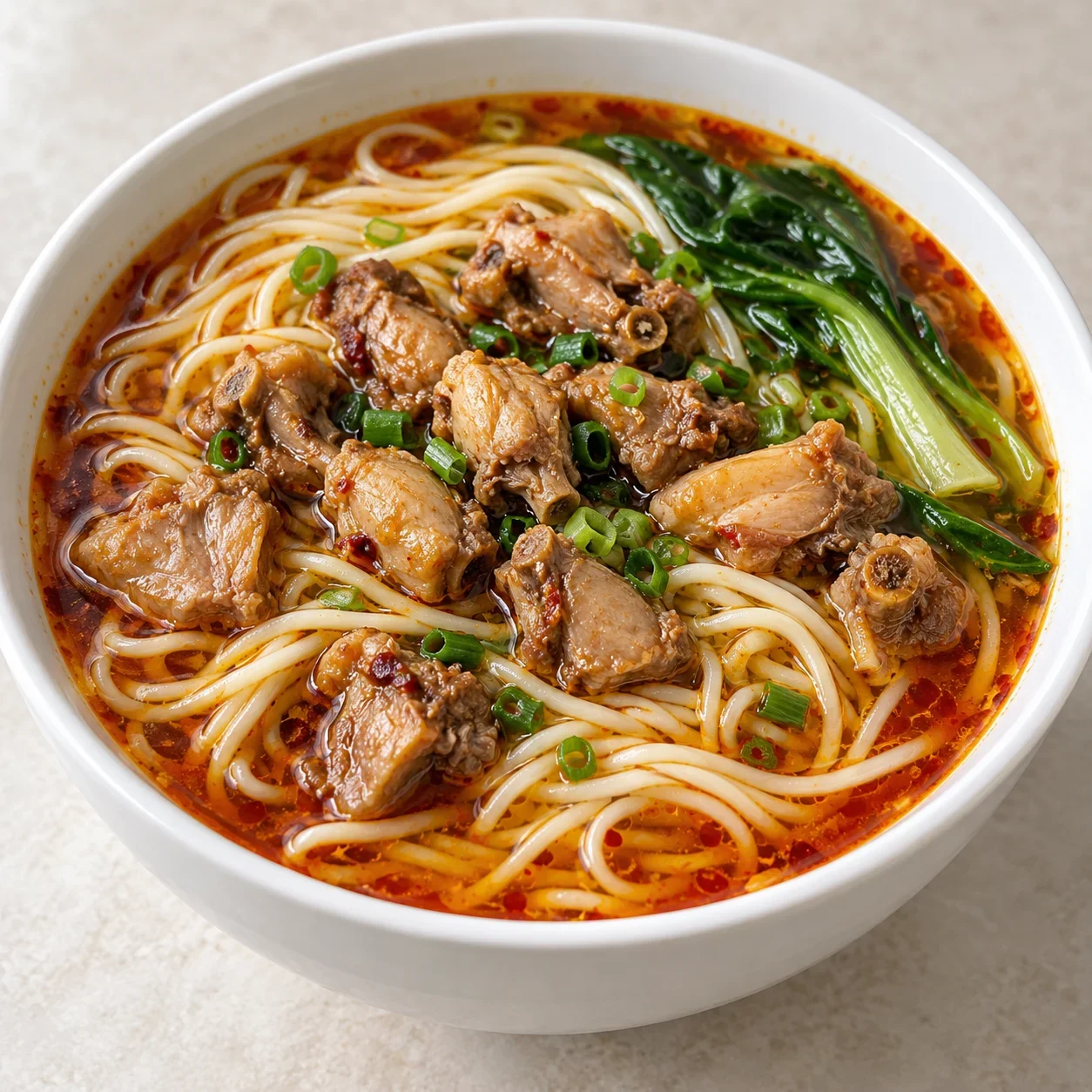
At the table
Lift the noodles with chopsticks and taste the rabbit topping with a little broth. Watch for small bones in the meat, and check the chili level before ordering.
Contains rabbit and wheat noodles. Bone broth, lard, sesame, soy sauce or cooking wine may also be used; check the version served if you avoid these ingredients.
GET TO KNOW THE DISH
What goes into it?
Explore some key ingredients below. Preparations may use additional seasonings and ingredients.
Thin or wide noodles are used. Some versions include chili oil, Sichuan pepper, garlic, scallion, vinegar or lard; broth and seasoning vary.
Typical ingredients
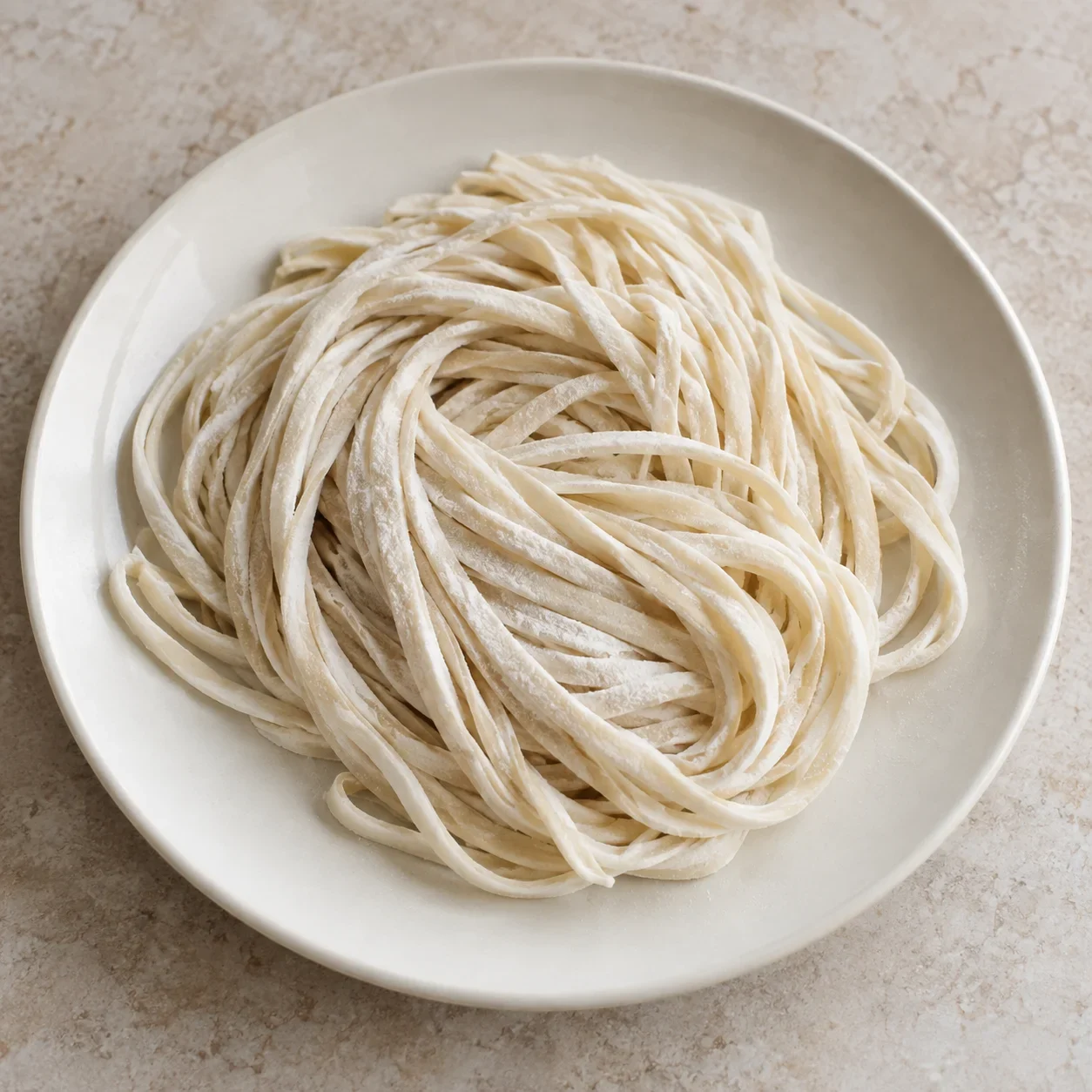
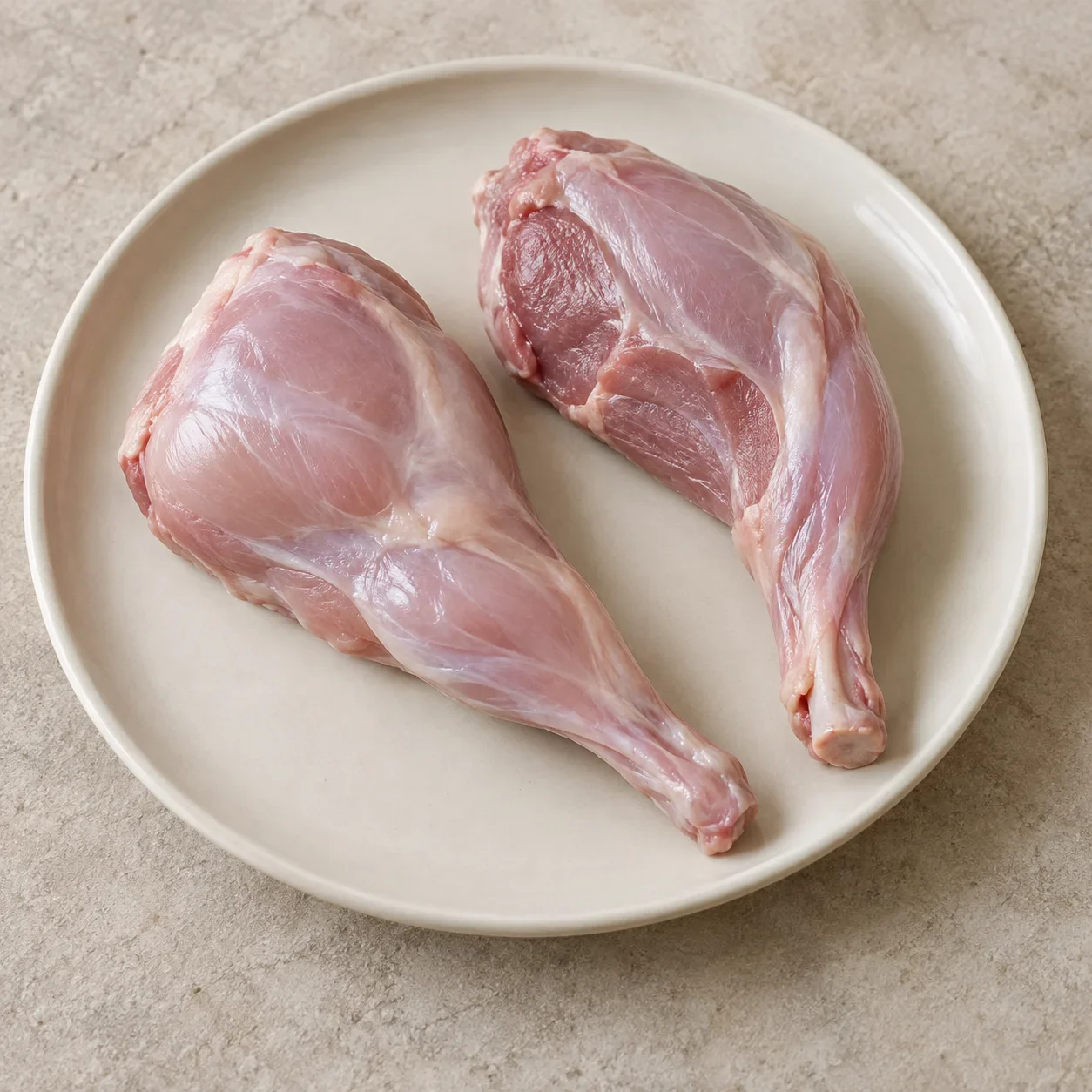

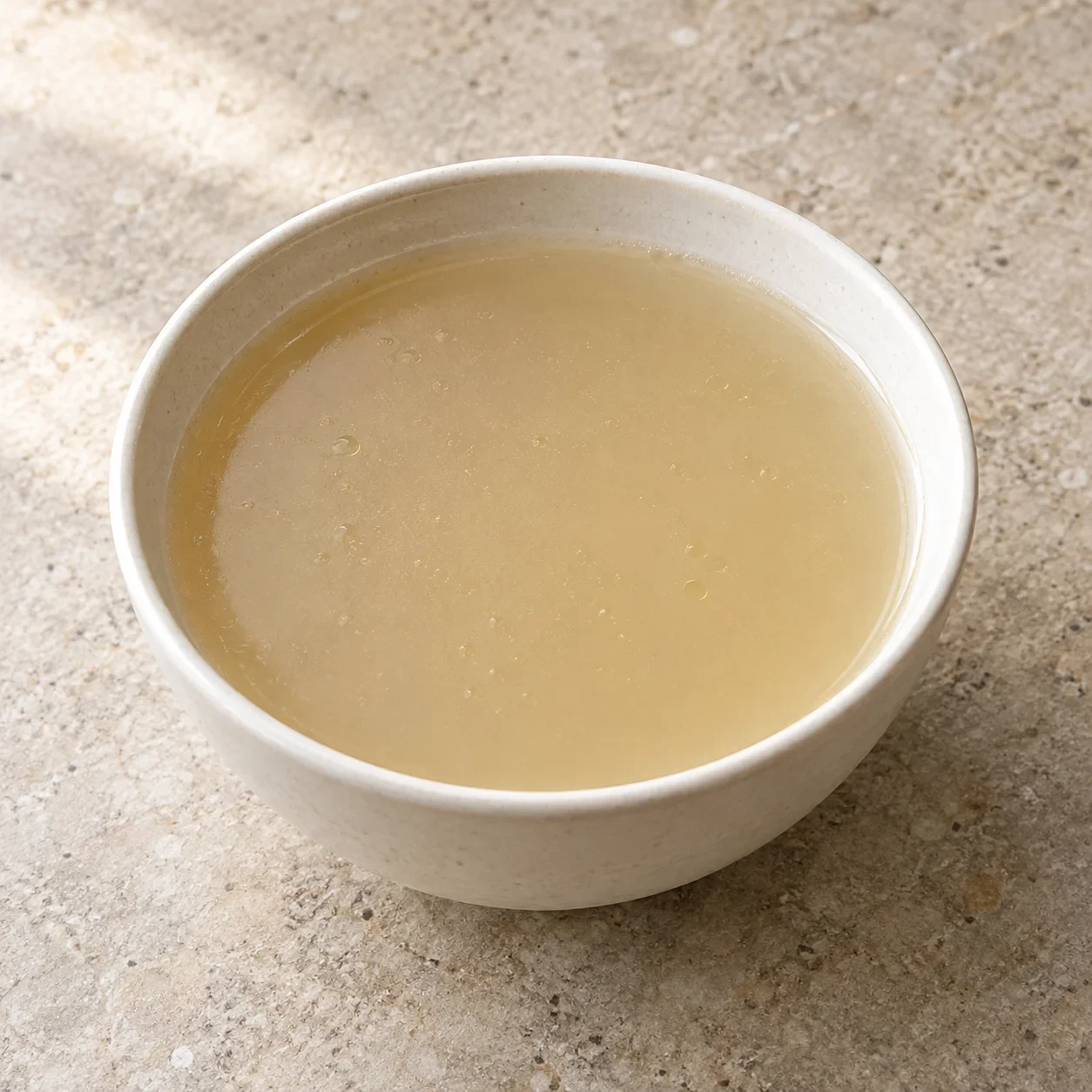
In some versions
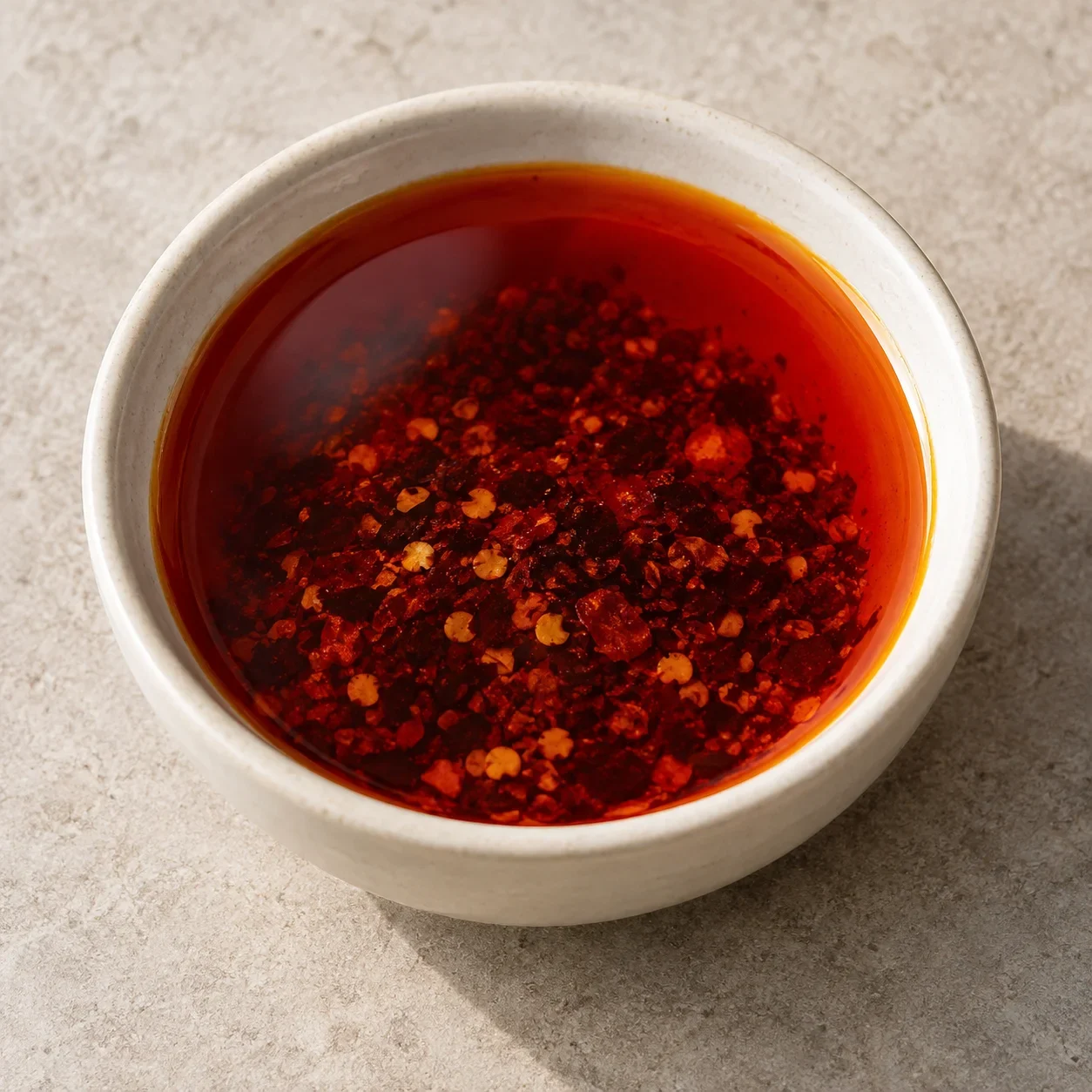
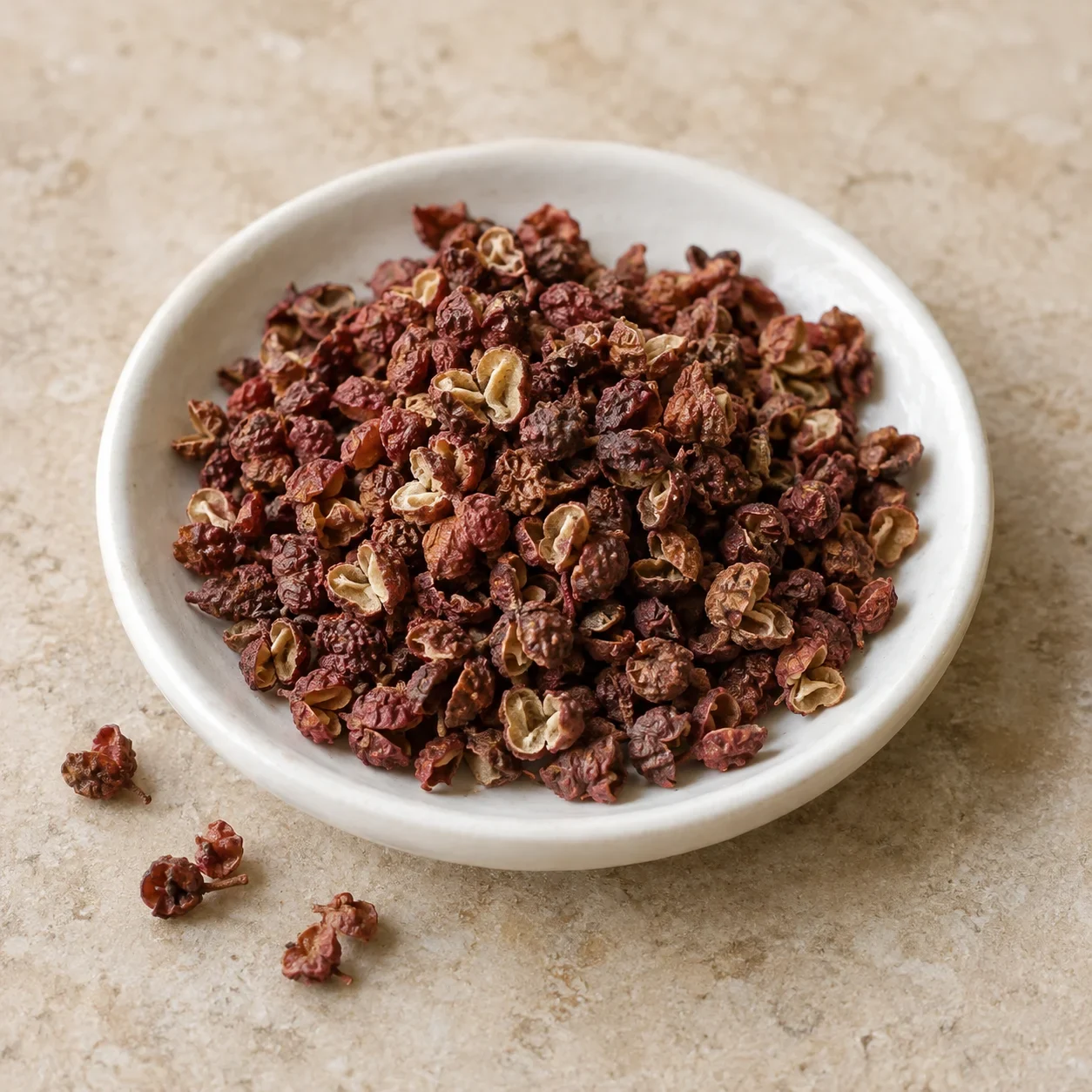
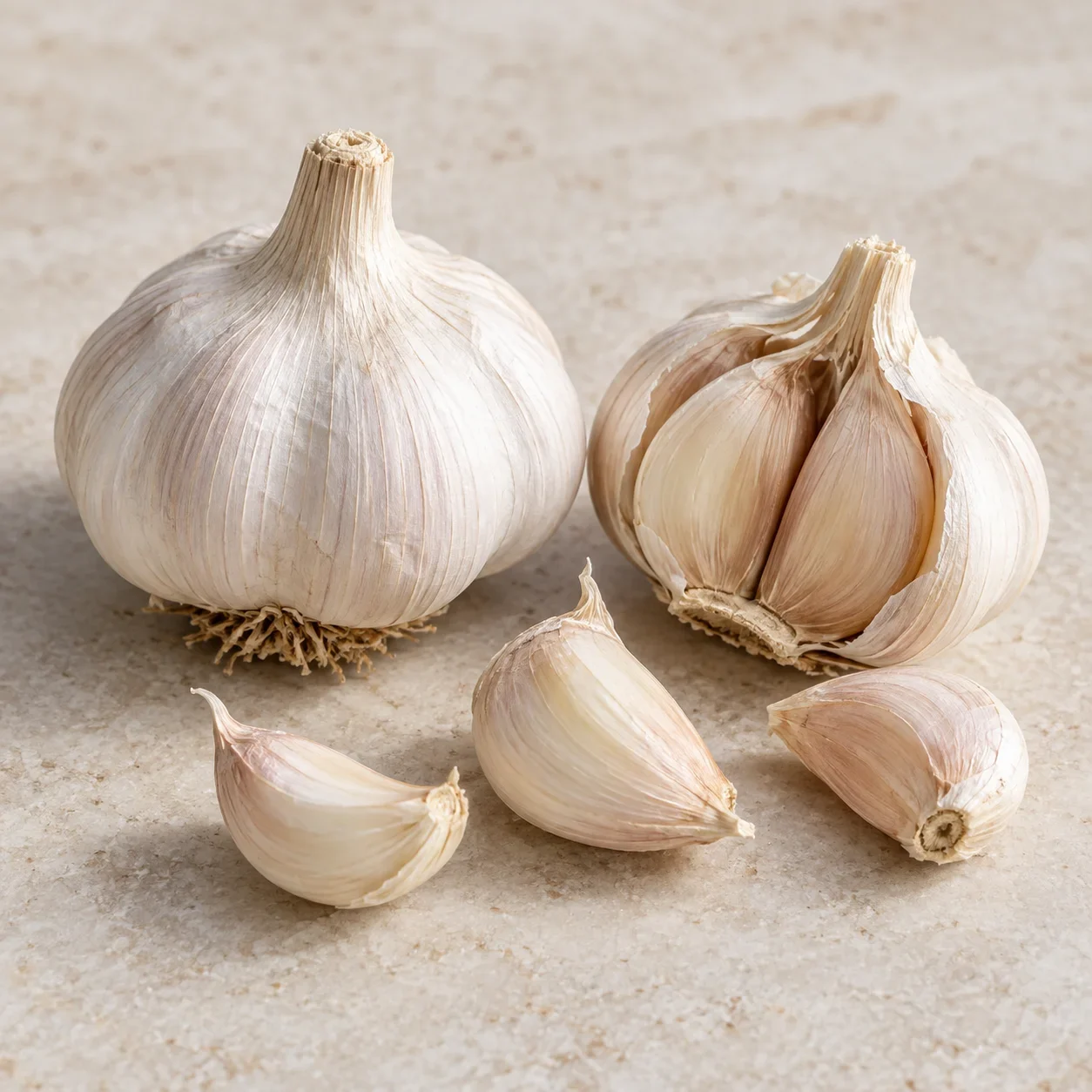

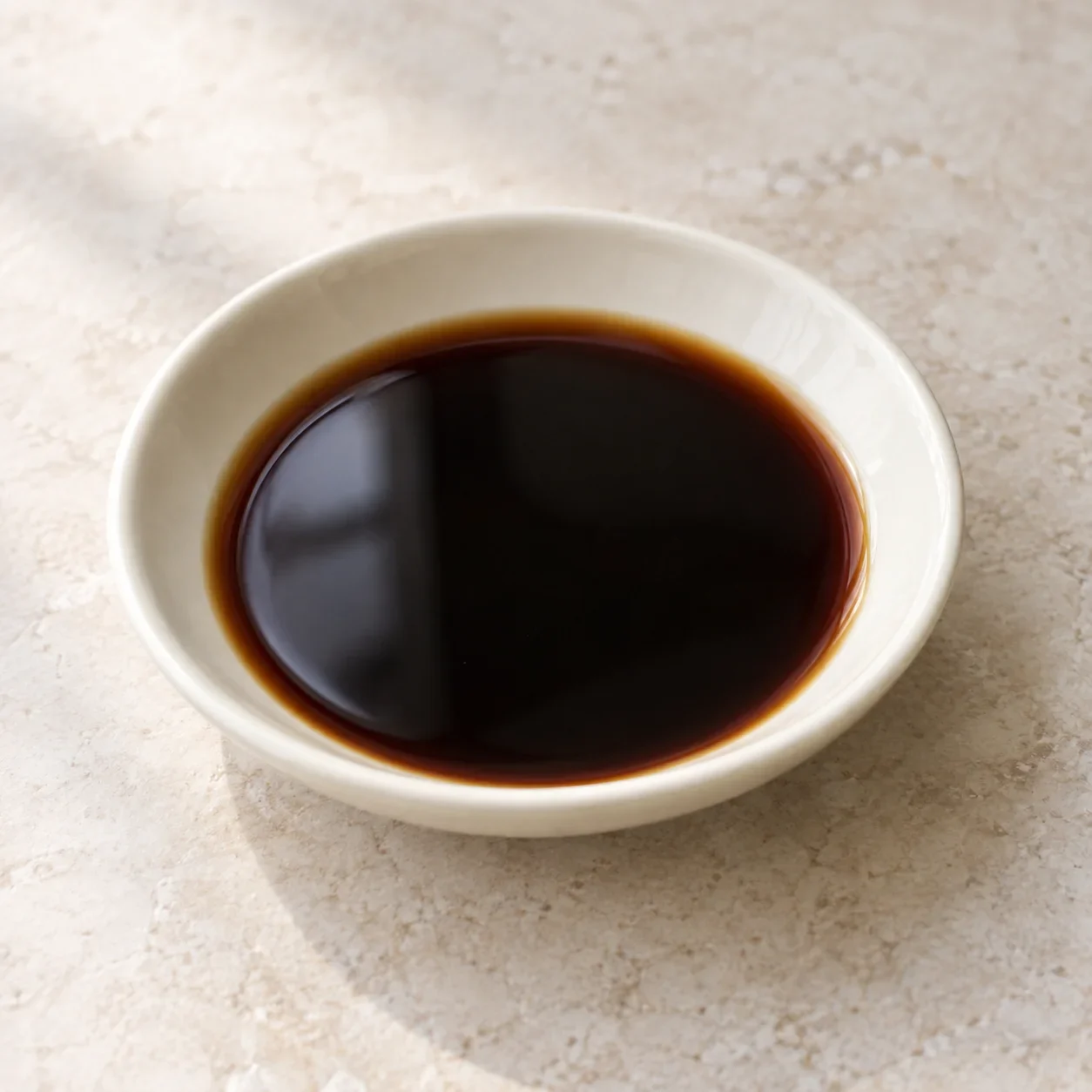
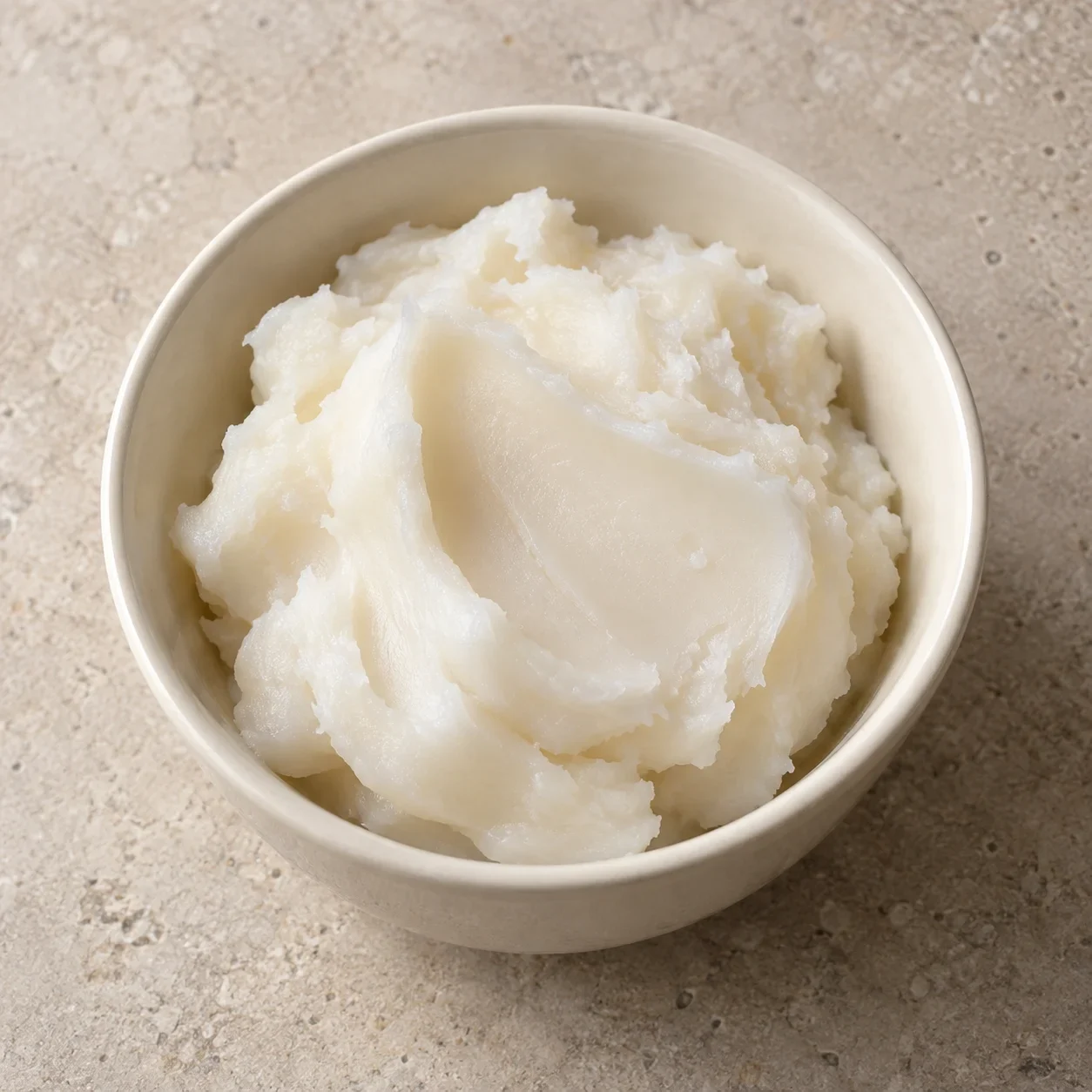
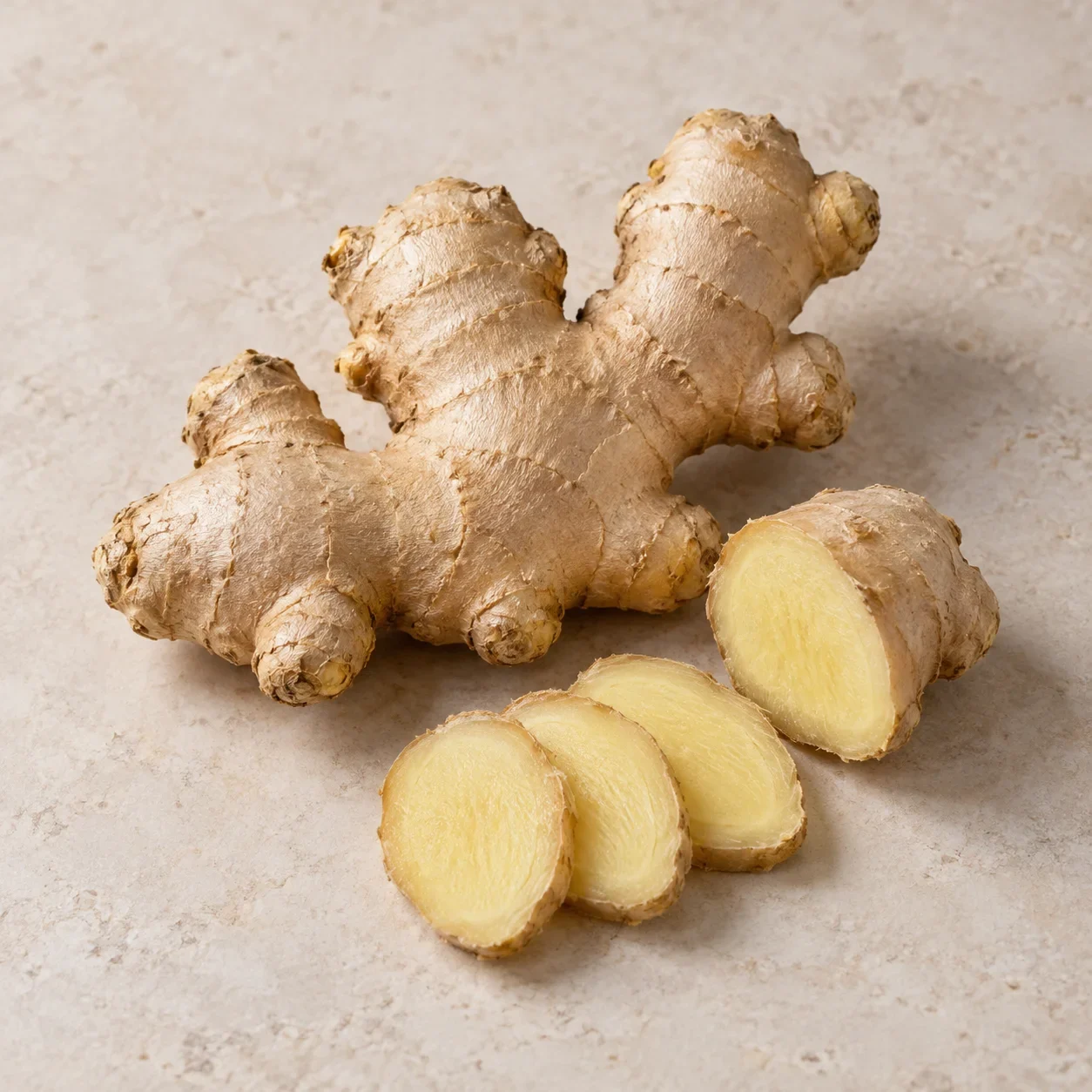
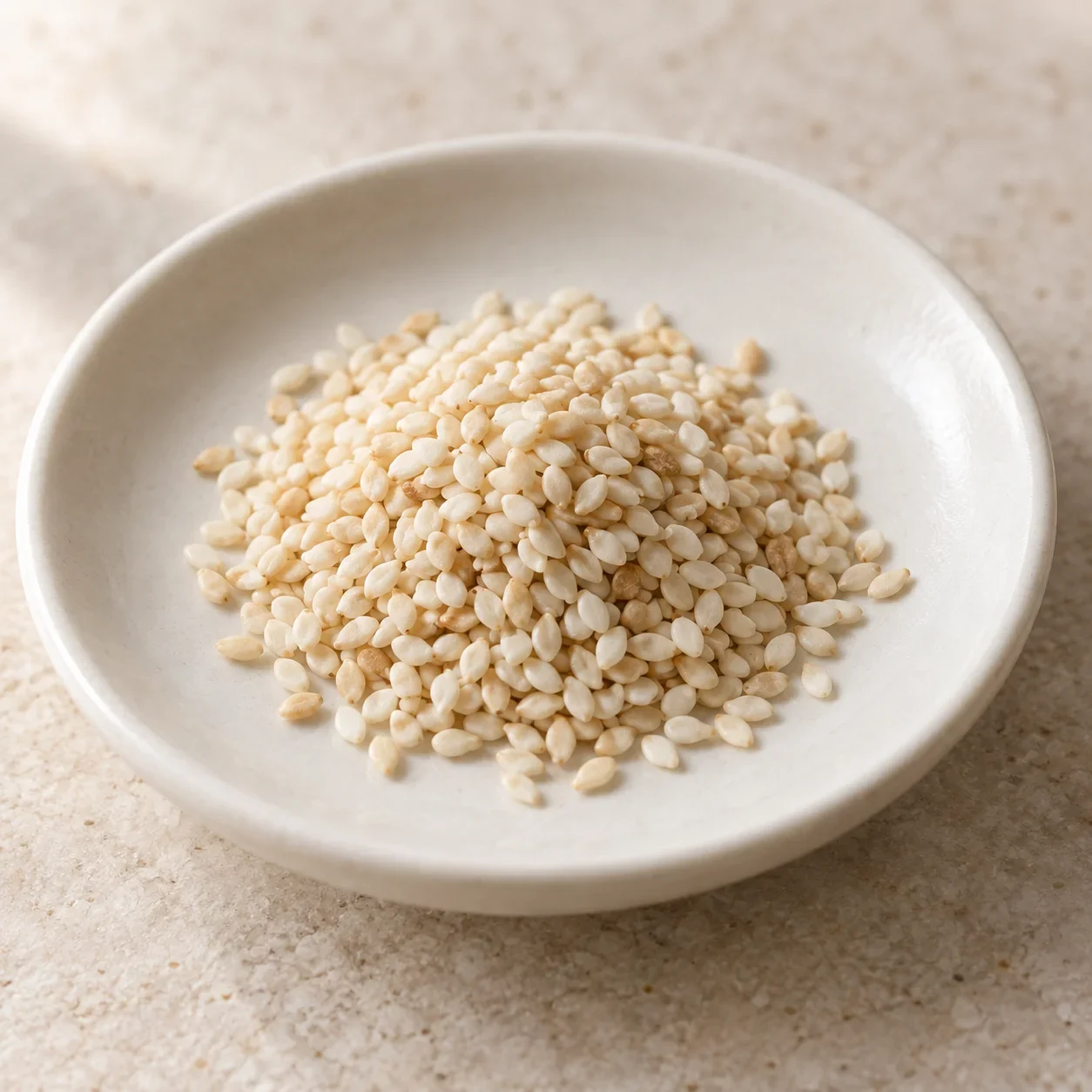
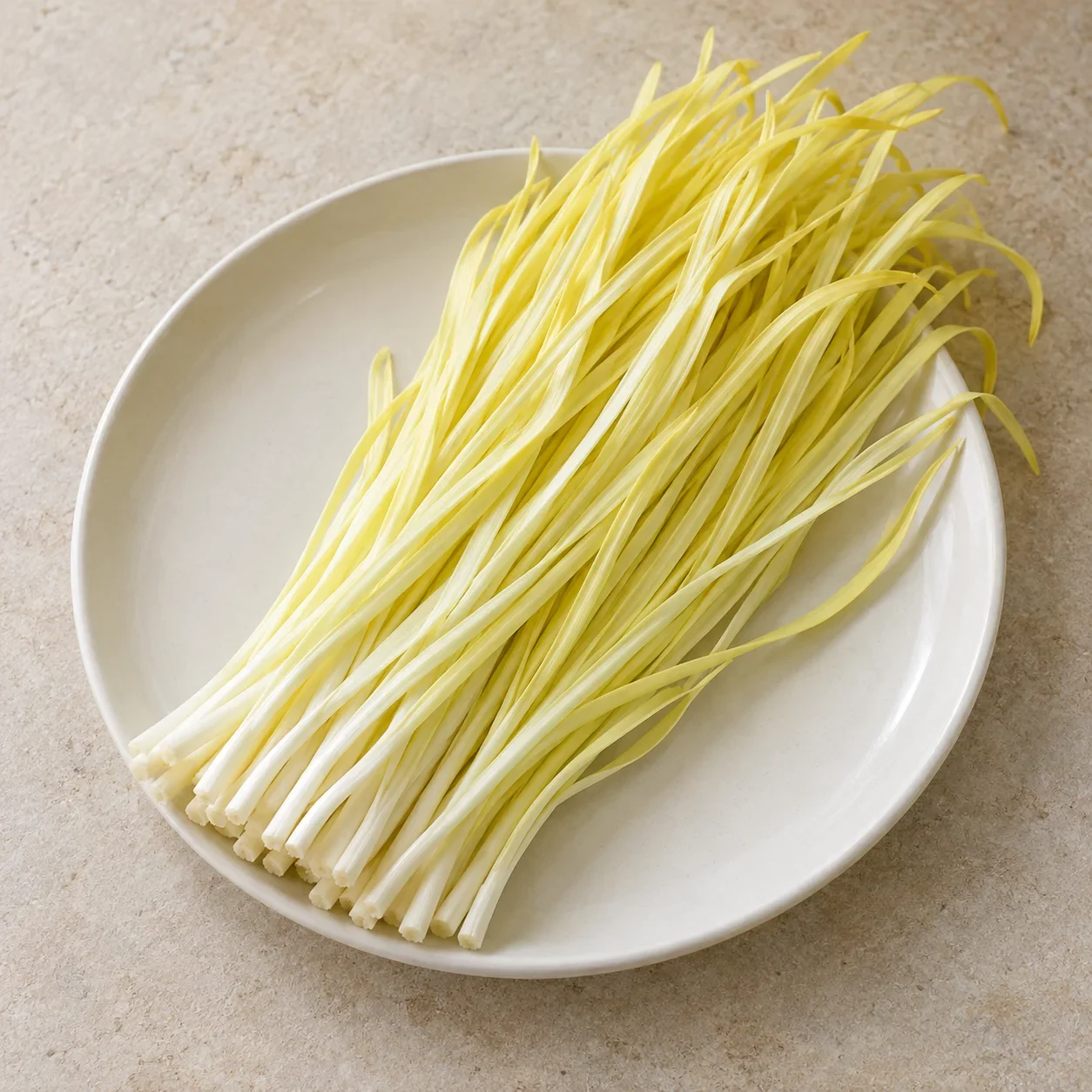

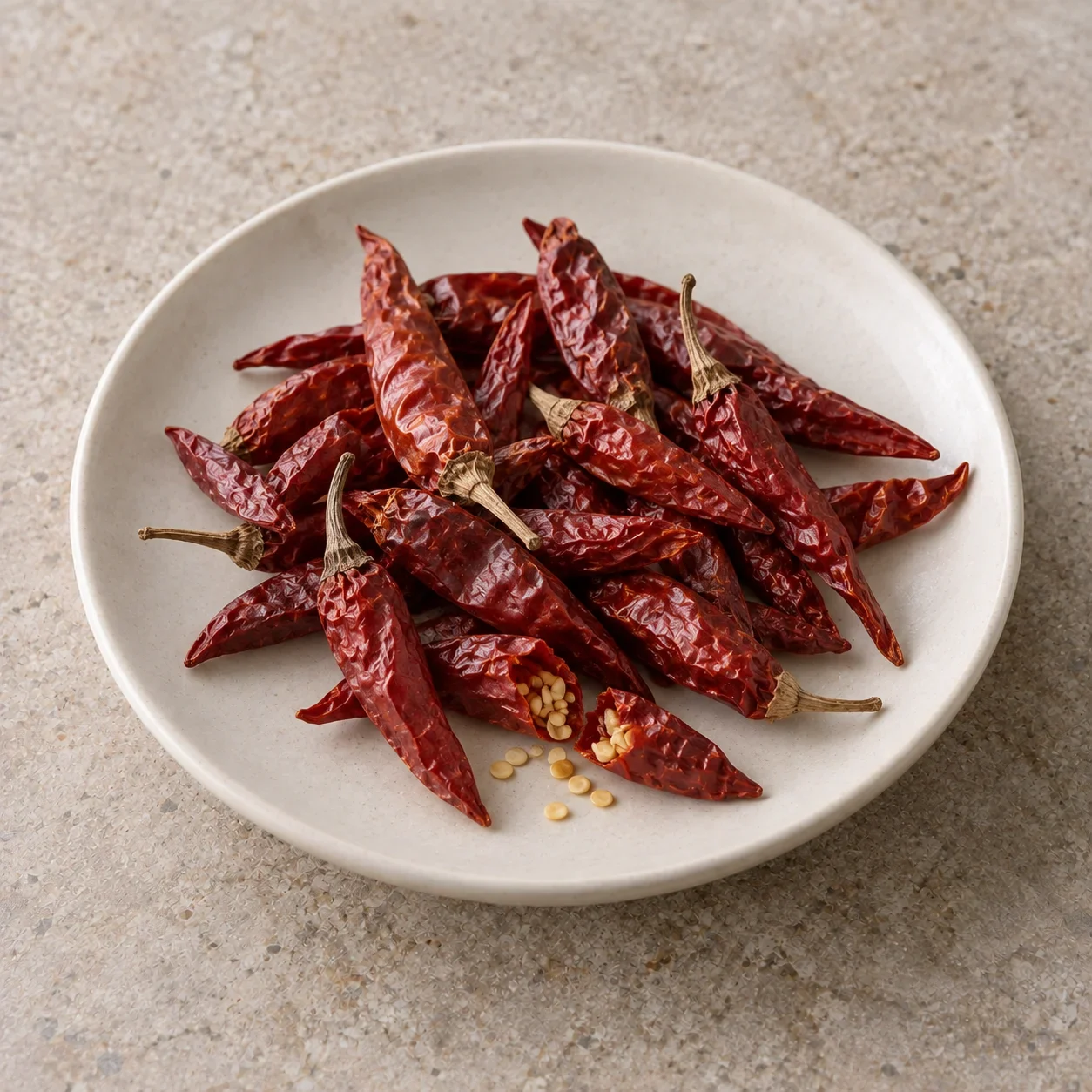
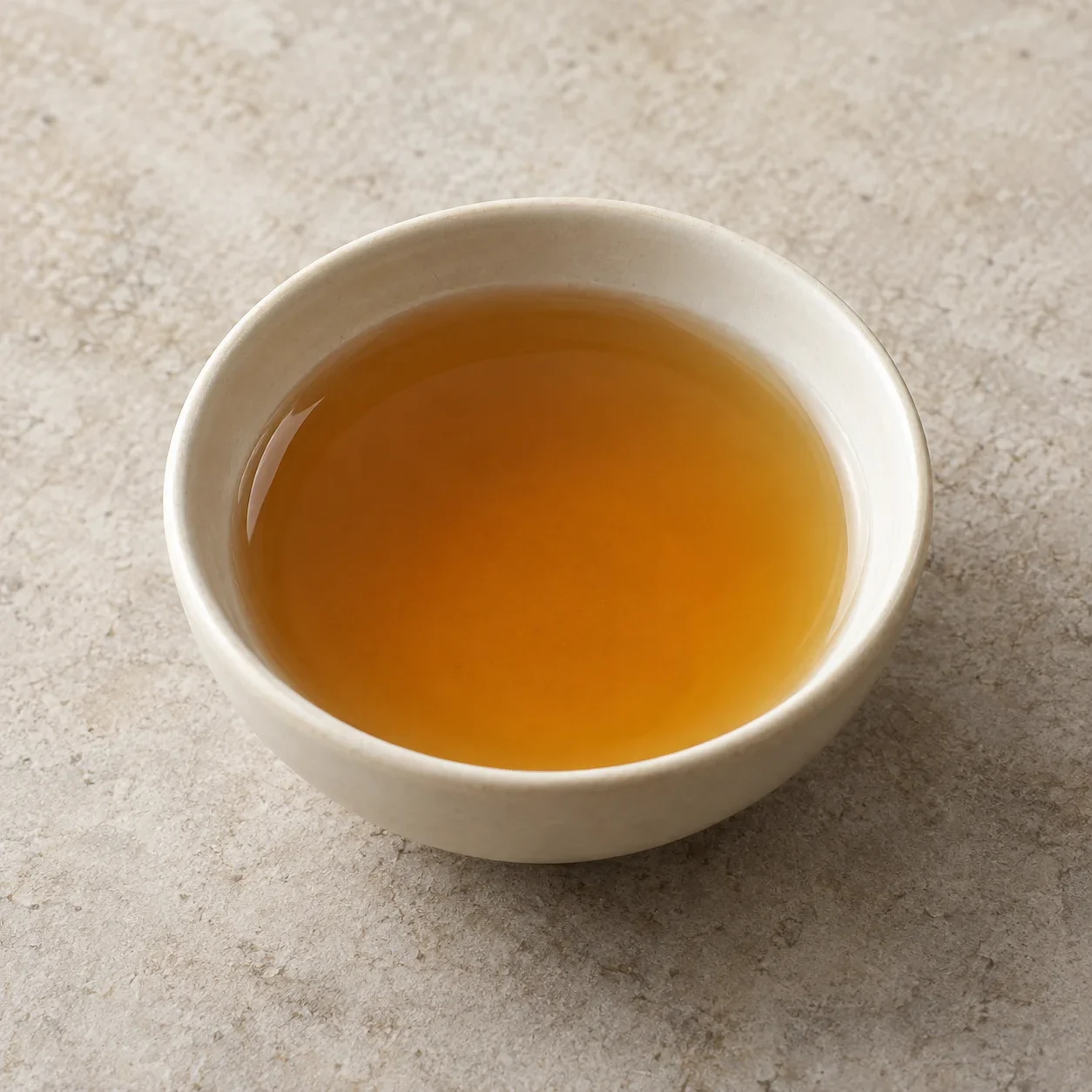


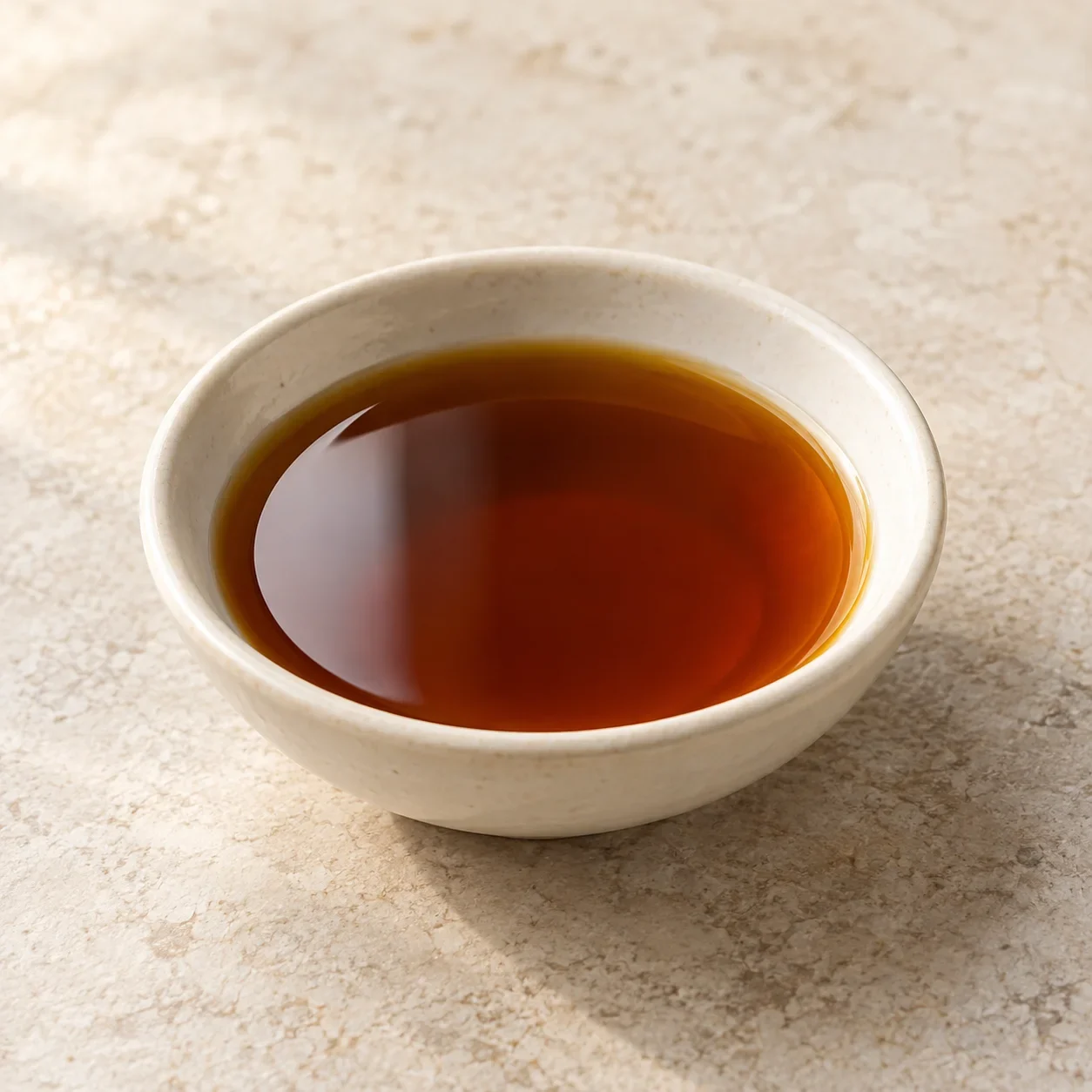
Recipes vary by restaurant.
How does it taste?
Savory rabbit broth, with chili and Sichuan-pepper flavor in some versions.
- Chili heat
- Heat not recorded
- Texture
- Smooth noodles and tender small pieces of rabbit.
- How it’s made
- Fry diced rabbit with seasoning, simmer in stock, and spoon it over boiled noodles and broth.
Thin or wide noodles are used. Some versions include chili oil, Sichuan pepper, garlic, scallion, vinegar or lard; broth and seasoning vary.
A CONNECTION TO PLACE
Origin & regional roots
Associated with Sichuan.
About this regional connection
Sichuan: Associated with Zizhong, Neijiang, Sichuan.
Ask if they have it first
请问你们有资中兔子面吗?
Do you have this item?
A LITTLE SOMETHING TO READ
Story & history
A noodle bowl with a hometown pull
This account describes a tradition or story, rather than an established historical fact.
Rabbit noodles are part of the breakfast table in Zizhong, where shops have served bowls of broth, noodles and seasoned rabbit for decades. The dish can also carry homesickness for people who moved away.