
At the table
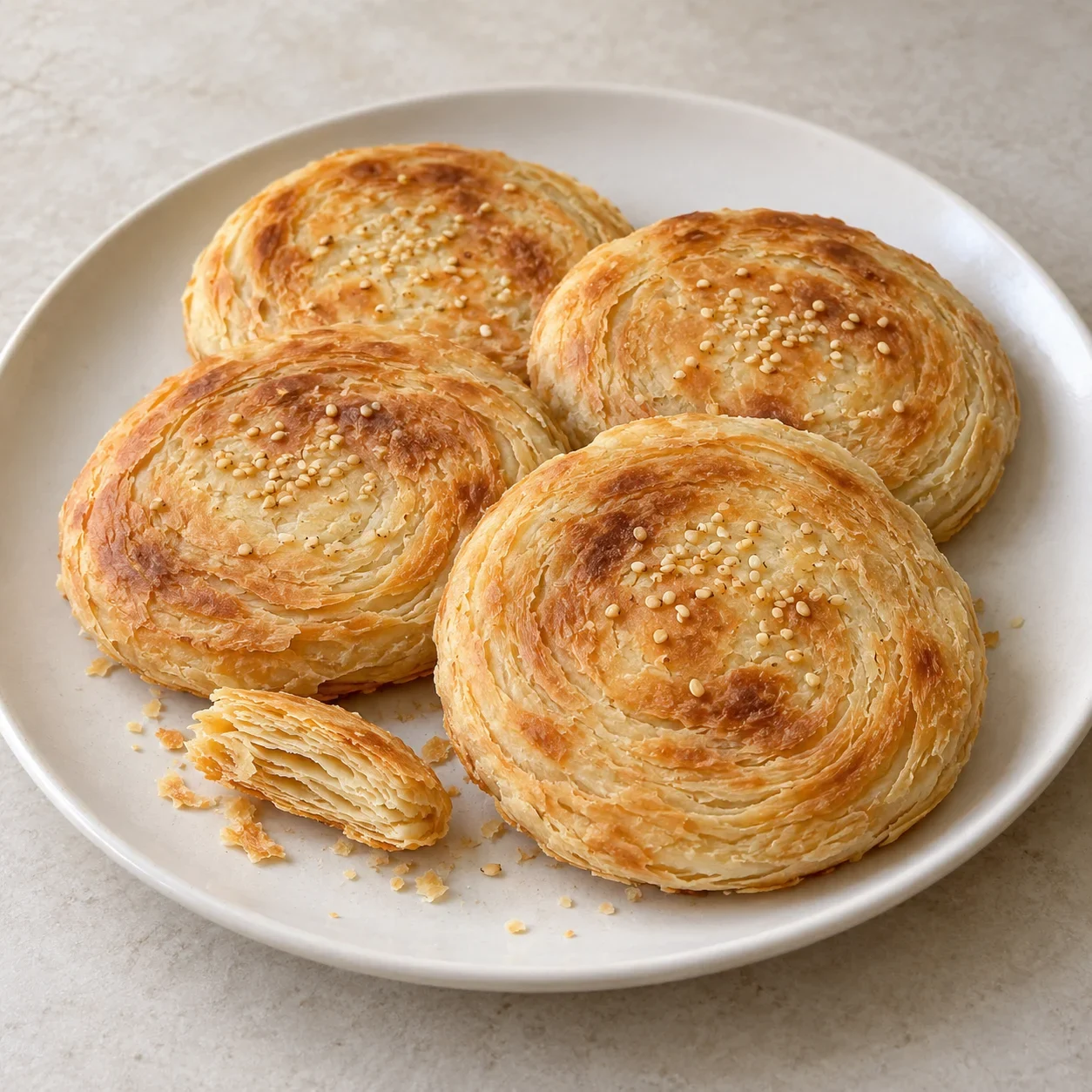
Break off a small piece over a plate or napkin to catch the crumbs. Check whether you are choosing a sweet or pepper-salt version.
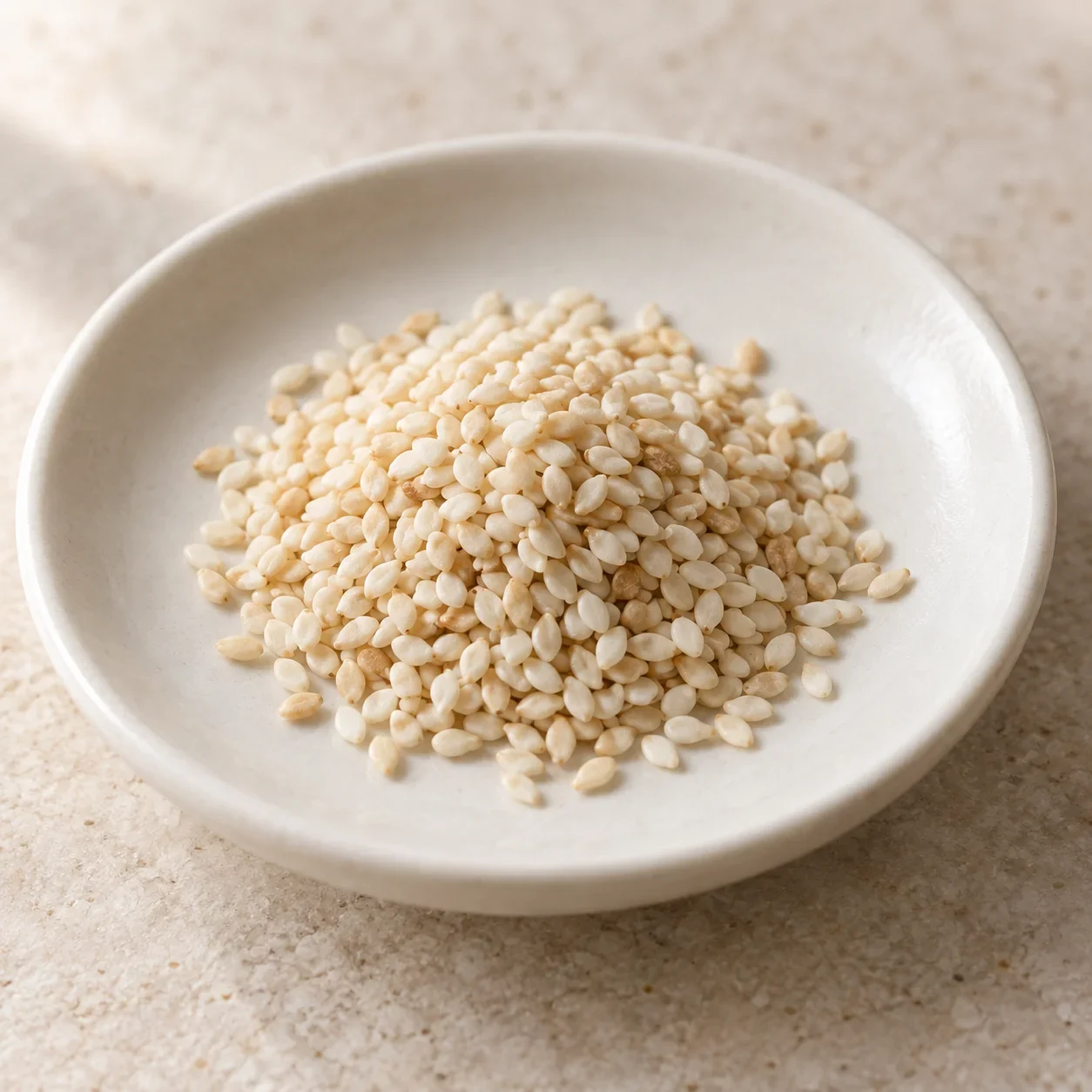
Contains wheat and usually sesame. Traditional formulas may contain pork fat, so the pastry is not automatically vegetarian or vegan. Flavored versions need their own ingredient check.
GET TO KNOW THE DISH
What goes into it?
Explore some key ingredients below. Preparations may use additional seasonings and ingredients.
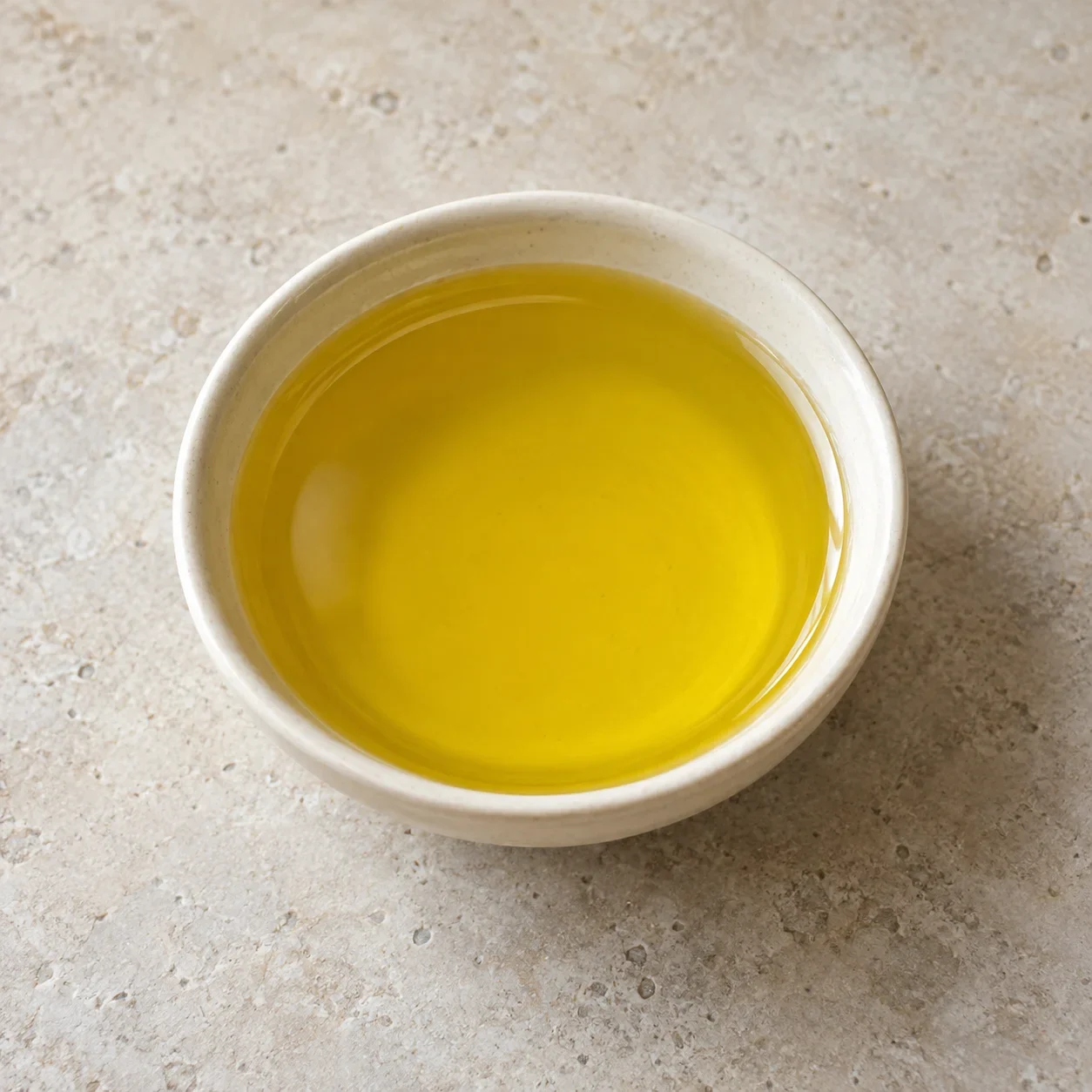
Rapeseed oil and lard feature in traditional formulas. Some pastries are oven-baked, while a griddle-cooked method is also used.
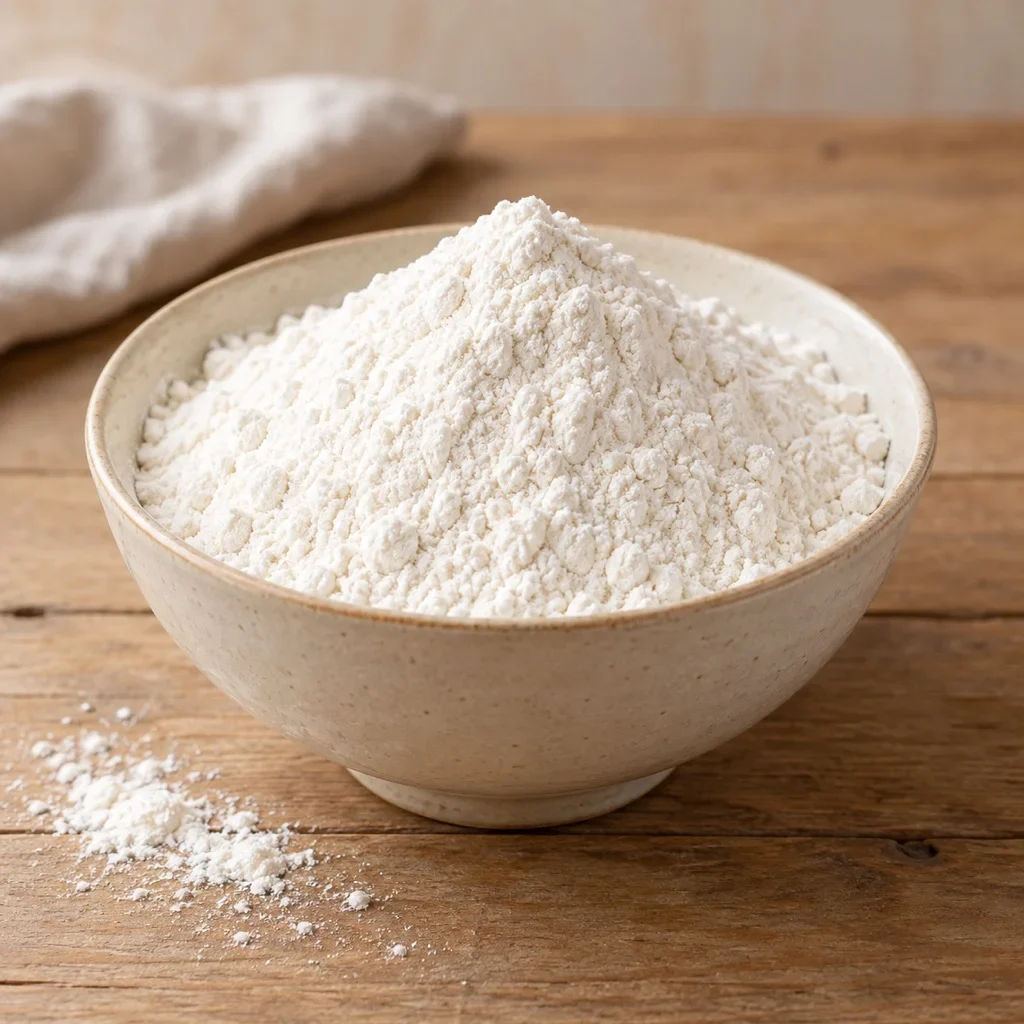
Typical ingredients
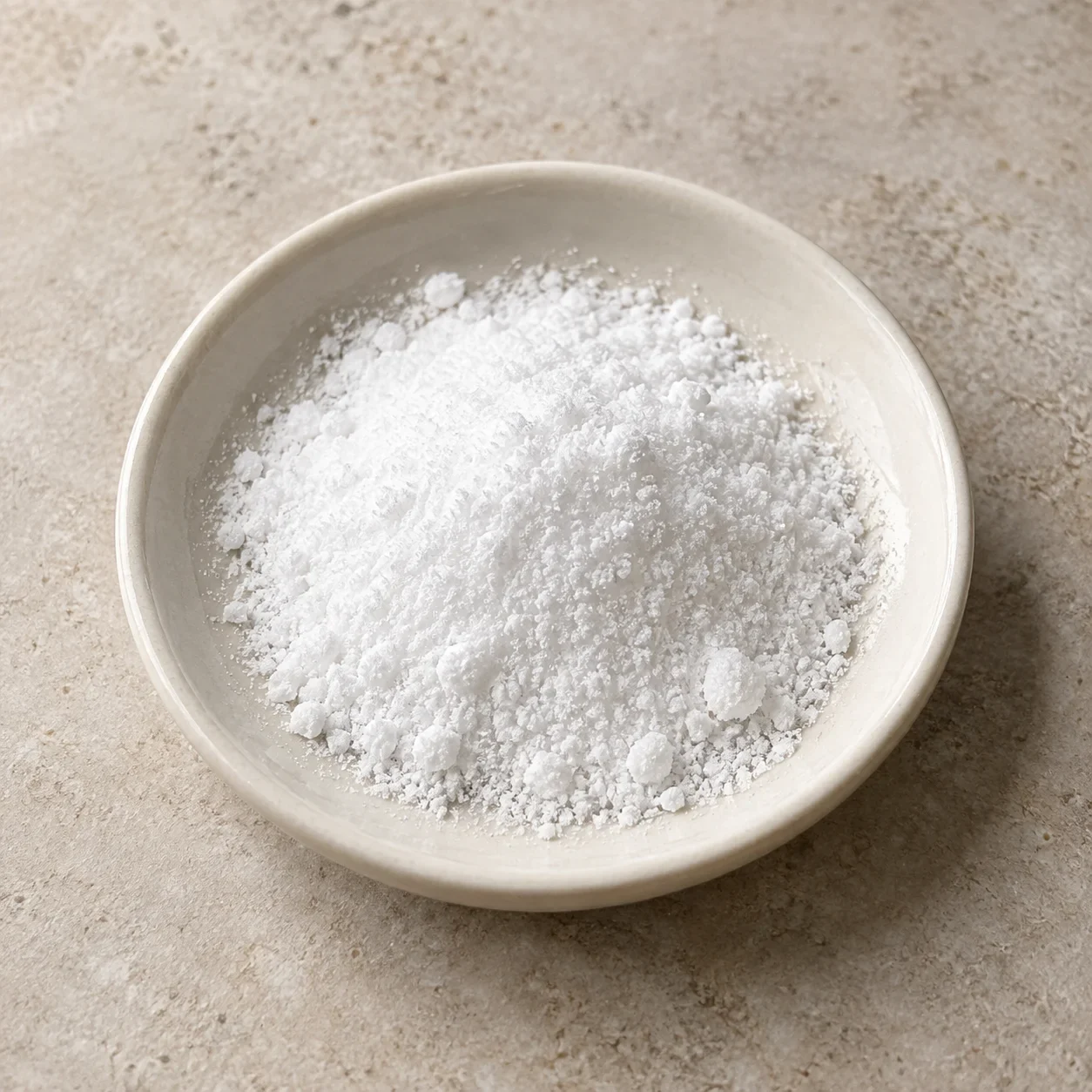
In some versions
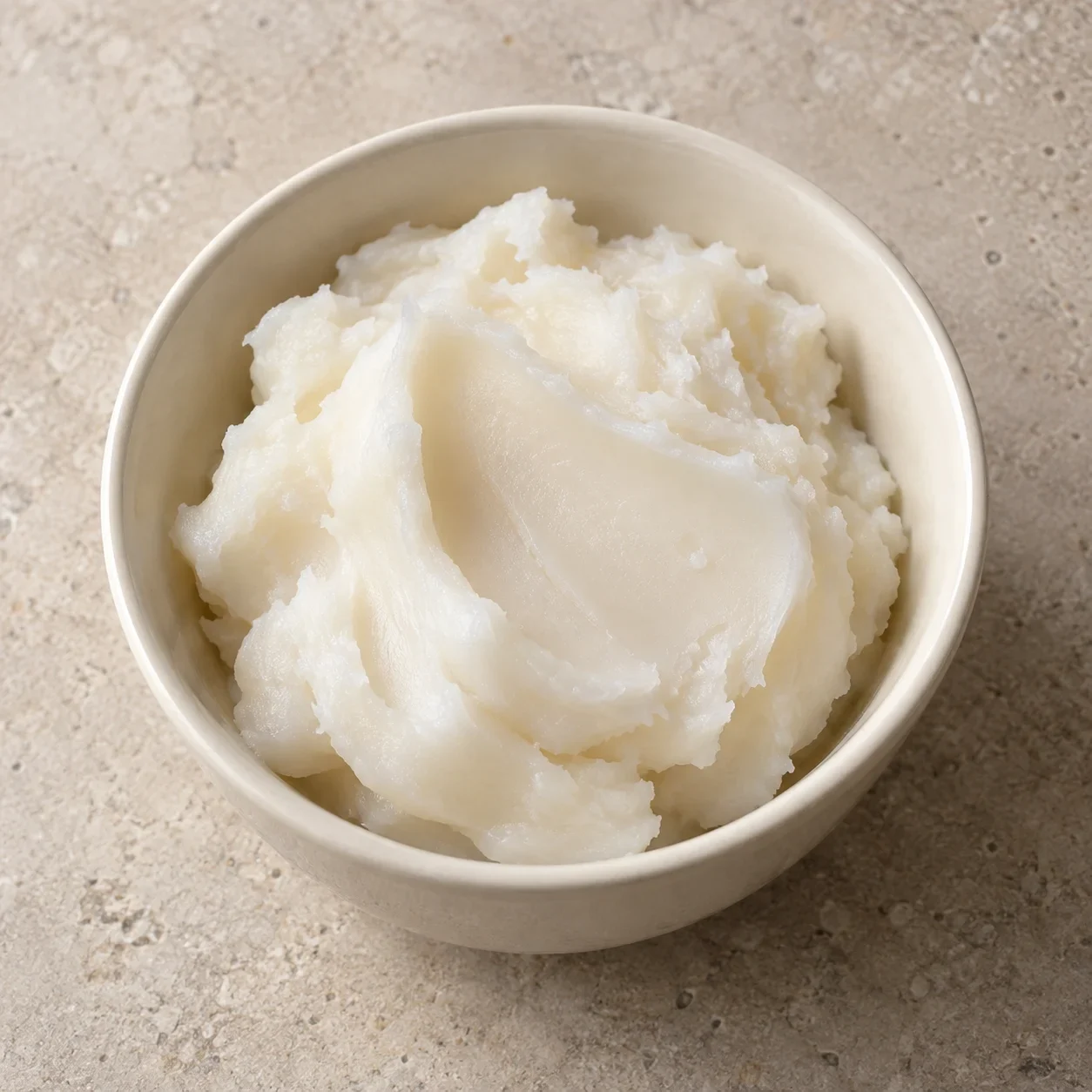


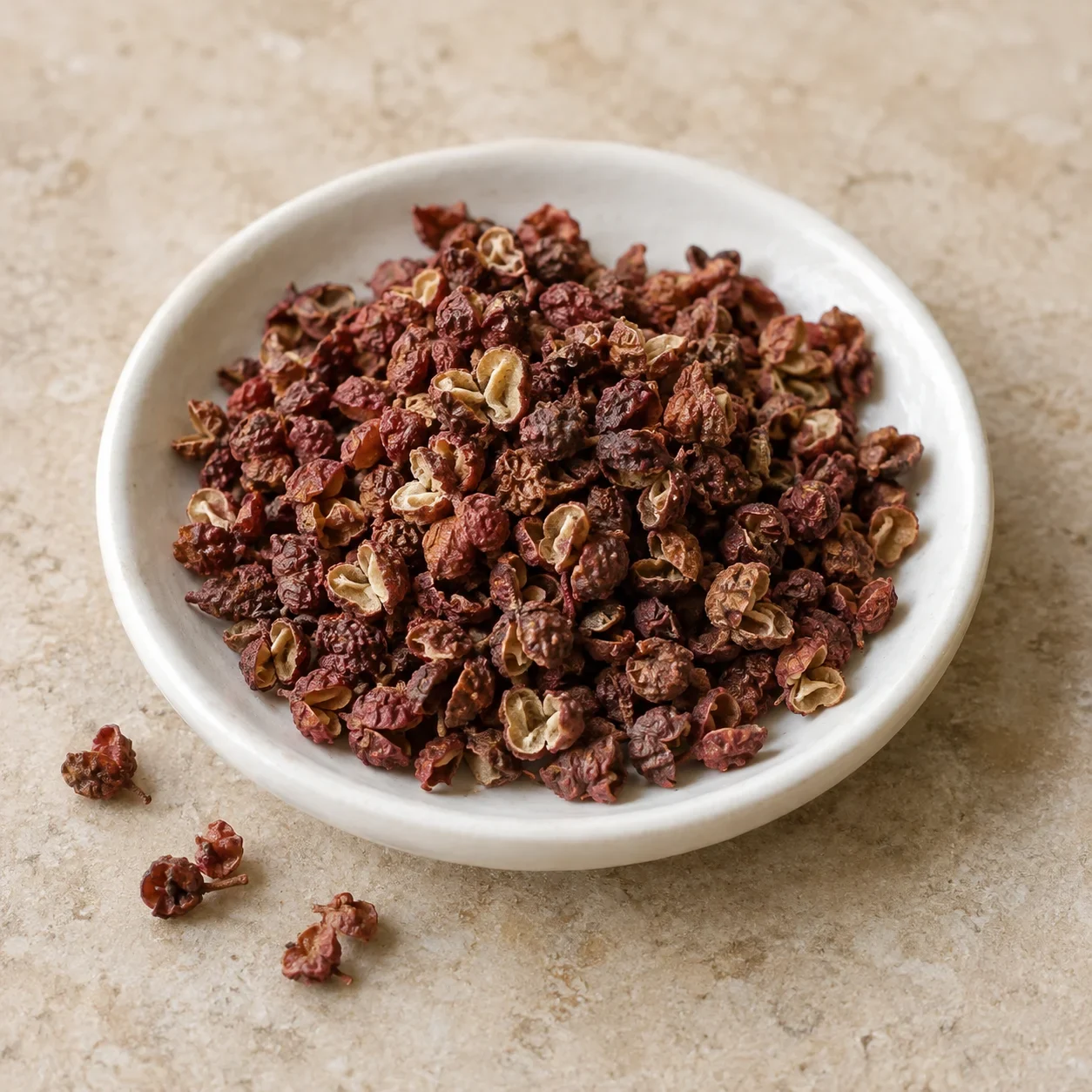
Recipes vary by restaurant.
How does it taste?
Toasty and rich; sweet or savory depending on the version.
- Chili heat
- Texture
- Thin, crisp layers that crumble easily.
- How it’s made
- Work wheat dough with culinary alkali, layer with an oil-and-flour mixture, roll and flatten; cook until crisp and golden.
Rapeseed oil and lard feature in traditional formulas. Some pastries are oven-baked, while a griddle-cooked method is also used.
A CONNECTION TO PLACE
Origin & regional roots
Associated with Sichuan.
About this regional connection
Sichuan: Associated with Zitong, Mianyang, Sichuan.
Ask if they have it first
请问你们有梓潼酥饼吗?
Do you have this item?
A LITTLE SOMETHING TO READ
Story & history
The folds behind the crispness
Zitong’s round pastry gets its delicate layers from dough folded and rolled with an oil-and-flour mixture. Breaking a piece reveals the fine layers and releases crumbs: texture is part of the pleasure. Sweet and pepper-salt versions offer different tastes. These local pastries are also given to friends and family, so check both the flavor and the fat used when choosing one.