
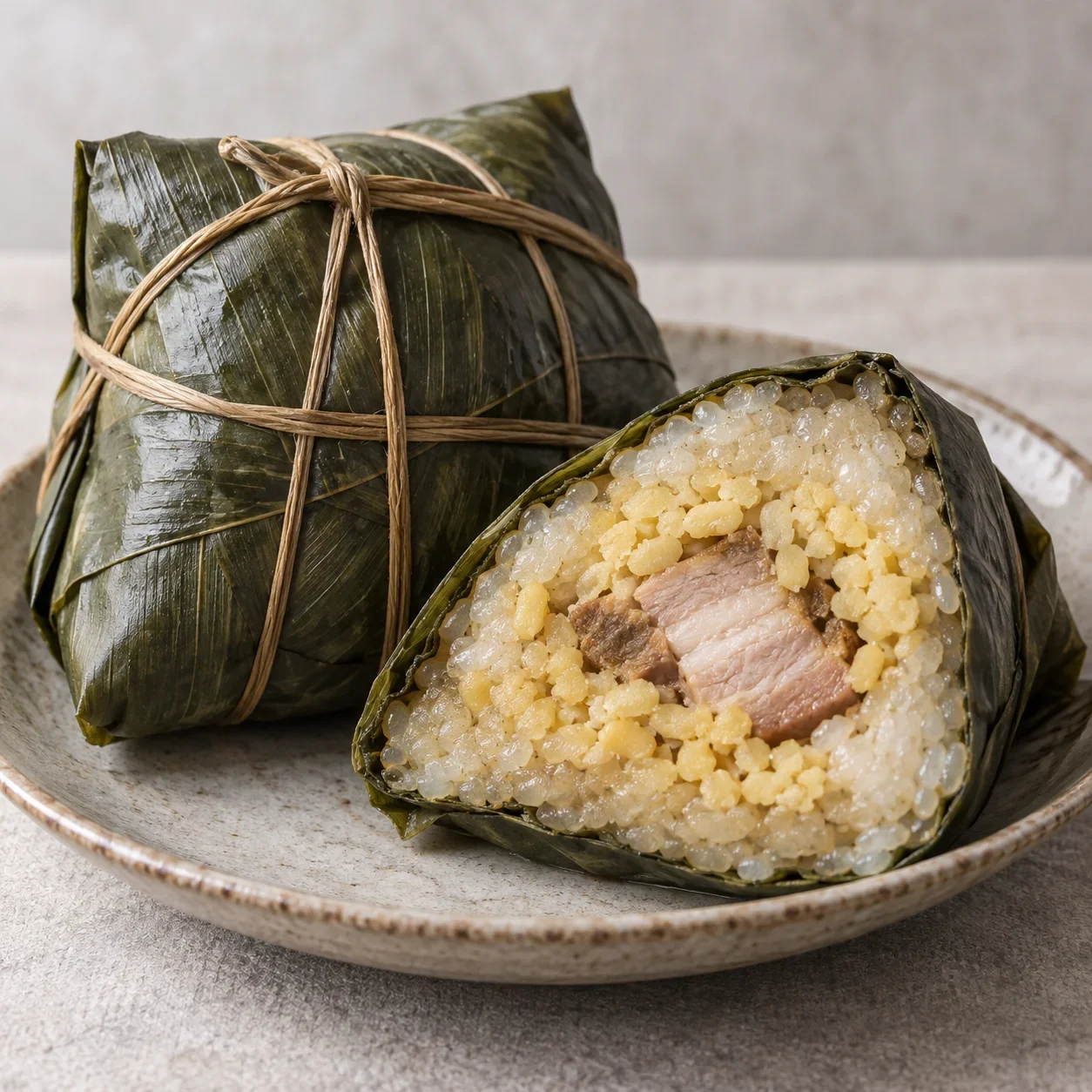
At the table
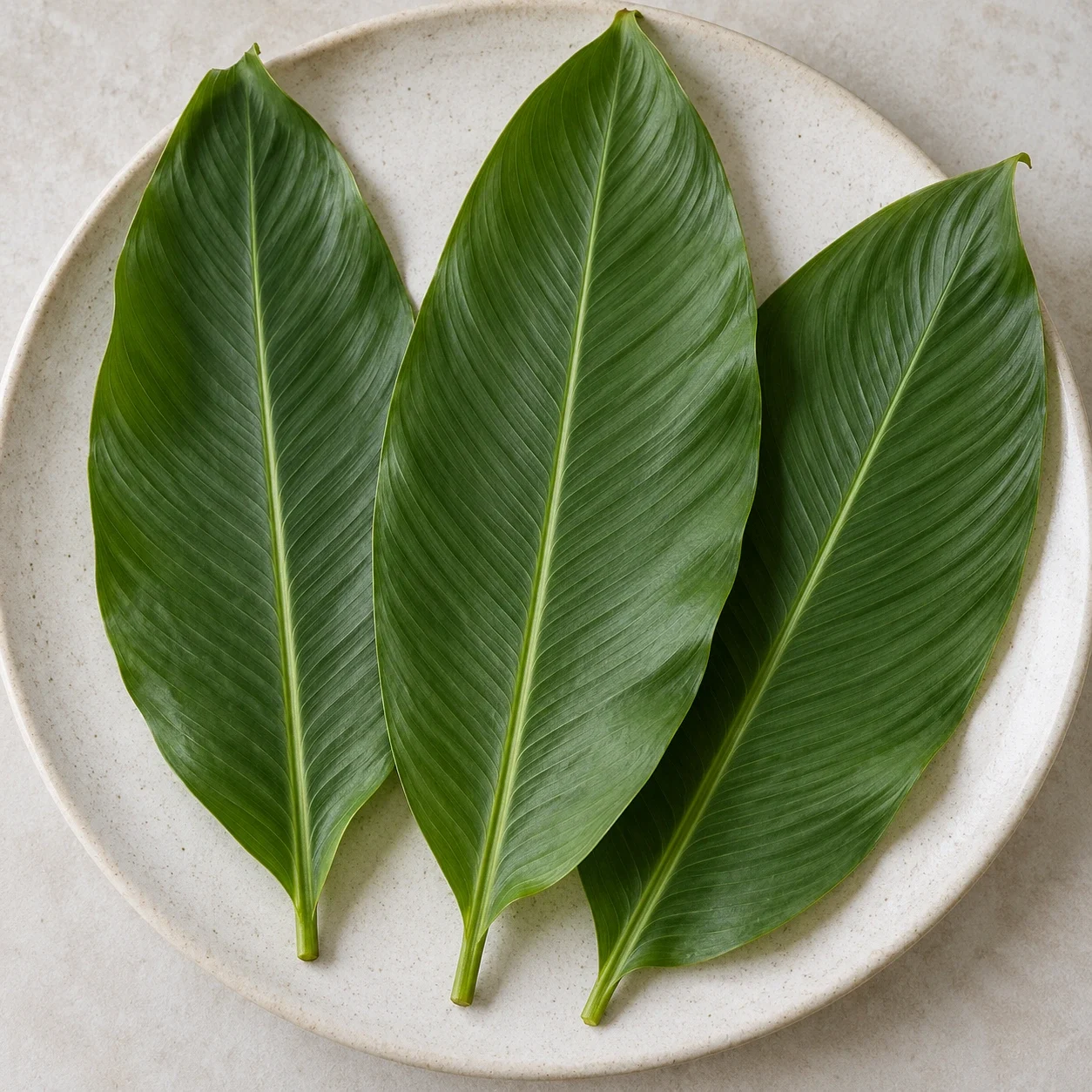
Remove the ties and leaves, then eat the warm rice, mung beans and pork together. A large parcel can be shared or cut into portions.
Contains pork. Seasonings or toppings may include peanut oil, sesame, soy sauce or egg; check for allergies. The rice is sticky and dense: for children, consider chewing ability, offer small cooled pieces and supervise.
The usual pork filling is not vegetarian or vegan. A representative plain parcel has no chili heat; sauces and fillings vary. Do not assume every seller uses the same seasonings.
GET TO KNOW THE DISH
What goes into it?
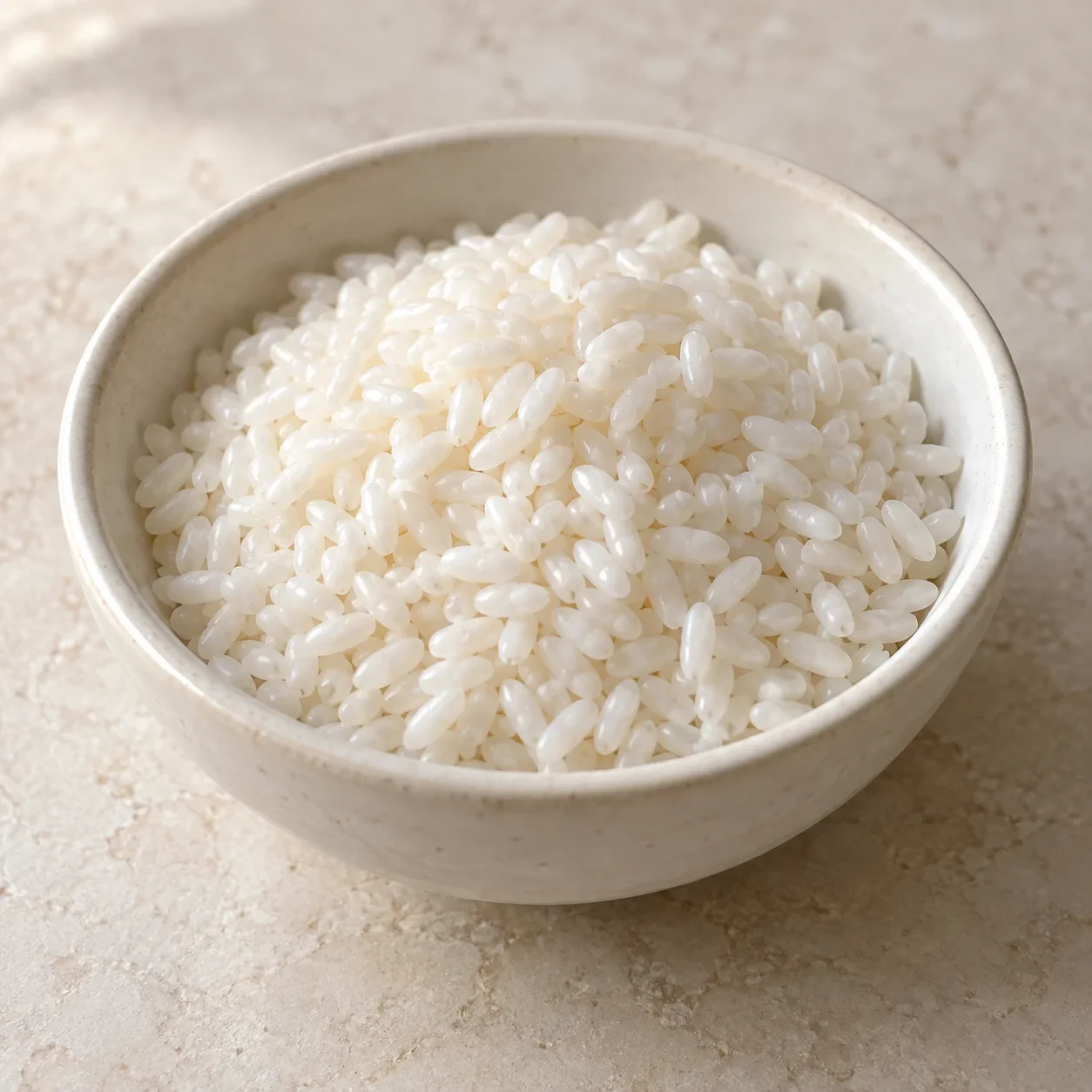
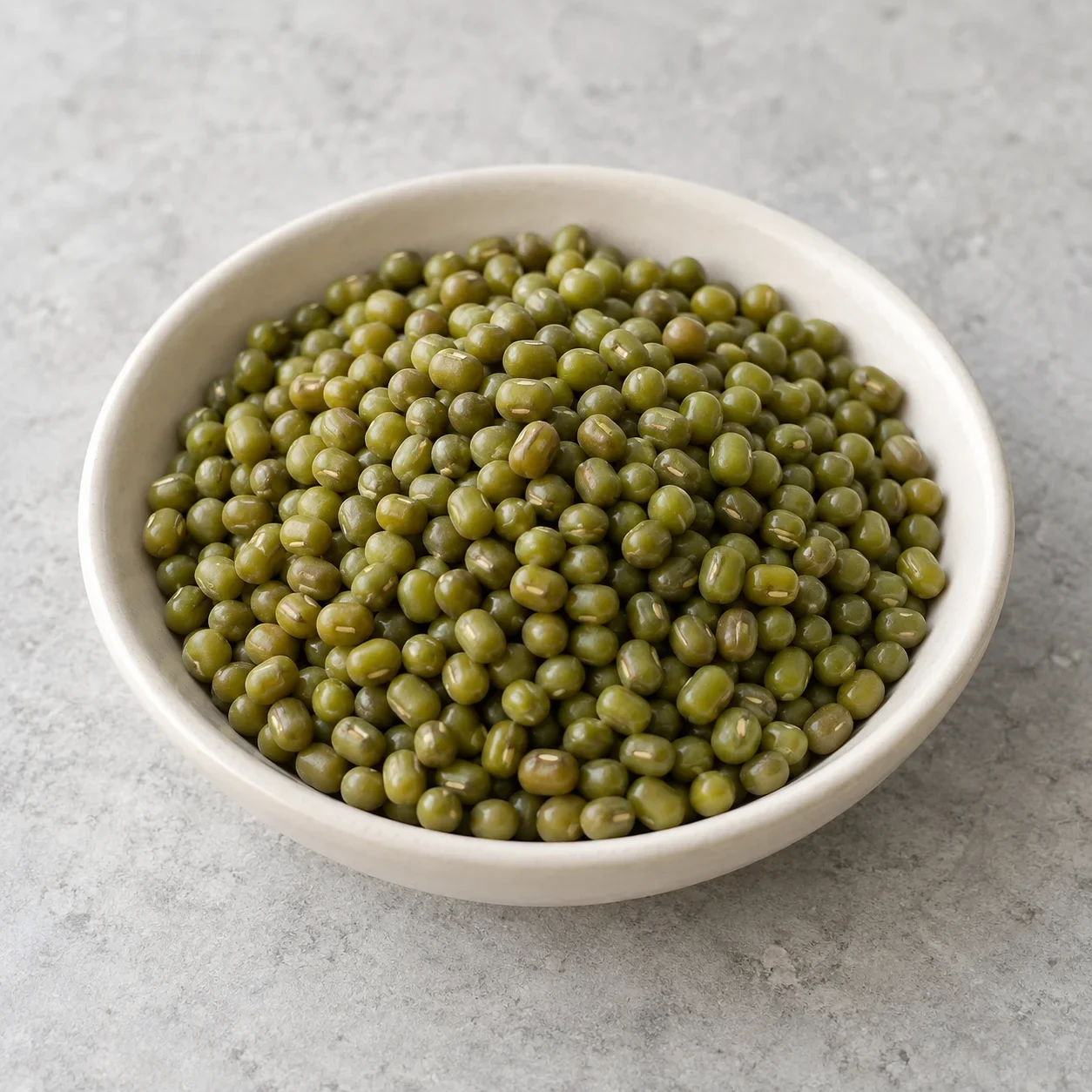
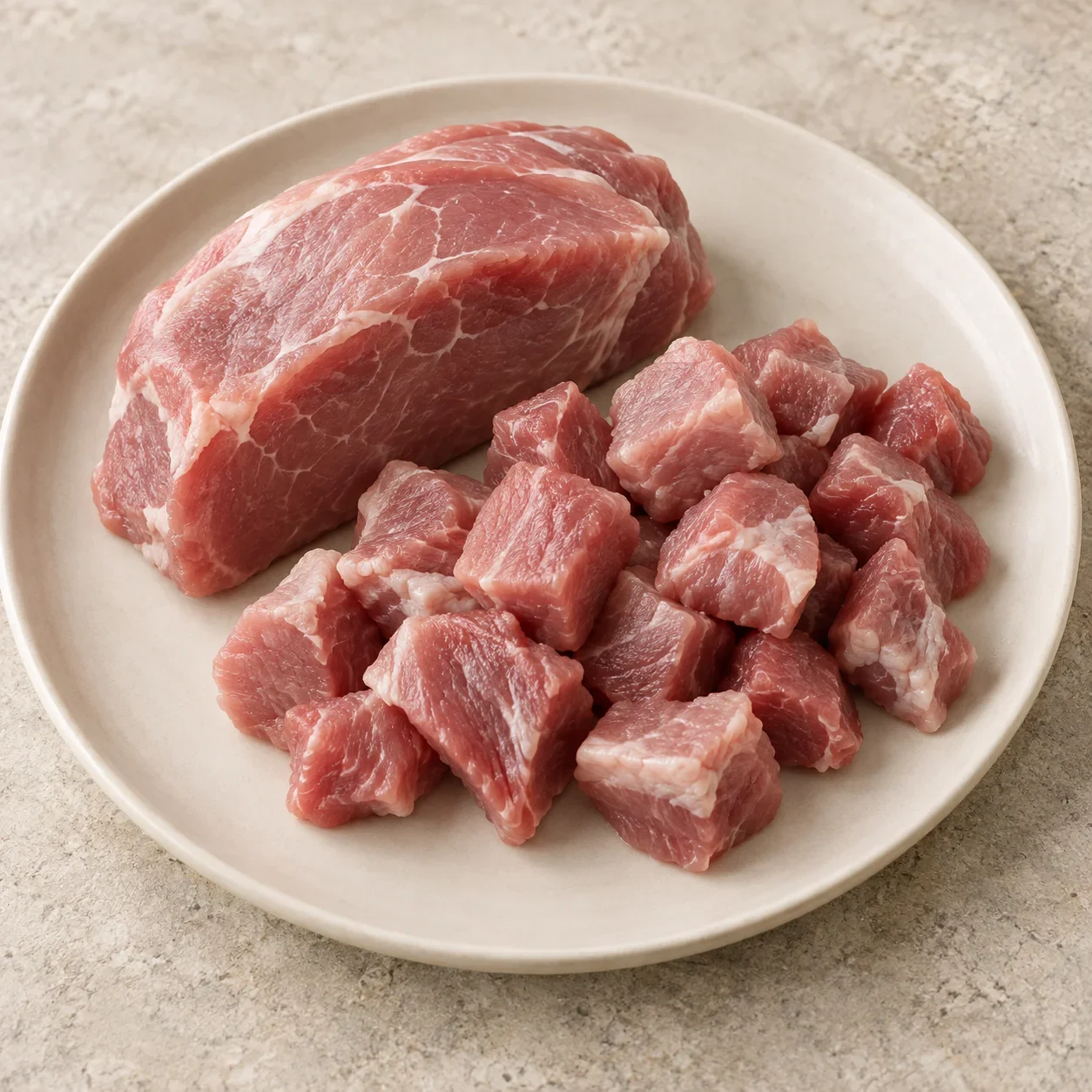
Explore some key ingredients below. Preparations may use additional seasonings and ingredients.
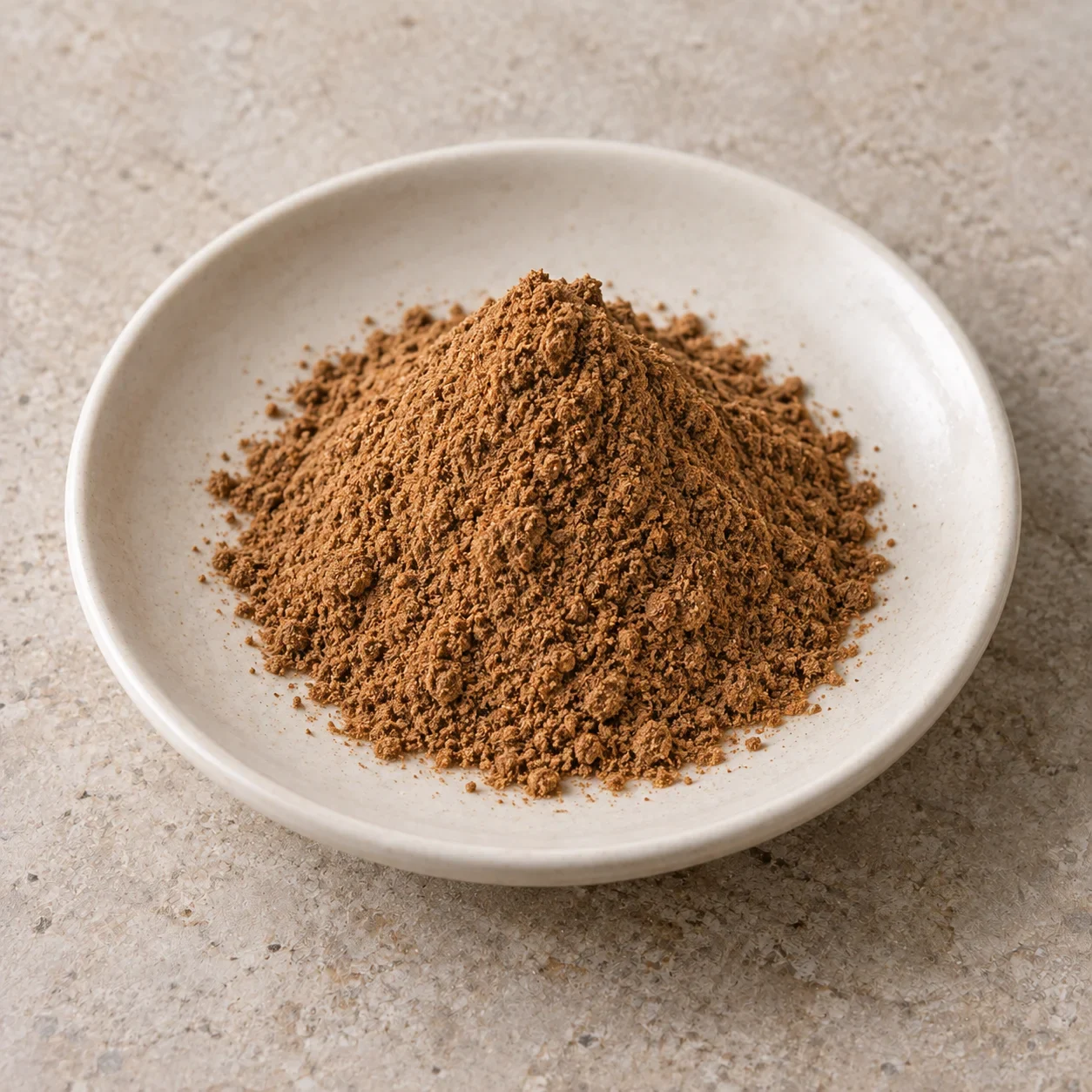
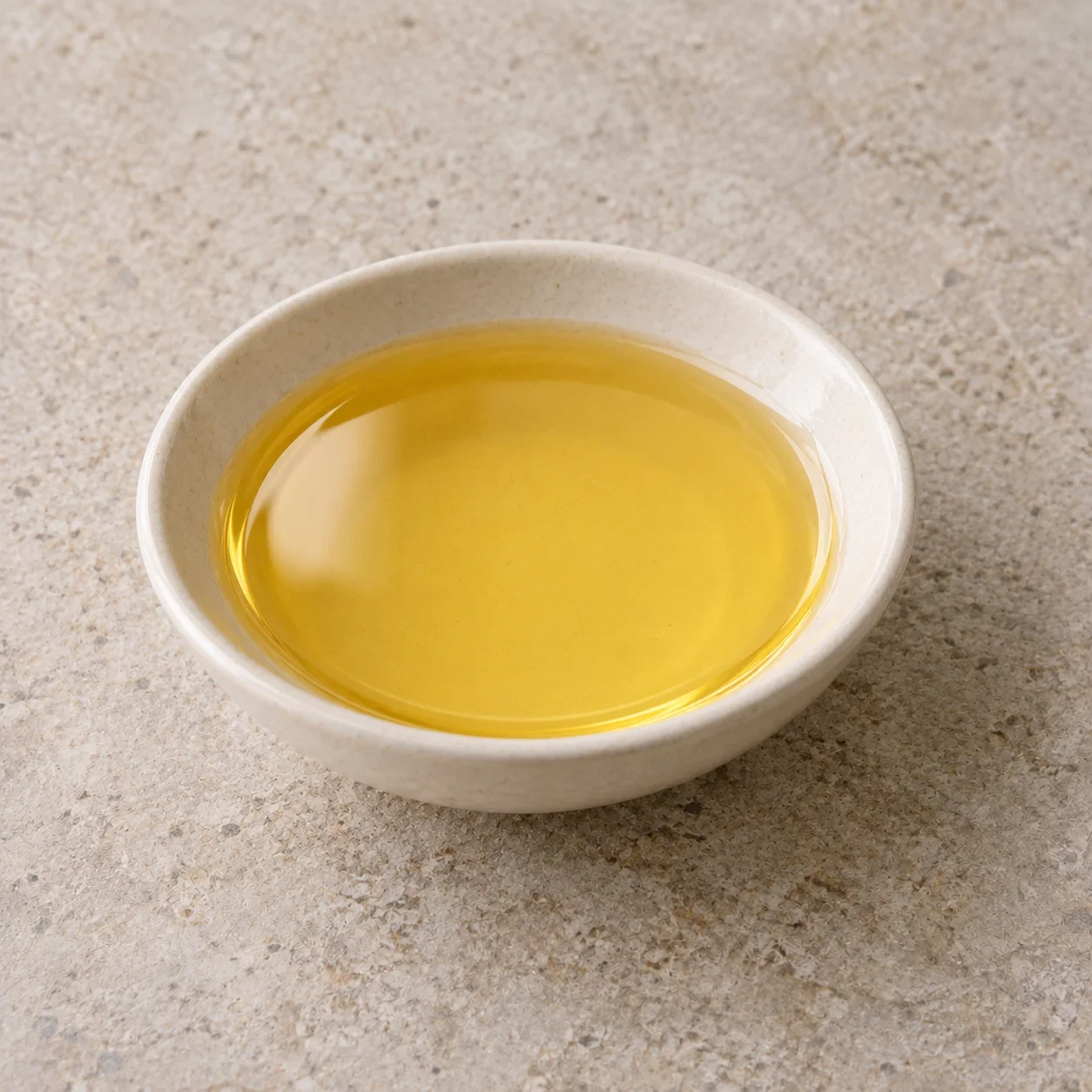
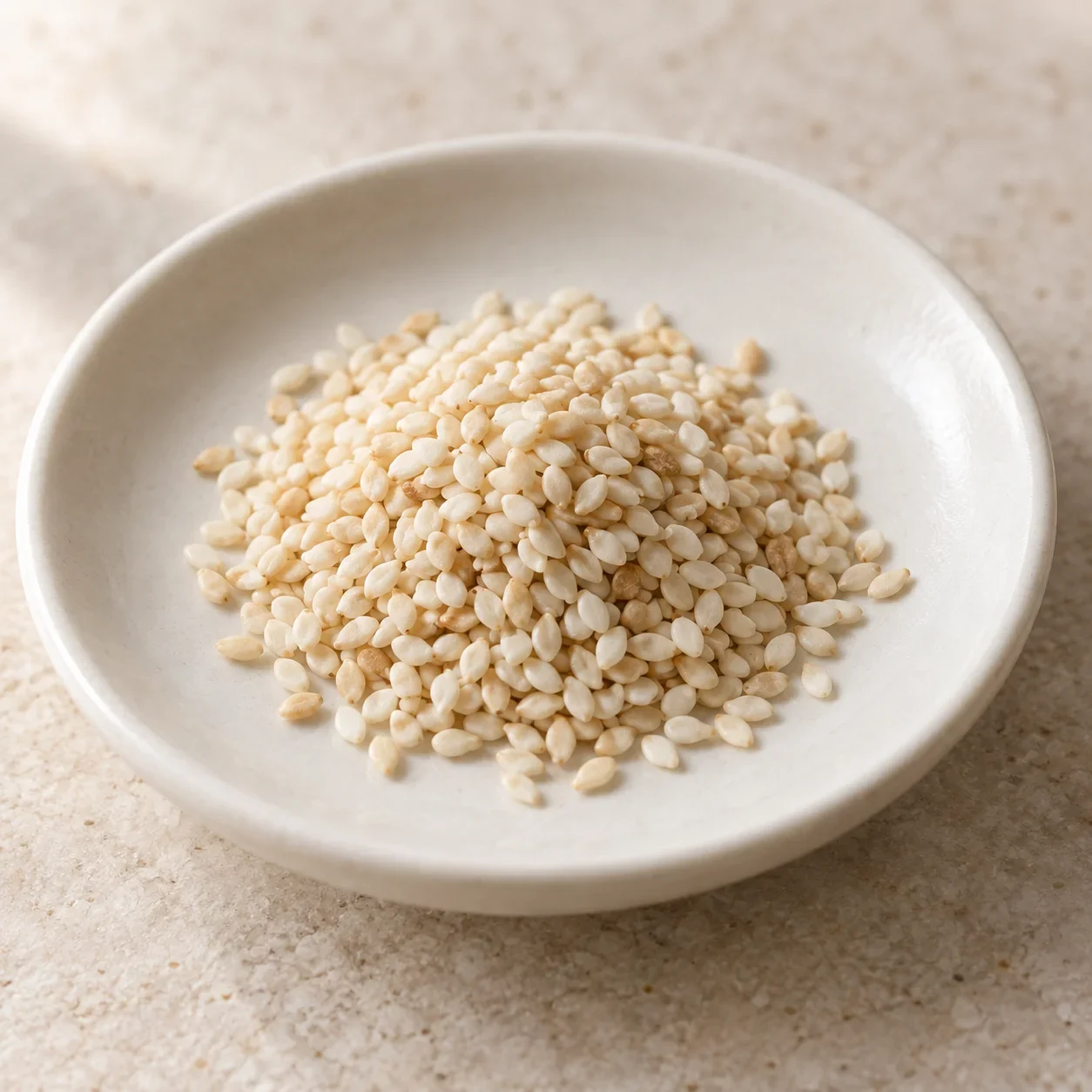
The pork cut and rice-to-bean ratio vary. Some servings add coriander, scallion, sesame, peanut oil or soy sauce; slices may also be coated in egg and pan-fried in lard.
Typical ingredients

In some versions

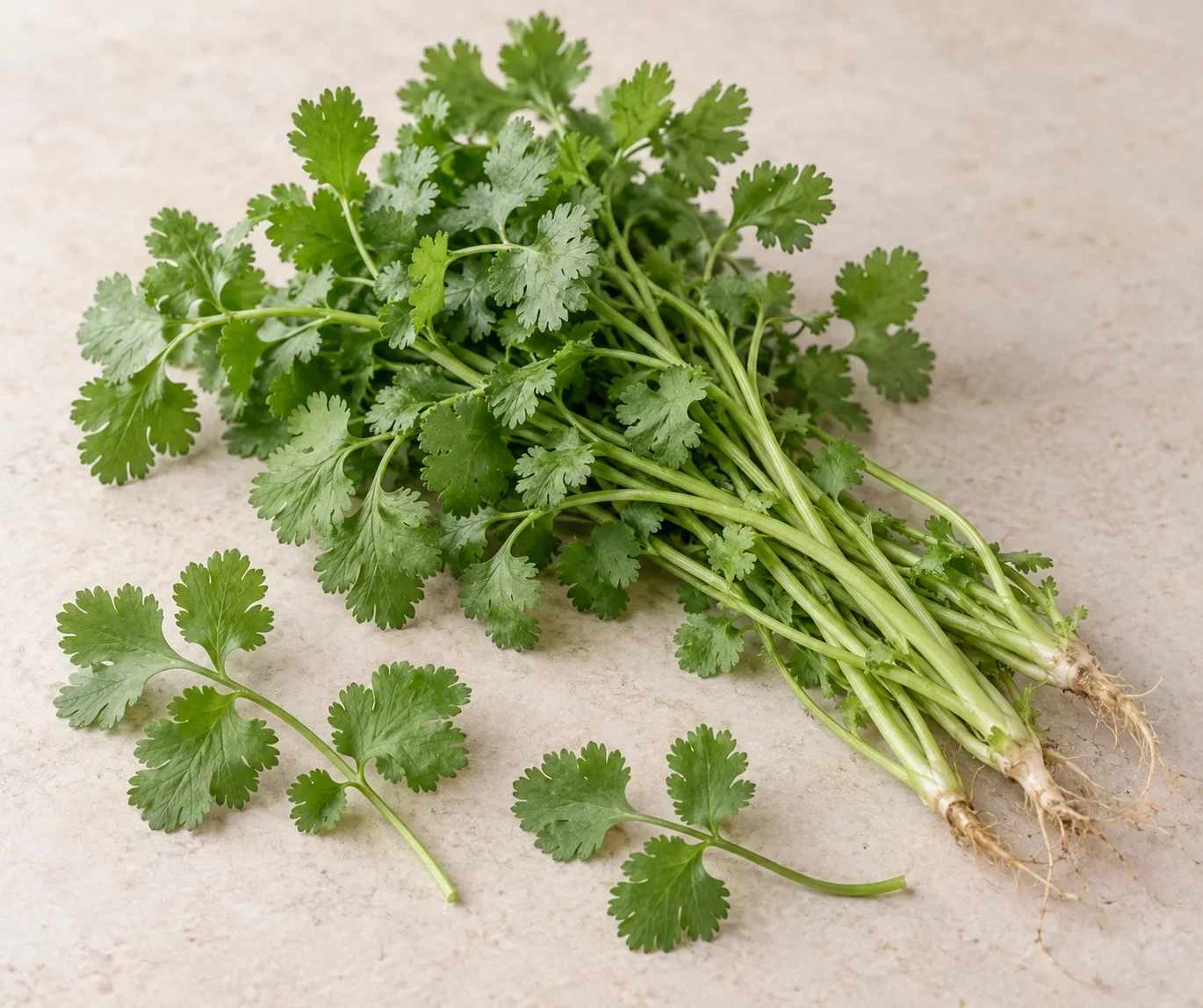
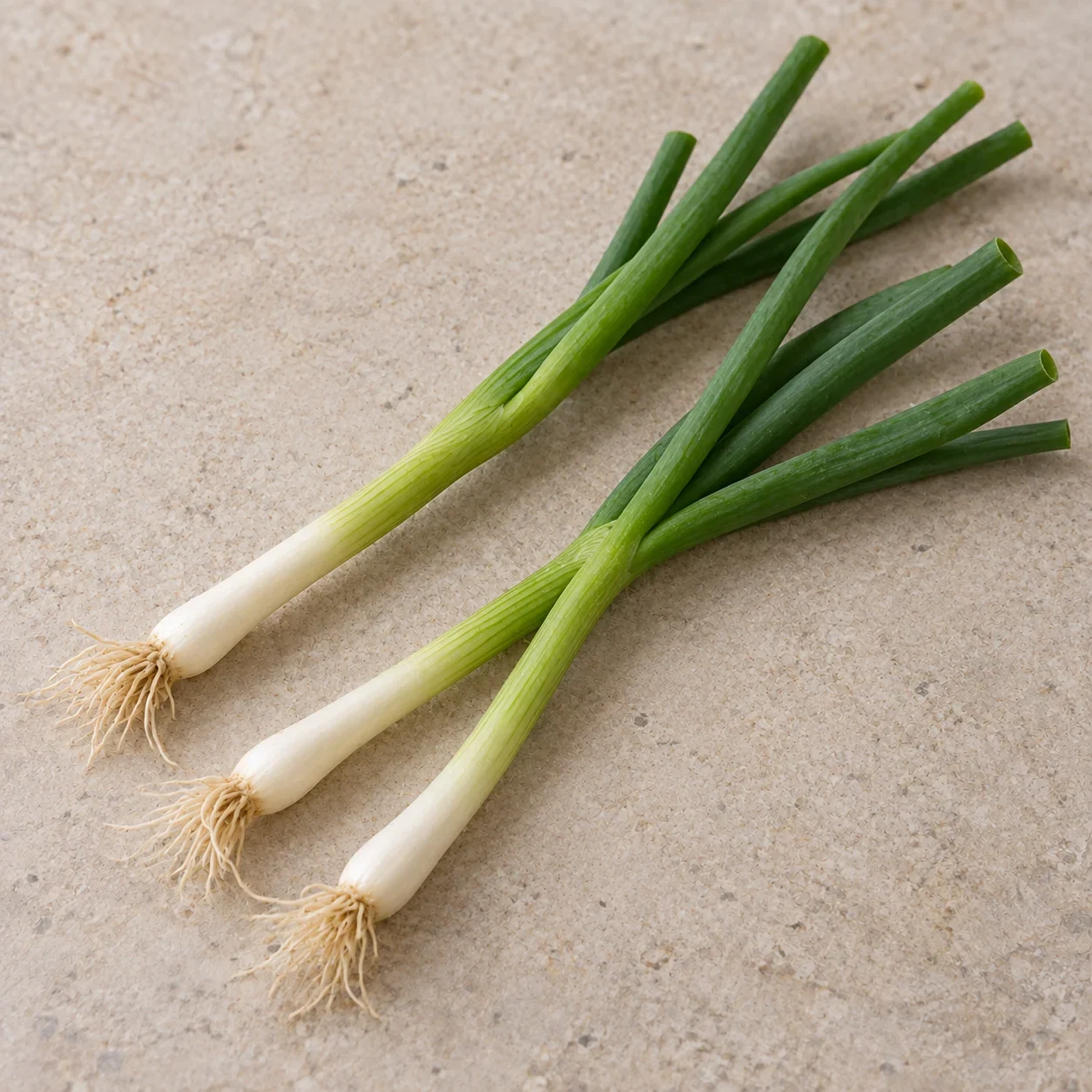
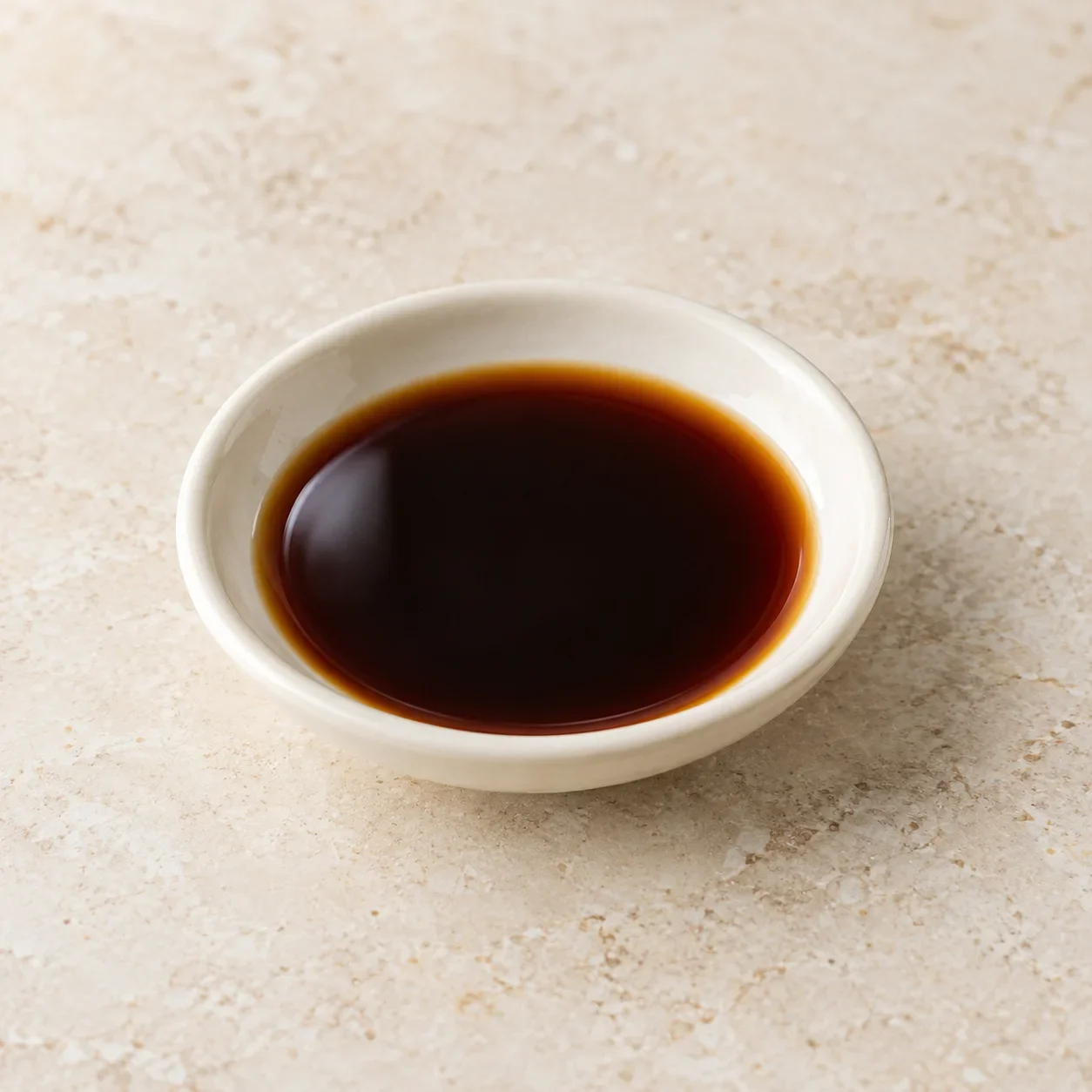
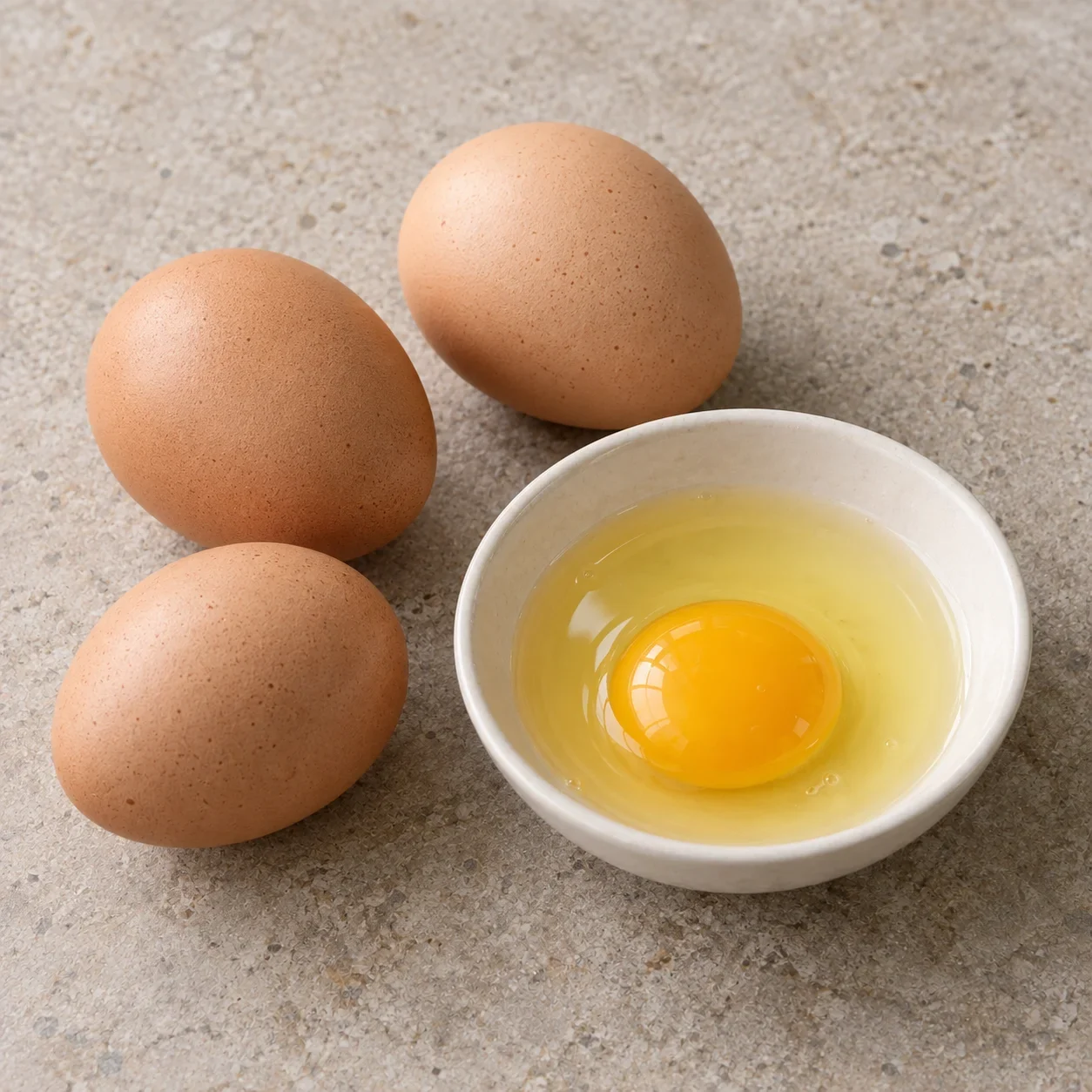
Recipes vary by restaurant.
How does it taste?
Savoury rice and beans enriched by pork.
- Chili heat
- Texture
- Soft, cohesive rice with tender beans and pork.
- How it’s made
- Wrap the rice, beans and pork in dong leaves, tie the parcel and cook slowly until tender.
The pork cut and rice-to-bean ratio vary. Some servings add coriander, scallion, sesame, peanut oil or soy sauce; slices may also be coated in egg and pan-fried in lard.
A CONNECTION TO PLACE
Origin & regional roots
Associated with Guangdong.
About this regional connection
Guangdong: Guangdong association; no exclusive origin claim.
Ask if they have it first
请问你们有肇庆裹蒸吗?
Do you have this item?
A LITTLE SOMETHING TO READ
Story & history
Zhaoqing guozheng in the New Year kitchen
A Qing-era Zhaoqing gazetteer passage places guozheng in the year-end kitchen. Families bought new glutinous rice, ground mung beans, wrapped pork in dong leaves, then cooked the parcels overnight in broad earthenware jars set over brick hearths. They tasted them at dawn and carried guozheng as gifts when visiting for New Year greetings. Though leaf-wrapped, it has a distinct local name and is traditionally associated with Spring Festival in Zhaoqing, rather than simply being another zongzi.