
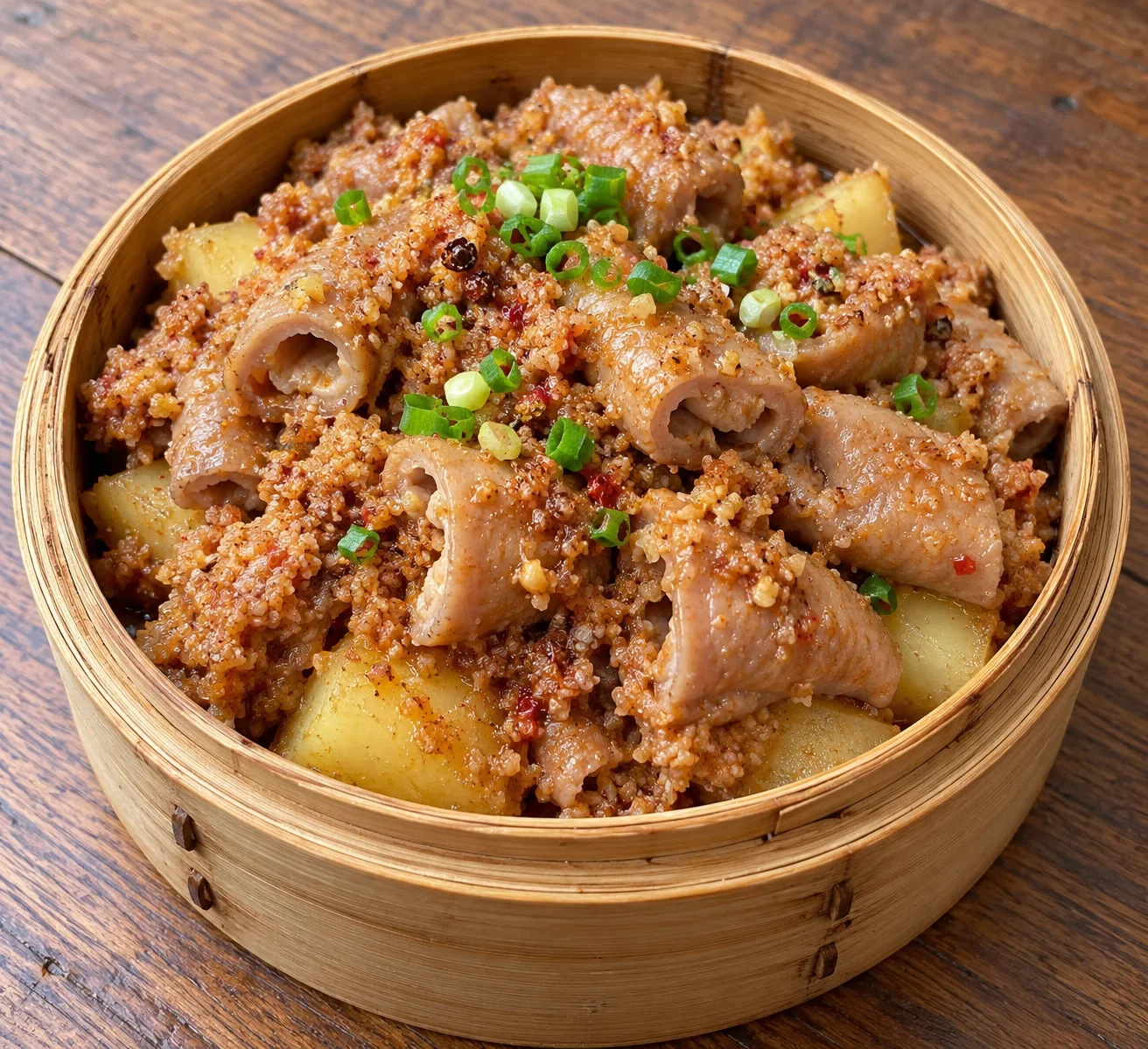
At the table
Eat the coated pieces and the vegetables underneath with chopsticks or a spoon. Let each bite cool first.
The steamer and food may be very hot; the intestine can retain a chewy texture.
The vegetable base, chili level and garnish vary. Similar baskets also come with other meats; order the specific version you want.
GET TO KNOW THE DISH
What goes into it?
Explore some key ingredients below. Preparations may use additional seasonings and ingredients.
The vegetable base, chili level and garnish vary. Similar baskets also come with other meats; order the specific version you want.
Typical ingredients
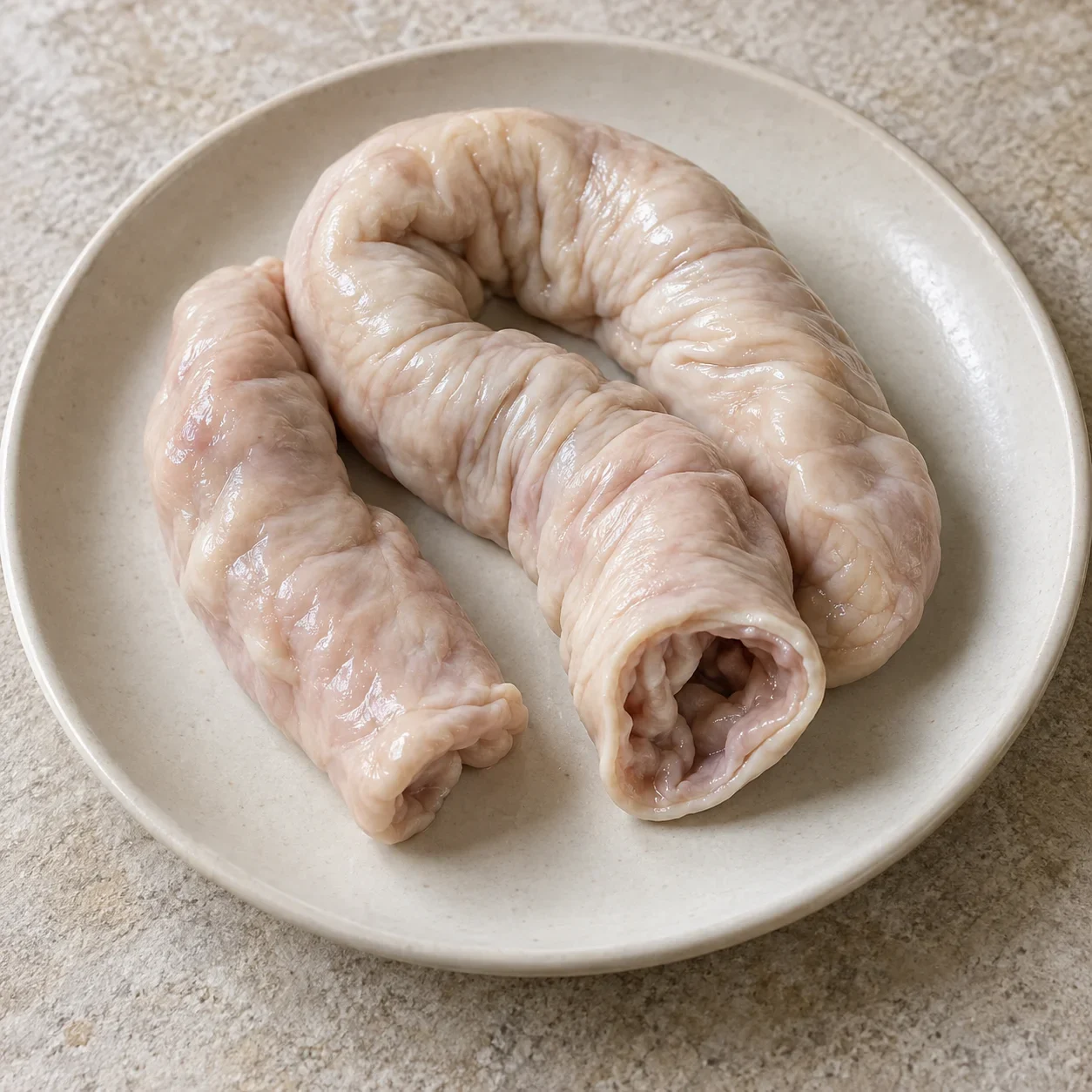
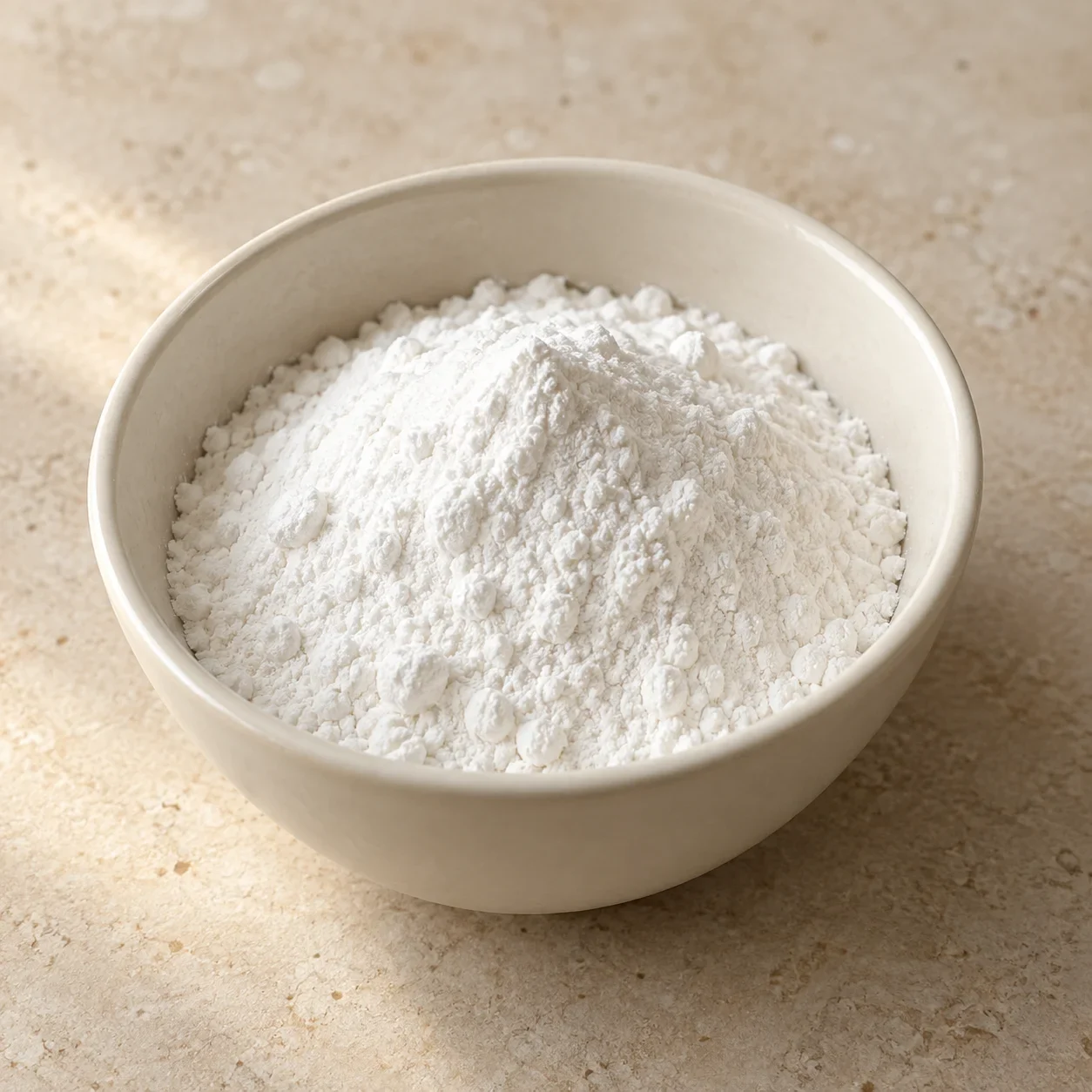
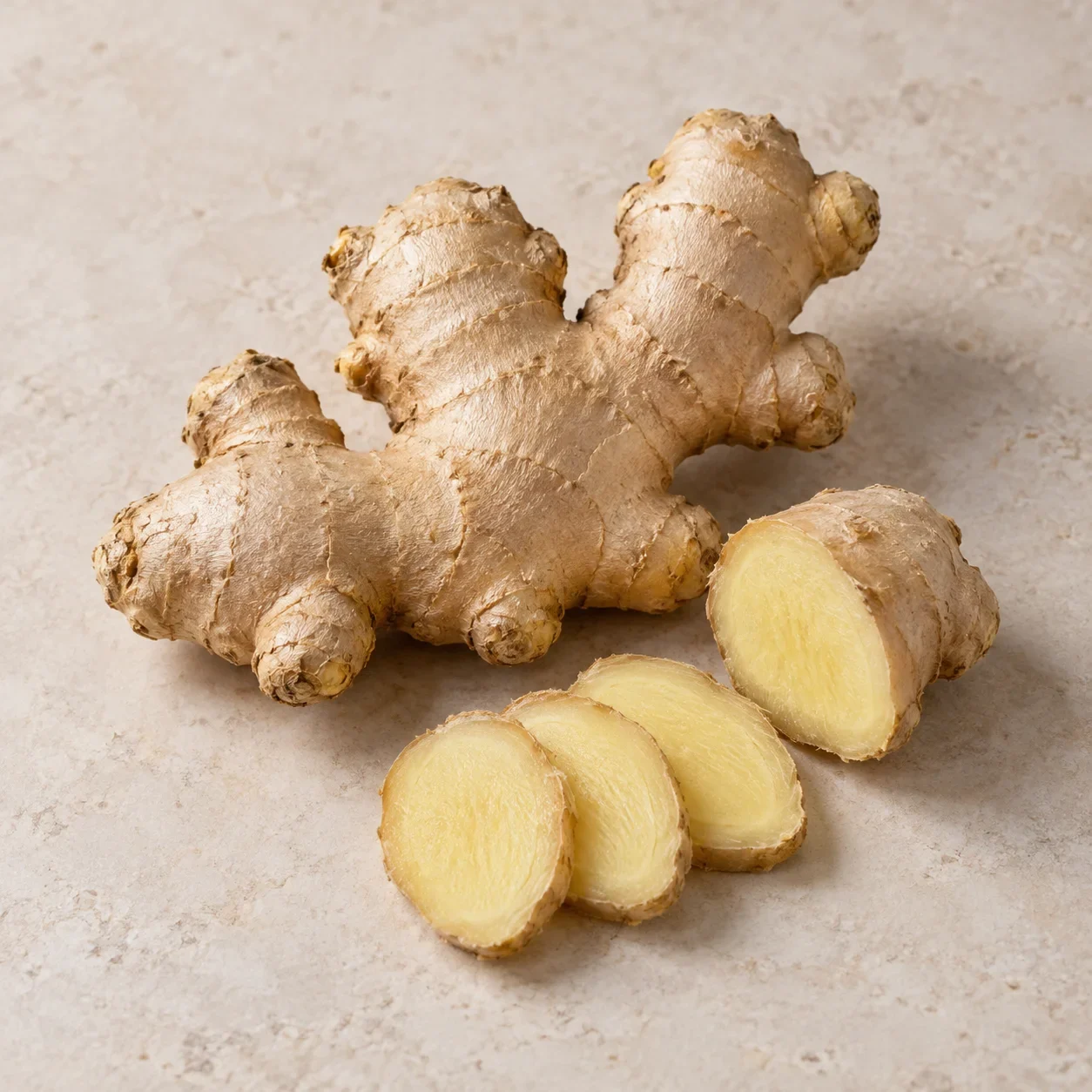
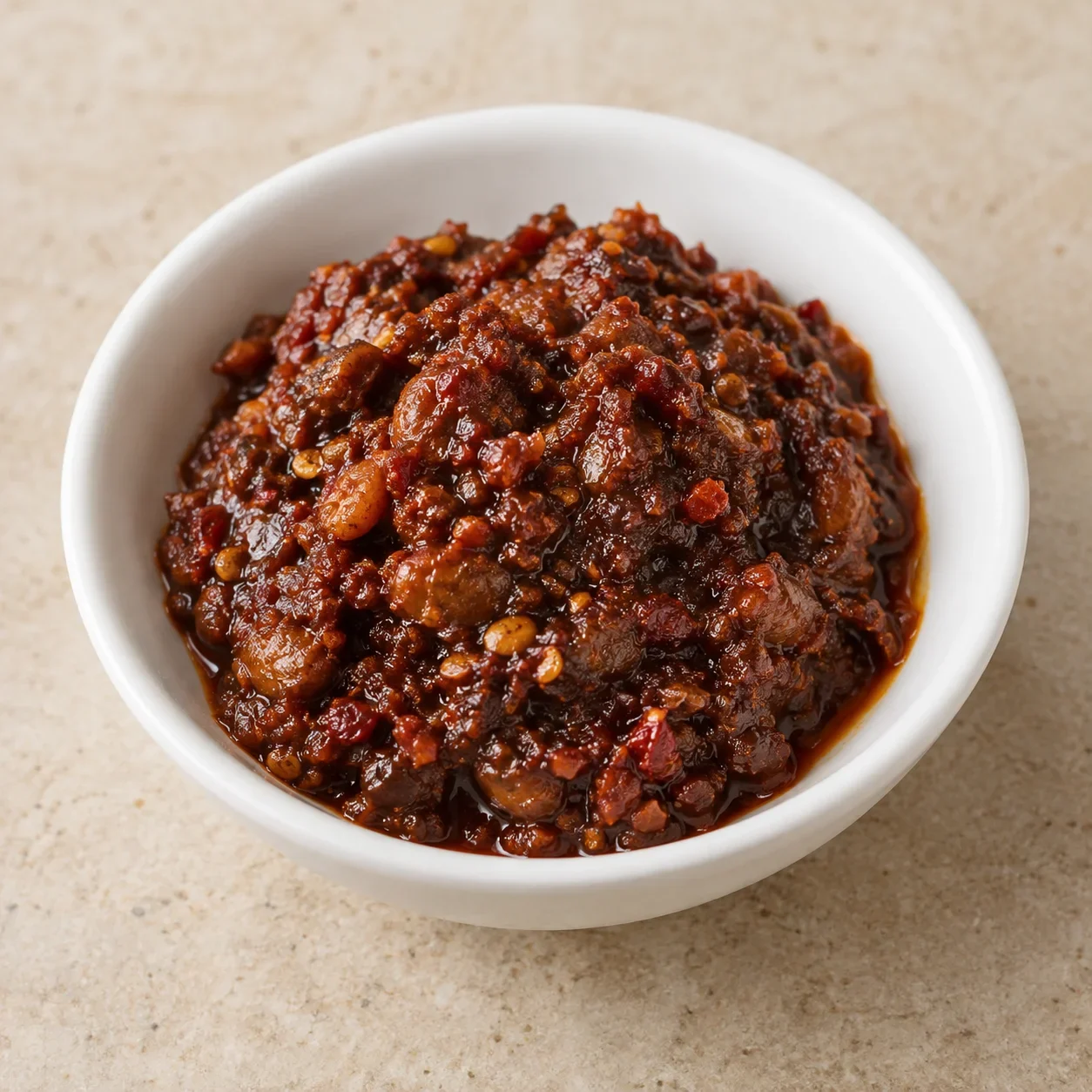
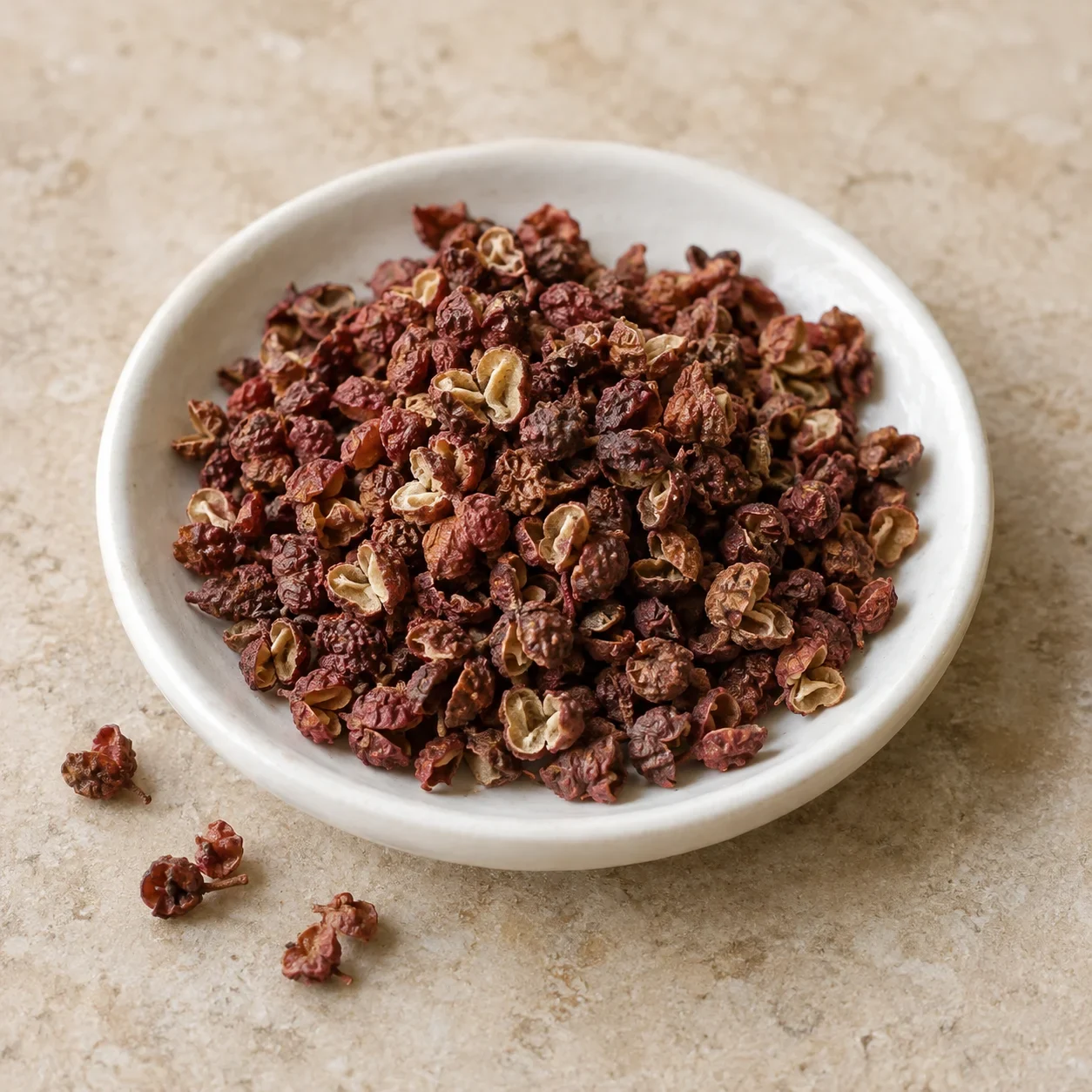

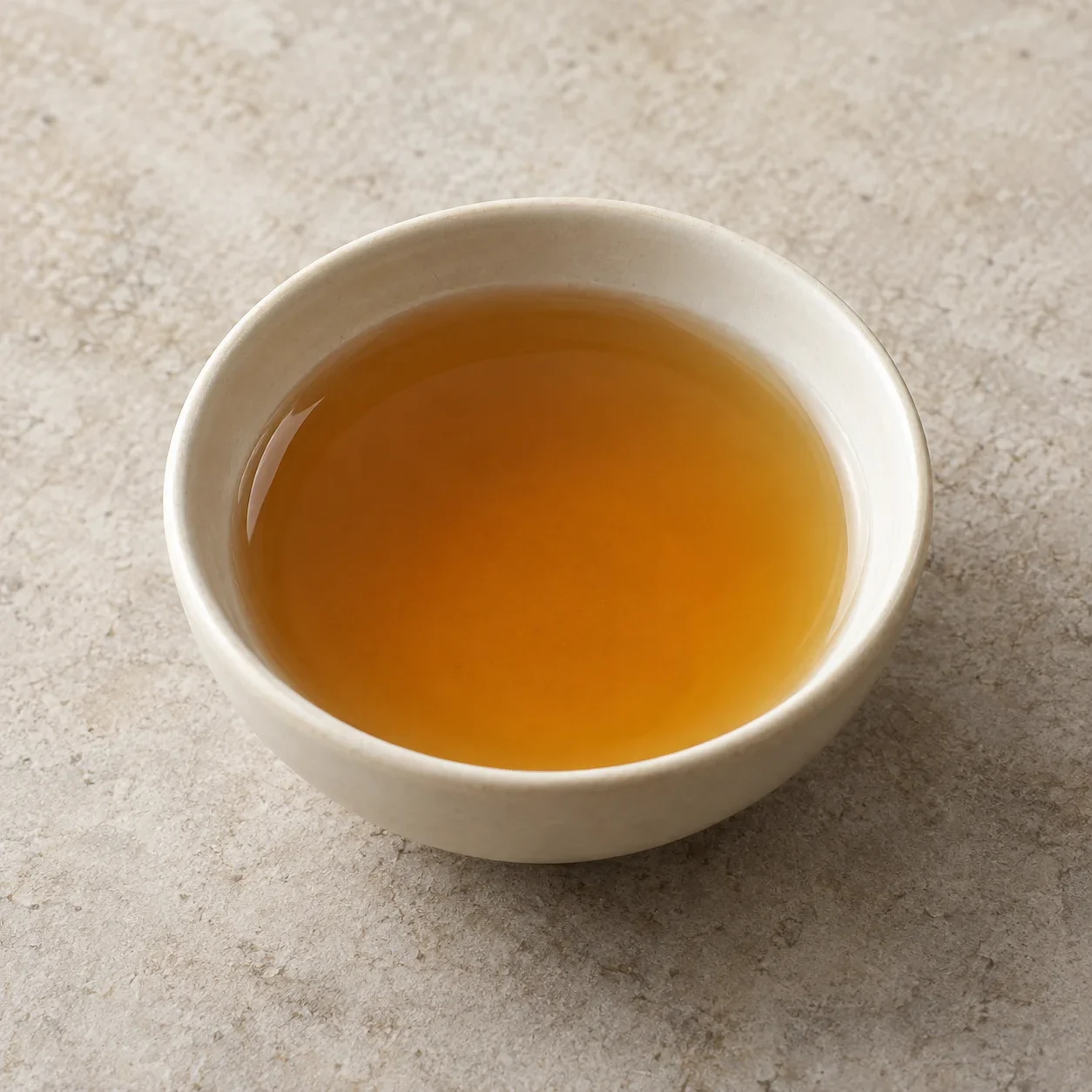
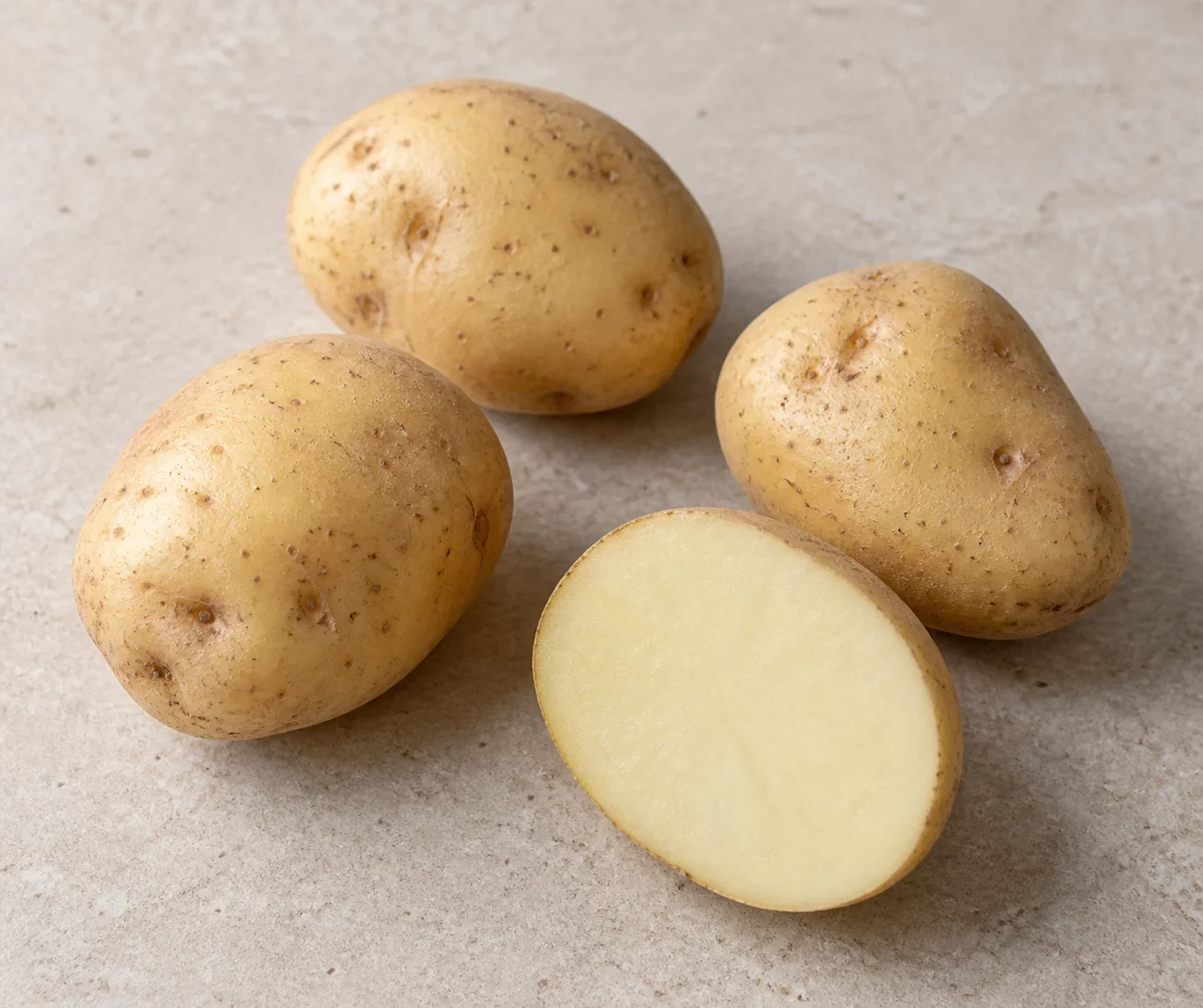
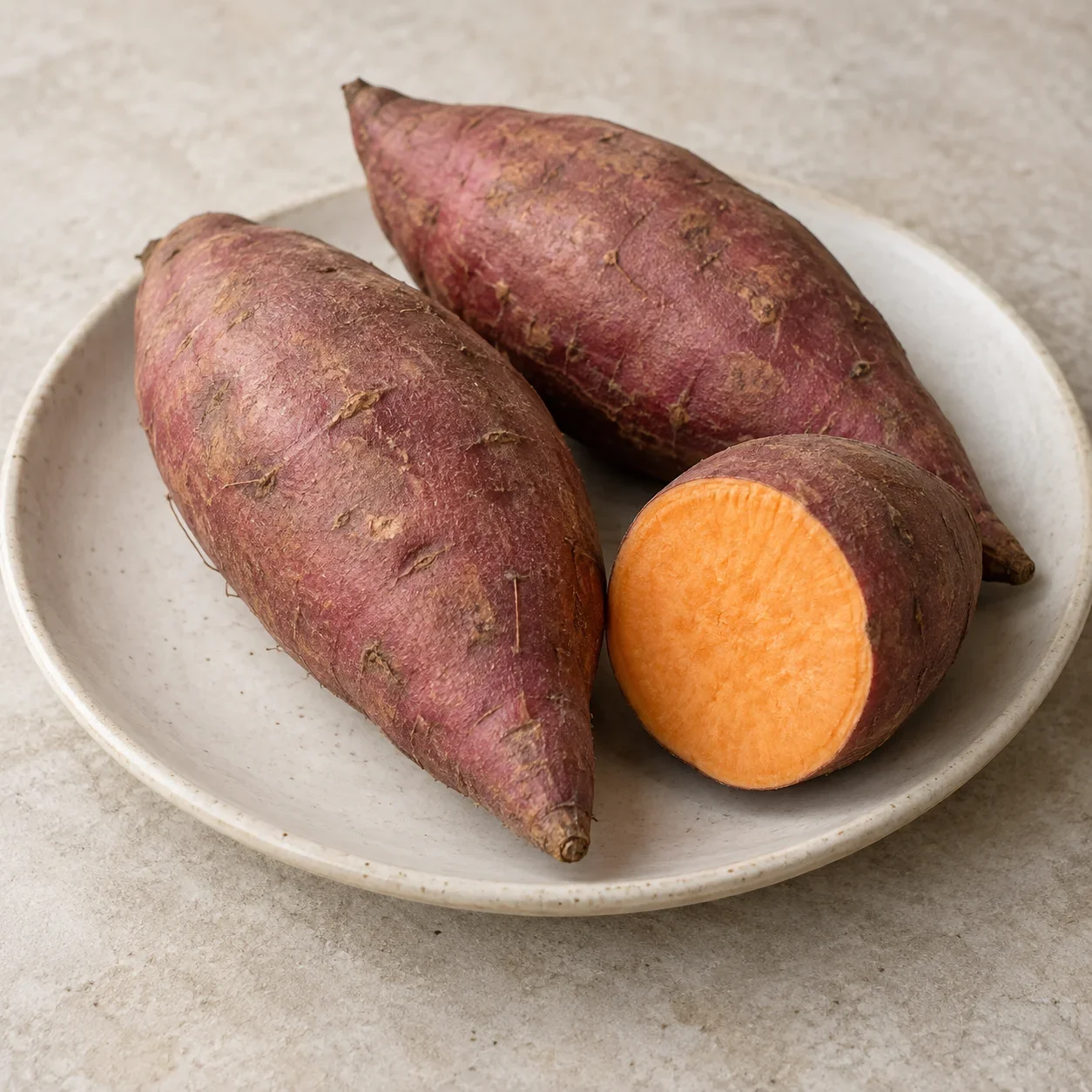
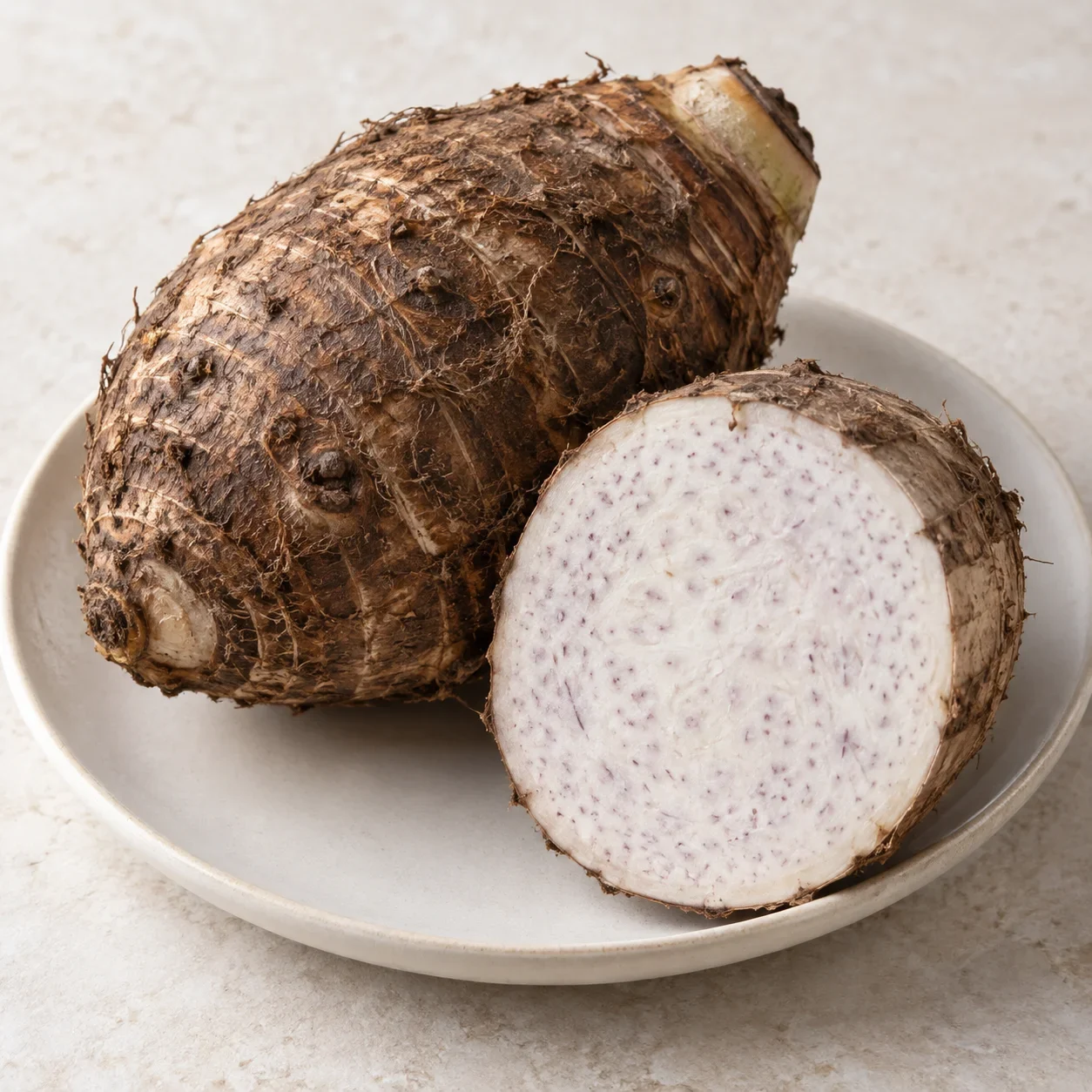
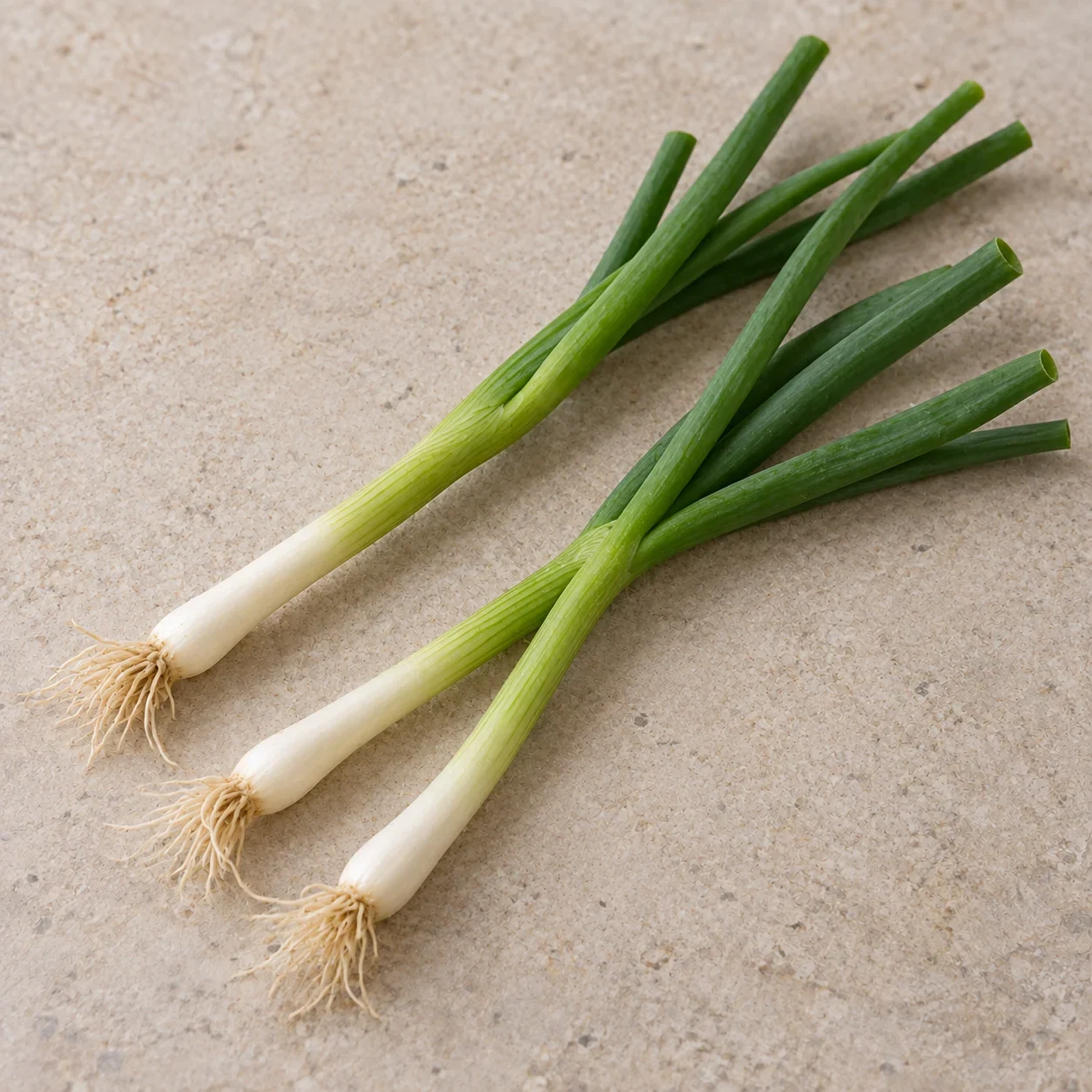
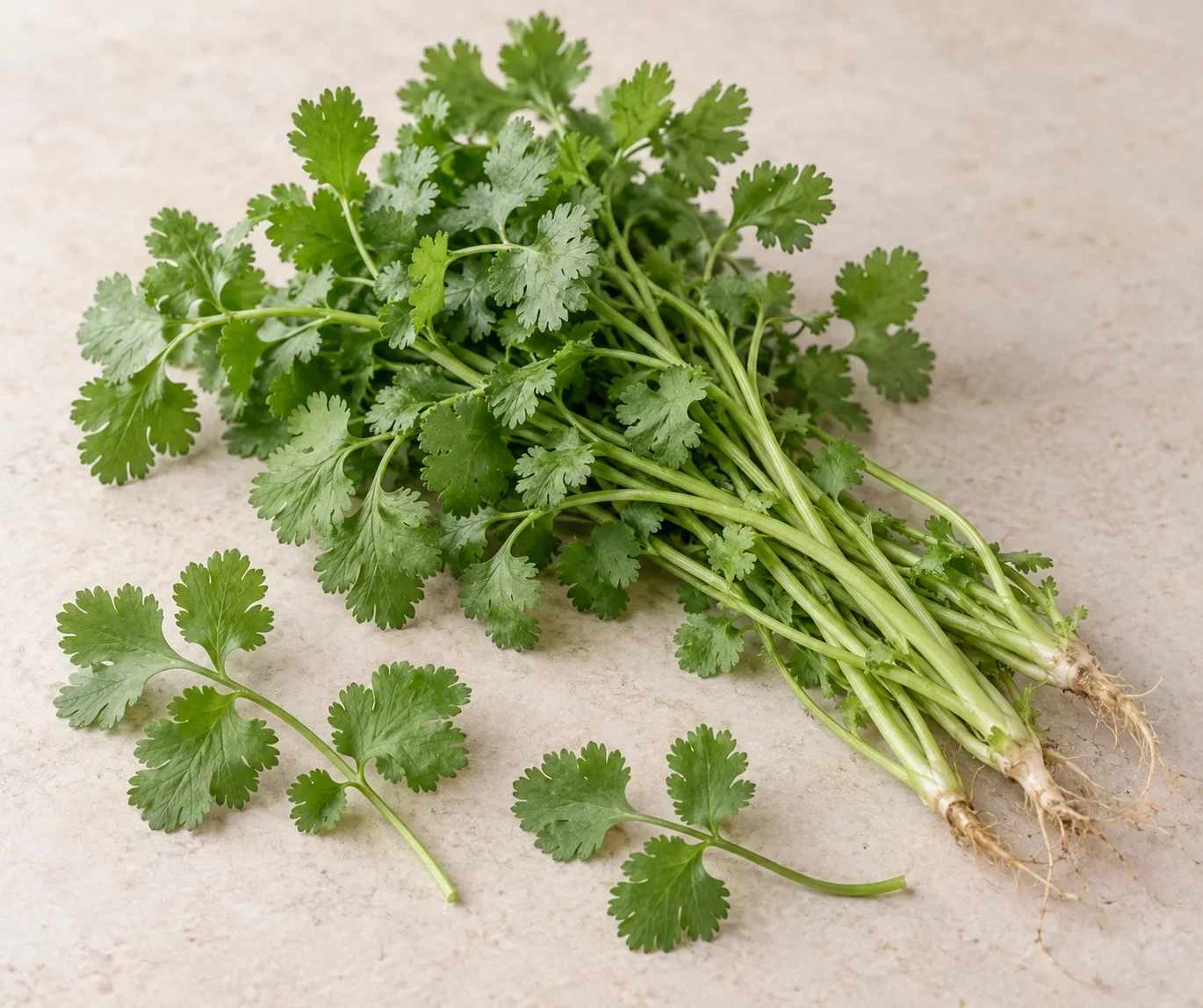
Recipes vary by restaurant.
How does it taste?
Savory and gently spicy, with chili-bean paste and Sichuan pepper.
- Chili heat
- Texture
- Soft, rich intestine with some chew, a moist grainy coating and tender vegetables.
- How it’s made
- The seasoned pieces are coated in ground rice and steamed over potato, sweet potato or taro. Ginger, chili-bean paste and ground Sichuan pepper flavor the coating.
The vegetable base, chili level and garnish vary. Similar baskets also come with other meats; order the specific version you want.
A CONNECTION TO PLACE
Origin & regional roots
Associated with Chongqing.
About this regional connection
Chongqing: Associated with Wanzhou, Chongqing.
Ask if they have it first
请问你们有肥肠格格吗?
Do you have this item?
A LITTLE SOMETHING TO READ
Story & history
In Wanzhou, “gege” means a steamer, not royalty
This account describes a tradition or story, rather than an established historical fact.
In Wanzhou, “gege” is the local word for a small bamboo steamer, so feichang gege means pork intestine steamed in one of these baskets, not a dish named after a princess. Restaurants stack the baskets over one stove; cooks track each basket’s place and steaming time, then lift it from the tower when ready. Gege shops are open, talk-filled rooms resembling teahouses, carrying the loose social life of Wanzhou’s old riverfront streets. In 2020, the district listed Wanzhou gege preparation as an intangible cultural heritage technique.