
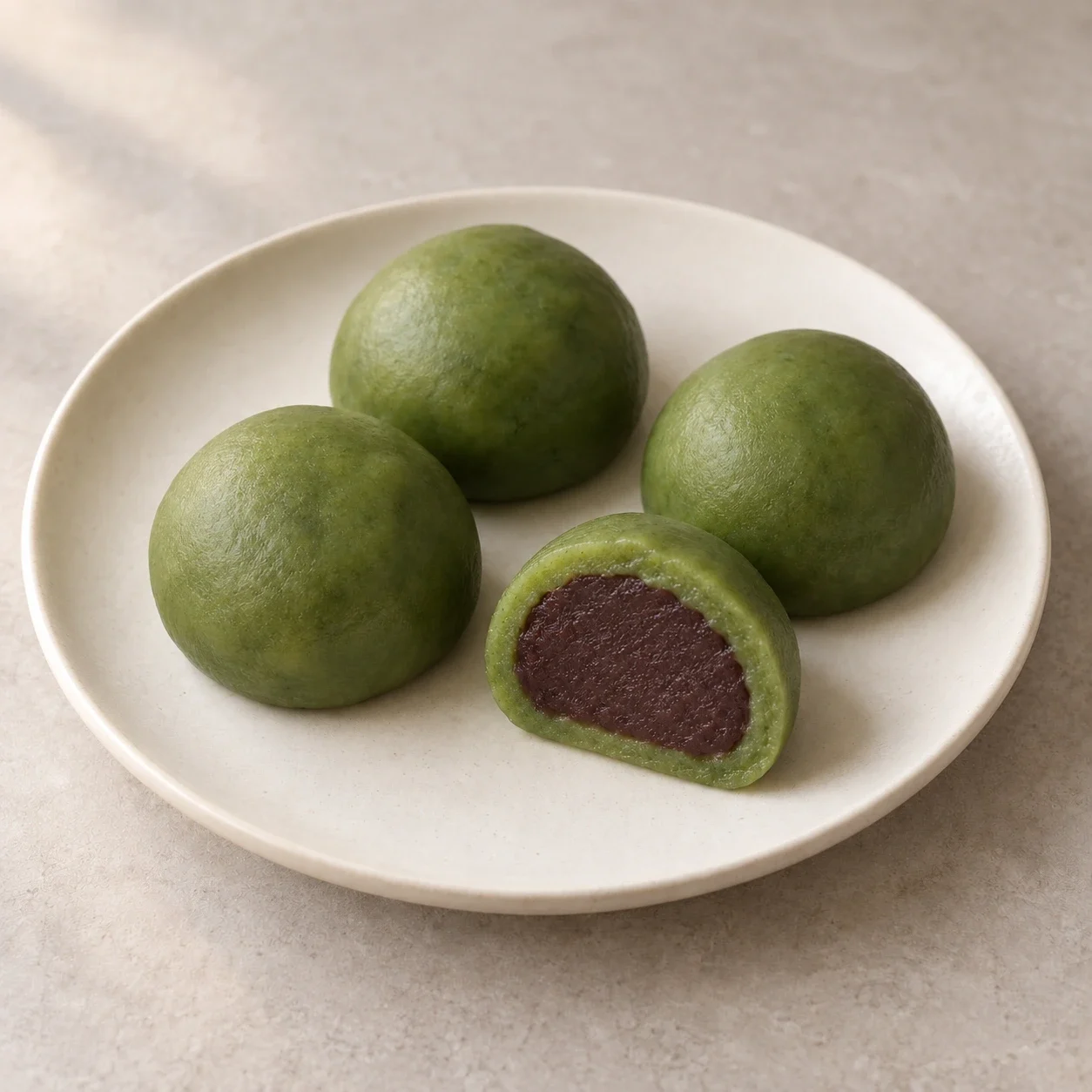
At the table
Remove any plastic film or leaf/paper liner. Take small bites and chew carefully; follow the seller’s serving or reheating guidance.
Sticky texture can be difficult to chew. Hot filling may burn. This version includes wheat starch; ask about filling and fat ingredients.
This recipe allows lard in the dough and uses a light oil coating. Other fillings may contain salted egg, pork floss or meat; they are different versions.
GET TO KNOW THE DISH
What goes into it?
Explore some key ingredients below. Preparations may use additional seasonings and ingredients.
This recipe allows lard in the dough and uses a light oil coating. Other fillings may contain salted egg, pork floss or meat; they are different versions.
Typical ingredients
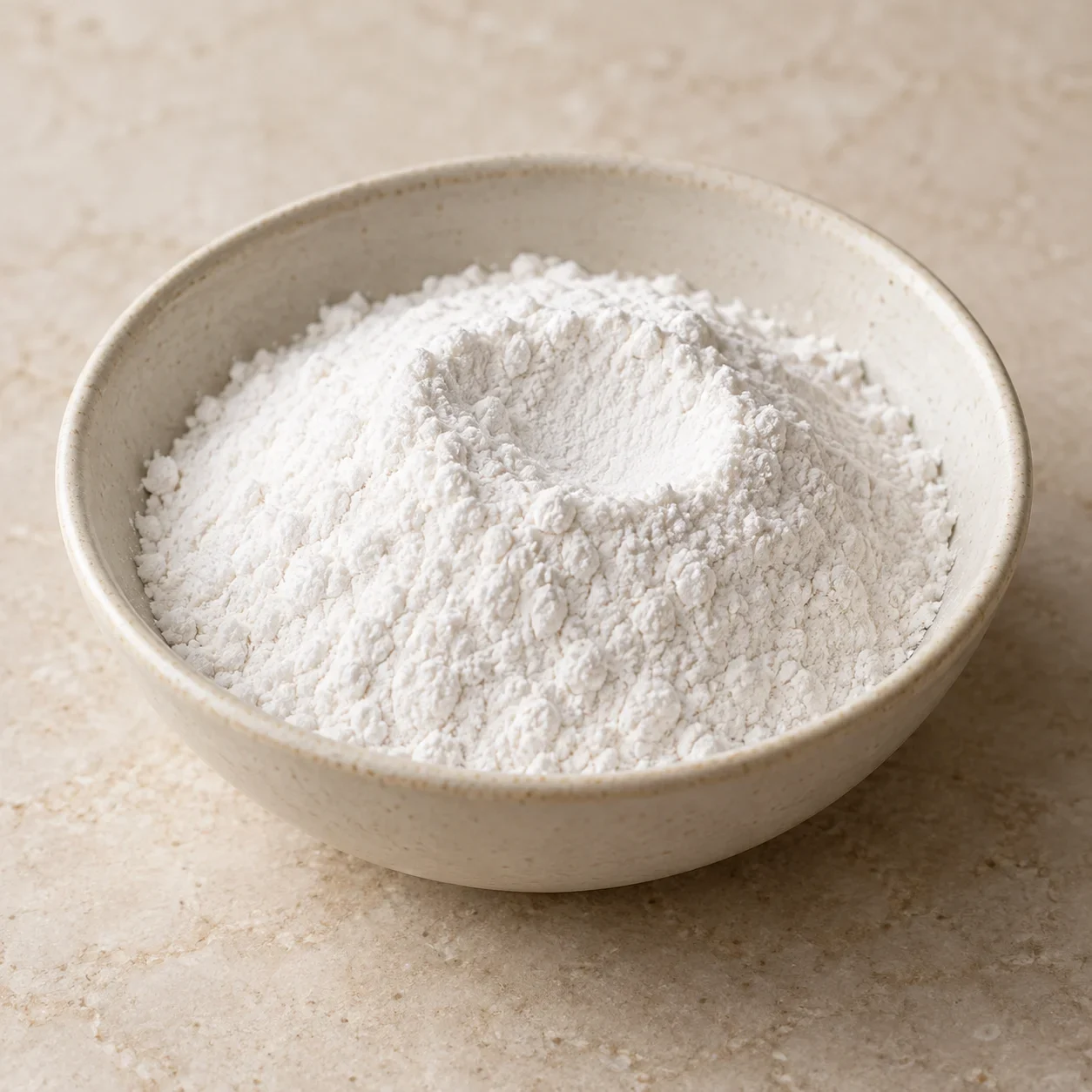
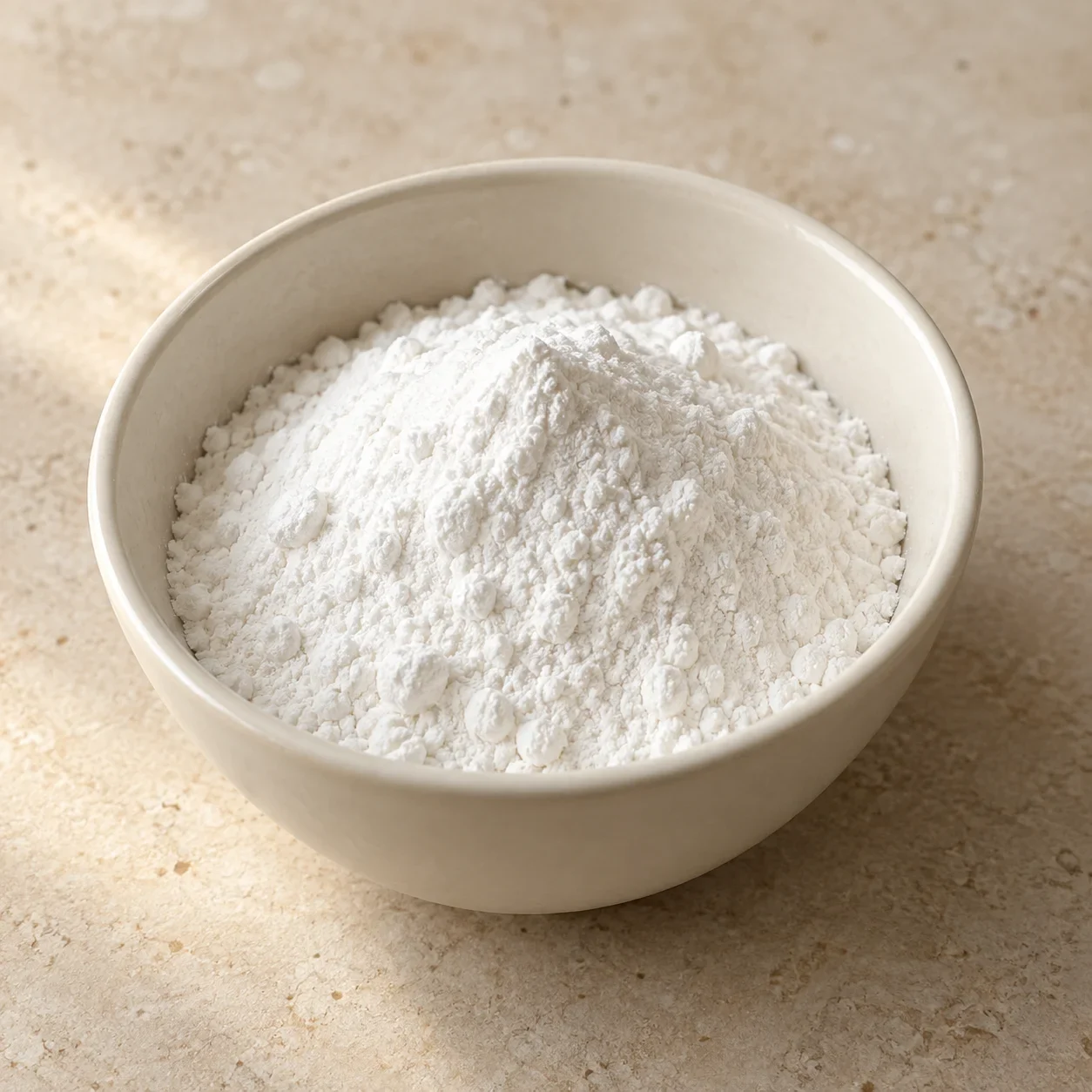
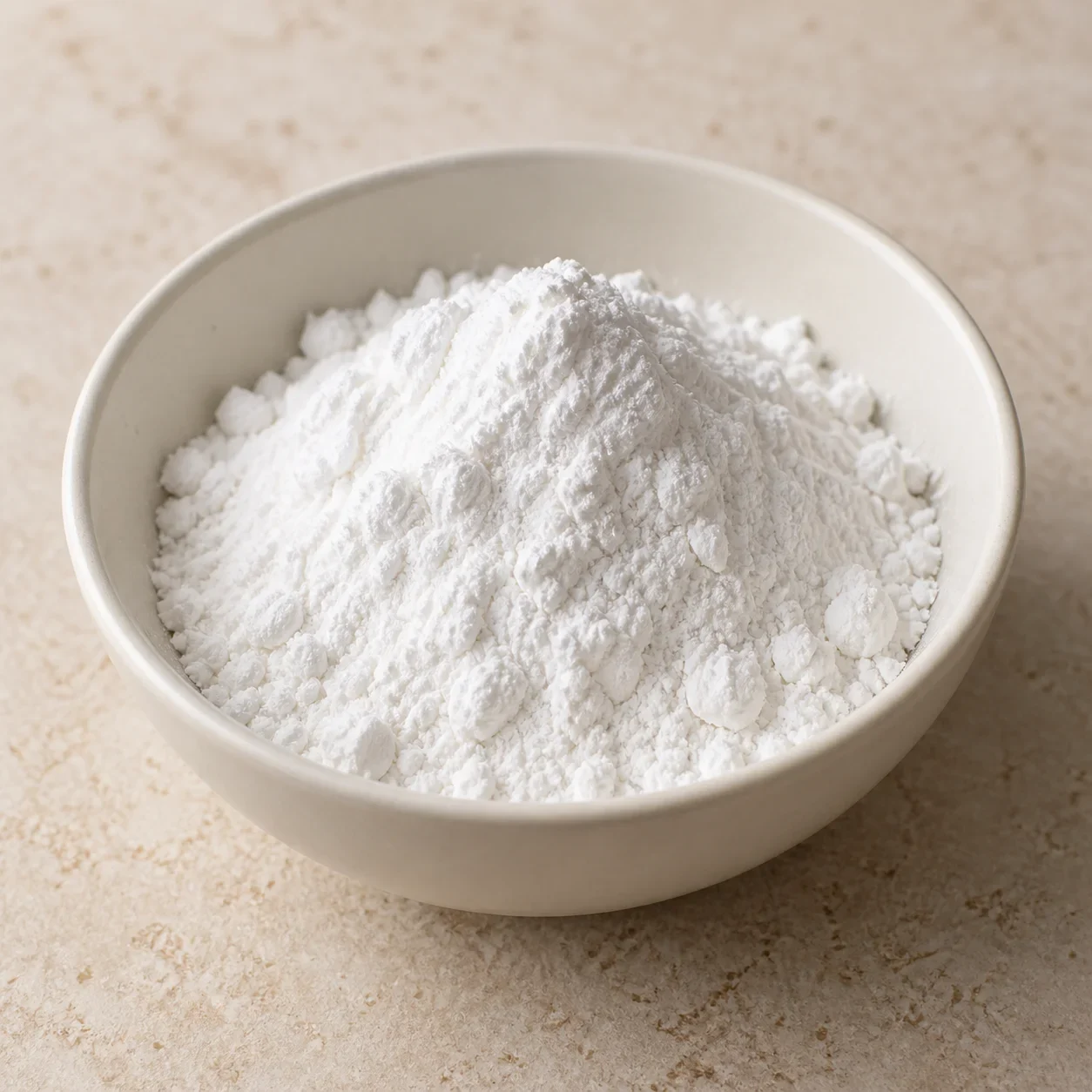
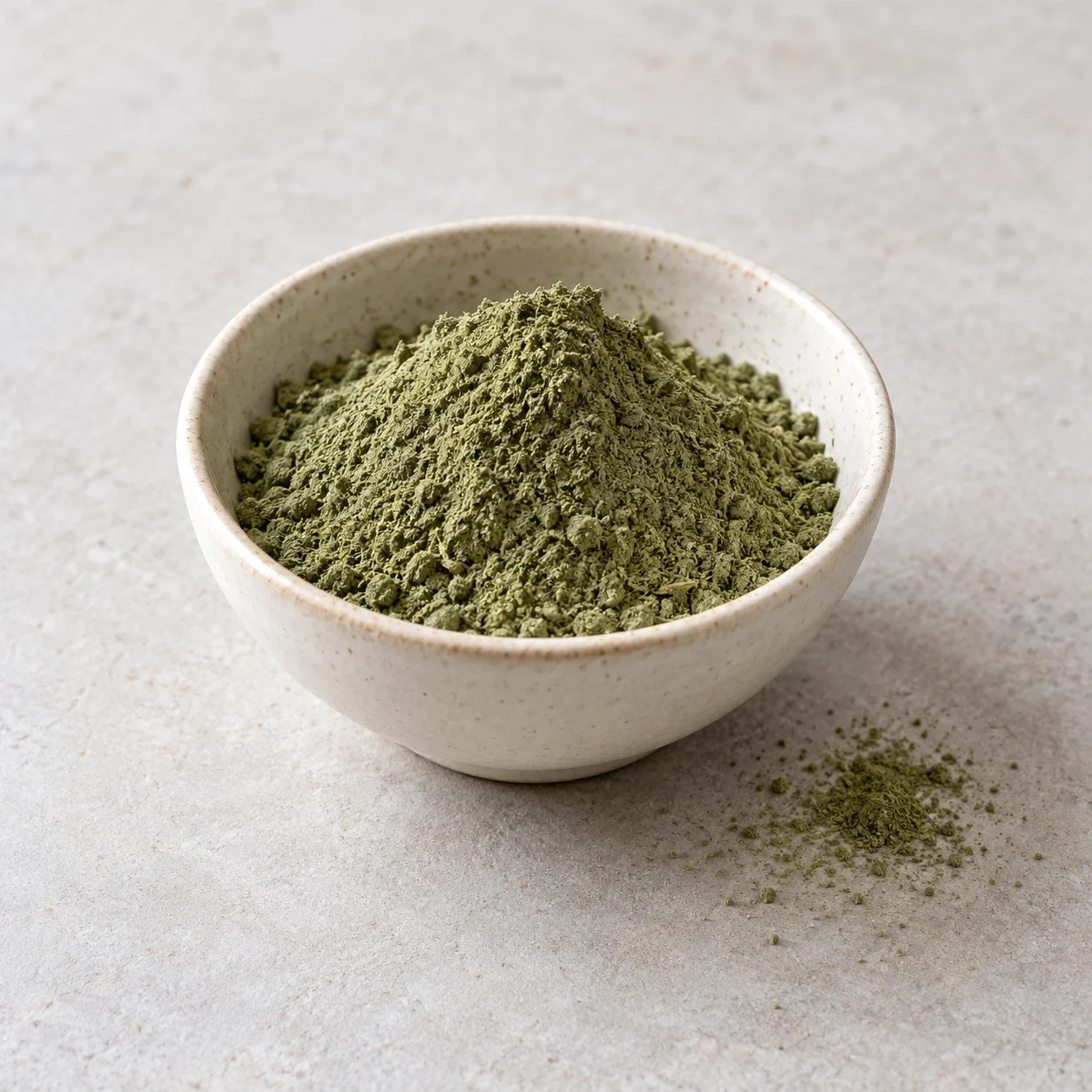
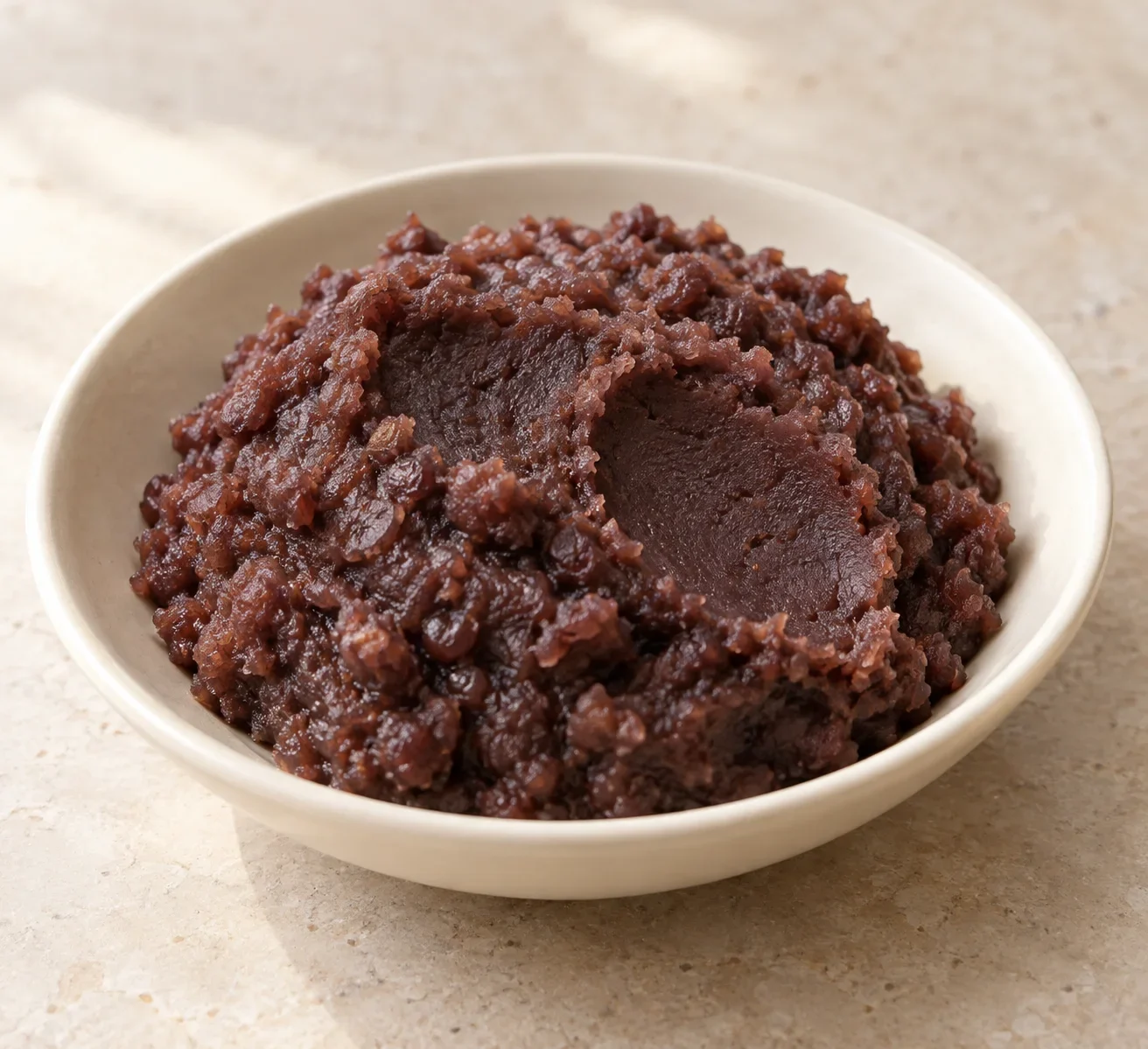


In some versions
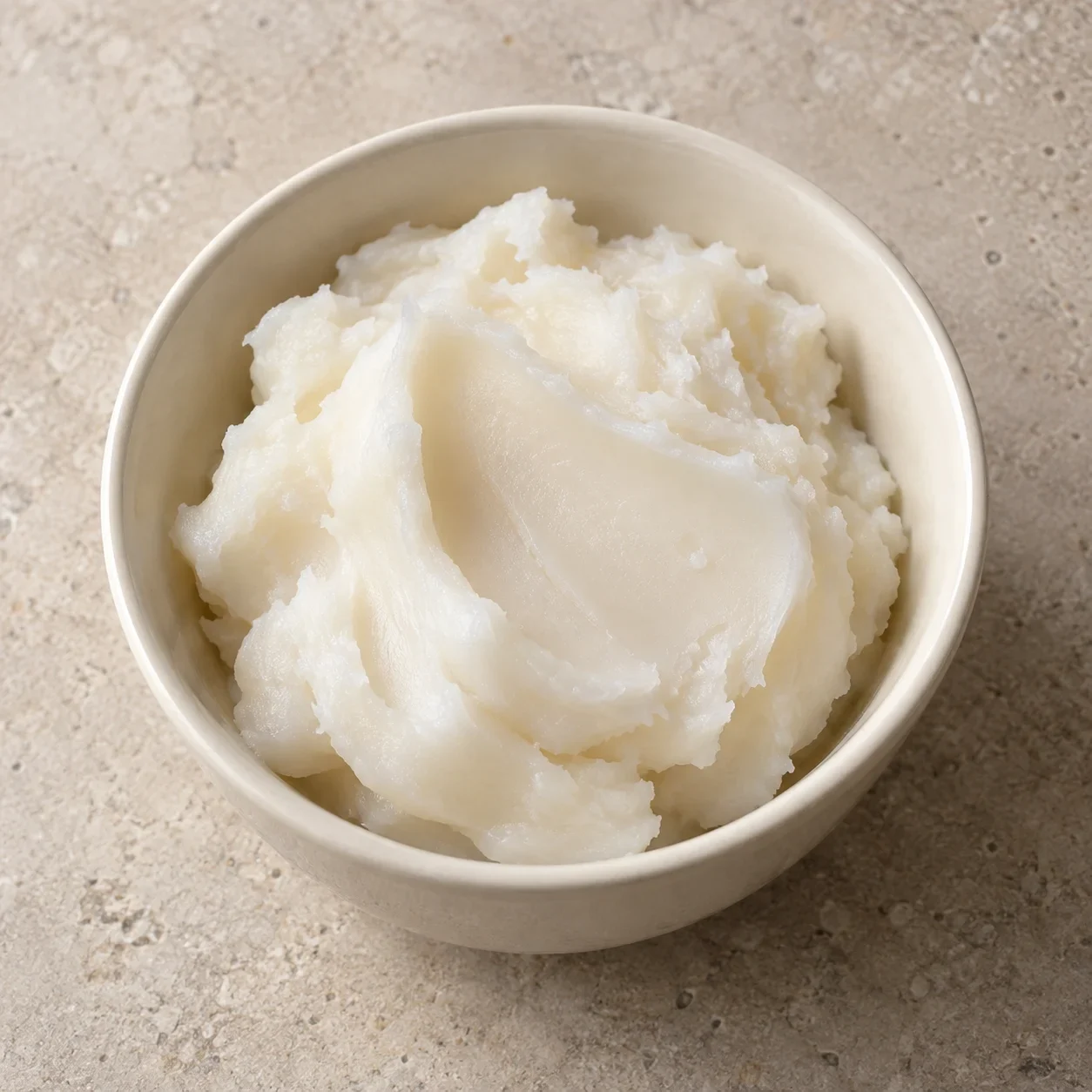
Recipes vary by restaurant.
How does it taste?
Sweet beans with a gentle herbal aroma.
- Chili heat
- Texture
- Soft, sticky and chewy, with a smooth paste filling.
- How it’s made
- Mugwort powder is mixed with rice flours and wheat starch, filled with red-bean paste and steamed.
This recipe allows lard in the dough and uses a light oil coating. Other fillings may contain salted egg, pork floss or meat; they are different versions.
A CONNECTION TO PLACE
Origin & regional roots
Associated with Shanghai.
About this regional connection
Shanghai: Shanghai sweet mugwort redbean version; preserve separate Zhengyi prepared grass-juice record.
Ask if they have it first
请问你们有青团吗?
Do you have this item?
A LITTLE SOMETHING TO READ
Story & history
Shanghai’s green spring snack
This account describes a tradition or story, rather than an established historical fact.
Qingtuan is closely associated with Qingming and spring eating in Shanghai and Jiangnan. Different local traditions use different greens; this mugwort version is distinct from Zhengyi’s prepared jiangmaicao-juice cakes.