
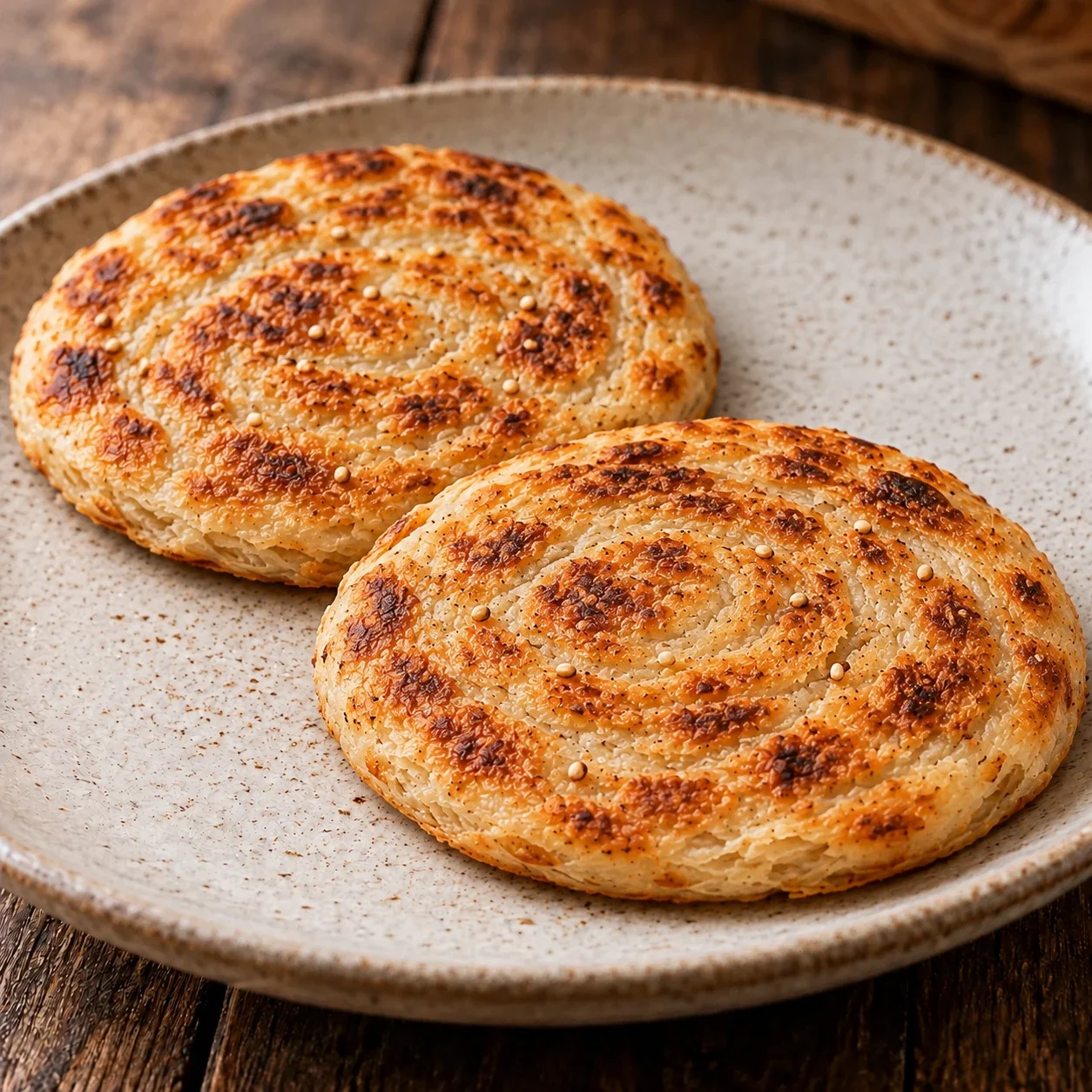
At the table
Hold it with its paper wrapper and break off small pieces. Let the hot filling cool first.
This pork version contains wheat and lard; sesame may be added. Ask about other ingredients if you have allergies.
The described version uses pork, lard, rapeseed oil, ginger, scallion and Sichuan pepper. Meatless versions are not automatically vegetarian: ask about the fat. Sichuan pepper tingles but is not chili heat.
GET TO KNOW THE DISH
What goes into it?
Explore some key ingredients below. Preparations may use additional seasonings and ingredients.
Pork-filled versions are familiar; other meat and meatless styles also exist.
Typical ingredients
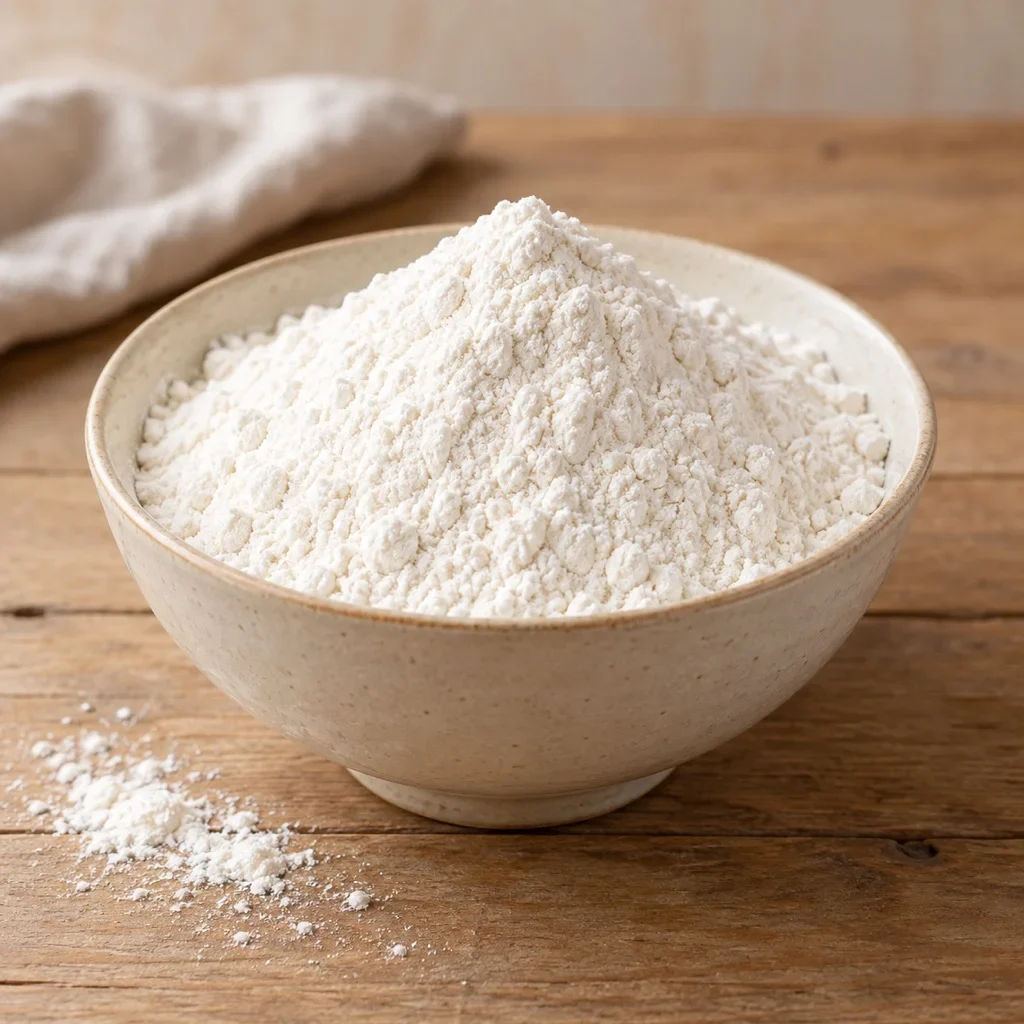
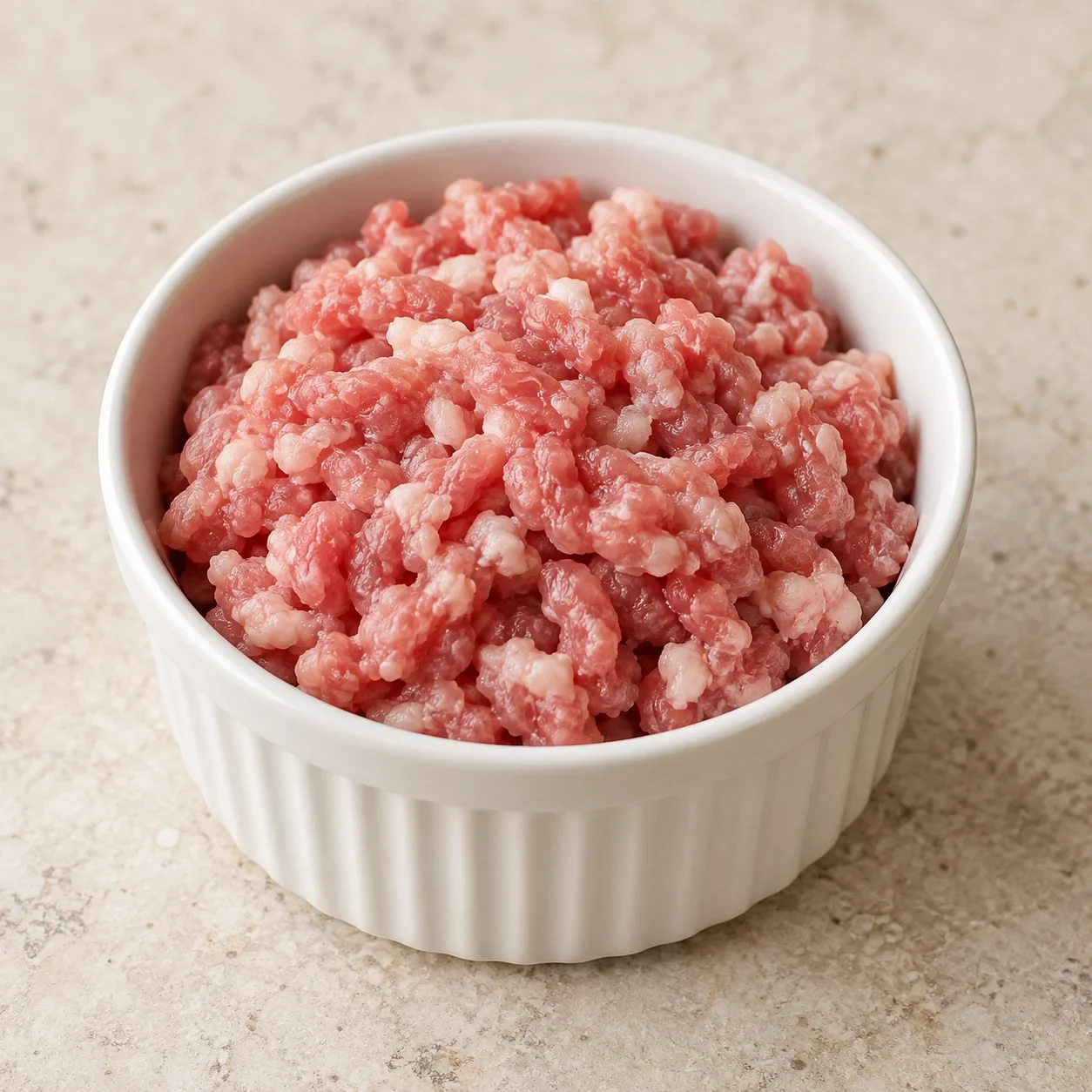
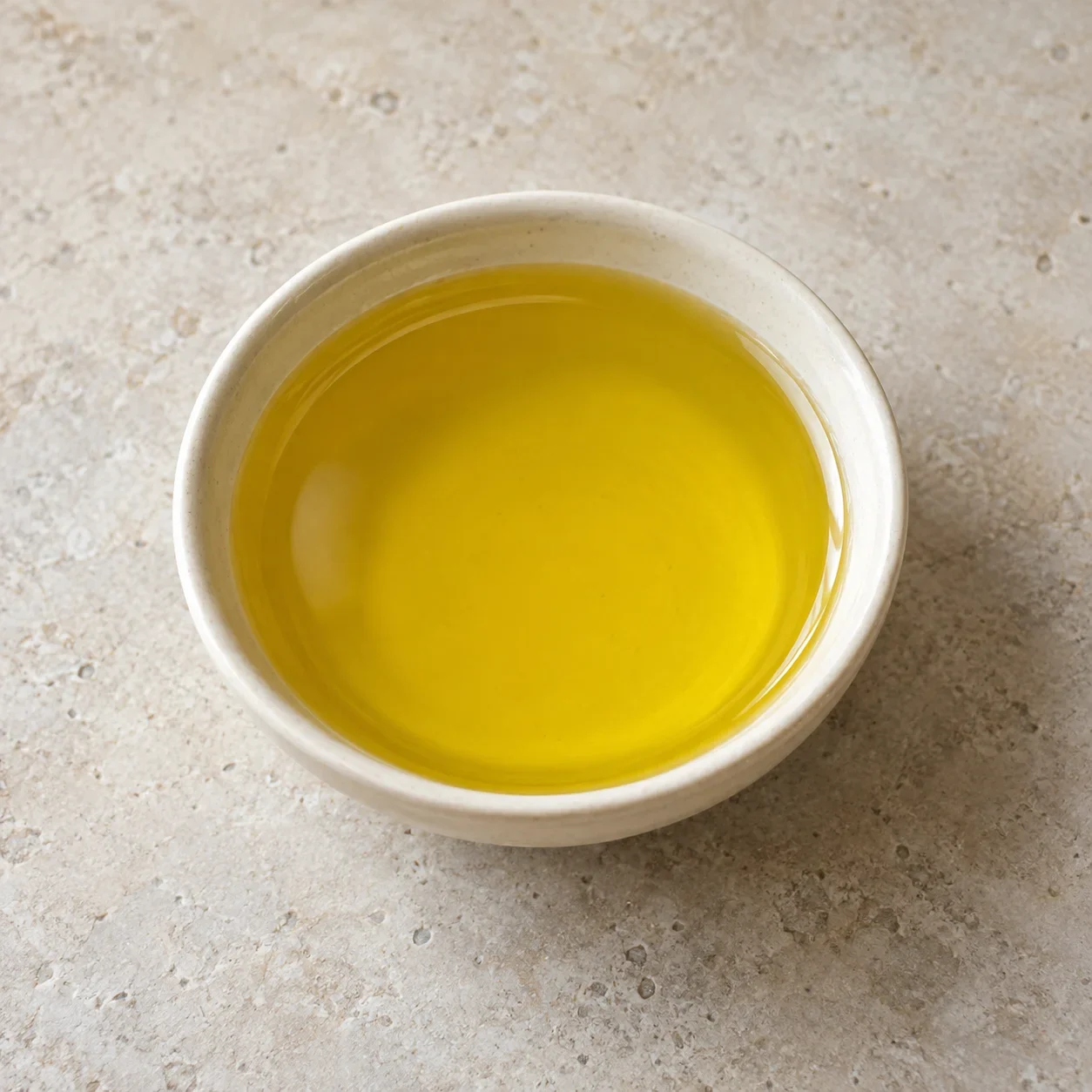
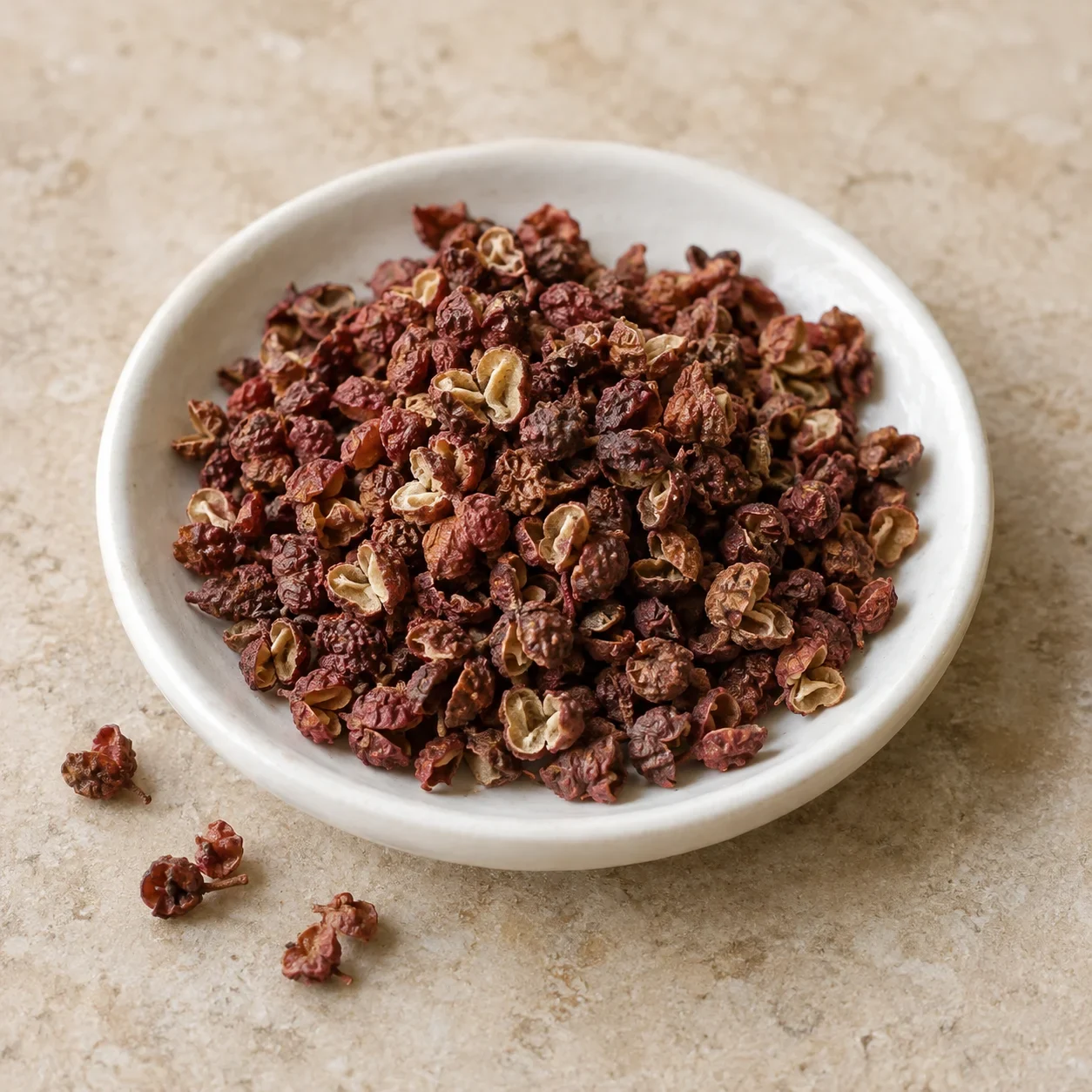
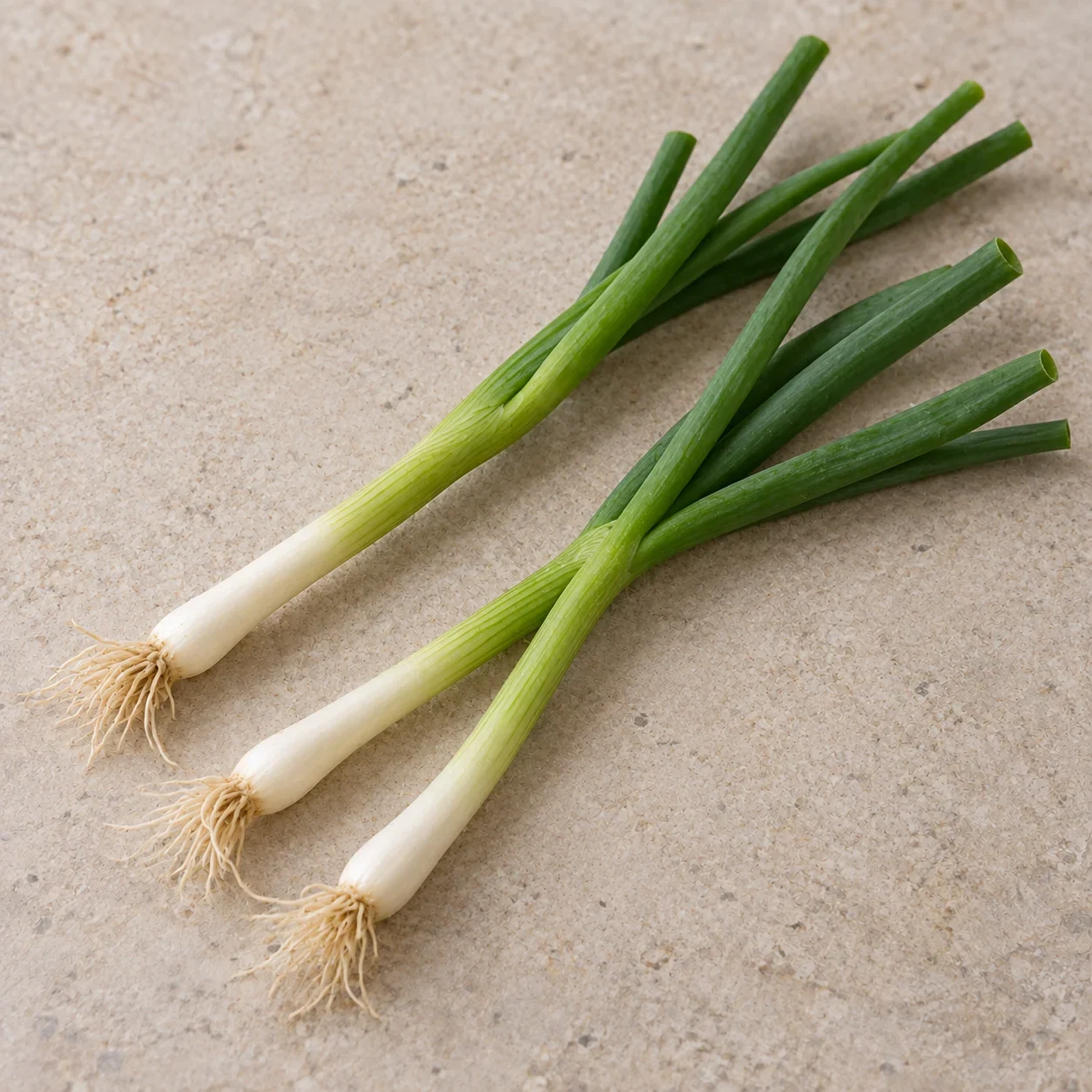
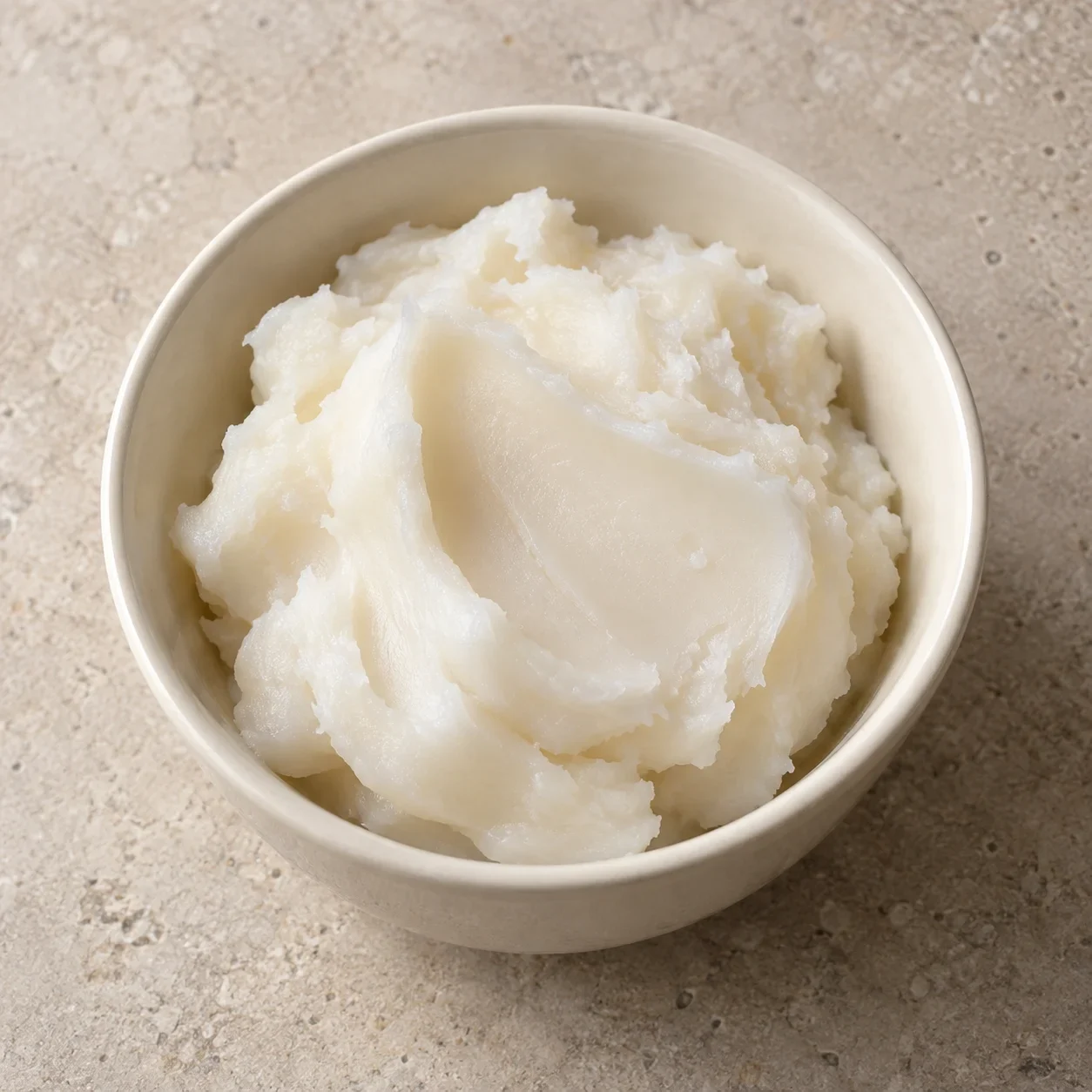
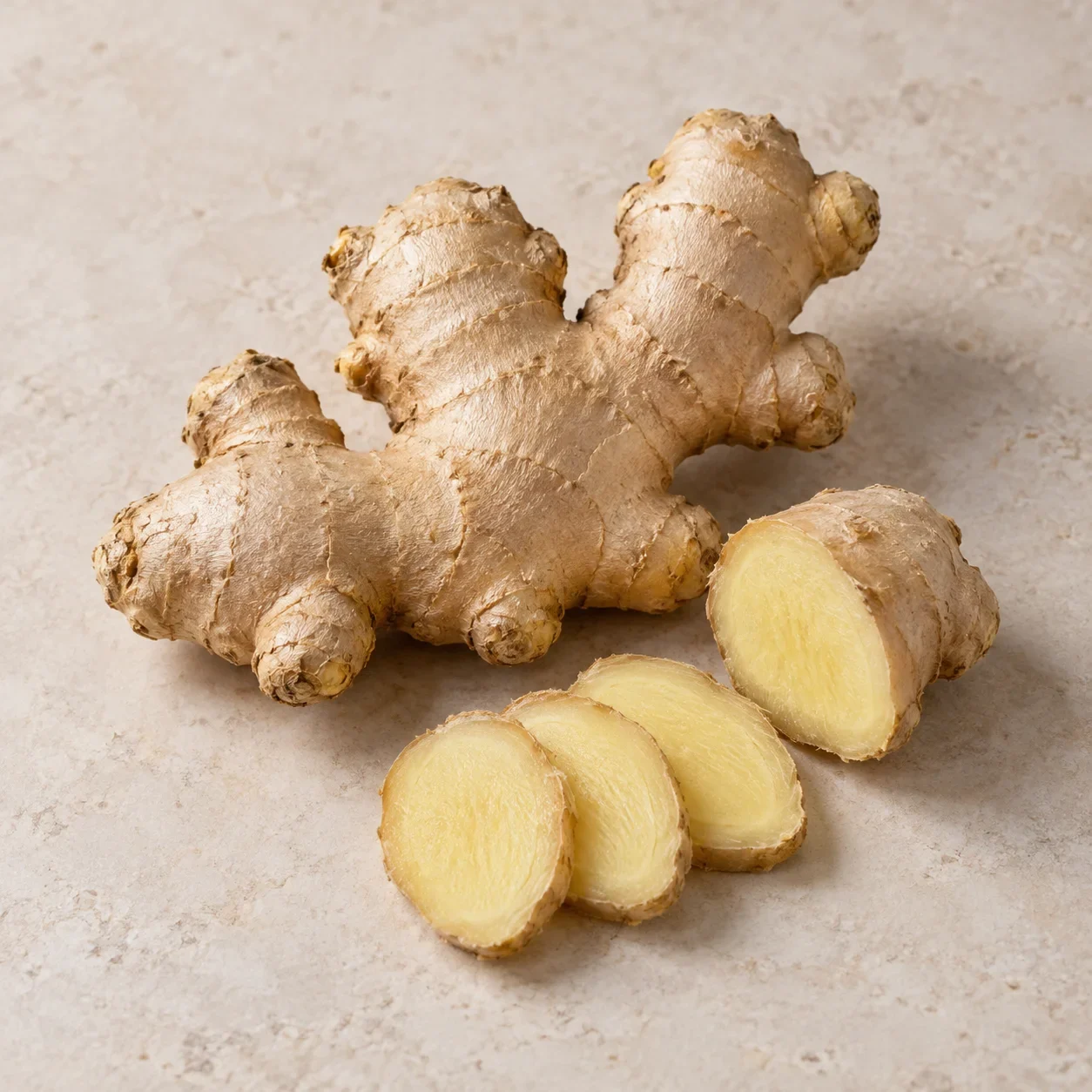

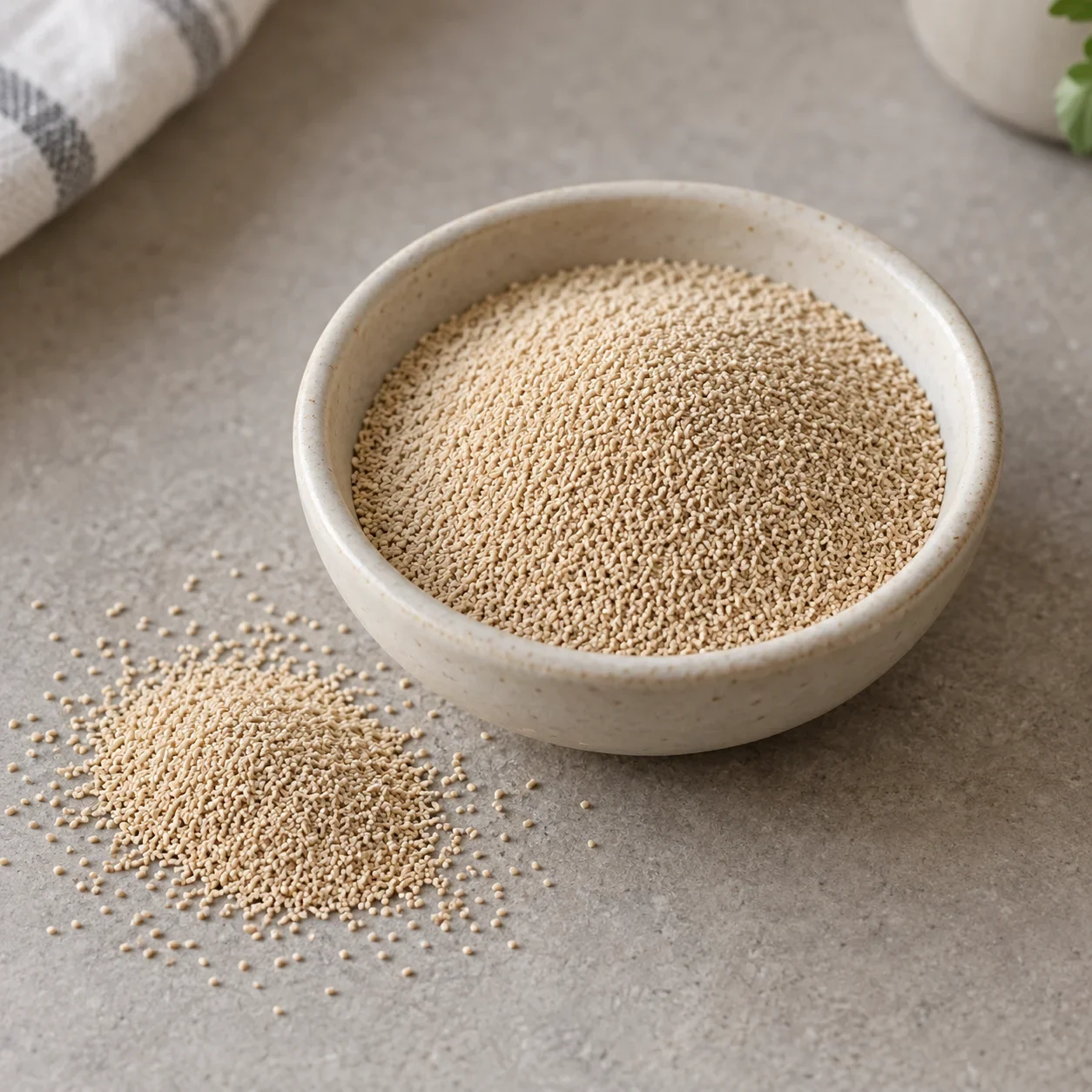
In some versions
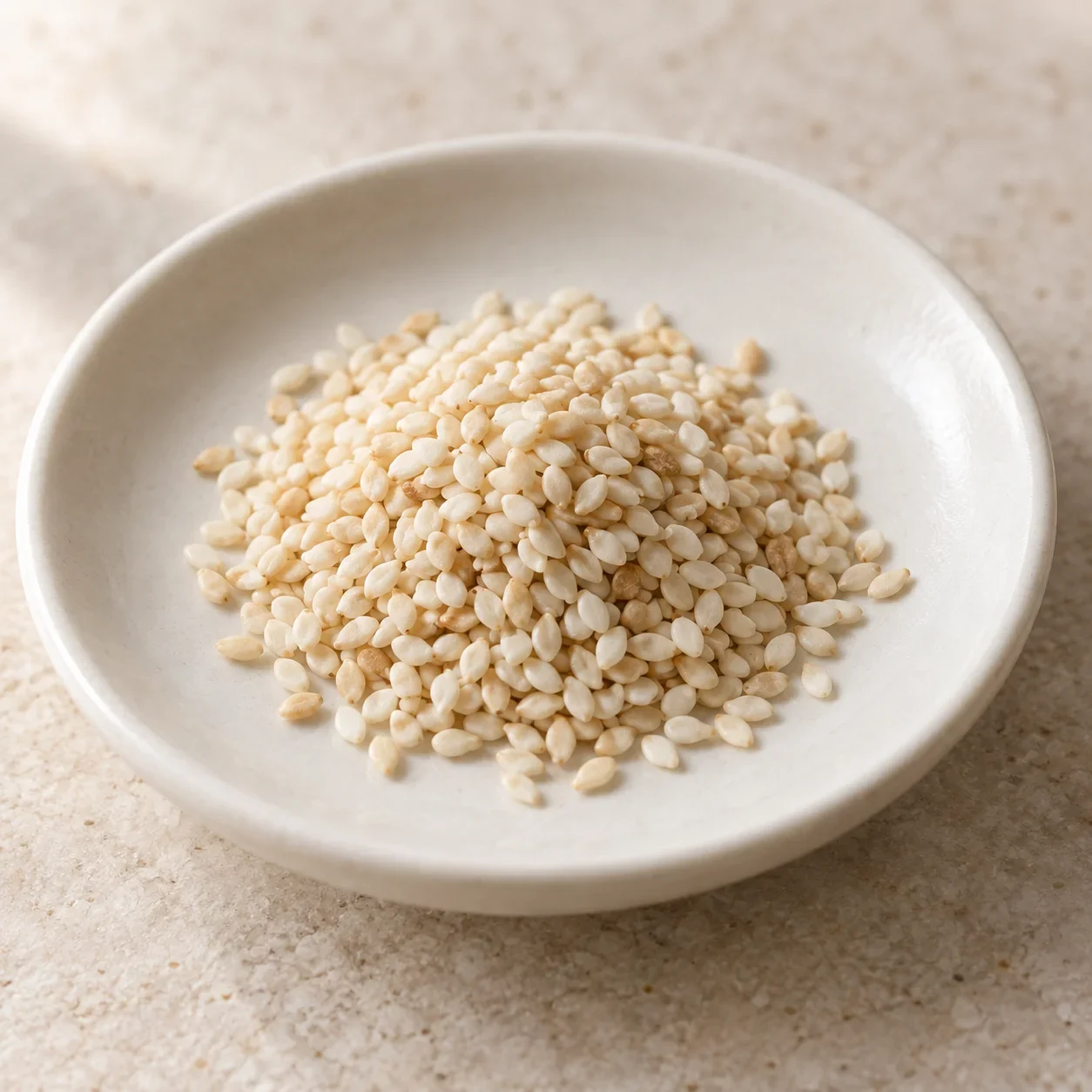
Recipes vary by restaurant.
How does it taste?
Savory pork and fragrant Sichuan pepper.
- Chili heat
- Texture
- Crisp, flaky outer layers with a softer, chewy center.
- How it’s made
- Stretch risen dough, spread with meat and fat filling, roll into layers, pan-fry and oven-finish.
Pork-filled versions are familiar; other meat and meatless styles also exist.
A CONNECTION TO PLACE
Origin & regional roots
Associated with Sichuan.
About this regional connection
Sichuan: Associated with Pengzhou, Chengdu, Sichuan.
Ask if they have it first
请问你们有军屯锅魁吗?
Do you have this item?
A LITTLE SOMETHING TO READ
Story & history
Layers from Pengzhou
This account describes a tradition or story, rather than an established historical fact.
Juntun guokui is associated with Pengzhou. Thinly spread filling is rolled into the dough, then the bread is pan-fried and baked. Its appeal lies in crisp outer layers and a softer centre, rather than a thick pocket of meat.