
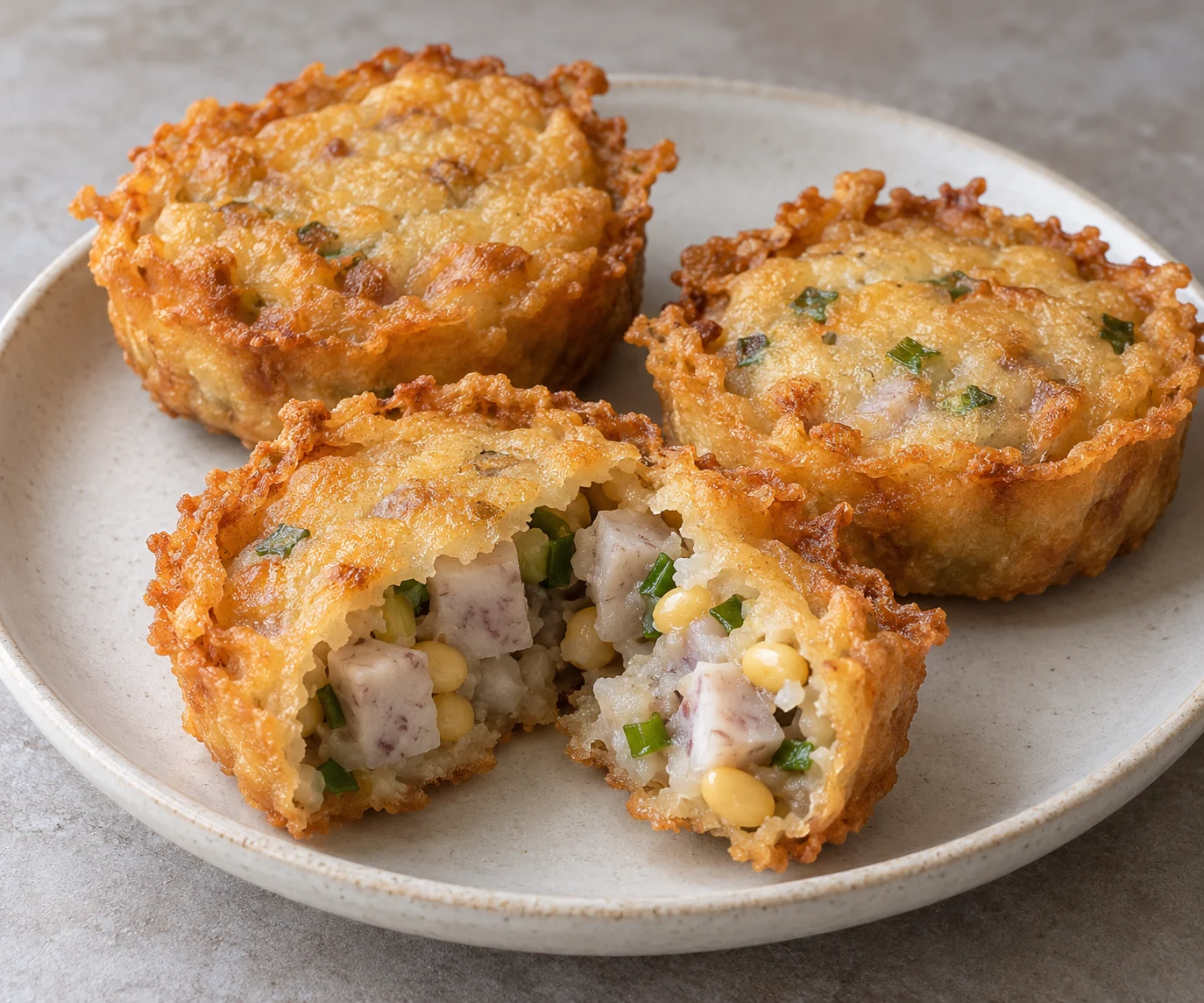
At the table
Enjoy as a snack or alongside plain rice congee. Let the hot centre cool slightly before biting; ask what is inside before choosing a filling.
The taro-and-soybean version described here contains soy and wheat; its egg-containing batter is not vegan. It can be vegetarian if the oil and seasonings contain no meat, seafood or animal fat, but other fillings do contain animal ingredients. Check the exact filling, batter, sesame oil and shared frying oil if relevant to your diet or allergies. Rice flour in the batter does not make it gluten-free.
Taro and bean fillings differ by maker; sweet potato, chives, shrimp or meat may also appear. Rice flour, wheat flour and starch proportions vary, and some batters contain egg. Sesame oil and other seasonings also depend on the recipe.
GET TO KNOW THE DISH
What goes into it?
Explore some key ingredients below. Preparations may use additional seasonings and ingredients.
Taro and bean fillings differ by maker; sweet potato, chives, shrimp or meat may also appear. Rice flour, wheat flour and starch proportions vary, and some batters contain egg. Sesame oil and other seasonings also depend on the recipe.
Typical ingredients
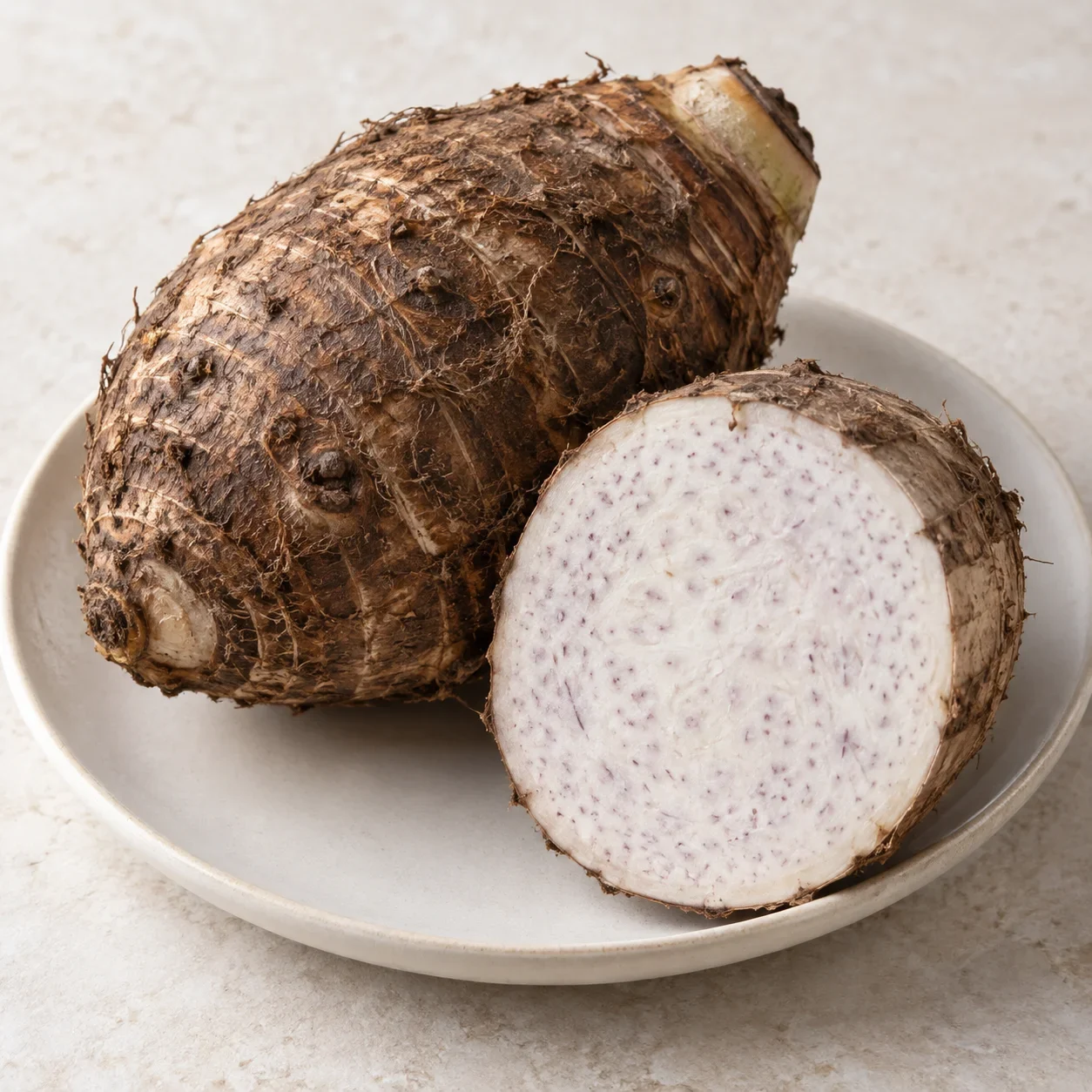
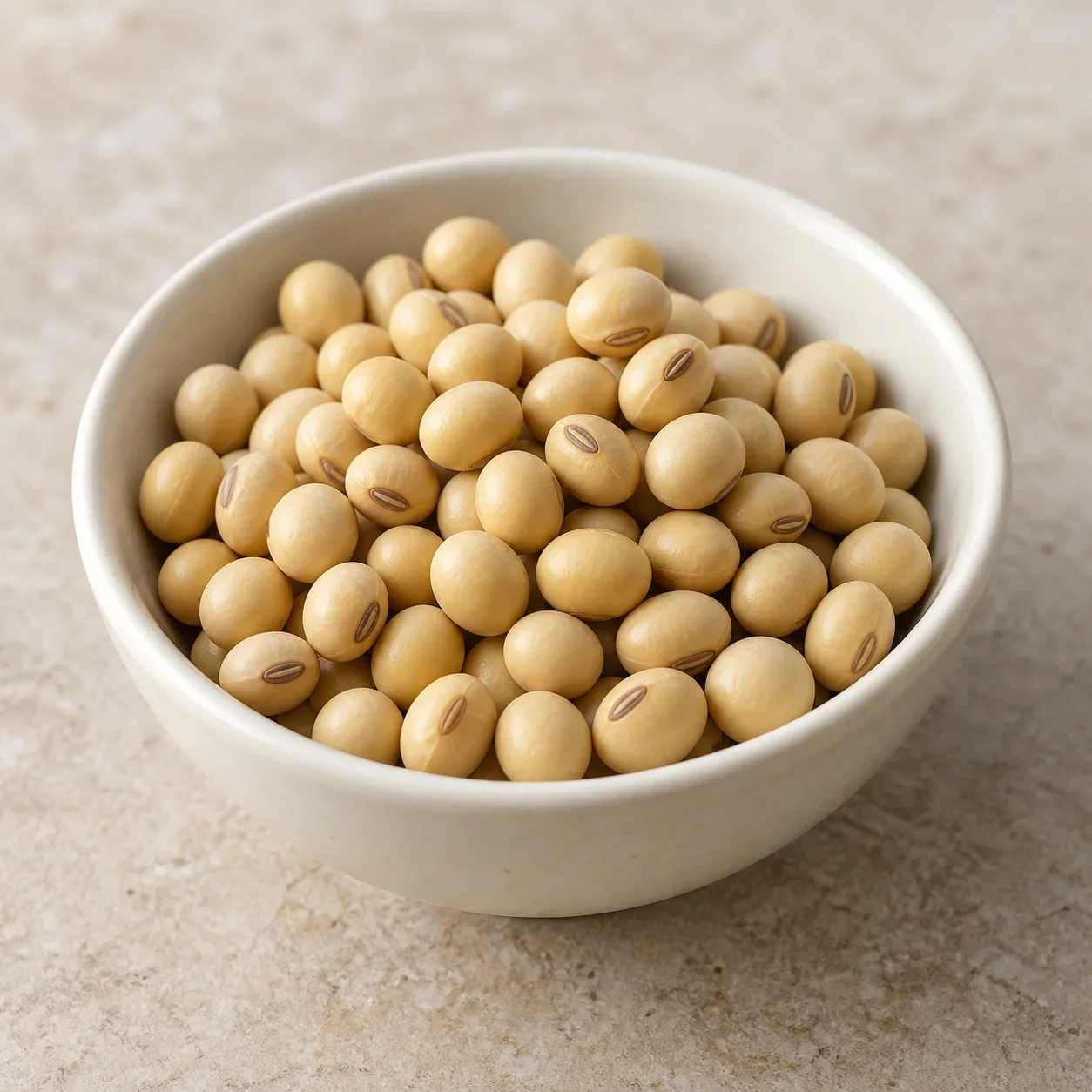

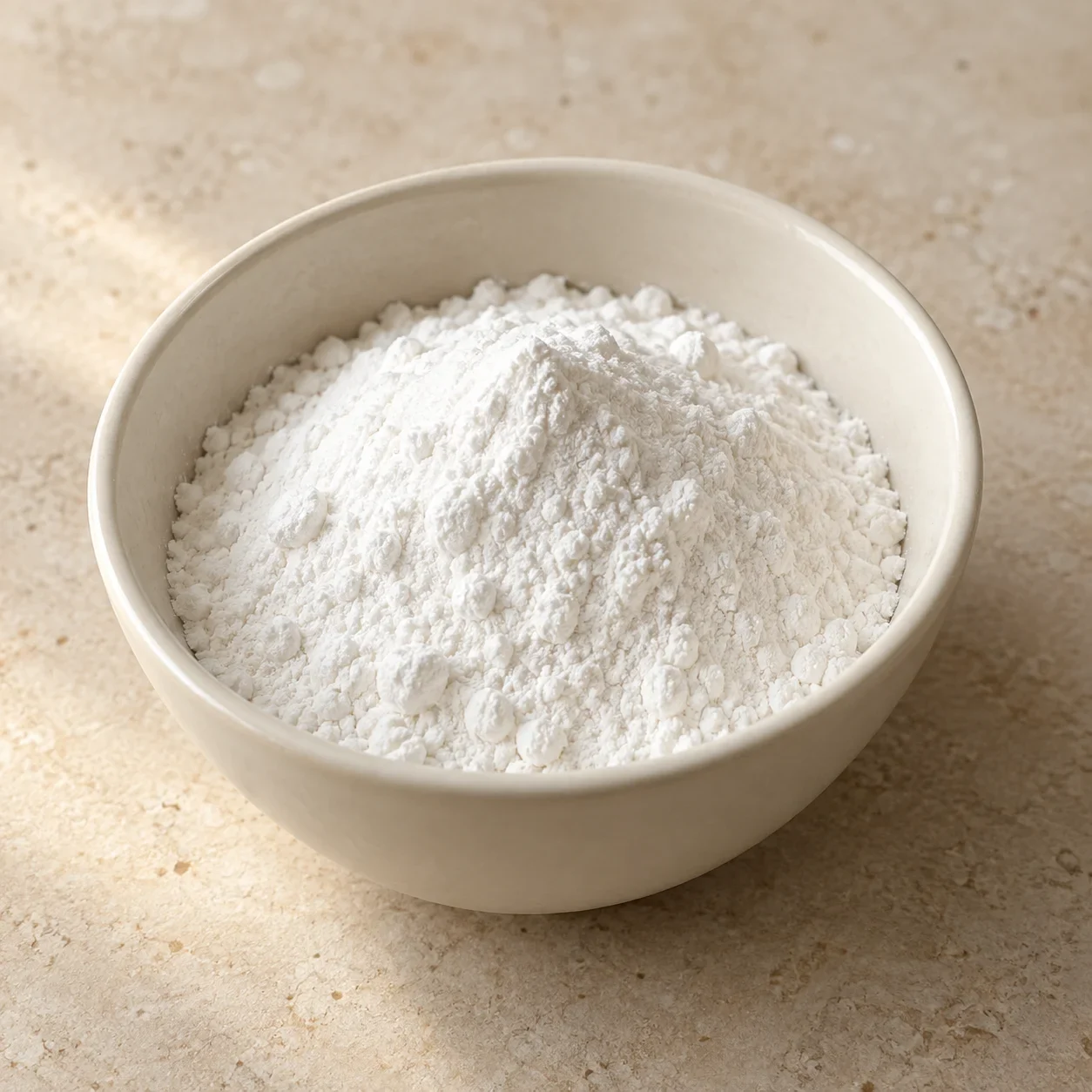
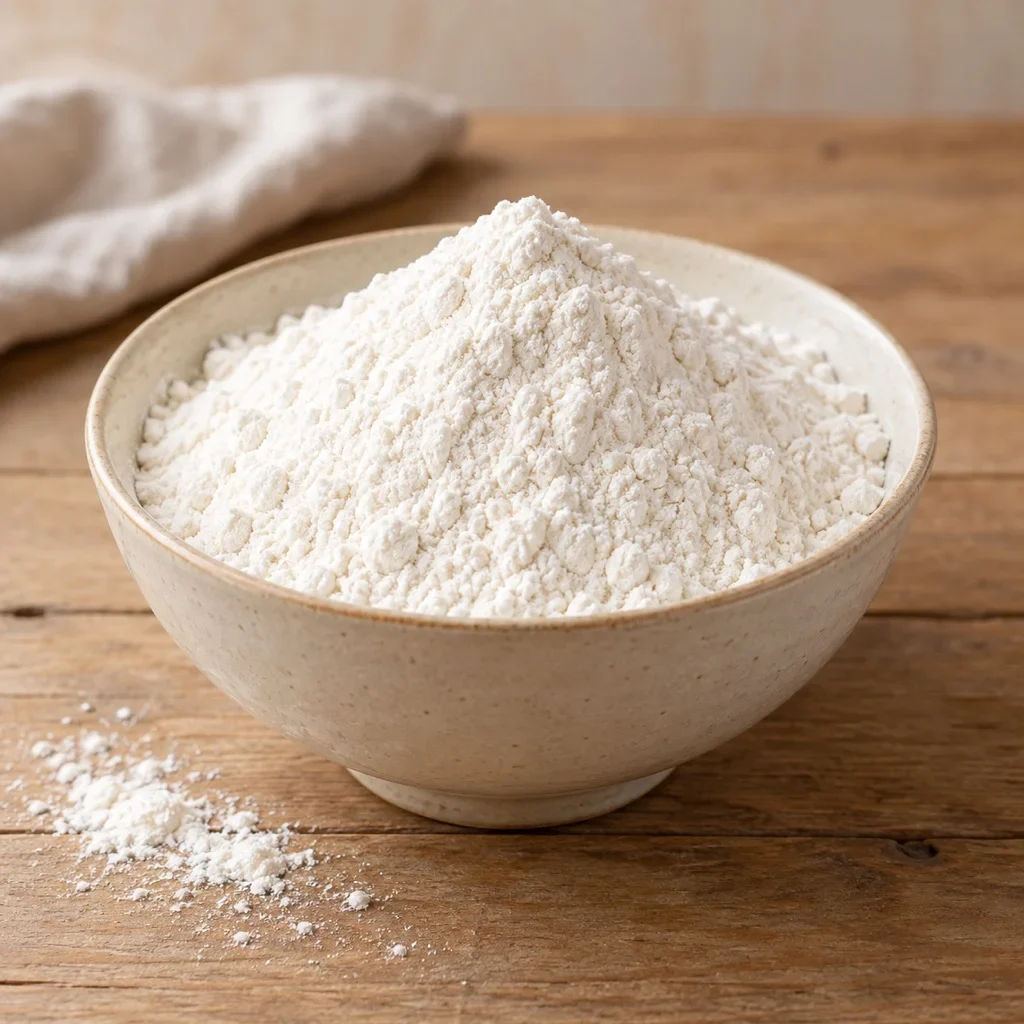
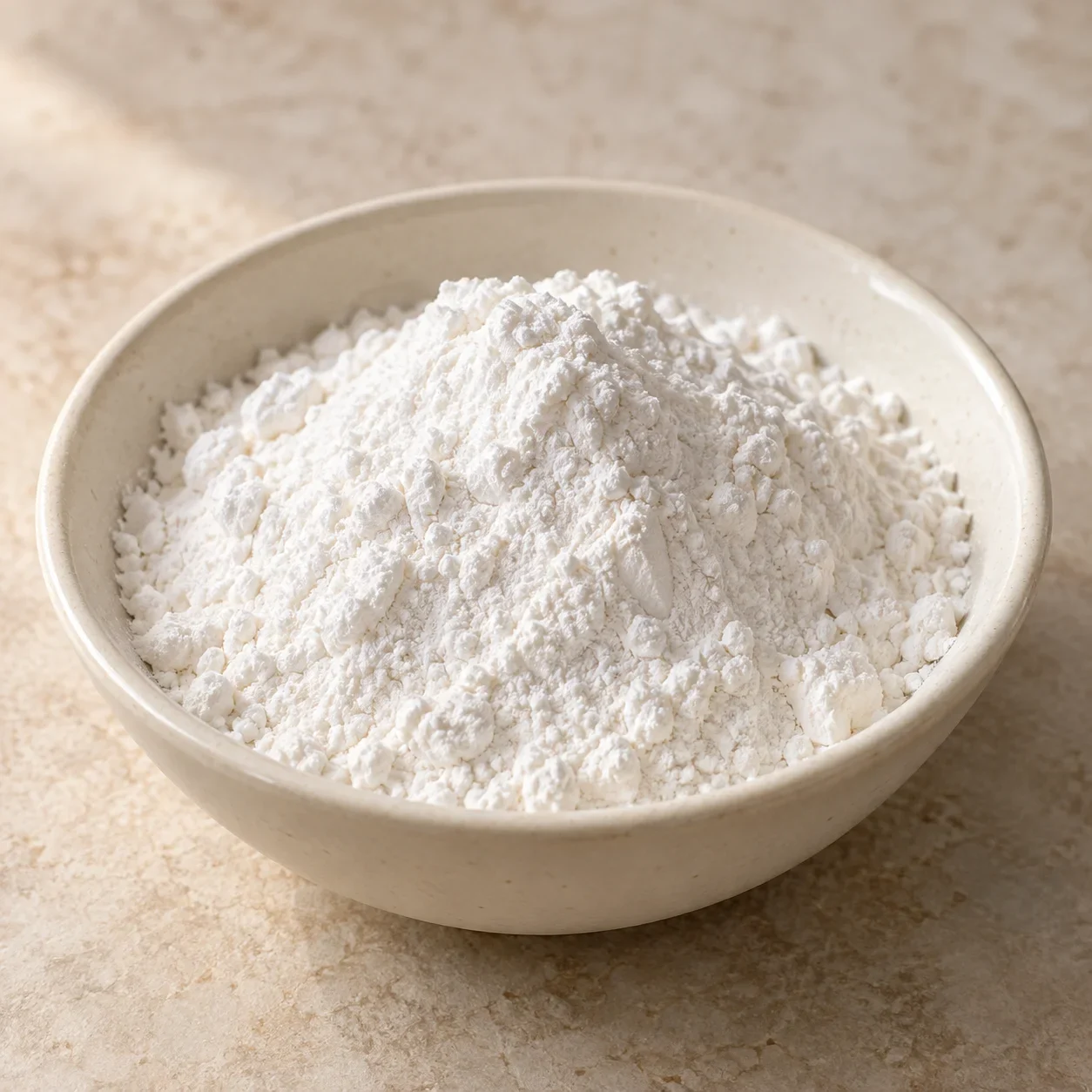
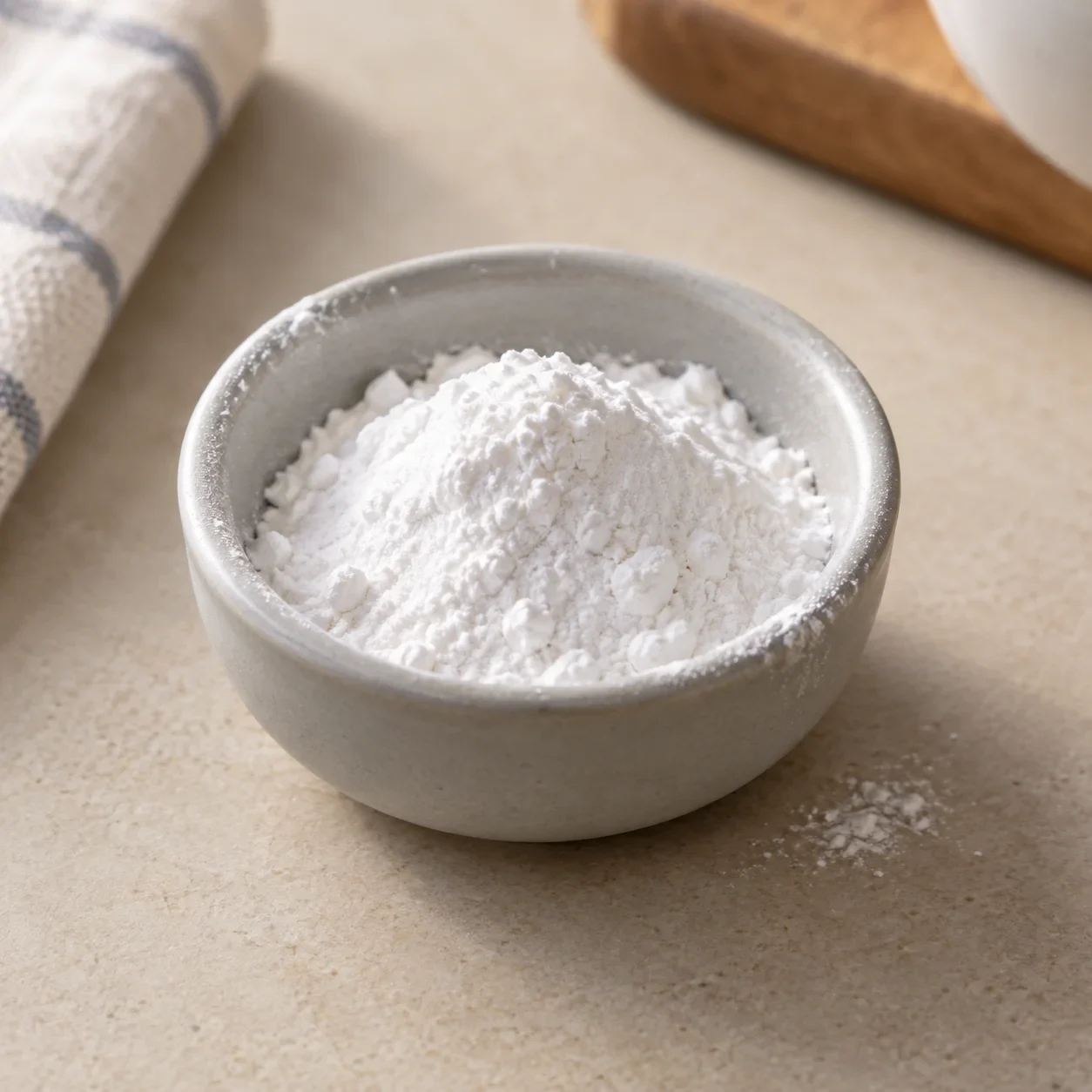

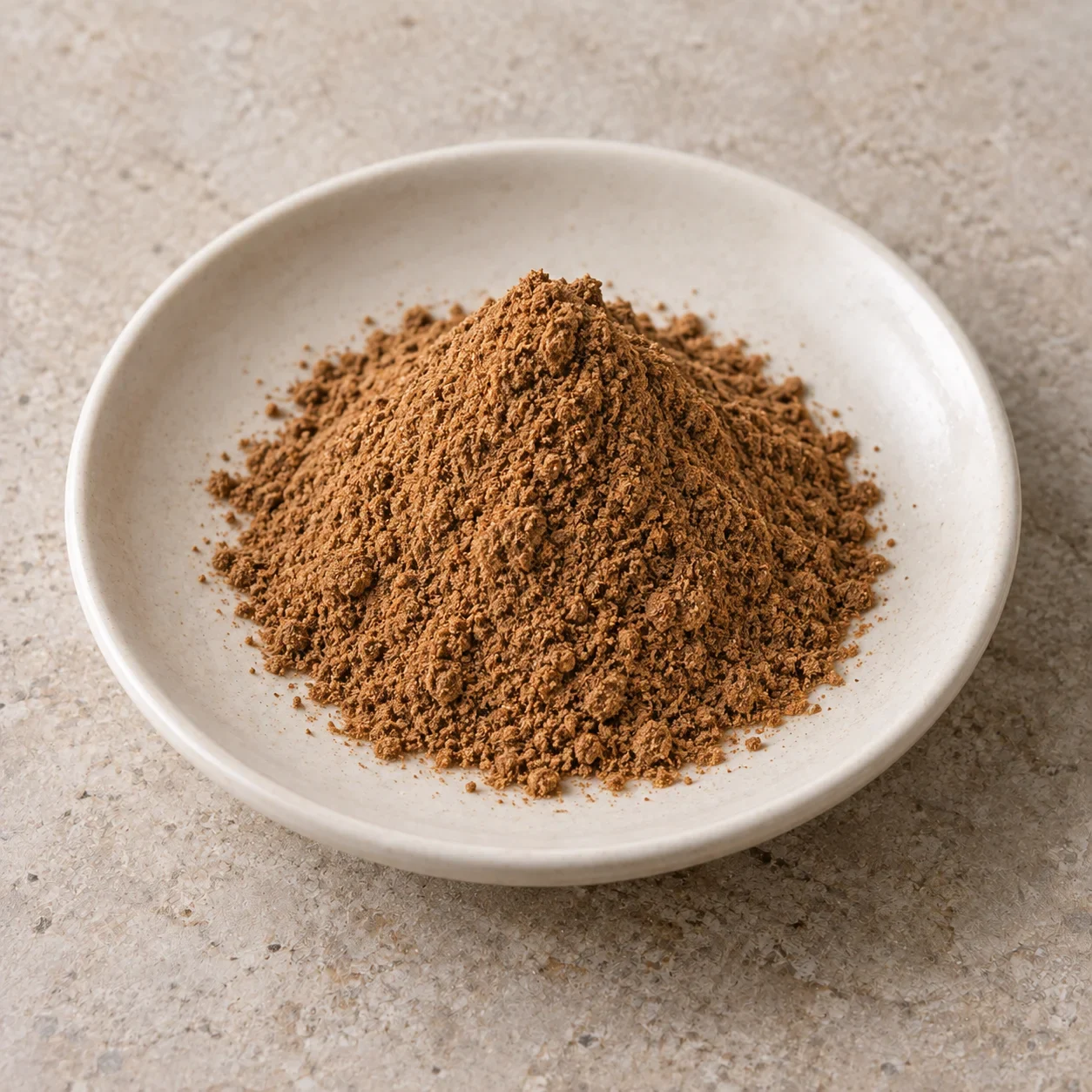

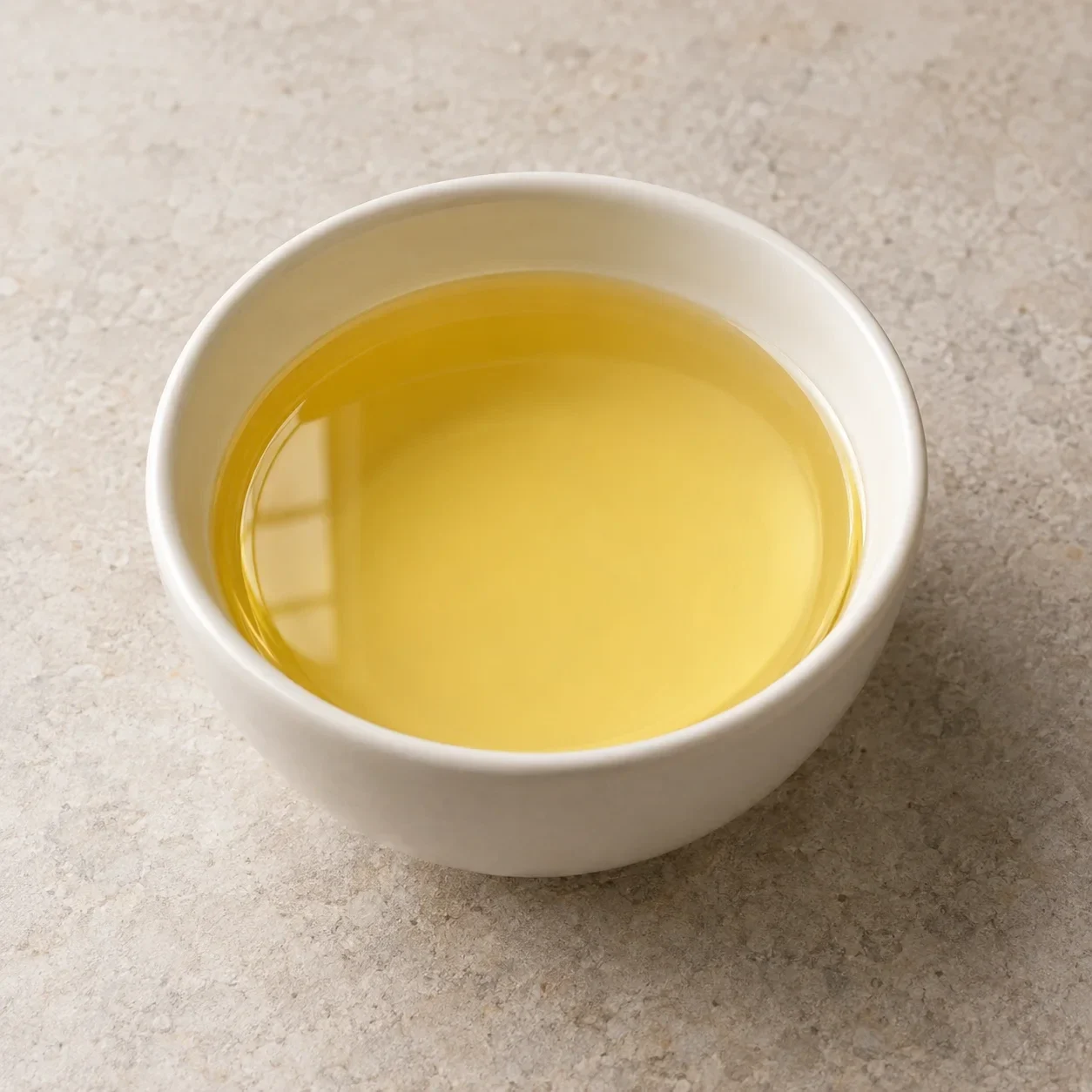
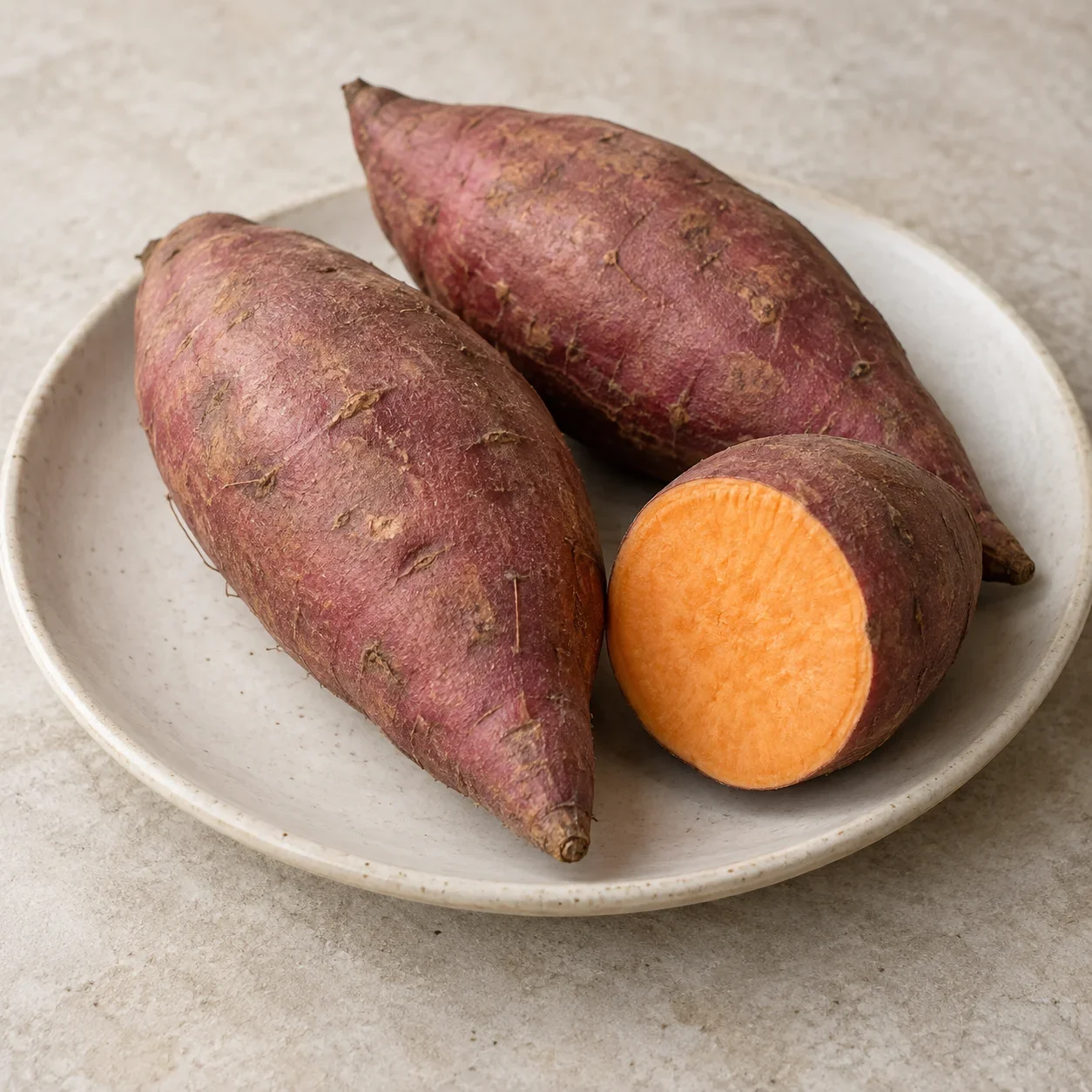
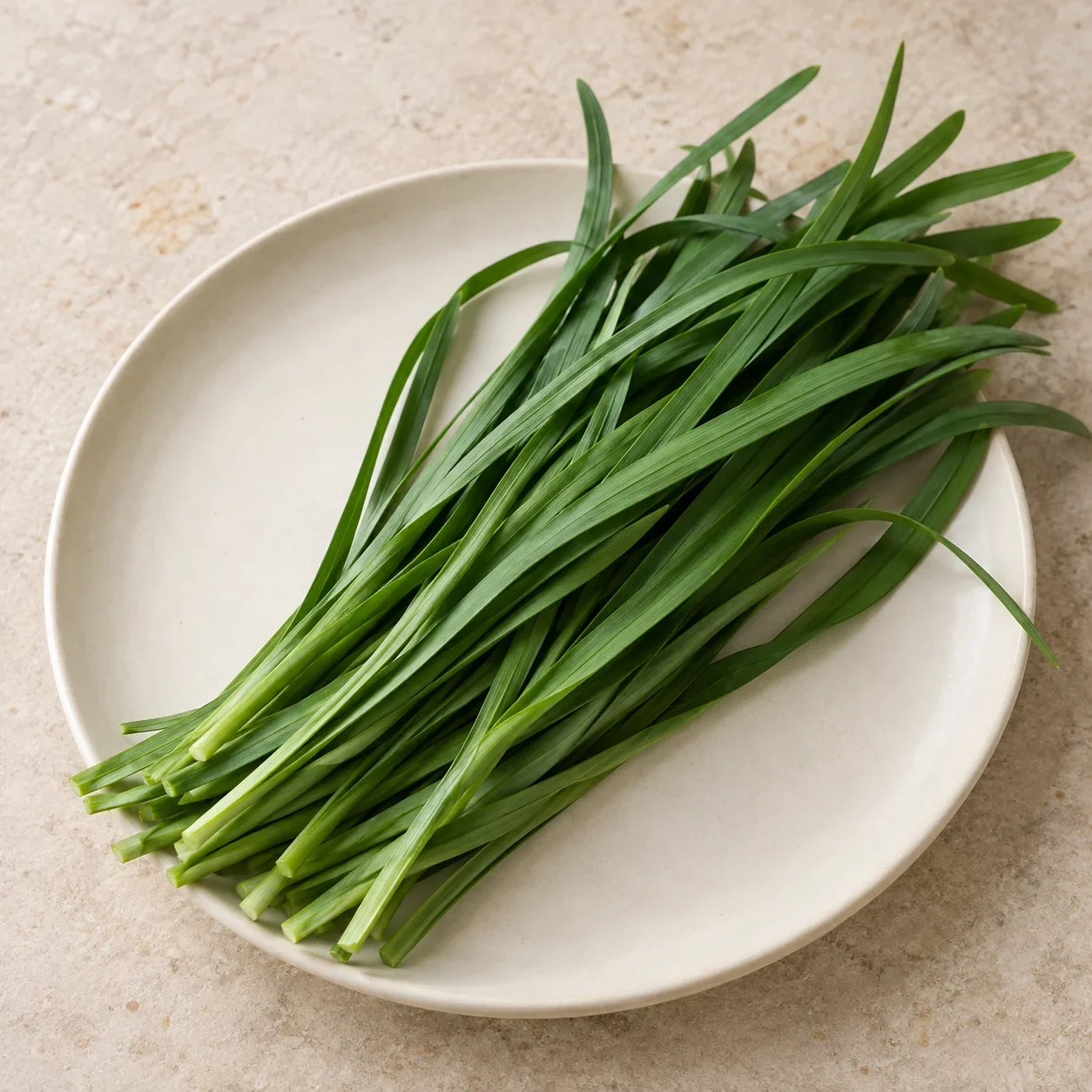
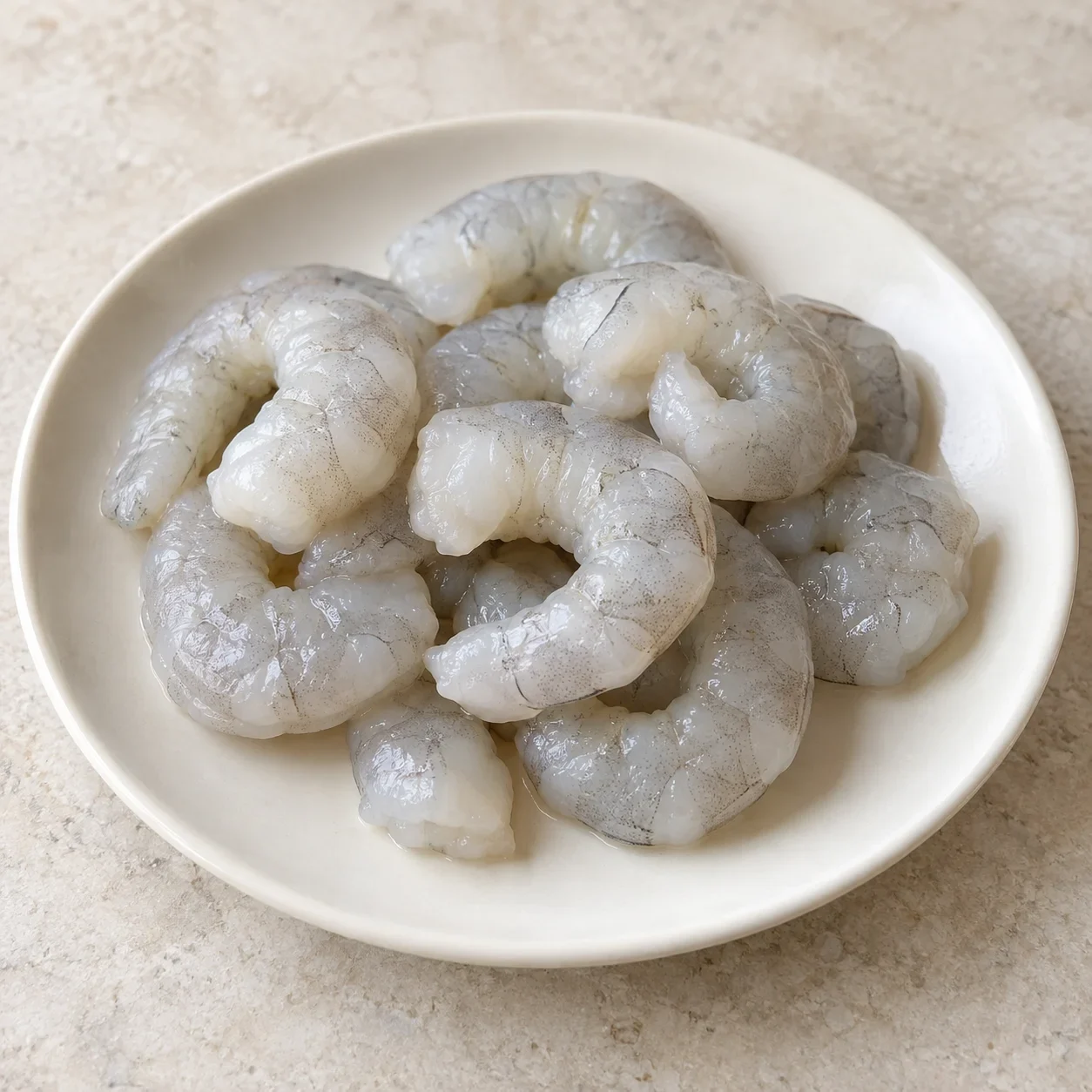
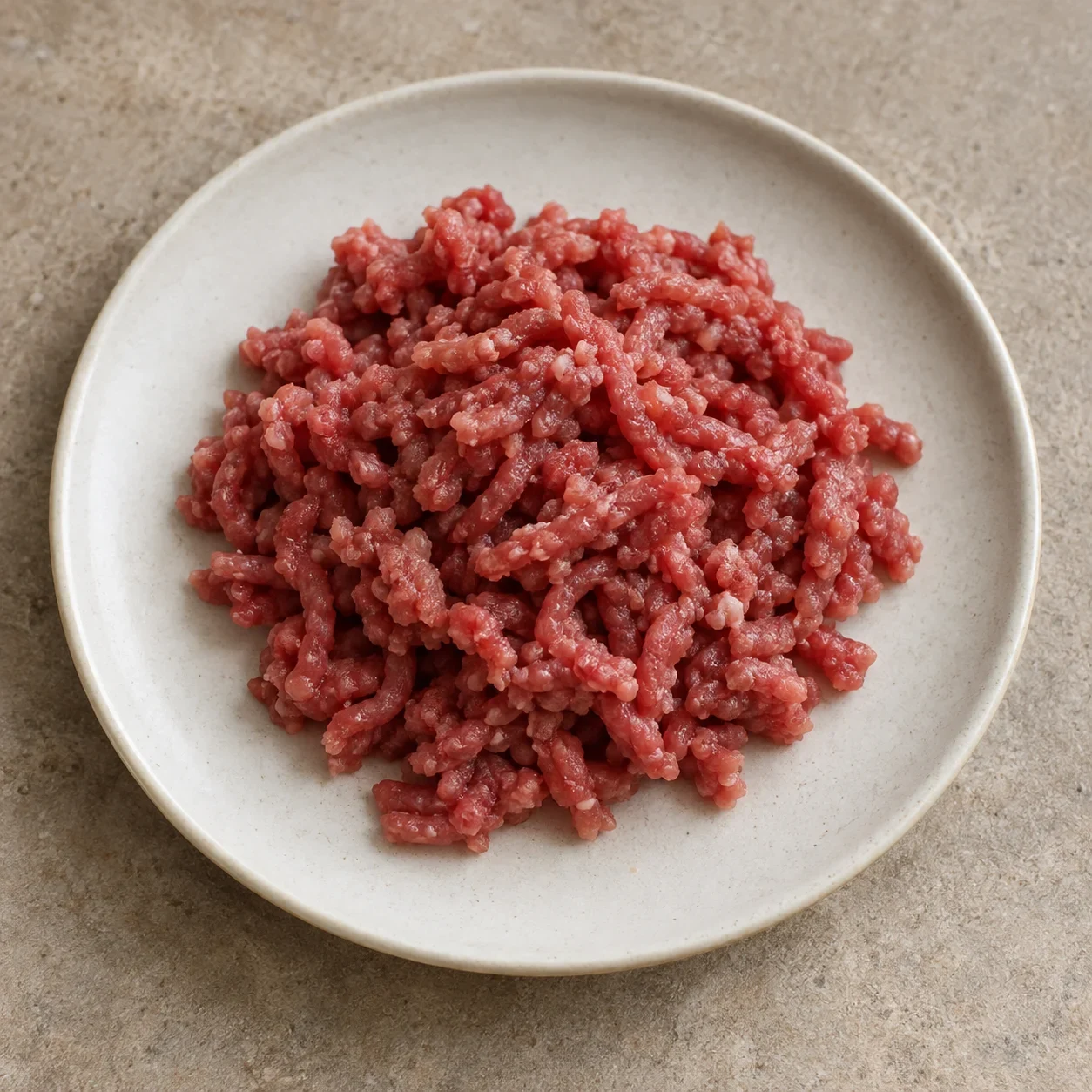
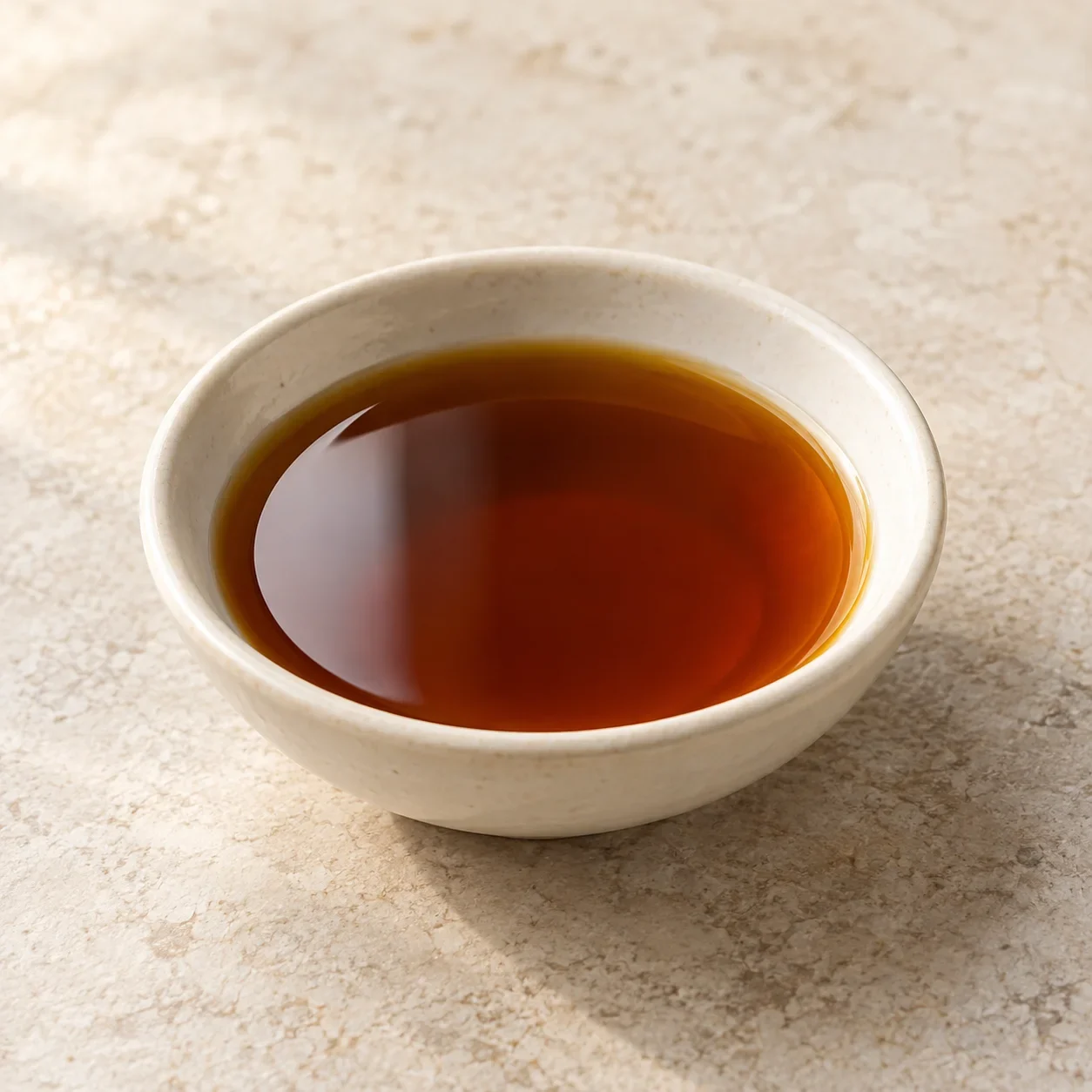
Recipes vary by restaurant.
How does it taste?
Savoury taro and beans with scallion and five-spice fragrance. The plain version has no chilli heat; sauces can change that.
- Chili heat
- Texture
- A thin, crisp golden shell around a generous, soft filling, with distinct taro pieces and cooked beans. Best eaten freshly fried.
- How it’s made
- Line a heated metal cup mould with batter, add the seasoned filling, cover with more batter and deep-fry until cooked through and golden. One taro-and-soybean recipe uses rice flour, wheat flour, tapioca starch, baking powder and egg in the batter; other recipes use different mixtures.
Taro and bean fillings differ by maker; sweet potato, chives, shrimp or meat may also appear. Rice flour, wheat flour and starch proportions vary, and some batters contain egg. Sesame oil and other seasonings also depend on the recipe.
A CONNECTION TO PLACE
Origin & regional roots
Associated with Guangdong.
About this regional connection
Guangdong: Chaoshan regional mould-fried taro/bean snack.
Ask if they have it first
请问你们有潮汕猪脚圈吗?
Do you have this item?
A LITTLE SOMETHING TO READ
Story & history
A round snack from the frying mould
In Chaoshan, zhujiao quan are associated with breakfast and street snacks. A small metal cup shapes the batter and holds the filling while it sets in hot oil. The familiar name evokes a trotter-shaped round, rather than prescribing pork as an ingredient.