
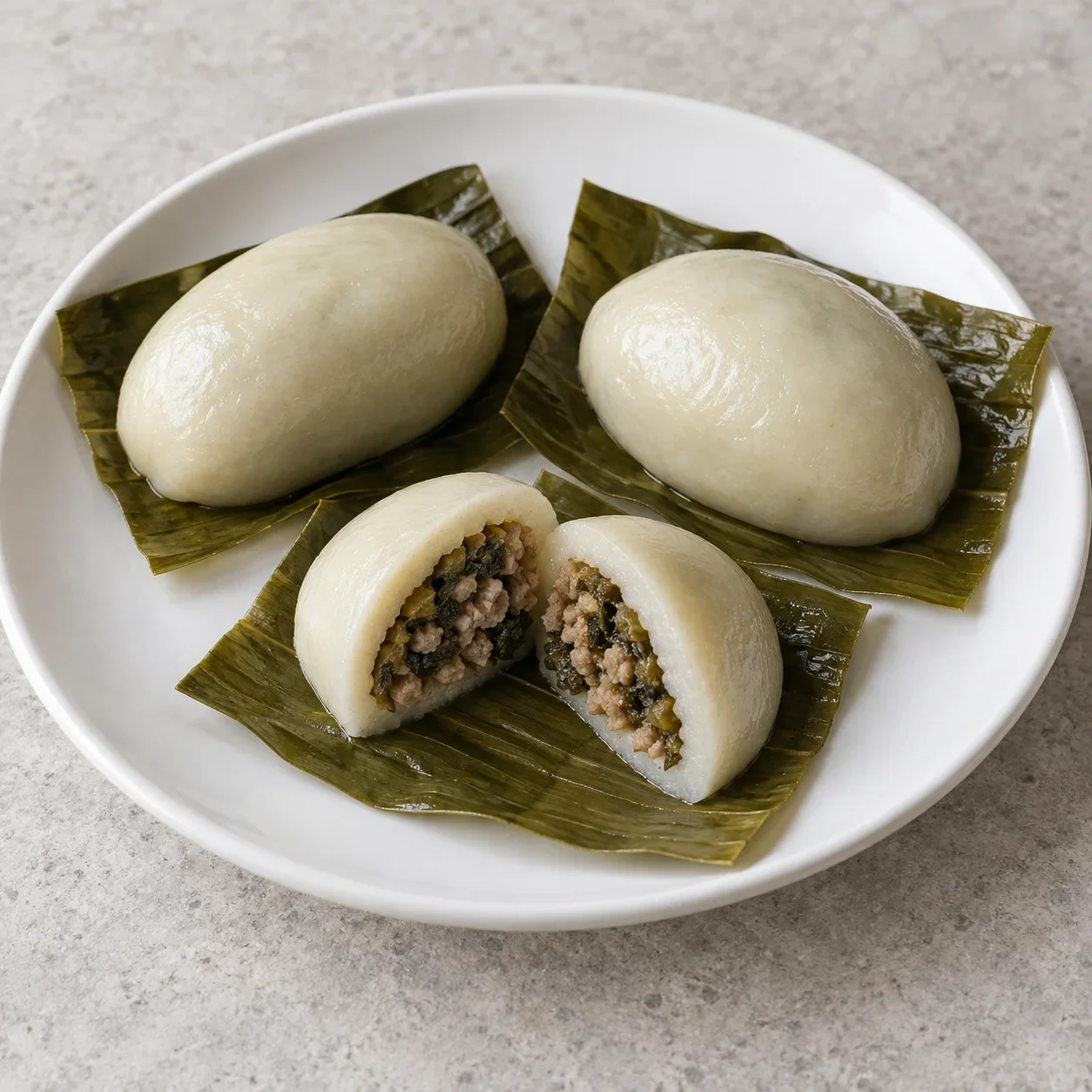
At the table
Remove the leaf before eating the cake. Ask whether the filling is sweet or savory; the outside alone does not reliably identify it. Let a freshly steamed cake cool a little before taking a bite.
Fillings vary: savory cakes may contain pork or lard, and sweet ones may contain beans or sesame. Check the filling, added fat and seasonings if you avoid meat, legumes or sesame; a sweet filling alone does not guarantee a vegetarian cake.
GET TO KNOW THE DISH
What goes into it?
Explore some key ingredients below. Preparations may use additional seasonings and ingredients.
Leaf type, rice proportions and fillings vary. Huaiyuan versions may add peas to the ground rice mixture; added seasonings can change the heat.
Typical ingredients
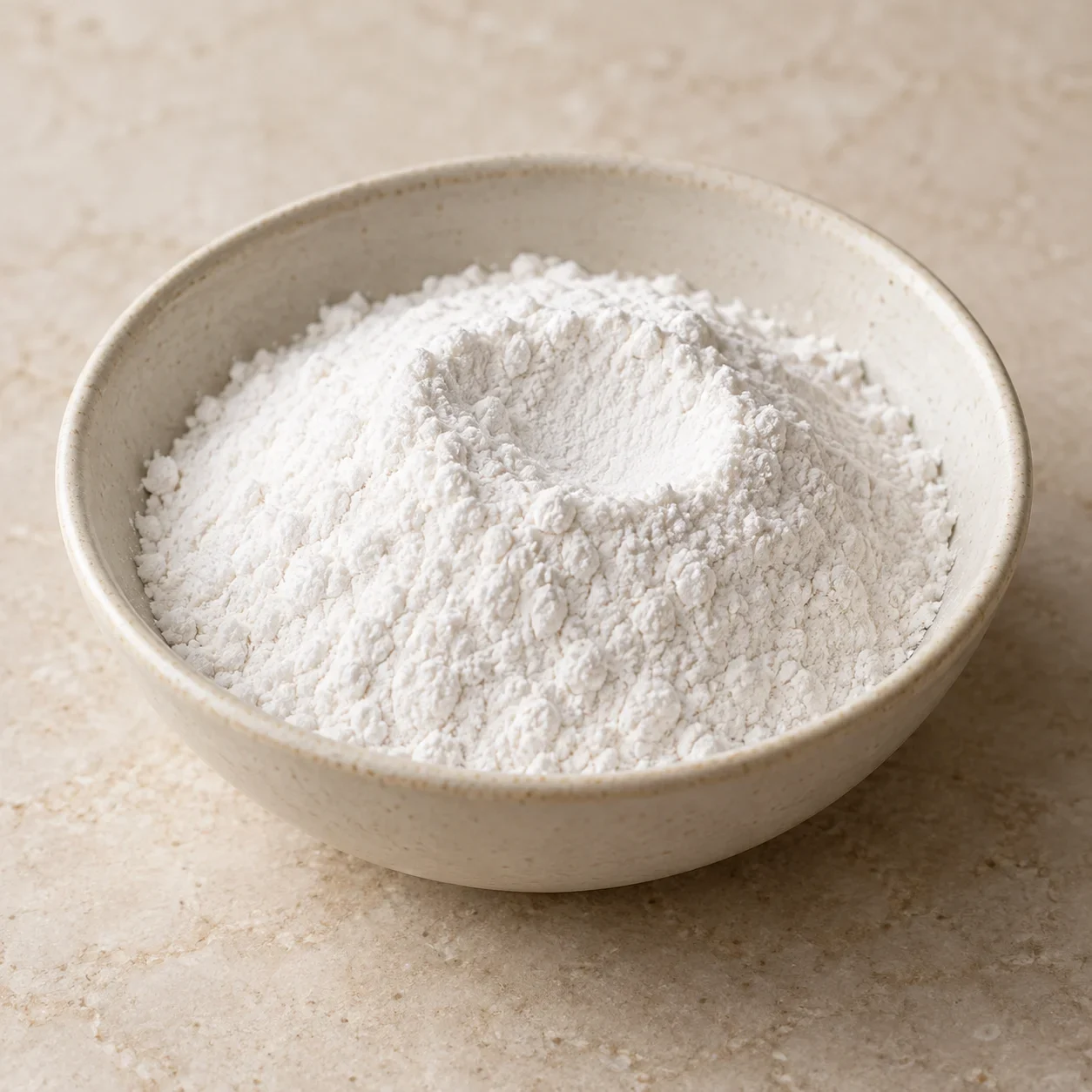
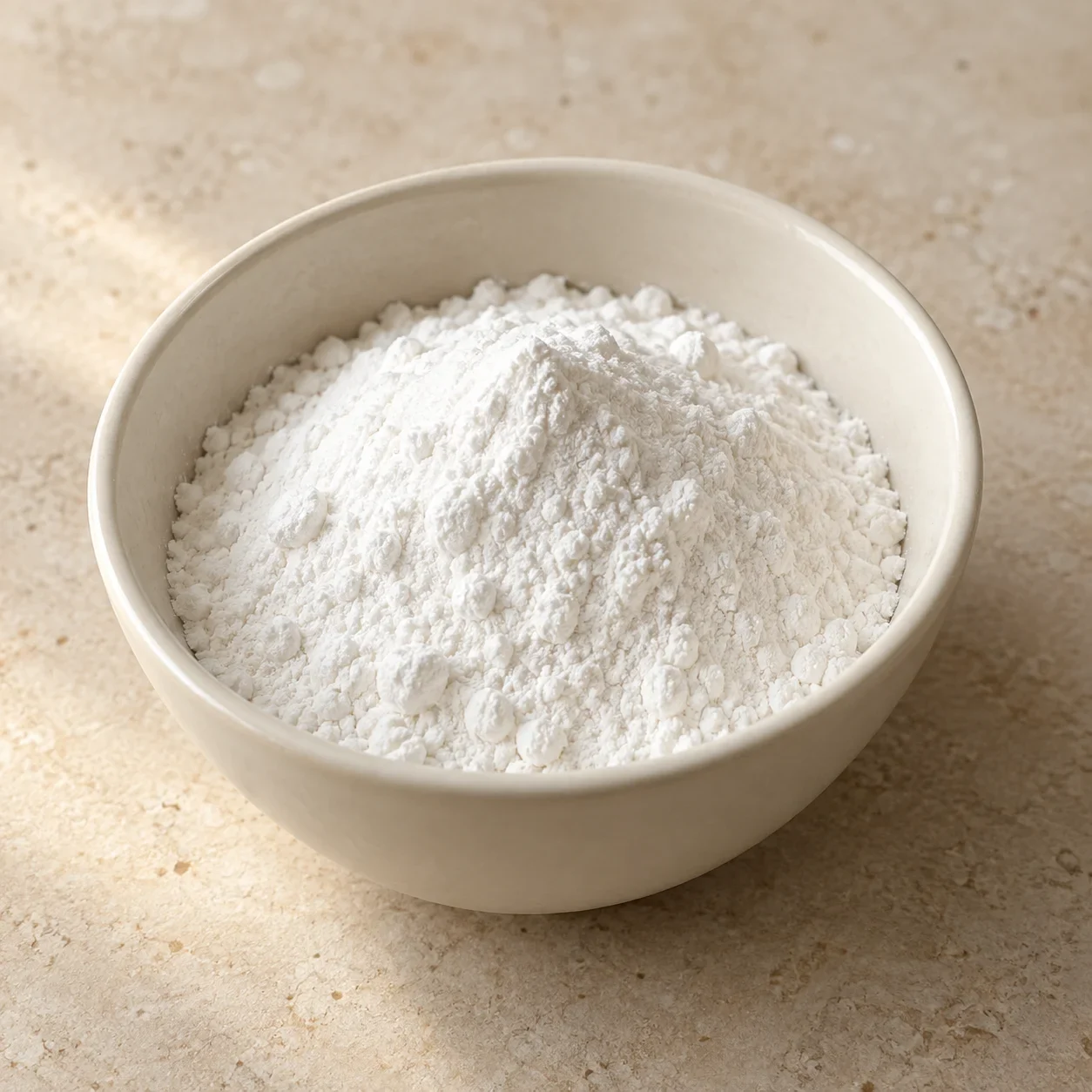
In some versions
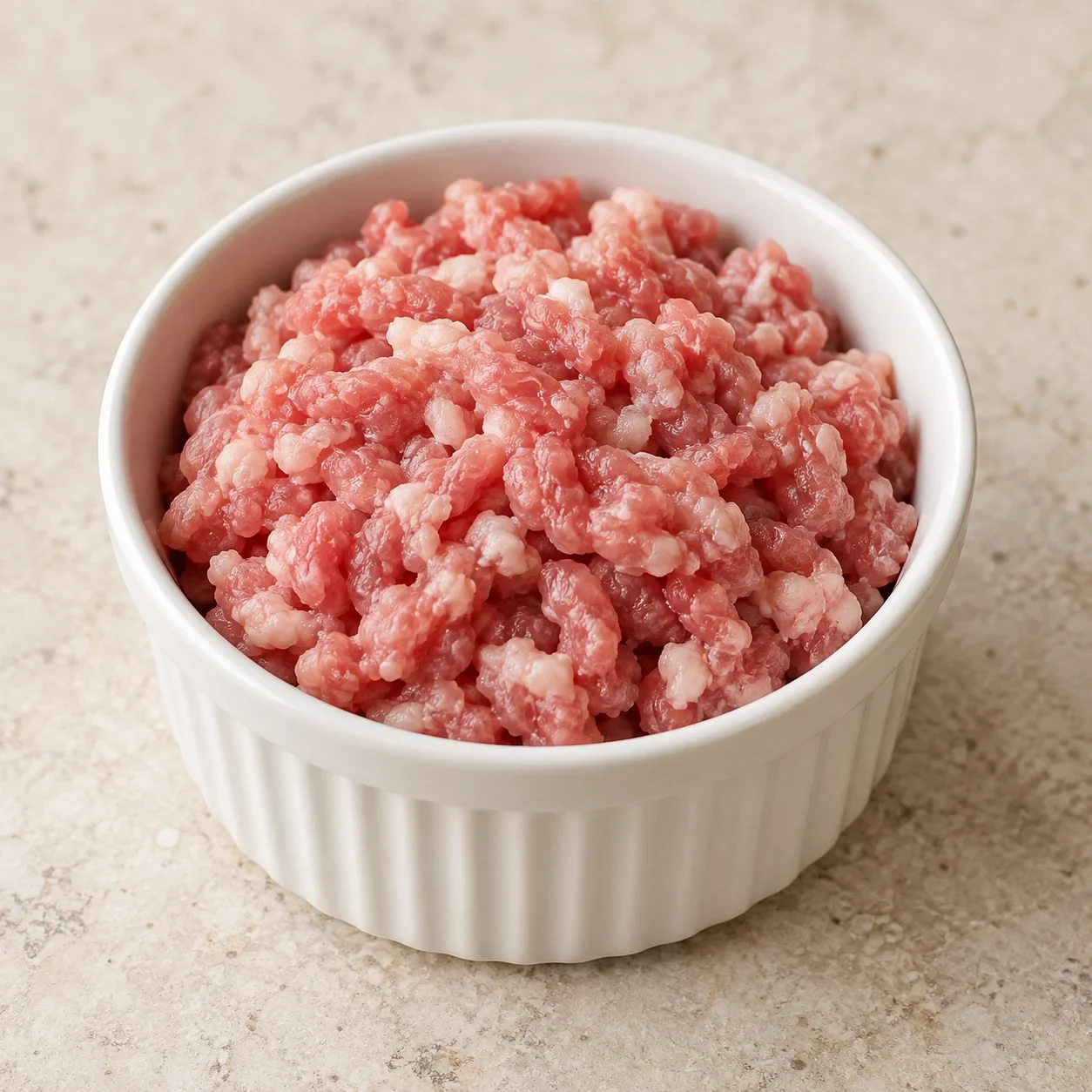
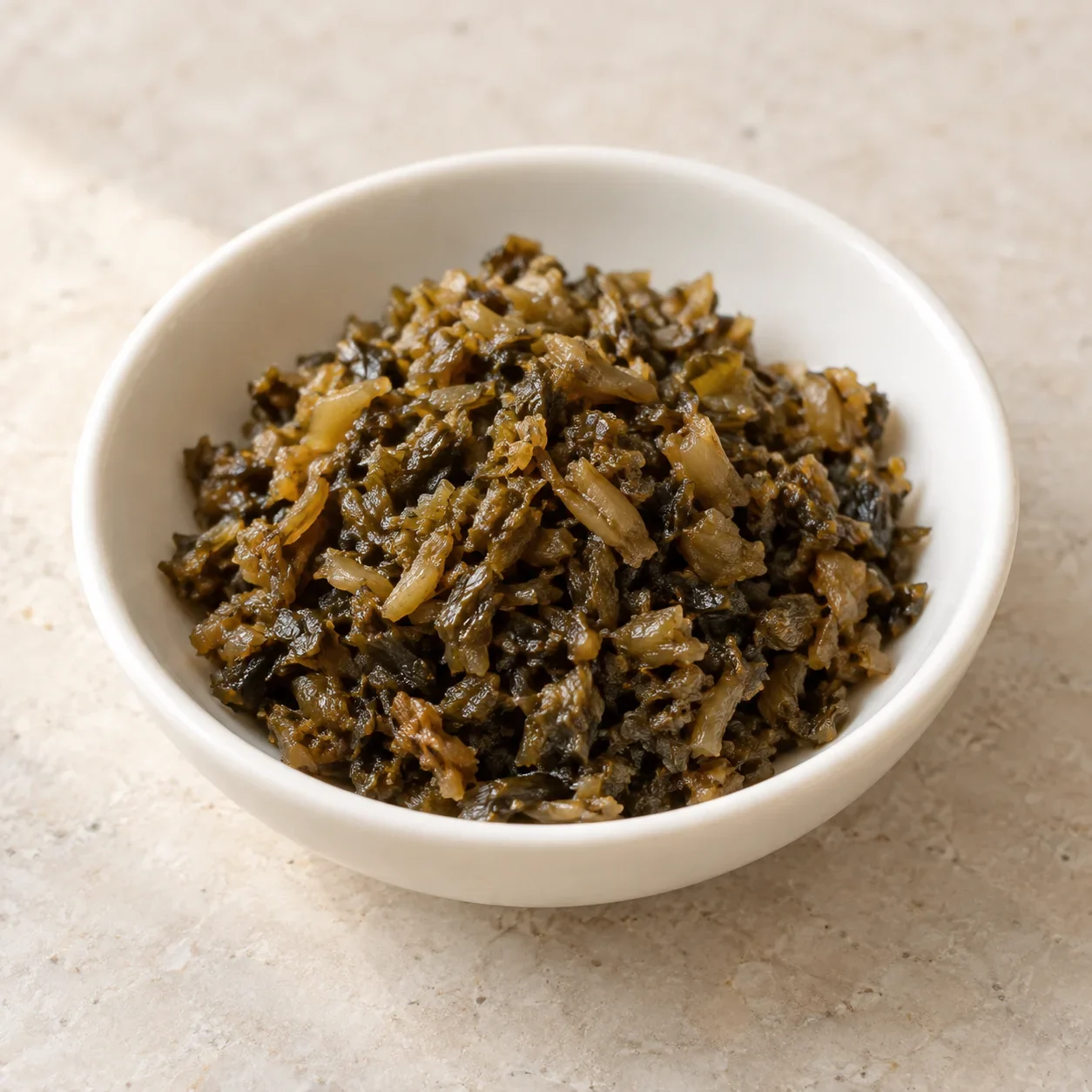
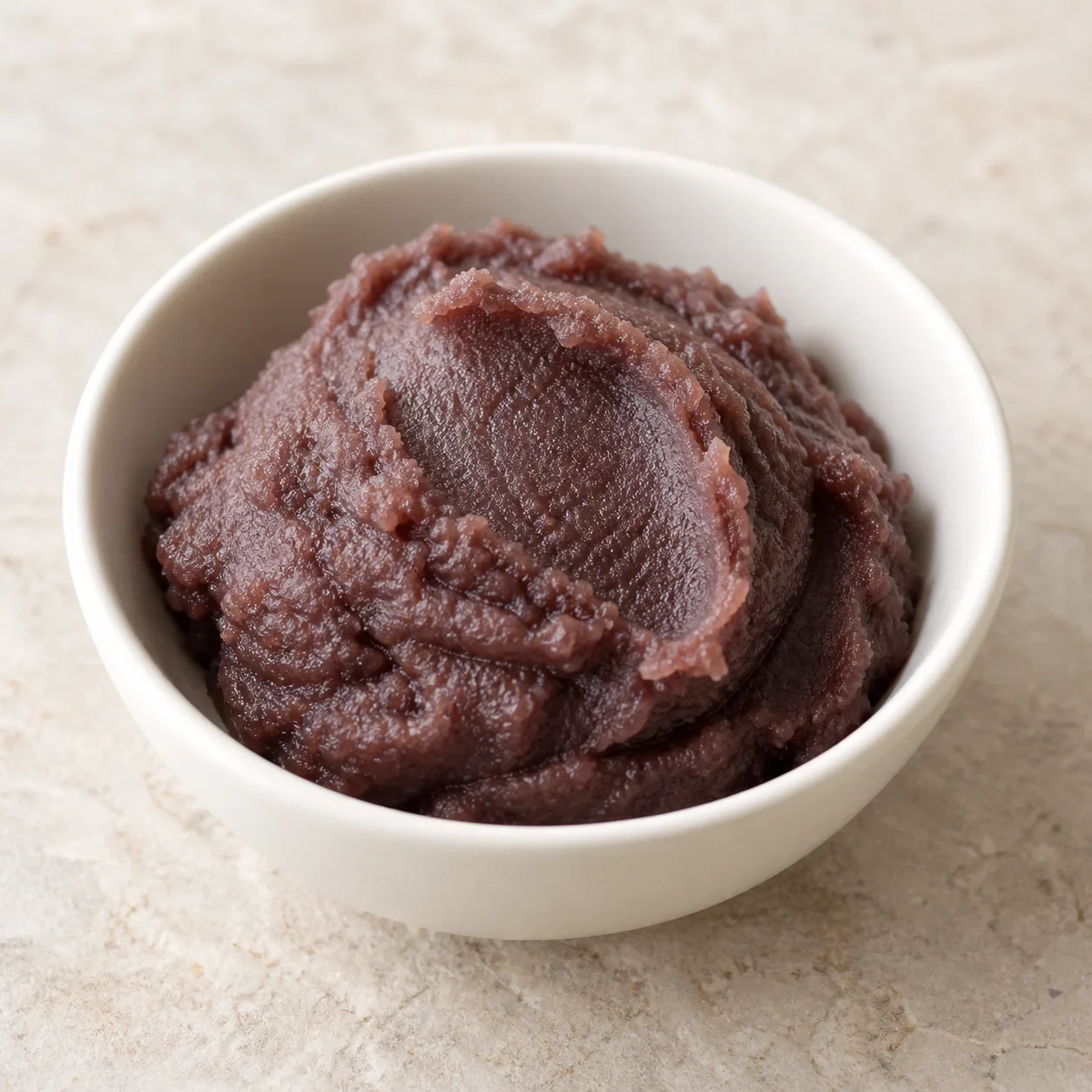
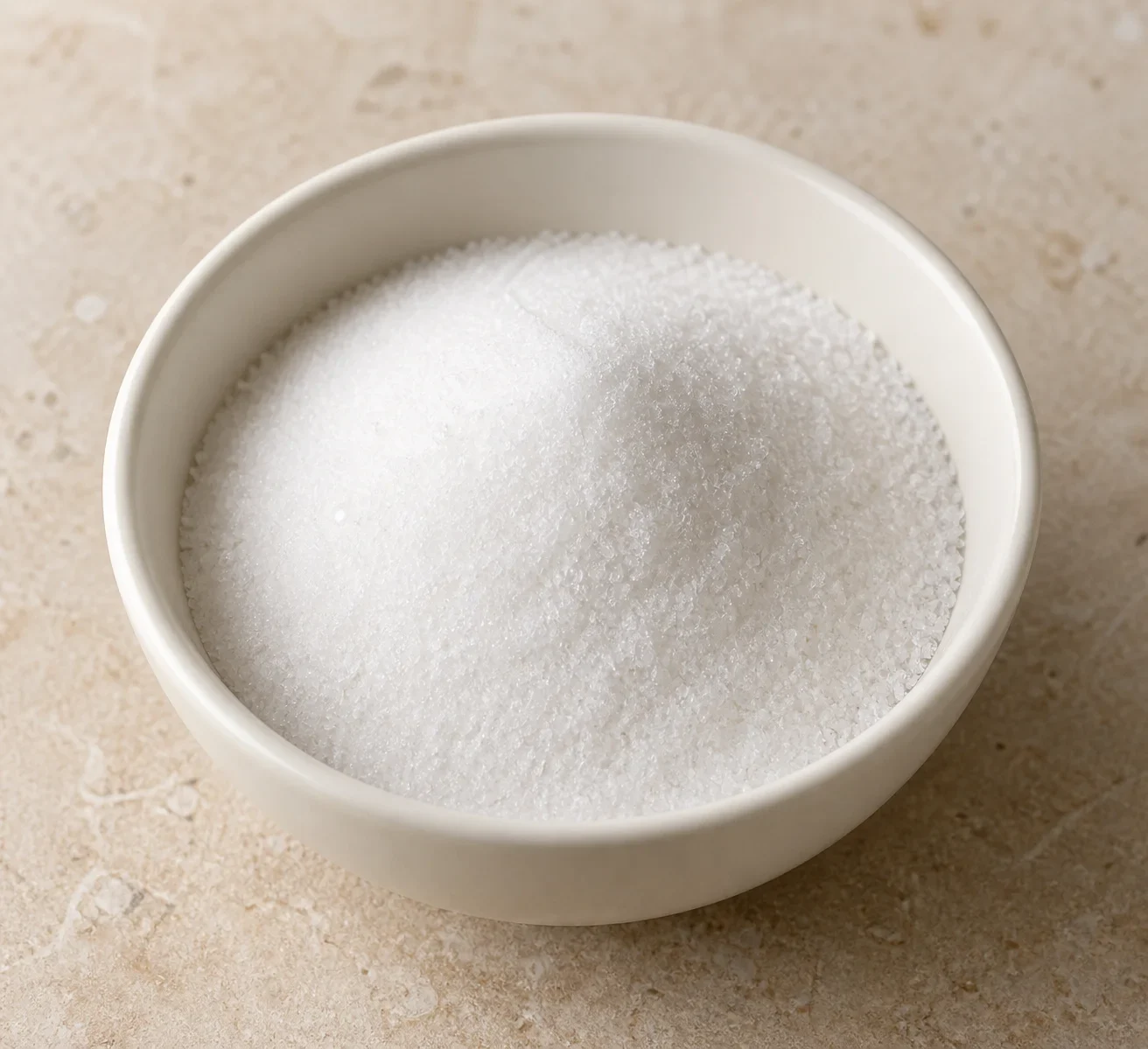
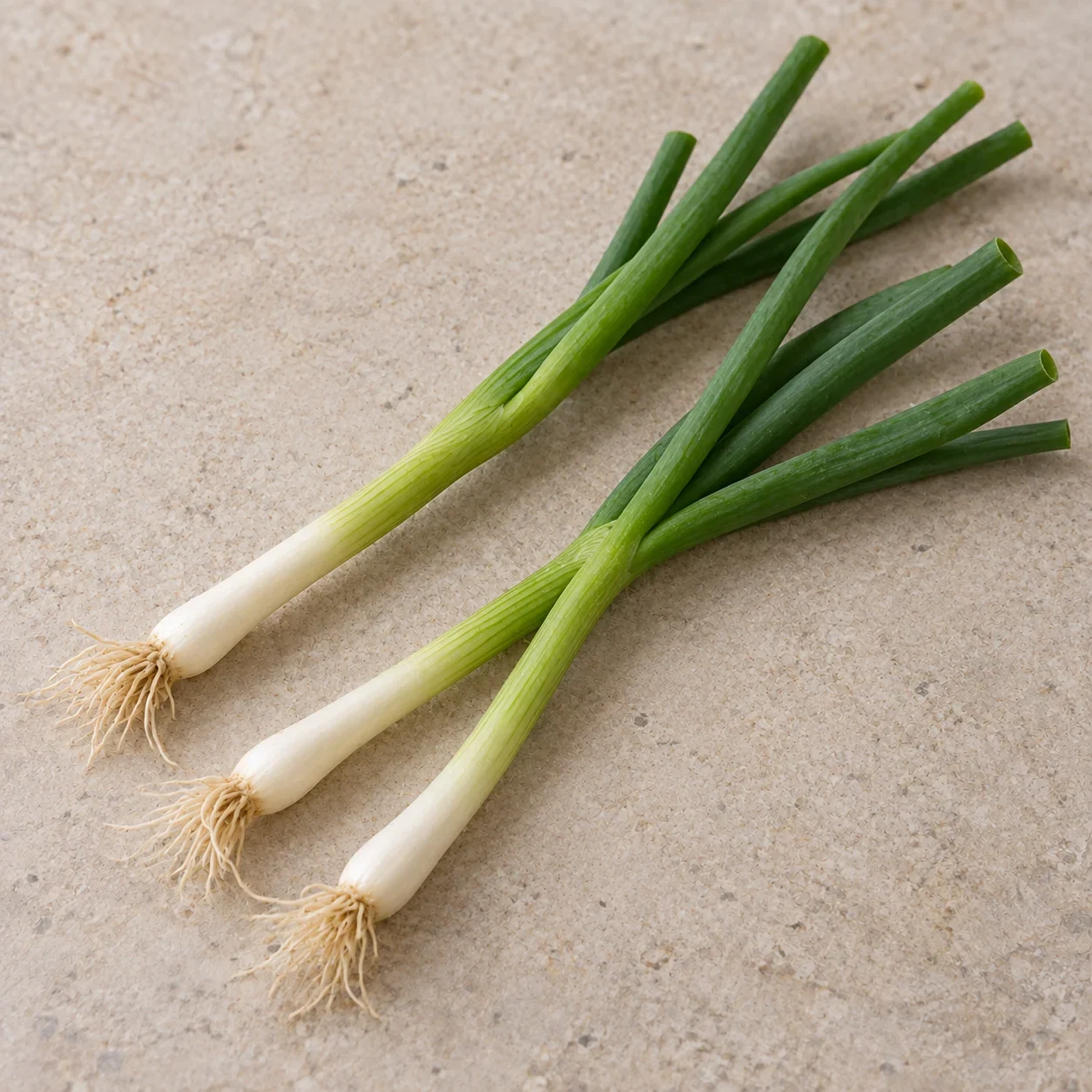
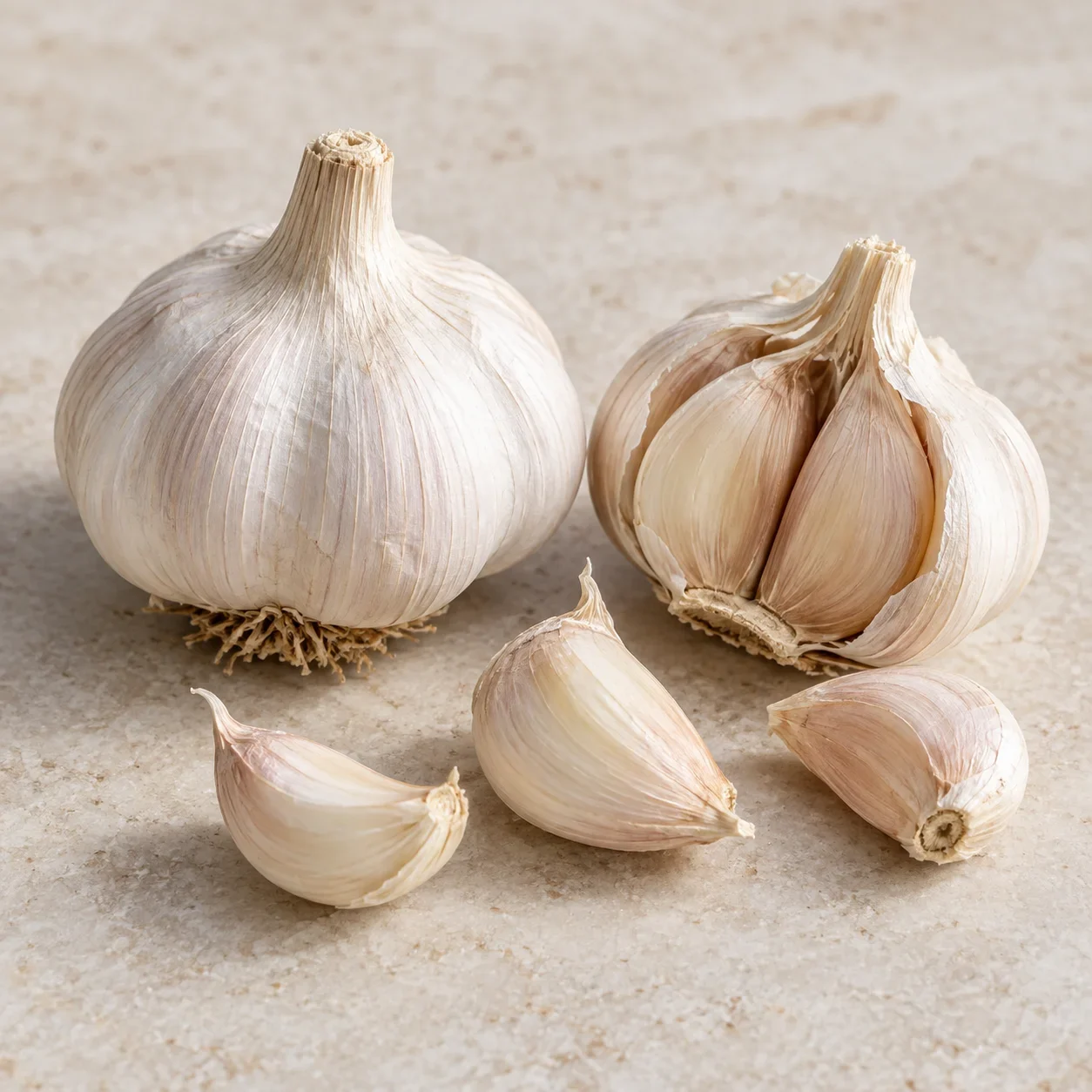
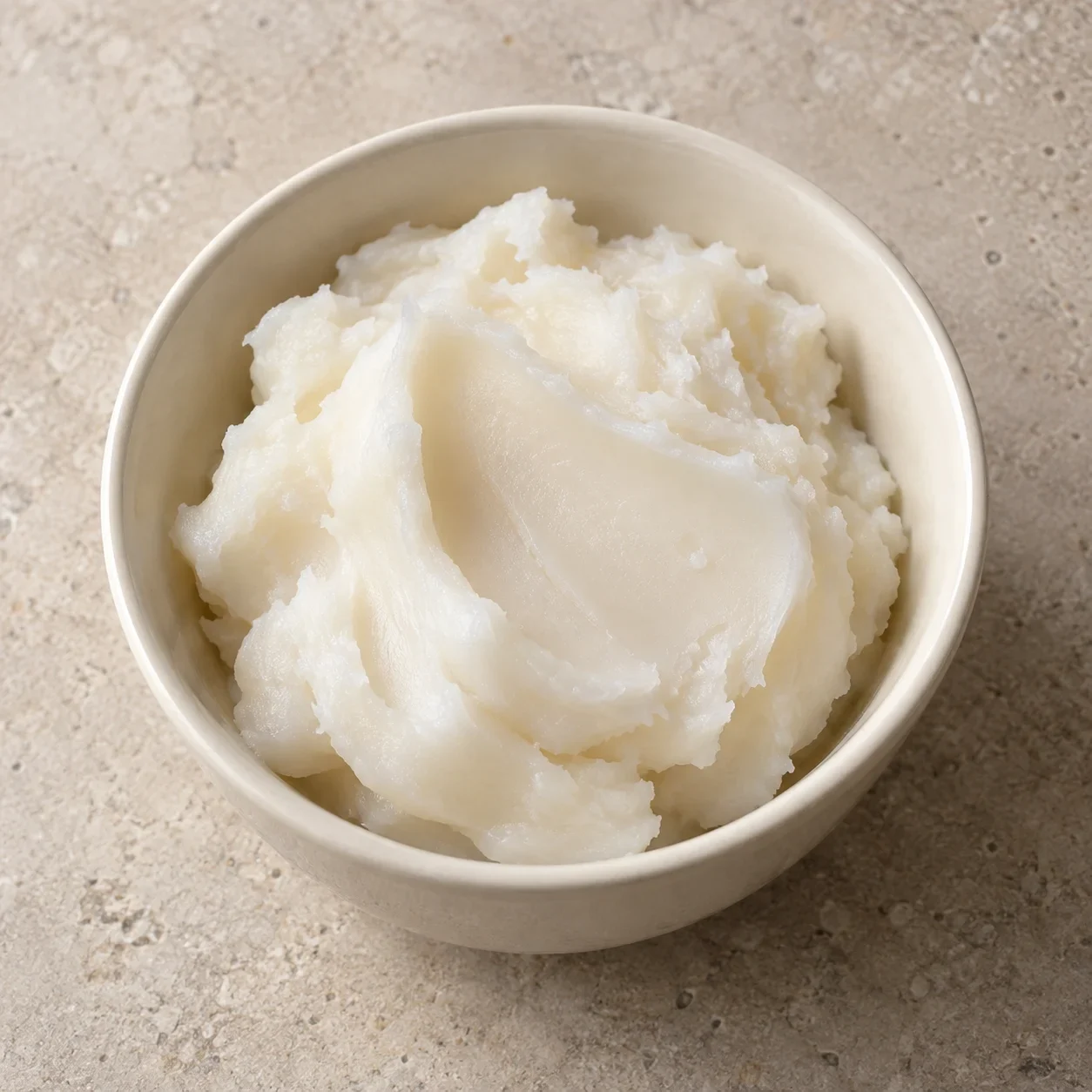
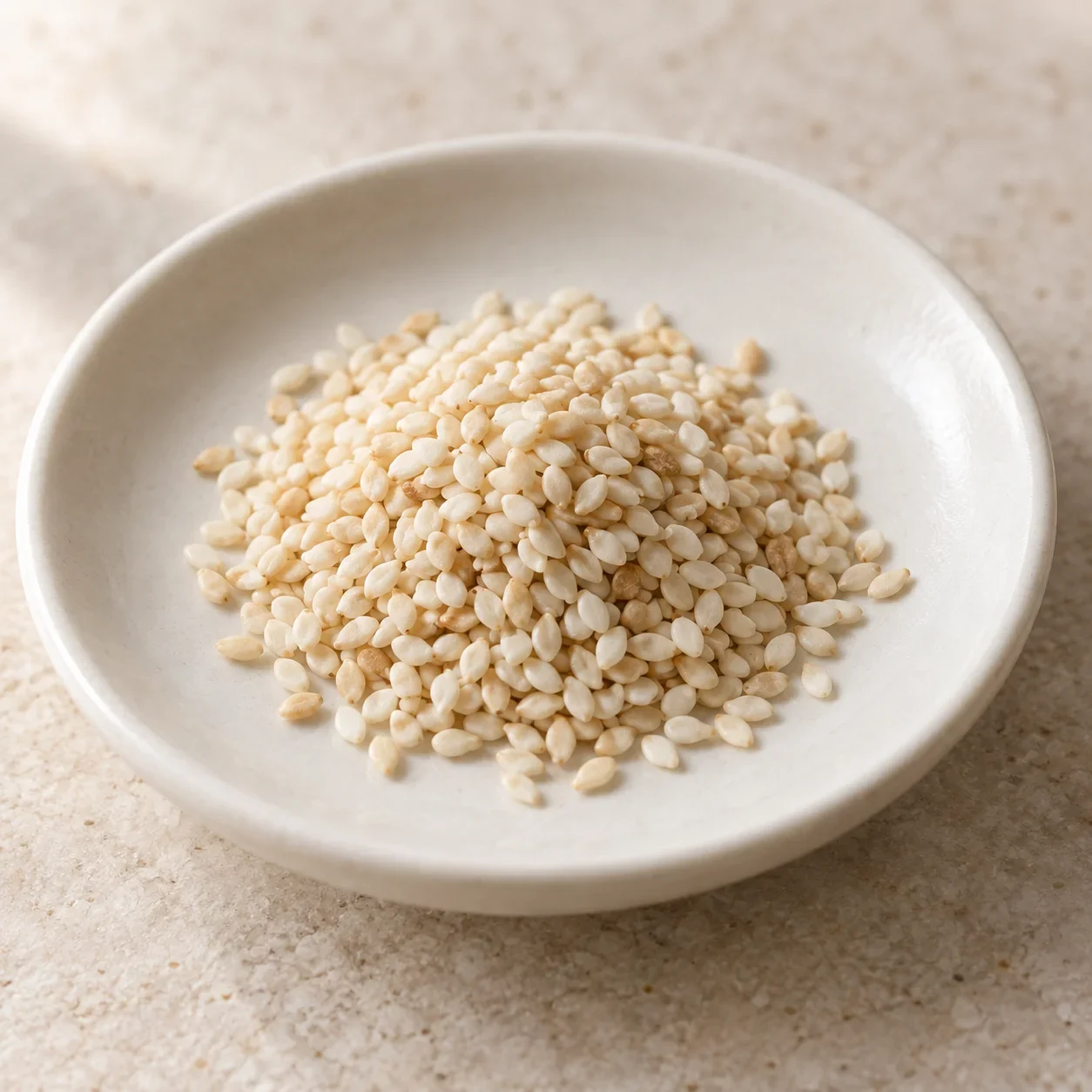
Recipes vary by restaurant.
How does it taste?
Mild rice flavor with leaf fragrance; fillings provide sweetness or savory saltiness.
- Chili heat
- Texture
- Soft, resilient wrapper around a moist filling.
- How it’s made
- Enclose filling in rice dough, wrap or support it with leaves, and steam.
Leaf type, rice proportions and fillings vary. Huaiyuan versions may add peas to the ground rice mixture; added seasonings can change the heat.
A CONNECTION TO PLACE
Origin & regional roots
Associated with Sichuan.
About this regional connection
Sichuan: A Sichuan preparation.
Ask if they have it first
请问你们有叶儿粑吗?
Do you have this item?
A LITTLE SOMETHING TO READ
Story & history
The leaf around a Sichuan rice cake
Ye’er ba is named for the leaves used to steam the filled rice cakes. The leaves bring a light fragrance and give the soft cakes a base to sit on. Across Sichuan, rice dough can surround very different fillings, from pork with preserved ya cai to sweet bean paste or floral sugar.