
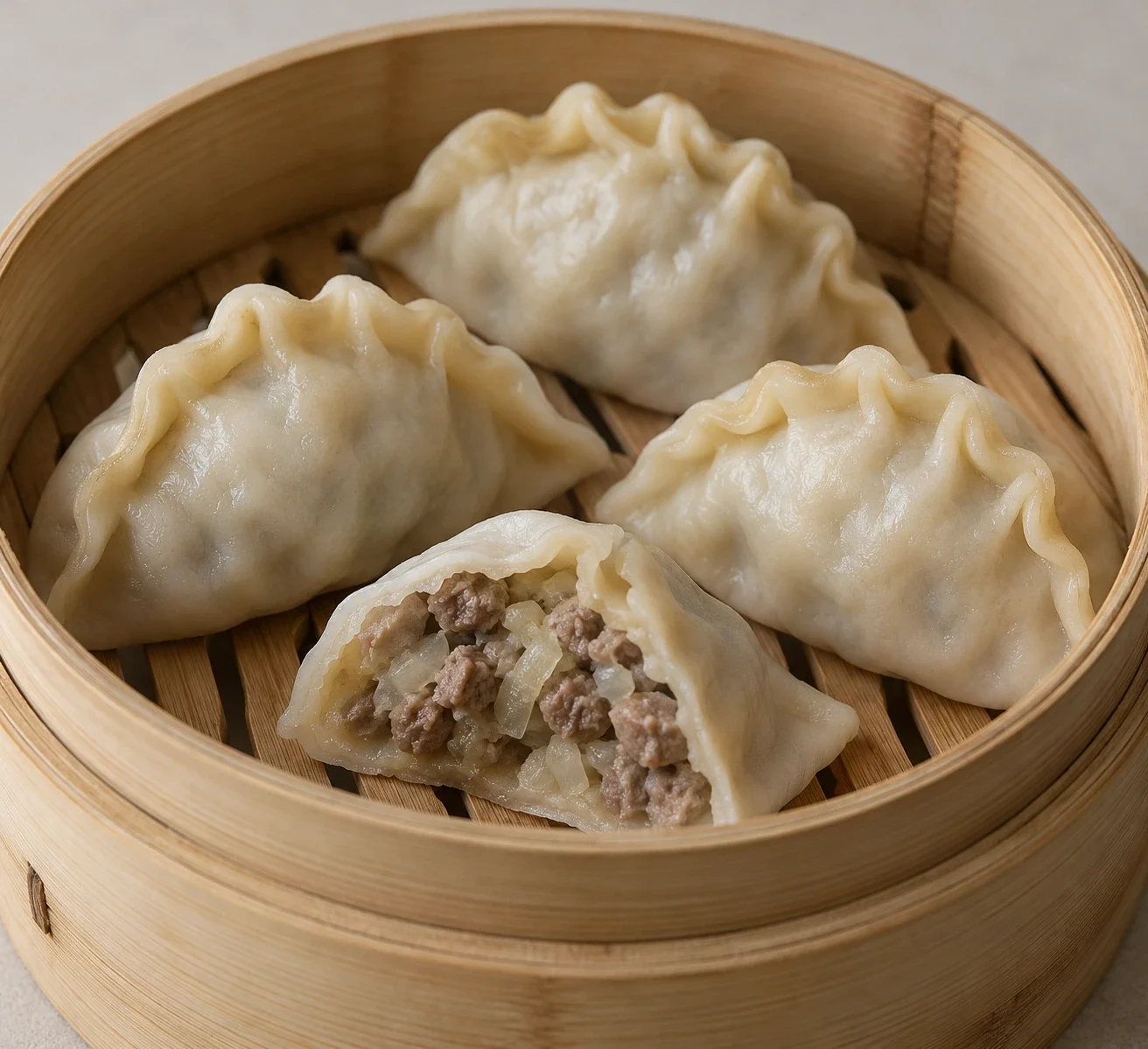
At the table
Support the thin wrapper with a spoon while lifting with chopsticks. Open a small edge and let the hot juices cool before taking a bite. Ask whether nang or pilaf is ordered separately.
Contains wheat and sheep meat. The filling and juices may be very hot; do not bite into a whole bun at once. Ask about extra seasoning if needed.
Some fillings add sheep tail fat and cumin. Pepper may be sprinkled on top. Fillings and seasoning vary; chili condiments are separate.
GET TO KNOW THE DISH
What goes into it?
Explore some key ingredients below. Preparations may use additional seasonings and ingredients.
Some fillings add sheep tail fat and cumin. Pepper may be sprinkled on top. Fillings and seasoning vary; chili condiments are separate.
Typical ingredients
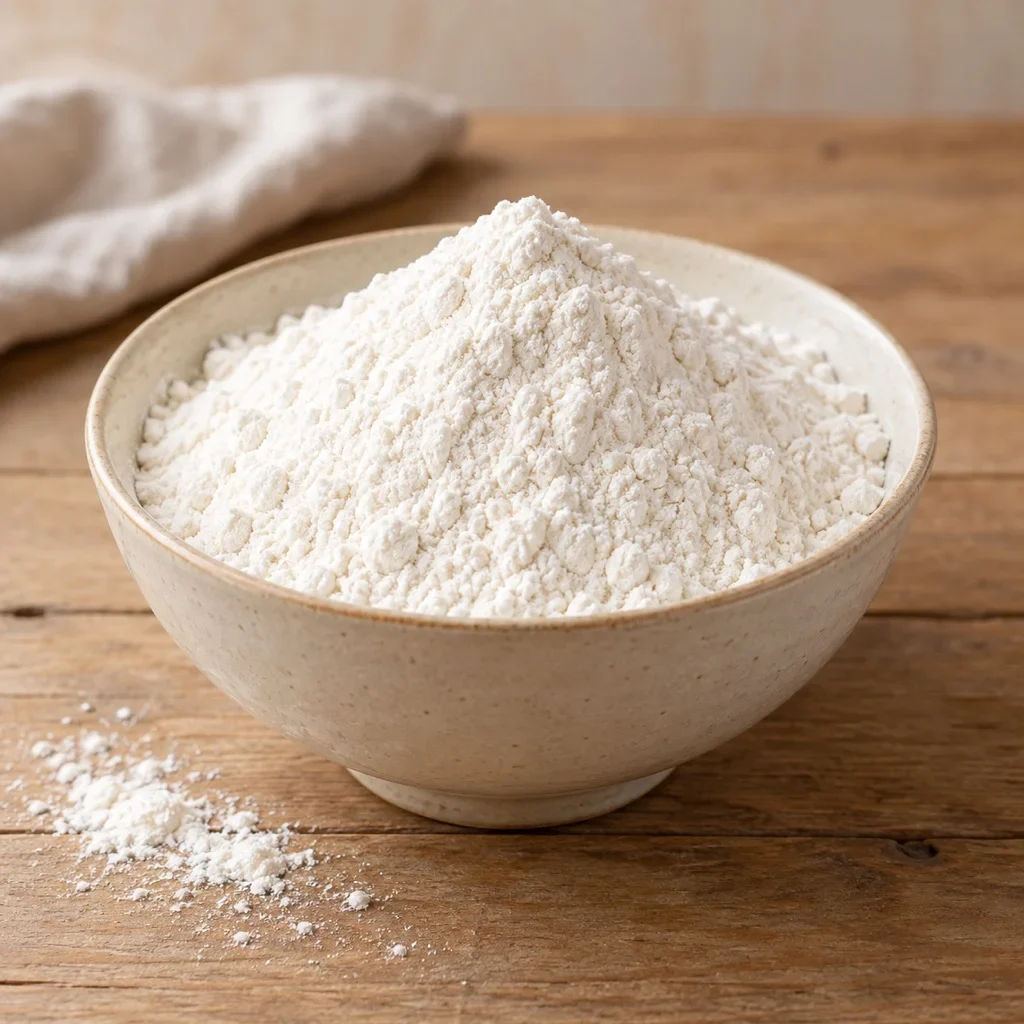
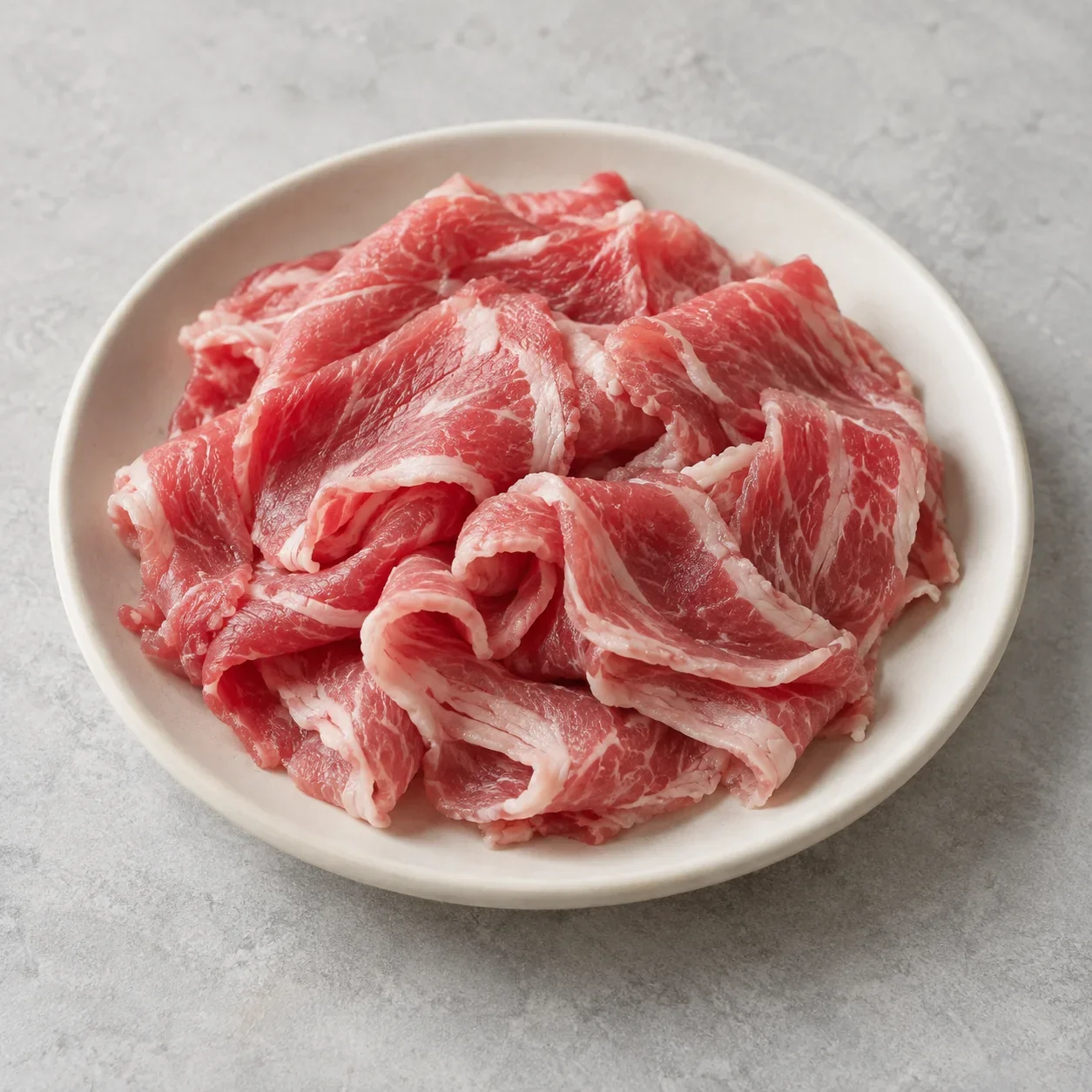
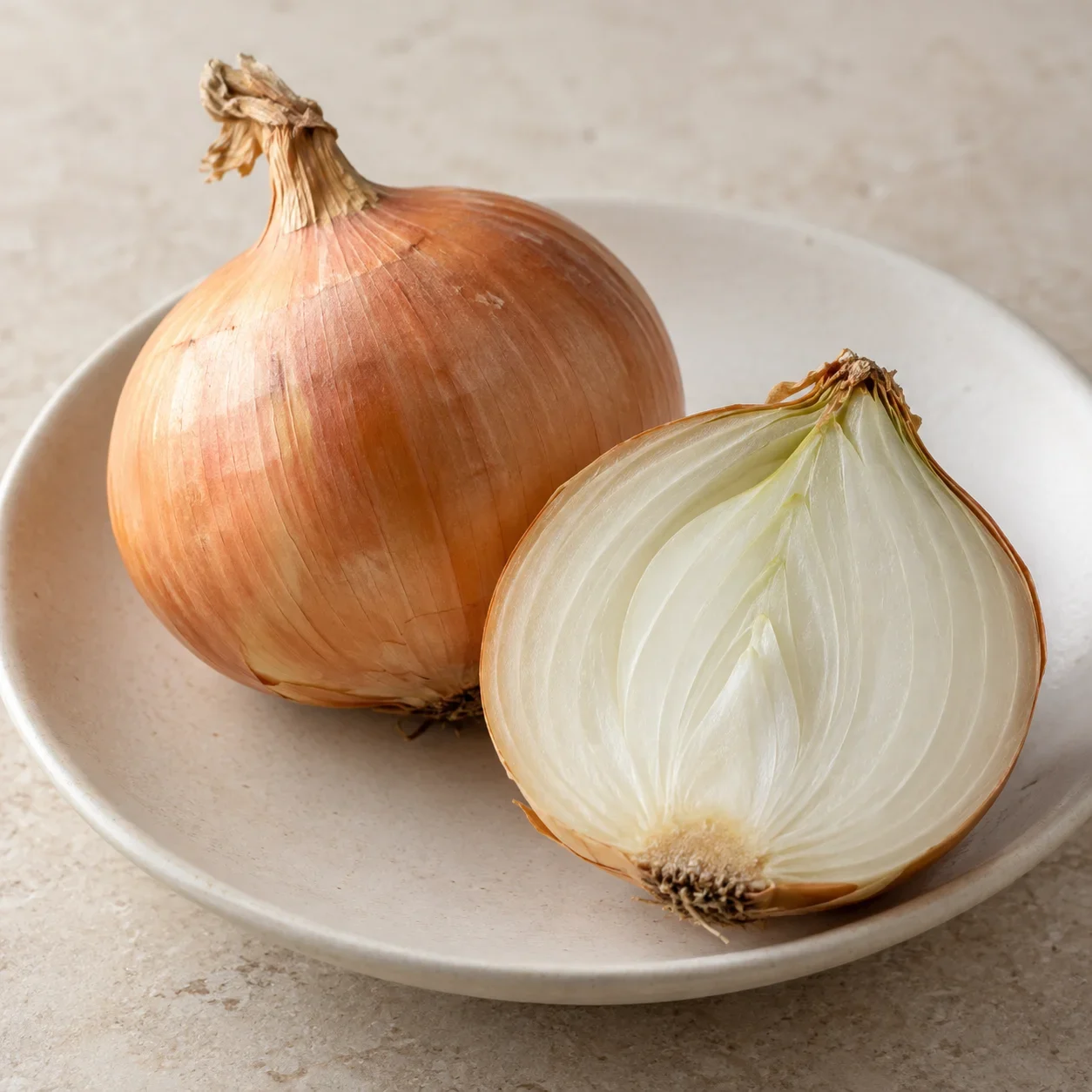
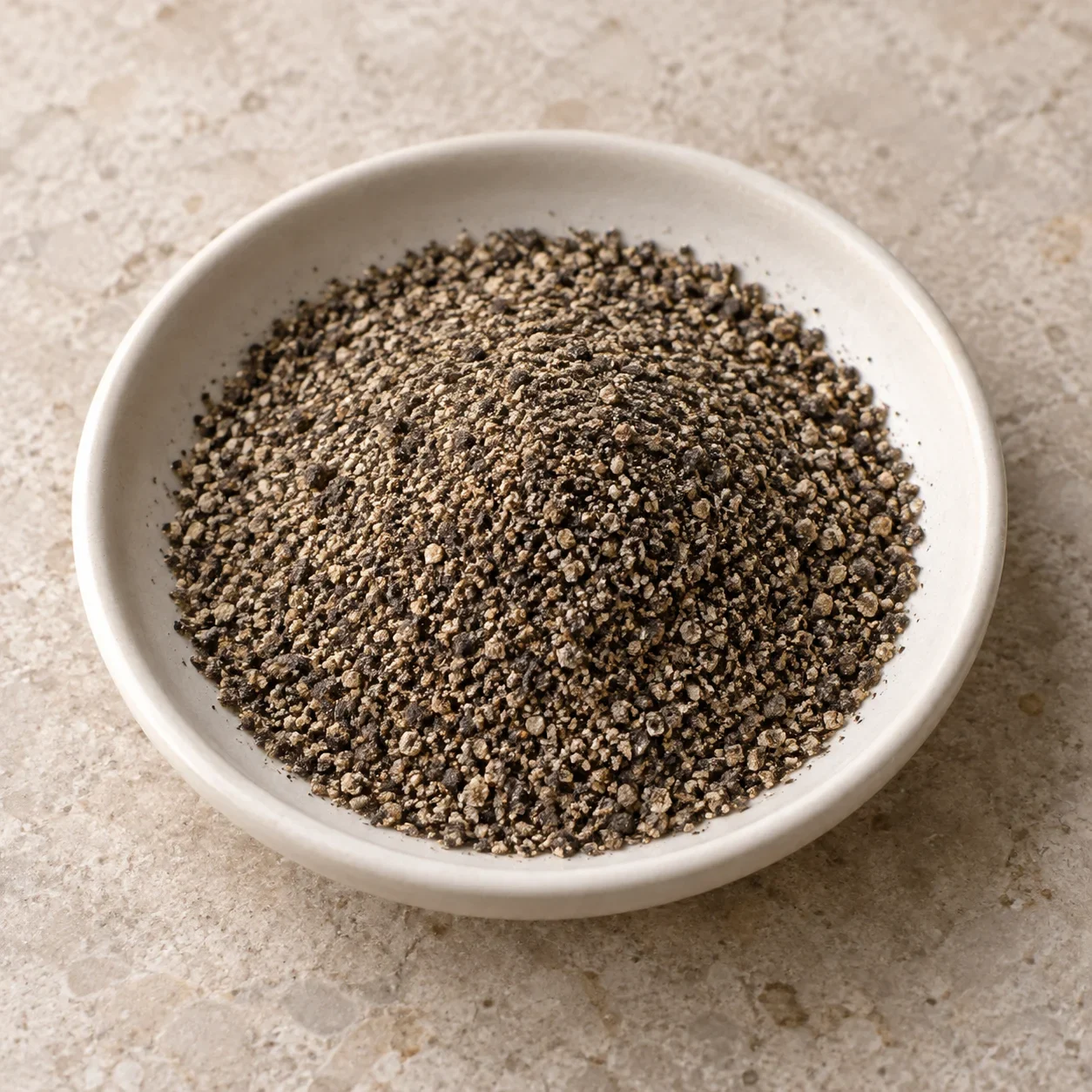

In some versions
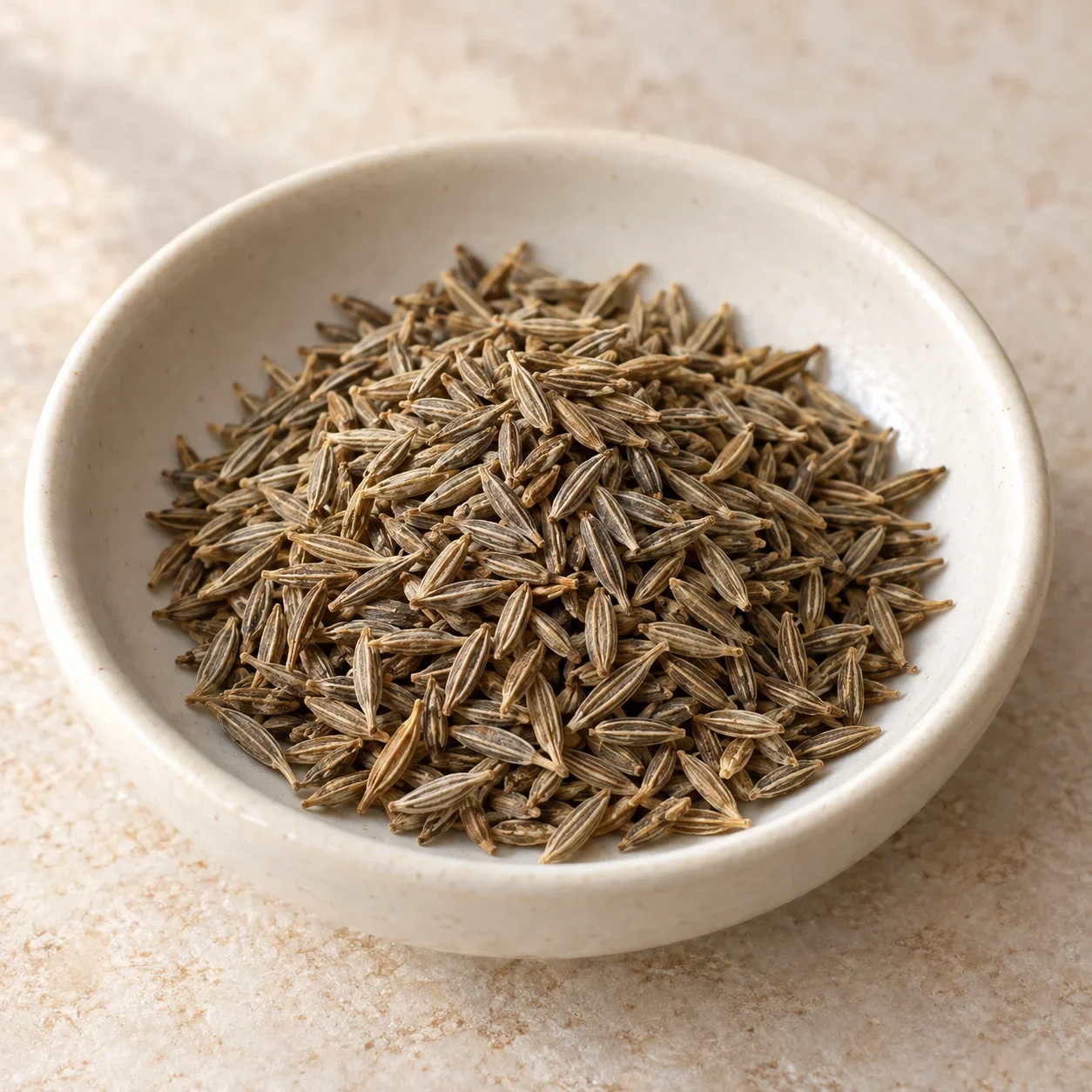
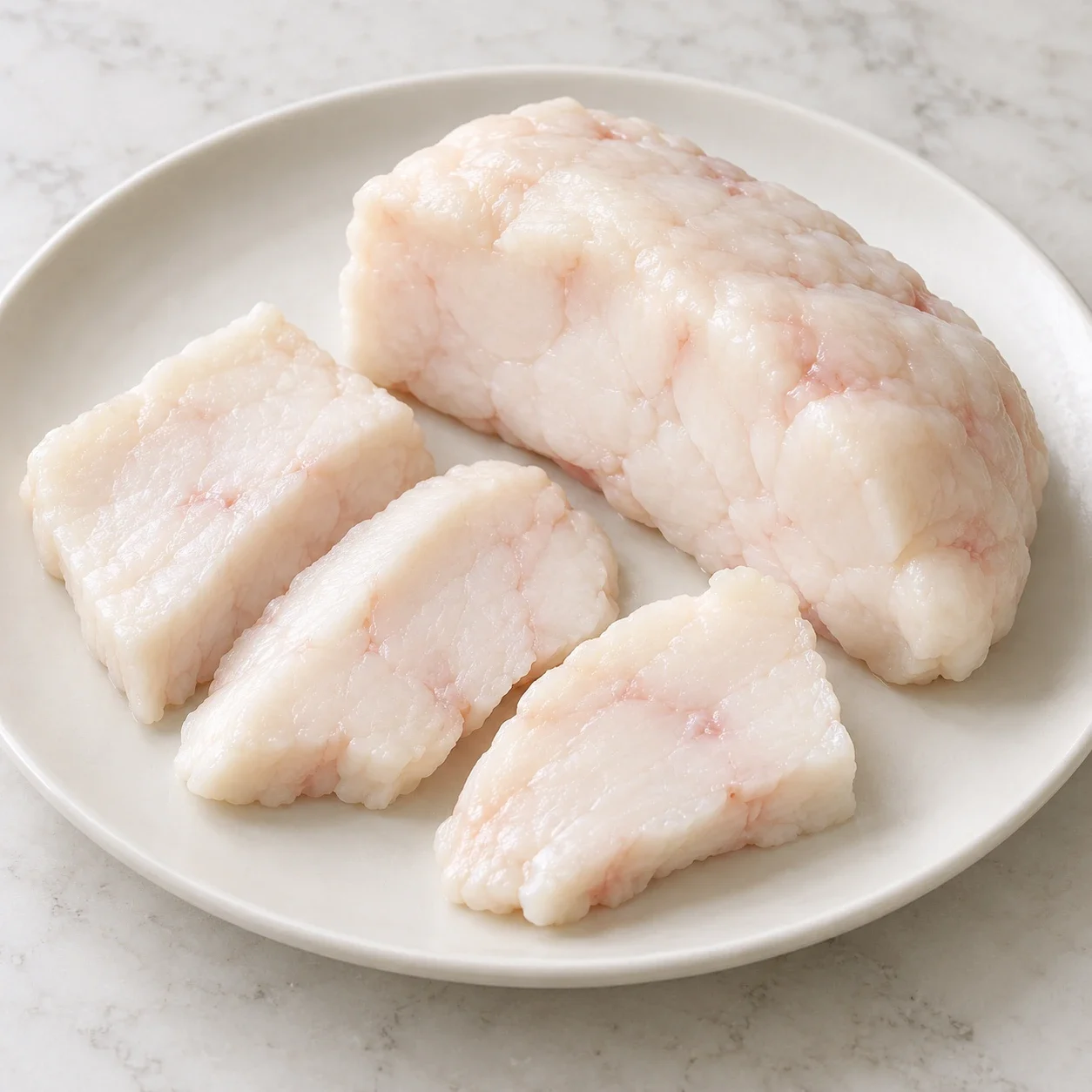
Recipes vary by restaurant.
How does it taste?
Savory sheep meat, sweet onion and pepper; the representative filling has no chili.
- Chili heat
- Texture
- A delicate, slightly translucent wrapper around juicy diced meat.
- How it’s made
- Thin wheat dough encloses diced sheep meat, chopped onion, pepper and salt, then is steamed.
Some fillings add sheep tail fat and cumin. Pepper may be sprinkled on top. Fillings and seasoning vary; chili condiments are separate.
A CONNECTION TO PLACE
Origin & regional roots
Associated with Xinjiang.
About this regional connection
Xinjiang: YiningUyghursteamedversion,notbakedbun.
Ask if they have it first
请问你们有薄皮包子吗?
Do you have this item?
A LITTLE SOMETHING TO READ
Story & history
Steamed buns beside nang and pilaf
This account describes a tradition or story, rather than an established historical fact.
Known locally as pitir manta, these buns highlight thin dough and juicy meat. They can be eaten on their own, placed on nang bread or served with rice pilaf; these are serving choices, not ingredients required inside every bun.