
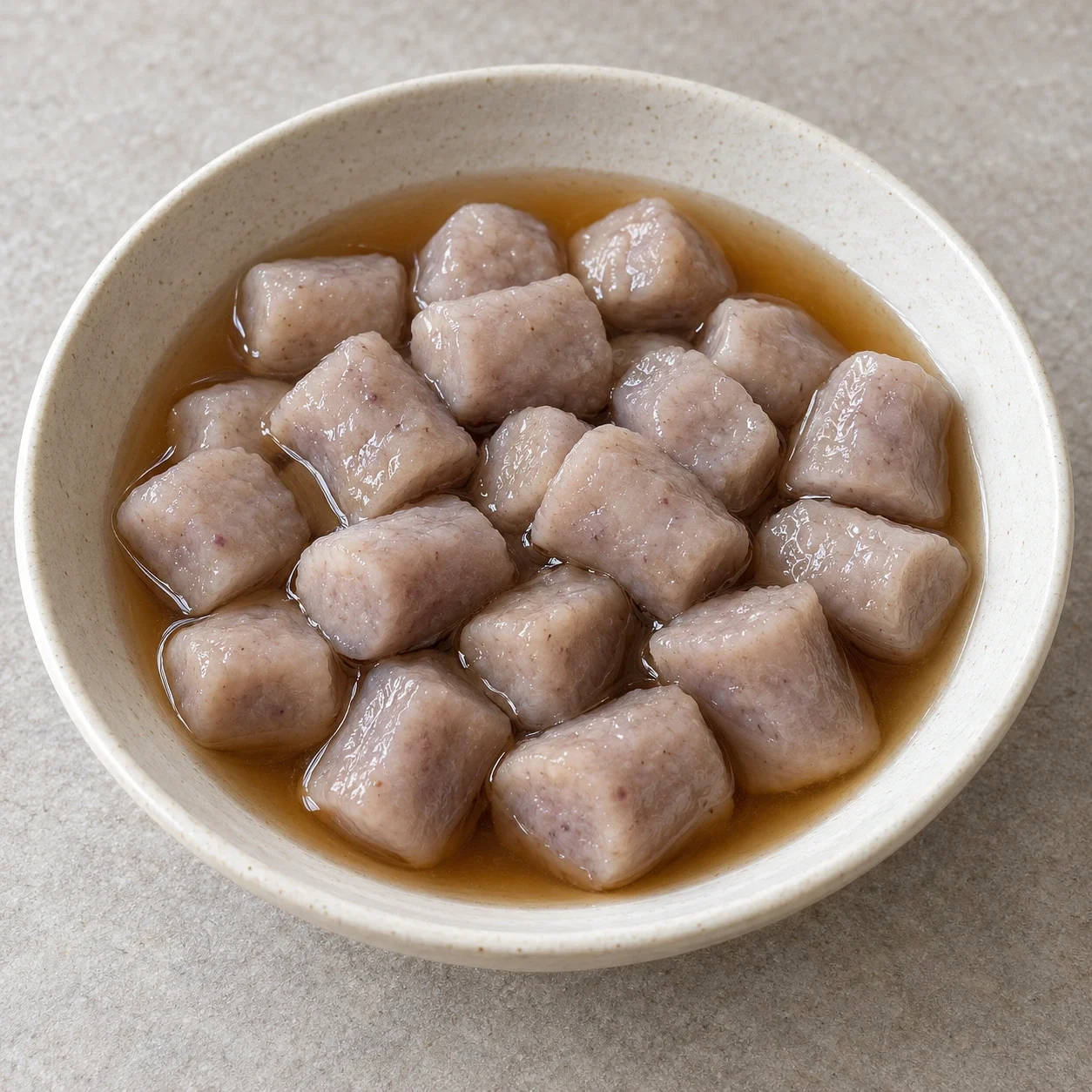
At the table
Scoop with a spoon and chew small bites rather than swallowing whole pieces. If served hot, let a spoonful cool first.
The pieces are chewy and slippery. Confirm the whole bowl’s additions if avoiding particular ingredients.
The taro, tapioca starch, sugar and water version is vegan and vegetarian. This does not cover every mixed dessert or its toppings.
GET TO KNOW THE DISH
What goes into it?
Explore some key ingredients below. Preparations may use additional seasonings and ingredients.
Shapes and starch blends vary. Yellow sweet-potato balls are a separate companion, not a different color of the same taro dough.
Typical ingredients
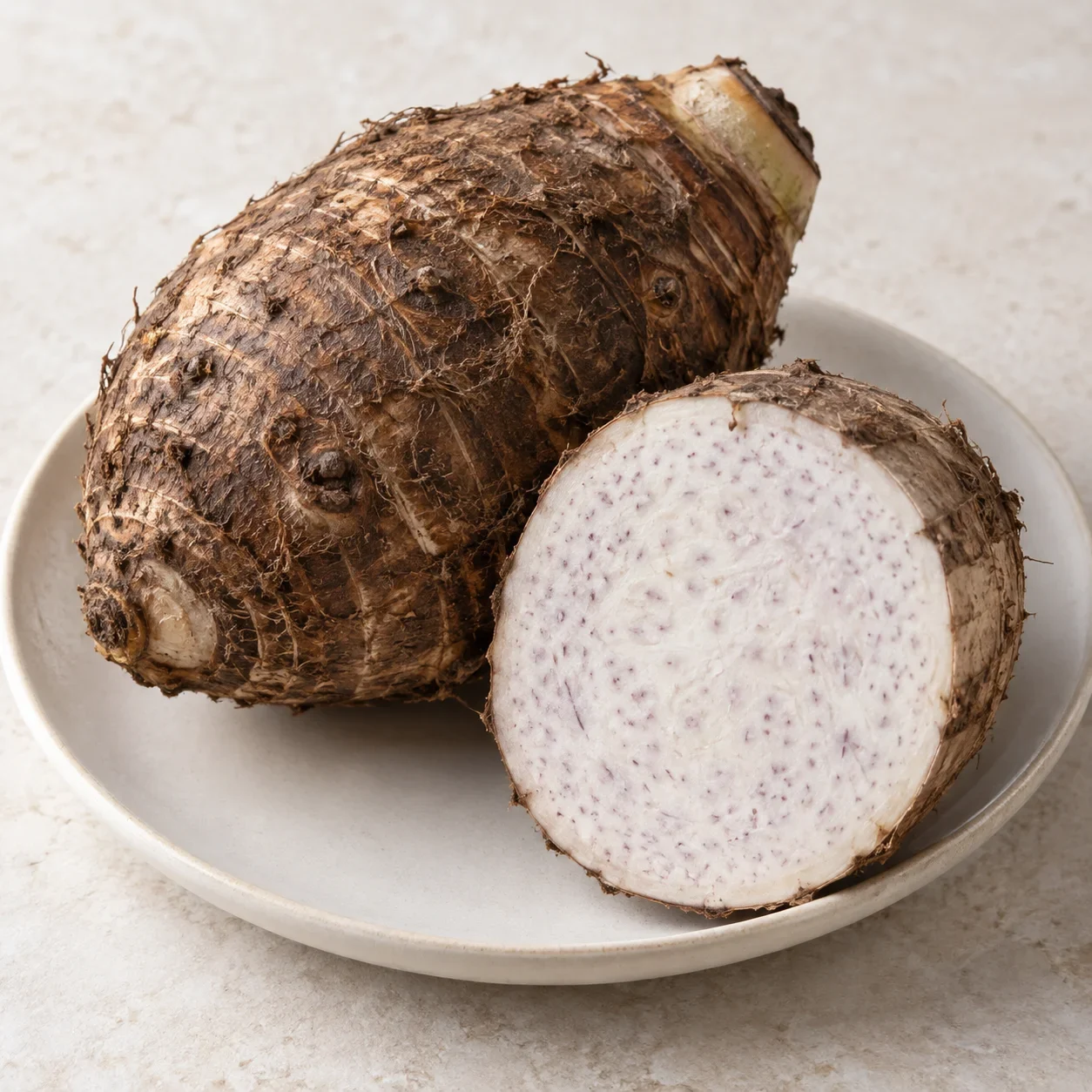
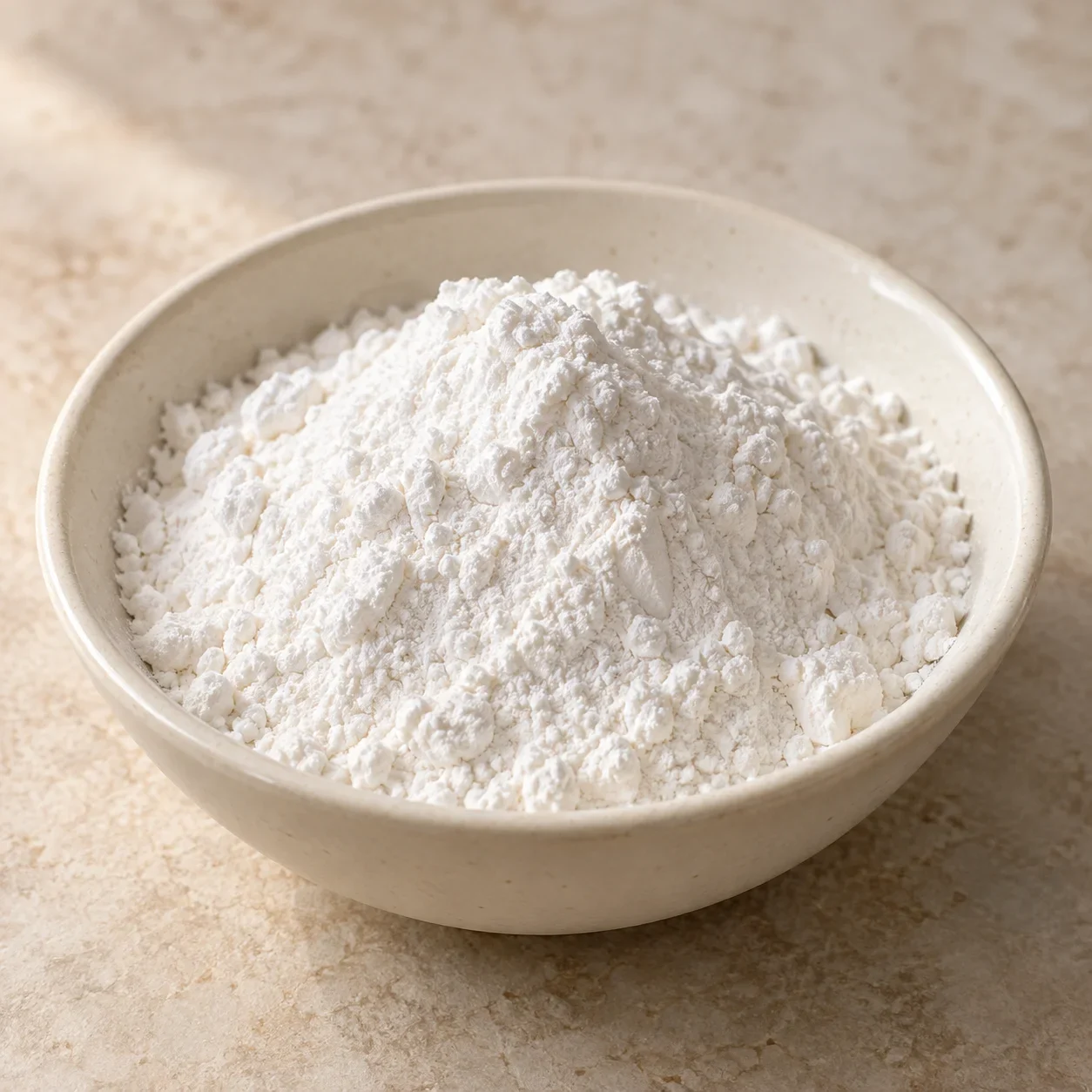
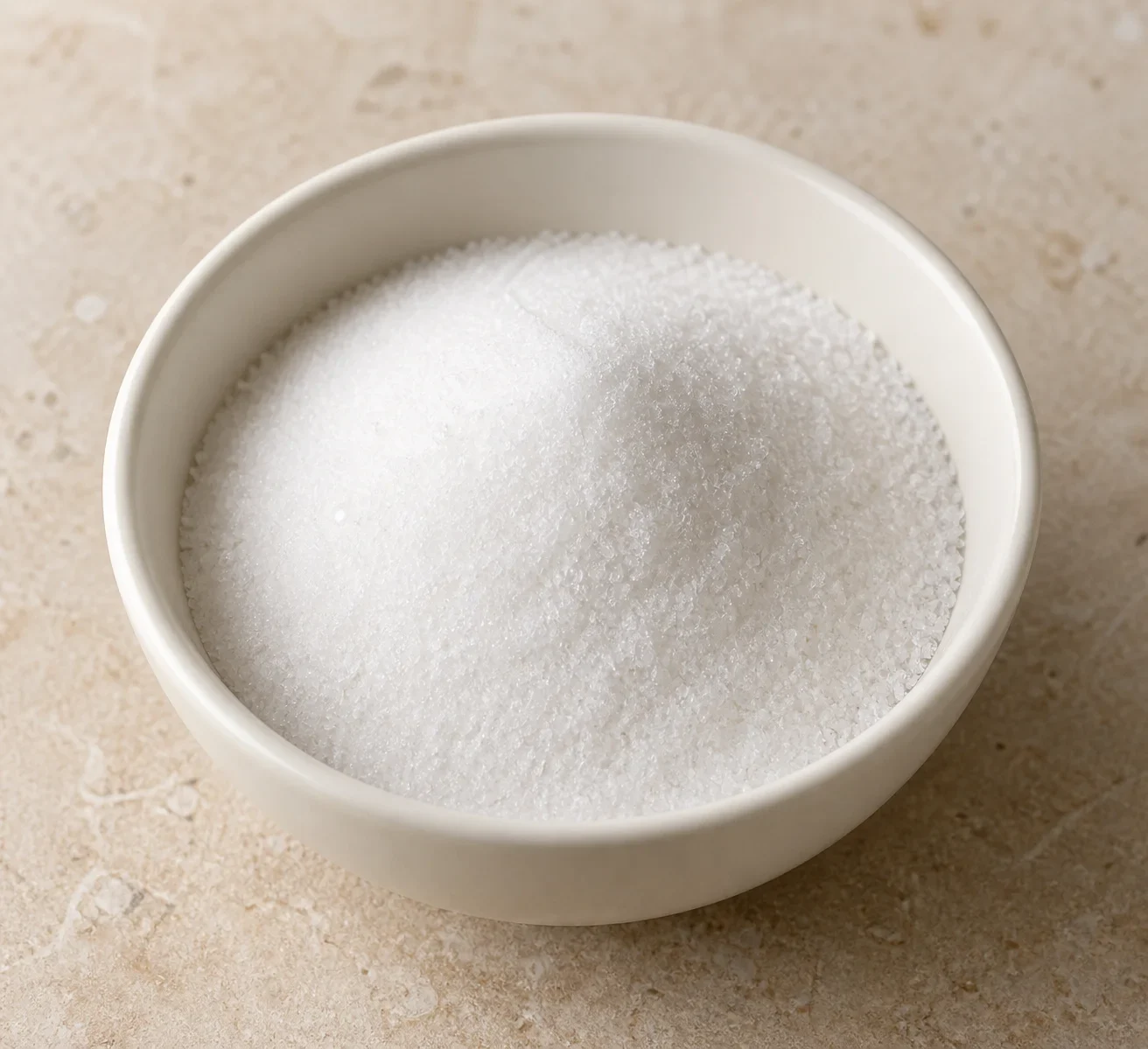
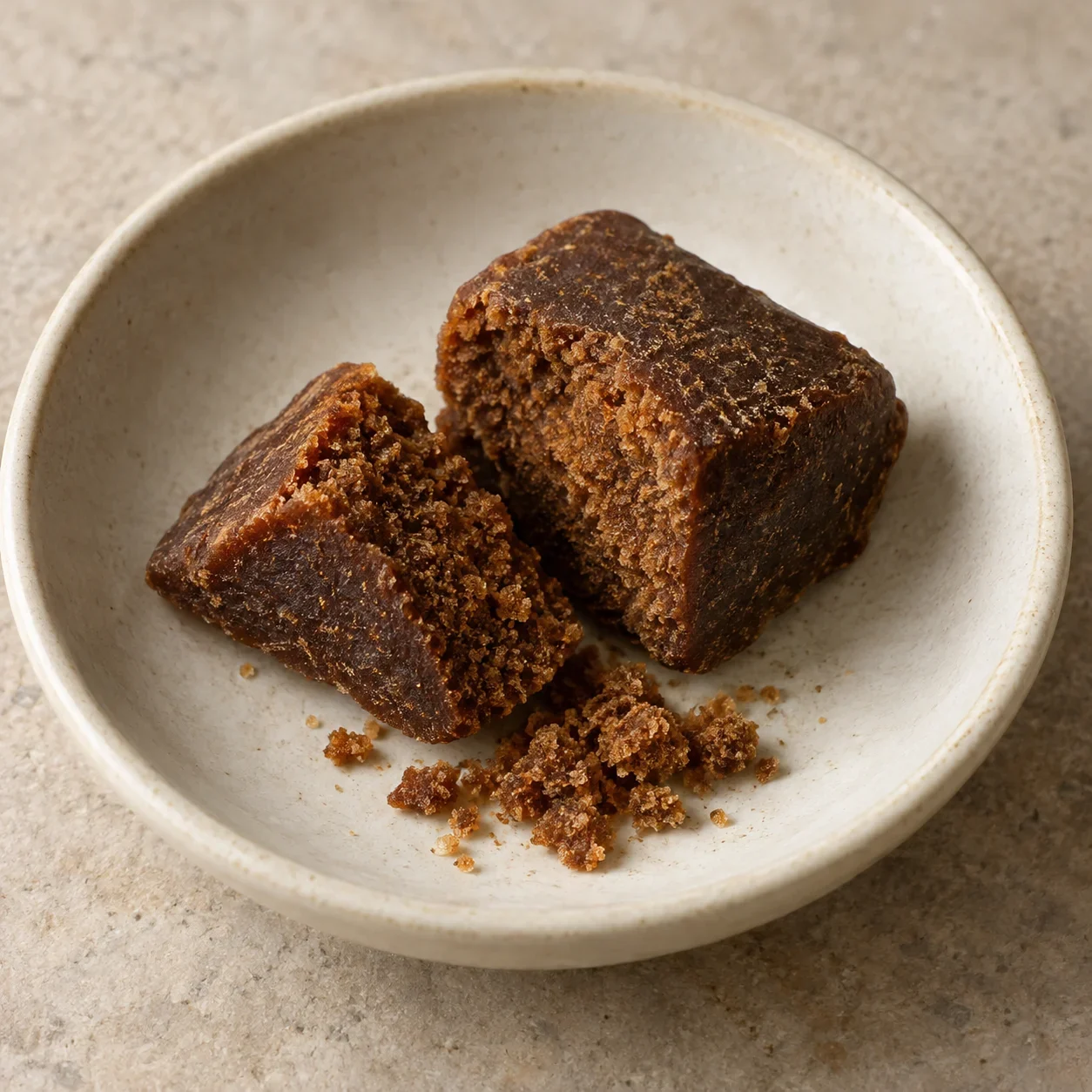
Recipes vary by restaurant.
How does it taste?
Mild taro flavor with caramel-like dark sugar sweetness.
- Chili heat
- Texture
- Soft yet springy, with a cohesive, chewy bite.
- How it’s made
- Steamed taro is mashed with sugar and tapioca starch, shaped into short pieces, boiled and mixed with sweet syrup.
Shapes and starch blends vary. Yellow sweet-potato balls are a separate companion, not a different color of the same taro dough.
A CONNECTION TO PLACE
Origin & regional roots
Associated with Taiwan.
Ask if they have it first
请问你们有芋圓吗?
Do you have this item?
A LITTLE SOMETHING TO READ
Story & history
A sweet associated with Jiufen
This account describes a tradition or story, rather than an established historical fact.
Taro balls are a familiar Taiwanese sweet strongly associated with Jiufen and Ruifang. Their appeal is the contrast between springy taro dough and sweet liquid; mixed dessert bowls may add other ingredients.