
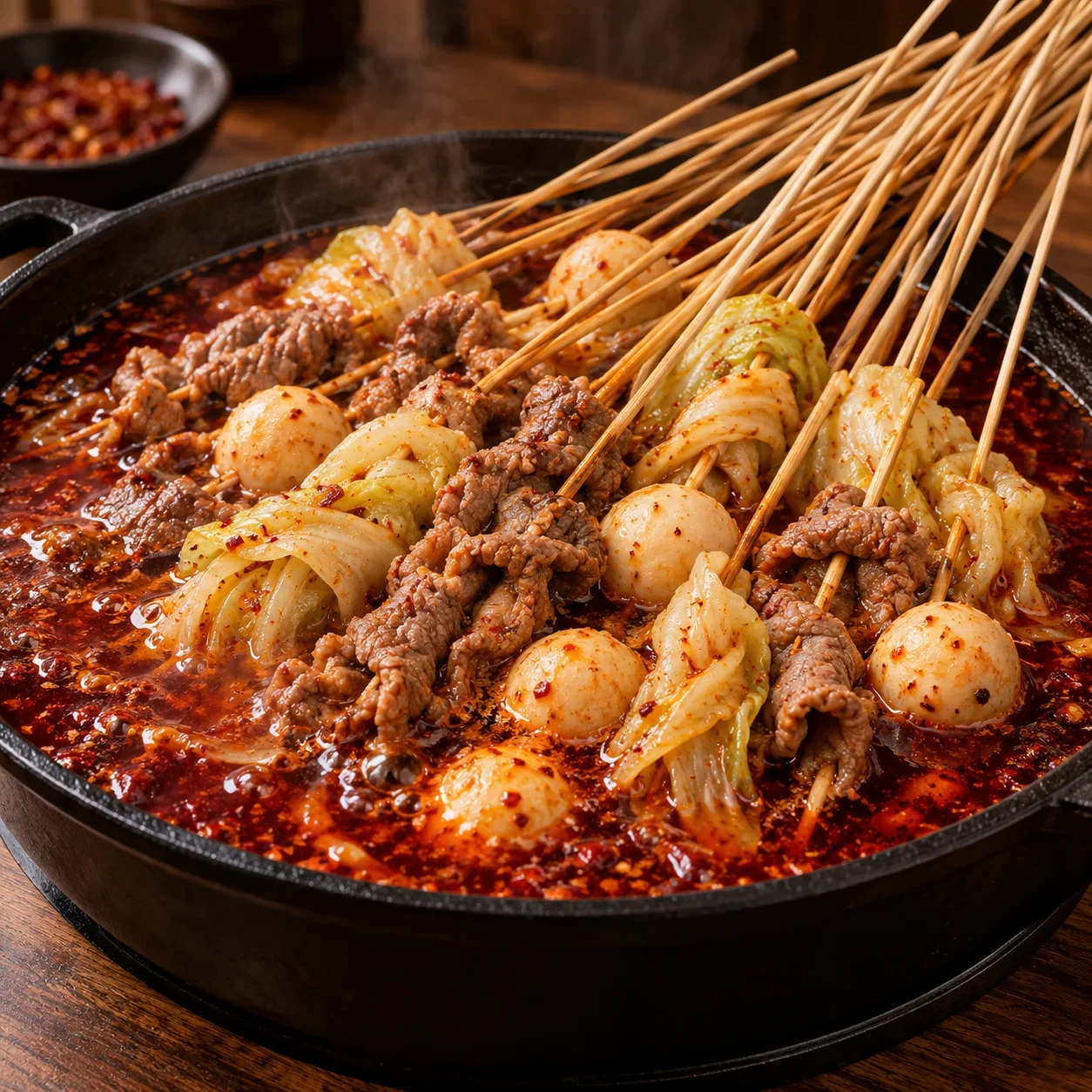
At the table
1. Choose the broth, heat and skewers; ask how they are charged. 2. Confirm who cooks them. If cooking at the table, ask staff how to cook each ingredient fully; do not eat raw meat. 3. Slide cooked food off the sticks with chopsticks, cool it and dip as desired.
Watch for sharp skewers, hot broth and chili. This selection contains beef and fish; sauces and fish-ball recipes may add other allergens.
Vegetable skewers in this beef-fat broth are not vegetarian. Confirm the broth, marinades and dips, not just the visible skewers.
GET TO KNOW THE DISH
What goes into it?
Explore some key ingredients below. Preparations may use additional seasonings and ingredients.
Skewers, broth and dips vary. Some places offer table-side cooking; others cook the chosen skewers before serving.
Typical ingredients
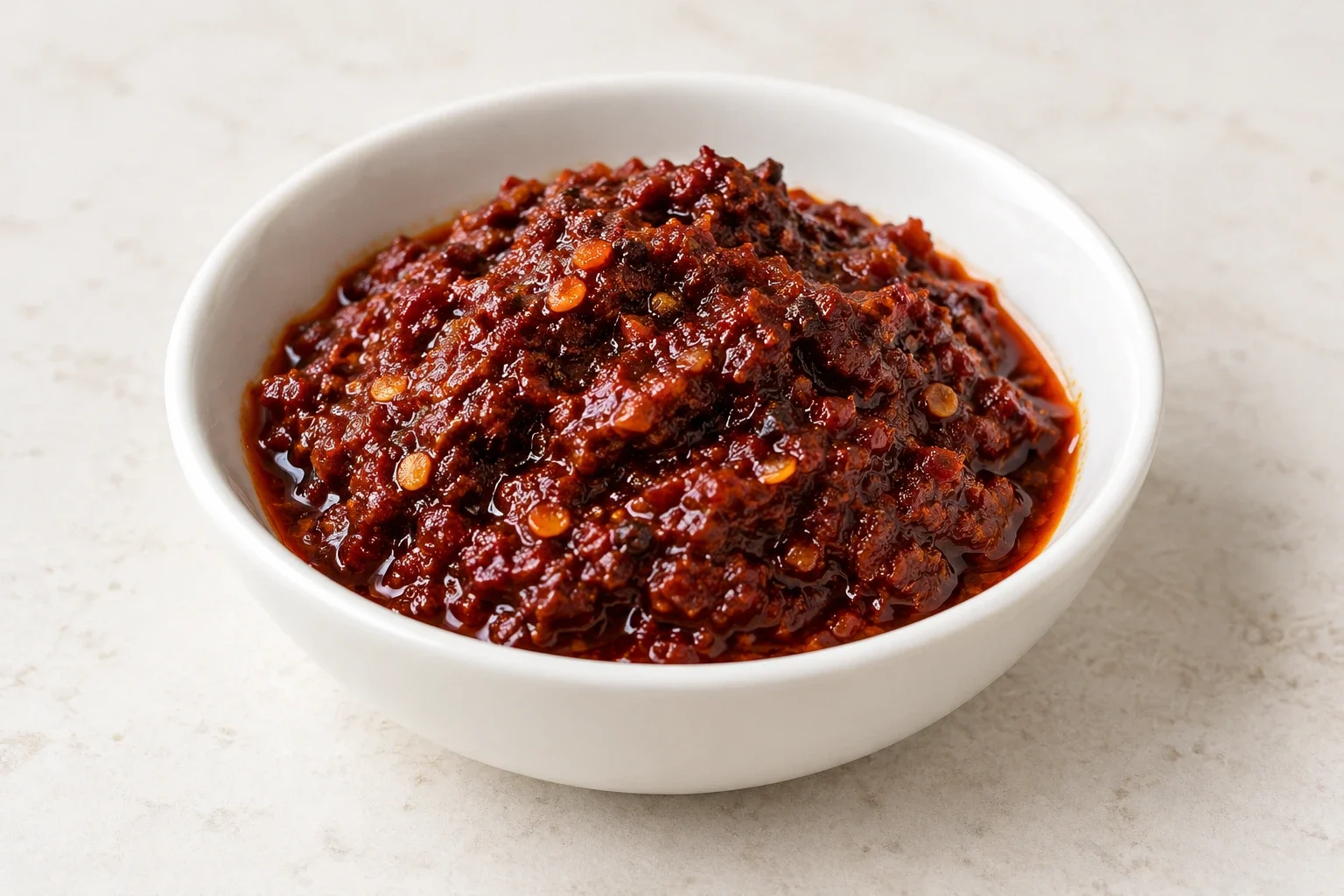
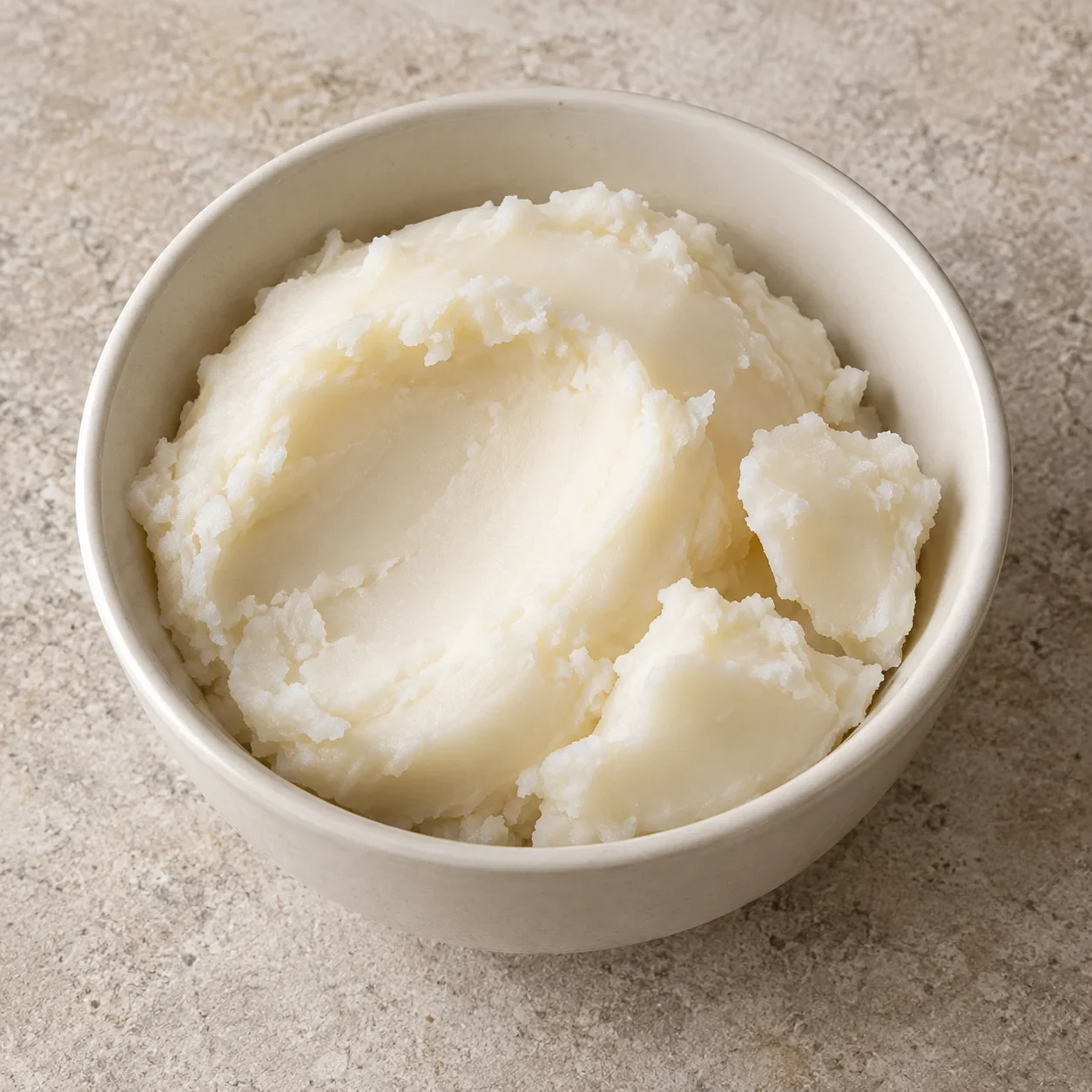
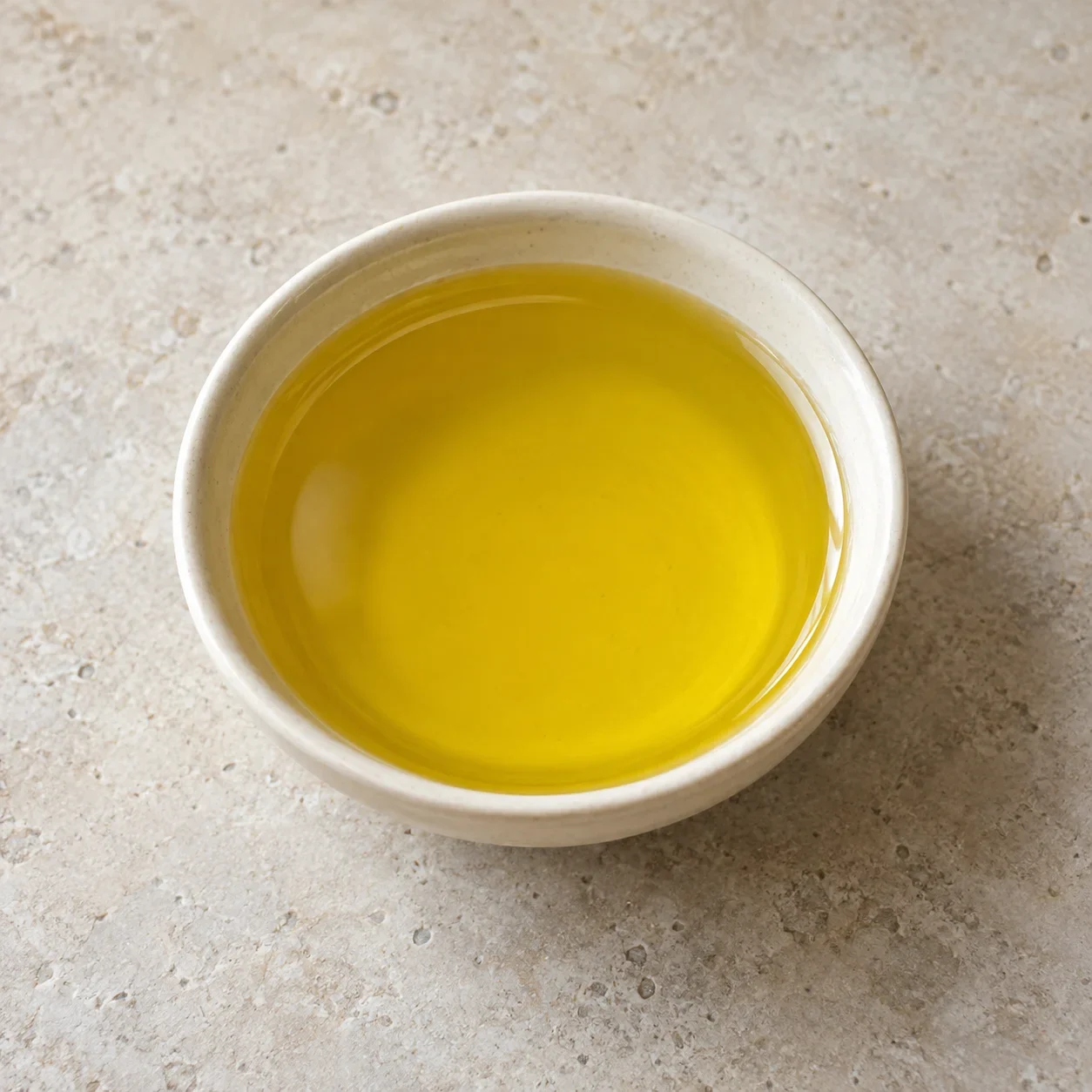
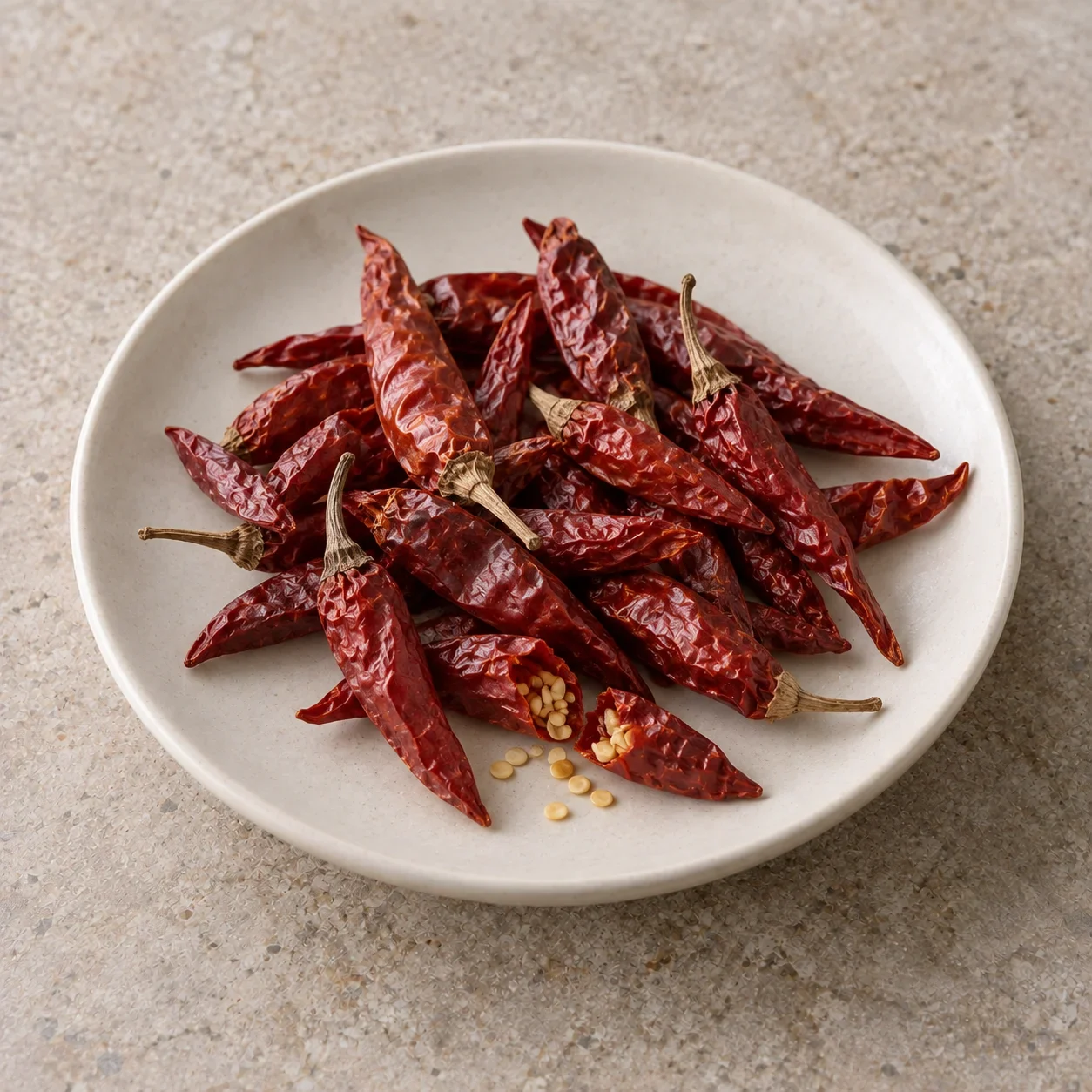
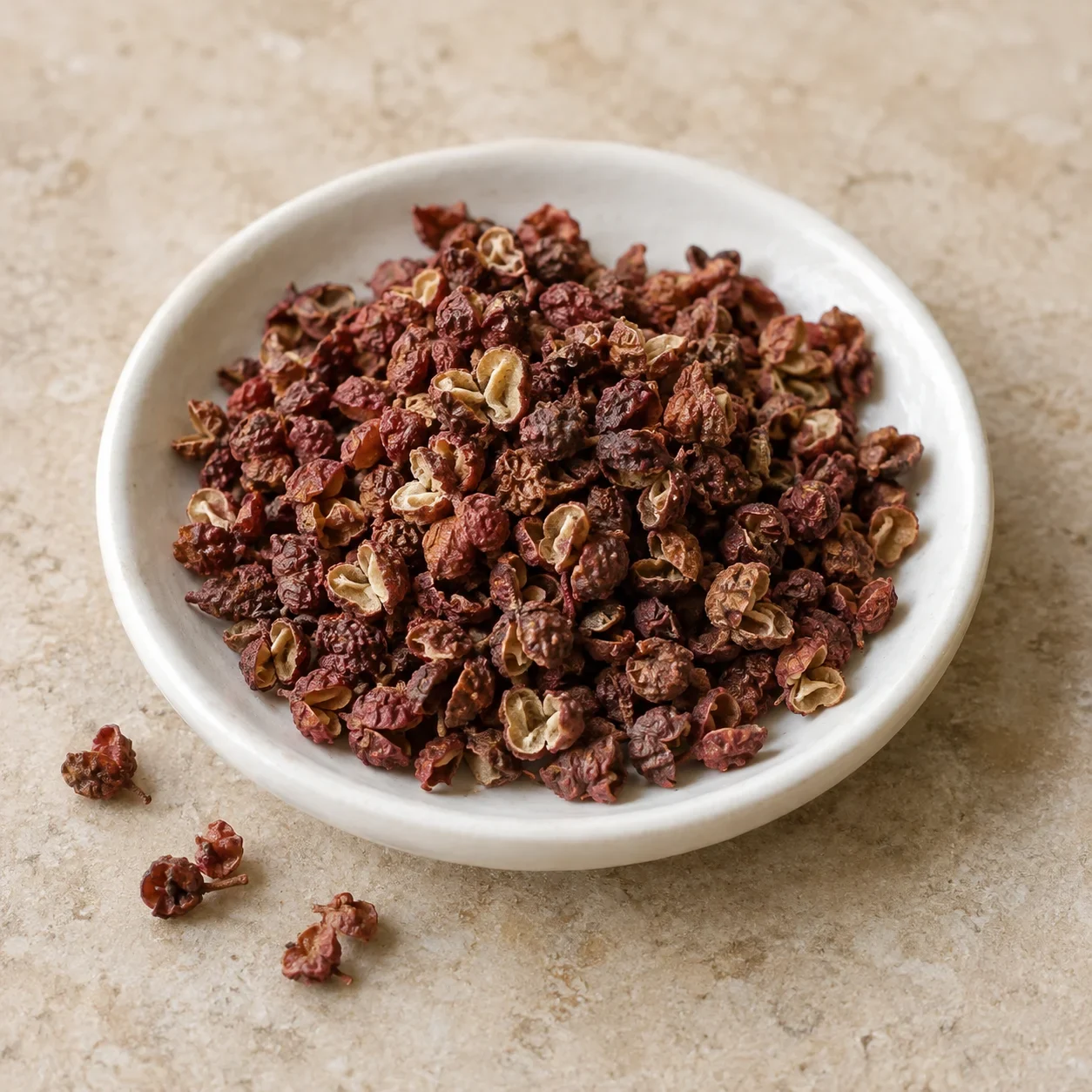
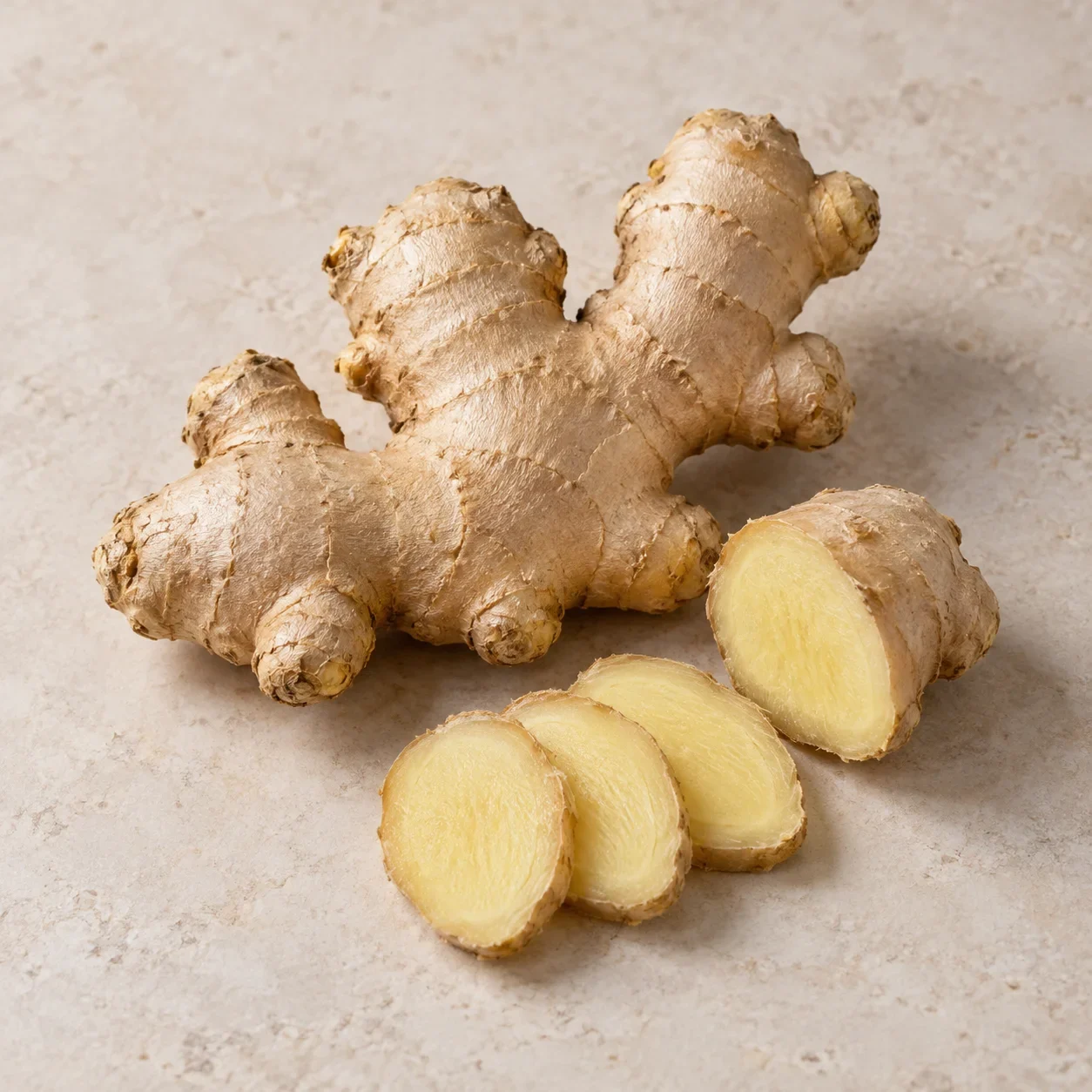
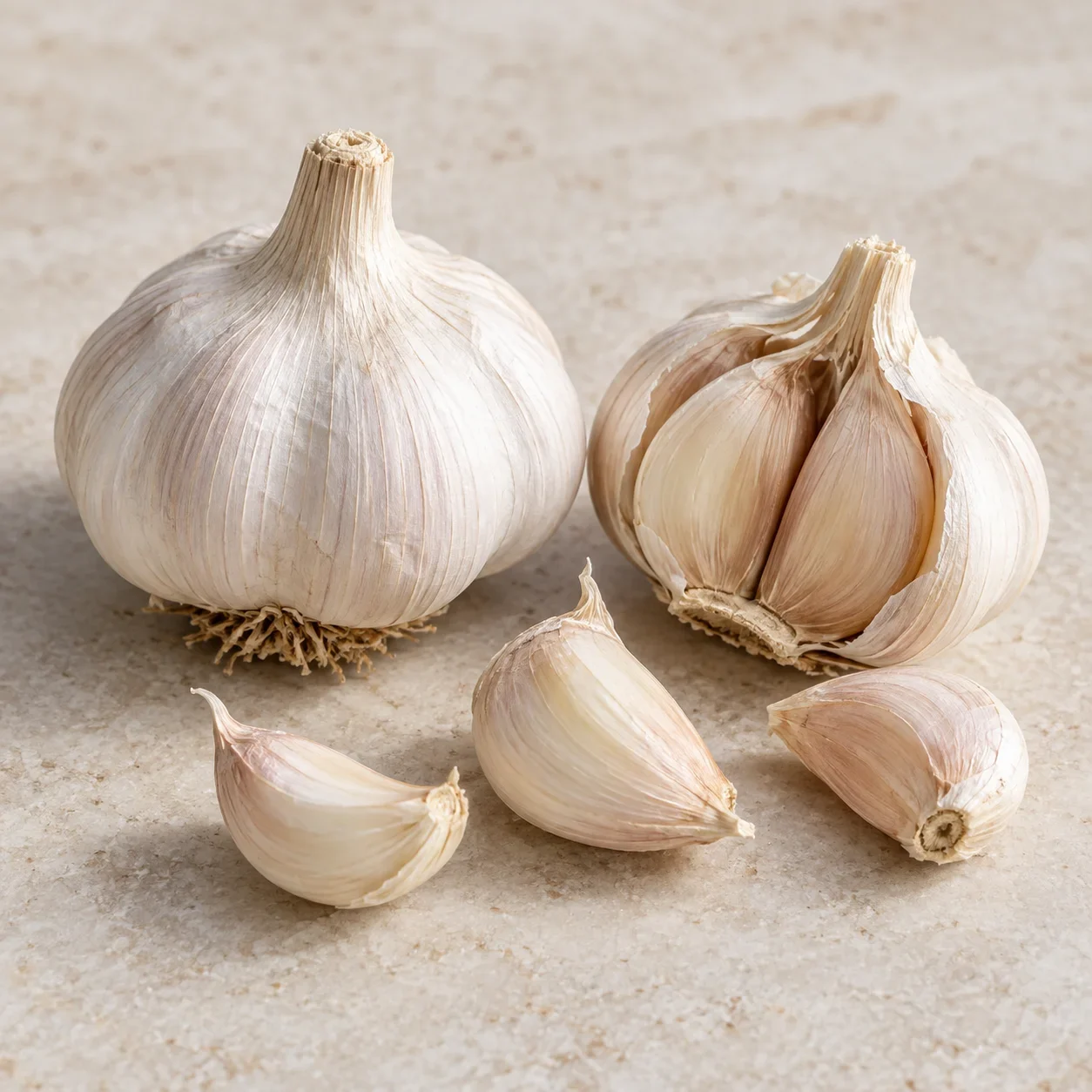

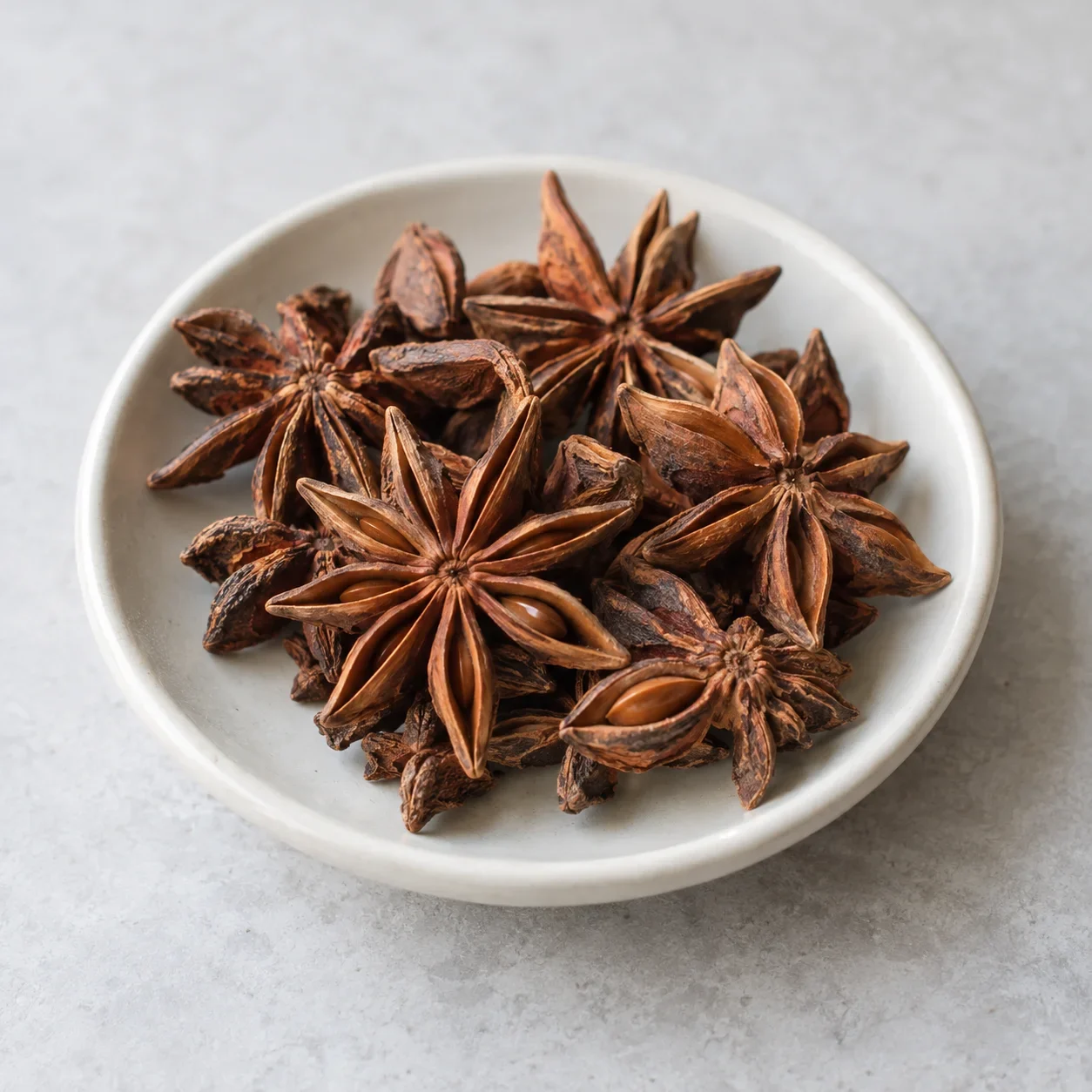
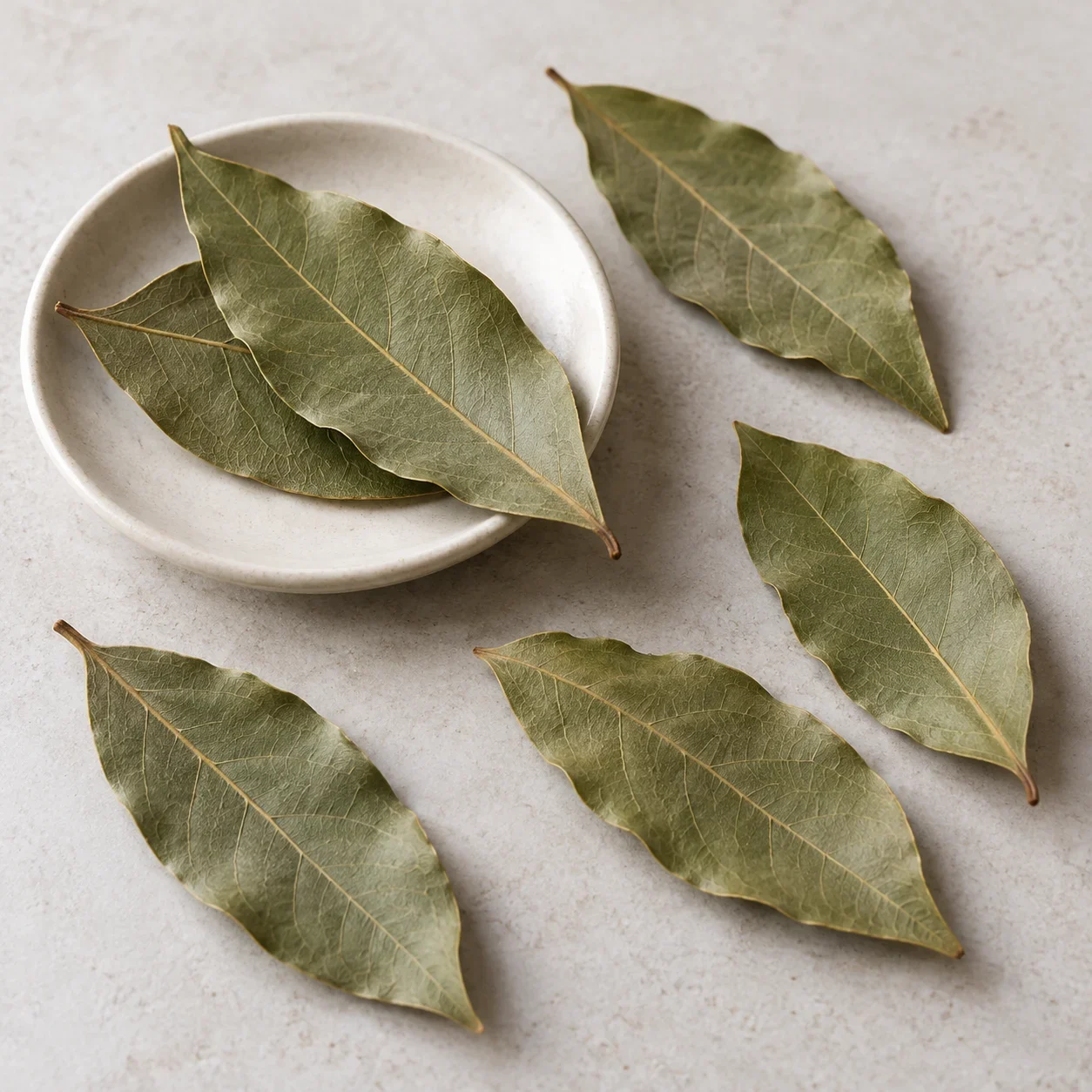
In some versions
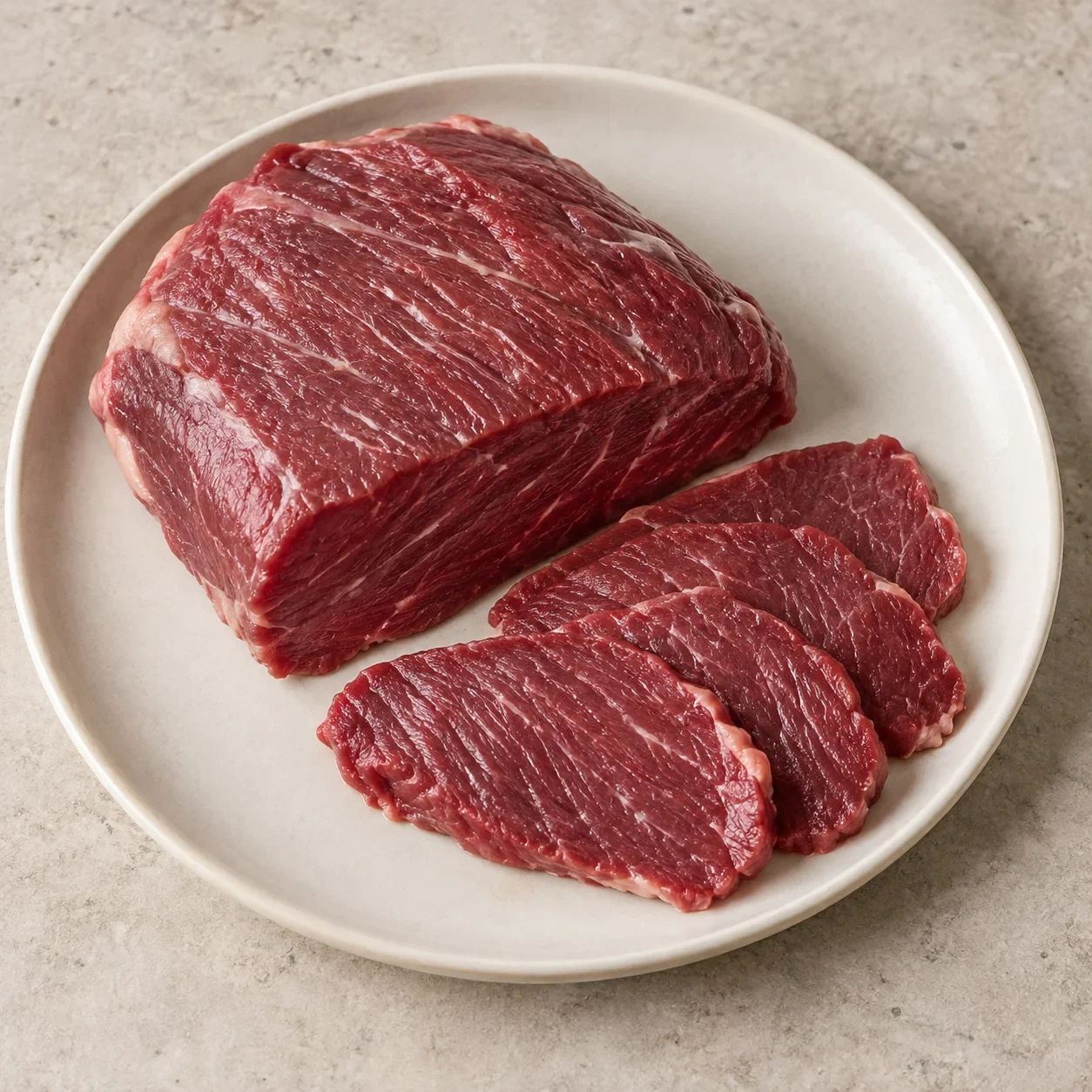
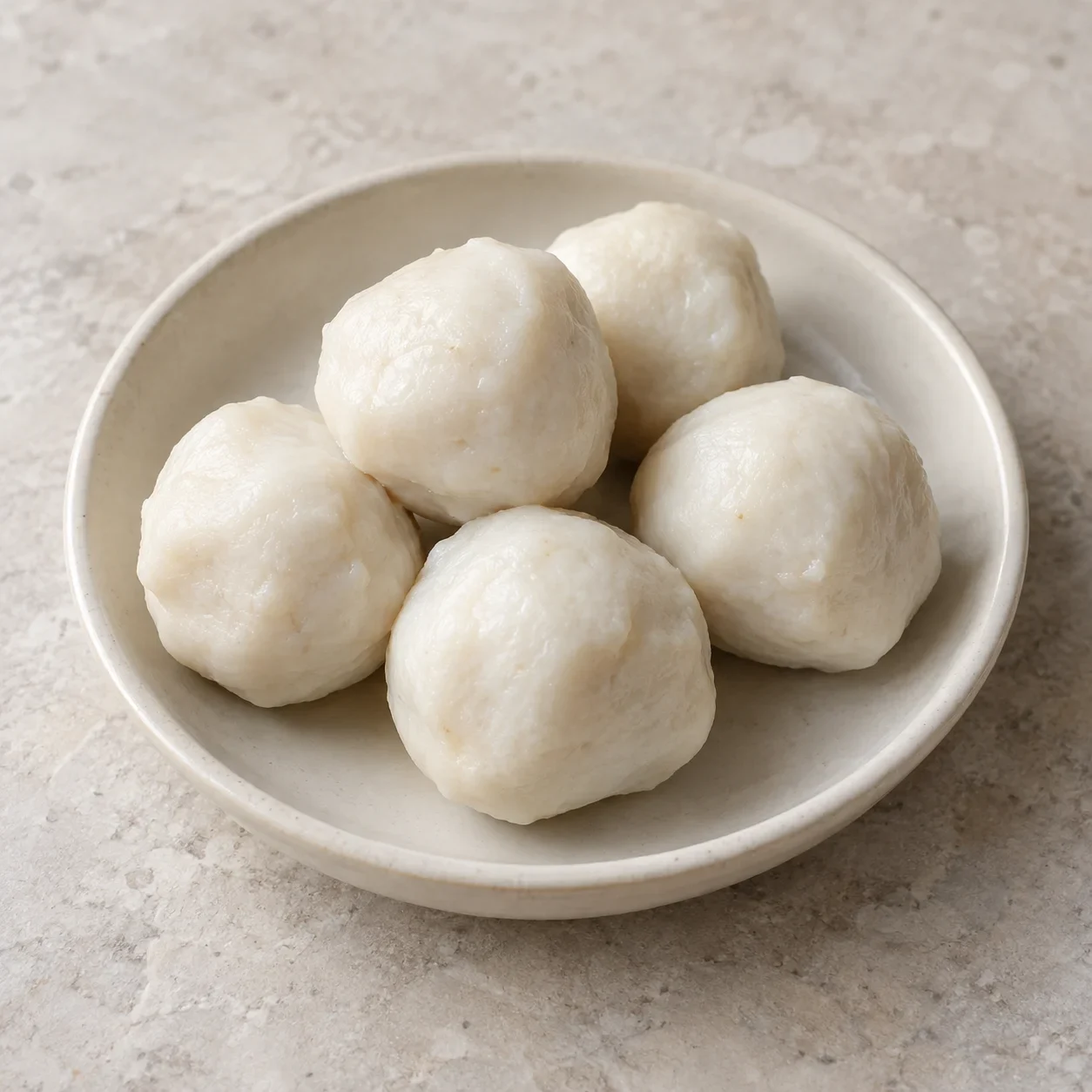
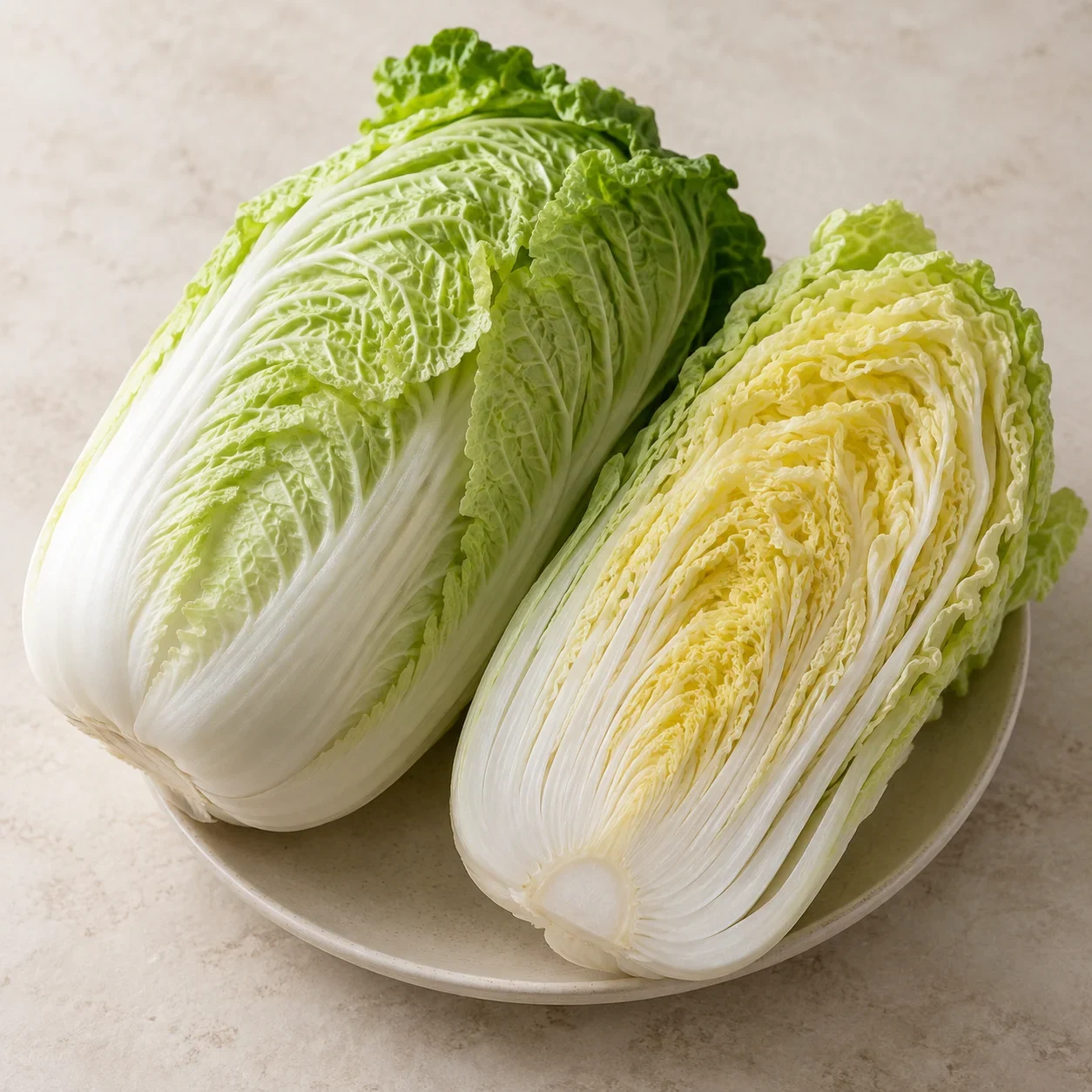
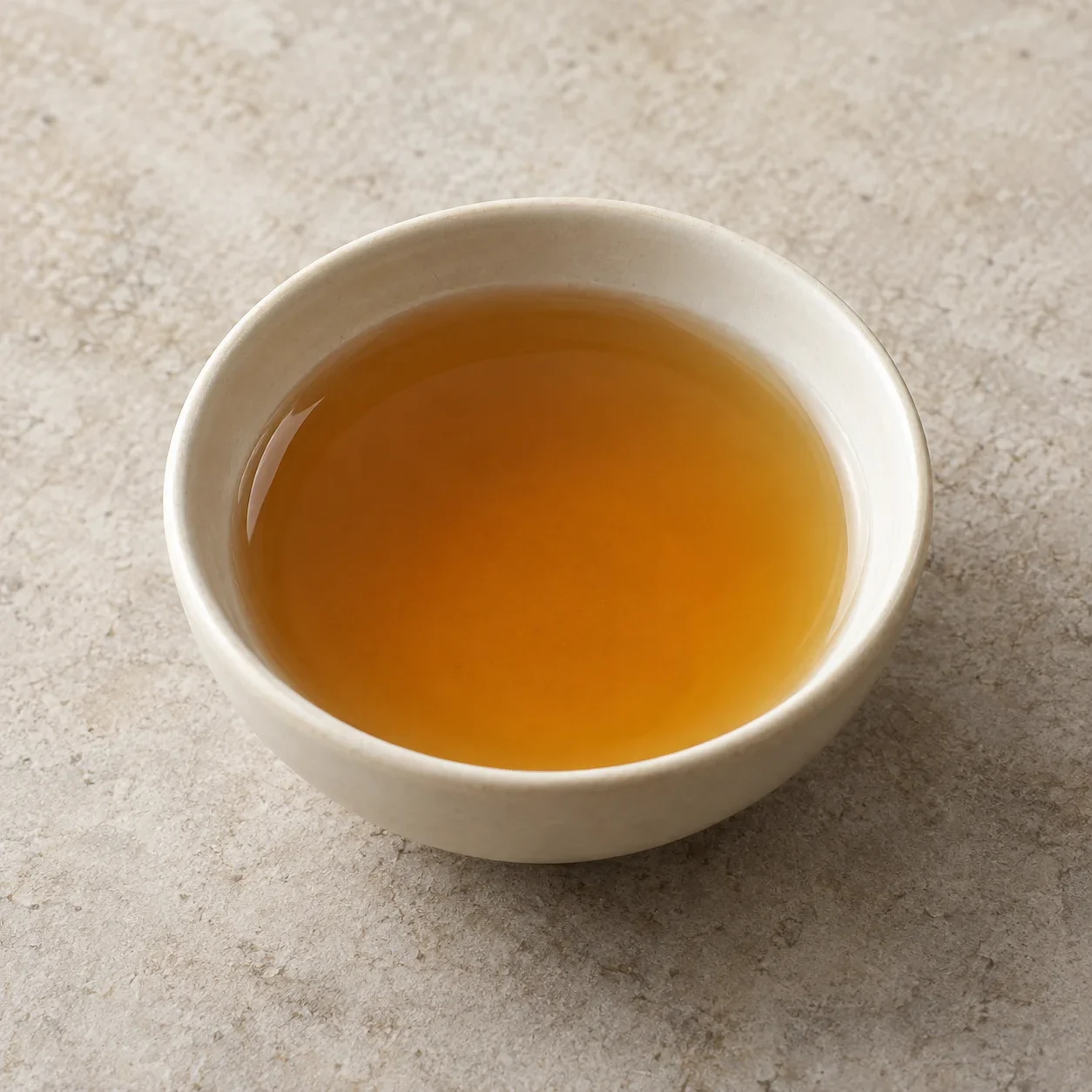
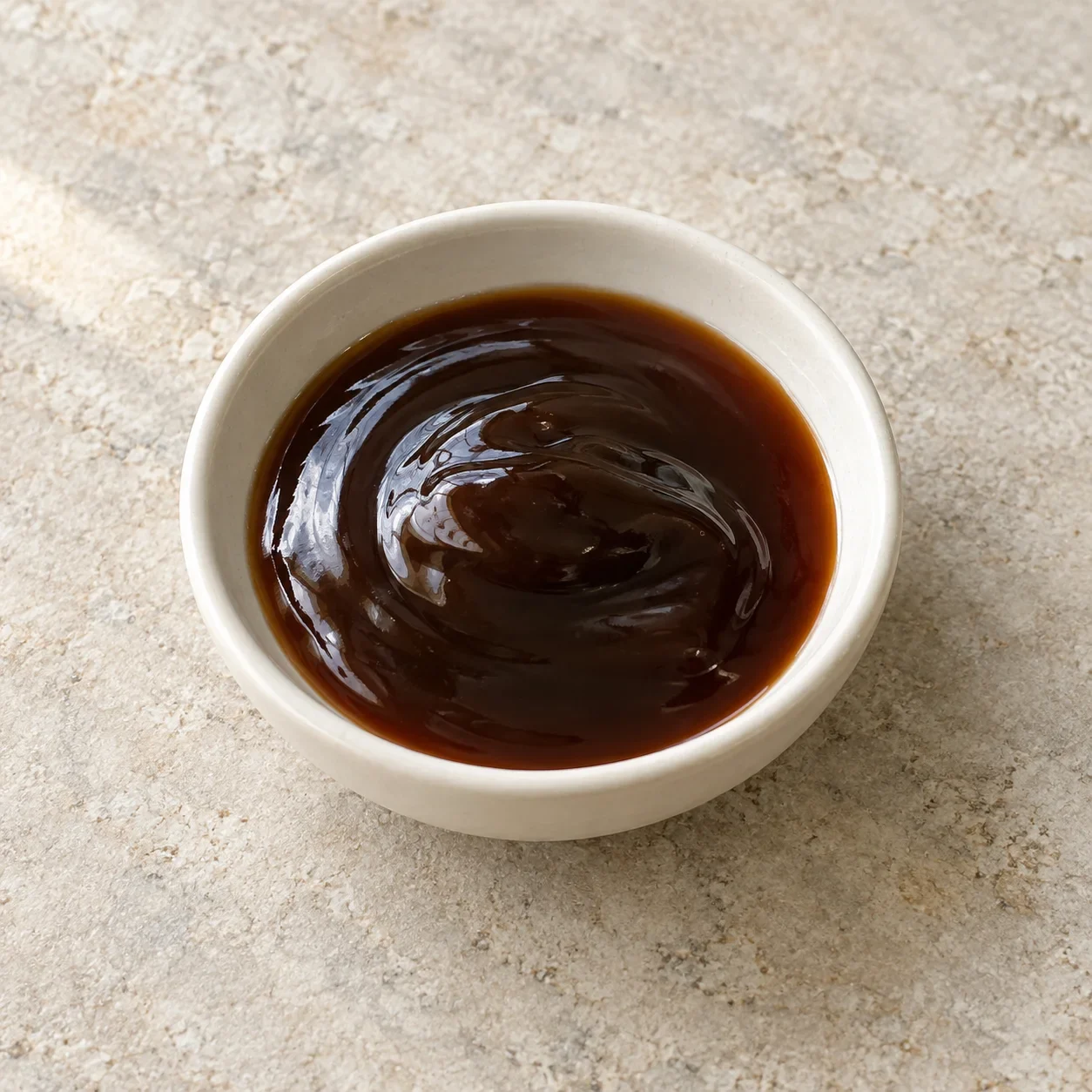
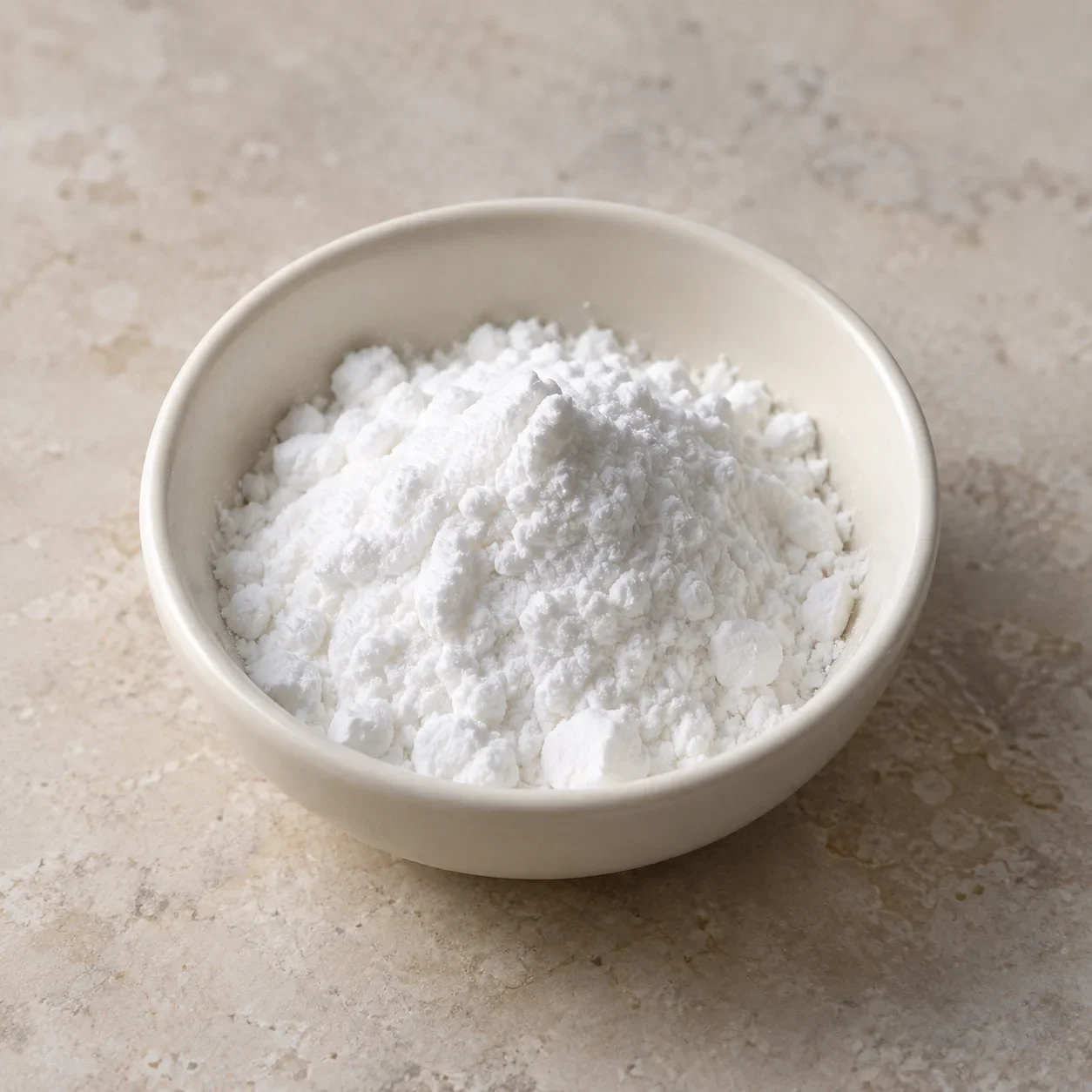
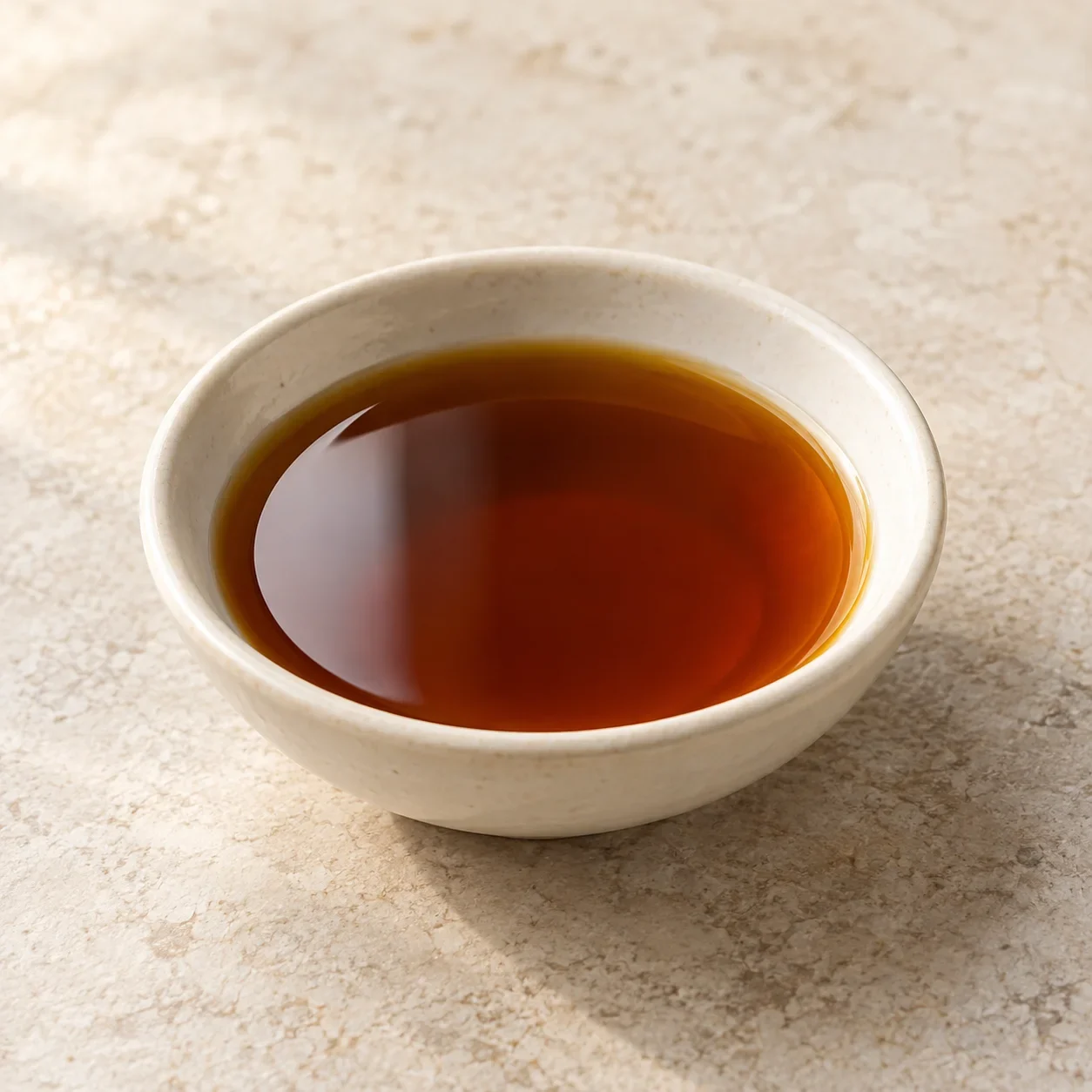
Recipes vary by restaurant.
How does it taste?
Chili-hot, savory and numbing; the chili level varies with the broth and dip.
- Chili heat
- Texture
- Varies with the skewers: tender beef, springy fish balls or softened cabbage.
- How it’s made
- A mala base is heated with rapeseed oil, aromatics, chili and water; skewered ingredients are cooked in the broth. Beef may be marinated with cooking wine, oyster sauce and starch.
Skewers, broth and dips vary. Some places offer table-side cooking; others cook the chosen skewers before serving.
A CONNECTION TO PLACE
Origin & regional roots
Associated with Sichuan.
About this regional connection
Sichuan: Sichuan skewer-pot format, not an exclusive origin-city assertion.
Ask if they have it first
请问你们有串串香吗?
Do you have this item?
A LITTLE SOMETHING TO READ
Story & history
A meal chosen skewer by skewer
This account describes a tradition or story, rather than an established historical fact.
Chuanchuan is part of Sichuan’s street-food and shared-pot dining culture. Bamboo skewers make it easy to choose different ingredients; dips let diners adjust the final flavor.