
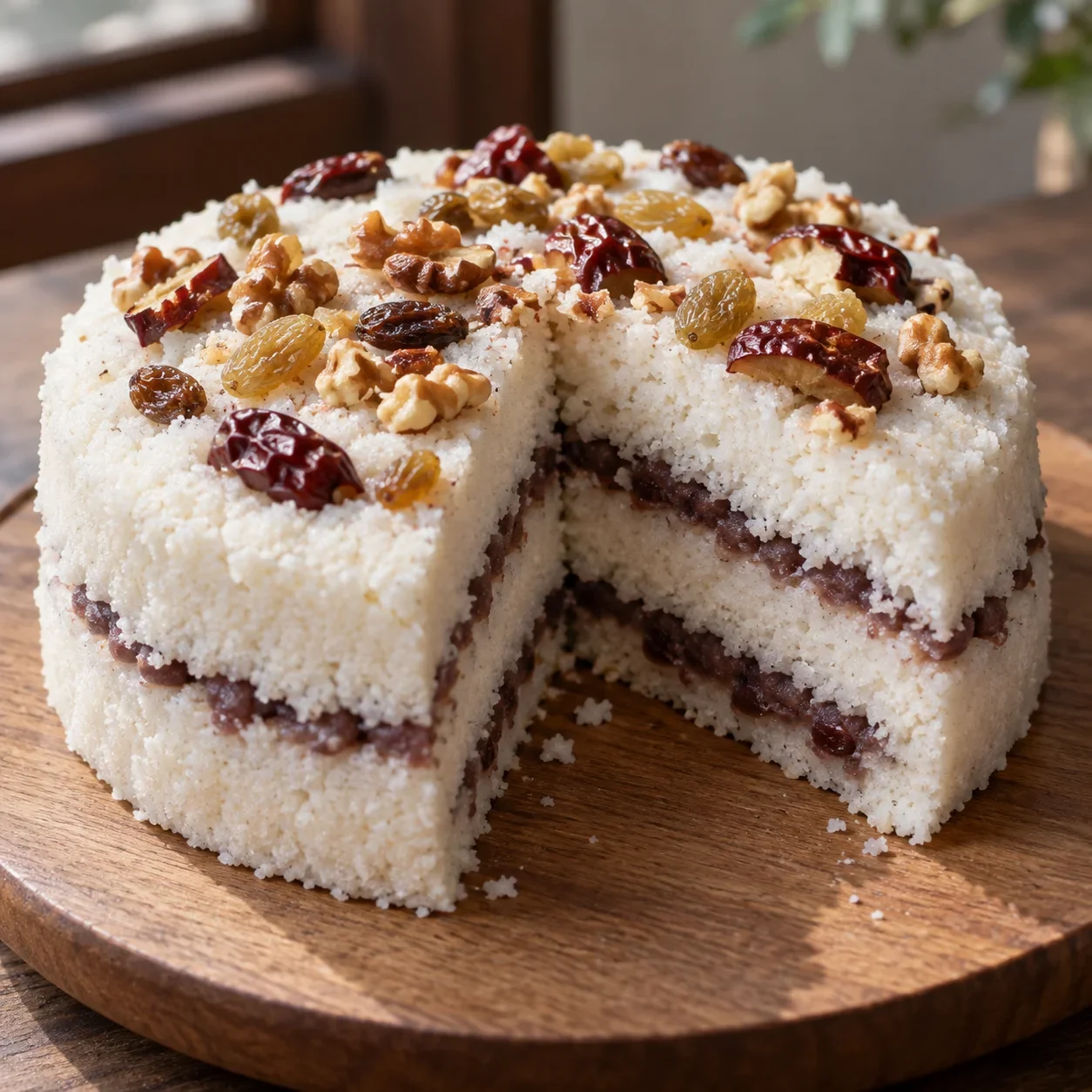
At the table
Eat in small pieces, especially while still soft and warm. For the bean filling, ask “里面是豆沙吗?” (“Is there sweet bean paste inside?”).
Walnuts or other nuts and seeds may be used. Ask about filling and added fats if you need vegetarian or vegan food. Chew the cake and firm toppings thoroughly; check that jujube pits have been removed.
Ordinary-rice and glutinous-rice flour proportions vary. Sweet bean-paste filling and jujube, raisin or walnut additions also vary by maker. Ask about added fats and the actual toppings.
GET TO KNOW THE DISH
What goes into it?
Explore some key ingredients below. Preparations may use additional seasonings and ingredients.
Rice-flour proportions, toppings and fillings vary by maker; walnuts may be included.
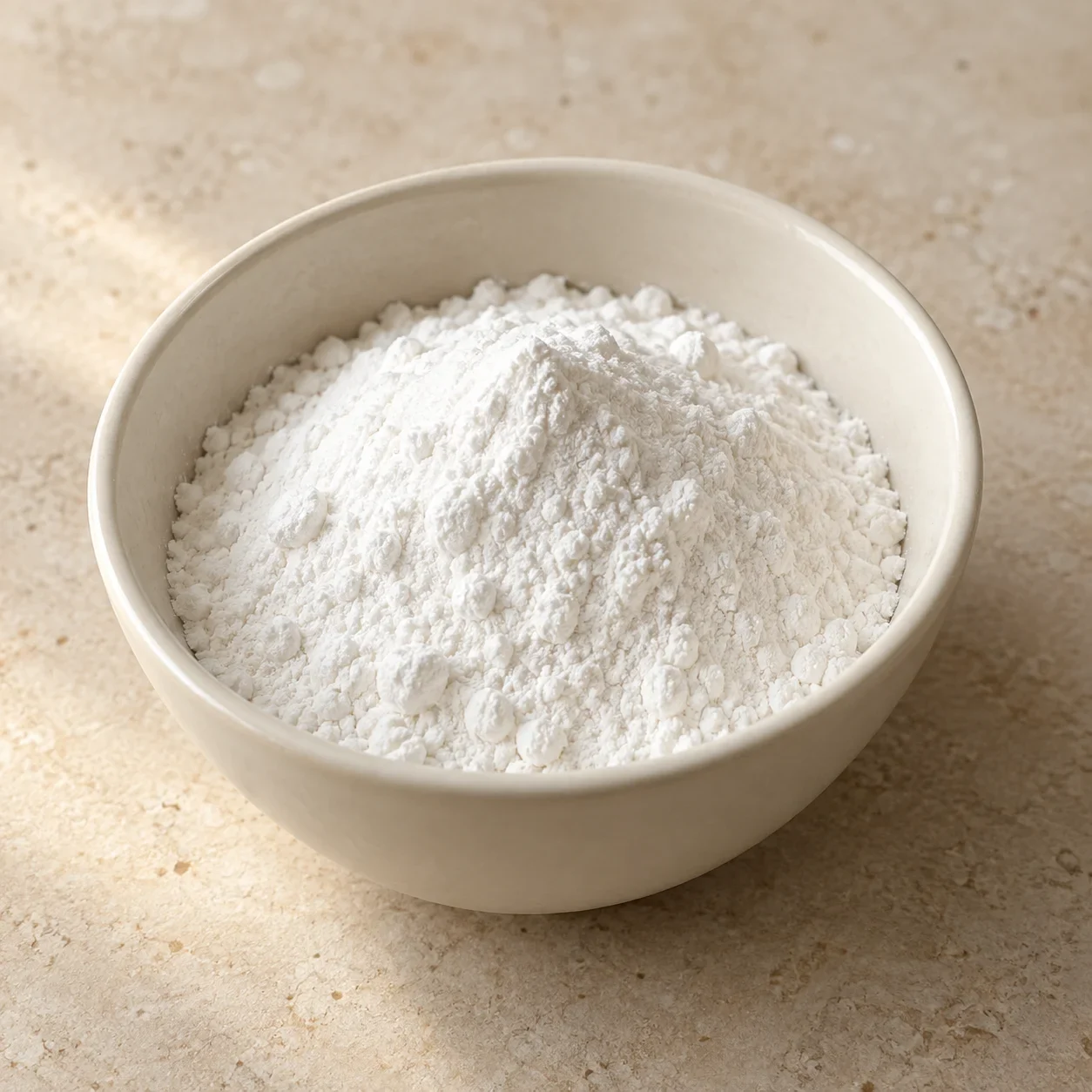
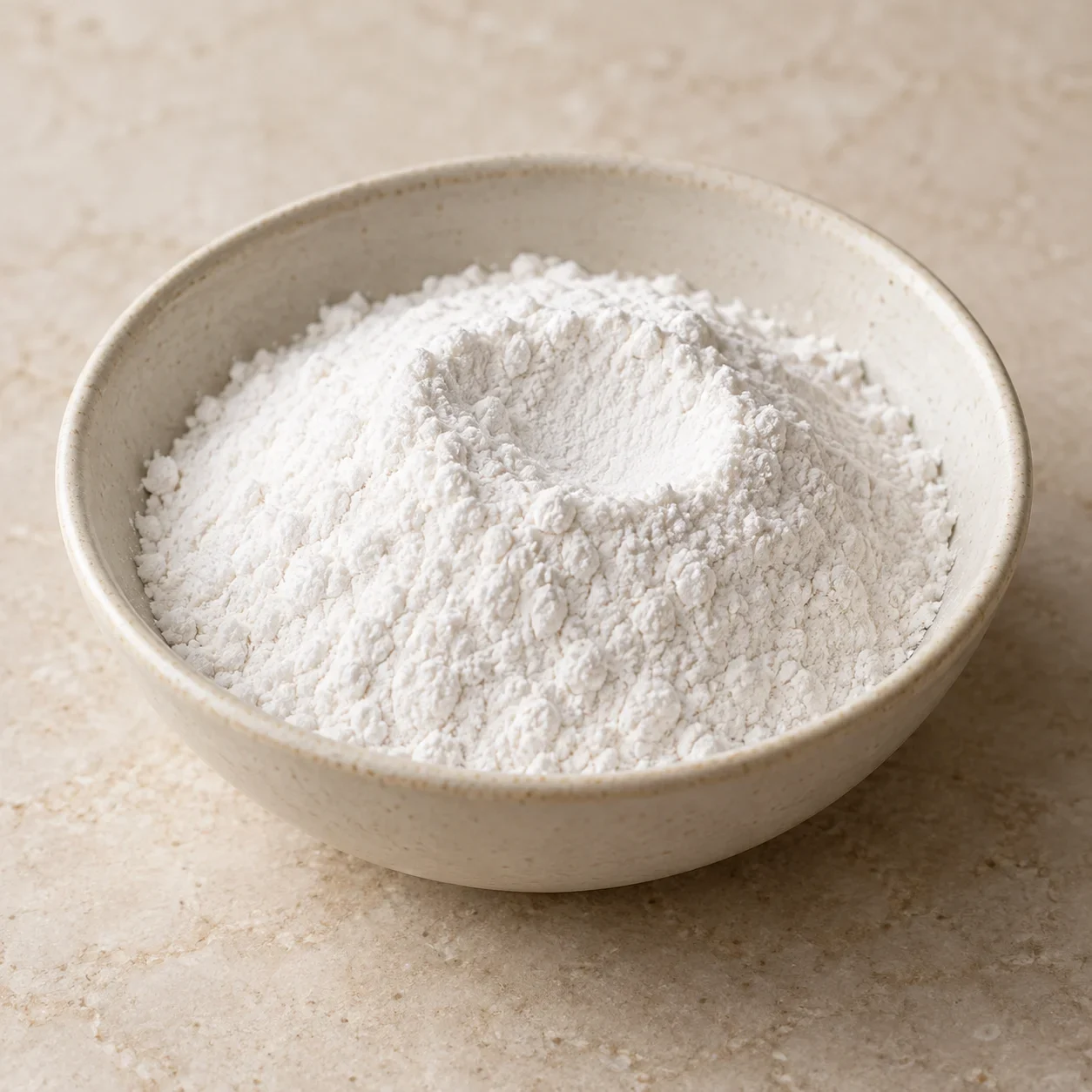
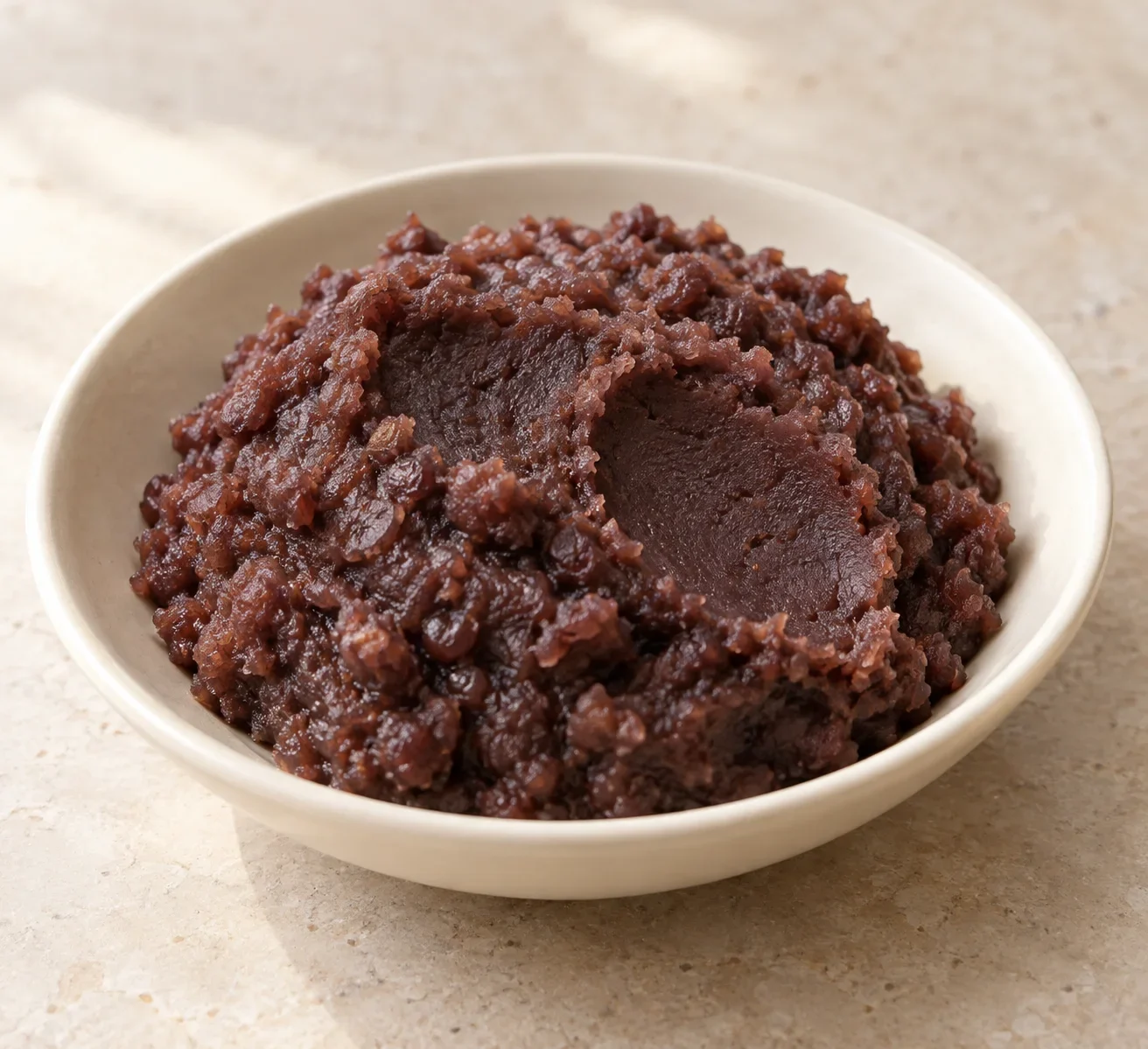
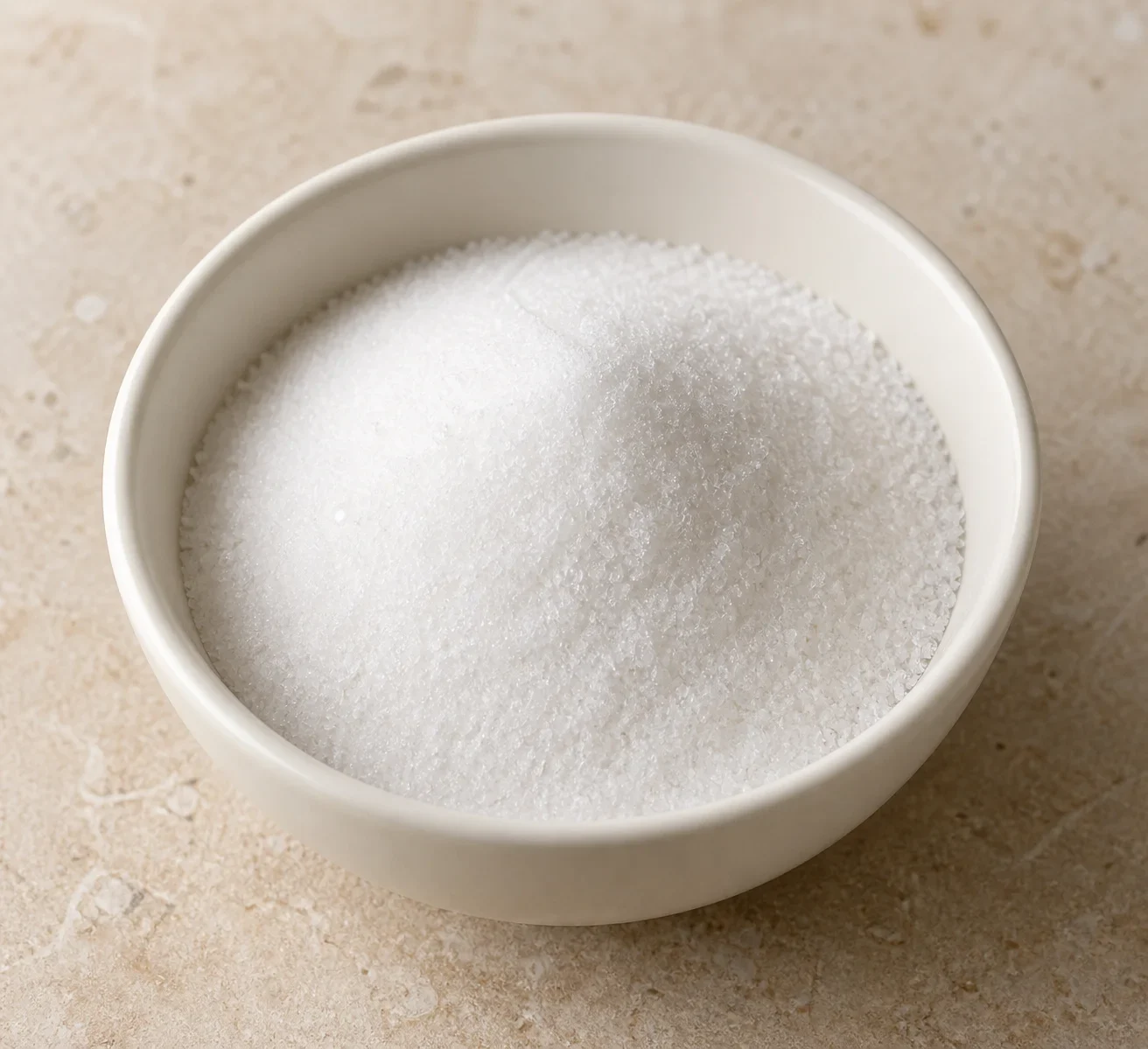
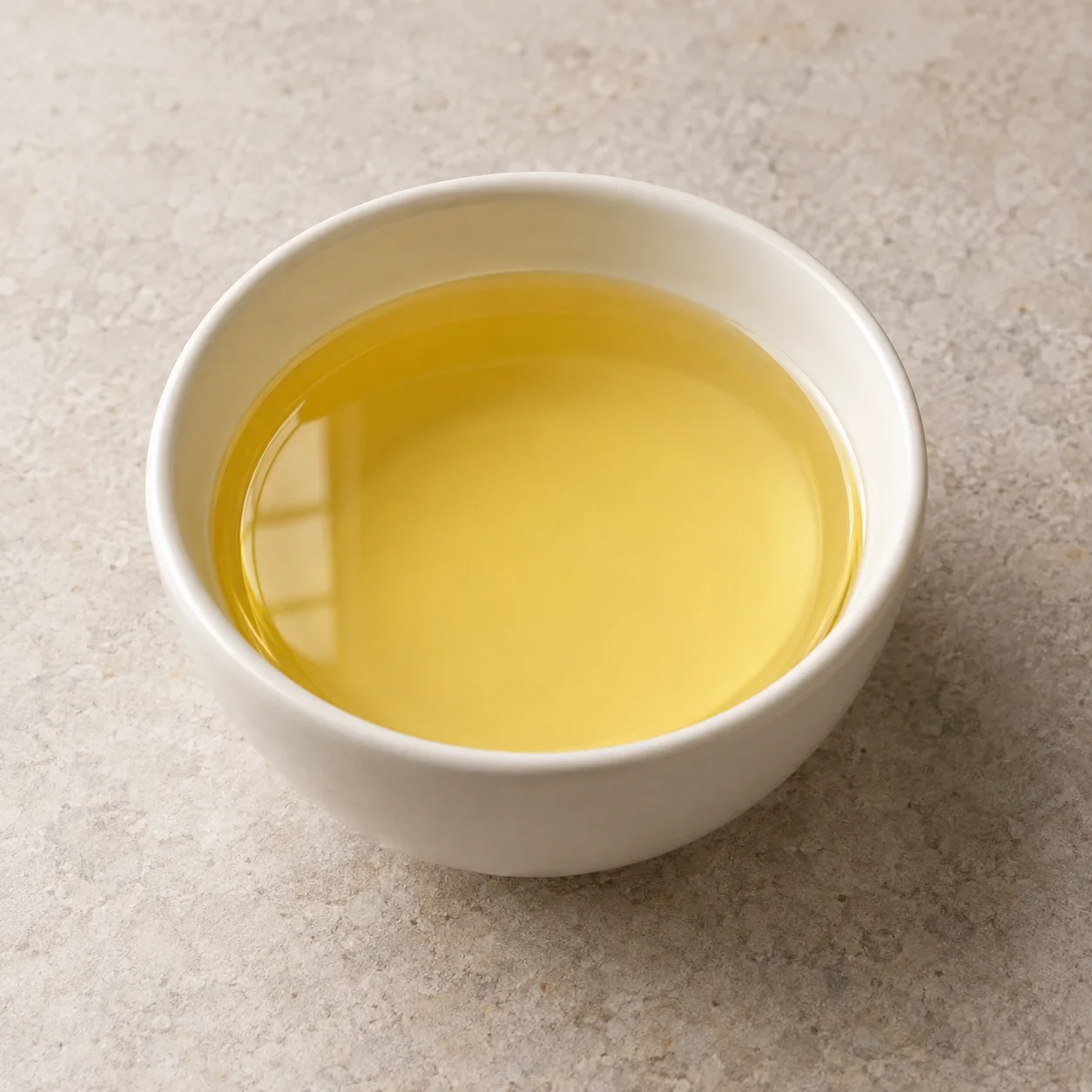
In some versions
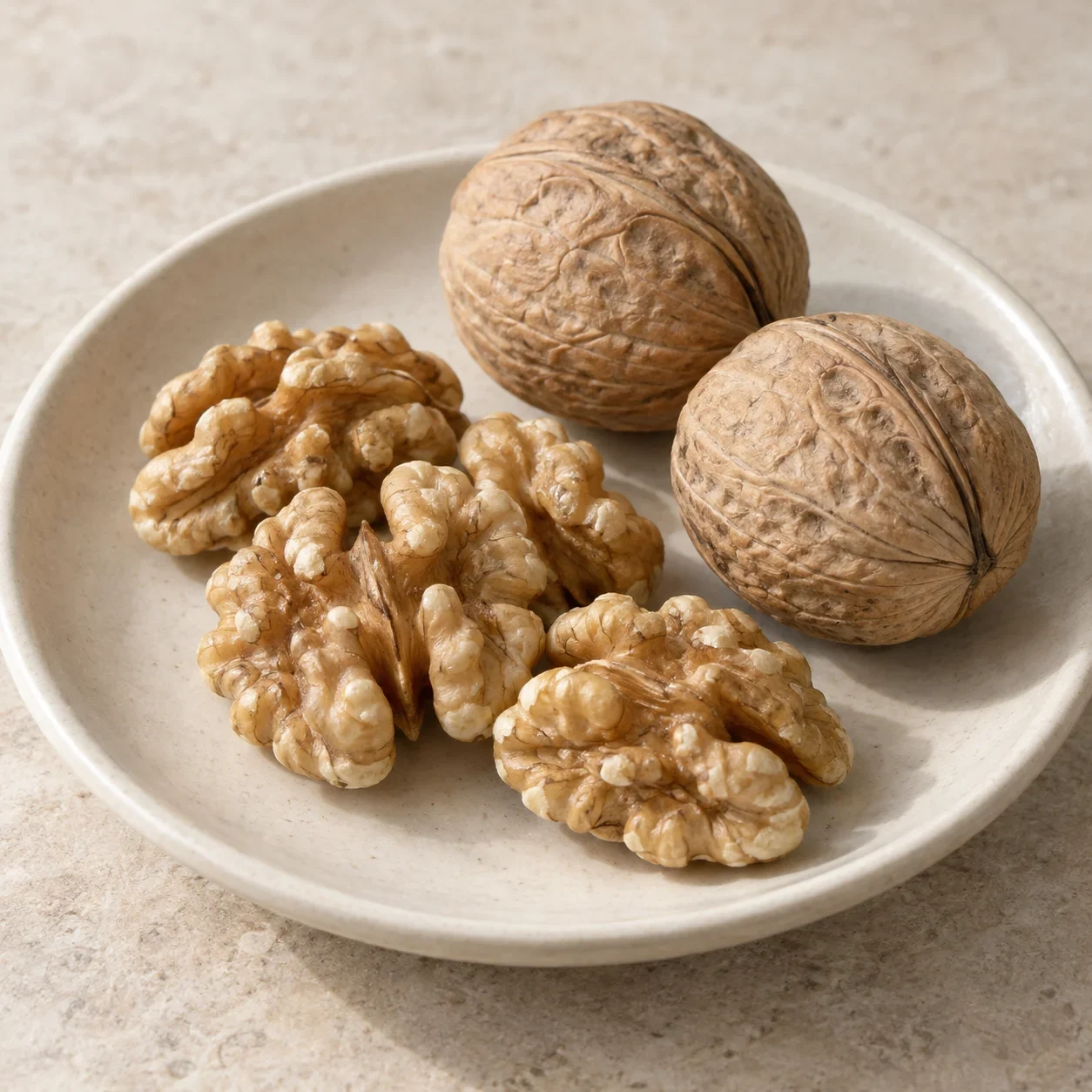
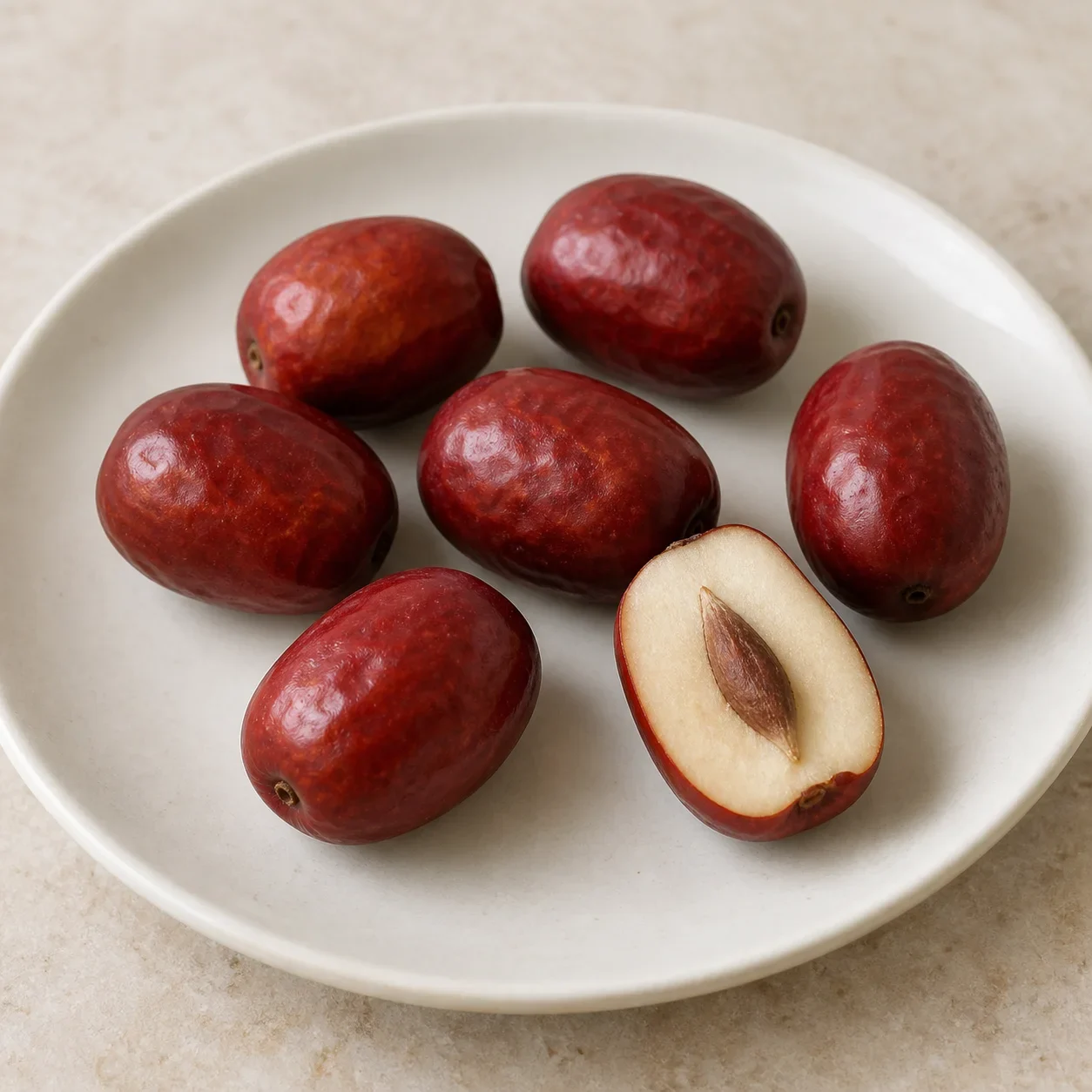
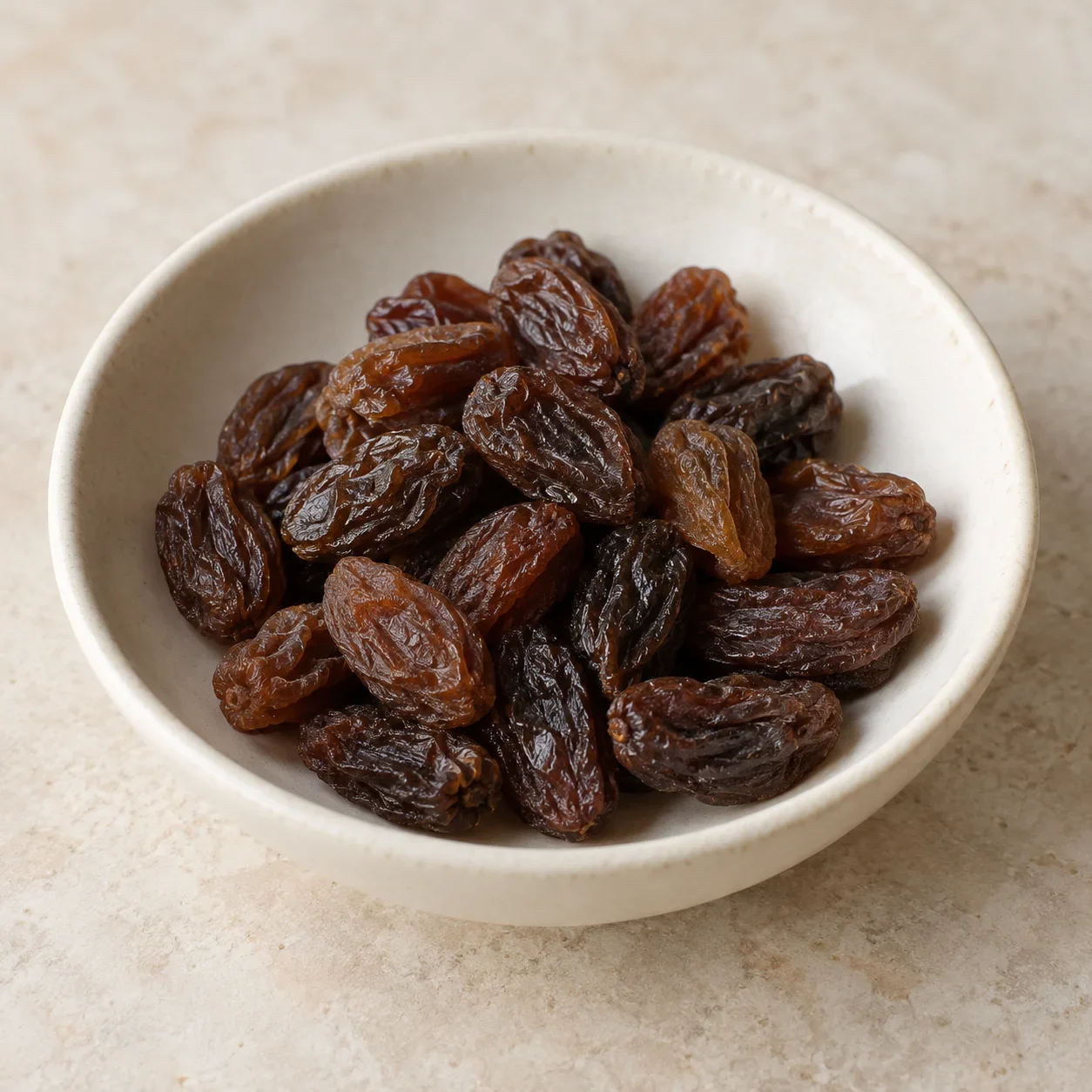
Recipes vary by restaurant.
How does it taste?
Sweet rice and bean-paste flavors, with nutty or fruity accents.
- Chili heat
- Texture
- Soft, loose-grained cake with a denser sweet filling.
- How it’s made
- Moisten and sift rice flour, layer it with filling and toppings, then steam.
Rice-flour proportions, toppings and fillings vary by maker; walnuts may be included.
A CONNECTION TO PLACE
Origin & regional roots
Associated with Shanghai.
About this regional connection
Shanghai: Associated with Shanghai festive pastries.
Ask if they have it first
请问你们有百果松糕吗?
Do you have this item?
A LITTLE SOMETHING TO READ
Story & history
A New Year wish in a rice cake
This account describes a tradition or story, rather than an established historical fact.
Shanghai families often share songgao at Lunar New Year. The Chinese word 糕 (gāo, cake) sounds like 高 (gāo, high), making it a wish for progress in the year ahead. Carefully moistened and layered rice flour gives the steamed cake its soft, grainy texture.