
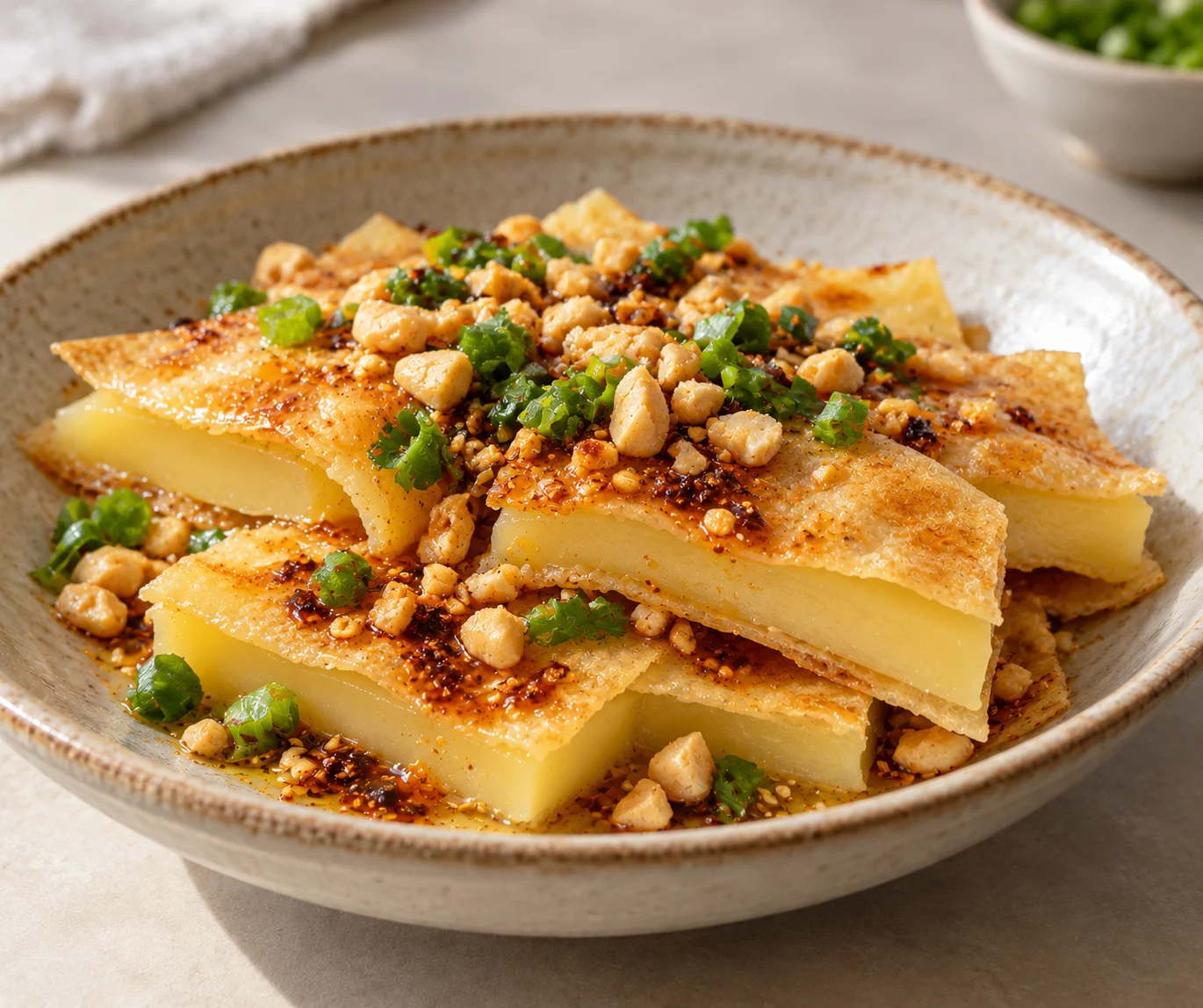
At the table
Cut into manageable pieces and mix with the dressing. Ask whether it is served warm or cold.
Ask about peanuts, sesame and chili oil, and whether the dressing contains animal fat, stock or other animal ingredients. The local sour-mugua vinegar uses a different fruit from tropical papaya.
Ask about peanuts, sesame and chili oil, and whether the dressing contains animal fat, stock or other animal ingredients. The local sour-mugua vinegar uses a different fruit from tropical papaya.
GET TO KNOW THE DISH
What goes into it?
Explore some key ingredients below. Preparations may use additional seasonings and ingredients.
Ask about peanuts, sesame and chili oil, and whether the dressing contains animal fat, stock or other animal ingredients. The local sour-mugua vinegar uses a different fruit from tropical papaya.
Typical ingredients
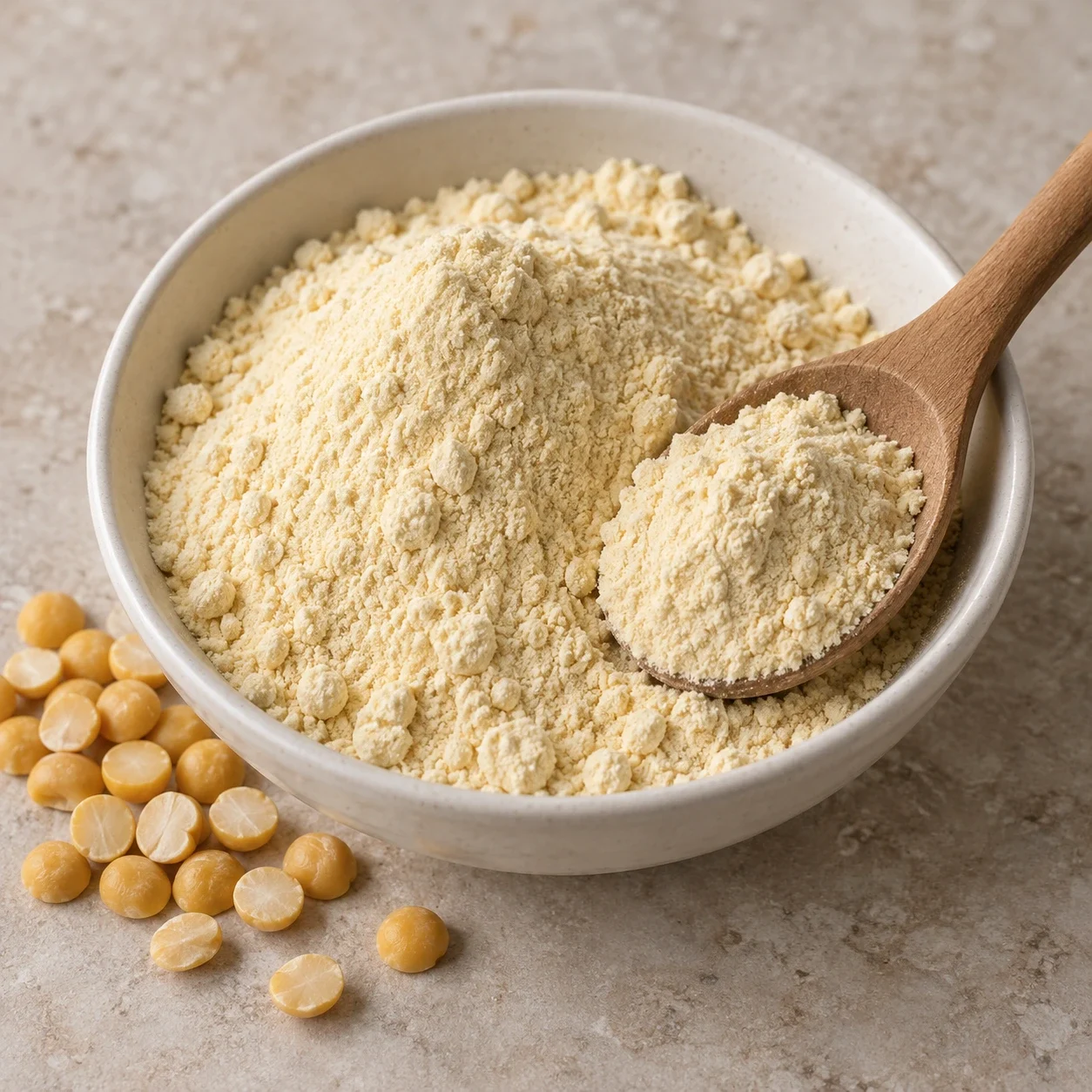
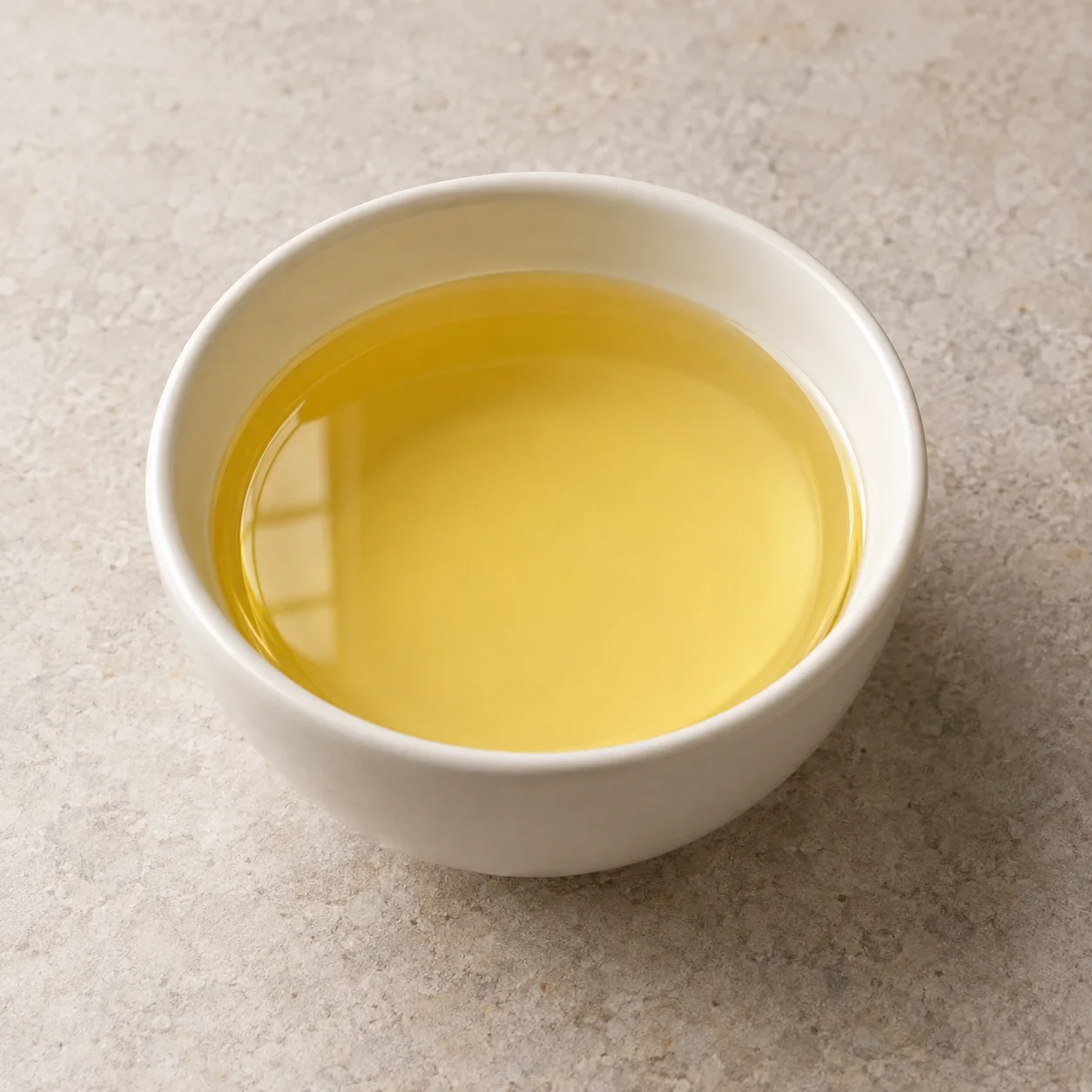

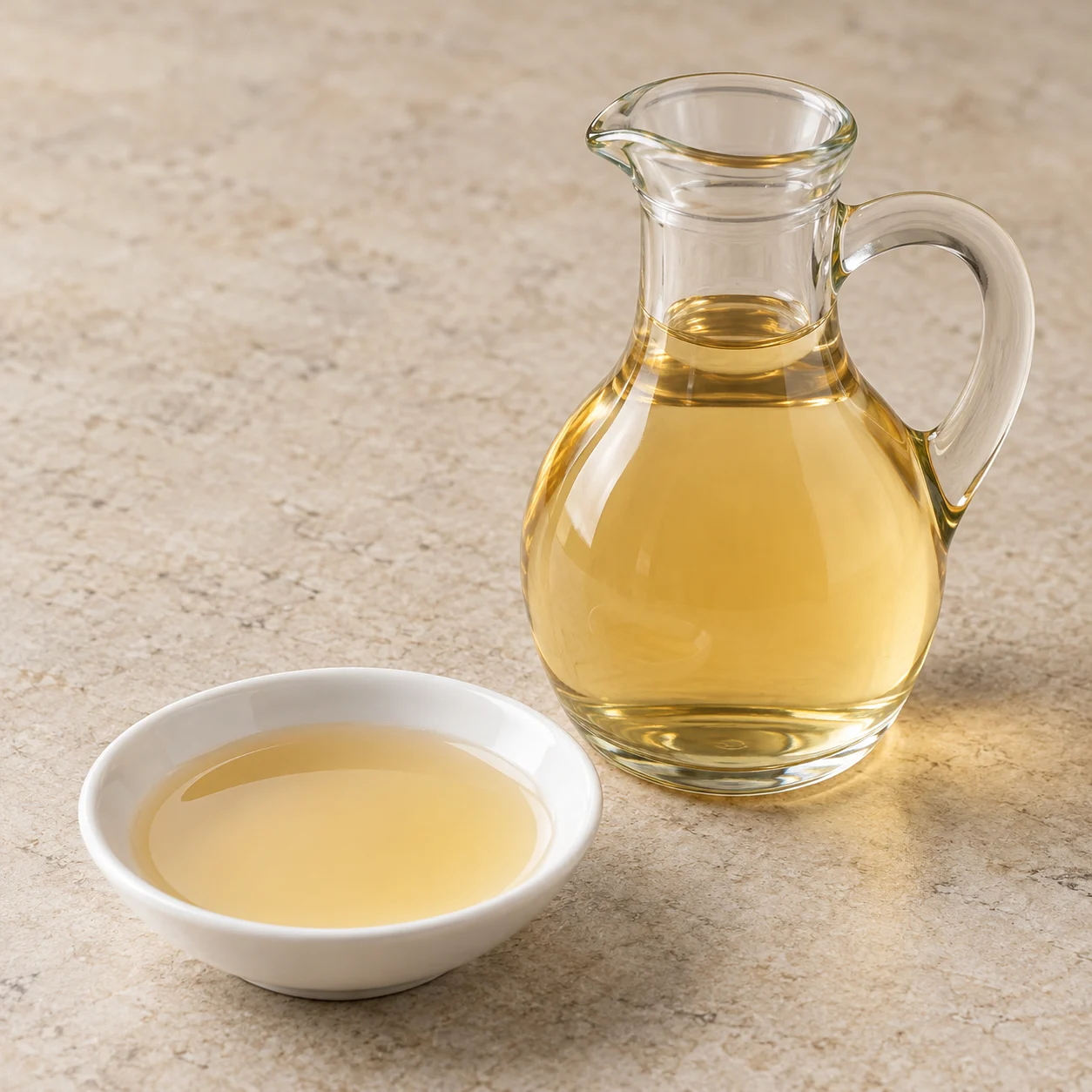
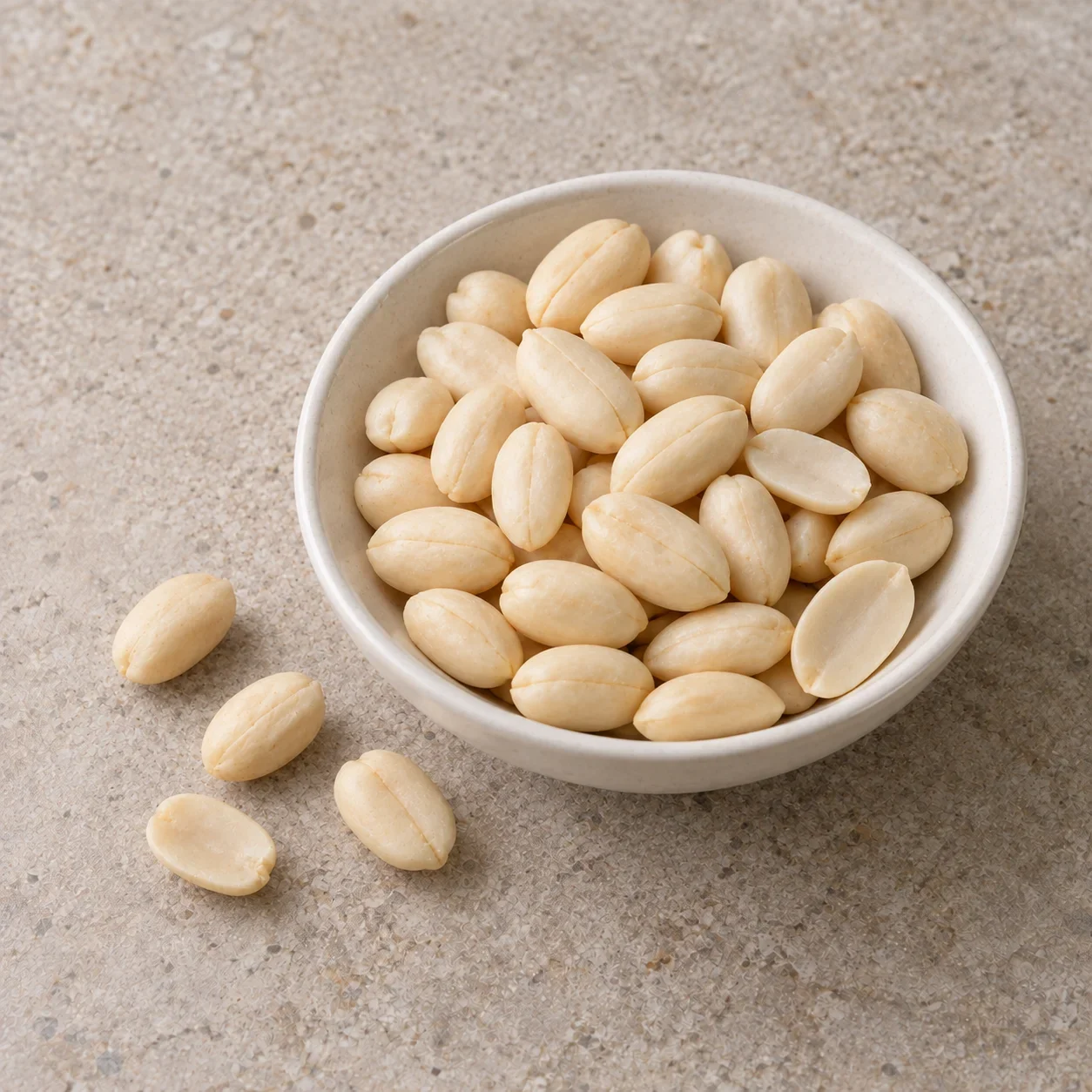
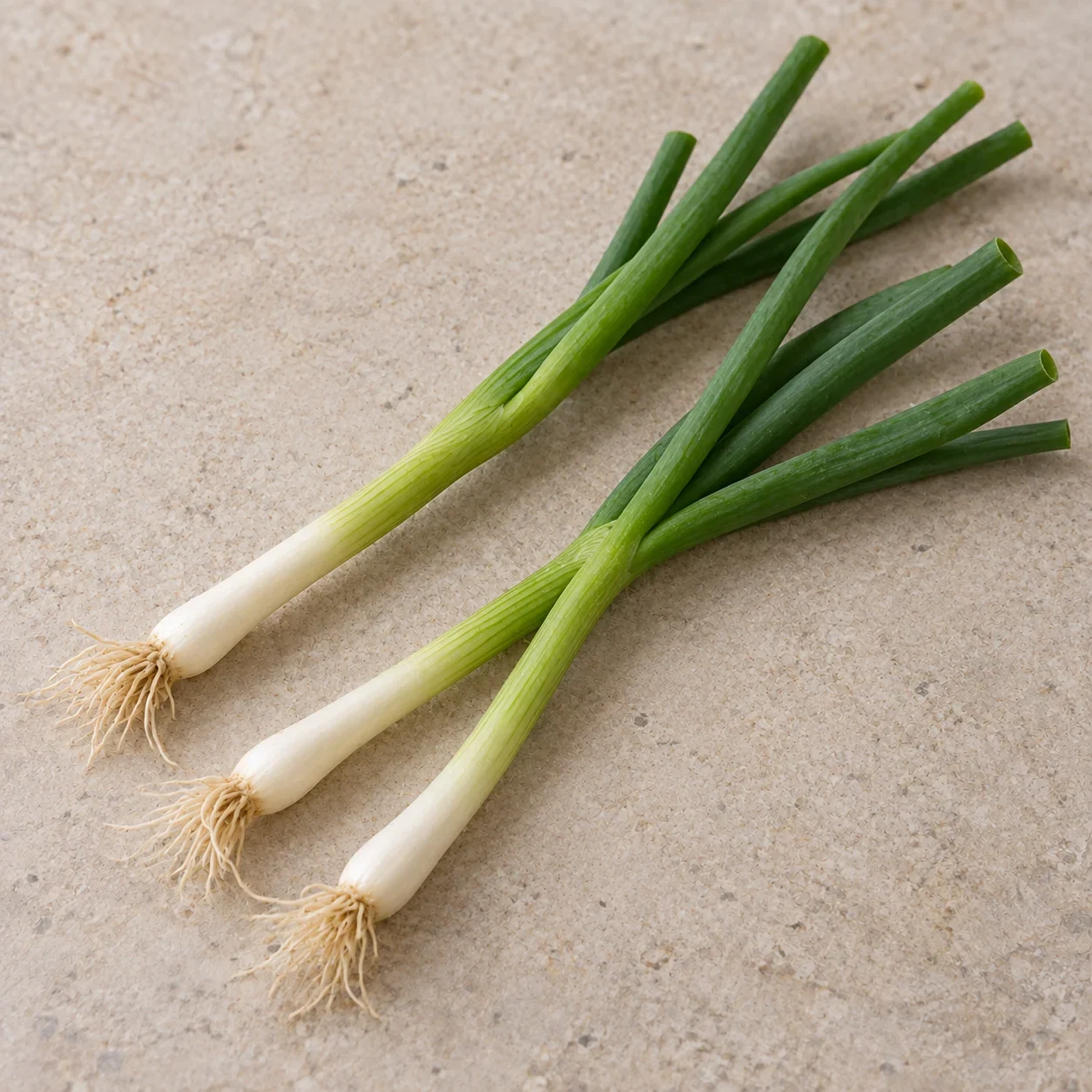
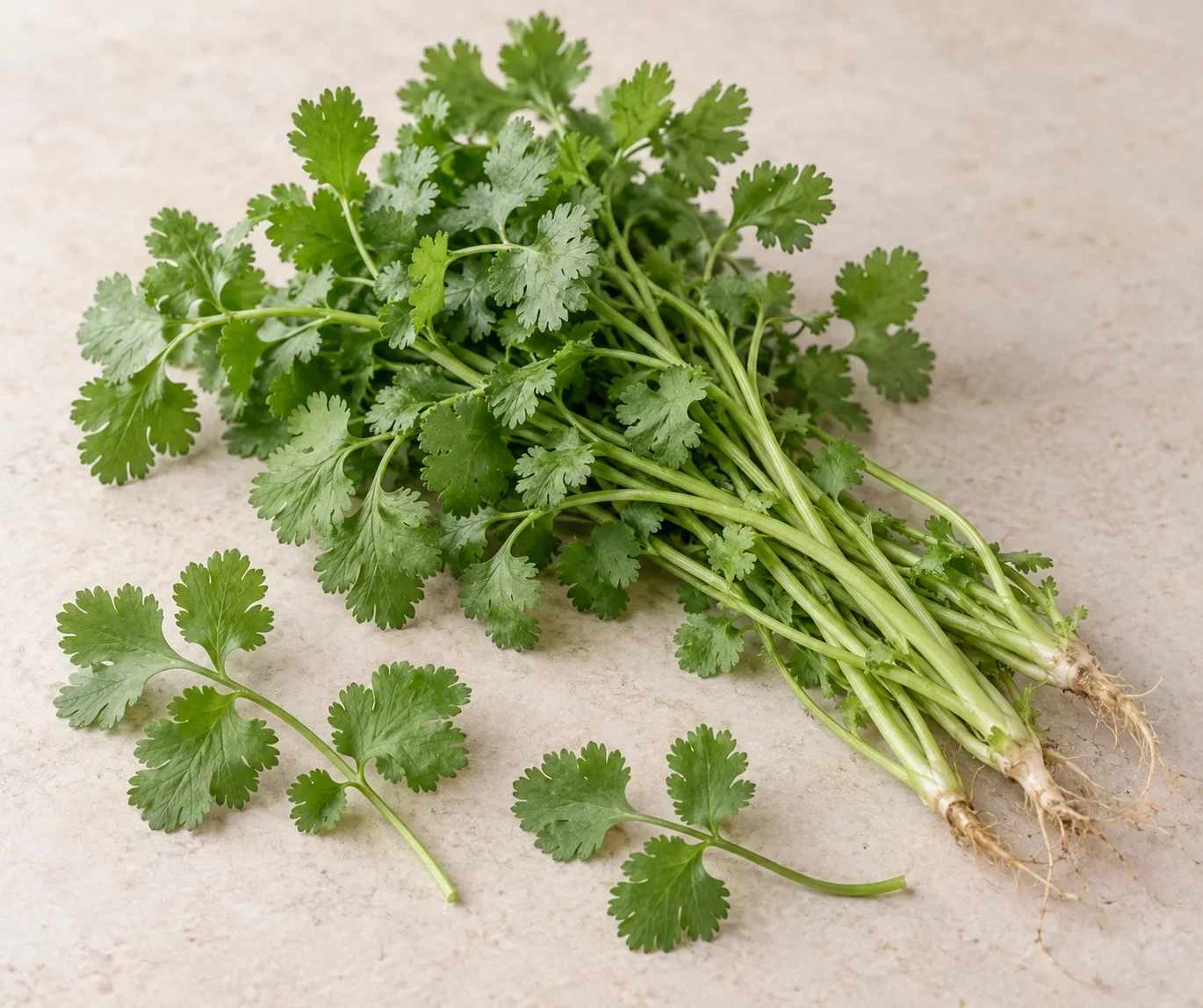
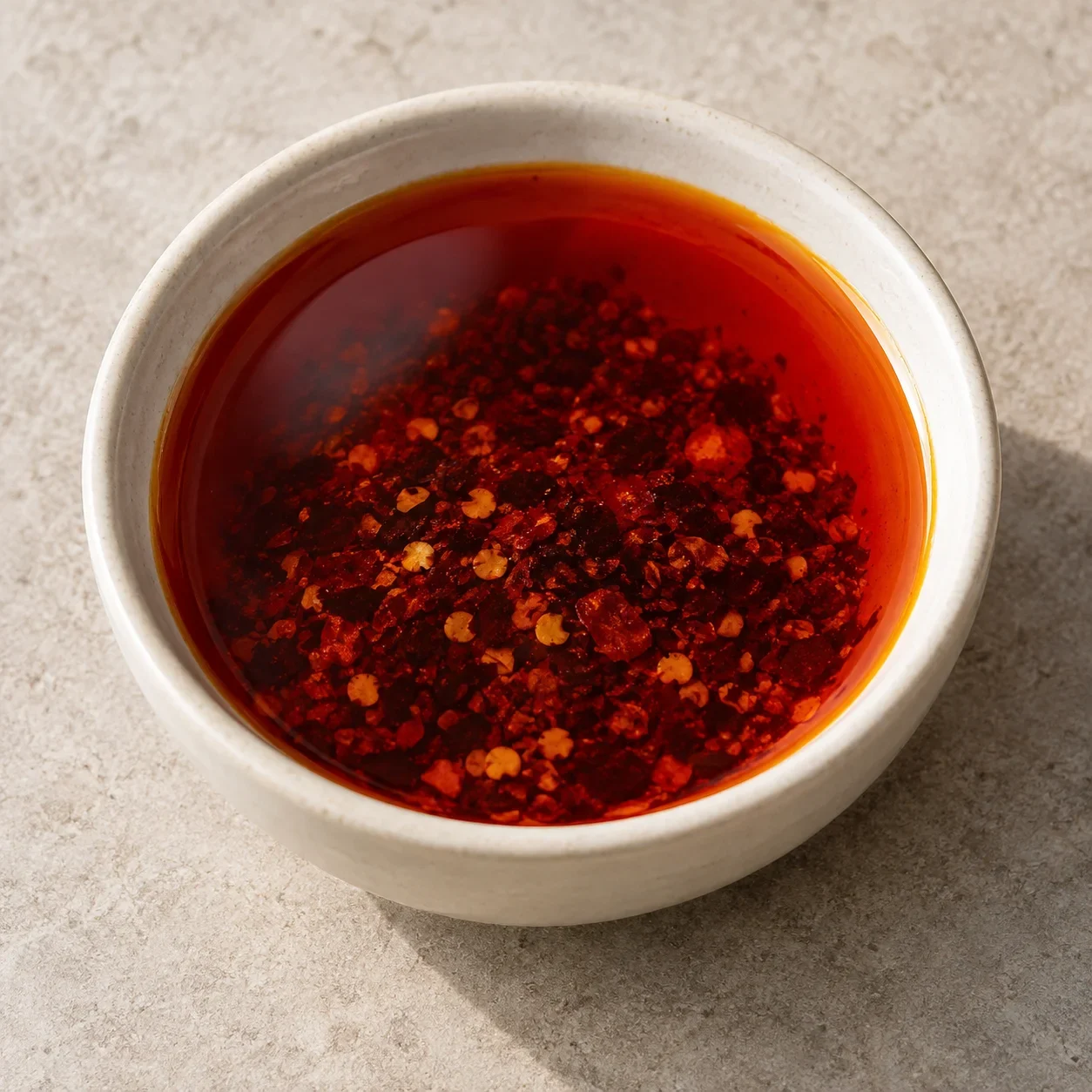
In some versions
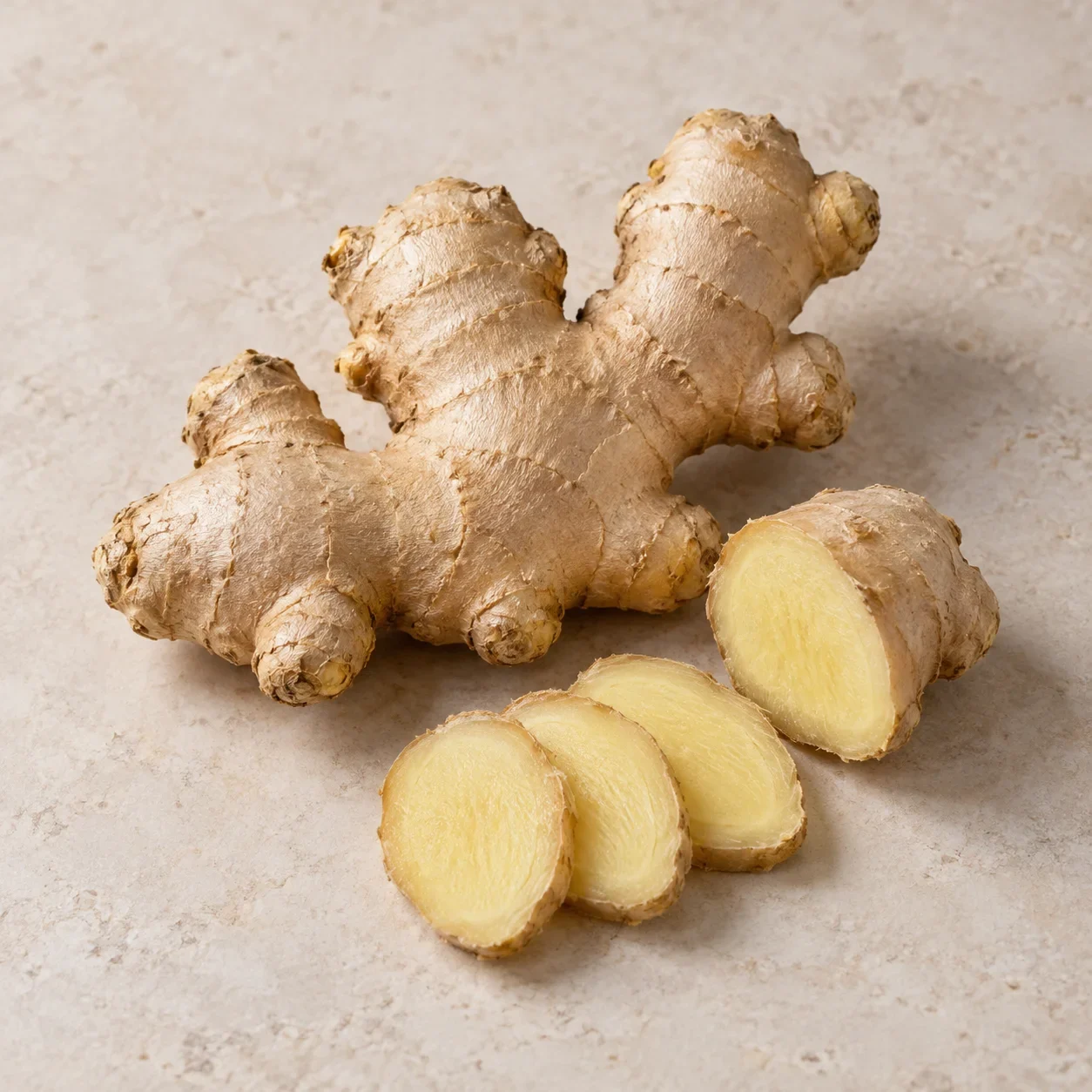
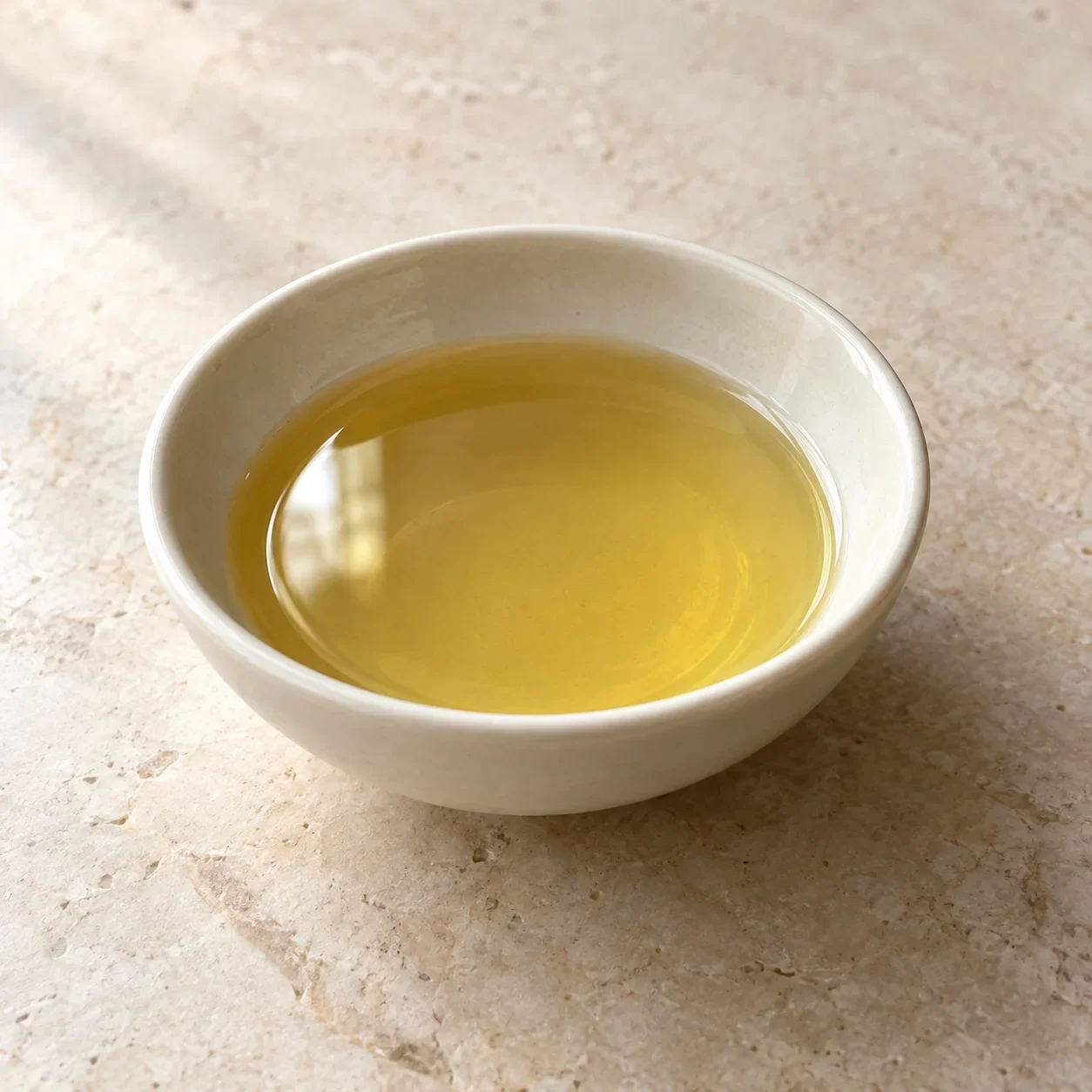
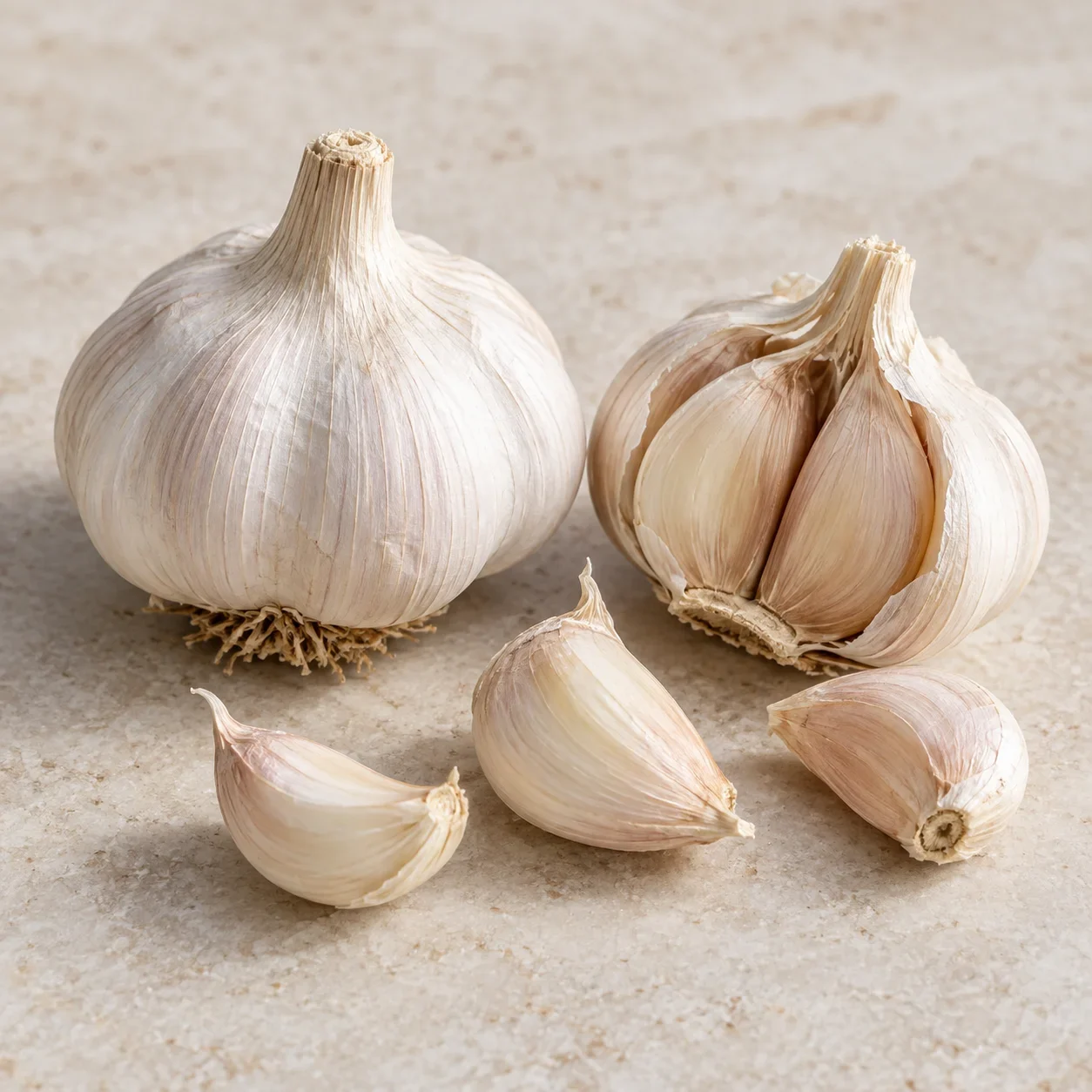
Recipes vary by restaurant.
How does it taste?
Mild peas with sour, spicy dressing.
- Chili heat
- Texture
- Soft jelly alternating with firmer, chewy skins.
- How it’s made
- Pea-flour slurry is strained. Part is spread thinly in an oiled pan to make the skin; another part is cooked into a thick jelly. Alternate the two in layers.
Ask about peanuts, sesame and chili oil, and whether the dressing contains animal fat, stock or other animal ingredients. The local sour-mugua vinegar uses a different fruit from tropical papaya.
A CONNECTION TO PLACE
Origin & regional roots
Associated with Yunnan.
About this regional connection
Yunnan: Nanjian County, Dali. County intangible heritage in 2010.
Ask if they have it first
请问你们有南涧锅巴油粉吗?
Do you have this item?
A LITTLE SOMETHING TO READ
Story & history
Local cooking tradition
This account describes a tradition or story, rather than an established historical fact.
Nanjian’s oil-powder snack brings together two textures from pea flour: a pan-cooked skin and a softer cooked gel. Alternating them is the craft behind its layered form.