
At the table
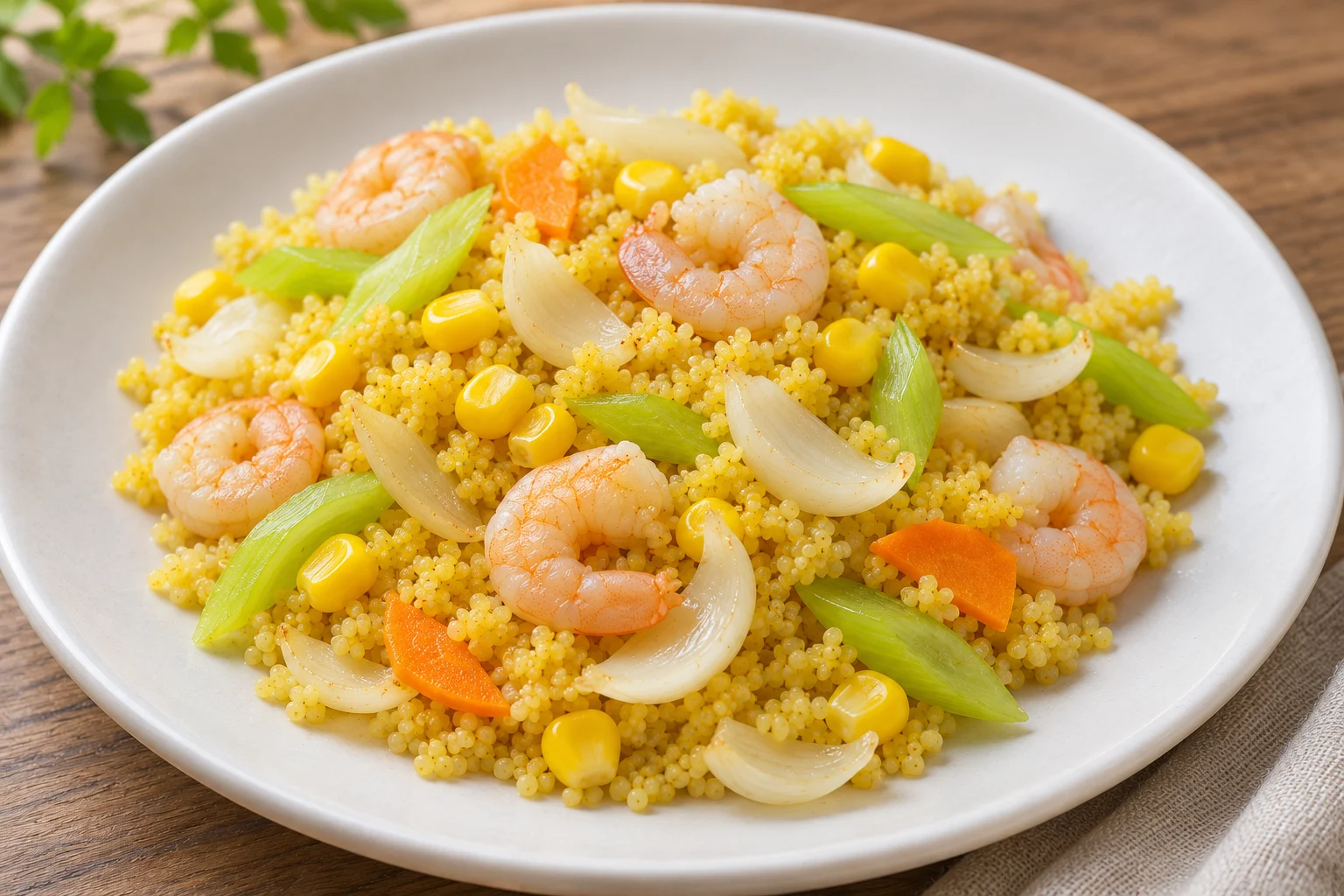
Serve as a shared dish and eat the millet and lily bulb together. The illustrated mixed version also includes shrimp, sweetcorn, celery and carrot.
The pictured version contains shrimp and is not vegetarian. Other versions may omit shrimp; check sauces and cooking fat as well. Lily bulb is not dried lily flower buds.
Millet and lily bulb define the dish. Shrimp, sweetcorn, celery and carrot are optional additions in the illustrated version, not a fixed Changzhi recipe. Actual ingredients and seasoning vary.
GET TO KNOW THE DISH
What goes into it?
Explore some key ingredients below. Preparations may use additional seasonings and ingredients.
Cooks may use different proportions, seasonings and accompaniments. Confirm the actual ingredients when ordering.
Typical ingredients
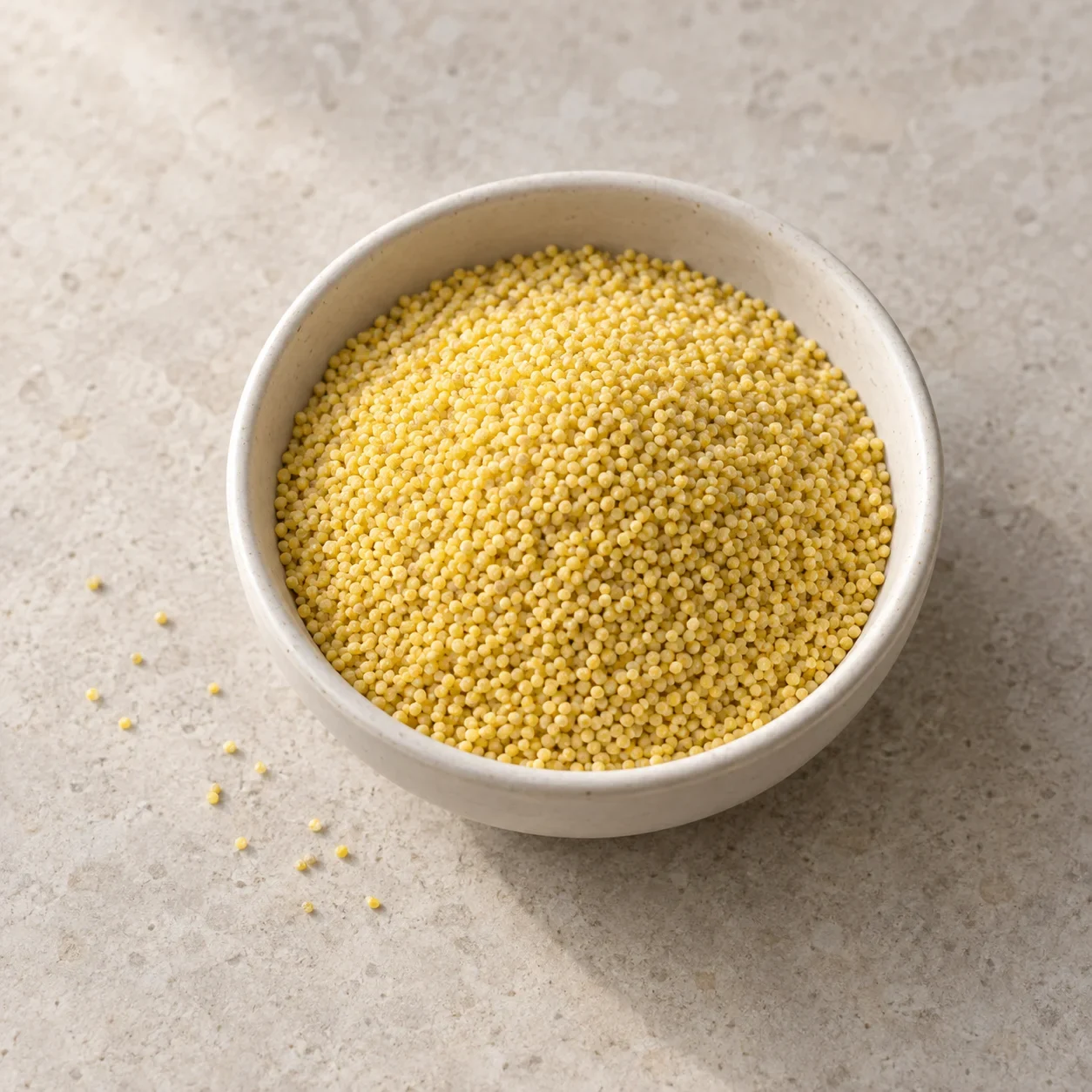
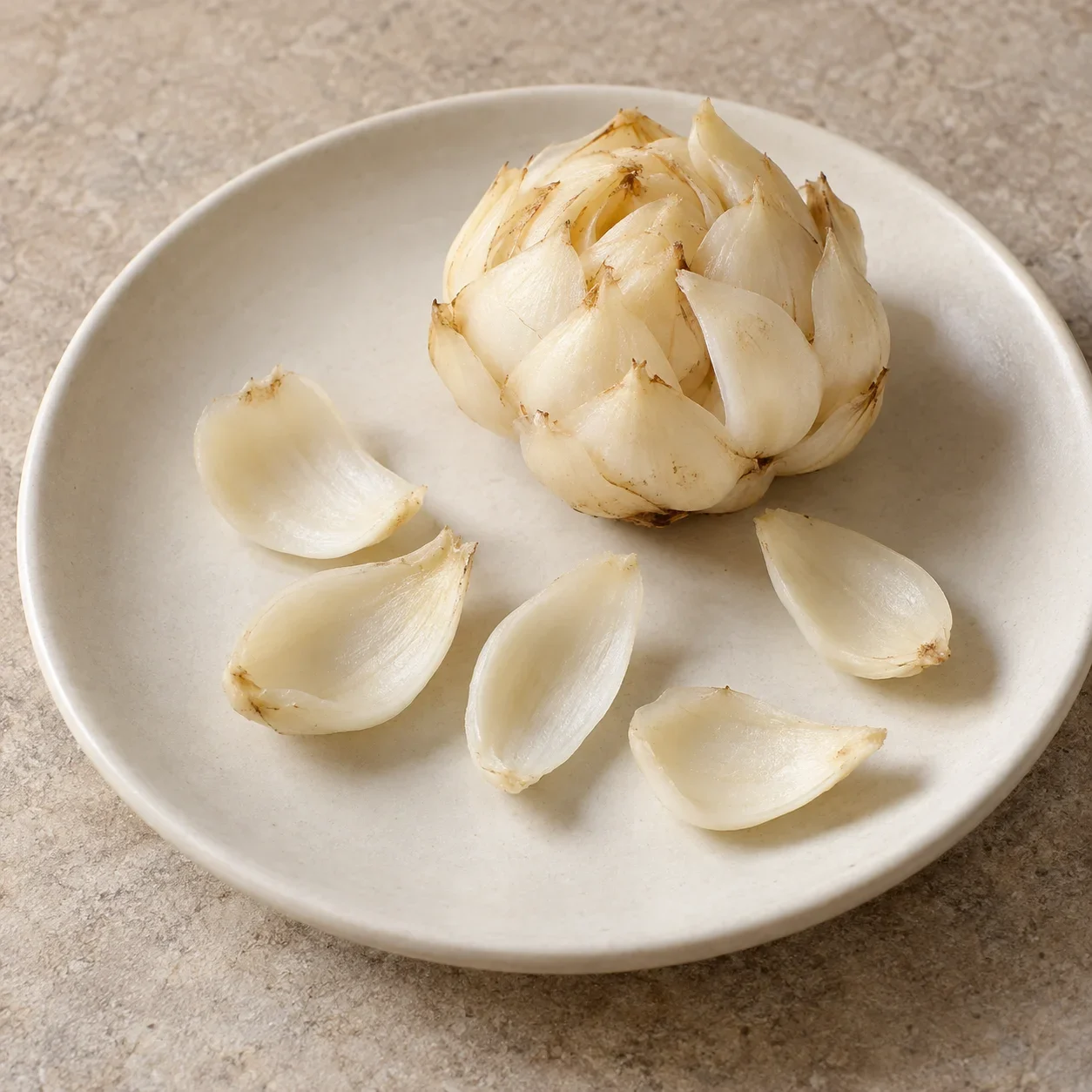
In some versions
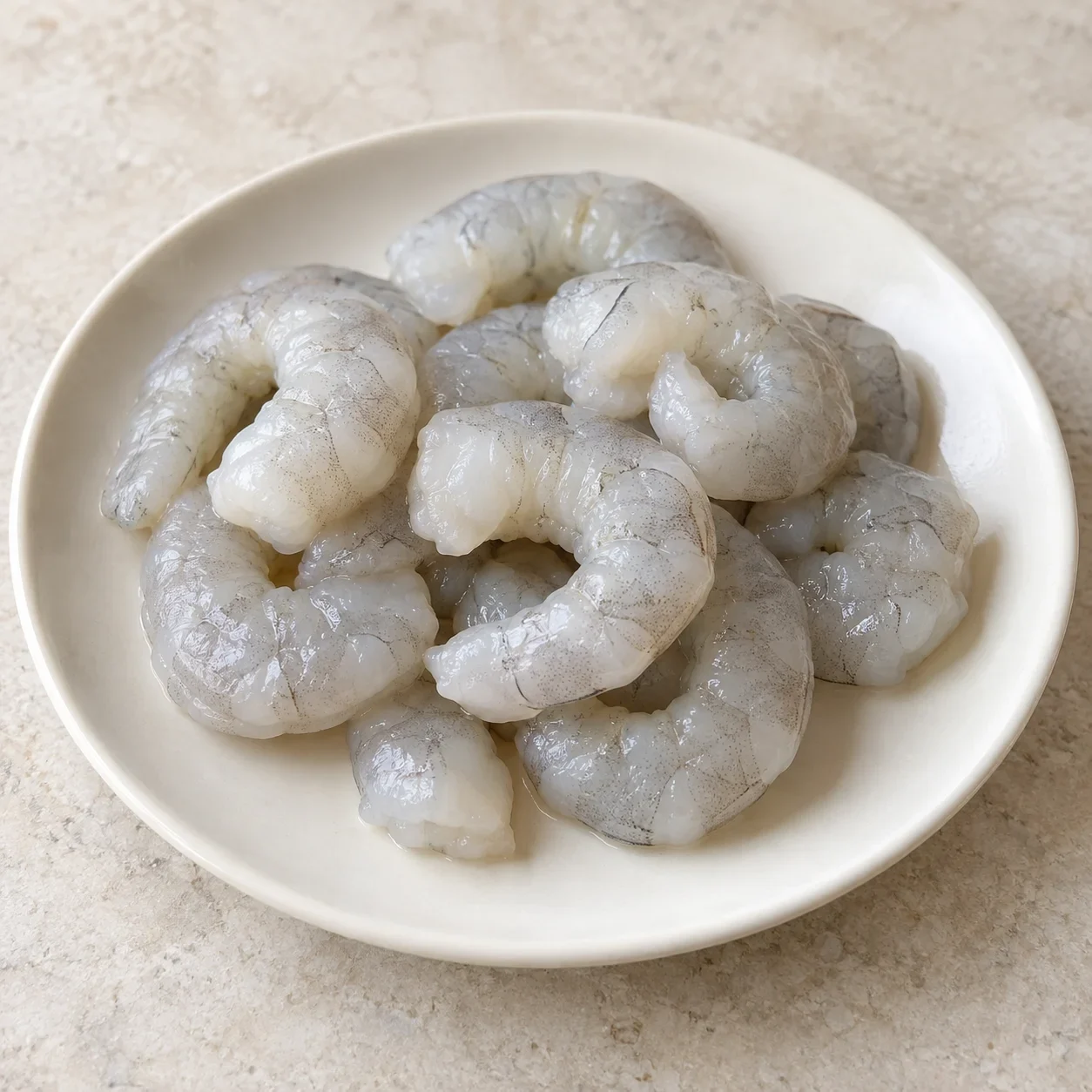
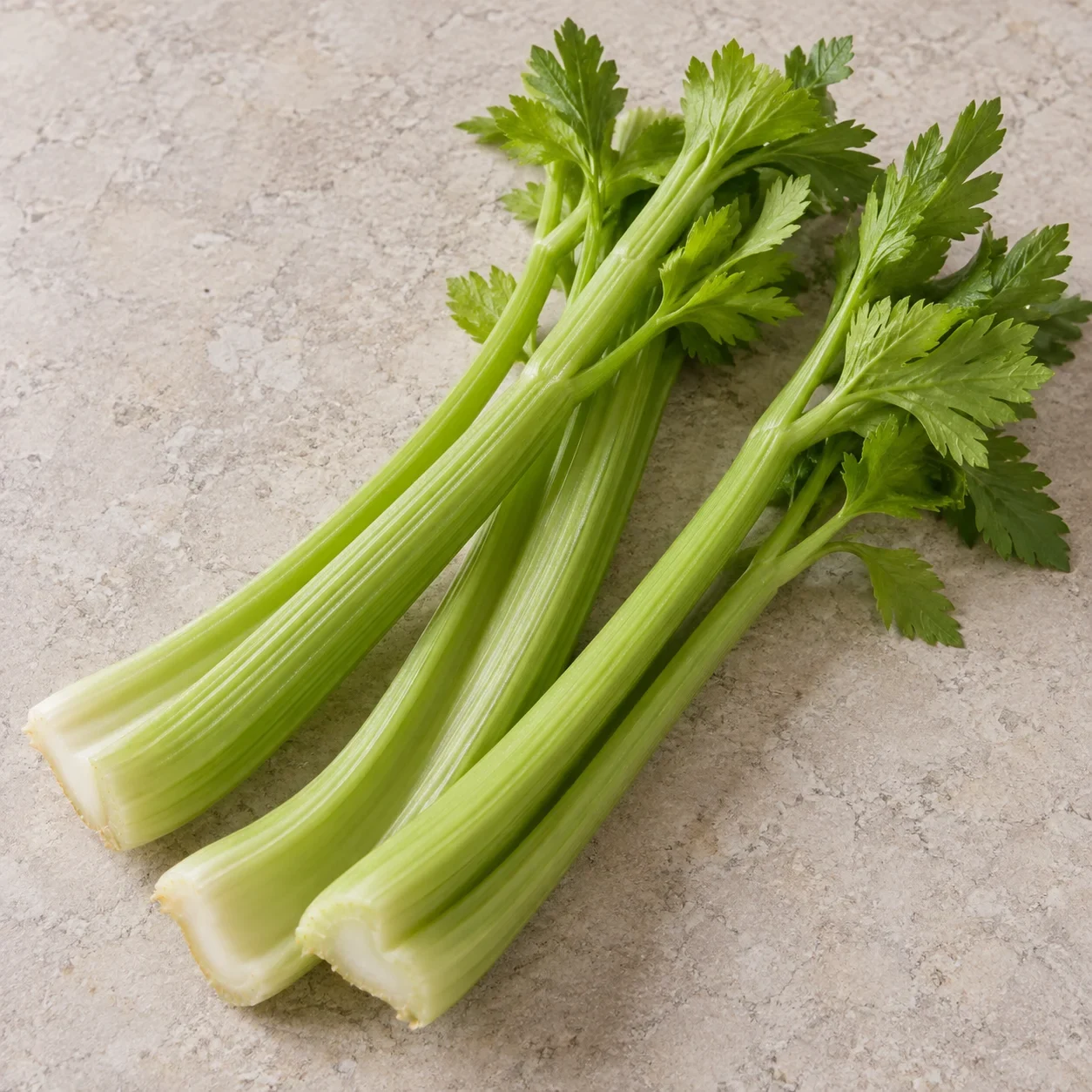
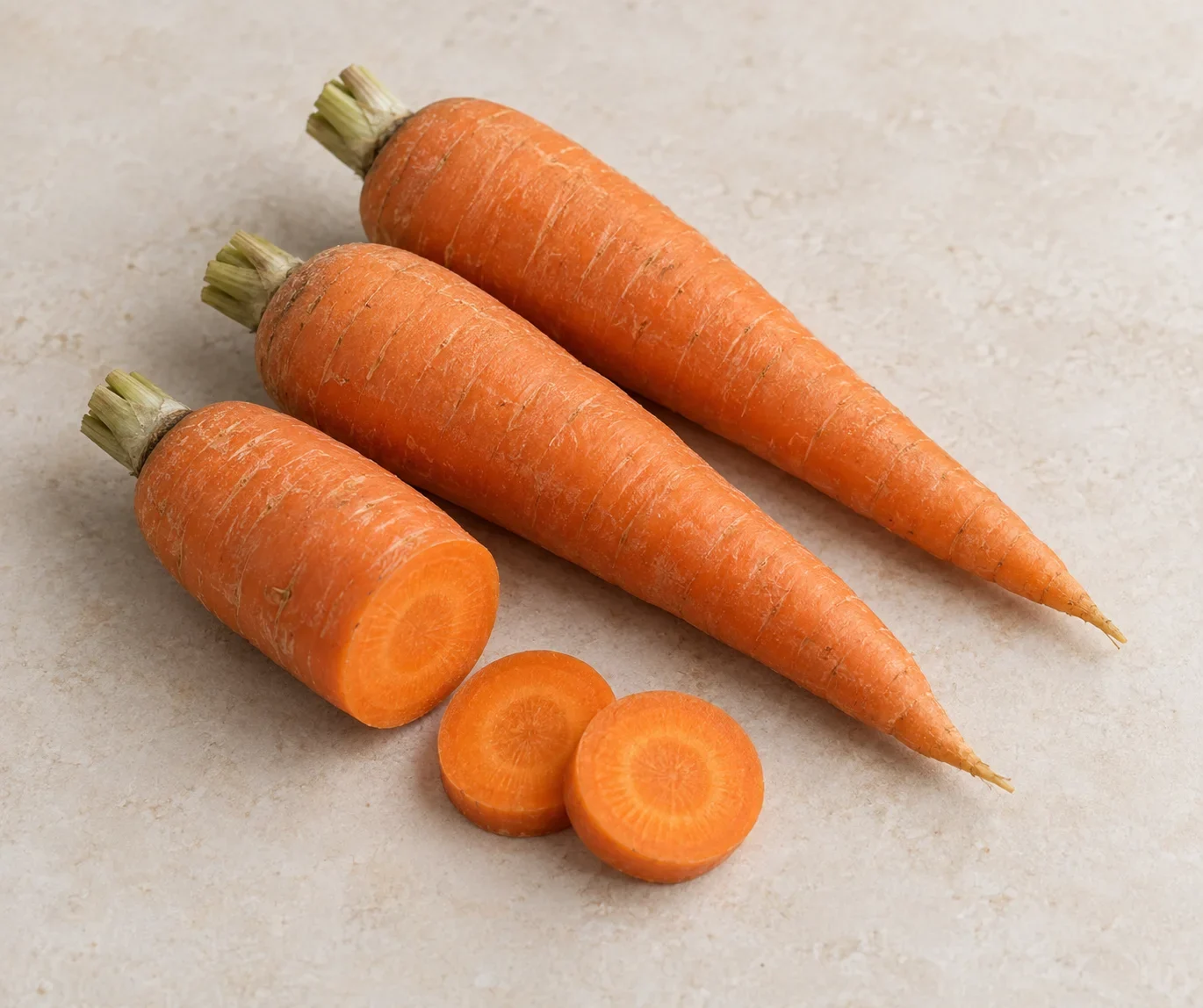
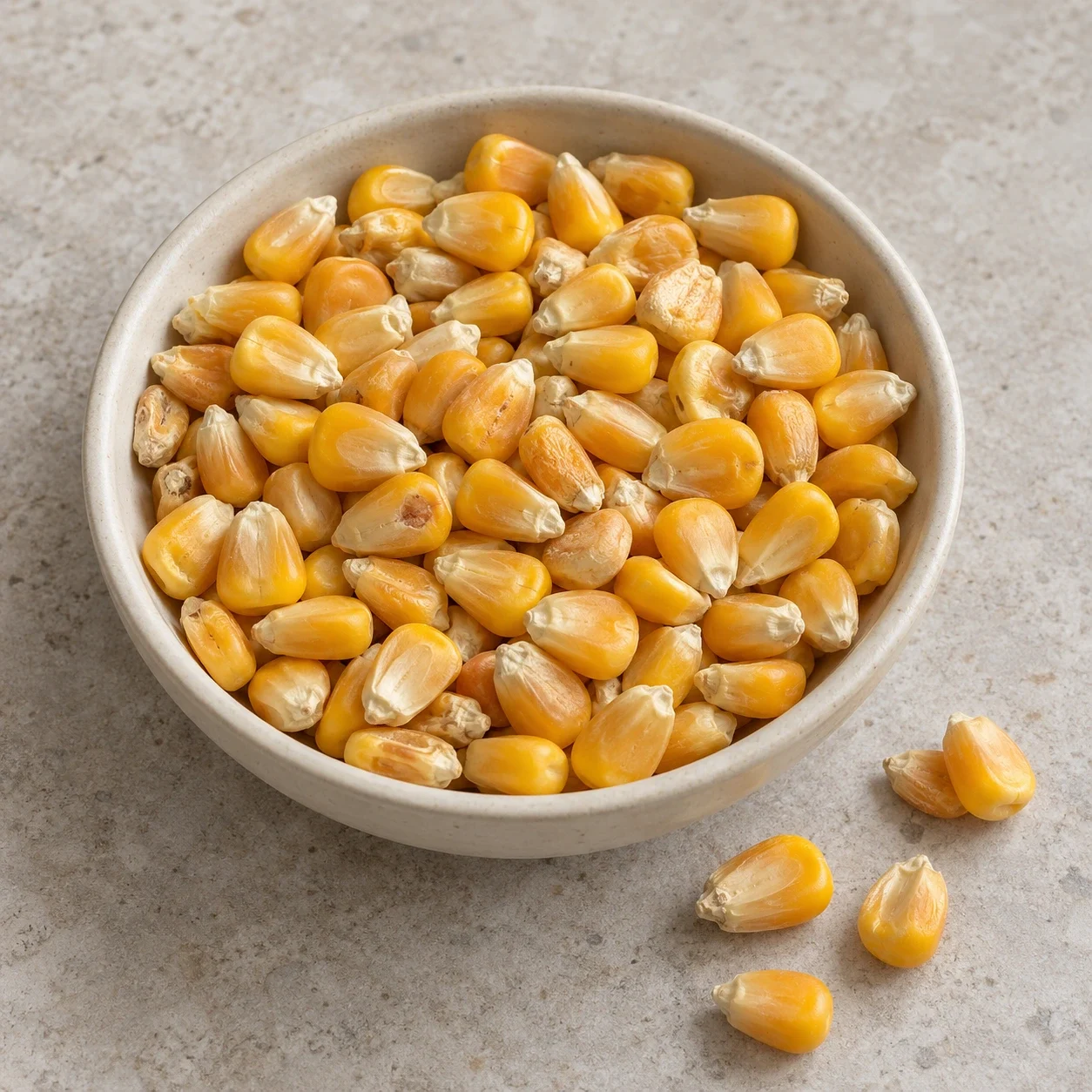
Recipes vary by restaurant.
How does it taste?
Millet and lily bulb are the defining ingredients. Ask about the seasoning rather than assuming the dish is sweet, salty or spicy.
- Chili heat
- Texture
- The texture depends on how the millet and lily bulb are prepared; softness and moisture can vary.
- How it’s made
- The name describes millet stir-fried with lily bulb. Preparation of the grain, cooking fat, added ingredients and final seasoning are not fixed here.
Cooks may use different proportions, seasonings and accompaniments. Confirm the actual ingredients when ordering.
A CONNECTION TO PLACE
Origin & regional roots
Associated with Shanxi.
About this regional connection
Shanxi: Named in official Changzhi itinerary.
Ask if they have it first
请问你们有小米炒百合吗?
Do you have this item?
A LITTLE SOMETHING TO READ
Story & history
A local millet dish from Changzhi
Changzhi, in Shanxi’s Shangdang area, includes xiaomi chao baihe among its local foods. It brings together a grain and edible lily bulb in a dish named for stir-frying.