
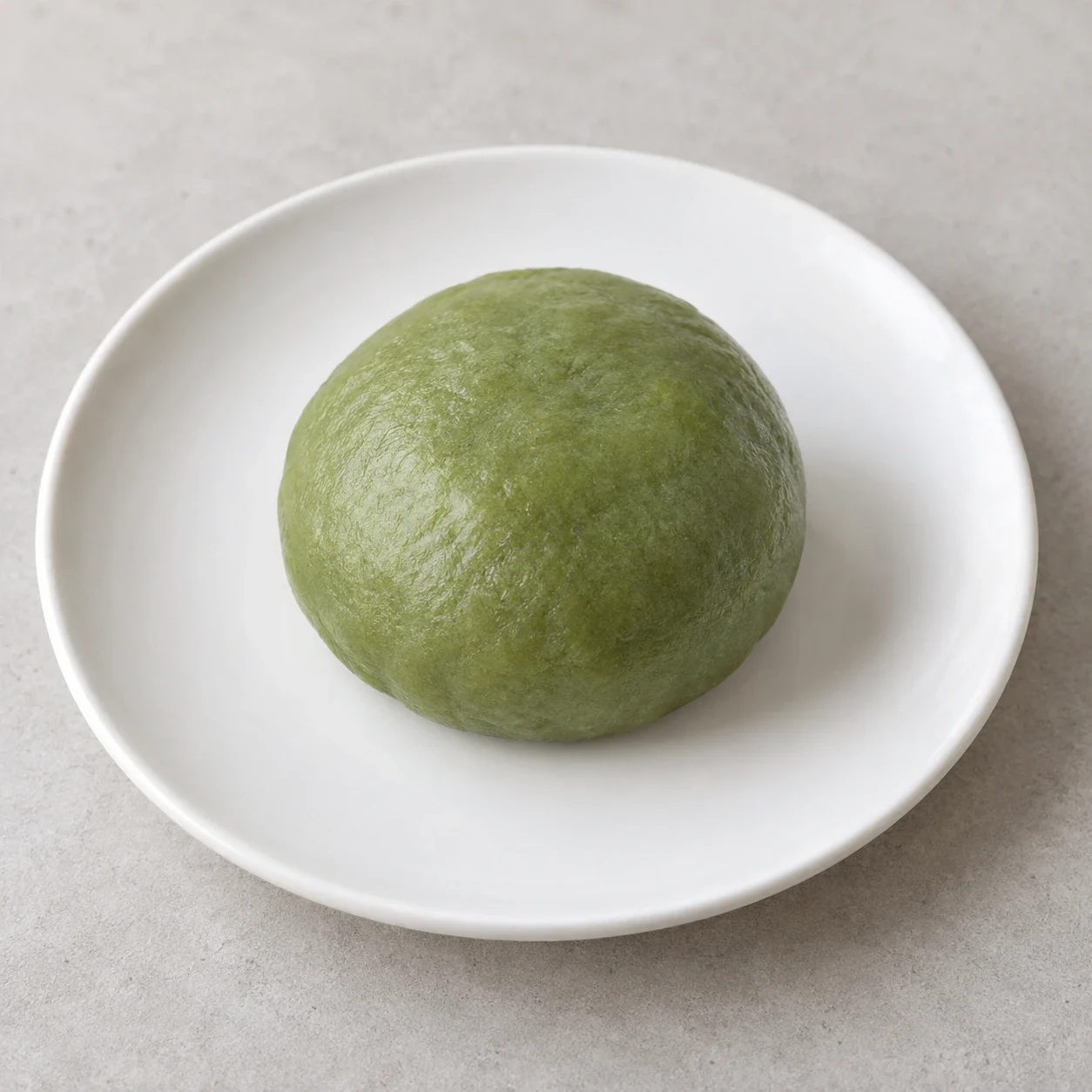
At the table
Eat as a small snack. Remove any wrapper or liner, let a hot cake cool, and take small bites.
The glutinous-rice skin is sticky and needs careful chewing. Hot filling can burn; fillings and shared preparation may involve allergens.
Confirm the filling and fats with the seller. A green plant-colored skin does not establish that the whole cake is vegetarian or vegan.
GET TO KNOW THE DISH
What goes into it?
Explore some key ingredients below. Preparations may use additional seasonings and ingredients.
The description follows the sweet red-bean version. Fillings, sweetness and fats vary by maker.
Typical ingredients
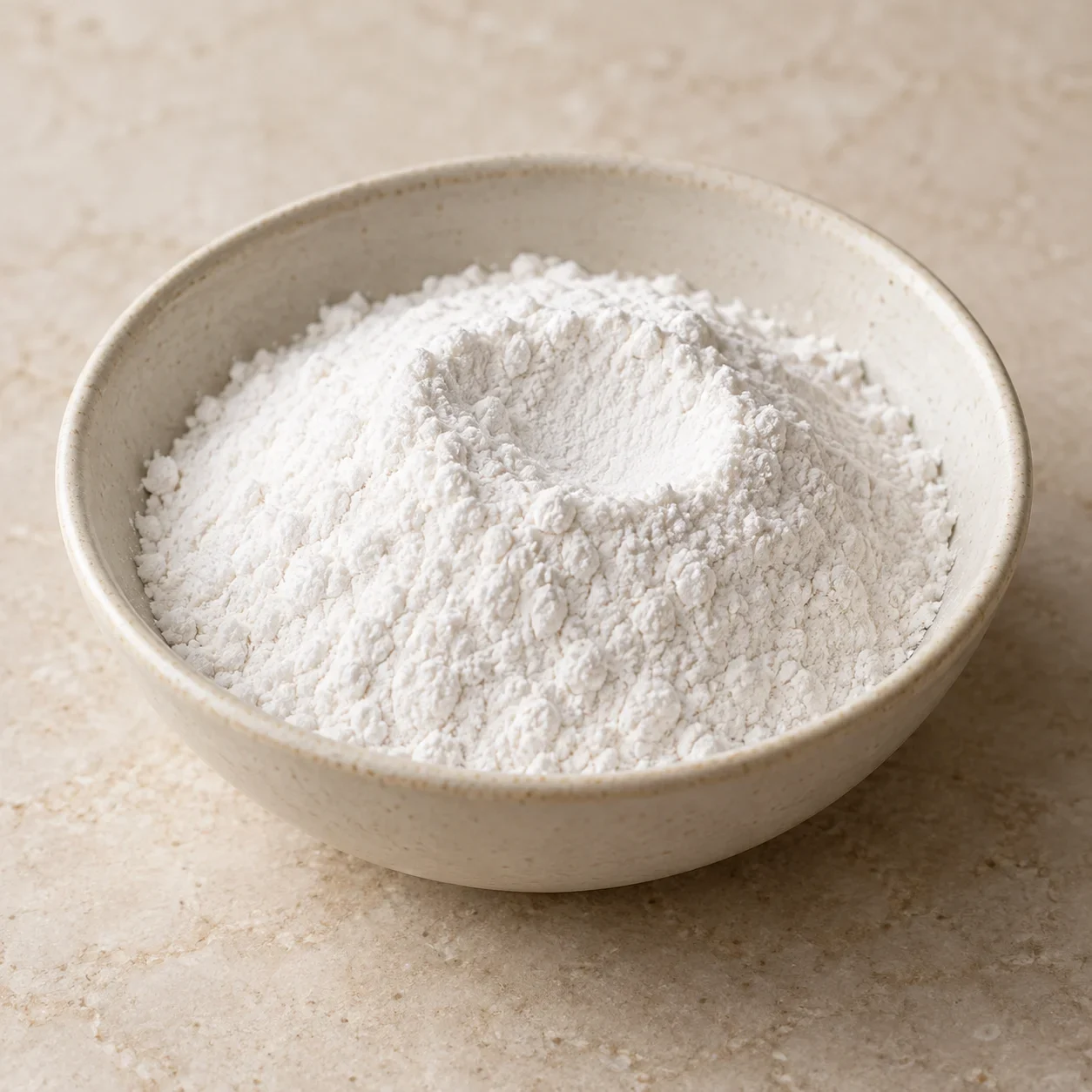
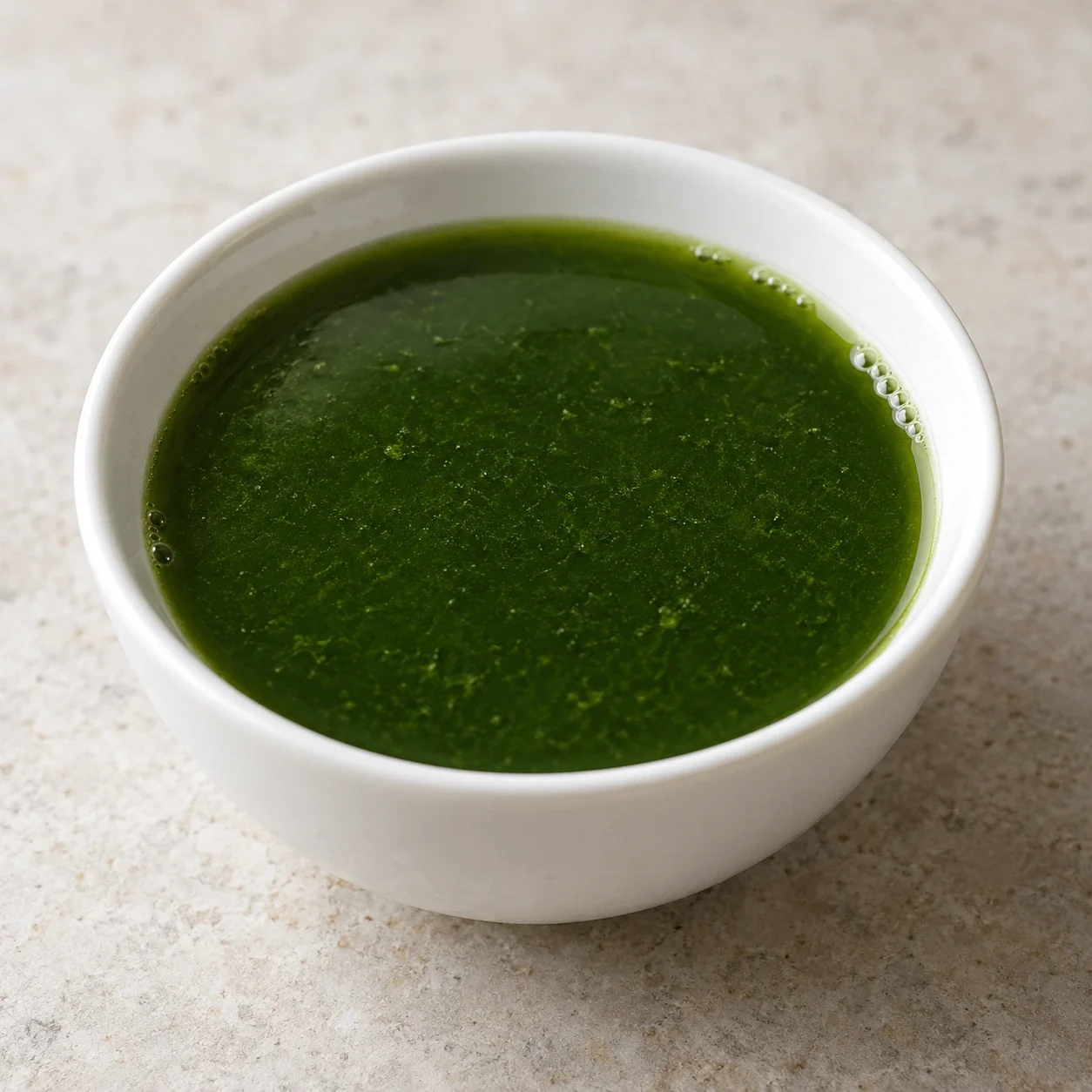
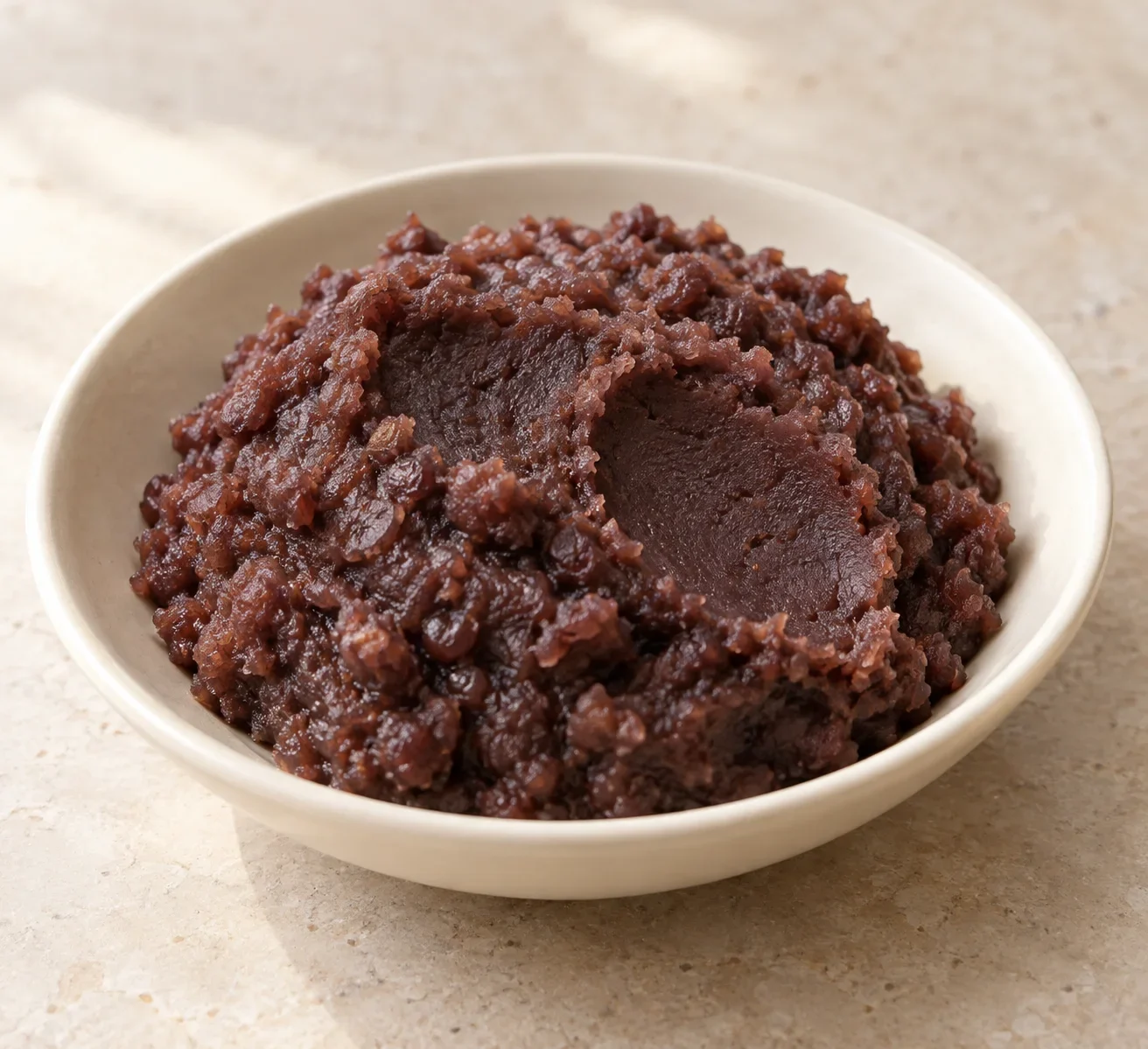
Recipes vary by restaurant.
How does it taste?
Gently grassy rice skin with a sweet bean filling.
- Chili heat
- Texture
- Soft, sticky and chewy, with a smooth bean-paste center.
- How it’s made
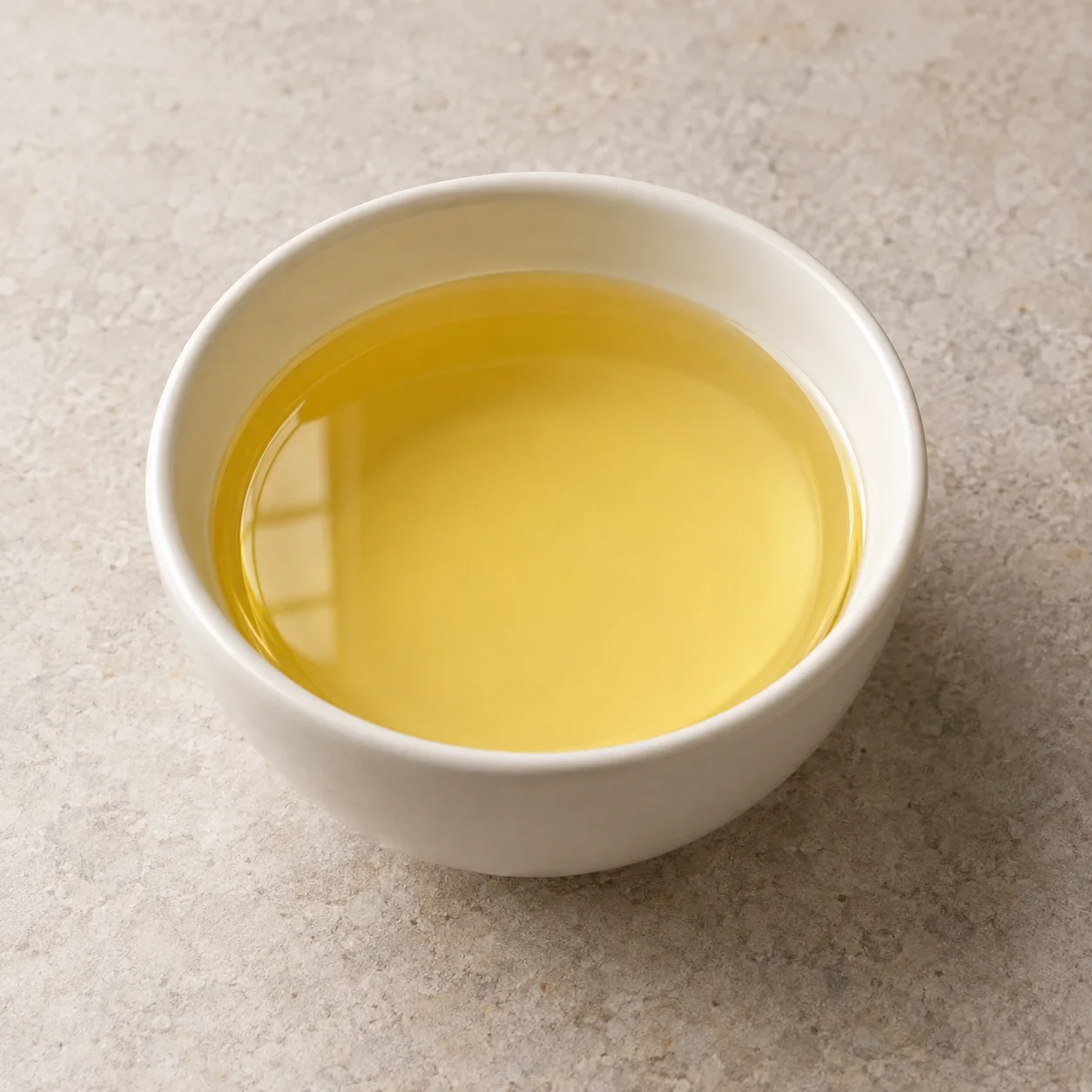
- Mix glutinous-rice flour with prepared jiangmaicao juice and water, wrap the filling, steam, and brush with cooked vegetable oil.
The description follows the sweet red-bean version. Fillings, sweetness and fats vary by maker.
A CONNECTION TO PLACE
Origin & regional roots
Associated with Jiangsu.
About this regional connection
Jiangsu: Zhengyi, Kunshan, Jiangsu.
Ask if they have it first
请问你们有正仪青团子吗?
Do you have this item?
A LITTLE SOMETHING TO READ
Story & history
A green taste of spring in Zhengyi
This account describes a tradition or story, rather than an established historical fact.
In Zhengyi, qingtuan makers press a locally cultivated grass called jiangmaicao and process its juice for the rice dough. They wrap fillings such as bean paste, steam the cakes and brush the surface with oil. Once associated with Qingming offerings, these green cakes are now also enjoyed as a seasonal snack. Their appeal is the contrast between fragrant, sticky rice skin and a sweet center.