
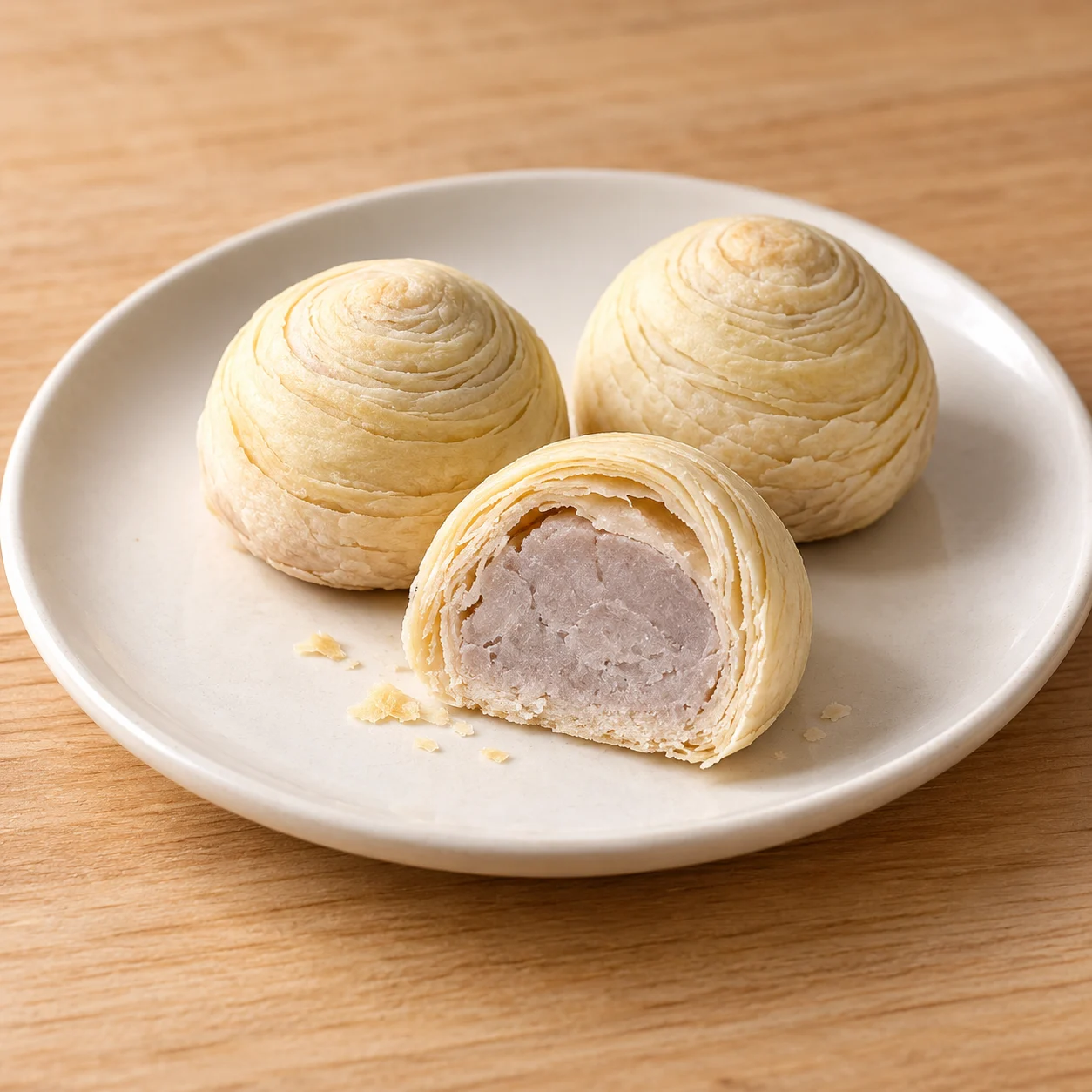
At the table
Hold over a plate or napkin to catch flakes. Break or cut it to see the filling; let a reheated center cool before biting.
Contains wheat and, in the representative butter recipe, milk. Other recipes may contain soy or coconut ingredients. Check the specific filling and pastry if avoiding these ingredients.
Layer patterns, color and filling recipes vary. Some taro fillings include white beans, milk powder, coconut ingredients or soy oil; check the label rather than assuming pure taro.
GET TO KNOW THE DISH
What goes into it?
Explore some key ingredients below. Preparations may use additional seasonings and ingredients.
Layer patterns, color and filling recipes vary. Some taro fillings include white beans, milk powder, coconut ingredients or soy oil; check the label rather than assuming pure taro.
Typical ingredients
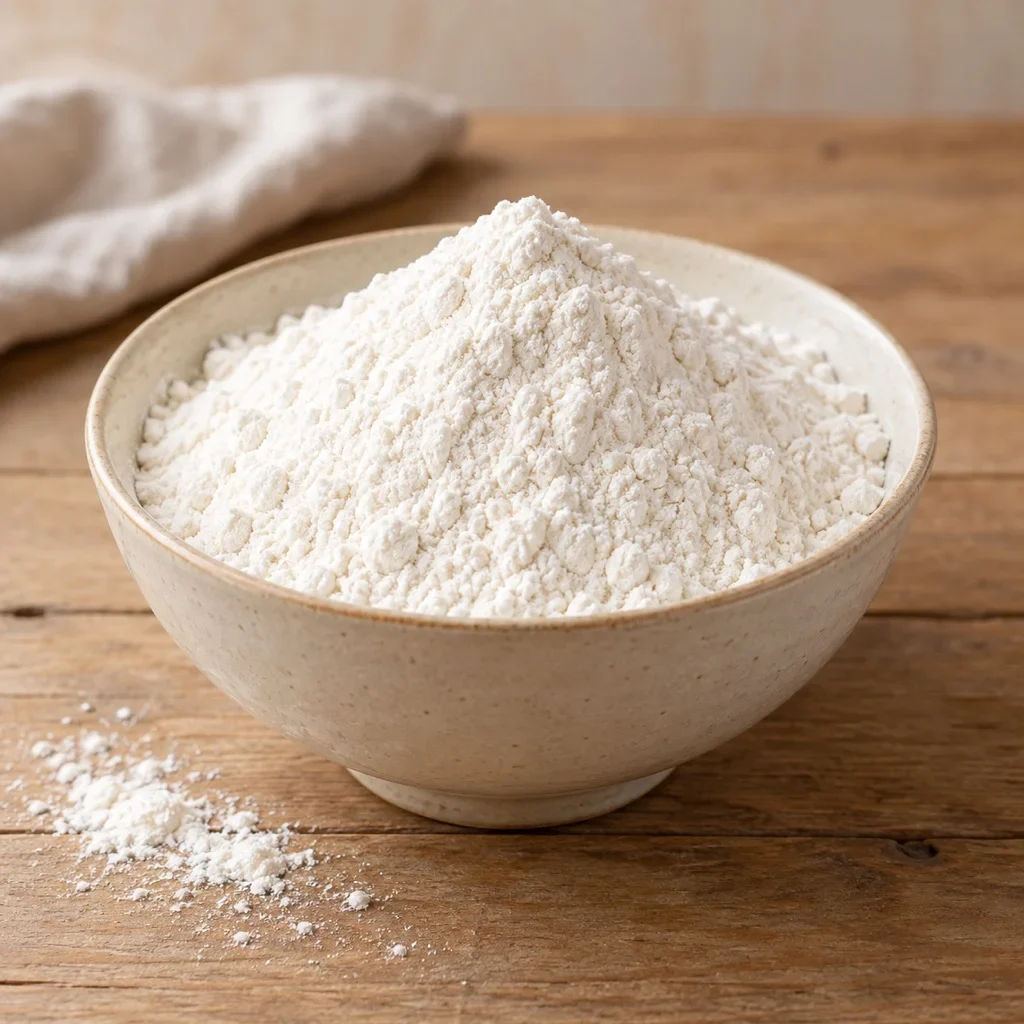
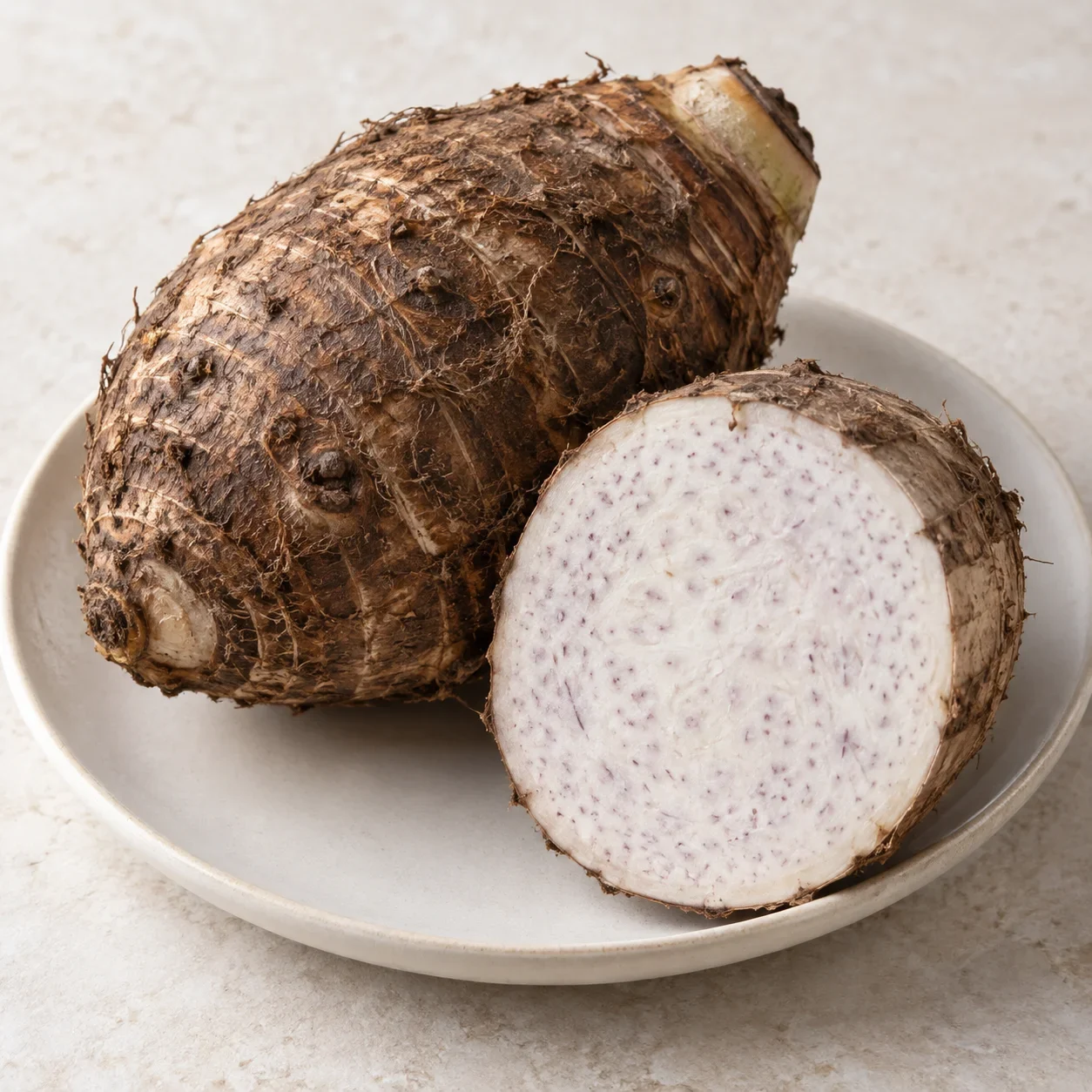
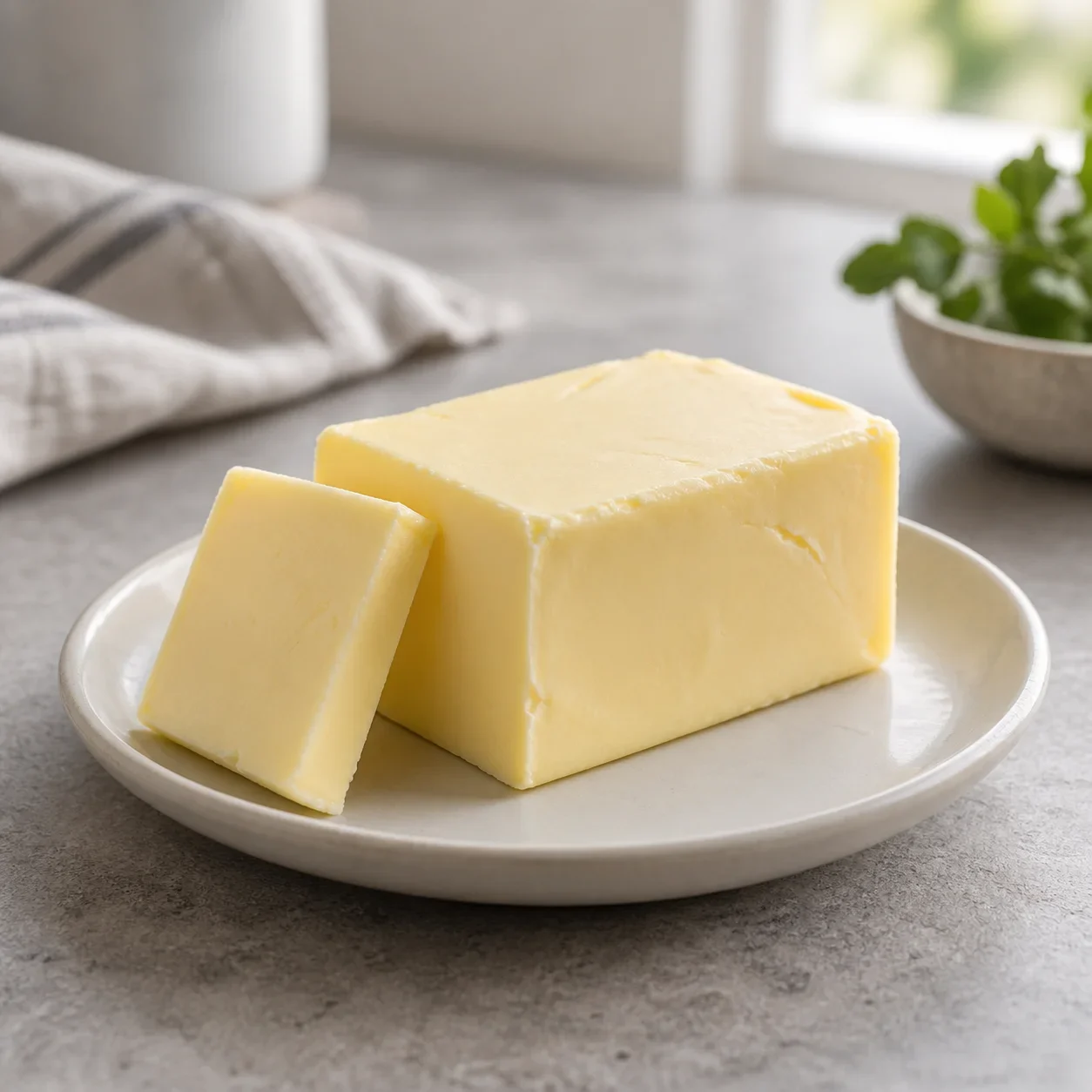
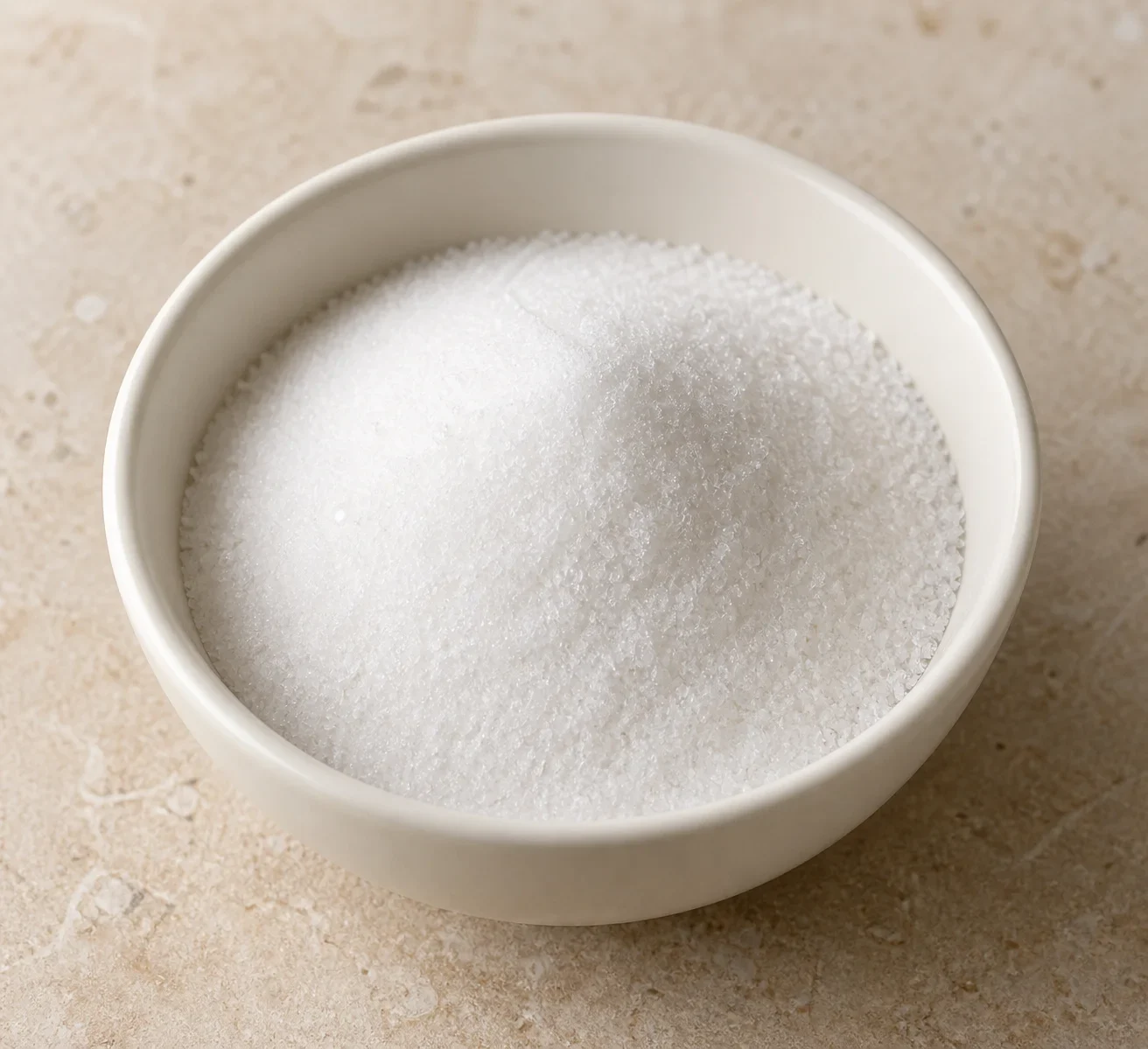
In some versions
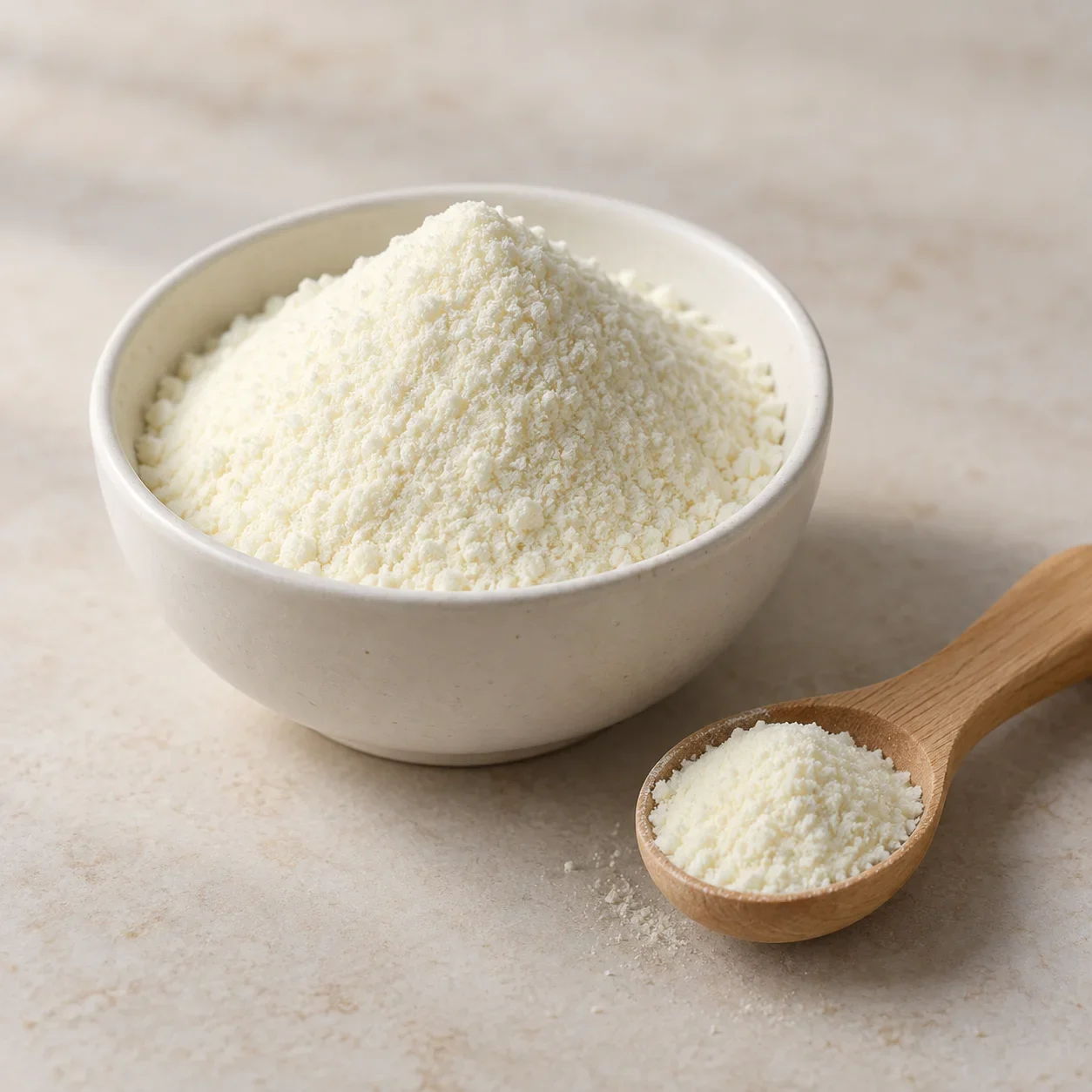
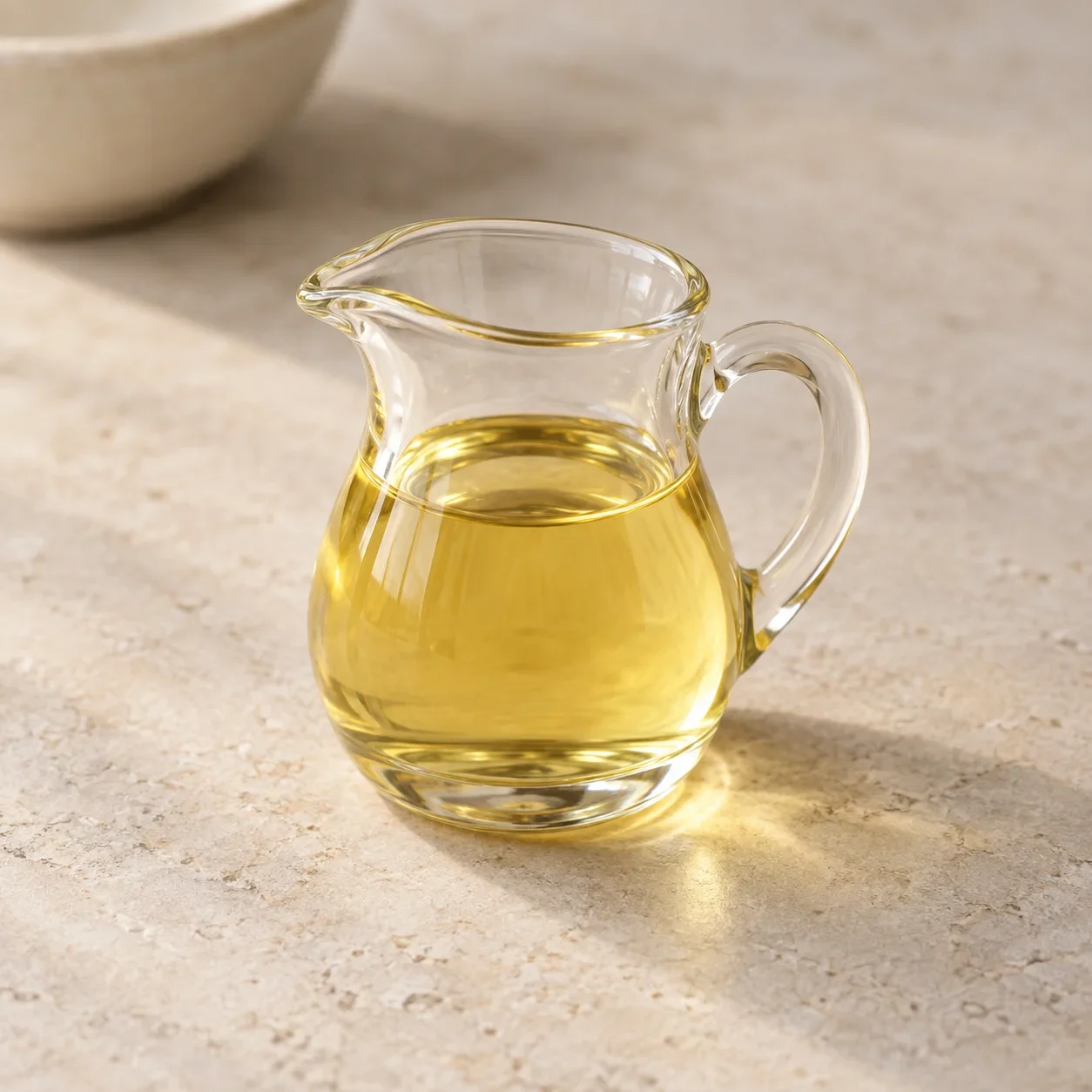
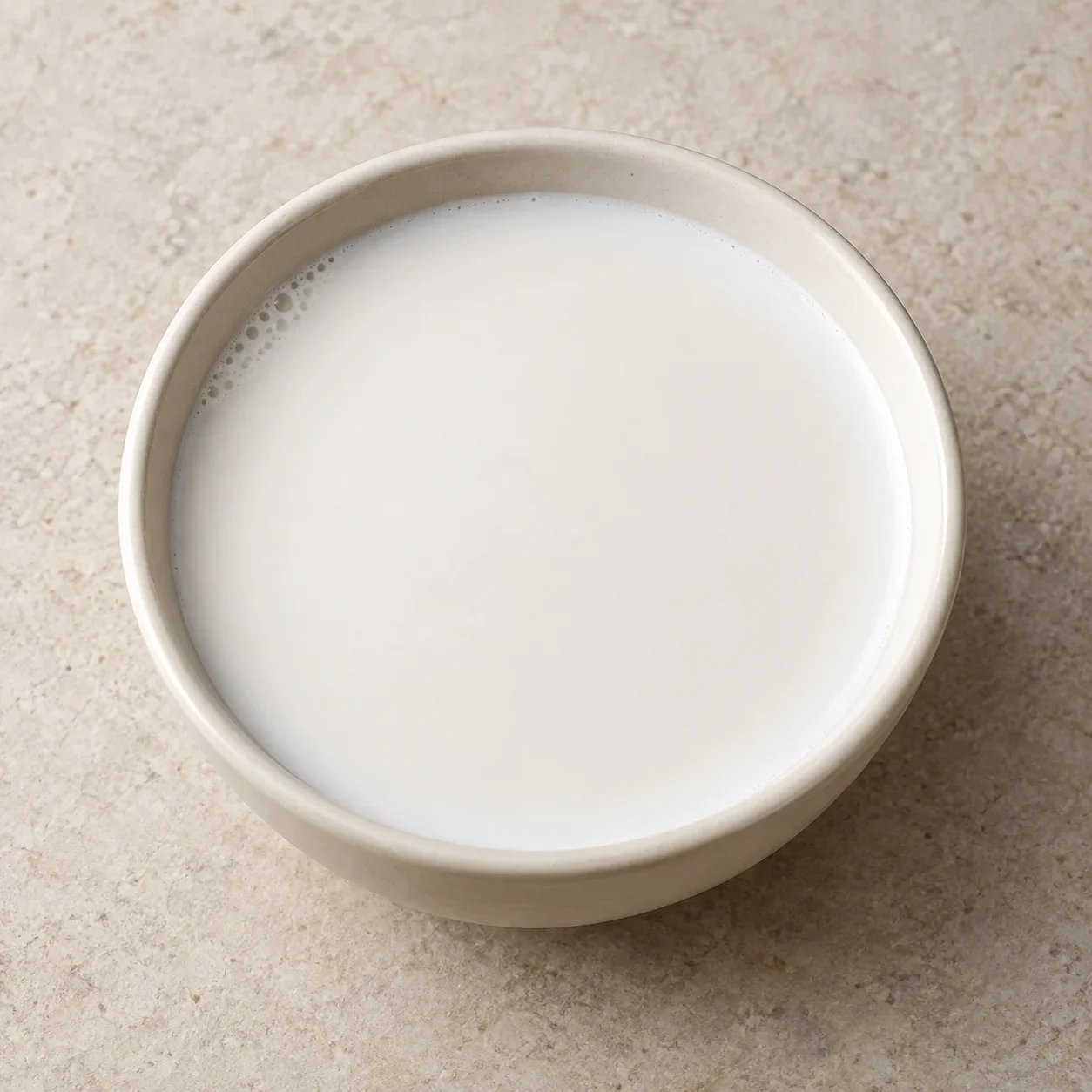
Recipes vary by restaurant.
How does it taste?
Mild earthy taro, sweet filling and buttery pastry.
- Chili heat
- Texture
- Crisp, delicate pastry layers contrast with smooth, dense taro paste.
- How it’s made
- A soft wheat dough and a flour-fat dough are layered, rolled and wrapped around taro filling, then baked until the pastry separates into thin flakes.
Layer patterns, color and filling recipes vary. Some taro fillings include white beans, milk powder, coconut ingredients or soy oil; check the label rather than assuming pure taro.
A CONNECTION TO PLACE
Origin & regional roots
Associated with Taiwan.
About this regional connection
Taiwan: Taiwan baked taro pastry; regional bakery product, not Cantonese fried dumpling.
Ask if they have it first
请问你们有台式芋头酥吗?
Do you have this item?
A LITTLE SOMETHING TO READ
Story & history
A Taiwanese bakery gift
Taro pastries are sold by Taiwanese bakeries as snacks and gift-box sweets. Their layered shells and soft taro centers distinguish them from fried taro dumplings.