
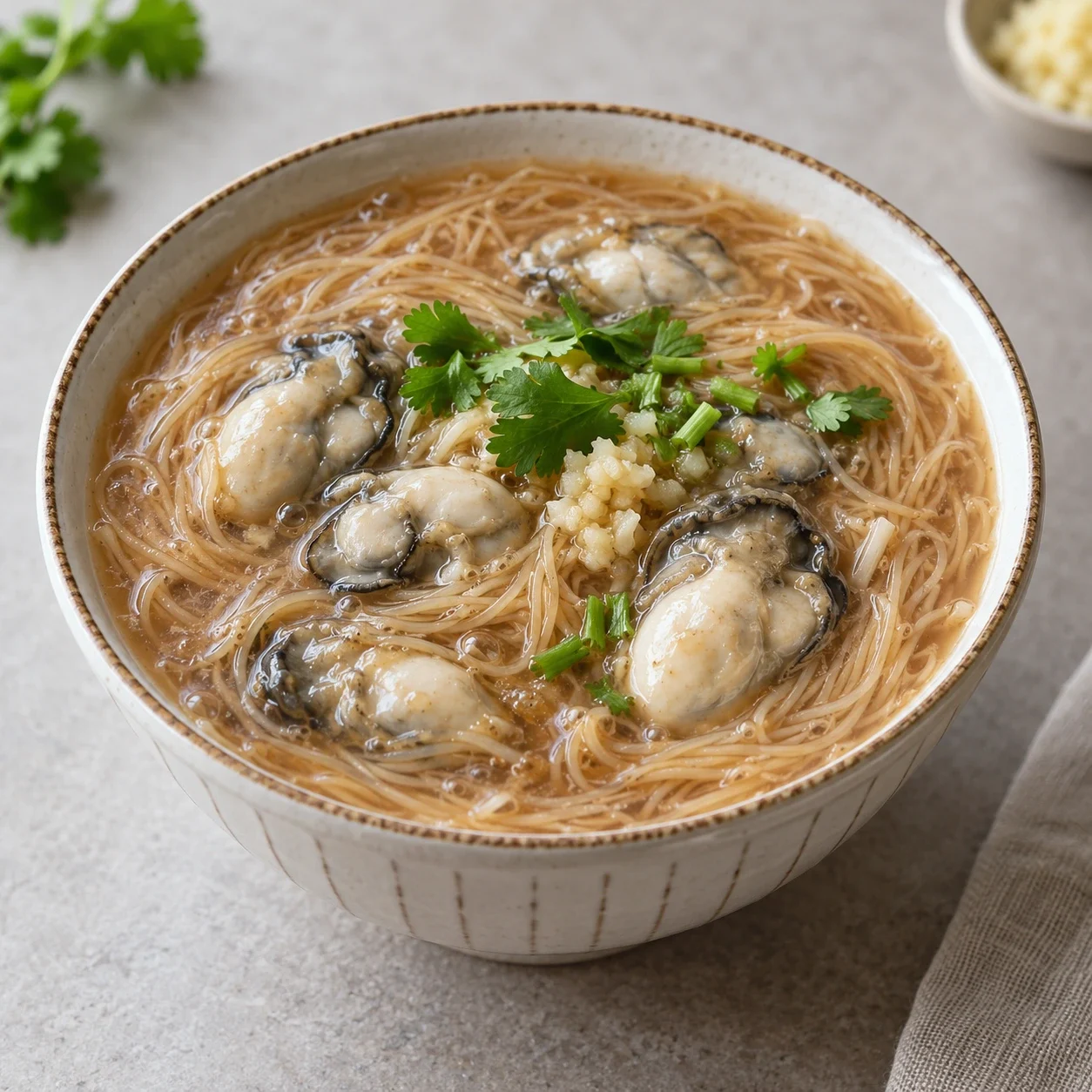
At the table
Eat the cooked noodles and oysters together with a spoon. Let a spoonful cool before tasting; ask for coriander or garlic to be left off if preferred.
Contains oysters, fish, wheat, soy and sesame; not vegetarian or vegan. Ask about the broth and condiments rather than assuming a noodle soup is plant-based.
Coriander is an optional topping. Garlic, vinegar and chili additions vary; this version contains no chili.
GET TO KNOW THE DISH
What goes into it?
Explore some key ingredients below. Preparations may use additional seasonings and ingredients.
Coriander is an optional topping. Garlic, vinegar and chili additions vary; this version contains no chili.
Typical ingredients
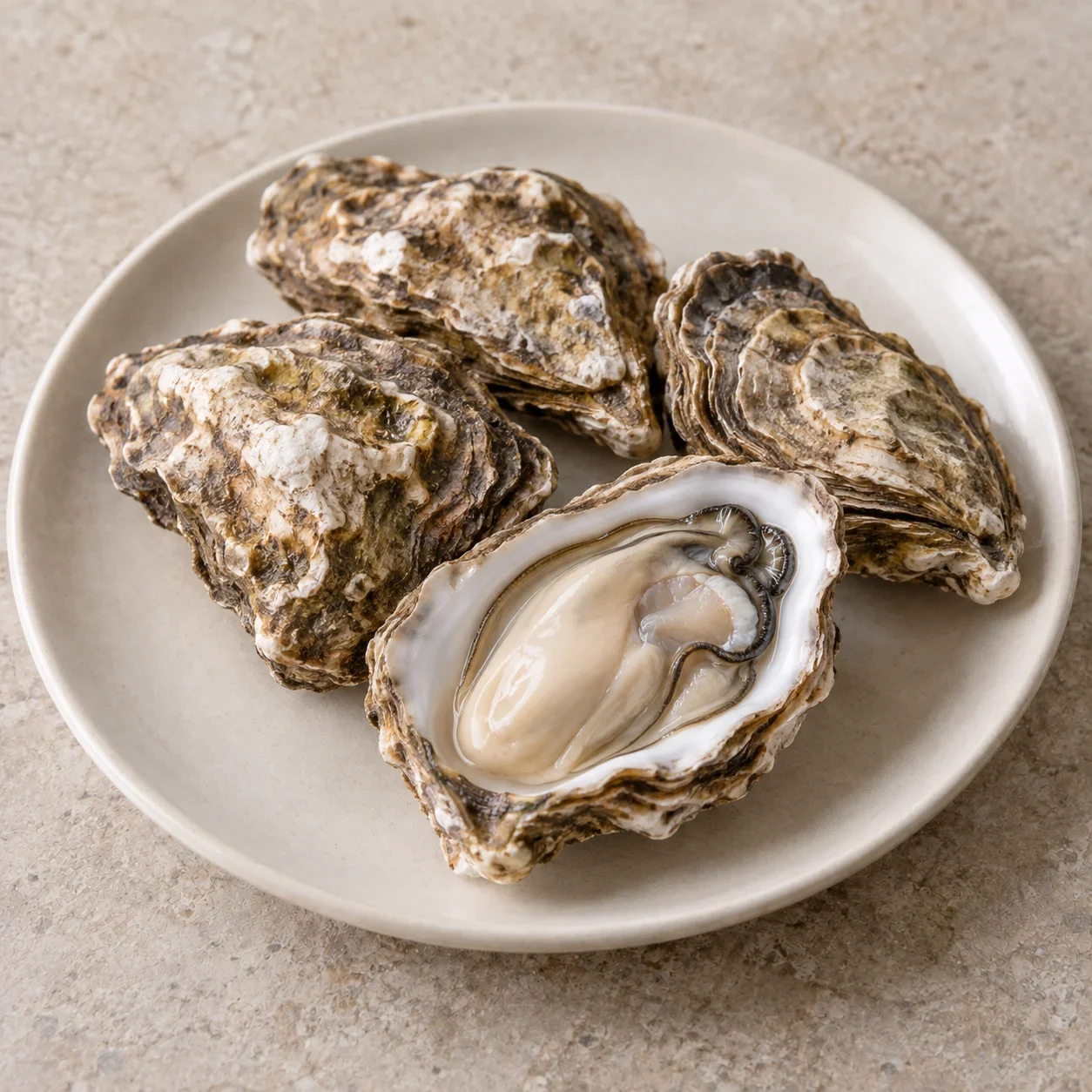
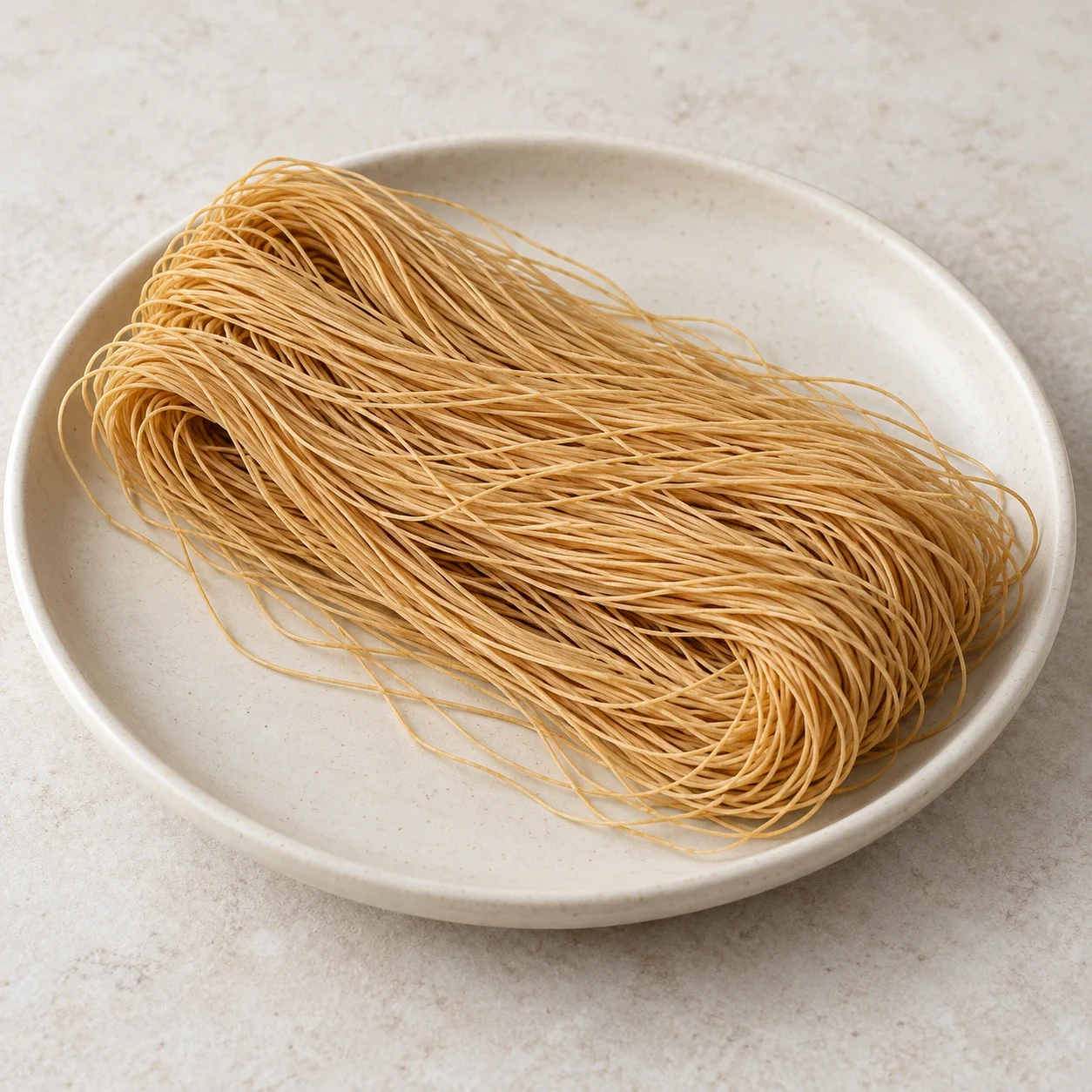
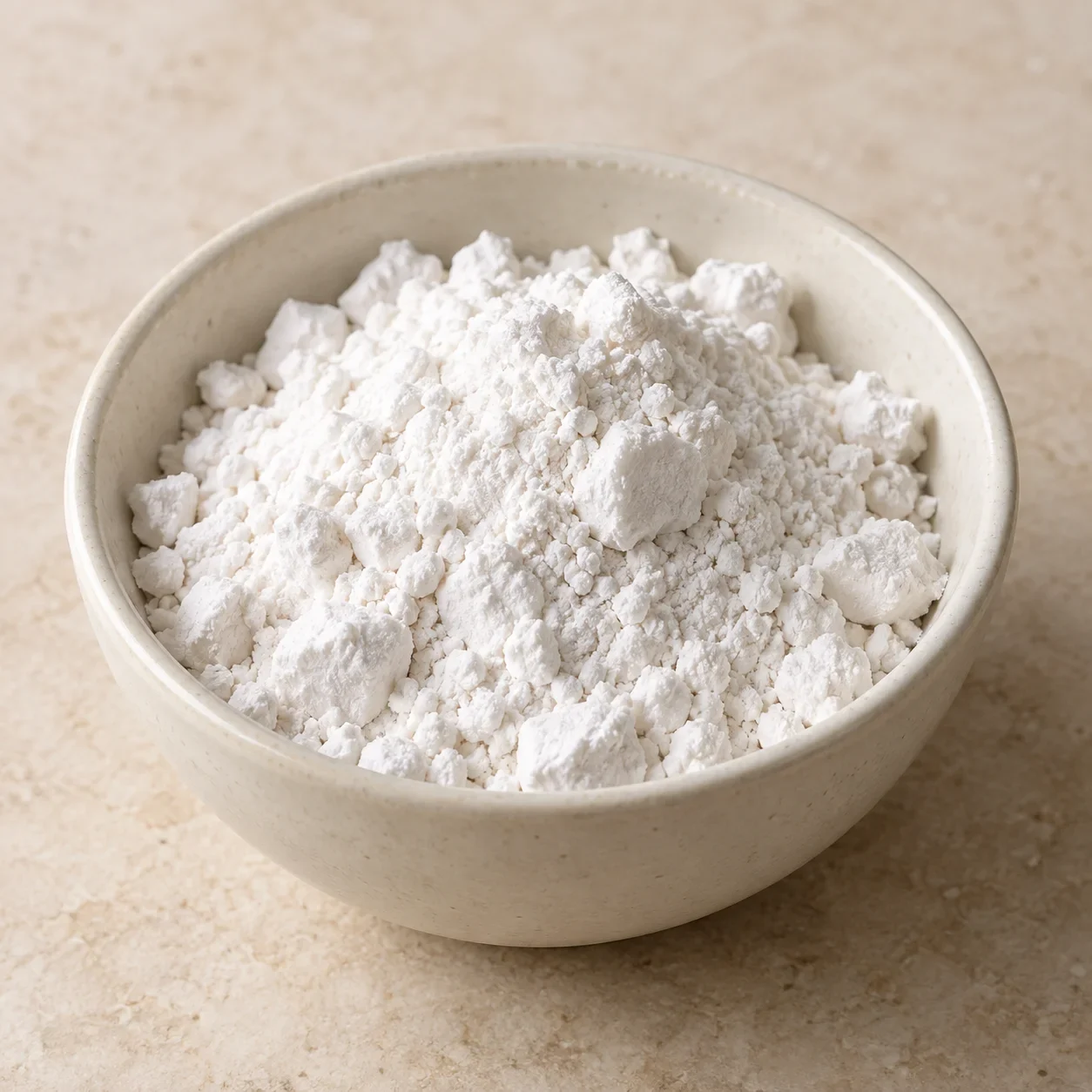
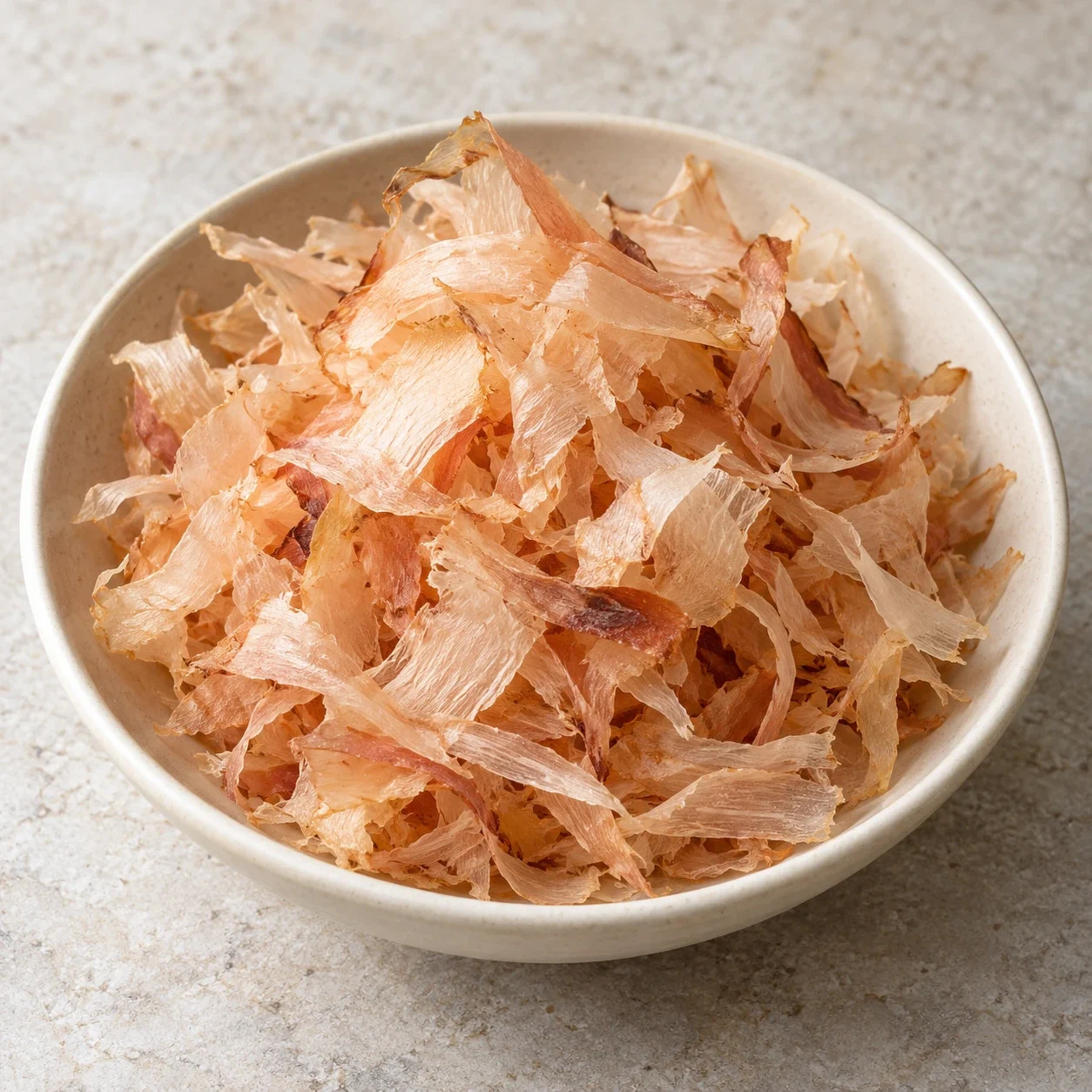
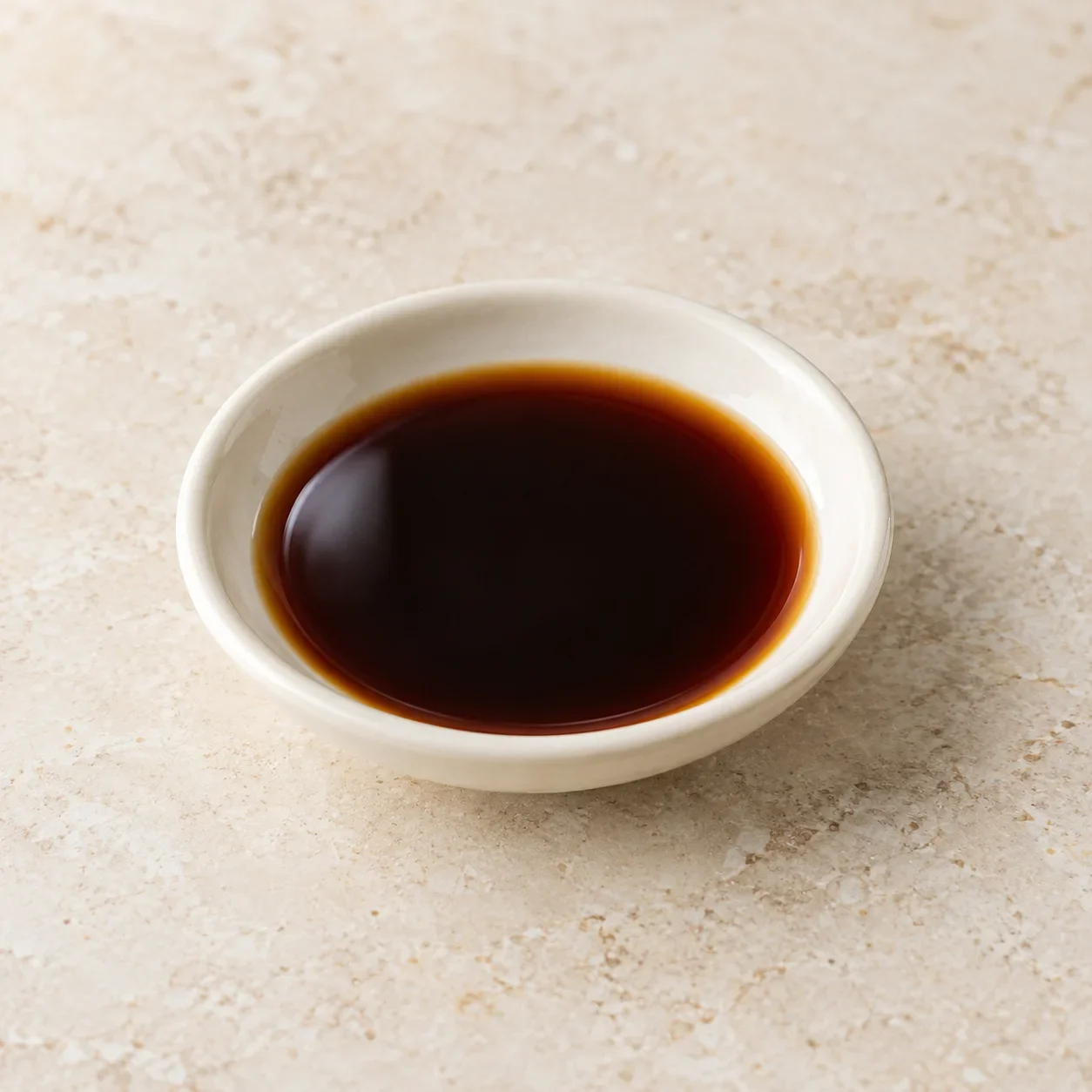
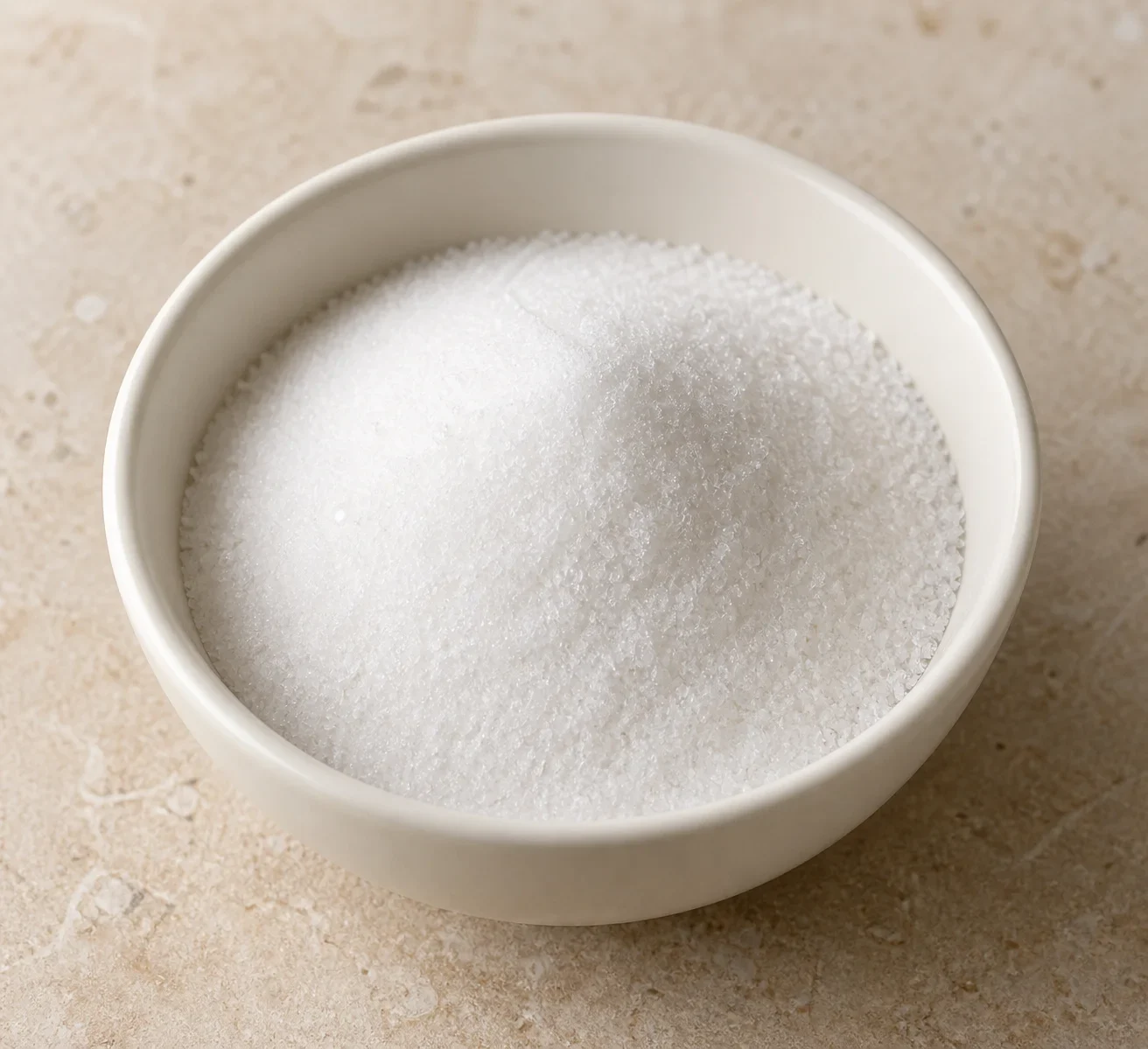

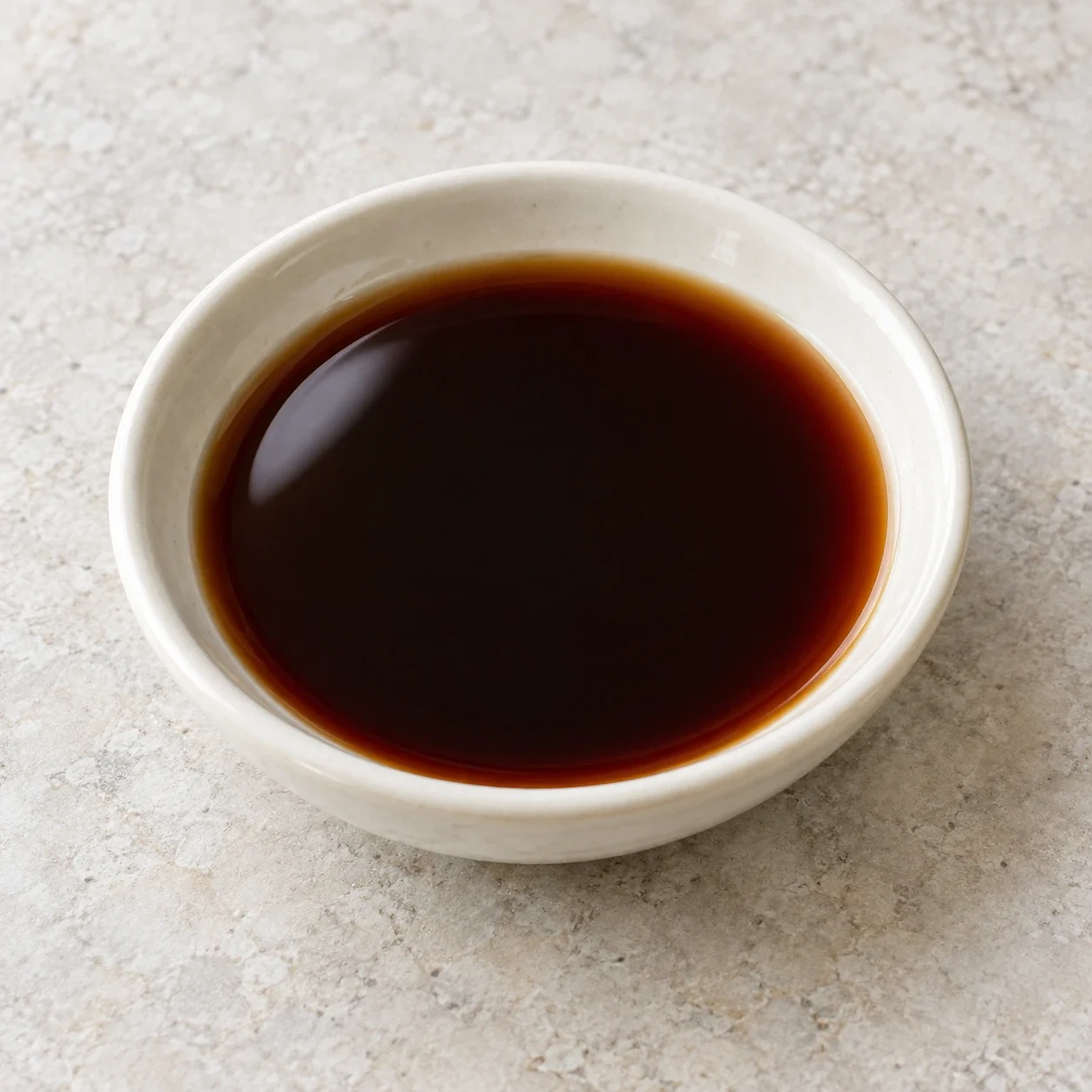
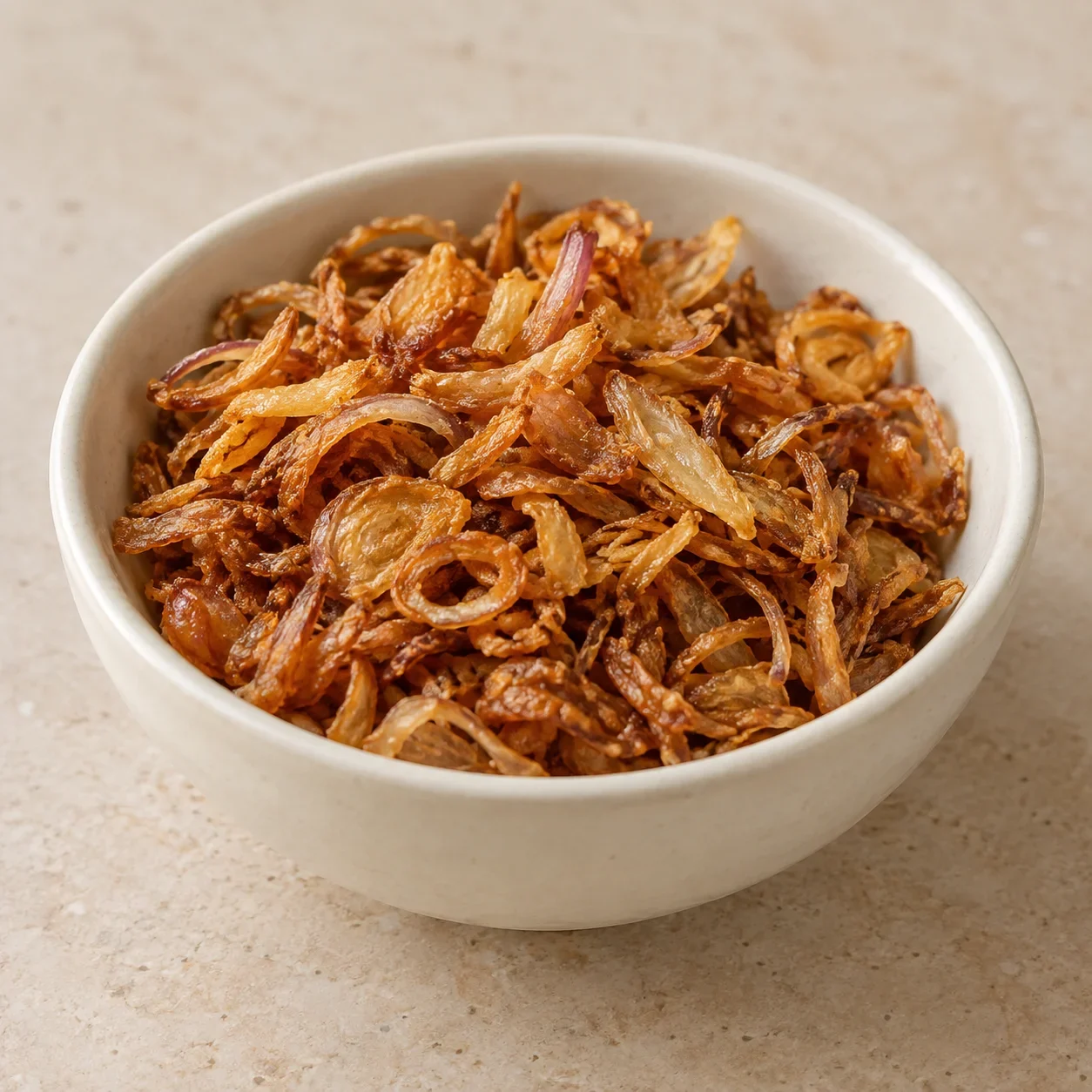
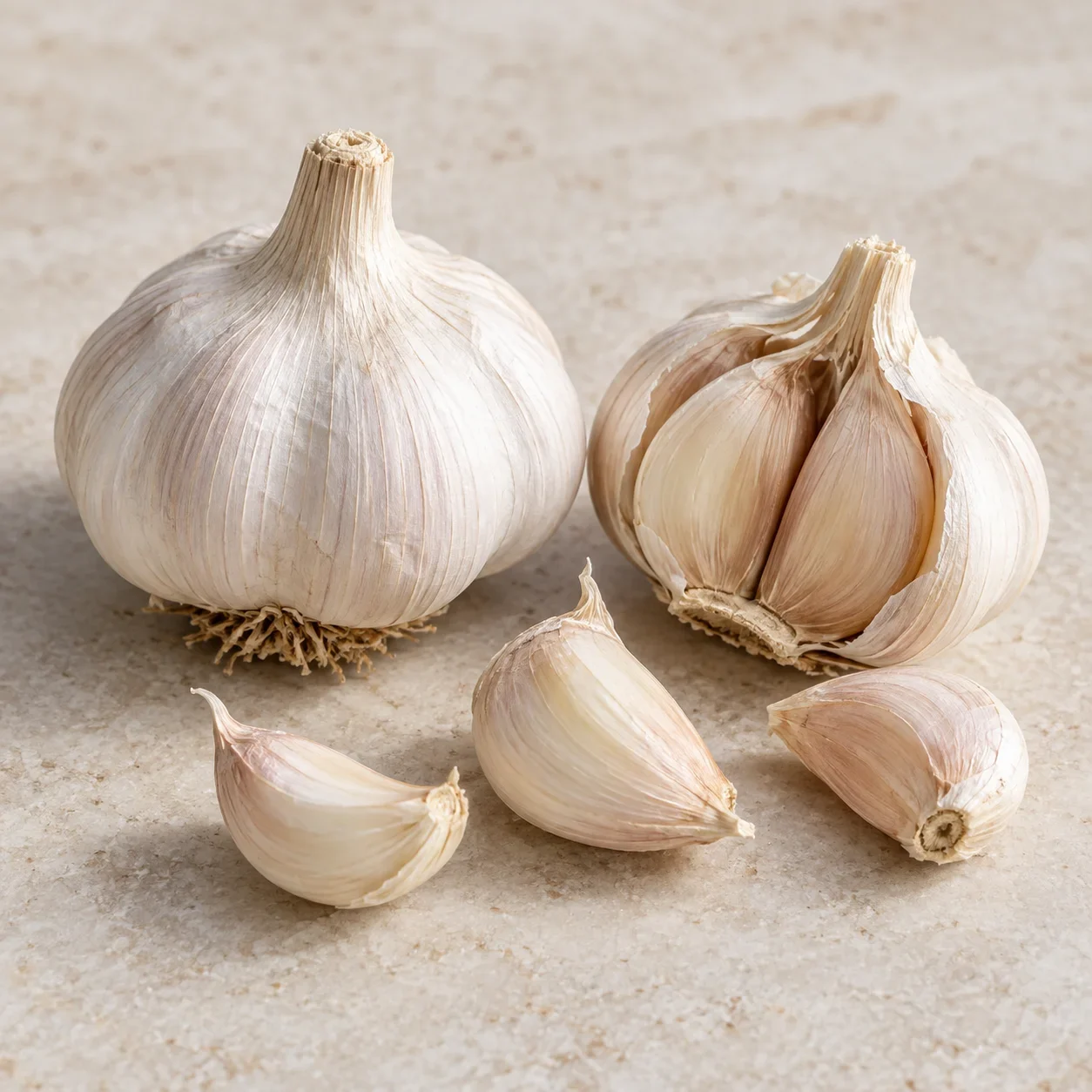
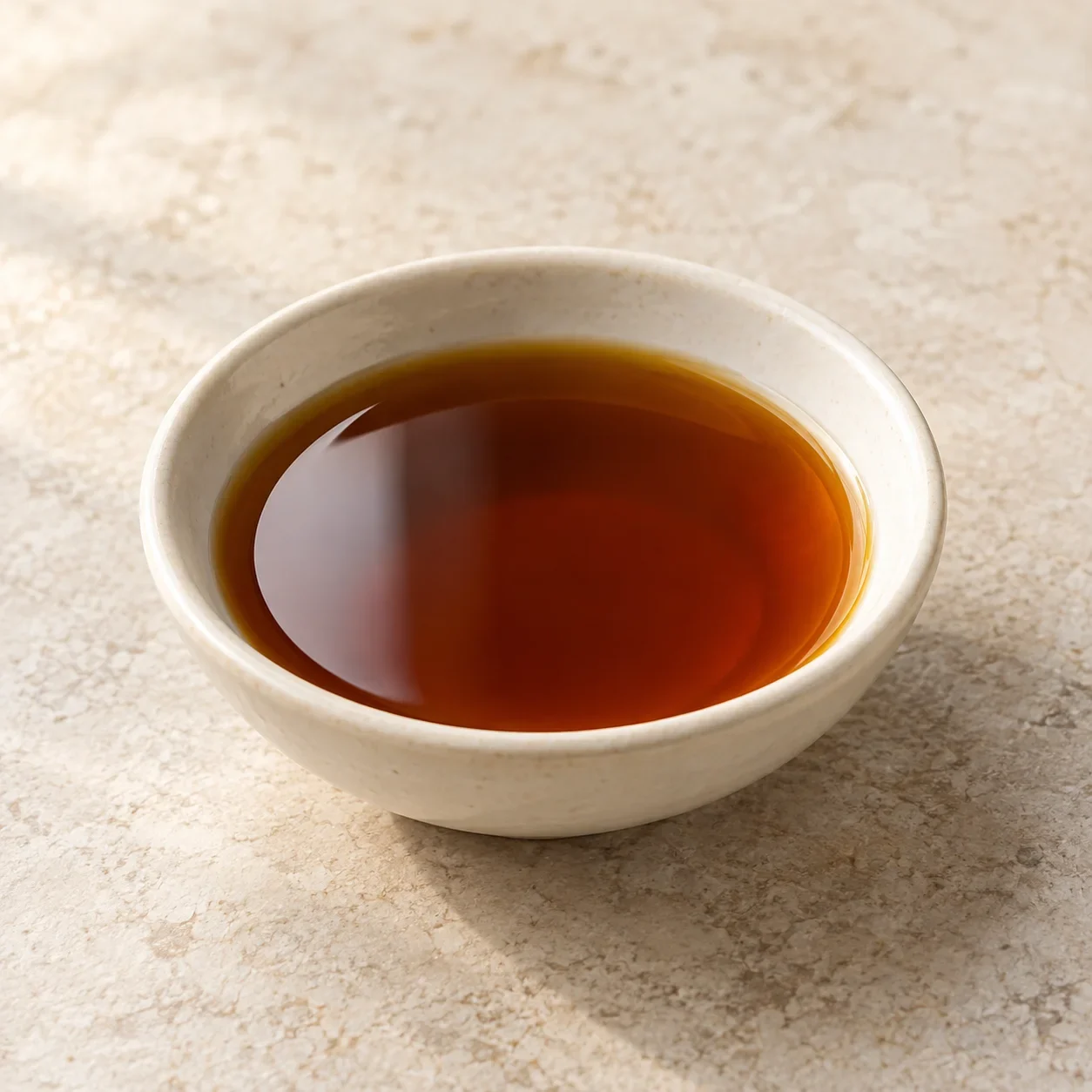
In some versions
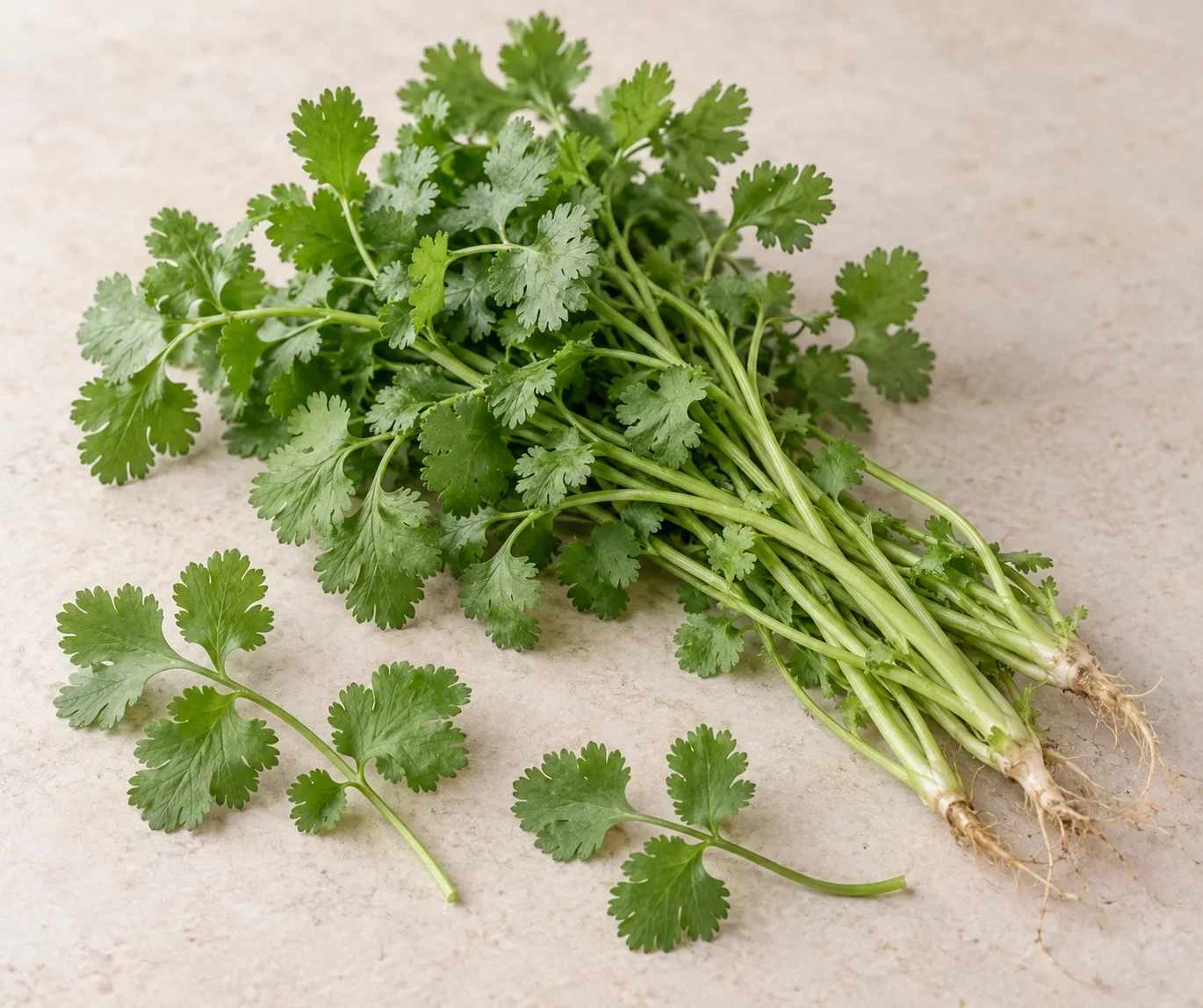
Recipes vary by restaurant.
How does it taste?
Seafood savoriness, fried shallot aroma, garlic and a little vinegar tang.
- Chili heat
- Texture
- Soft fine noodles and plump oysters in a glossy, thick broth.
- How it’s made
- Red misua is simmered with dried fish flakes, soy sauce, sugar, salt, black vinegar and fried shallots. Sweet-potato starch coats the oysters and thickens the soup; garlic, soy sauce and sesame oil form the finishing sauce.
Coriander is an optional topping. Garlic, vinegar and chili additions vary; this version contains no chili.
A CONNECTION TO PLACE
Origin & regional roots
Associated with Taiwan.
About this regional connection
Taiwan: Taiwan oyster misua, selected thick-soup version.
Ask if they have it first
请问你们有蚵仔麵線吗?
Do you have this item?
A LITTLE SOMETHING TO READ
Story & history
A spoonable Taiwanese snack
This account describes a tradition or story, rather than an established historical fact.
Oyster misua is a Taiwanese snack associated with street stalls. Thick soup holds the fine noodles together, while garlic and vinegar let diners adjust the aroma and tang.