
At the table
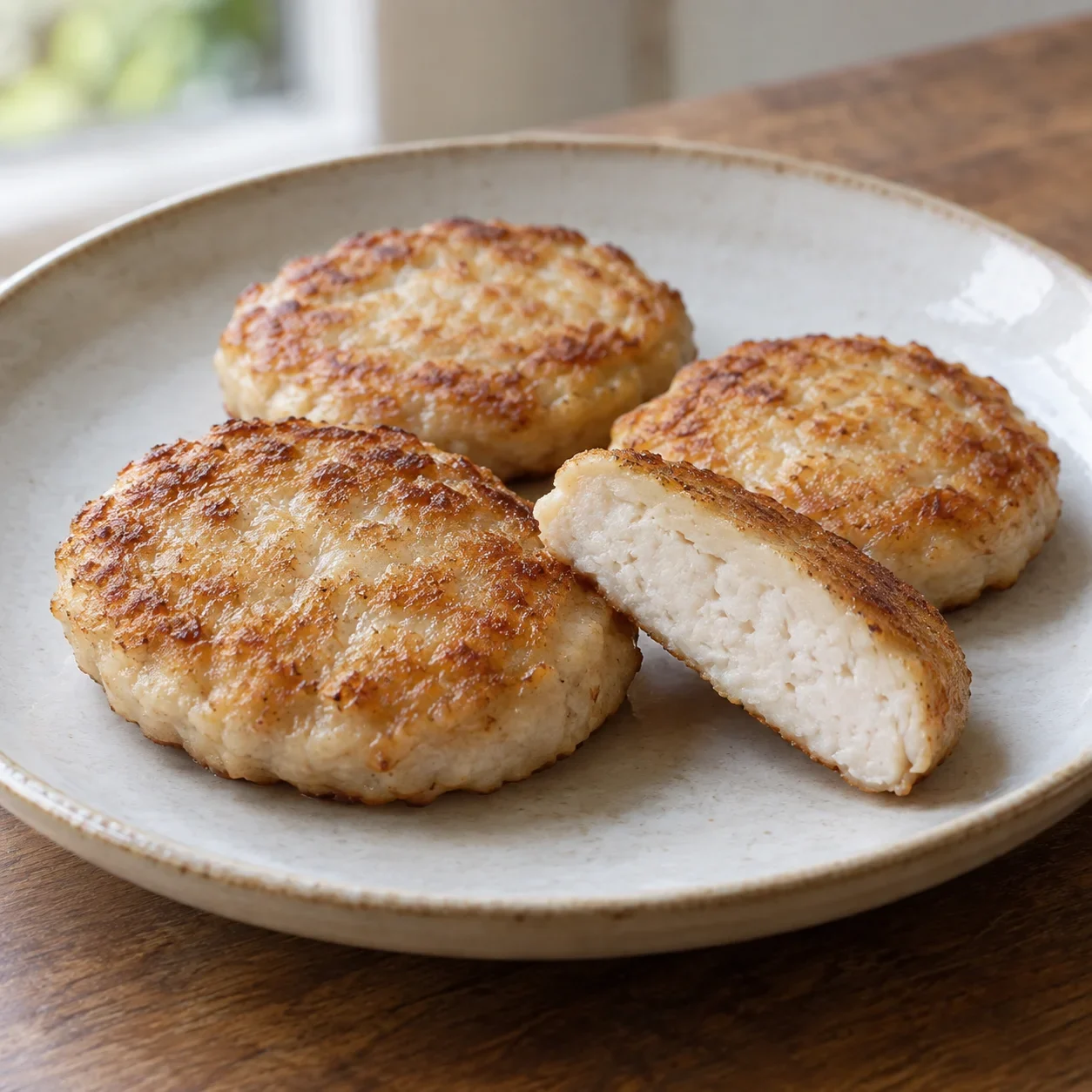
Eat the cakes warm, letting the centre cool first. Try a piece plain to notice the springy fish paste and browned surface, then add dipping sauce if served.
Contains fish. Although the flesh is deboned and minced, small bones may remain; check each piece. Other ingredients and sauces vary. For children, let it cool, check for bones and cut the springy cake into small pieces suited to their chewing ability.
Fish makes this neither vegetarian nor vegan. The representative pan-fried recipe has no chili, but added sauces or seasonings can change the heat. Starch, salt and a little honey or sugar may be mixed into the paste; ask about other additions rather than assuming it is pure fish.
GET TO KNOW THE DISH
What goes into it?
Explore some key ingredients below. Preparations may use additional seasonings and ingredients.
Seasonings and other additions vary by preparation.
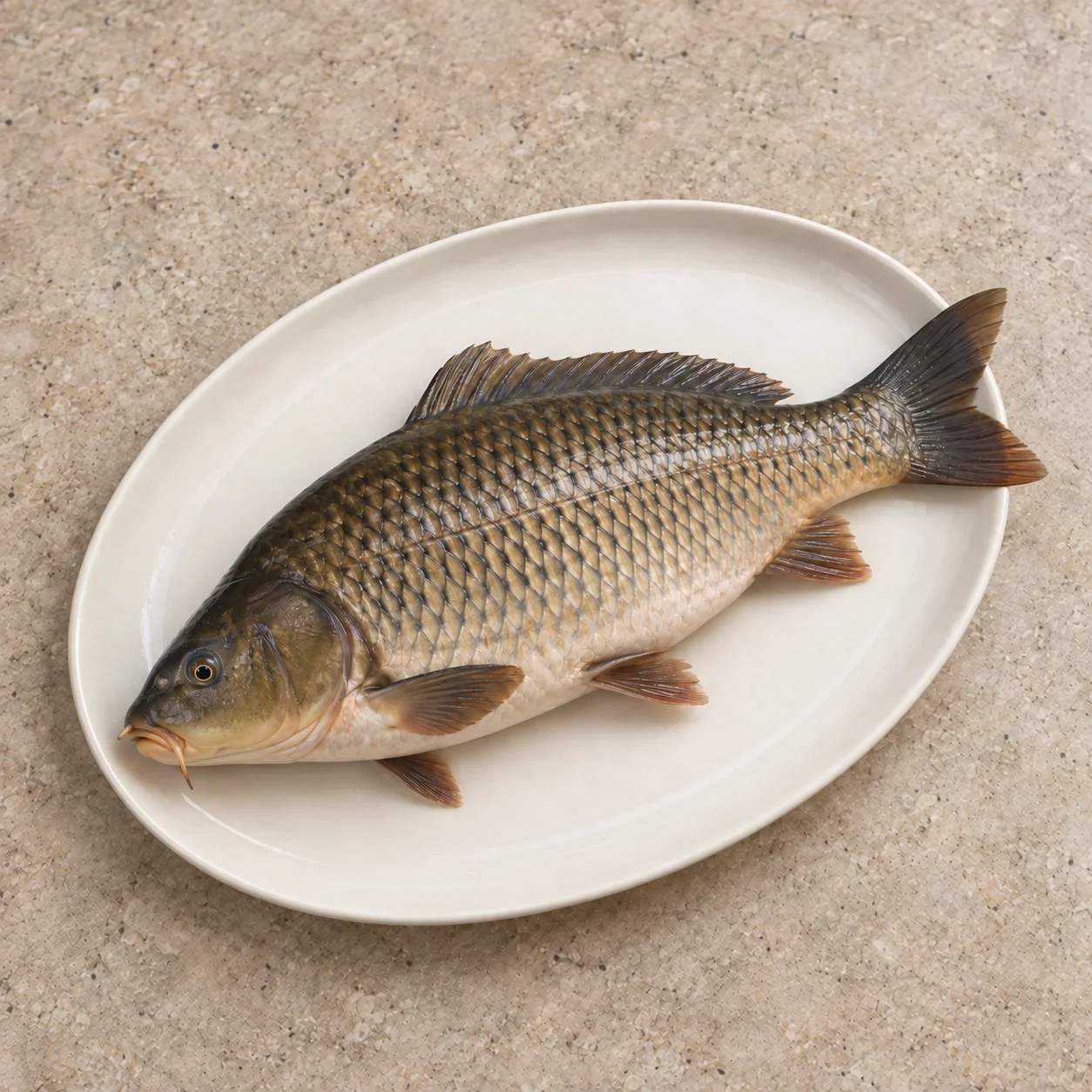
Typical ingredients


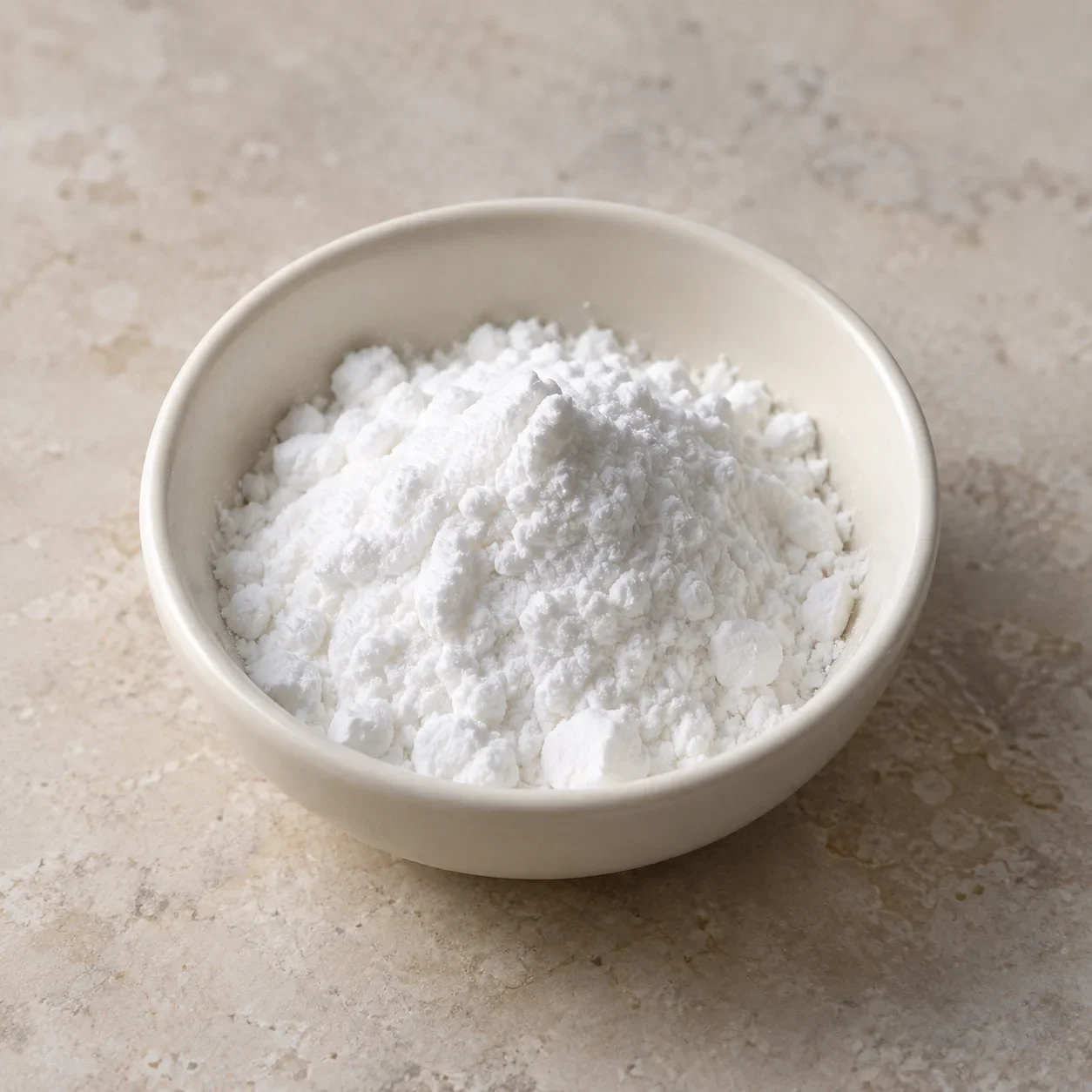
In some versions
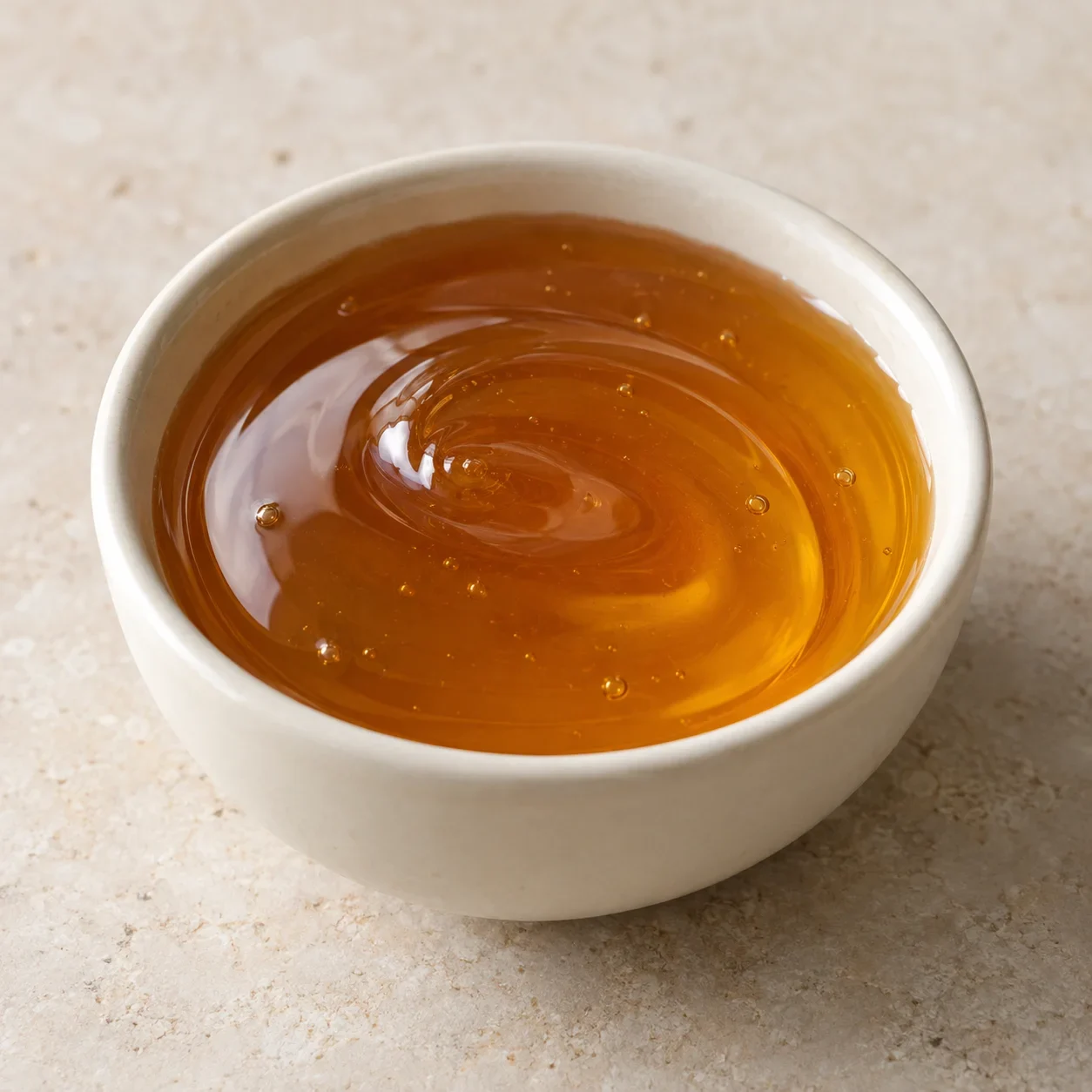

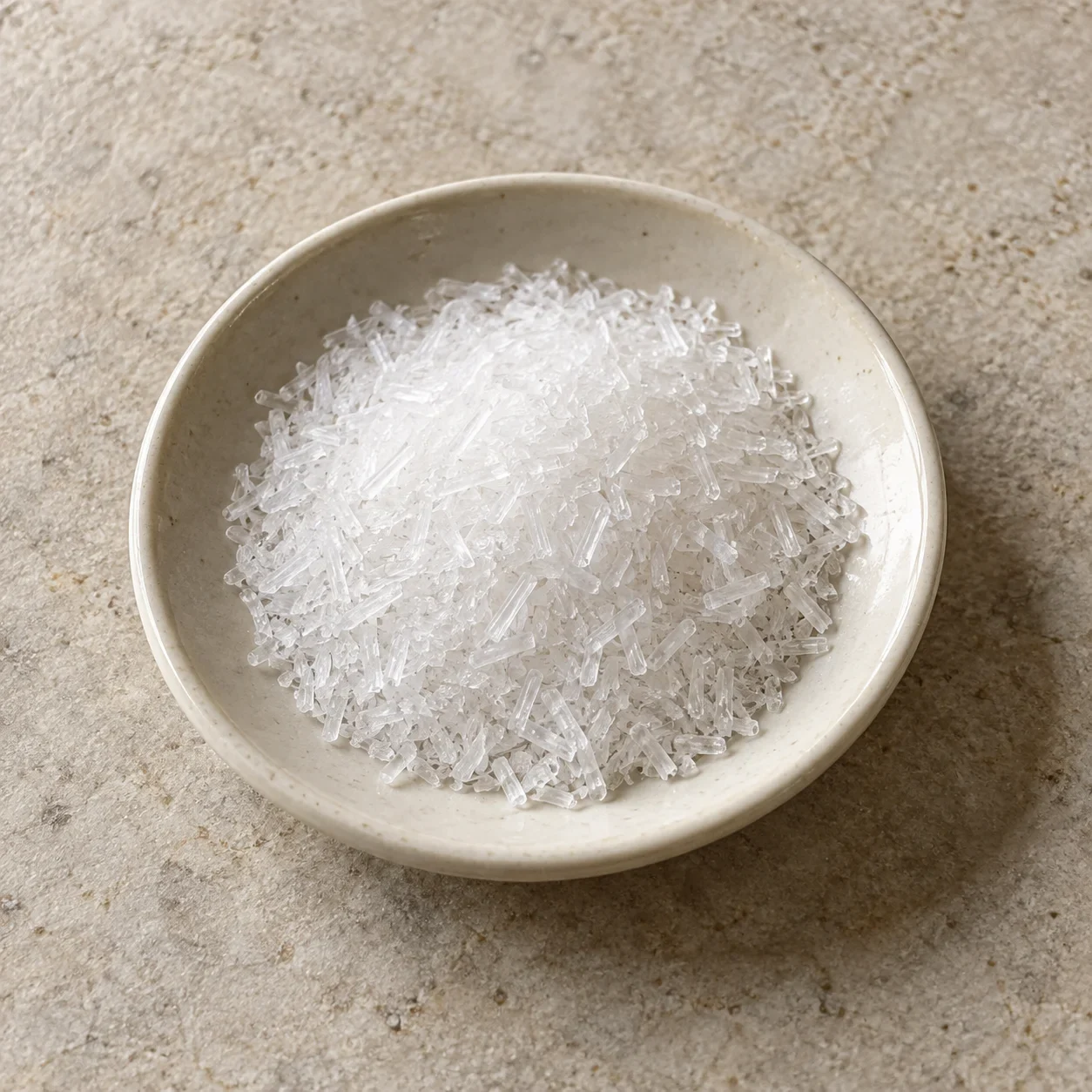
Recipes vary by restaurant.
How does it taste?
Lightly savoury fish.
- Chili heat
- Texture
- Springy inside with a browned surface.
- How it’s made
- Remove the fish skin, mince and beat the flesh into a paste, shape into cakes and pan-fry on both sides.
Seasonings and other additions vary by preparation.
A CONNECTION TO PLACE
Origin & regional roots
Associated with Guangdong.
About this regional connection
Guangdong: Guangdong association; no exclusive origin claim.
Ask if they have it first
请问你们有均安煎鱼饼吗?
Do you have this item?
A LITTLE SOMETHING TO READ
Story & history
Fish-cake craft in the waterways of Jun’an
Jun’an is surrounded by water on three sides, and freshwater fish has long been part of its cooking. Turning mud carp into fish paste shows the local craft: the flesh is deboned, minced and repeatedly beaten until it binds, then shaped into cakes and pan-fried. This work creates the springy bite beneath the golden surface. Jun’an fish-cake making entered Shunde’s district-level intangible cultural heritage list in 2020.