
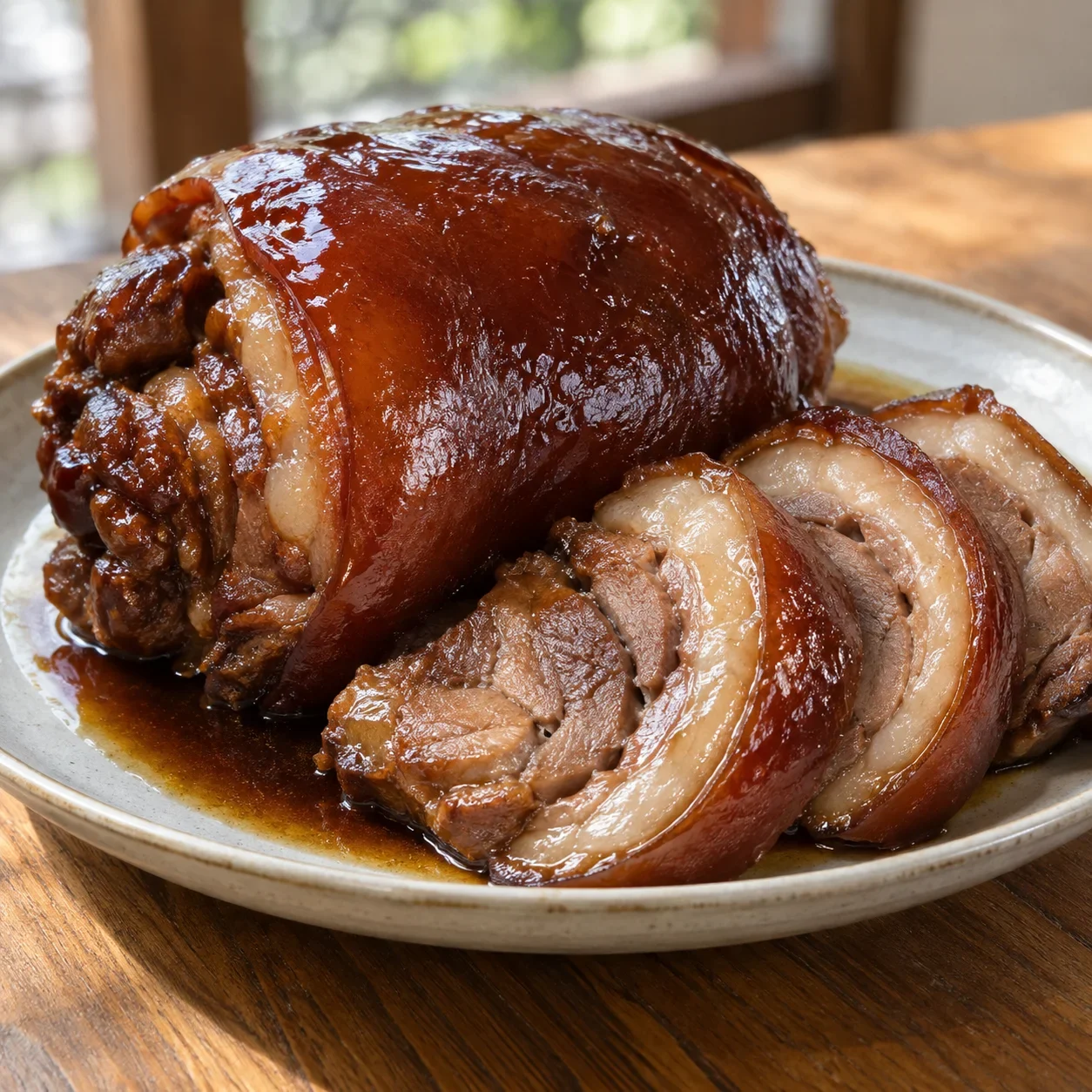
At the table
Share the sliced meat and skin, warm or cold. To ask for it sliced, say “请切片。” (“Please slice it.”). Even with a deboned serving, check for small bone fragments.
Contains pork. Soy sauce may contain soy and wheat; yellow rice wine is used, so do not assume the dish is alcohol-free. The skin can be chewy. Ask about the seasoning and any bone fragments if these affect your order.
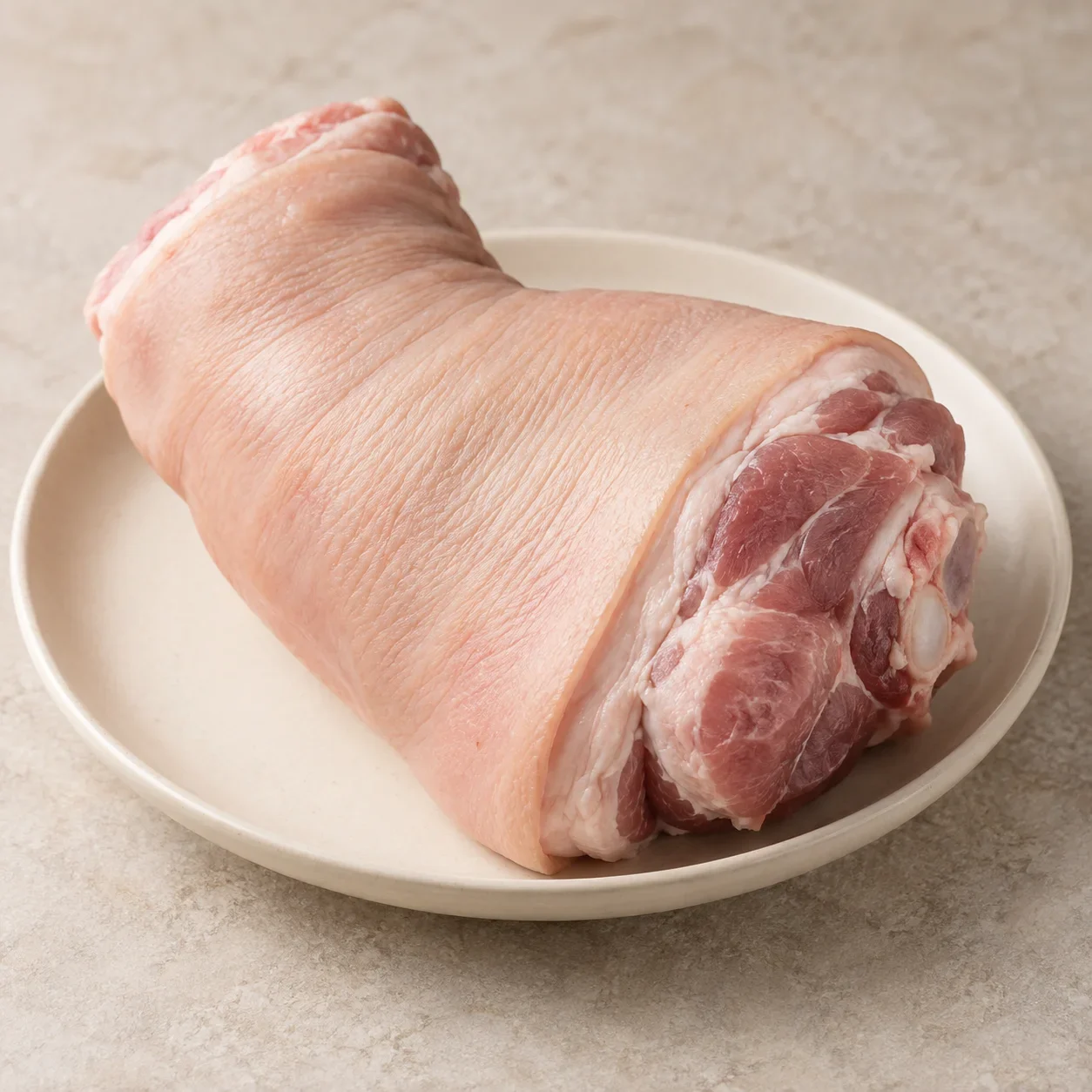
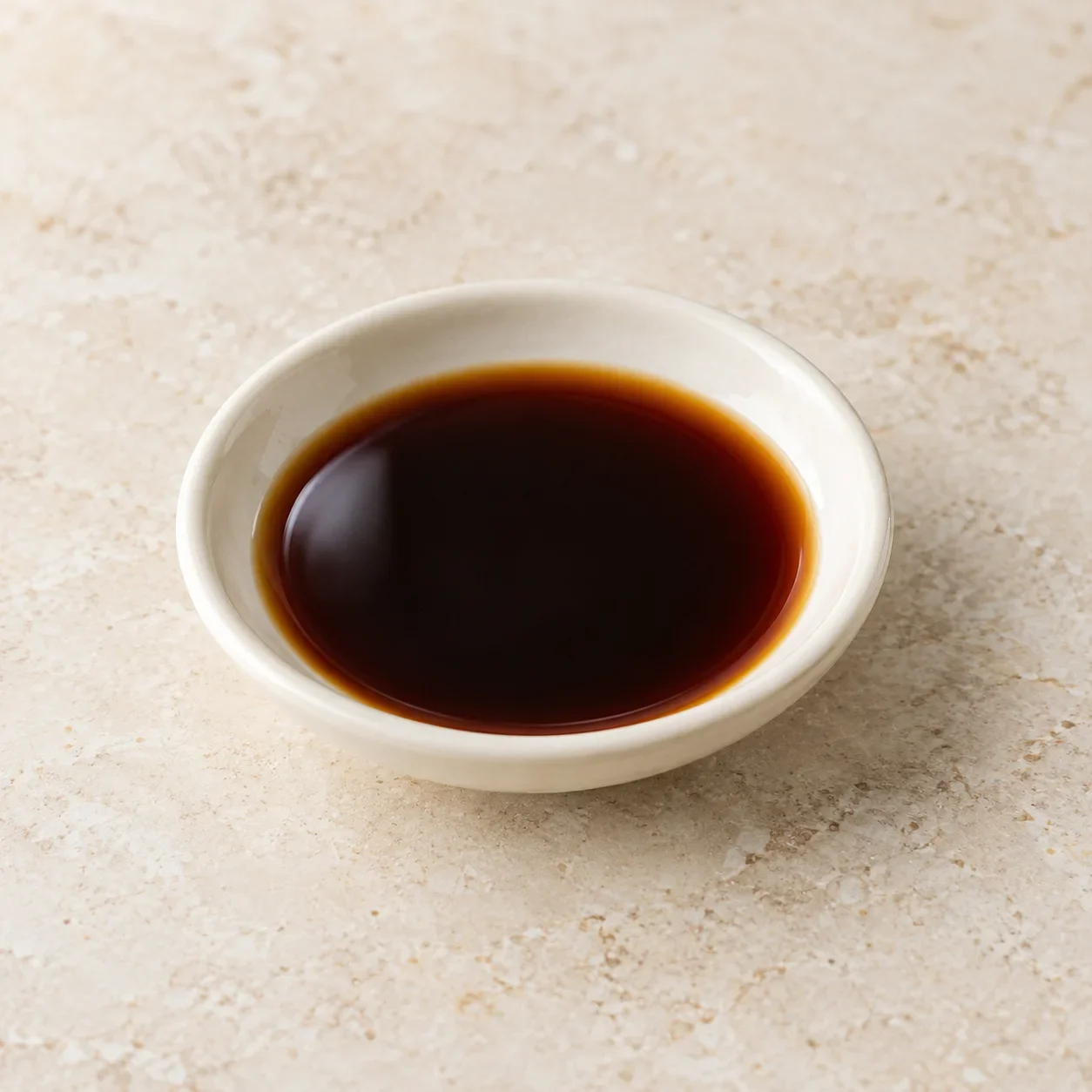
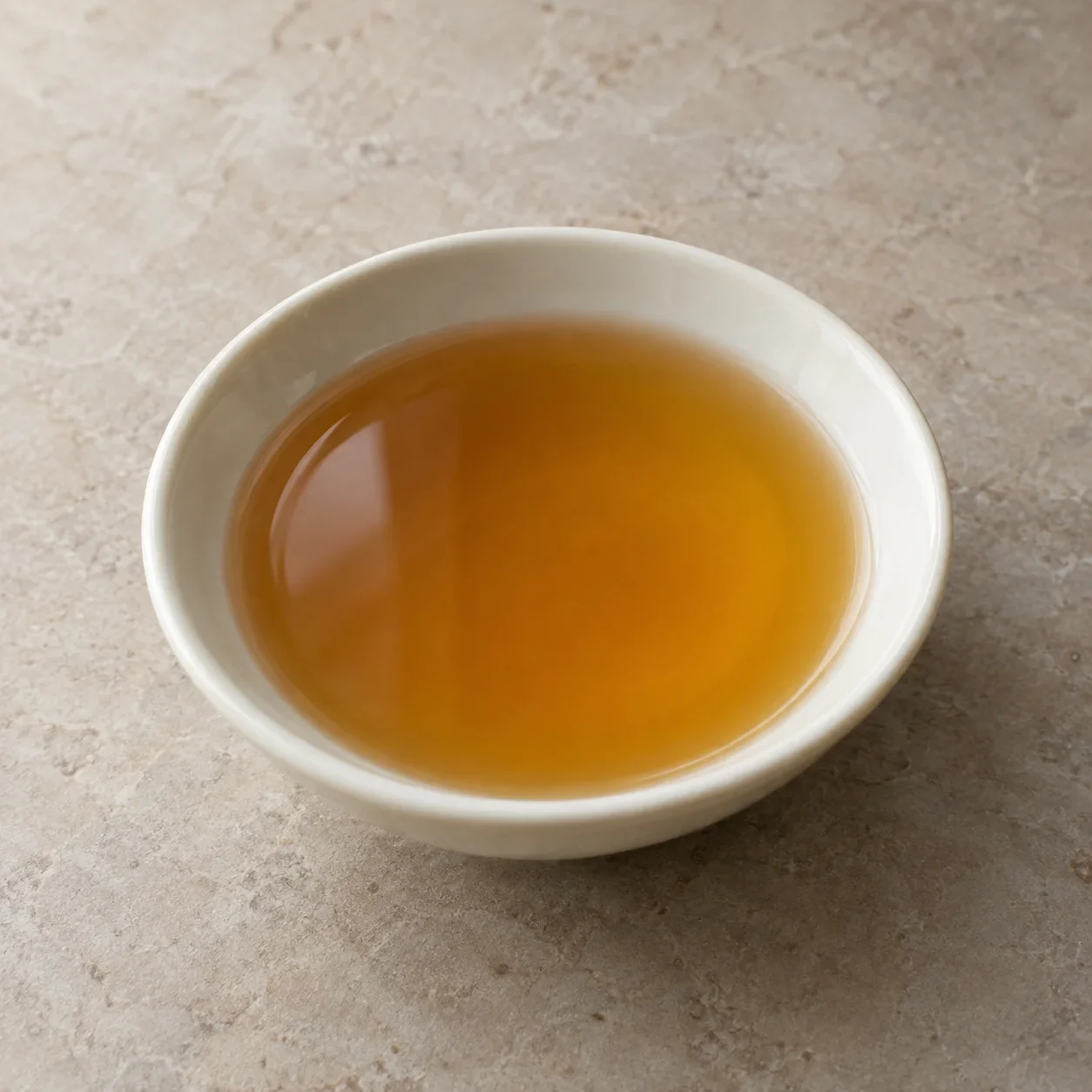
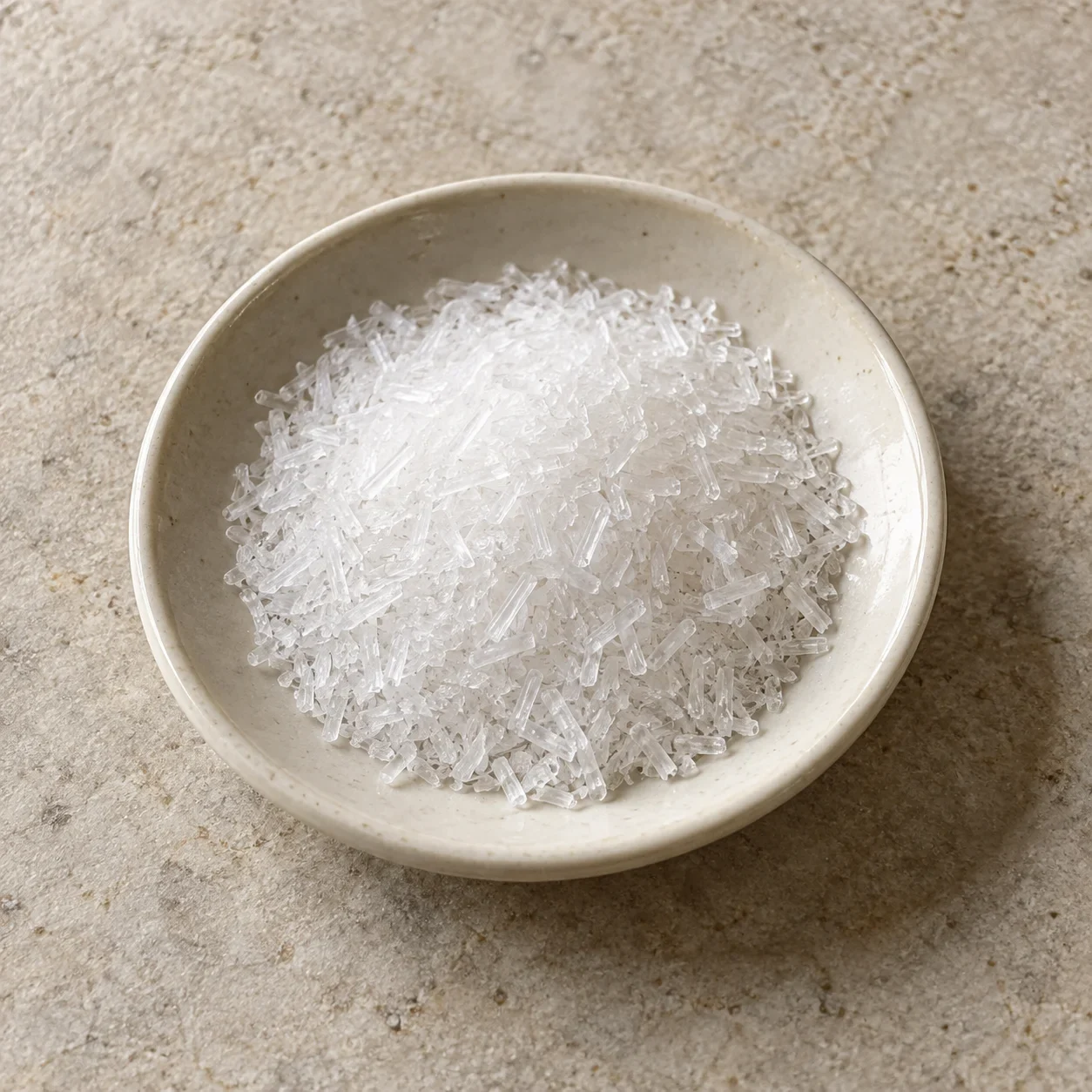
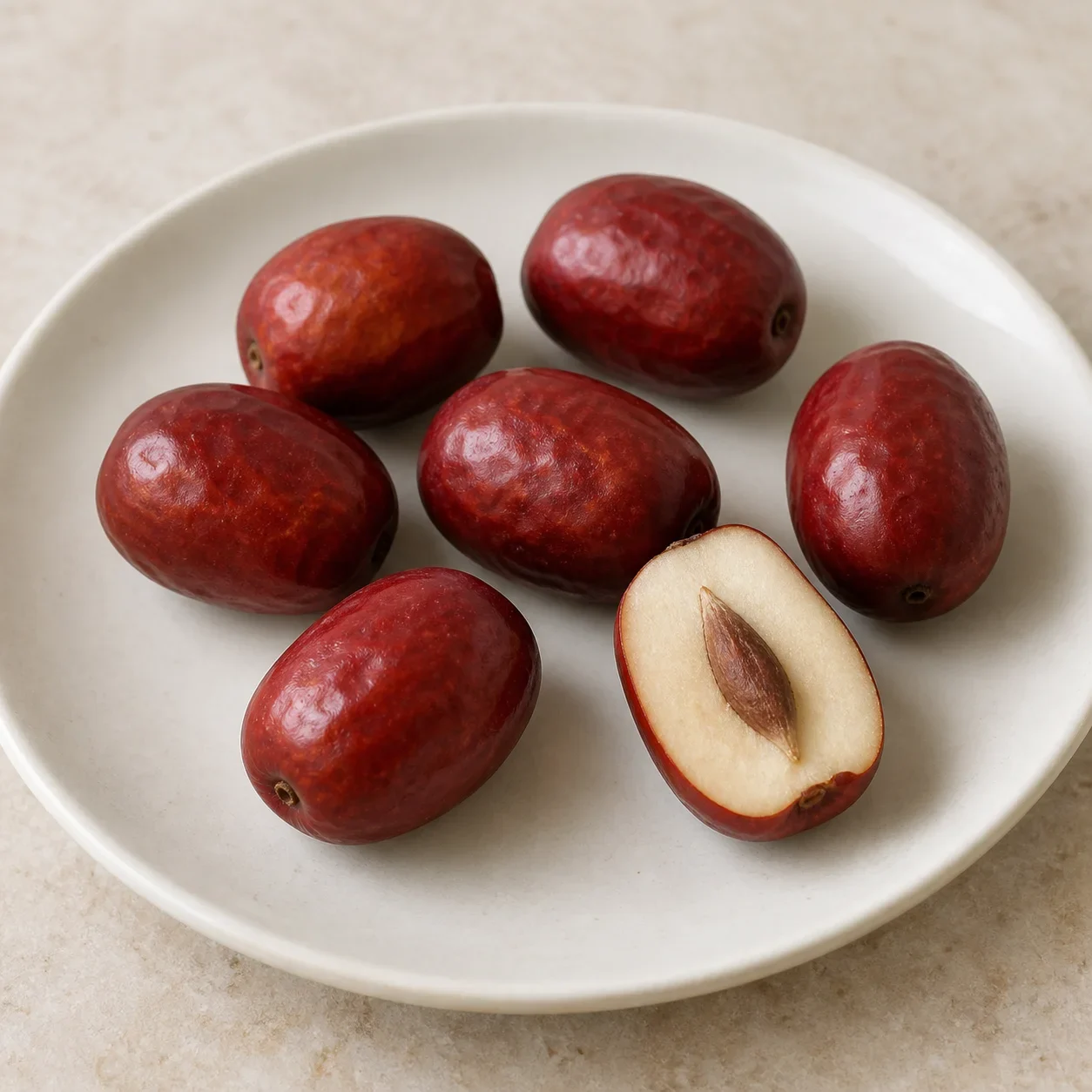
One preparation uses soy sauce, yellow rice wine, rock sugar, cloves, cassia bark, ginger and MSG. Other versions may add jujube and goji berries. The bone may be removed before or after braising; do not expect every maker to use the same seasoning.
GET TO KNOW THE DISH
What goes into it?
Explore some key ingredients below. Preparations may use additional seasonings and ingredients.
Seasoning varies. Some versions add jujube and goji berries; the timing of deboning also differs.
Typical ingredients
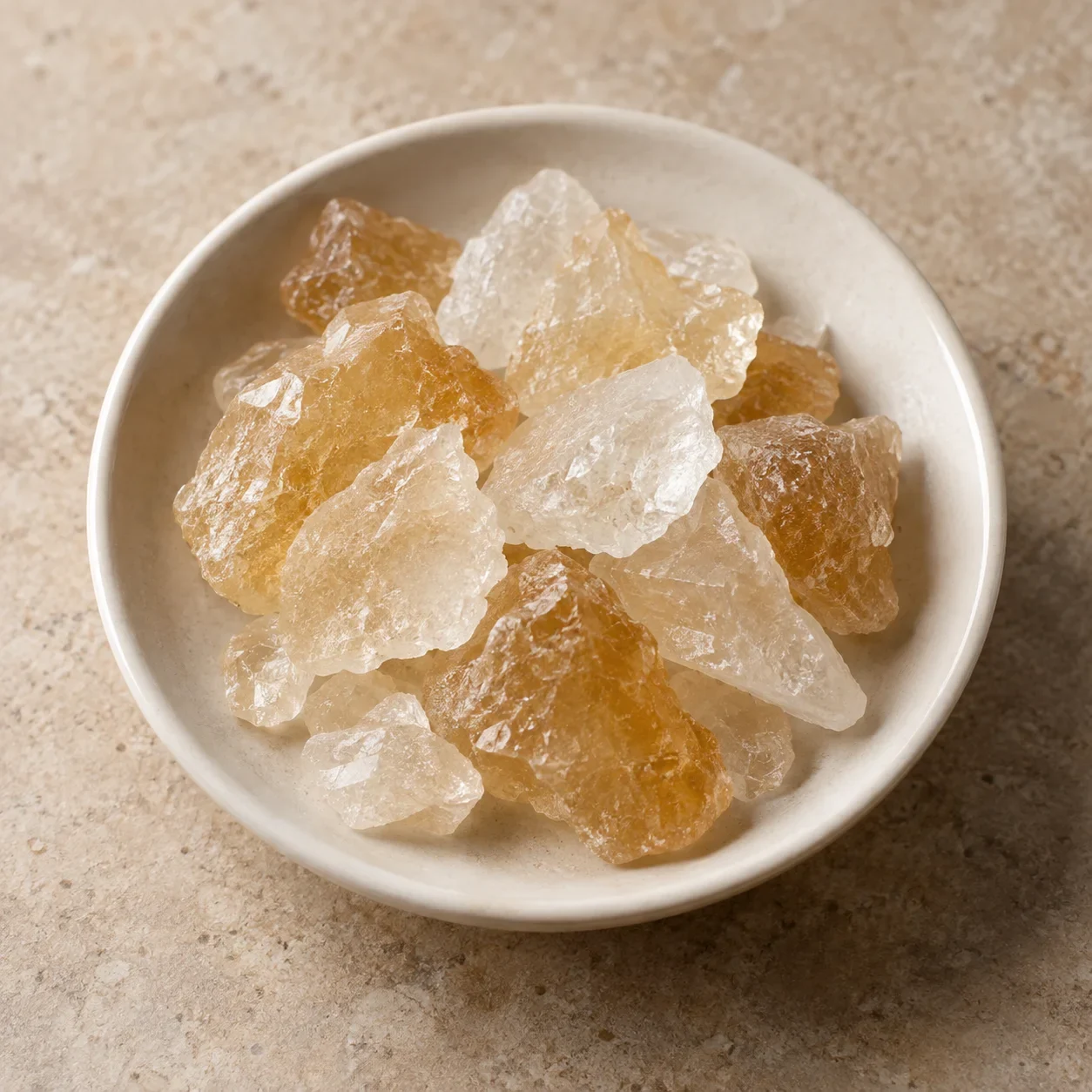
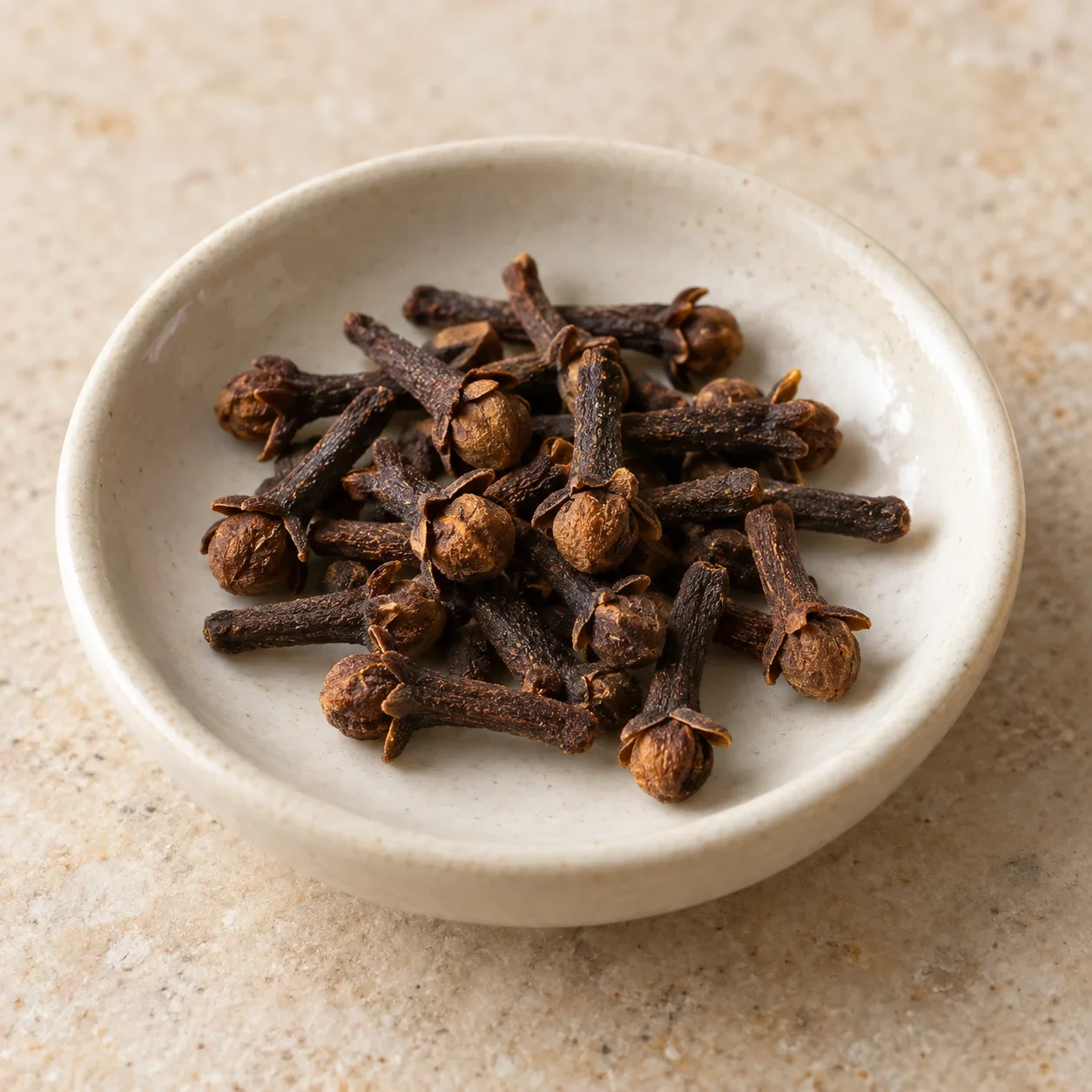
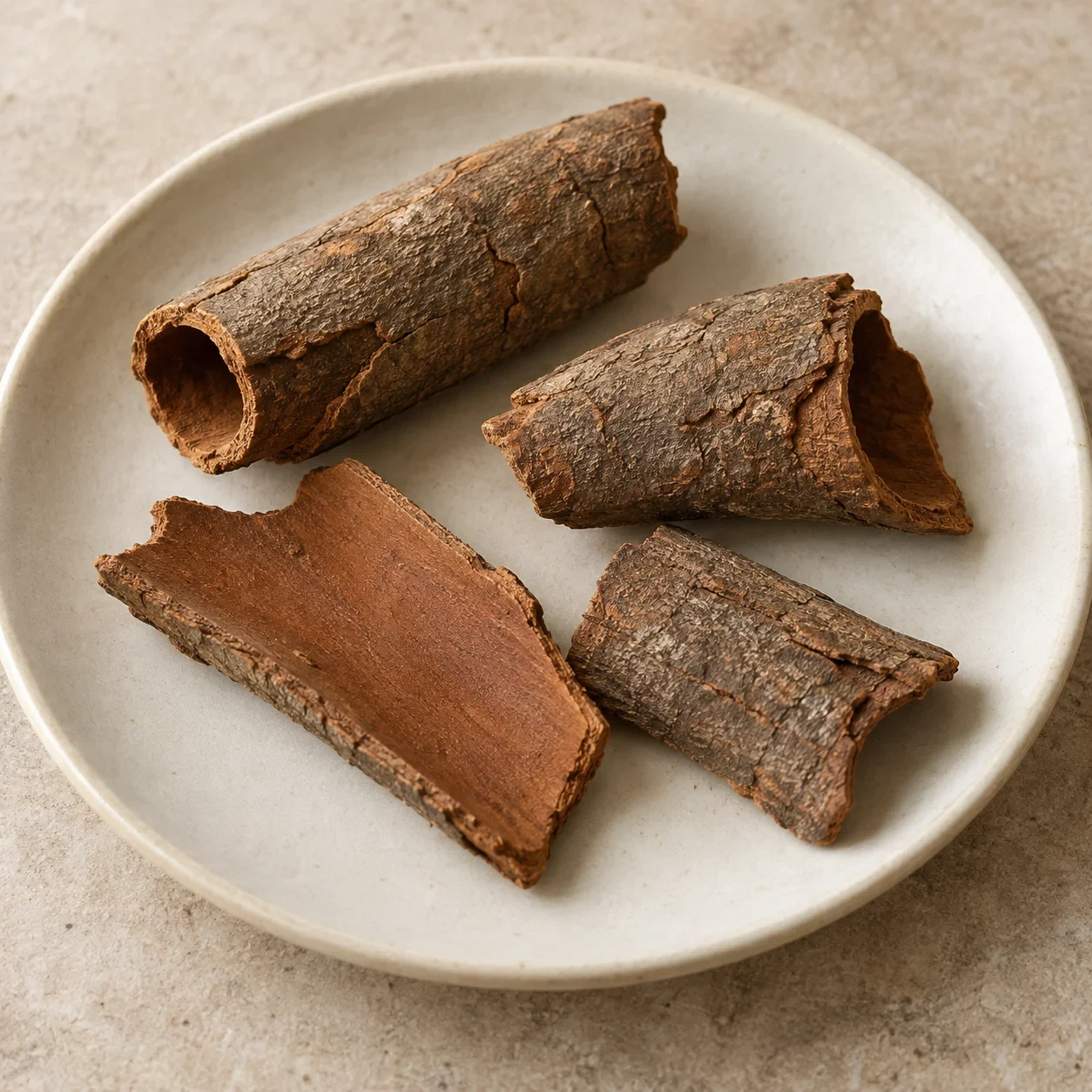
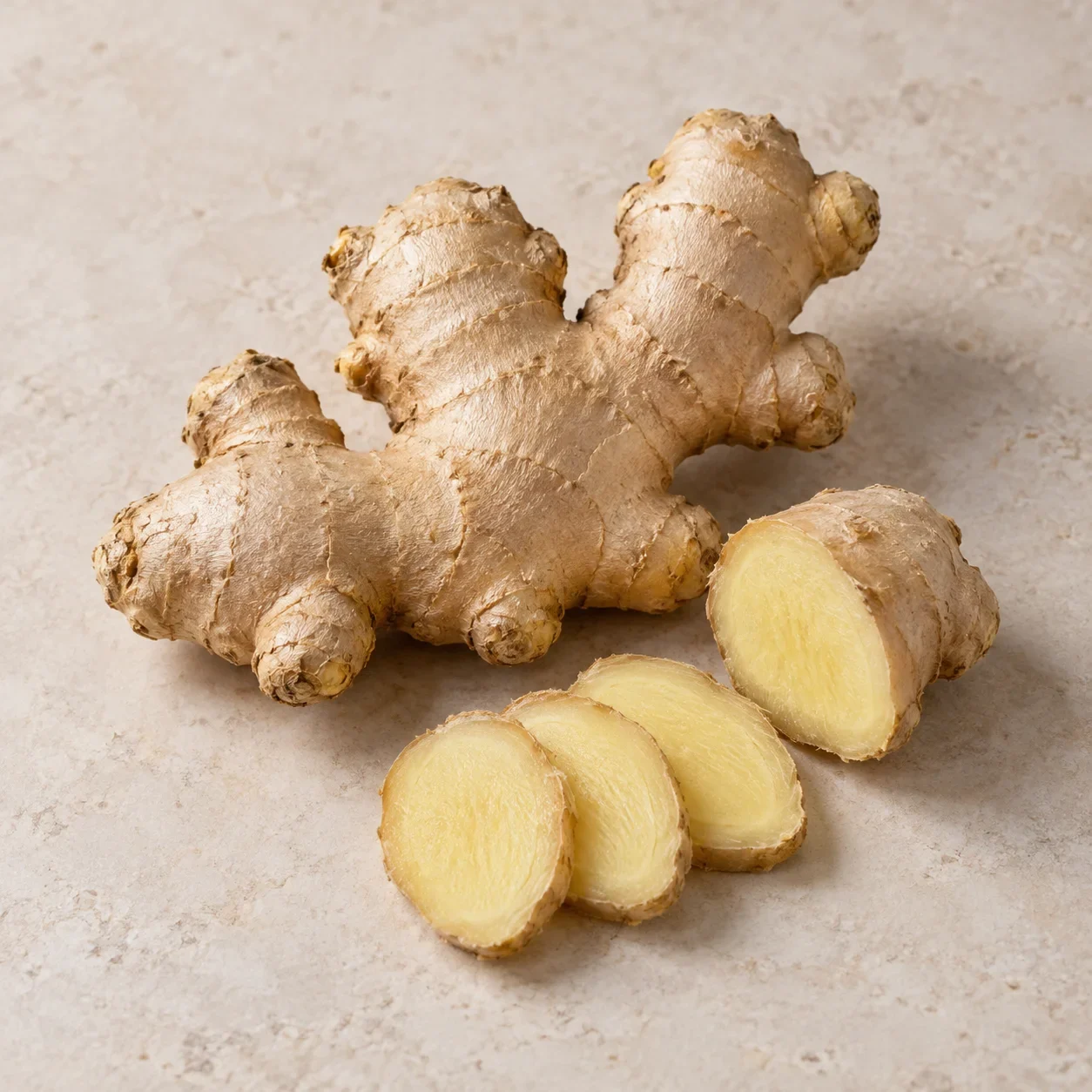
In some versions
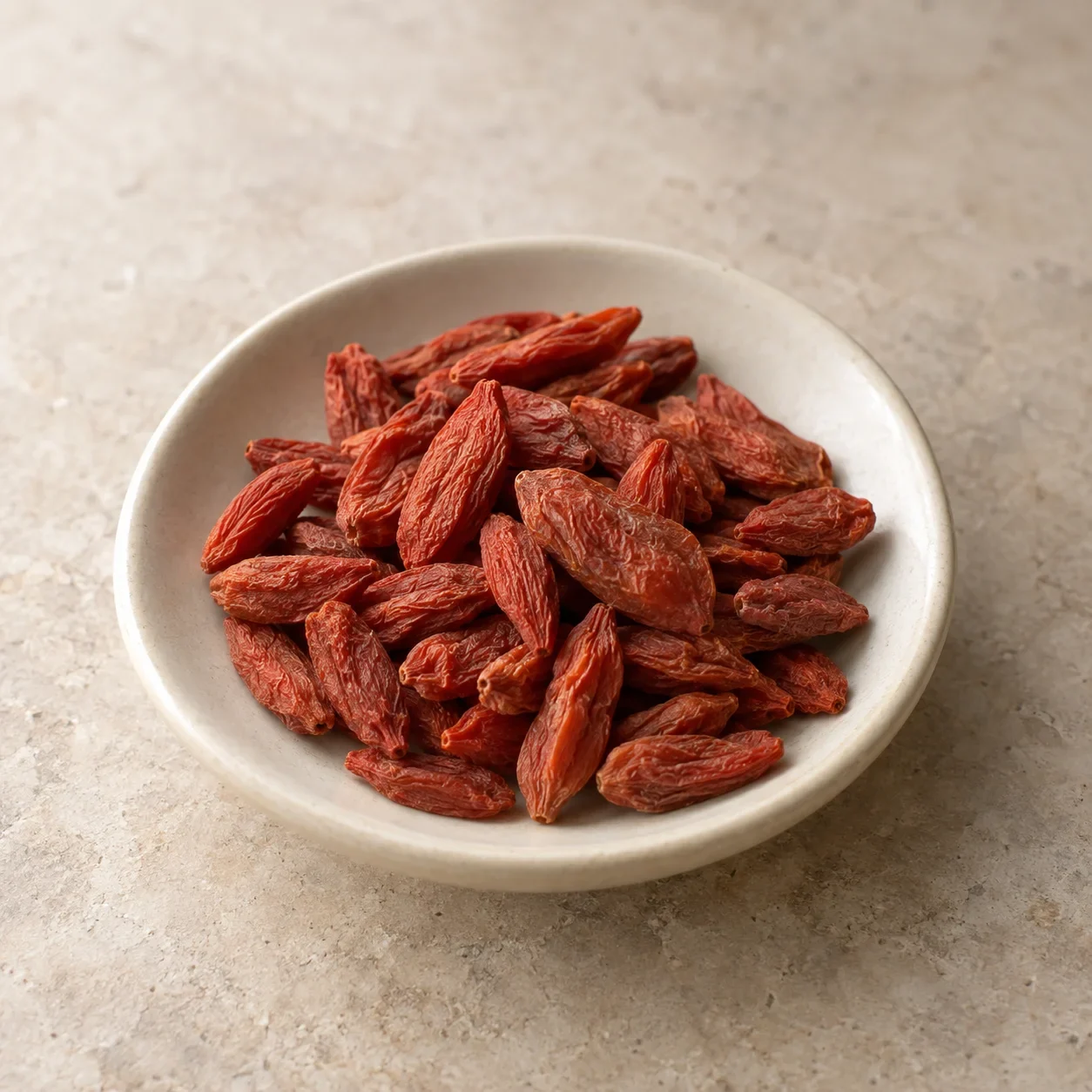
Recipes vary by restaurant.
How does it taste?
Salty-sweet pork and soy flavor.
- Chili heat
- Texture
- Tender meat with supple, slightly chewy skin.
- How it’s made
- Braise deboned pork hock slowly with soy sauce, yellow rice wine, rock sugar and aromatics.
Seasoning varies. Some versions add jujube and goji berries; the timing of deboning also differs.
A CONNECTION TO PLACE
Origin & regional roots
Associated with Shanghai.
About this regional connection
Shanghai: Associated with Fengjing, Jinshan, Shanghai.
Ask if they have it first
请问你们有枫泾丁蹄吗?
Do you have this item?
A LITTLE SOMETHING TO READ
Story & history
Fengjing’s slow-braised specialty
This account describes a tradition or story, rather than an established historical fact.
Fengjing, in Shanghai’s Jinshan district, is known for this braised pork hock. The Ding in 丁蹄 connects the name with the Ding family’s Dingyixing food tradition. Patient heat control shapes the dish: stronger heat starts the cooking, while gentle simmering does most of the work. The finished hock is sliced for serving, warm or cold, with its dark, glossy skin intact.