
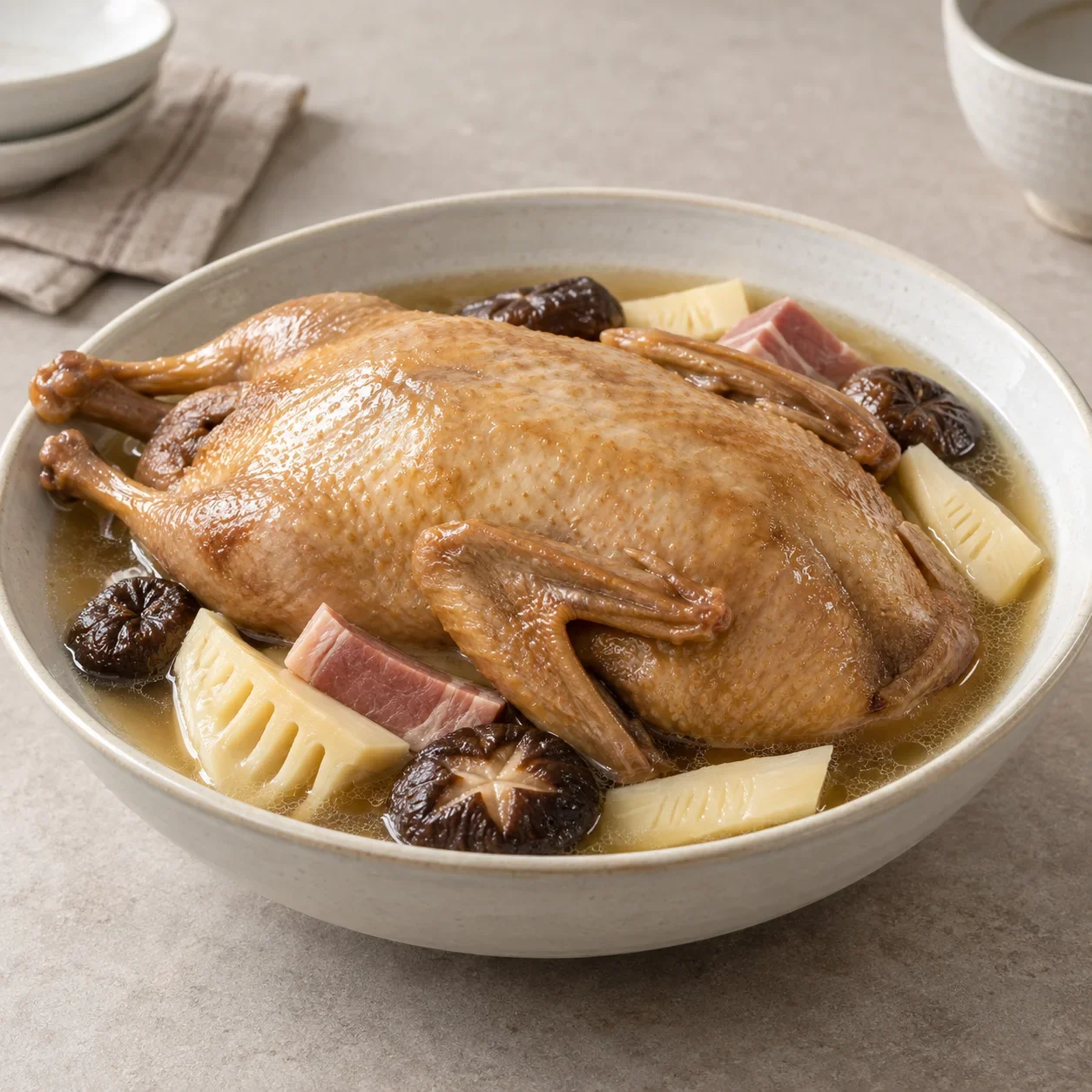
At the table
Share the broth and meat. Ask the server to portion the nested birds so everyone can try the layers.
Check for remaining bones even though the birds are boned. The described recipe includes pork ham and cooking wine; ask about ingredients if avoiding either.
This poultry-and-ham dish is neither vegetarian nor vegan. The representative recipe has no chili; extra sauces may differ.
GET TO KNOW THE DISH
What goes into it?
Explore some key ingredients below. Preparations may use additional seasonings and ingredients.
Ask which birds the kitchen uses; do not assume wild duck is used today. Garnishes and serving size vary.
Typical ingredients
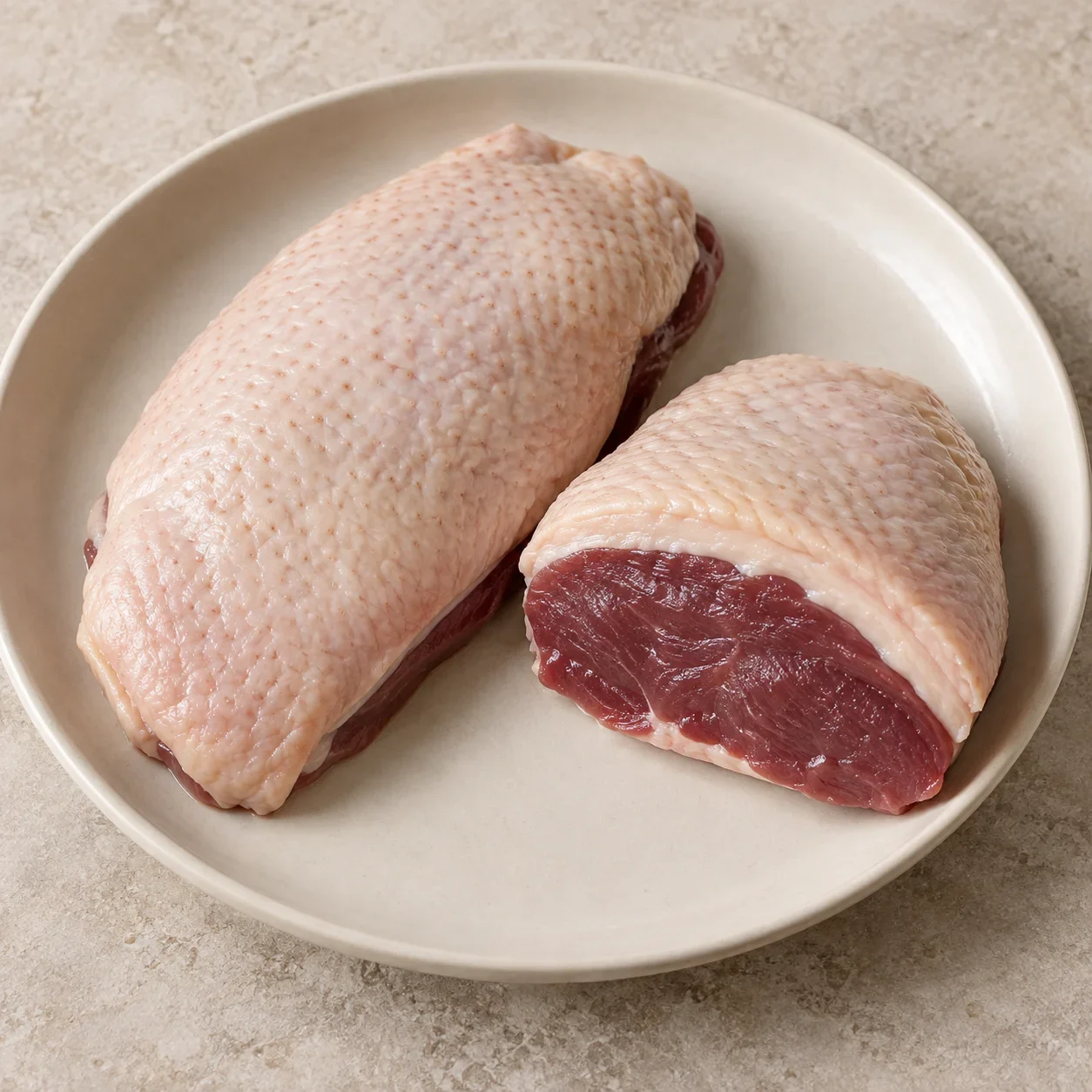
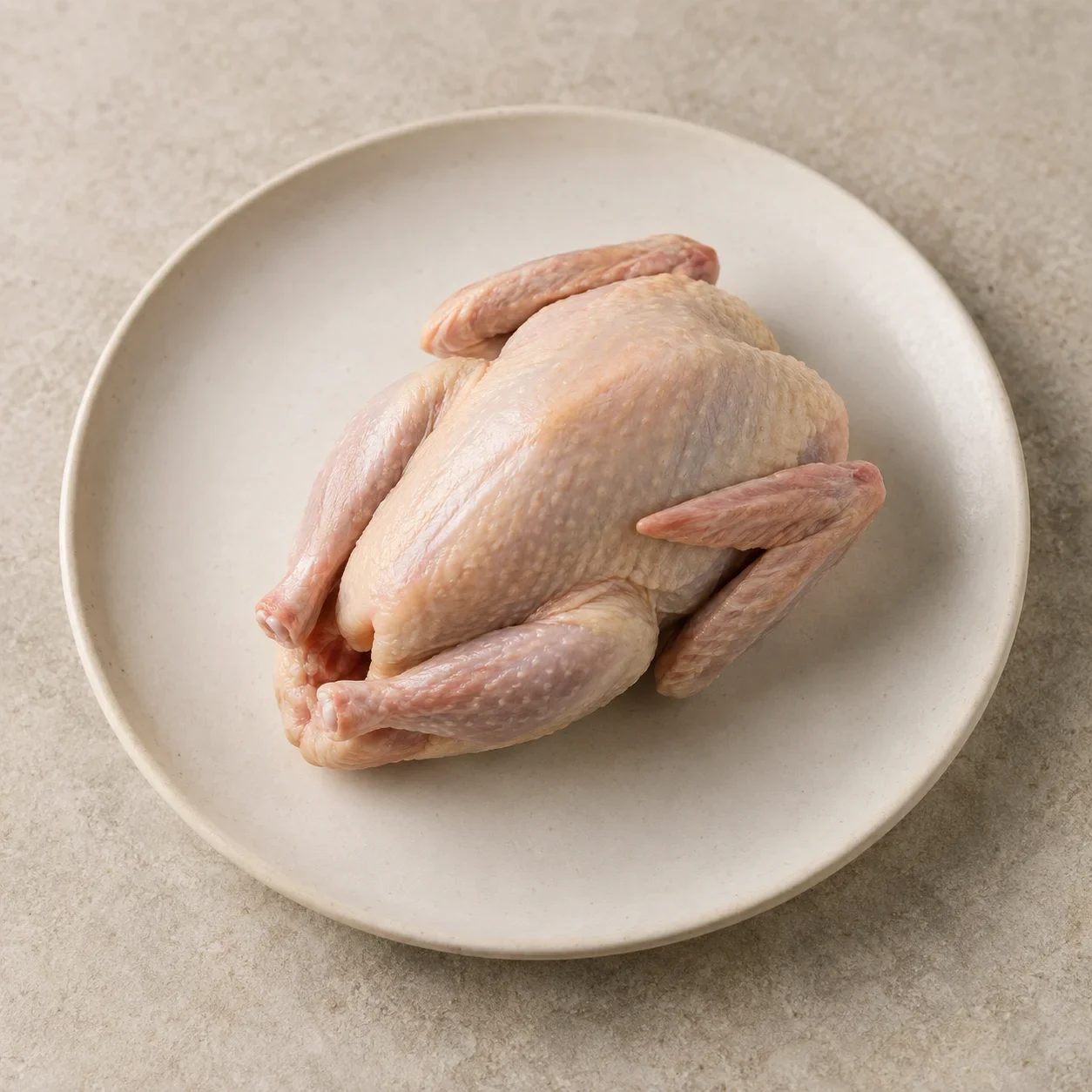
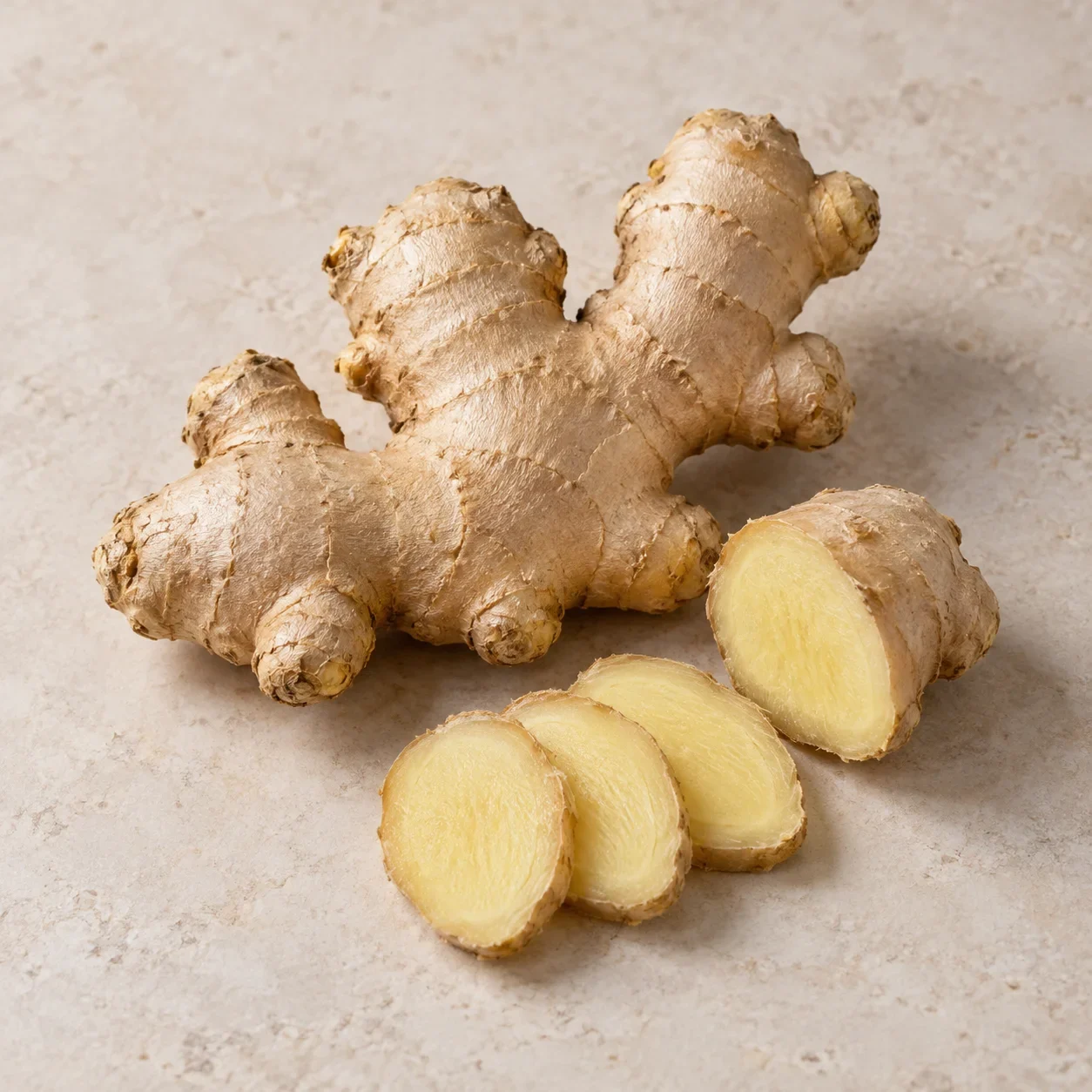
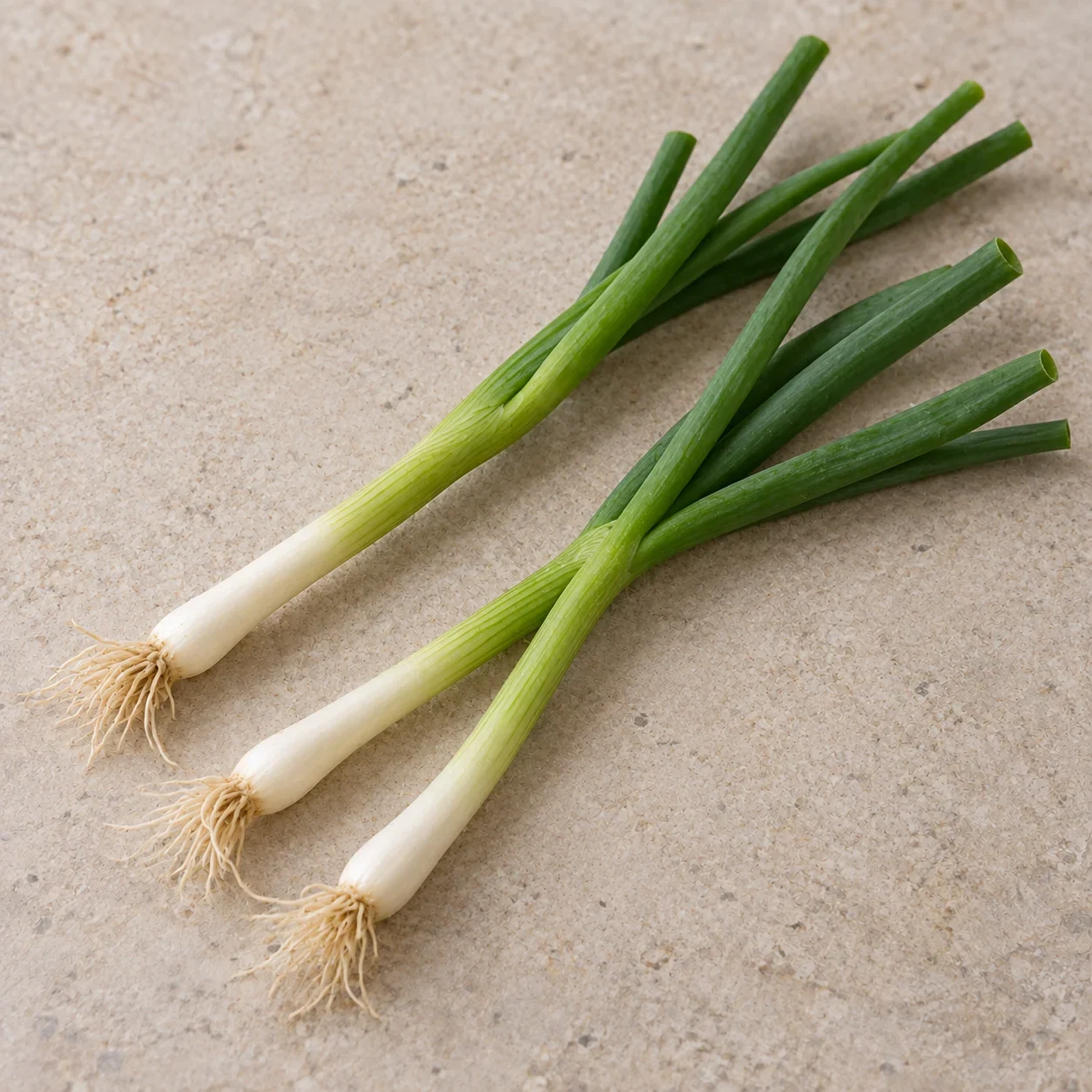
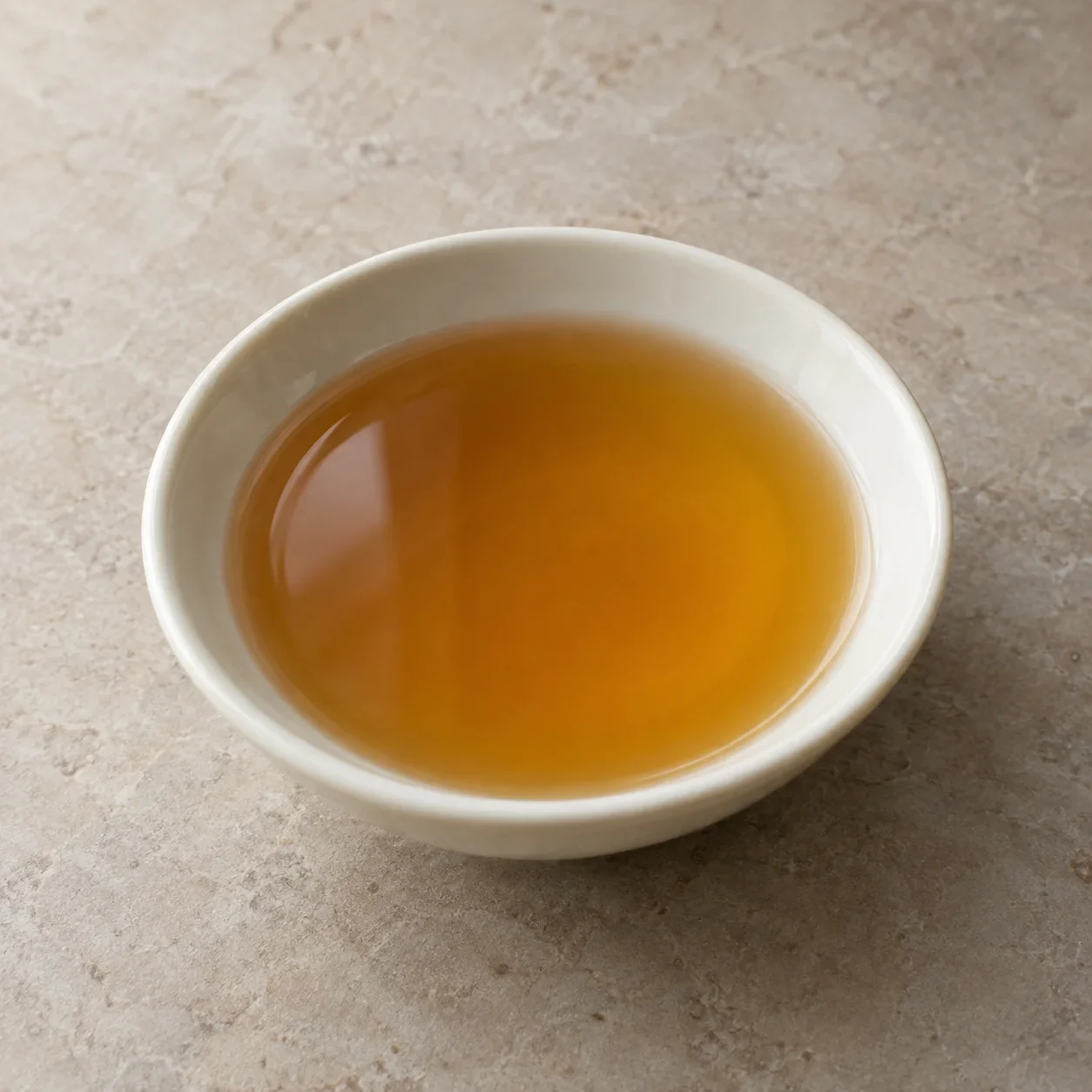

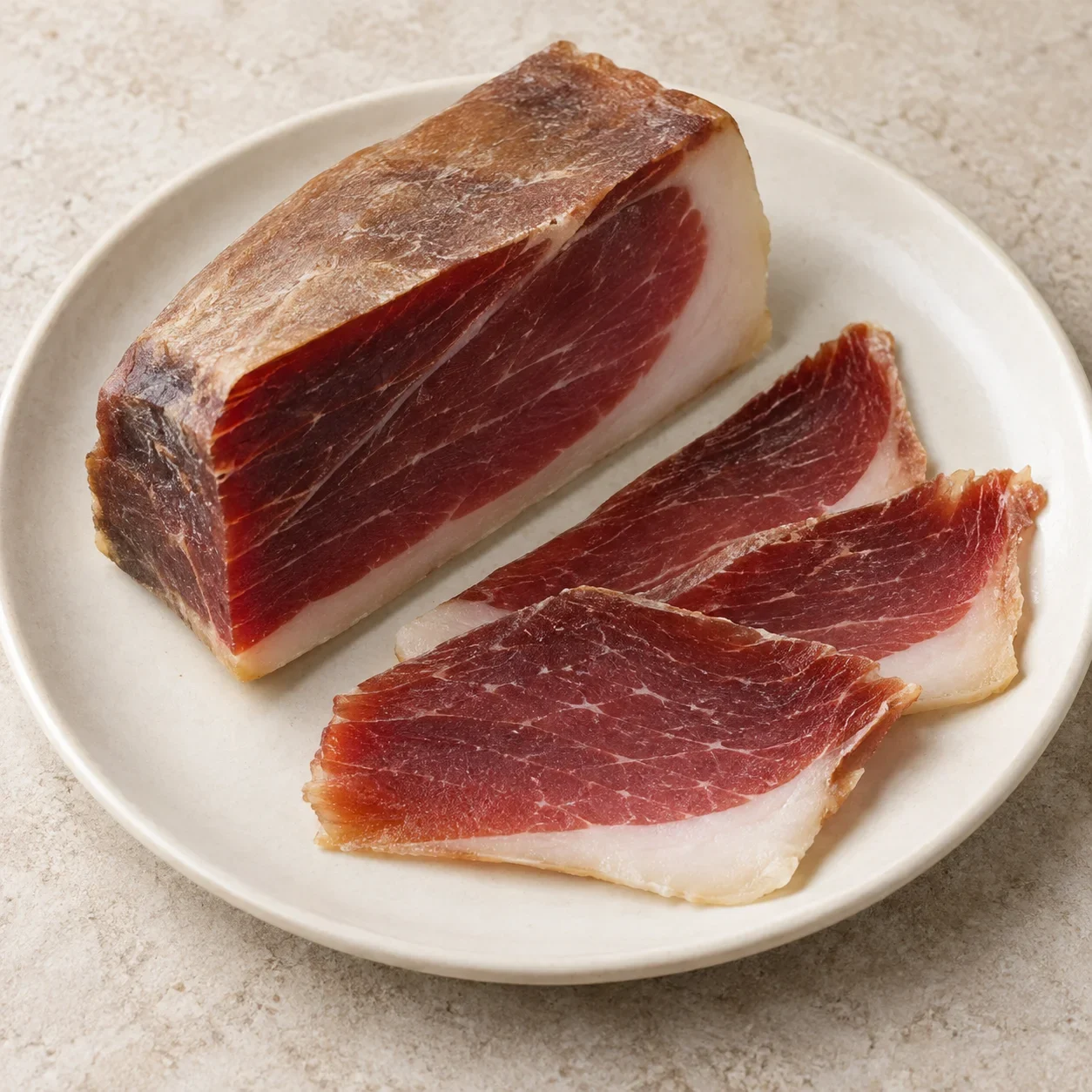
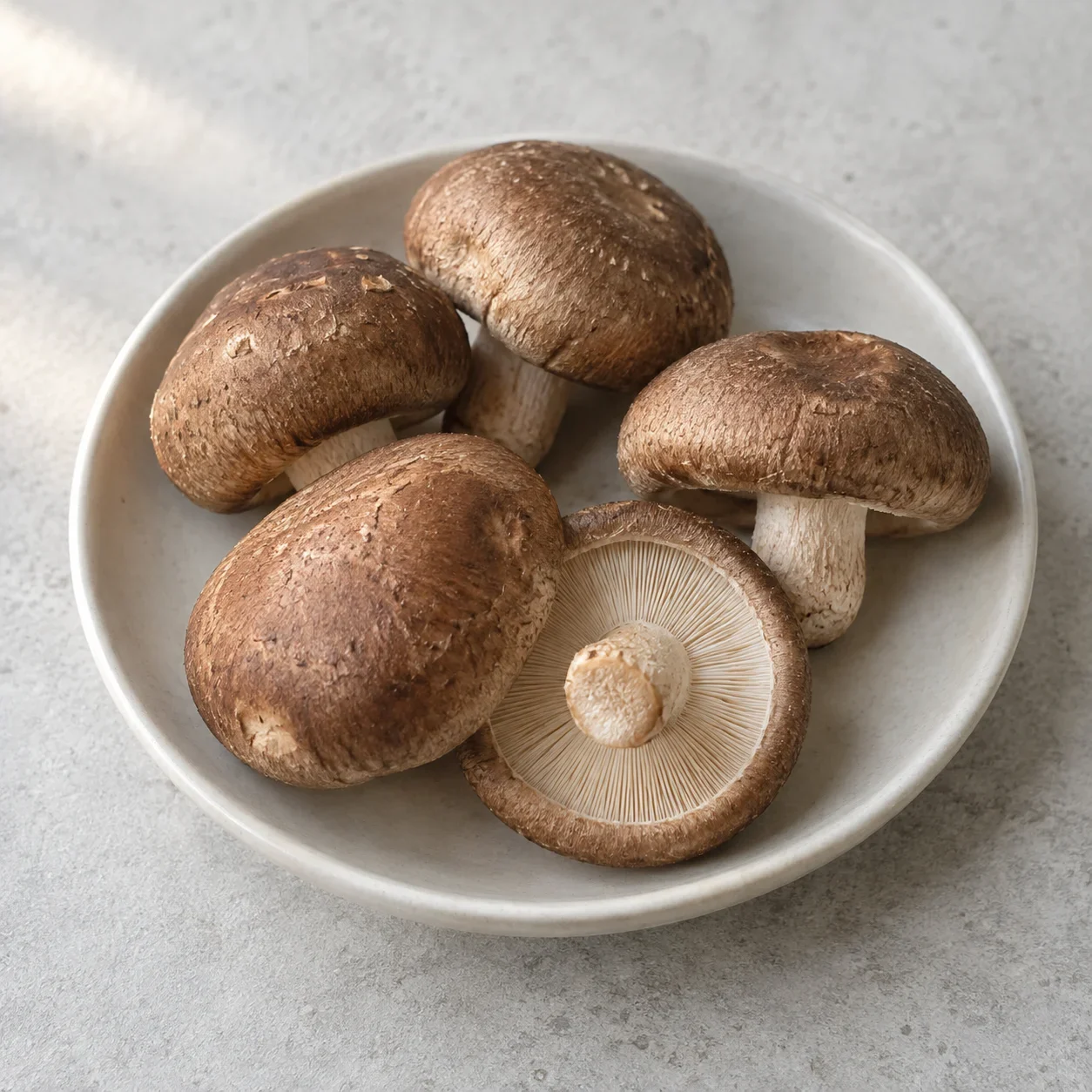
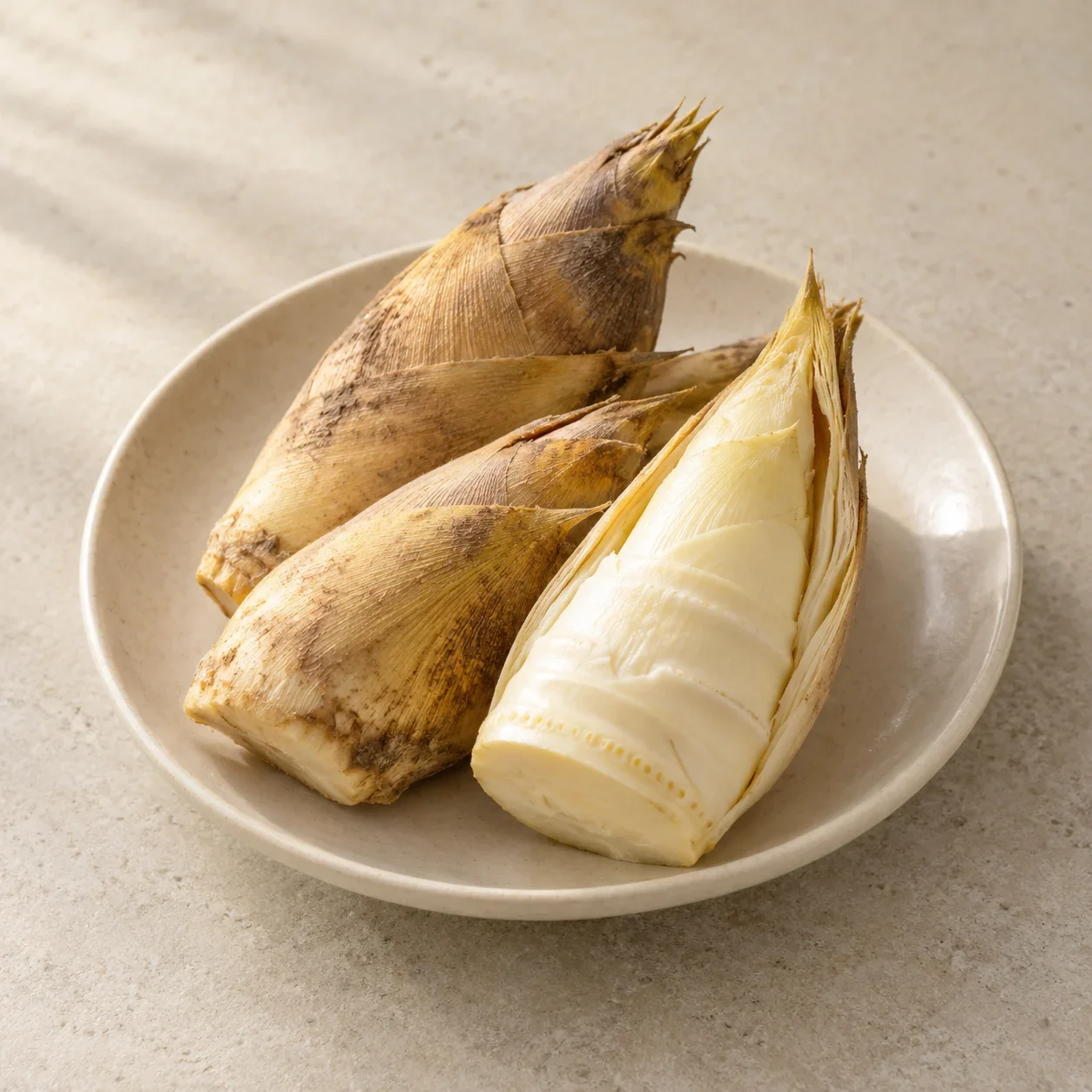
Recipes vary by restaurant.
How does it taste?
Rich poultry broth with savory ham, mushrooms, ginger and cooking rice wine.
- Chili heat
- Texture
- Tender layers of poultry beneath soft skin, with moist bamboo shoots and mushrooms.
- How it’s made
- Debone and blanch the birds, nest them with ham and mushrooms, then gently simmer with ginger, scallion and rice wine until tender. Add the remaining garnishes and serve whole in the cooking broth.
Ask which birds the kitchen uses; do not assume wild duck is used today. Garnishes and serving size vary.
A CONNECTION TO PLACE
Origin & regional roots
Associated with Jiangsu.
About this regional connection
Jiangsu: Yangzhou traditional banquet dish; Chinese Recipes Jiangsu printed208 and Su-Yang printed172.
Ask if they have it first
请问你们有三套鸭吗?
Do you have this item?
A LITTLE SOMETHING TO READ
Story & history
A whole bird with a hidden interior
This account describes a tradition or story, rather than an established historical fact.
At a Yangzhou banquet, the intact outer duck hides the work of boning and nesting three birds. Sharing it from the outside inward reveals different meats softened in the same broth. The technique and layered serving, rather than three separate ducks on a plate, explain the dish's appeal.