
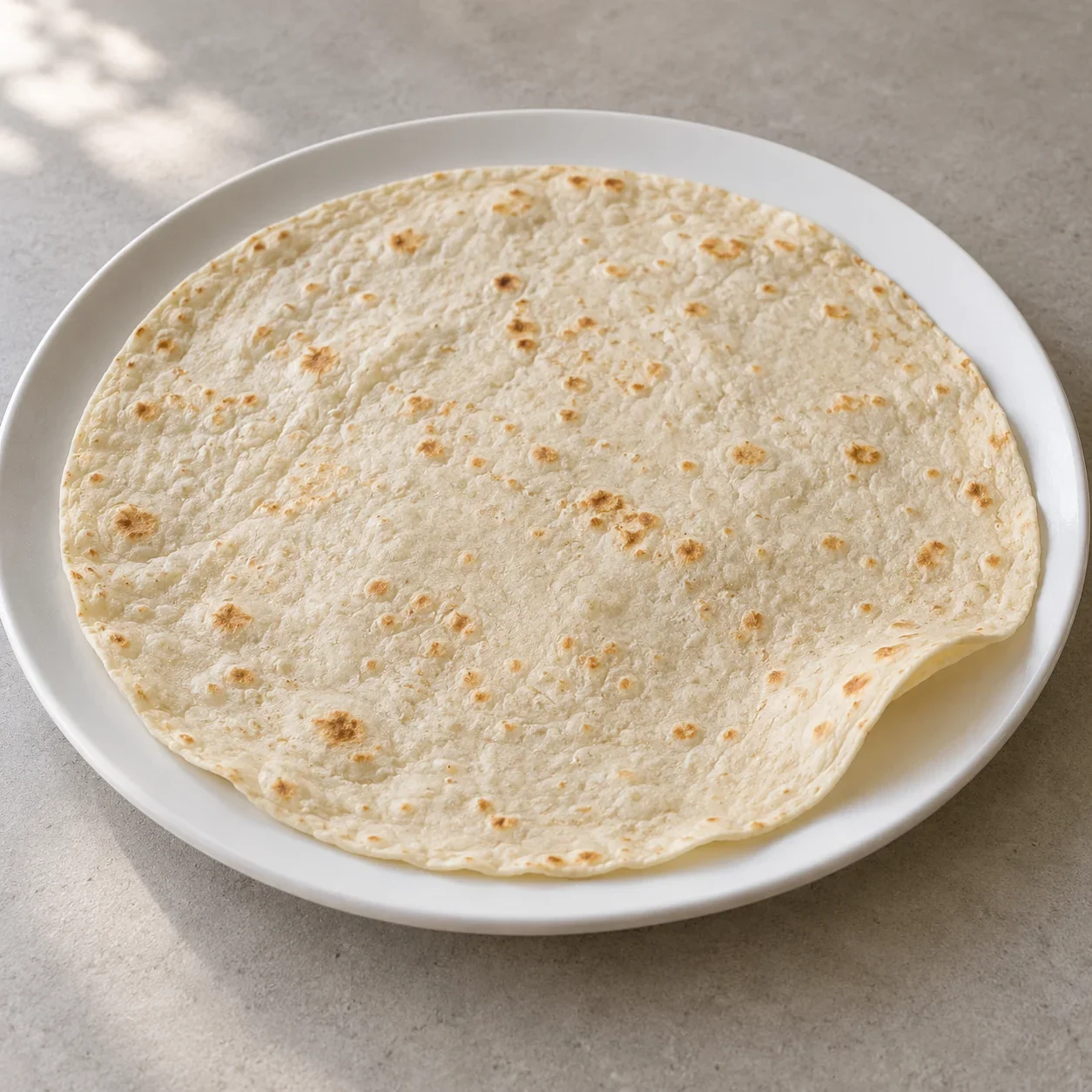
At the table
Put a little cooked filling along one edge, roll halfway, fold up the bottom and continue rolling. Or tear the bread into soup. Plain sheets and filled or layered versions have different ingredients.
Contains wheat. Egg may be added to layered versions; fillings can include meat, and soup or cooking fat can be animal-based. Check the complete serving if you need a vegan or vegetarian option.
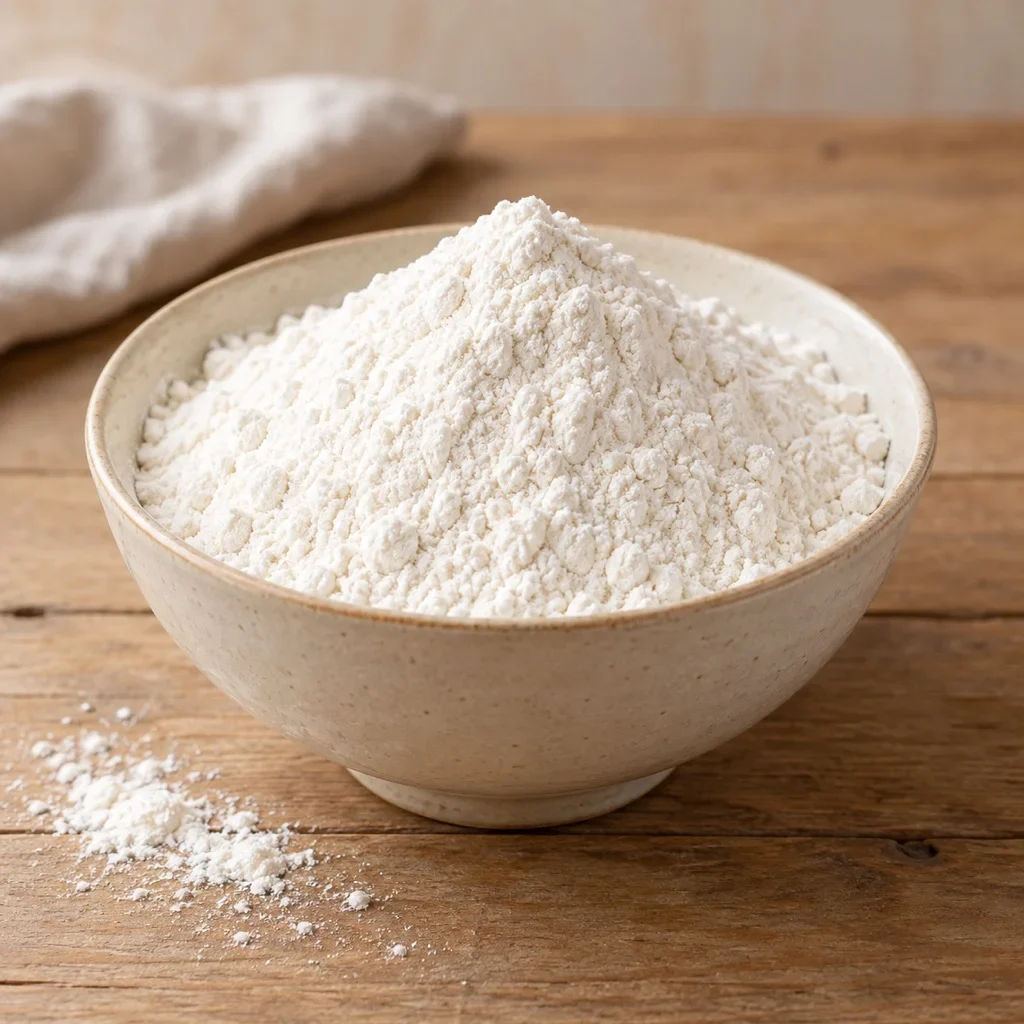
Plain laomo uses flour and water, but filled wraps and layered versions are different preparations. Salt, scallion, egg or oil may be added. Fillings and soup accompaniments are not fixed ingredients of every plain sheet.
The thin, flexible bread is easy to tear into small pieces or wrap around a mild filling, making it straightforward to share at a family meal.
Recipes vary. Ask the restaurant about ingredients and serving before you order.
GET TO KNOW THE DISH
What goes into it?
Explore some key ingredients below. Preparations may use additional seasonings and ingredients.
Street teams often roll and bake in continuous rhythm; some households add egg or scallion between sheets. Distinct from oil-laminated shaobing.
Typical ingredients
In some versions
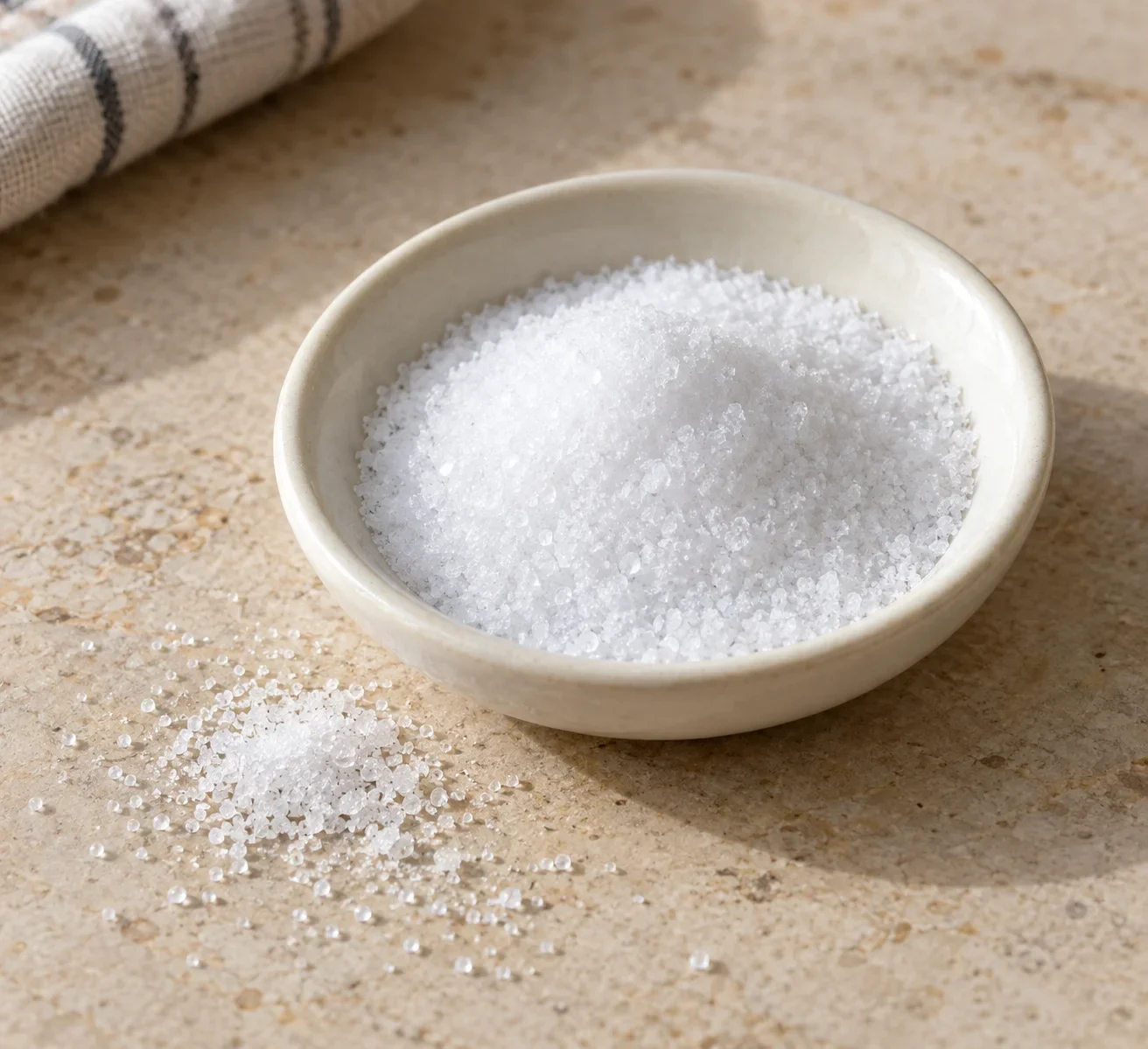
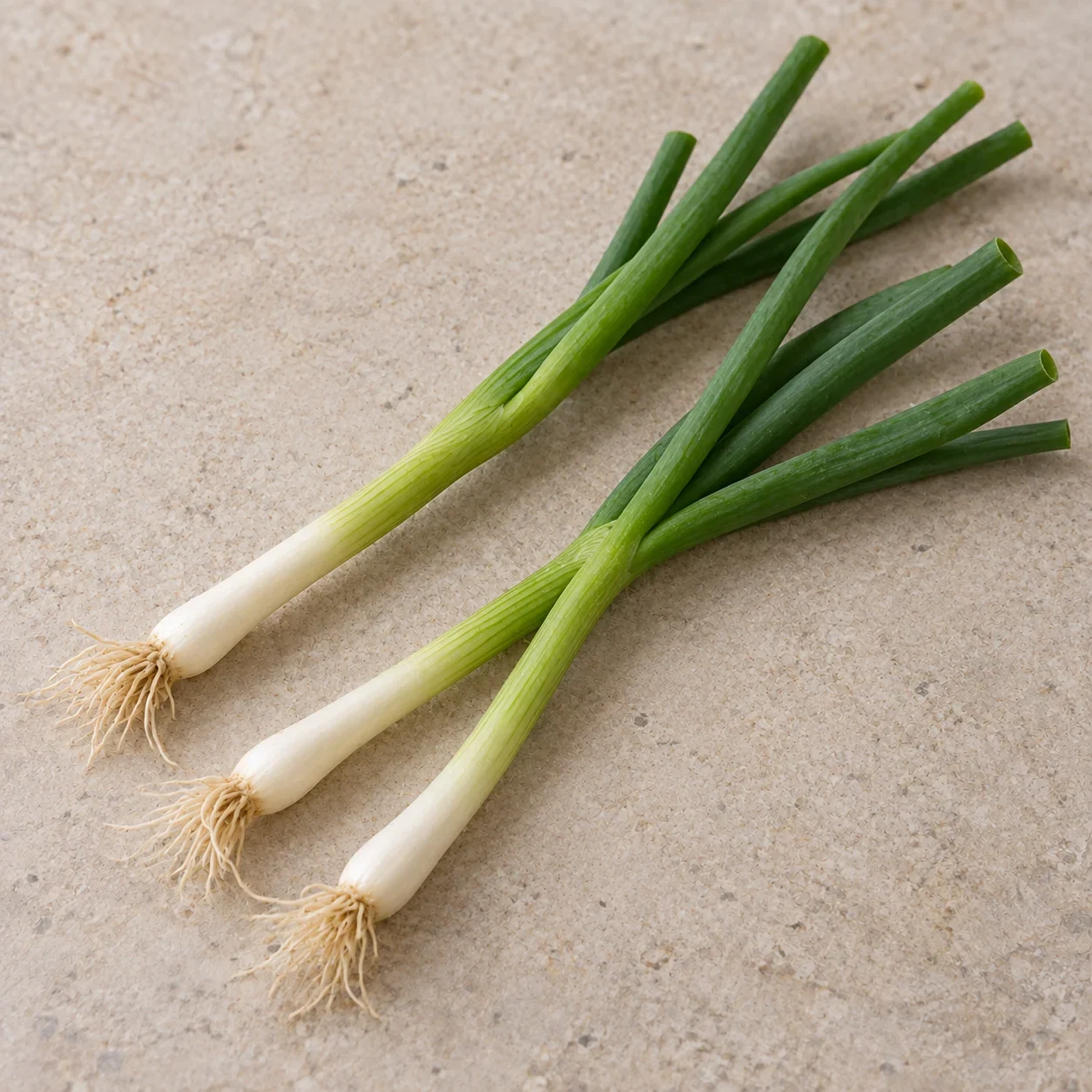

Recipes vary by restaurant.
How does it taste?
Mild toasted wheat; mostly a neutral wrap that carries whatever filling or broth you add.
- Chili heat
- Texture
- Thin and pliable, with a pleasantly chewy texture when fresh; dries out if stored uncovered.
- How it’s made
- Unleavened flour-and-water dough is rested, divided, rolled very thin with extra dusting flour, then slapped onto a dry hot ao and flipped in seconds until just set.
Street teams often roll and bake in continuous rhythm; some households add egg or scallion between sheets. Distinct from oil-laminated shaobing.
A CONNECTION TO PLACE
Origin & regional roots
Associated with Jiangsu.
About this regional connection
Jiangsu: Associated with Xuzhou, Jiangsu as a local daily staple flatbread; not an exclusive patented product.
Ask if they have it first
请问你们有徐州烙馍吗?
Do you have this item?
A LITTLE SOMETHING TO READ
Story & history
A soft wrapper for Xuzhou’s everyday meals
In Xuzhou, laomo works as an edible wrapper rather than a raised bun. Rolling it around crisp sanzi creates a contrast between chewy bread and brittle fried dough; wrapping vegetables or cooked dishes makes a meal. A wrap with fried dough and soy milk or porridge is one breakfast combination. Sheets can also be torn into soup, while layered versions may enclose egg and greens. The same thin bread adapts to different meals.