
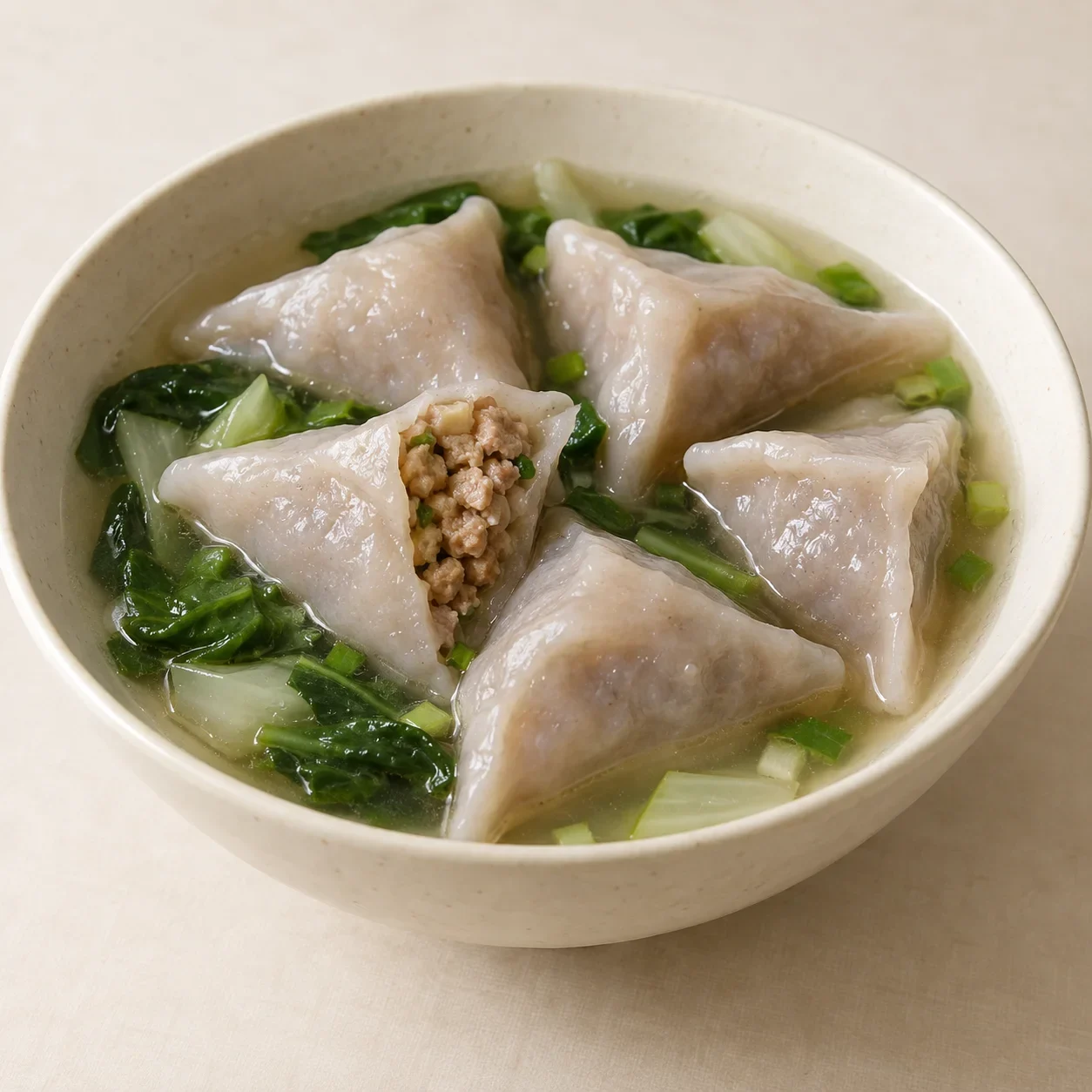
At the table
Lift with a spoon, let the hot filling cool, and take small bites. The smooth, slightly sticky wrapper needs thorough chewing.
Usually contains pork. Soy sauce or other seasonings may contain soy and wheat; a taro-and-starch skin does not guarantee a gluten-free dish. Check the filling, broth and seasonings for dietary or allergy needs.
Cut into small cooled pieces only for a child who can chew the sticky wrapper. Make sure the pork filling is cooked through; do not offer a whole dumpling as one bite.
Recipes vary. Ask the restaurant about ingredients and serving before you order.
GET TO KNOW THE DISH
What goes into it?
Explore some key ingredients below. Preparations may use additional seasonings and ingredients.
Serve with leafy greens in soup or with local zha rice noodles. Fresh and frozen dumplings need different cooking times; follow the preparation or package instructions and check the filling.
Typical ingredients
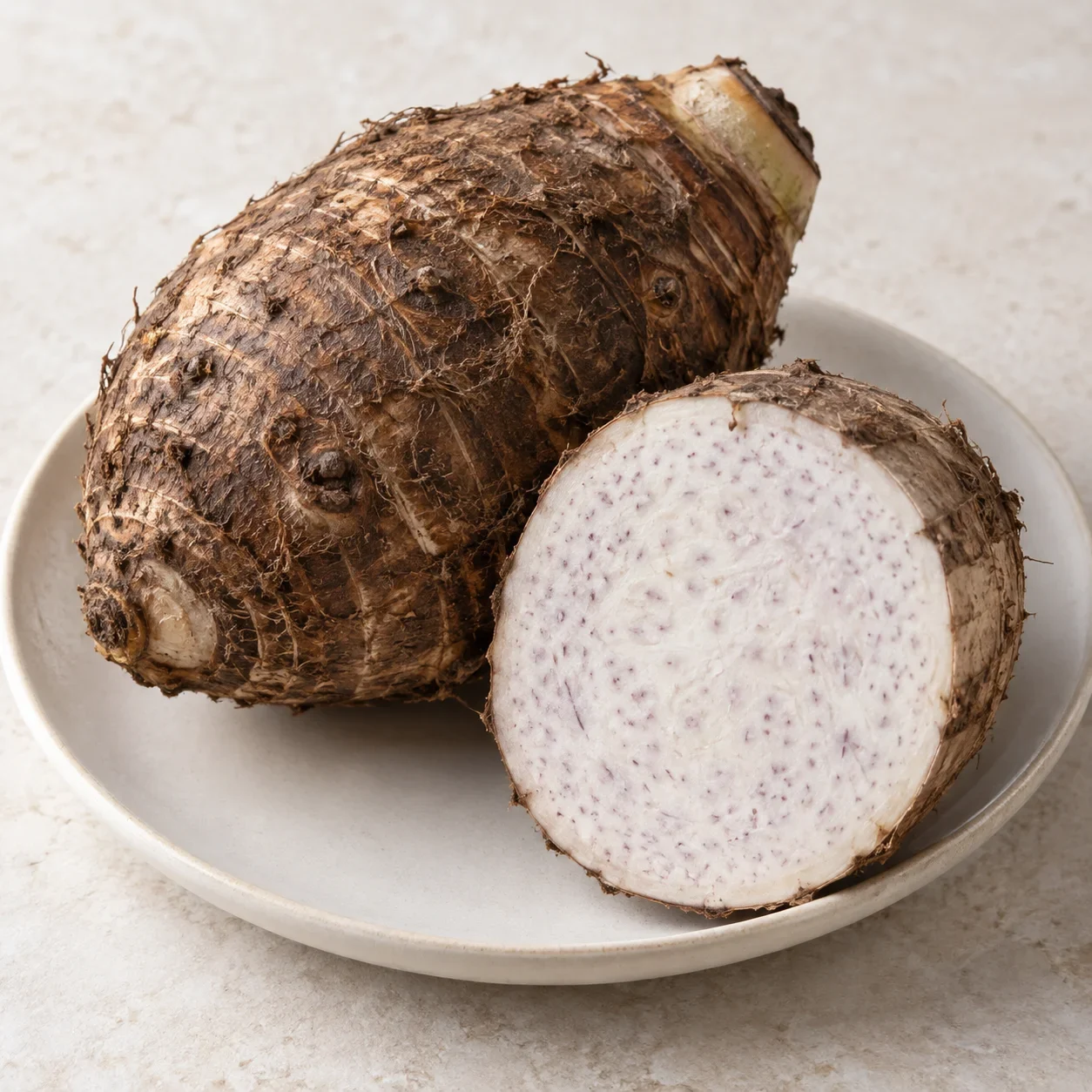
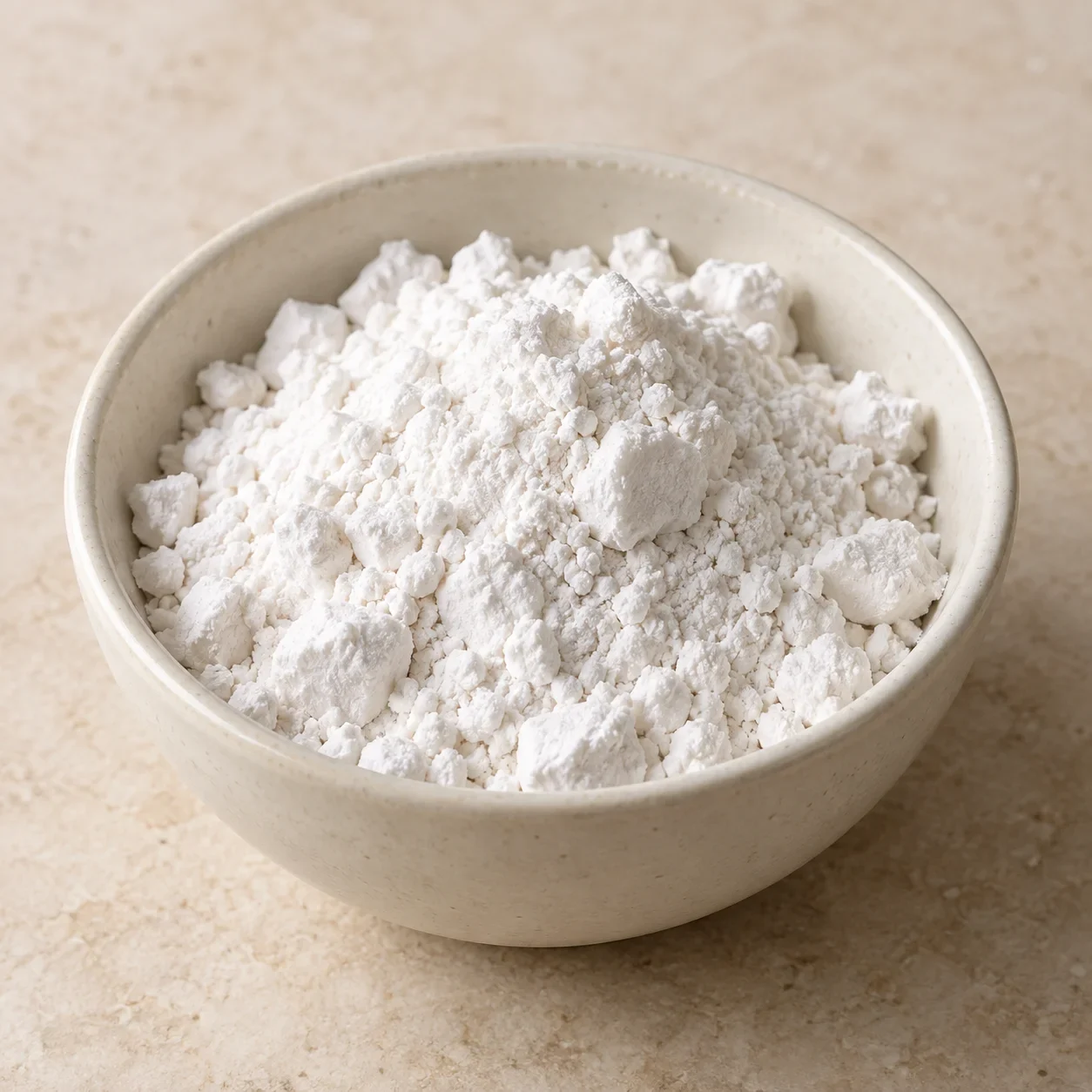
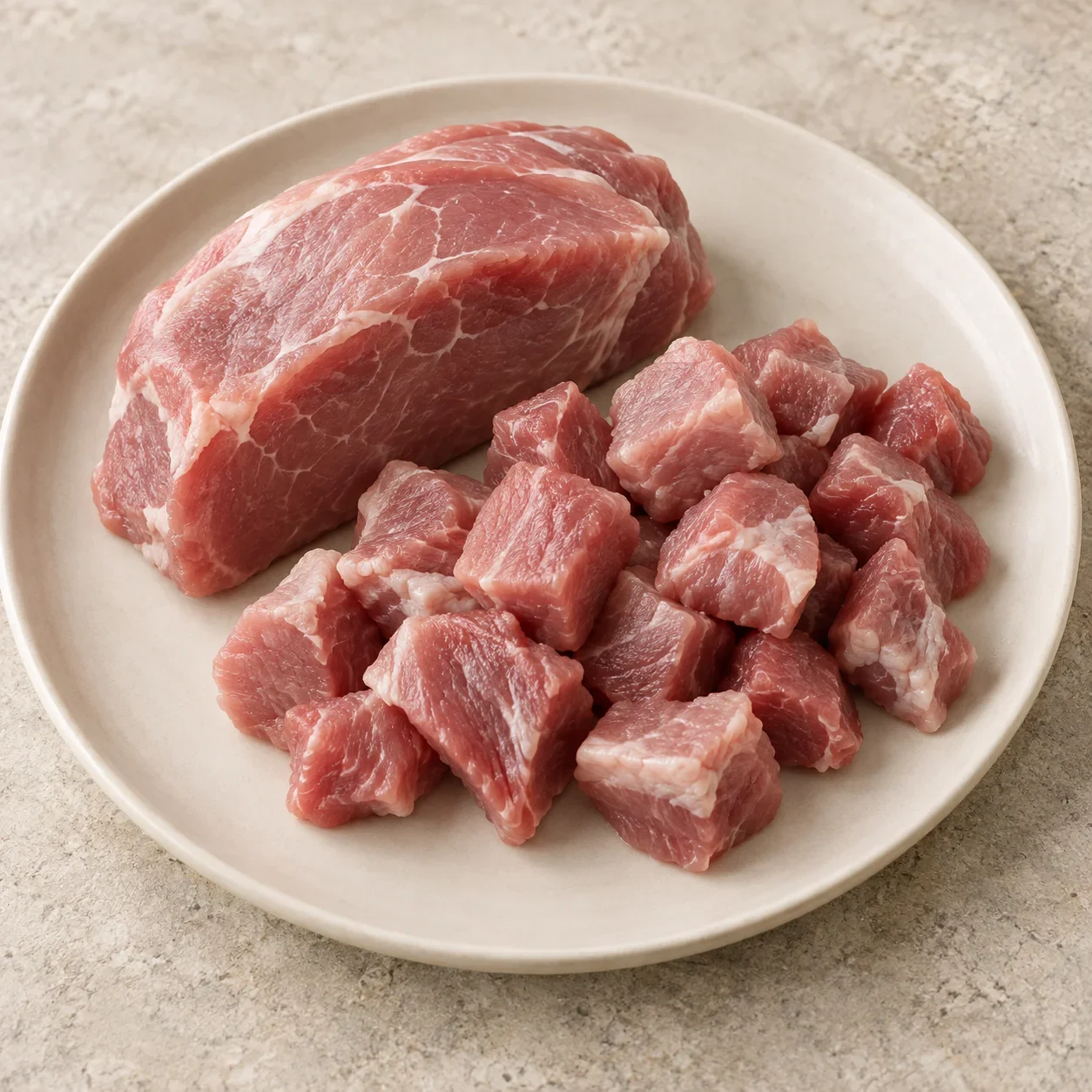
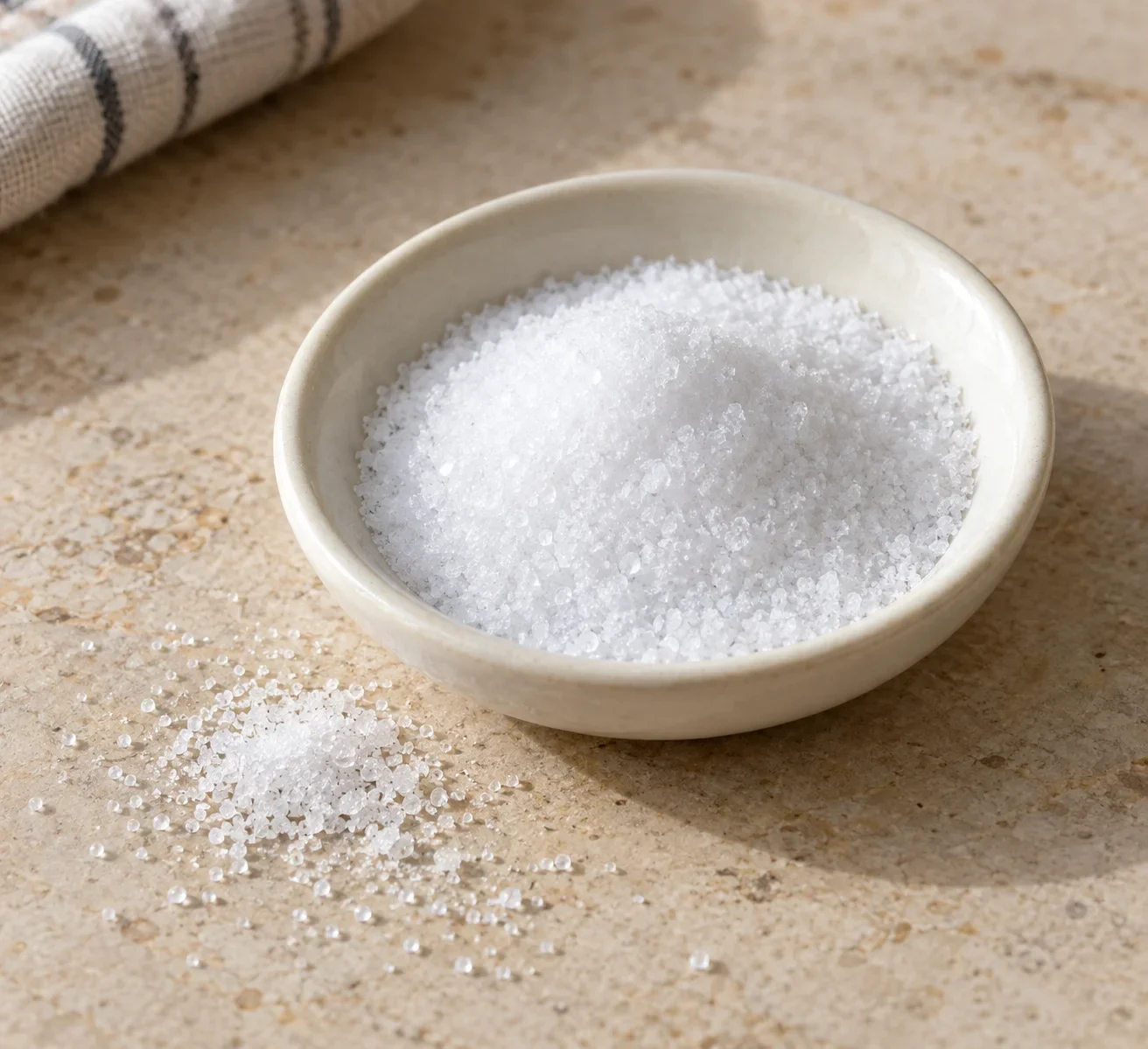
In some versions
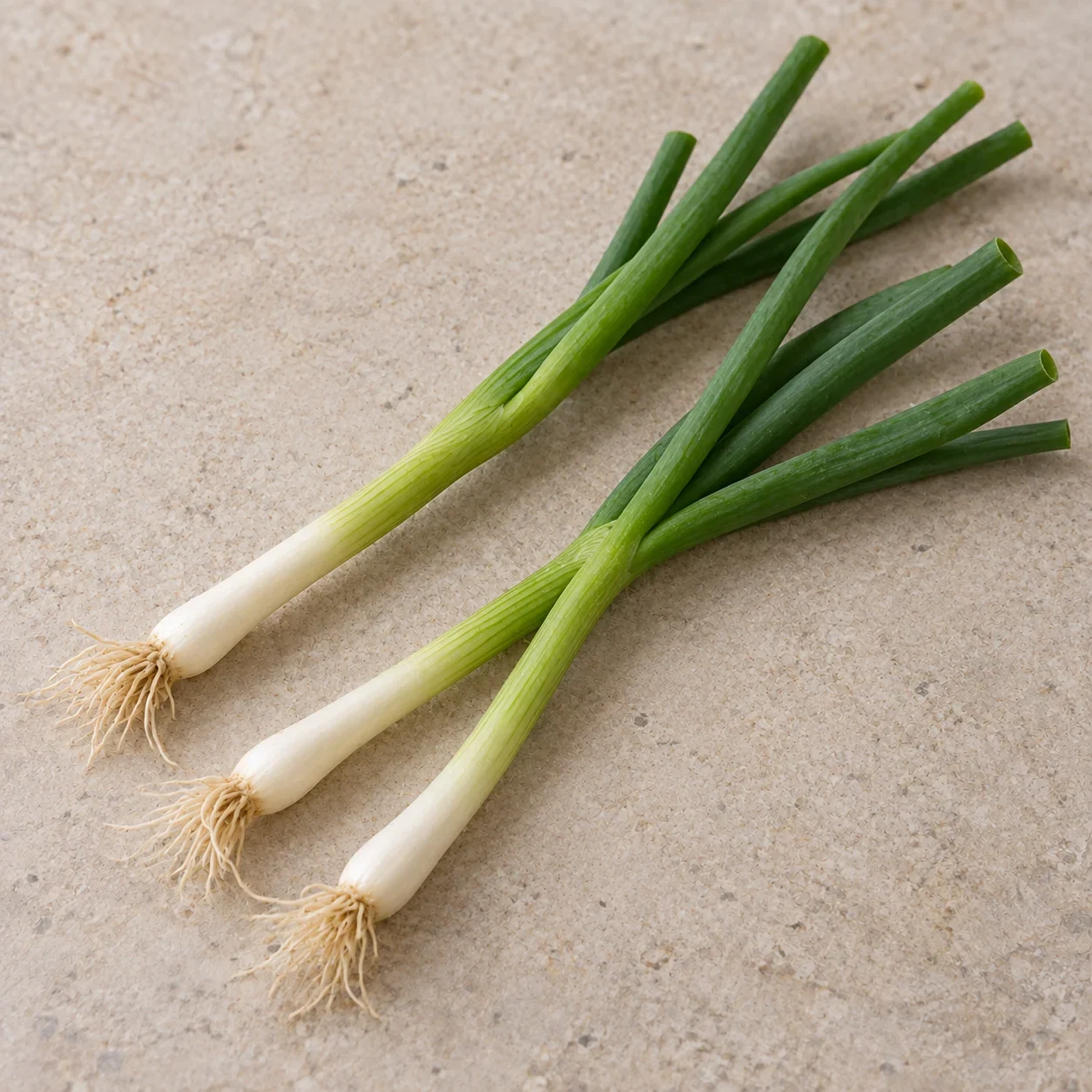
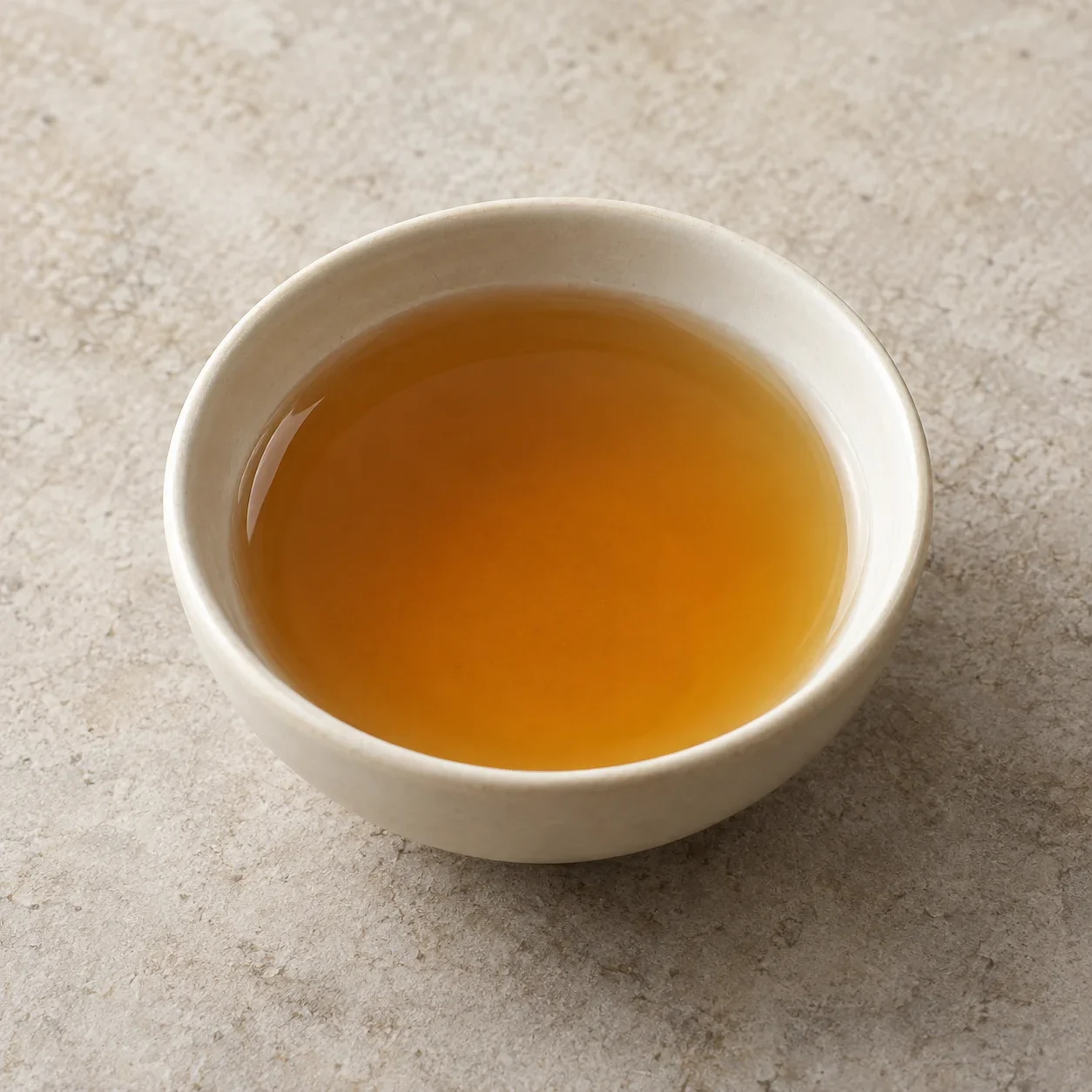
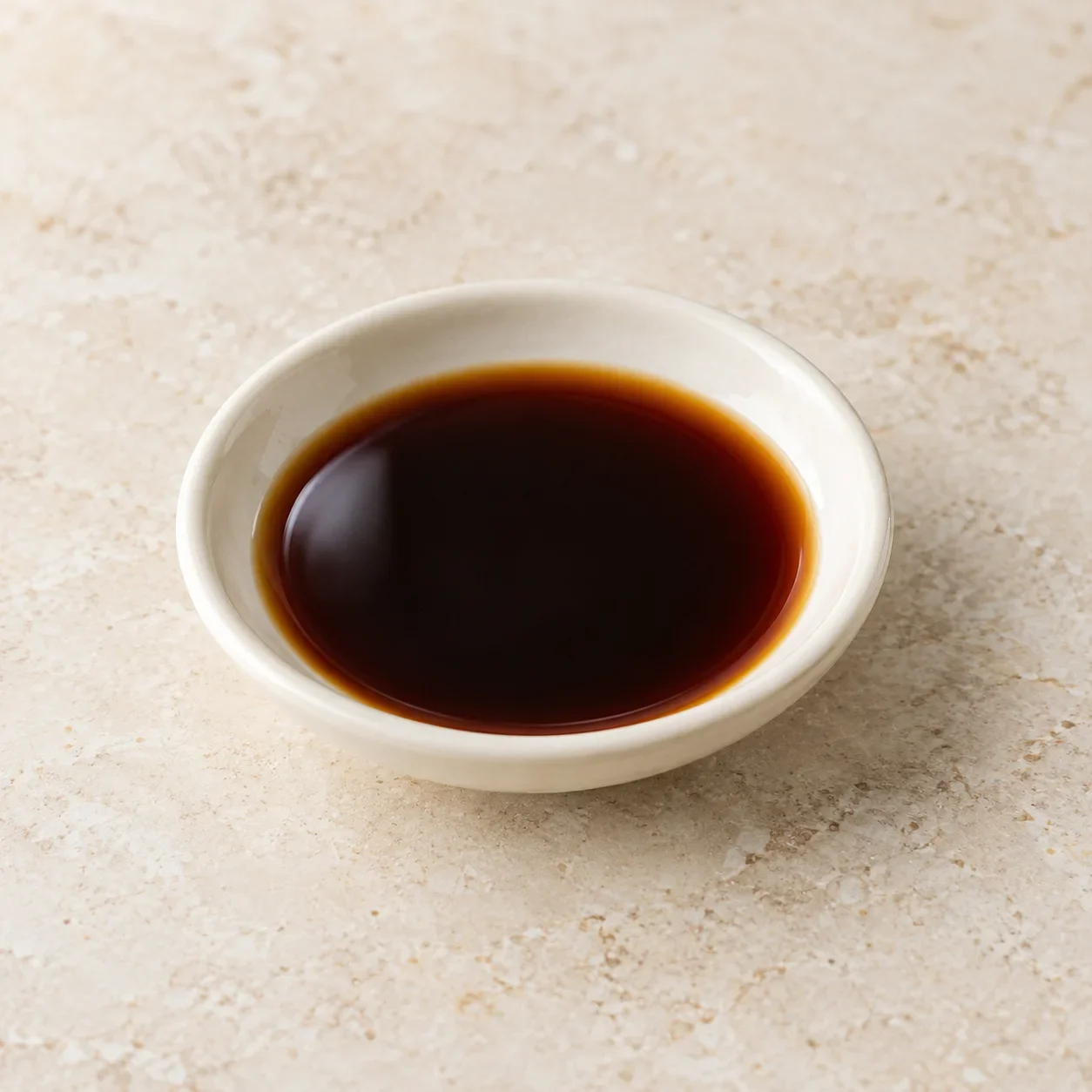
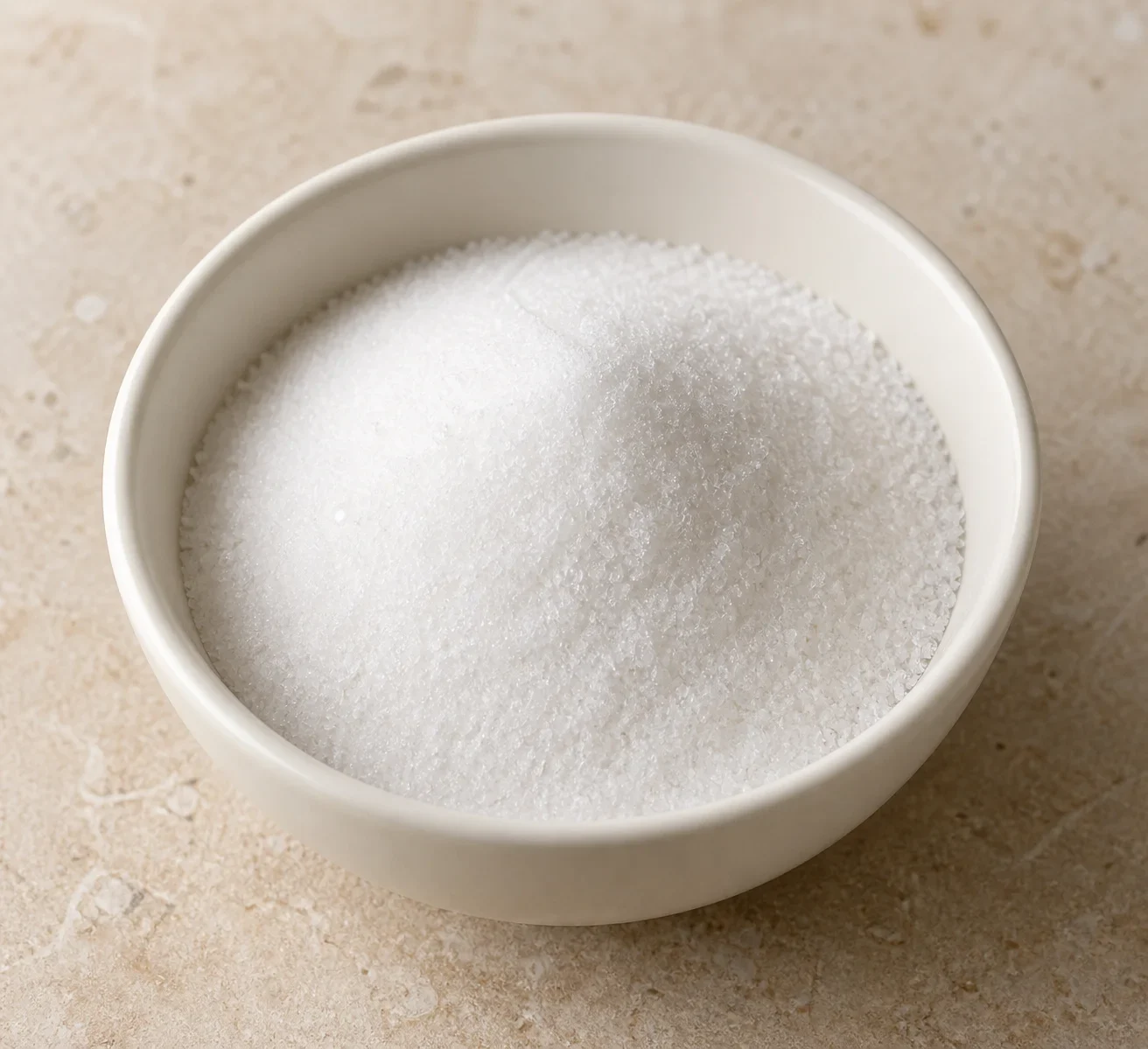
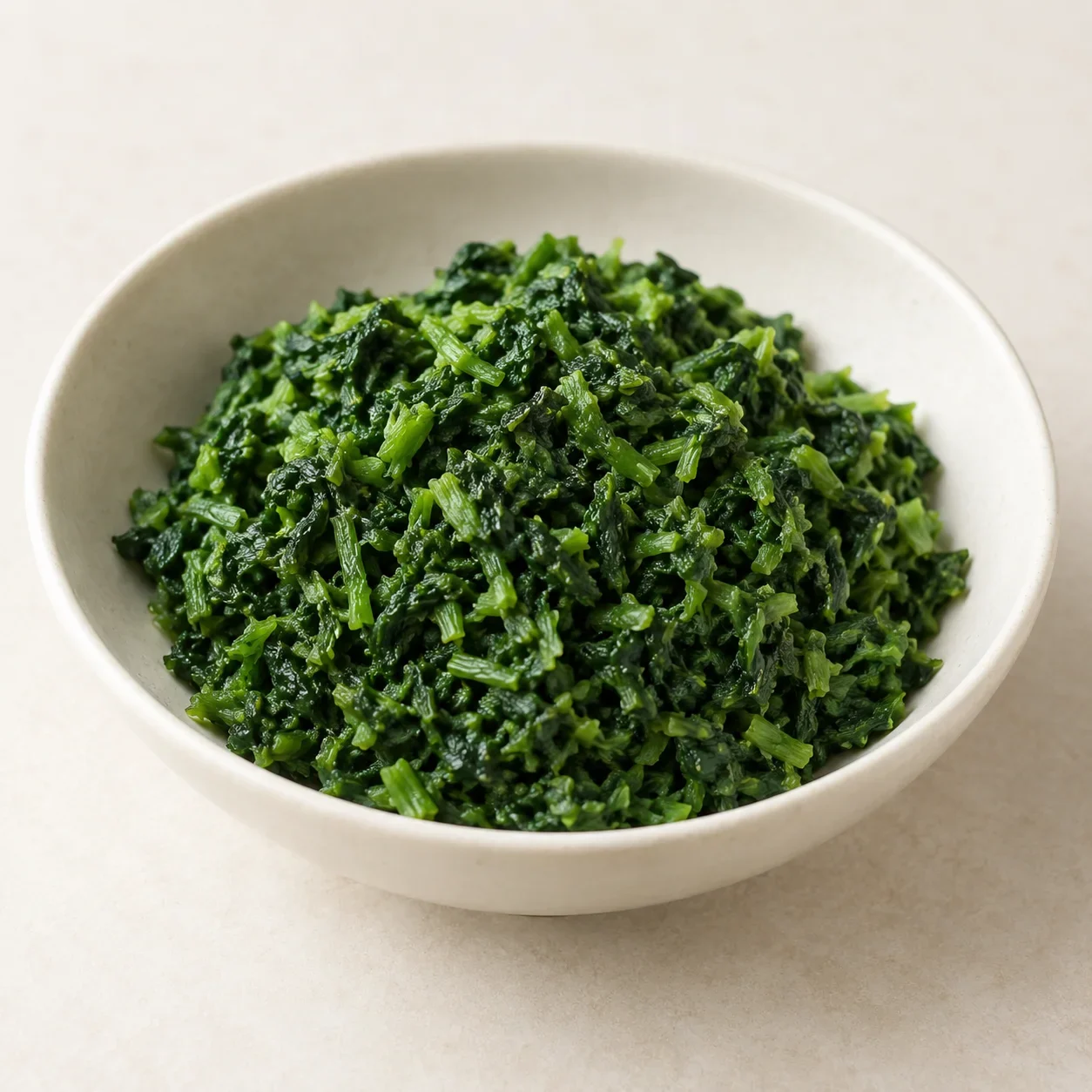
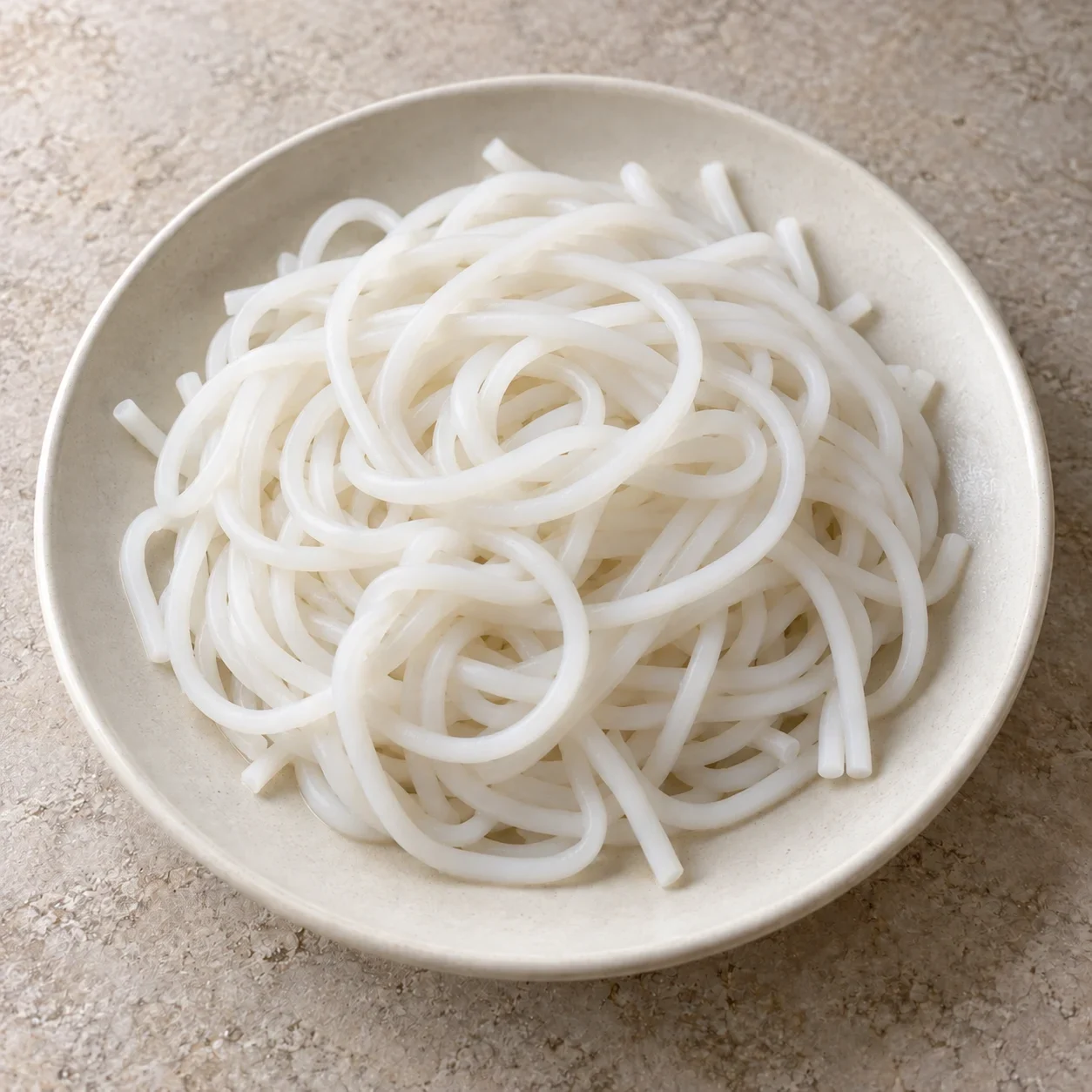
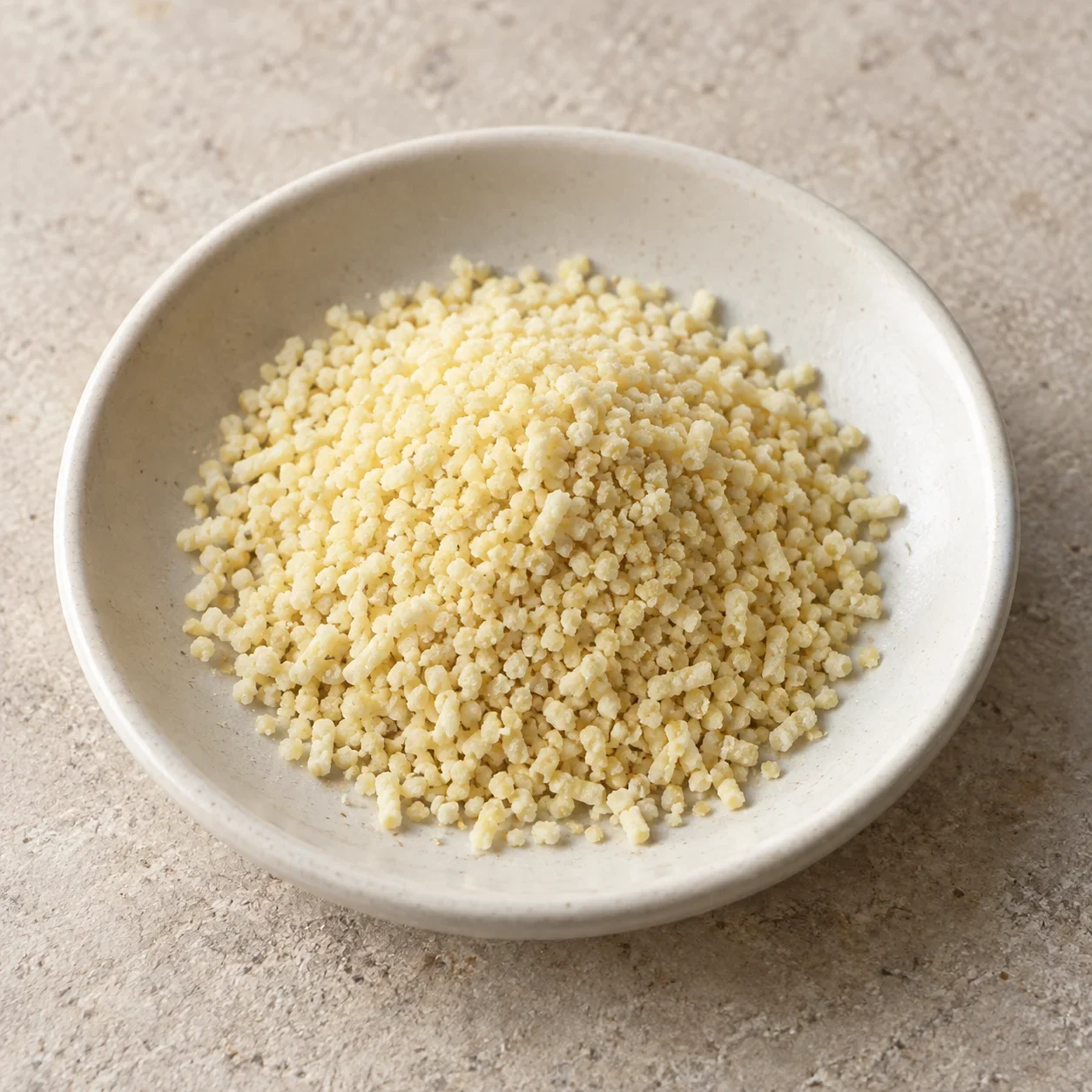
Recipes vary by restaurant.
How does it taste?
Mild taro aroma with savory pork filling; clean boiled taste in light soup.
- Chili heat
- Texture
- Springy, smooth, slightly sticky starch-taro skin around tender pork.
- How it’s made
- Cook and peel the taro while hot, then knead it with sweet-potato starch until smooth. Make wrappers thicker in the middle and thinner at the edges, fill with seasoned pork and seal three corners. Boil until both skin and meat are cooked through; floating alone is not a sufficient doneness check.
Serve with leafy greens in soup or with local zha rice noodles. Fresh and frozen dumplings need different cooking times; follow the preparation or package instructions and check the filling.
A CONNECTION TO PLACE
Origin & regional roots
Associated with Zhejiang.
About this regional connection
Zhejiang: Associated with Xinchang; similar taro dumplings may exist elsewhere but this roster item is the Xinchang style.
Ask if they have it first
请问你们有新昌芋饺吗?
Do you have this item?
A LITTLE SOMETHING TO READ
Story & history
Taro gives a local dumpling its character
Xinchang taro dumplings are part of the town’s festive and everyday food traditions. Cooked taro supplies moisture and softness when kneaded into sweet-potato starch, creating a wrapper quite different from a wheat dumpling skin. Makers judge the mixture by touch because taro varies in stickiness. Pinching the filled skin into three corners gives the dumplings their recognizable shape.