
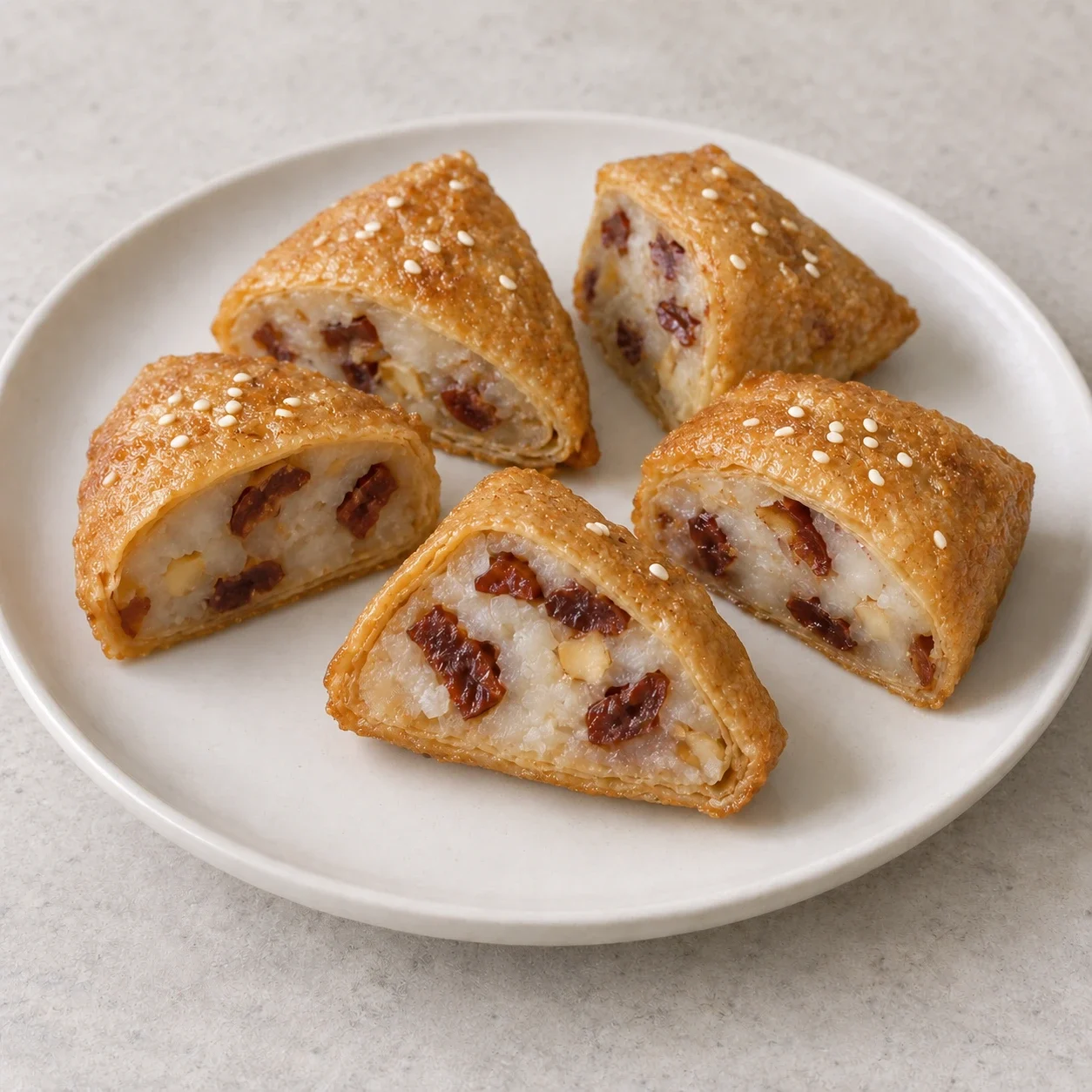
At the table
Pick up a small slice with chopsticks or a fork. Let freshly fried pieces cool; the syrup can be hot and sticky.
Usually contains wheat; sesame is a common topping, soy is present in soy-skin versions, and some recipes add nuts. Check the complete recipe and frying oil for allergies or vegetarian and vegan needs.
A yam, jujube and wheat-flour base can be made without a wrapper. Soy-milk skin, walnuts and other fruit or seed additions belong to particular versions, not every serving.
Only offer small pieces once cooled and if the child can chew the sticky texture well. Check for remaining date stones, nuts and relevant allergens; sweetness does not make it suitable for every child.
Recipes vary. Ask the restaurant about ingredients and serving before you order.
GET TO KNOW THE DISH
What goes into it?
Explore some key ingredients below. Preparations may use additional seasonings and ingredients.
Wrapped and unwrapped versions both exist. Walnuts, candied fruit or seed kernels may be added; ingredients and toppings vary.
Typical ingredients
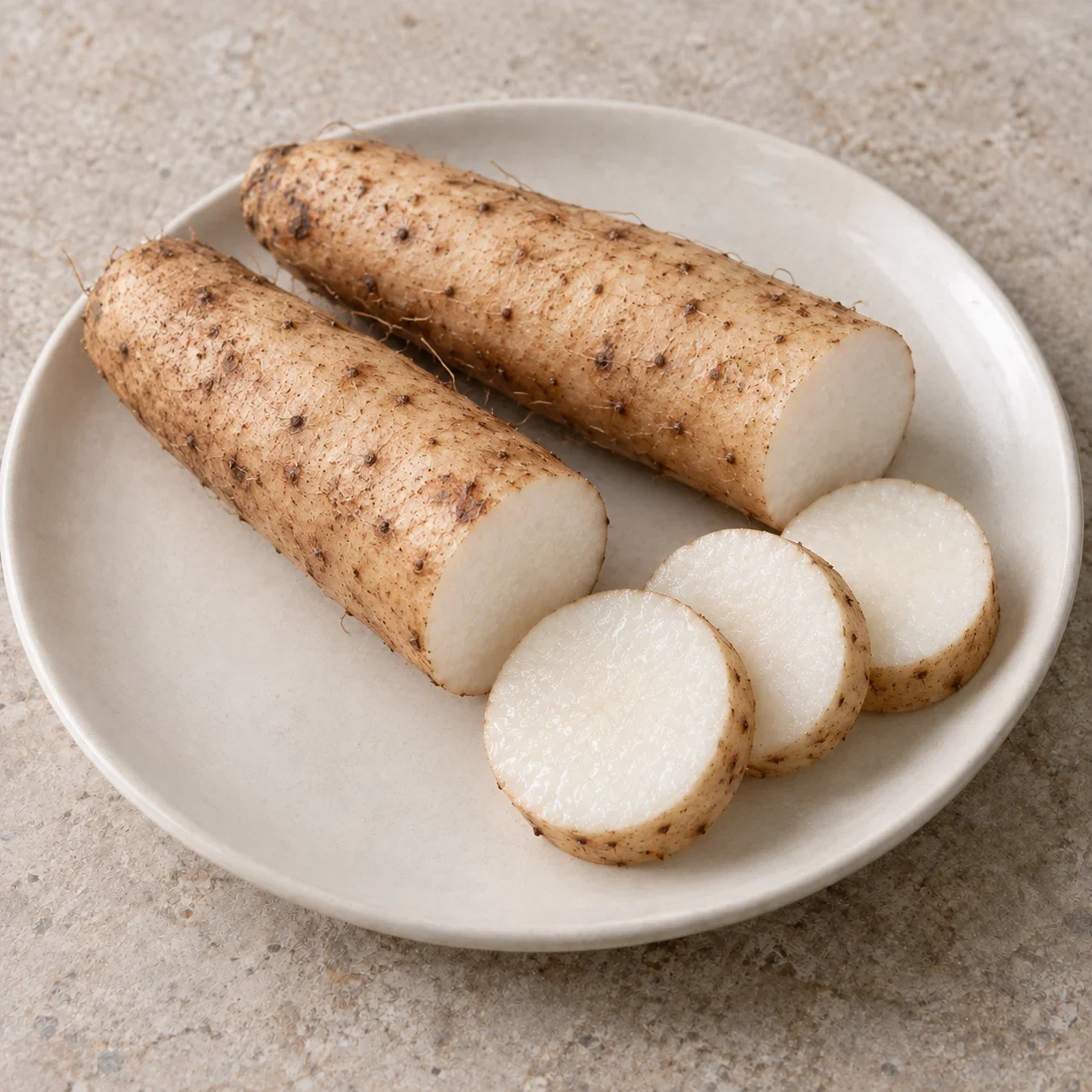
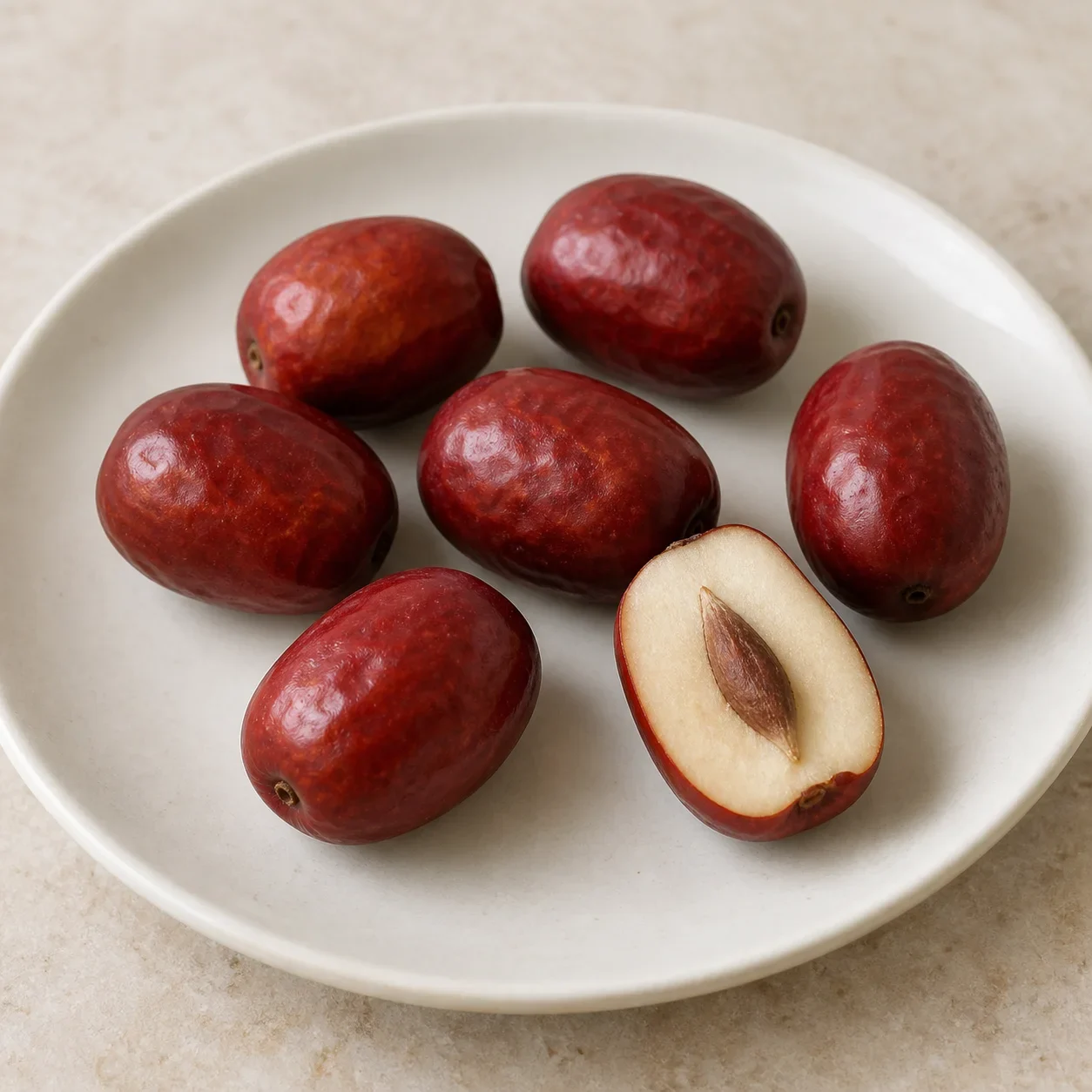
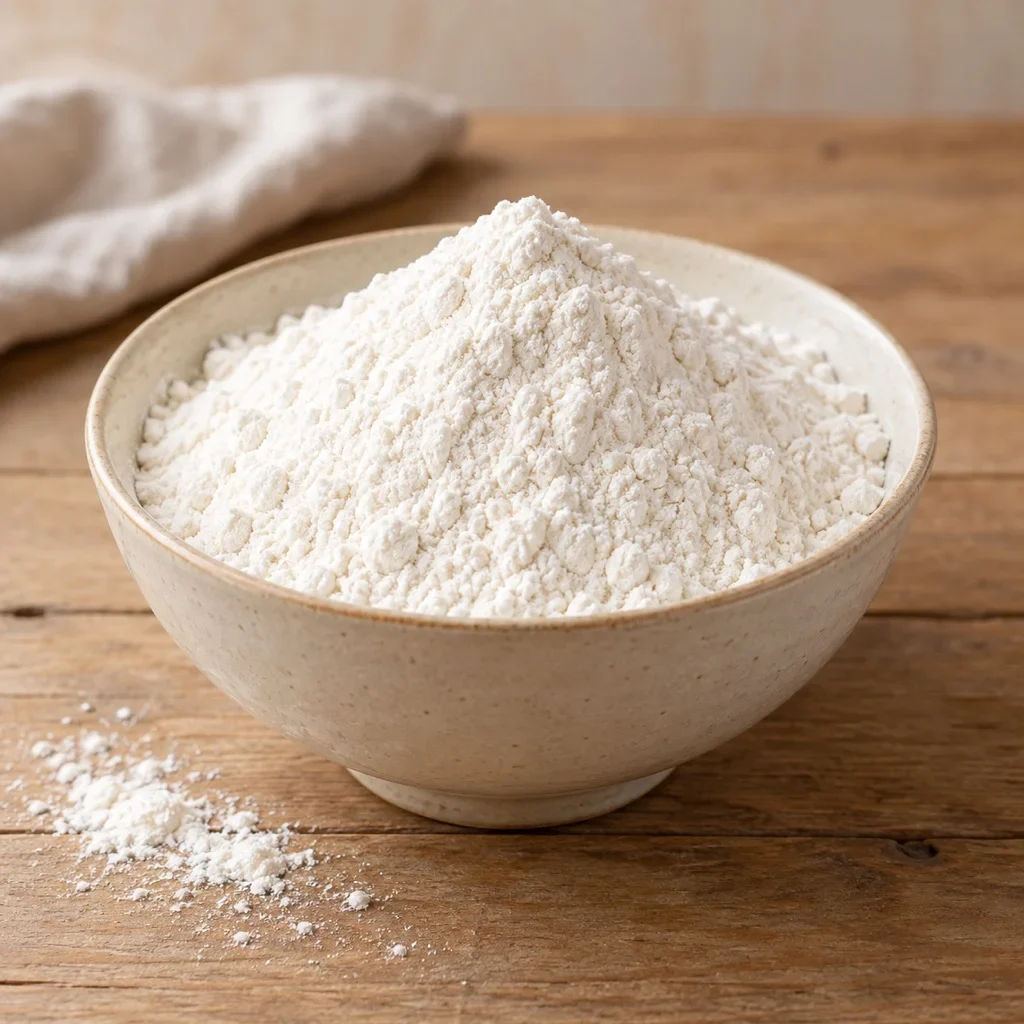
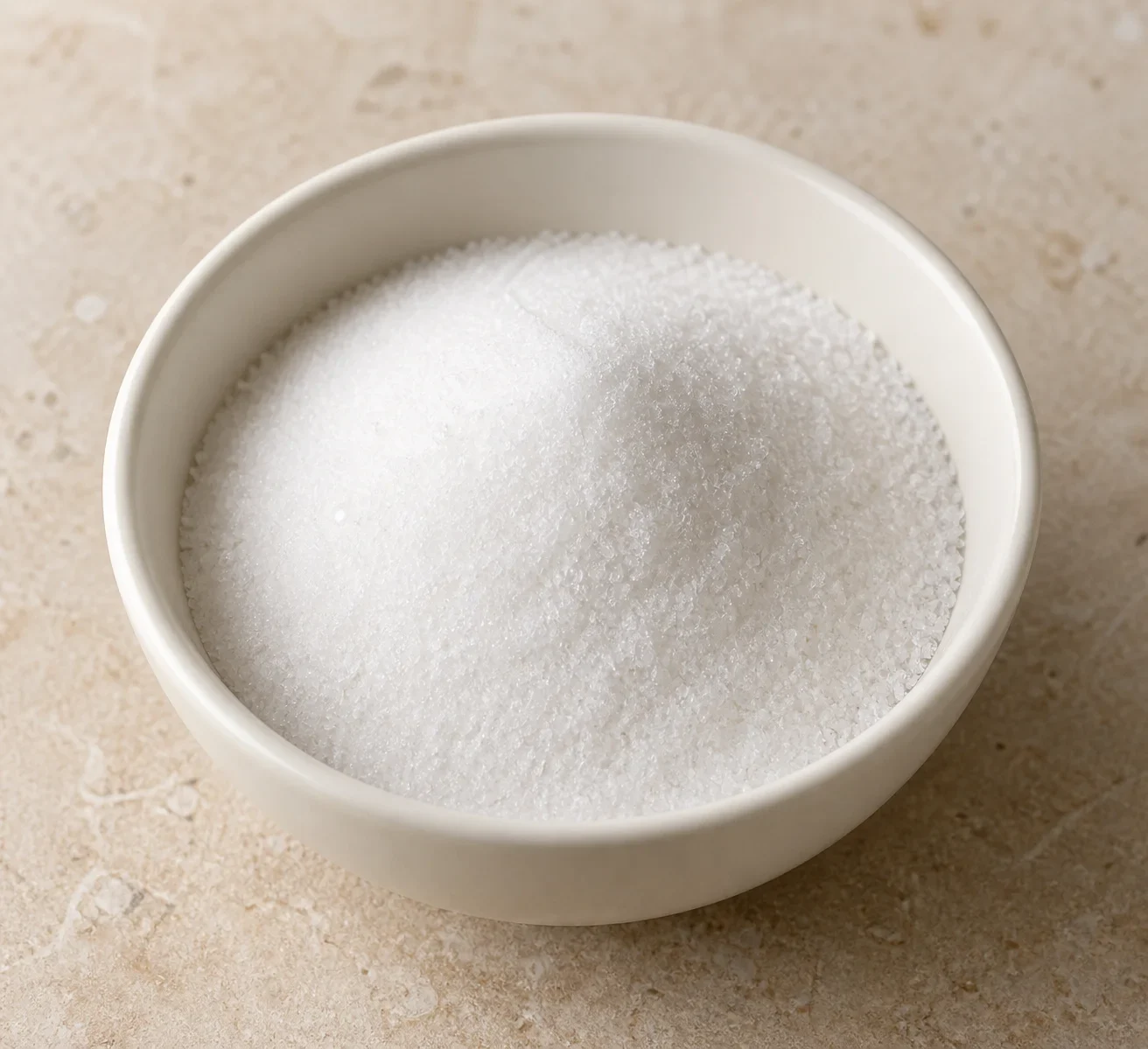
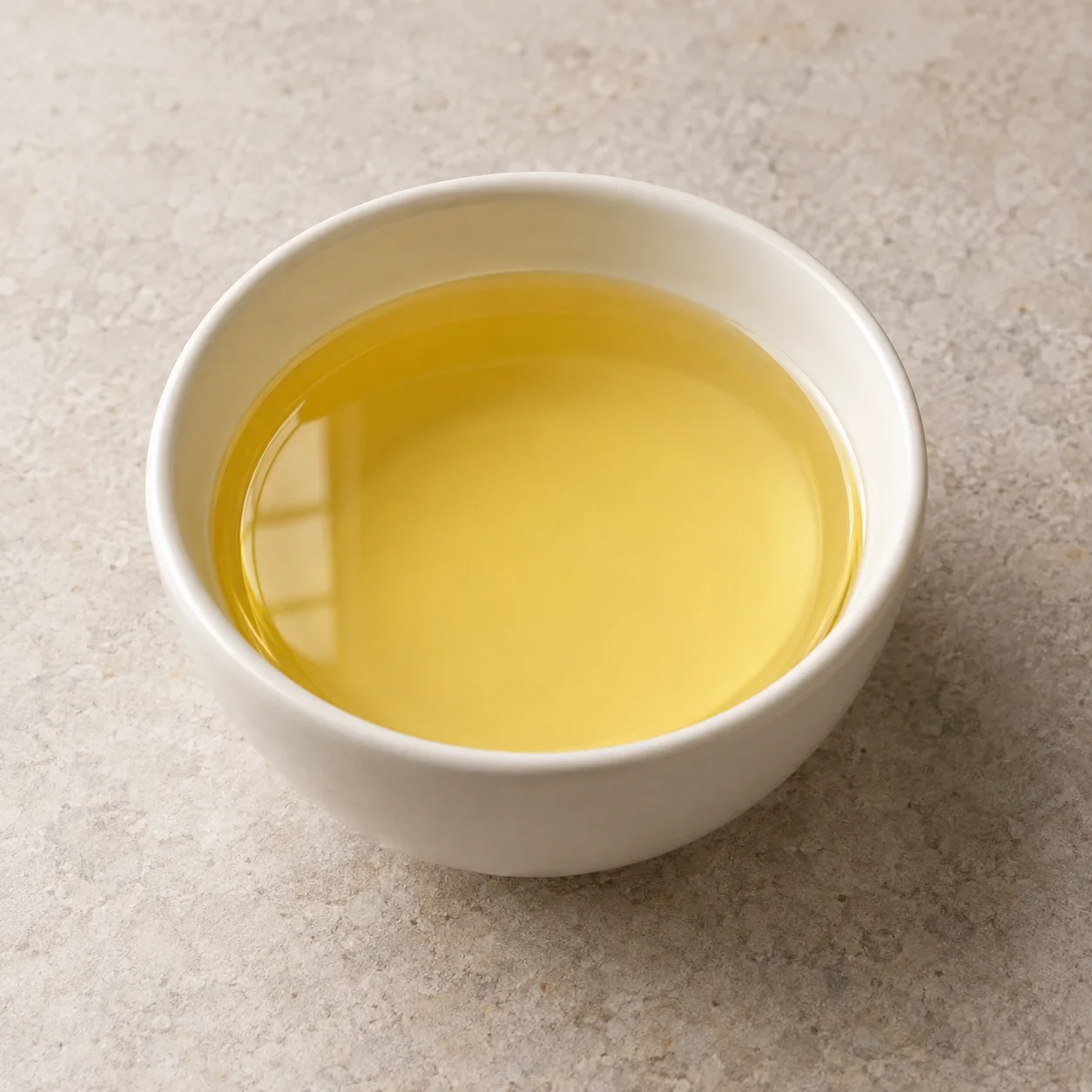
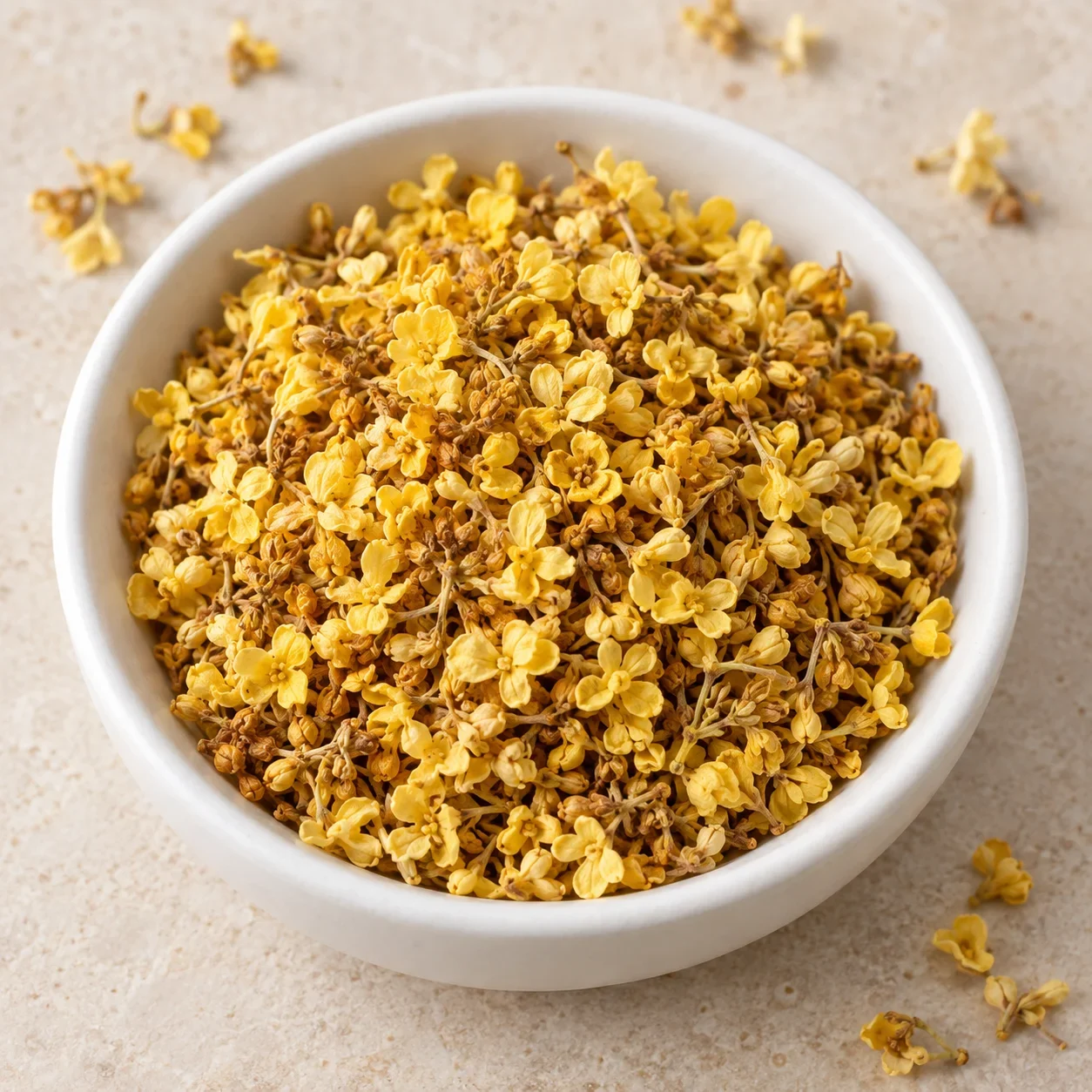
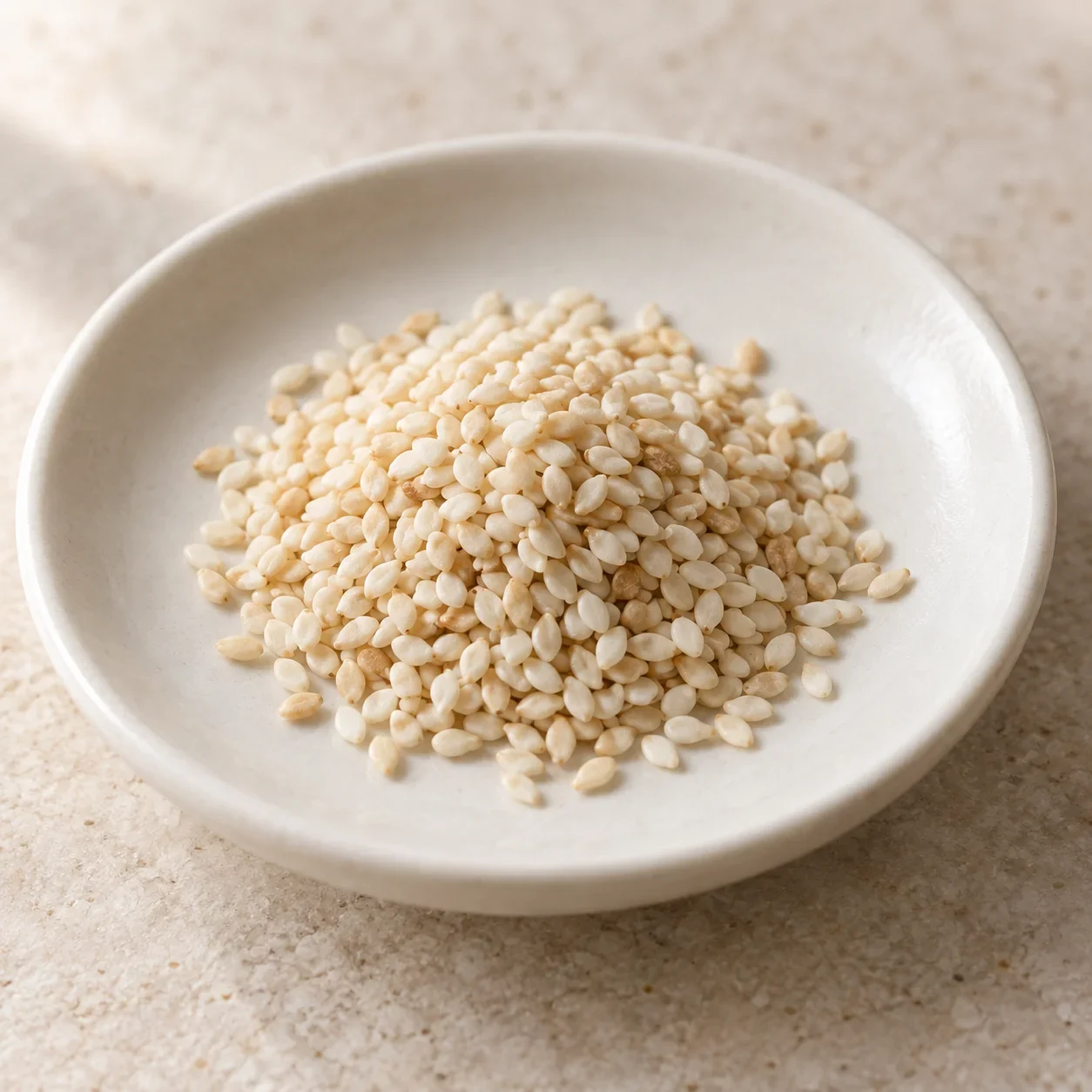
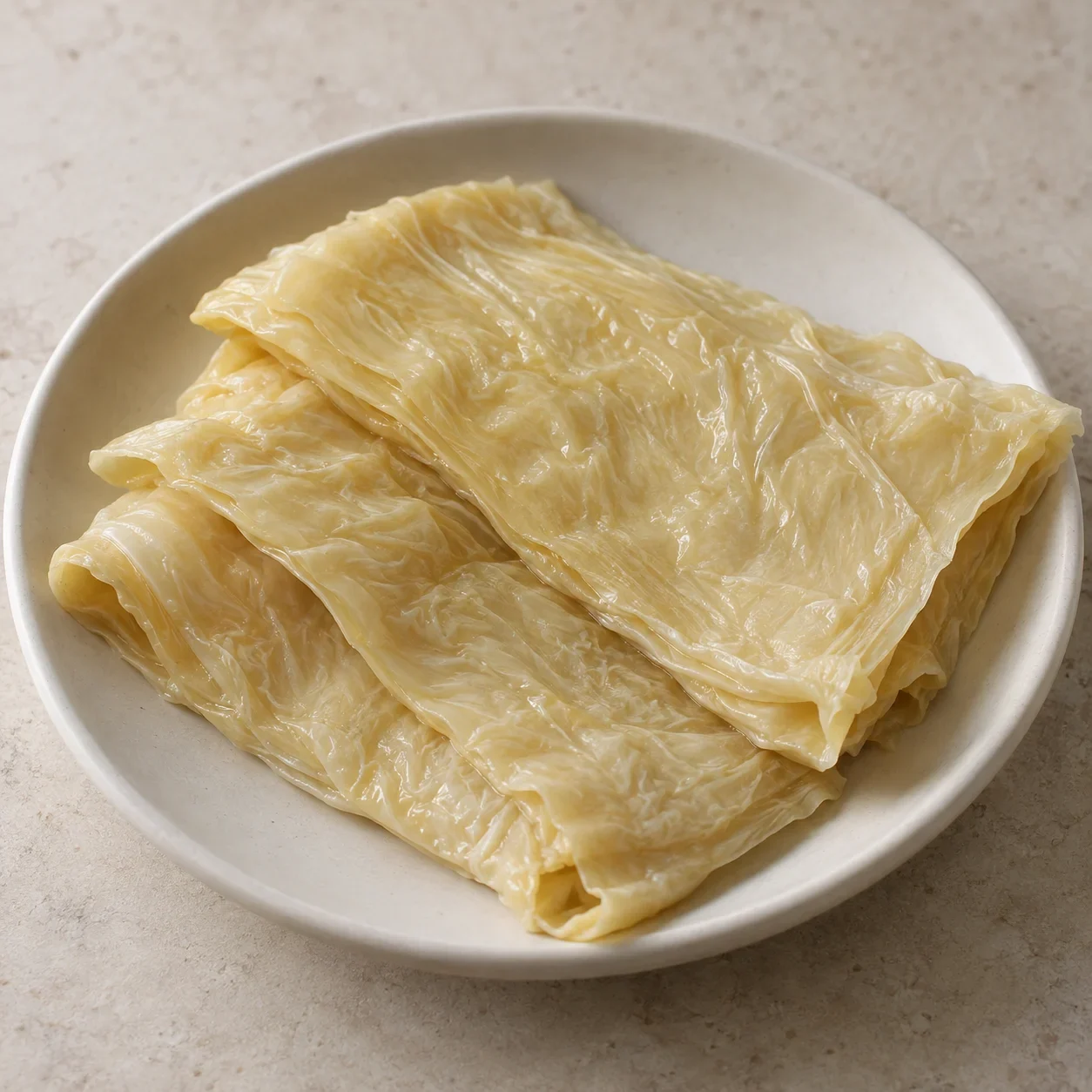
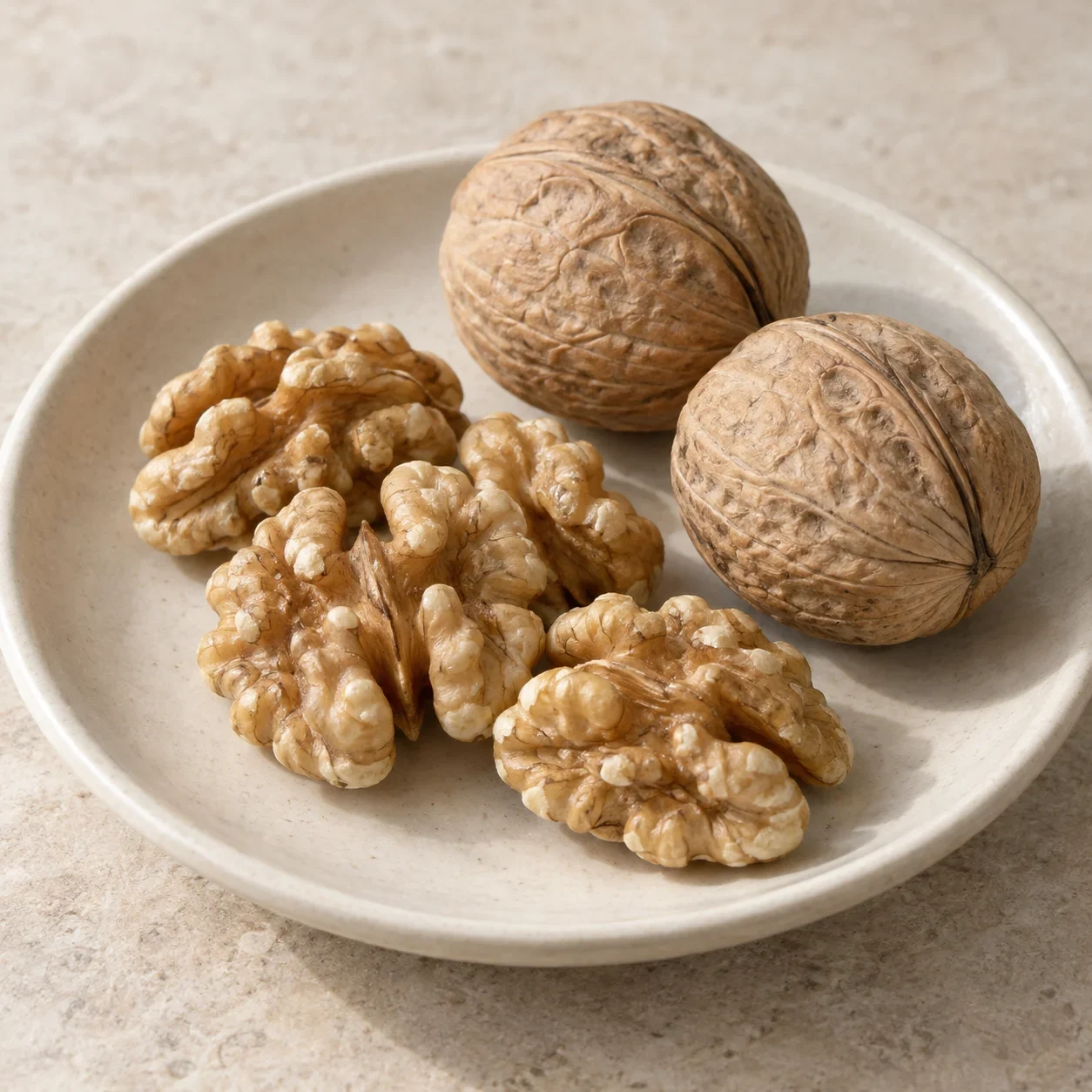
Recipes vary by restaurant.
How does it taste?
Sweet jujube and sugar syrup, sometimes with fragrant osmanthus and toasted sesame.
- Chili heat
- Texture
- A soft yam-and-jujube center, a fried outer surface and a sticky syrup coating; crispness fades as it sits.
- How it’s made
- Combine chopped yam and pitted jujubes with flour, steam and shape into a roll, then slice and fry. Coat with sugar syrup. A wrapped variation uses soy-milk skin before steaming.
Wrapped and unwrapped versions both exist. Walnuts, candied fruit or seed kernels may be added; ingredients and toppings vary.
A CONNECTION TO PLACE
Origin & regional roots
Associated with Beijing.
About this regional connection
Beijing: Beijing culinary association from exact local newspaper and municipal tourism passages; not exclusive origin.
Ask if they have it first
请问你们有糖卷果吗?
Do you have this item?
A LITTLE SOMETHING TO READ
Story & history
A sweet in Beijing’s pre-New-Year calendar
Tangjuanguo belongs to Beijing’s Hui Muslim sweet-making tradition. An older custom associated it with Xiaonian, the “Little New Year” before Lunar New Year, although that connection is less familiar today. Yam and jujubes give the roll its character across different recipes.