
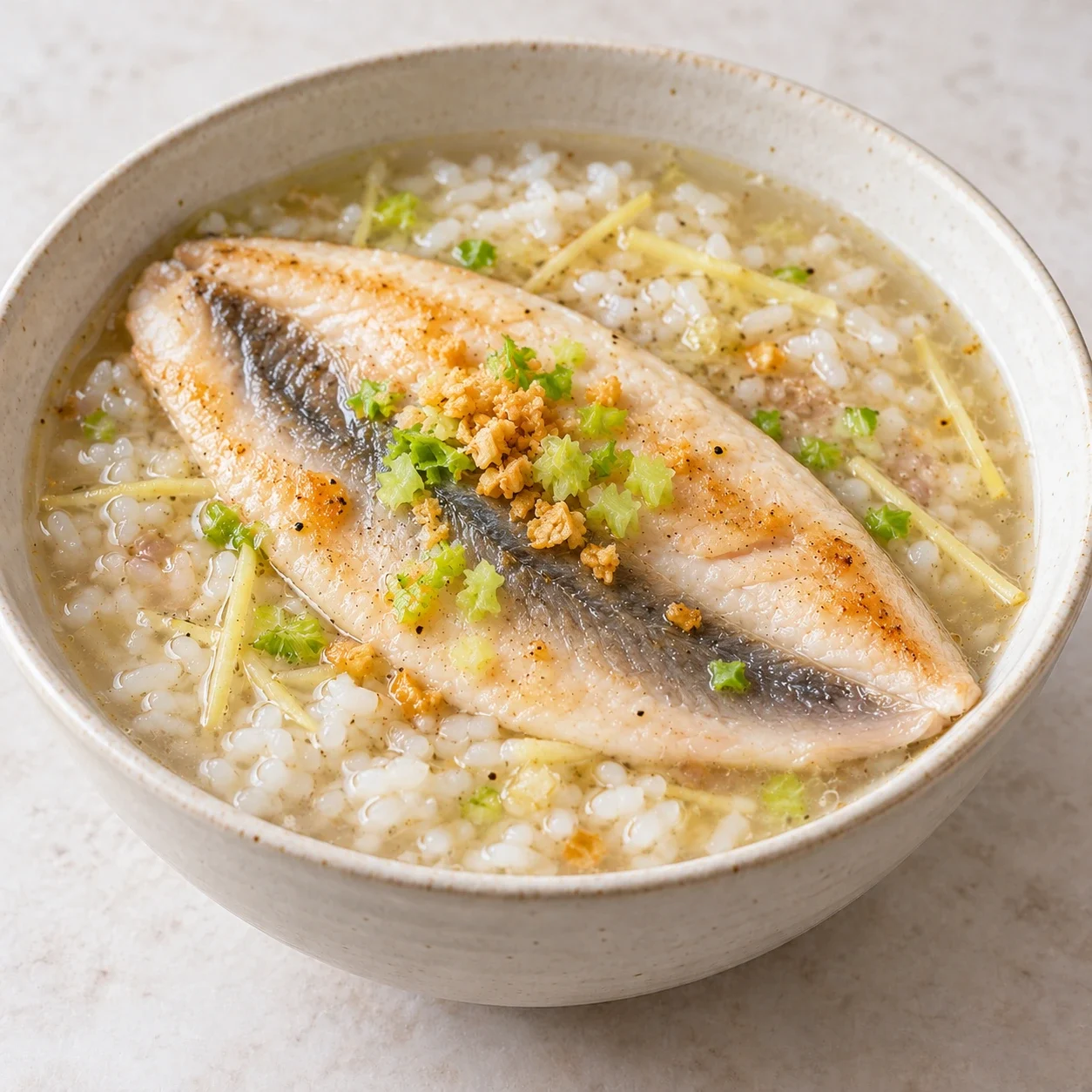
At the table
Use a spoon for rice and broth; separate small pieces of fish and check for bones. Ask “魚肚有去刺嗎?” (Has the belly been deboned?). Let hot spoonfuls cool.
Fish allergy applies. Small bones may remain even in deboned portions. Cooking wine is used in this version; complete alcohol removal is not guaranteed.
Broth, aromatics and rice thickness vary. Some versions cook raw rice in fish broth; others use cooked rice. Fried garlic here is garlic cooked in oil, not fried shallot.
GET TO KNOW THE DISH
What goes into it?
Explore some key ingredients below. Preparations may use additional seasonings and ingredients.
Broth, aromatics and rice thickness vary. Some versions cook raw rice in fish broth; others use cooked rice. Fried garlic here is garlic cooked in oil, not fried shallot.
Typical ingredients
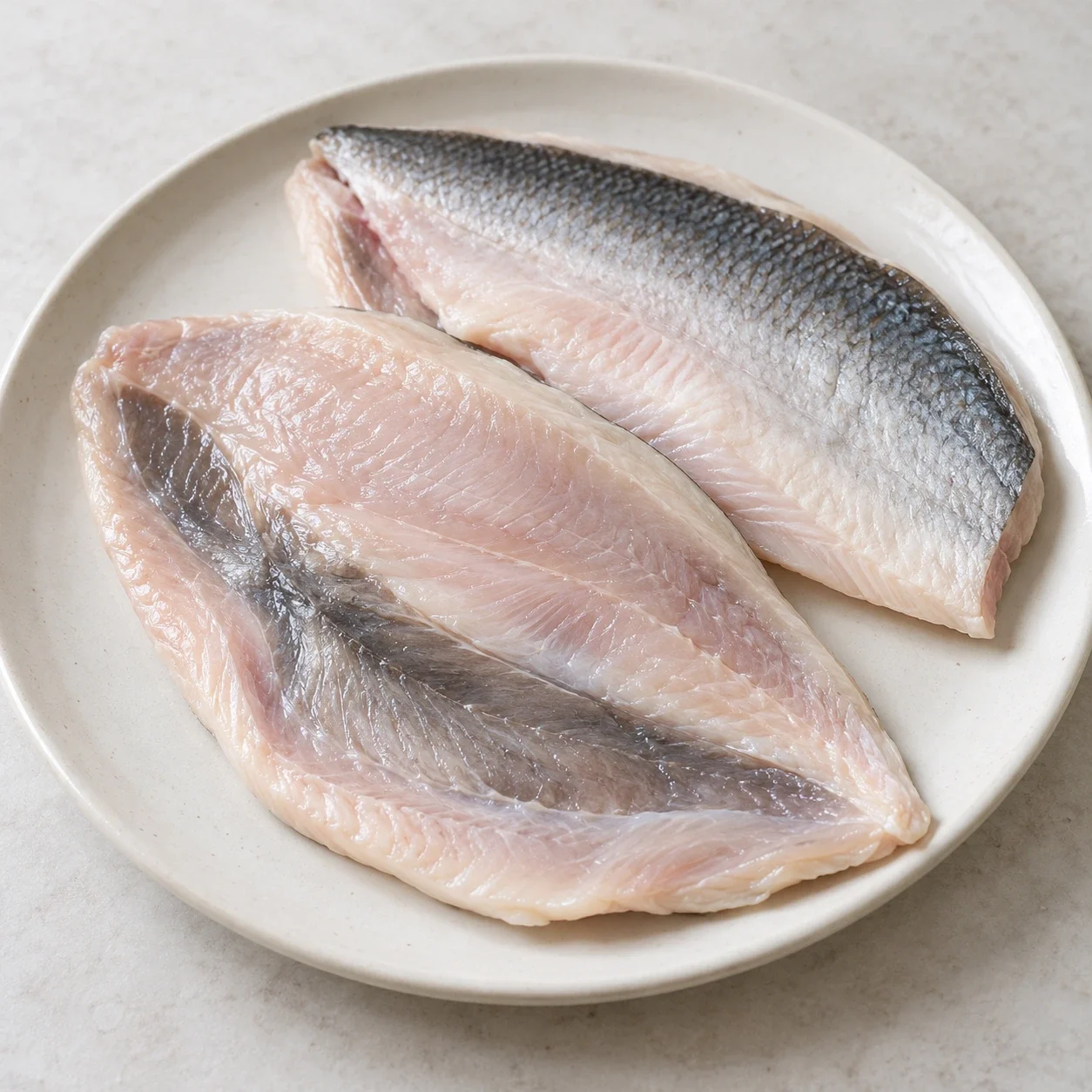
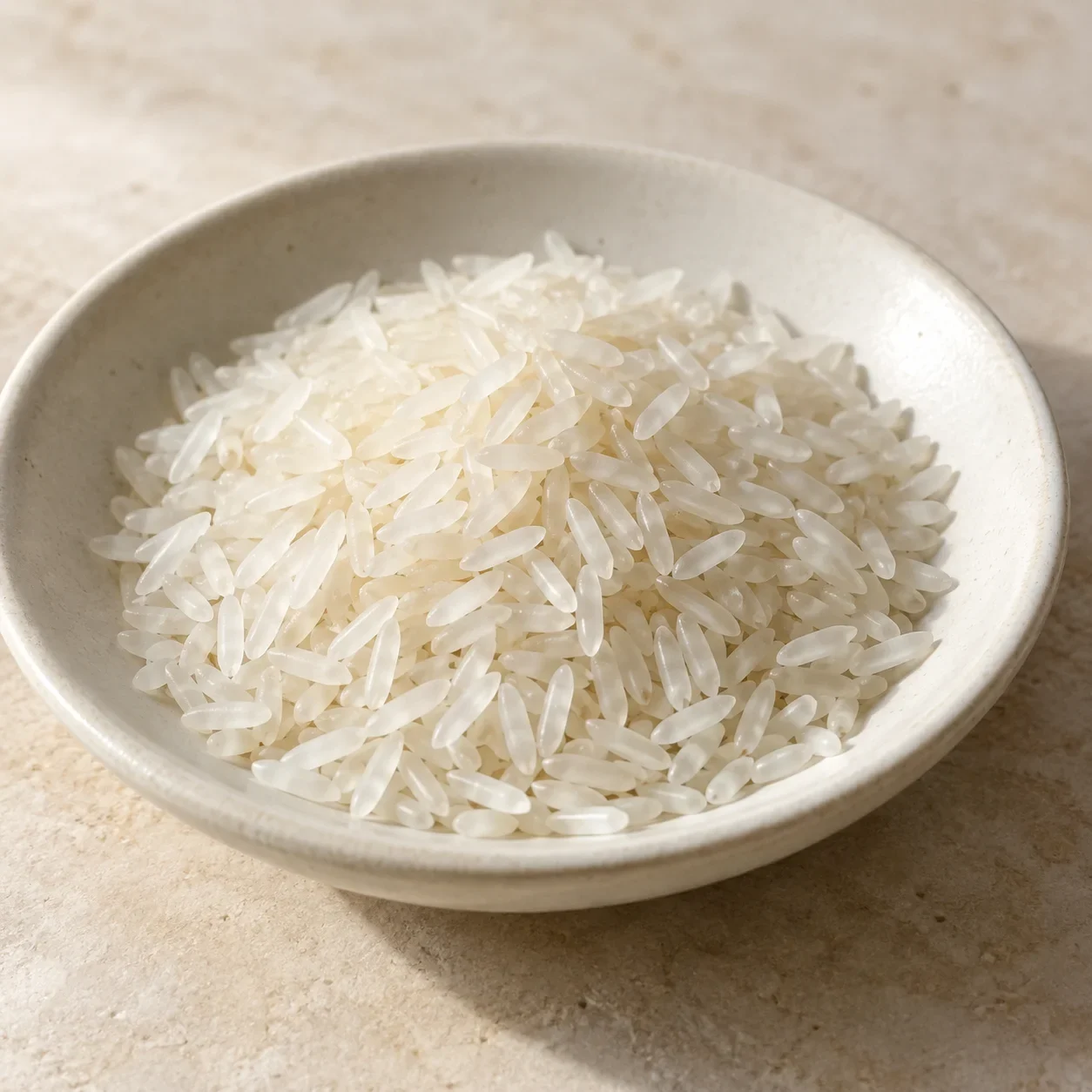
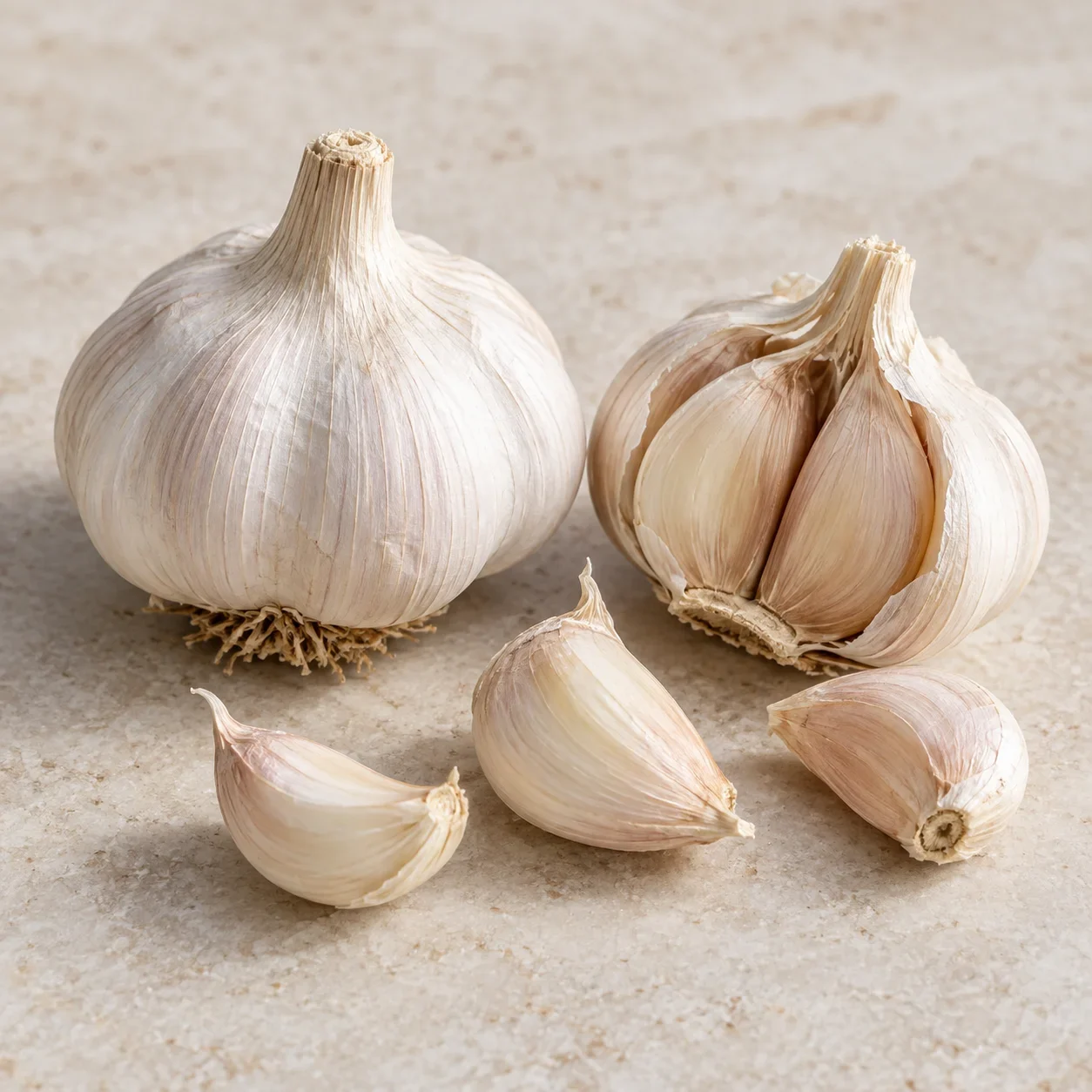
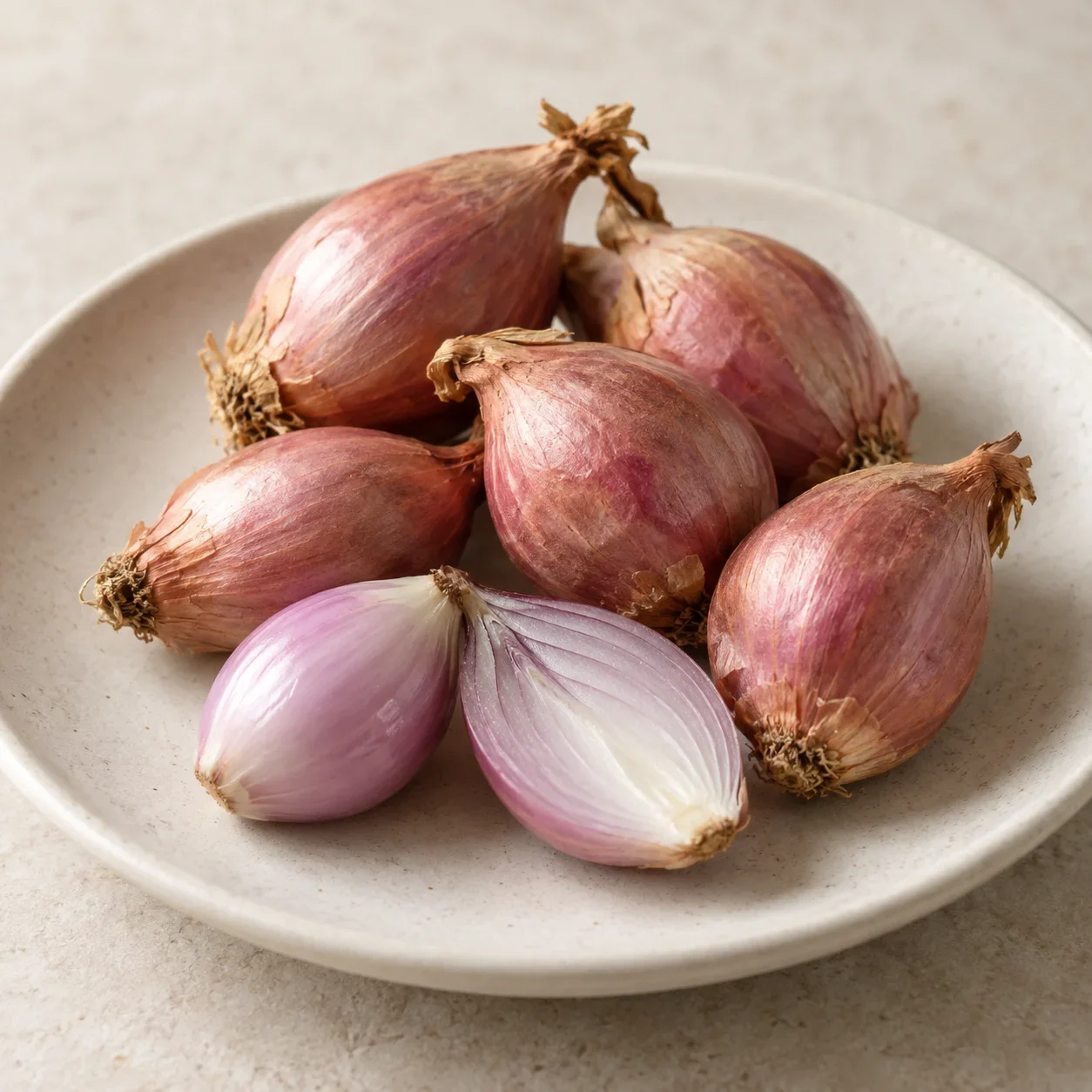
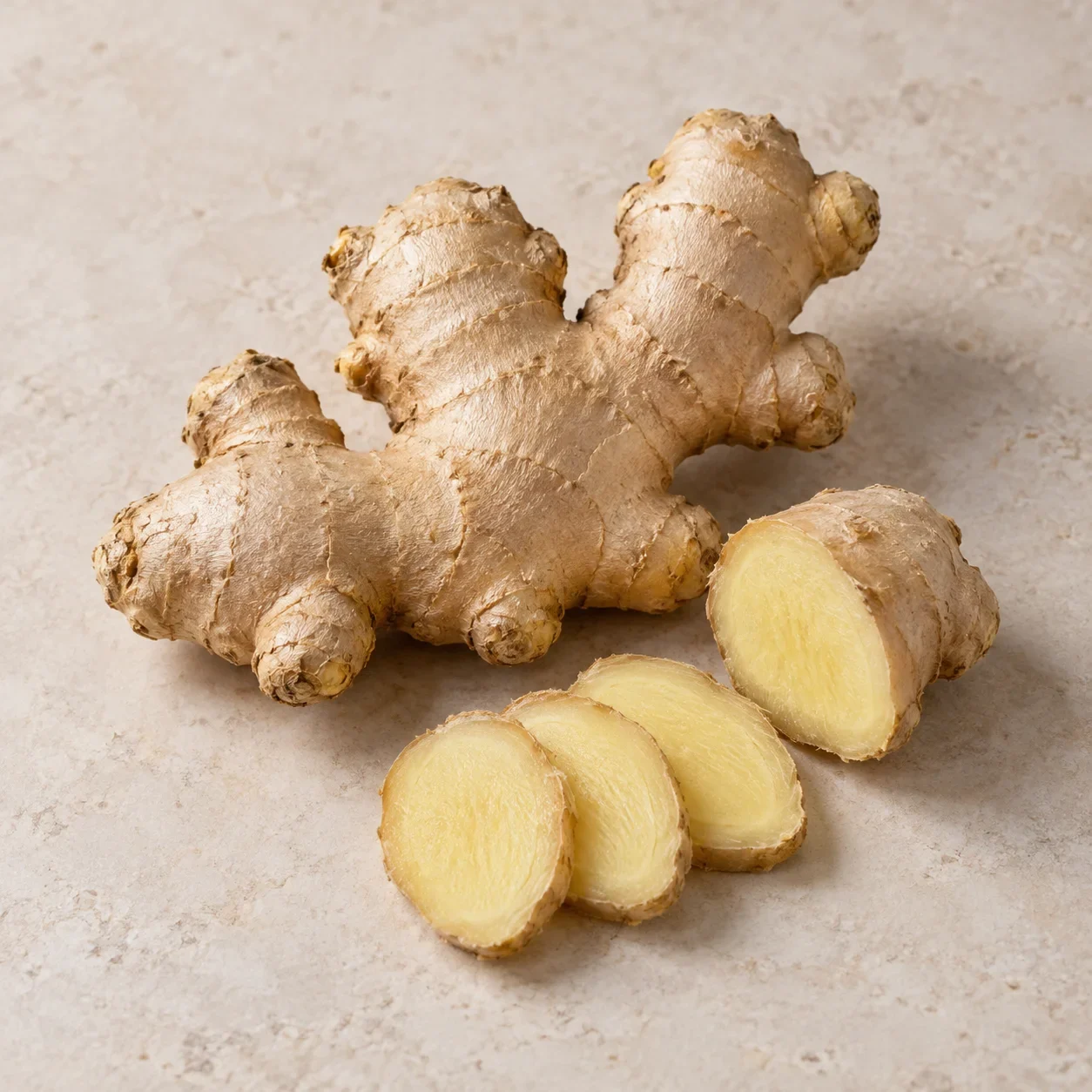
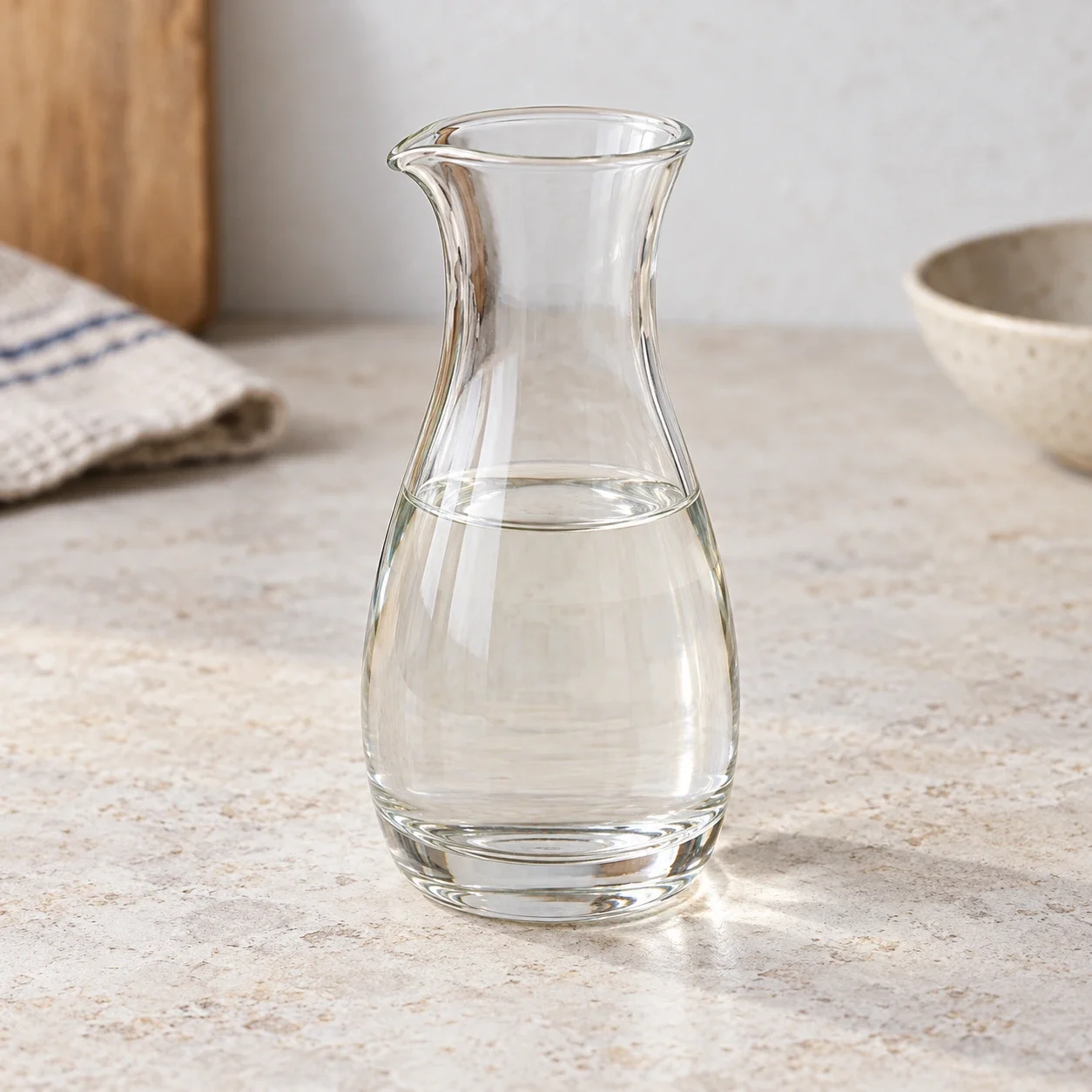
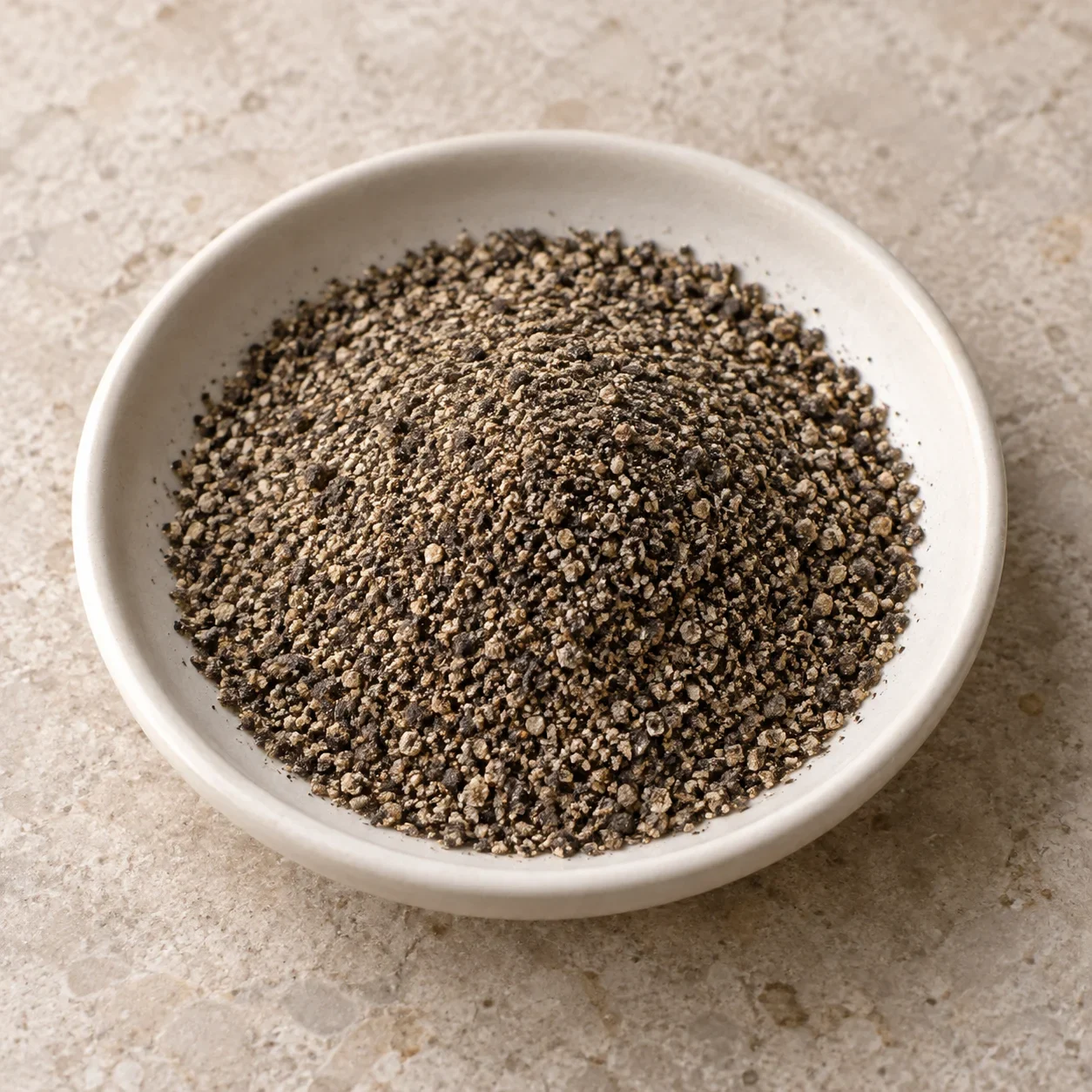

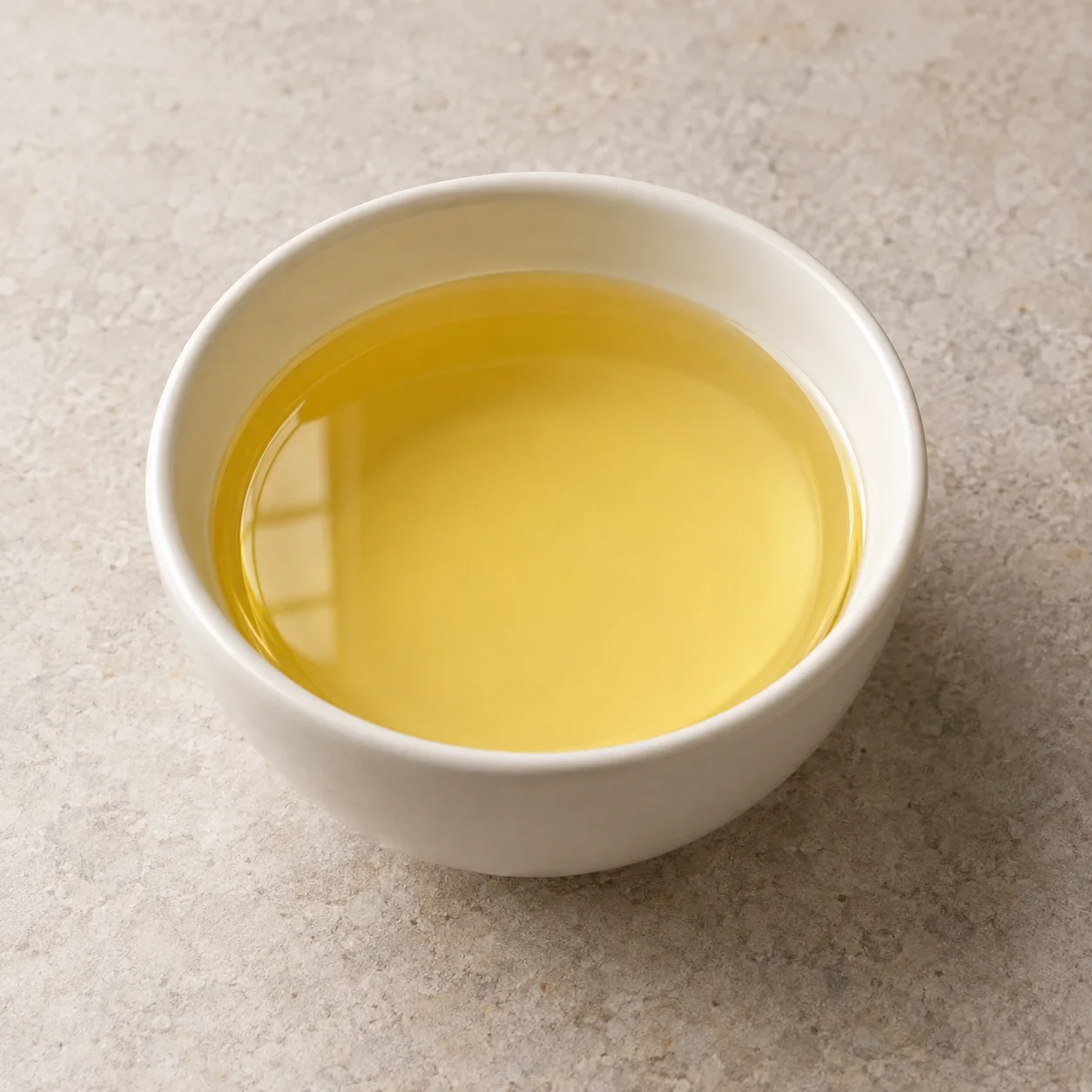
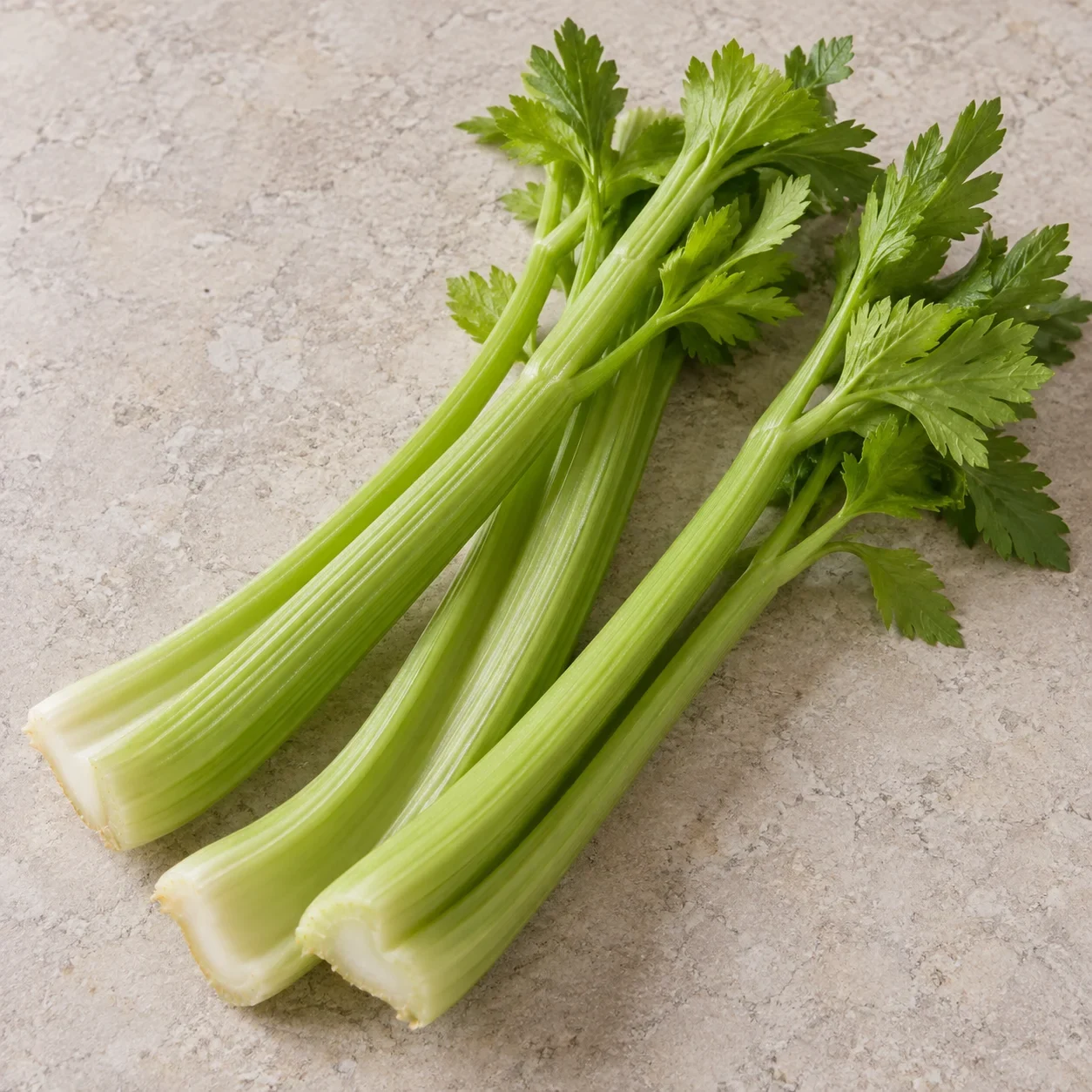
Recipes vary by restaurant.
How does it taste?
Mild, savory fish flavor with ginger, pepper and aromatic garlic.
- Chili heat
- Texture
- Soft rice grains in broth, with tender, rich fish belly.
- How it’s made
- Lightly pan-sear the belly, then simmer with cooked rice, water, ginger, garlic, shallot, cooking rice wine, pepper and salt; finish with celery and fried garlic.
Broth, aromatics and rice thickness vary. Some versions cook raw rice in fish broth; others use cooked rice. Fried garlic here is garlic cooked in oil, not fried shallot.
A CONNECTION TO PLACE
Origin & regional roots
Associated with Taiwan.
About this regional connection
Taiwan: Taiwanese milkfish rice congee; selected belly-cut version.
Ask if they have it first
请问你们有虱目魚肚粥吗?
Do you have this item?
A LITTLE SOMETHING TO READ
Story & history
Rice grains and fish broth
This account describes a tradition or story, rather than an established historical fact.
Taiwanese milkfish congee can be made with cooked rice added to soup or with raw rice cooked in fish broth. The choice changes how much shape the grains retain; belly meat contributes a rich contrast.