
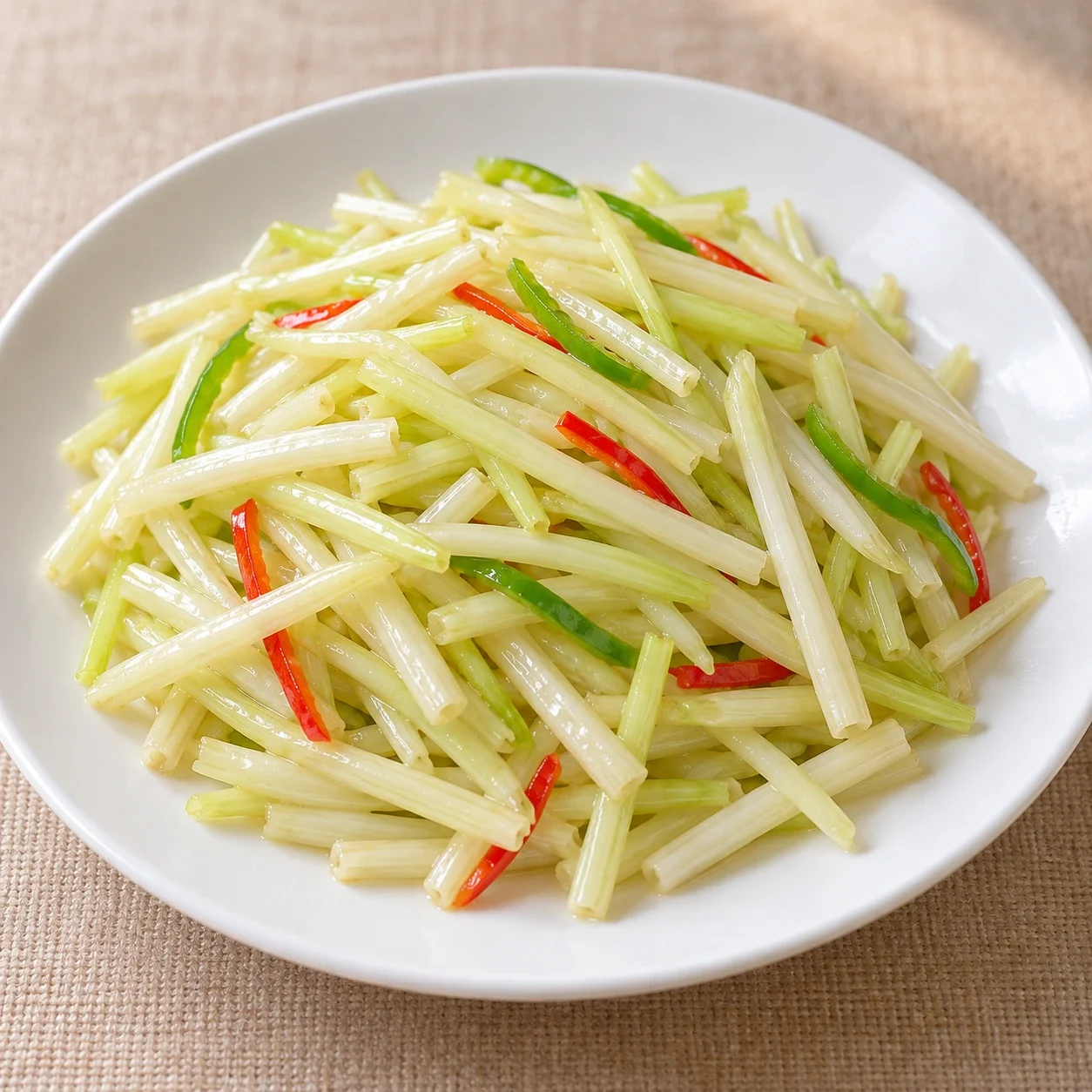
At the table
Lift a few stalks with chopsticks and eat as a vegetable dish. The pale stalks are the part to eat; they are not a wrapping.
Contains water celery and peppers. Ask about pepper heat and cooking fat if these matter to your diet.
Pepper varieties and cooking fats vary. This version contains no meat or broth, but ask which fat the kitchen uses.
GET TO KNOW THE DISH
What goes into it?
Explore some key ingredients below. Preparations may use additional seasonings and ingredients.
Pepper varieties and cooking fats vary. This version contains no meat or broth, but ask which fat the kitchen uses.
Typical ingredients
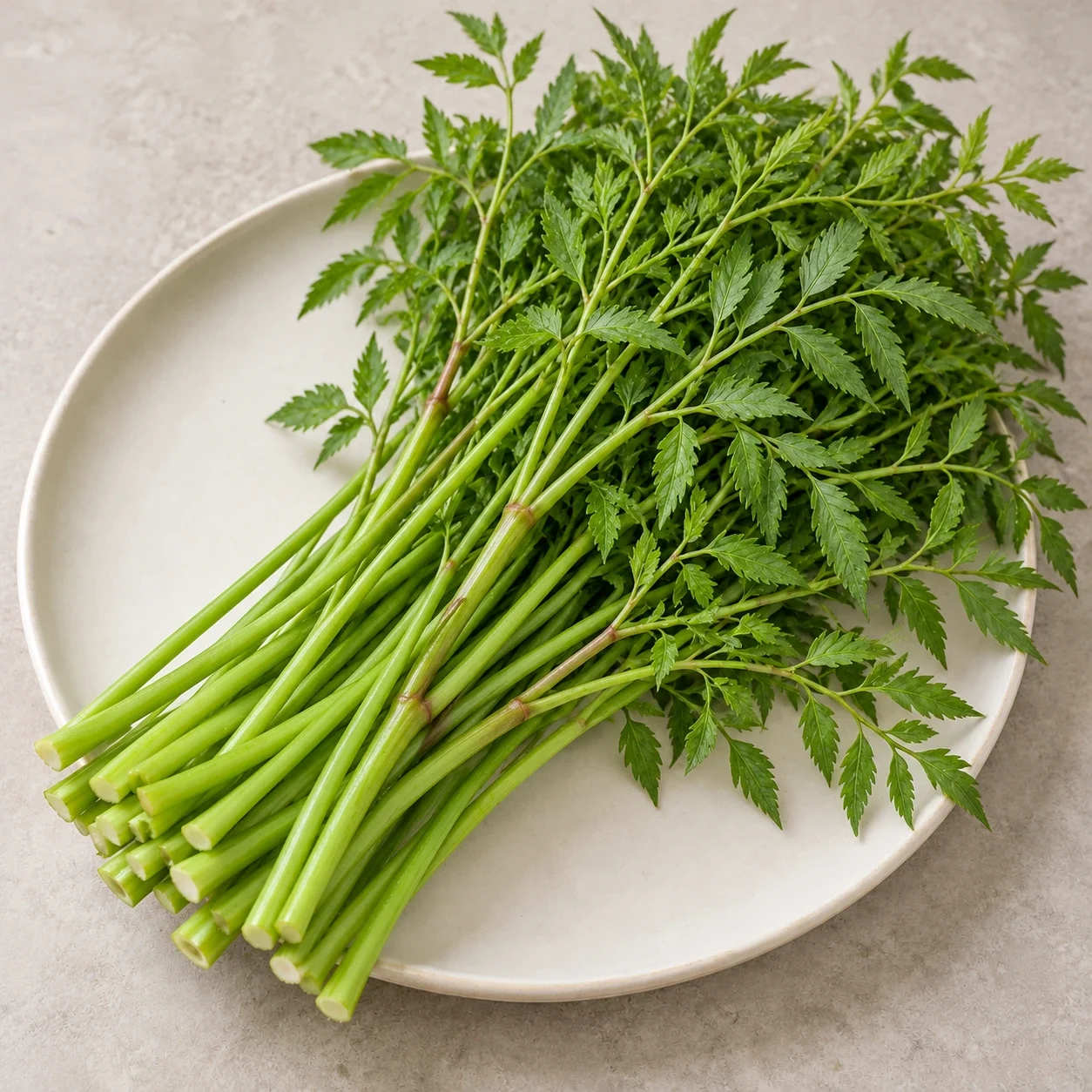
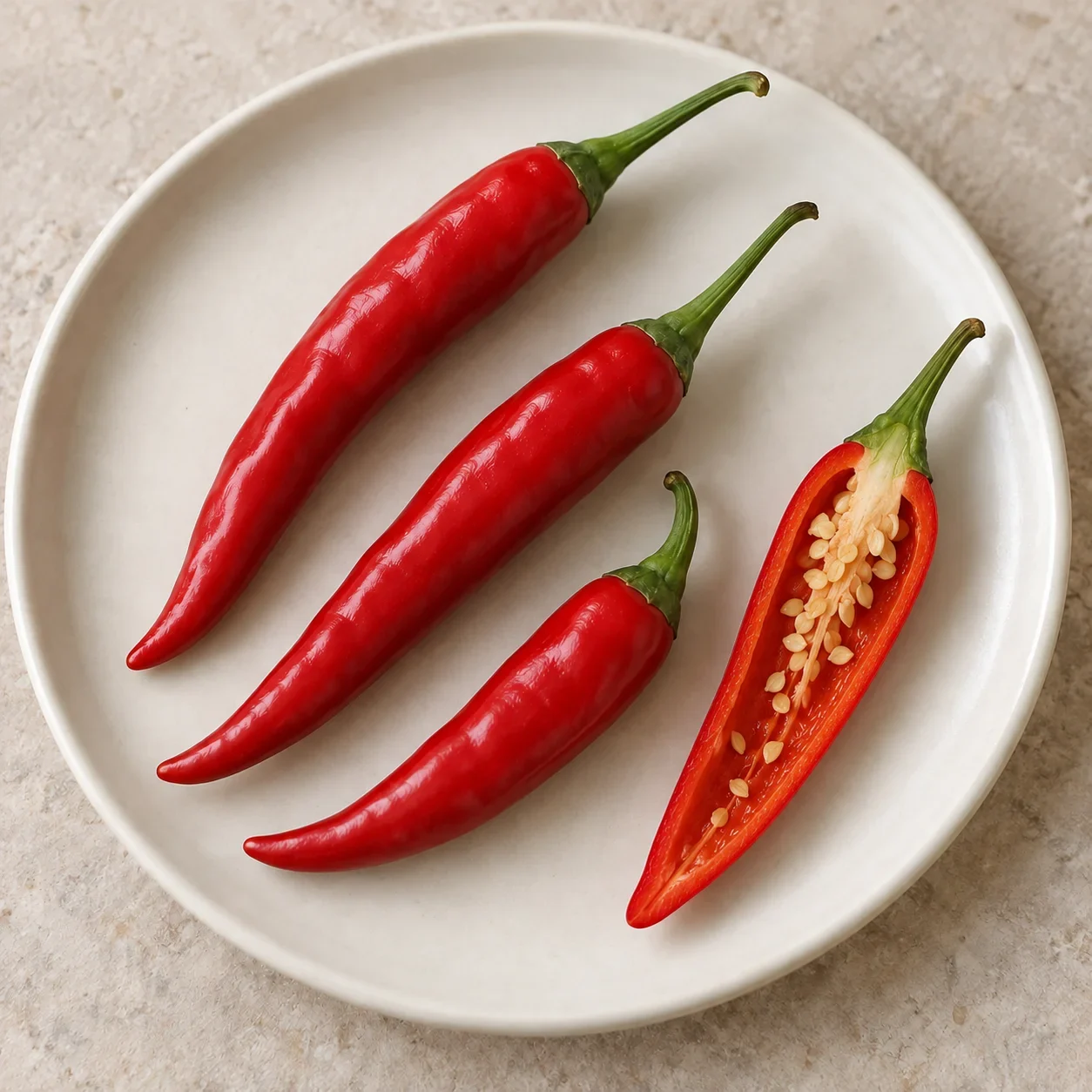
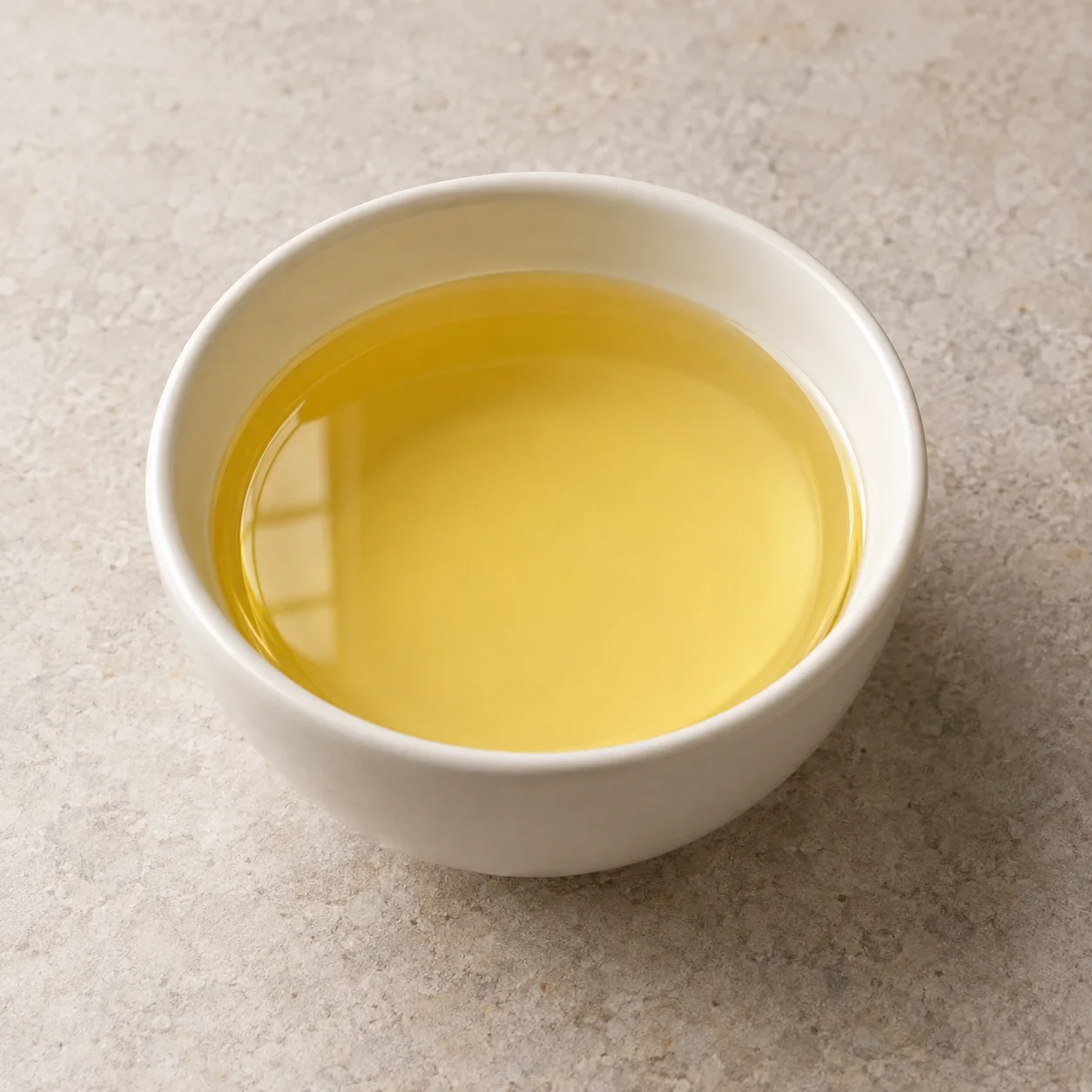

Recipes vary by restaurant.
How does it taste?
Fresh and lightly salty, with a gentle vegetal sweetness; pepper heat varies.
- Chili heat
- Heat not recorded
- Texture
- Tender-crisp stalks with a light coating of oil.
- How it’s made
- The leaves are removed and the stalks cut into short sections, then stir-fried with green and red pepper strips, oil and salt.
Pepper varieties and cooking fats vary. This version contains no meat or broth, but ask which fat the kitchen uses.
A CONNECTION TO PLACE
Origin & regional roots
Associated with Jiangsu.
About this regional connection
Jiangsu: Liyang local watercelery preparation, not ordinary westerncelery.
Ask if they have it first
请问你们有溧阳清炒白芹吗?
Do you have this item?
A LITTLE SOMETHING TO READ
Story & history
A local winter and spring vegetable
This account describes a tradition or story, rather than an established historical fact.
Liyang white celery is a local variety of water celery grown with earth banked around the plants to produce pale stems. Simple stir-frying highlights its fragrance and crispness; it is a familiar seasonal vegetable around Liyang and Changzhou.