
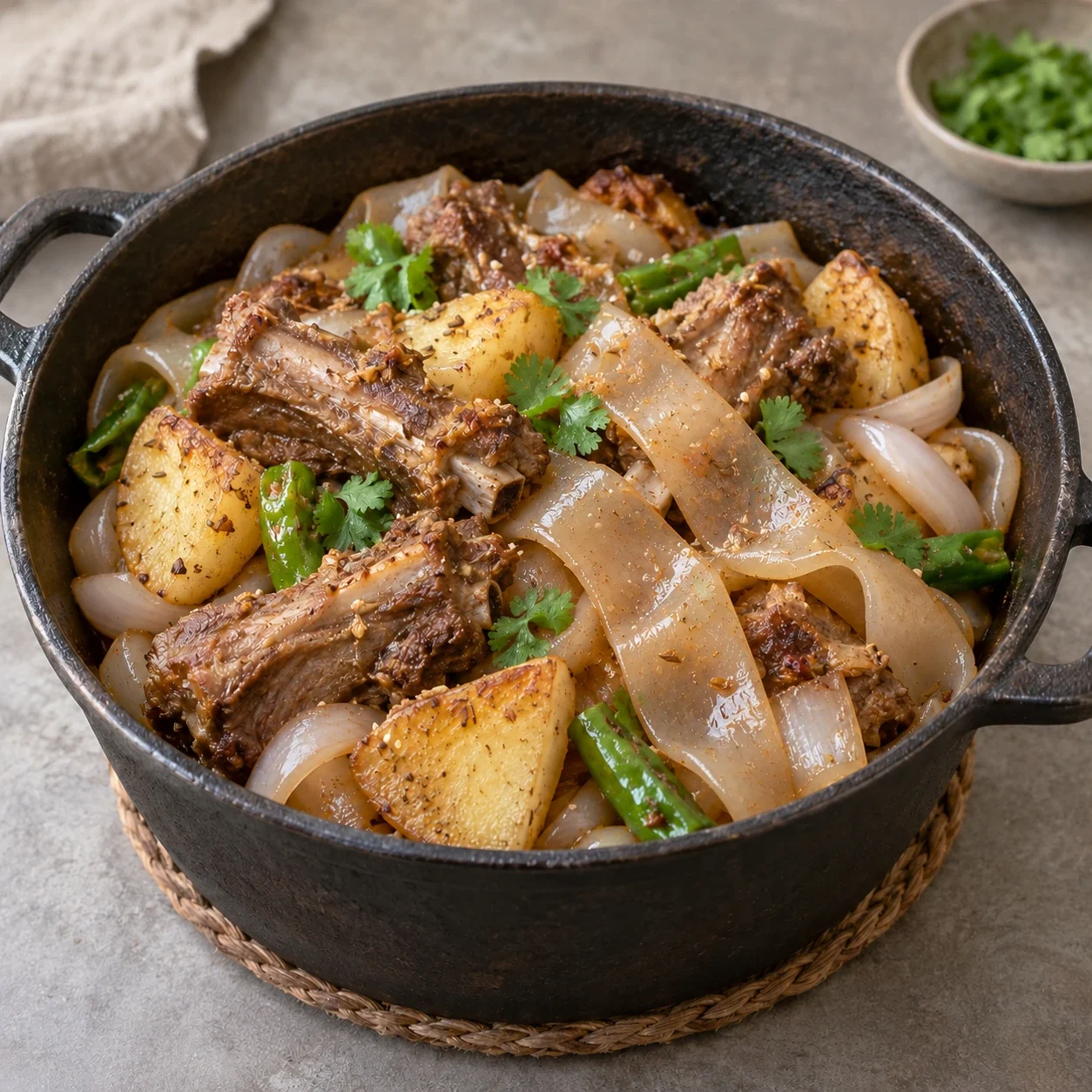
At the table
Ask how many people a portion serves. Transfer meat, potatoes and noodles to your own bowl; separate the meat from the rib bones. The pan and food remain hot, so let a bite cool before eating.
Ribs contain bones. Sesame and cooking alcohol may be used; ask about coatings and seasonings if restricted. Chili heat varies.
This is the rib-and-potato version with wide starch noodles. Other versions omit noodles or change vegetables and seasoning.
GET TO KNOW THE DISH
What goes into it?
Explore some key ingredients below. Preparations may use additional seasonings and ingredients.
Wide noodles, sesame, coriander and other seasoning vary. Some cooks coat potatoes with starch. Oil type and chili amount are not fixed.
Typical ingredients
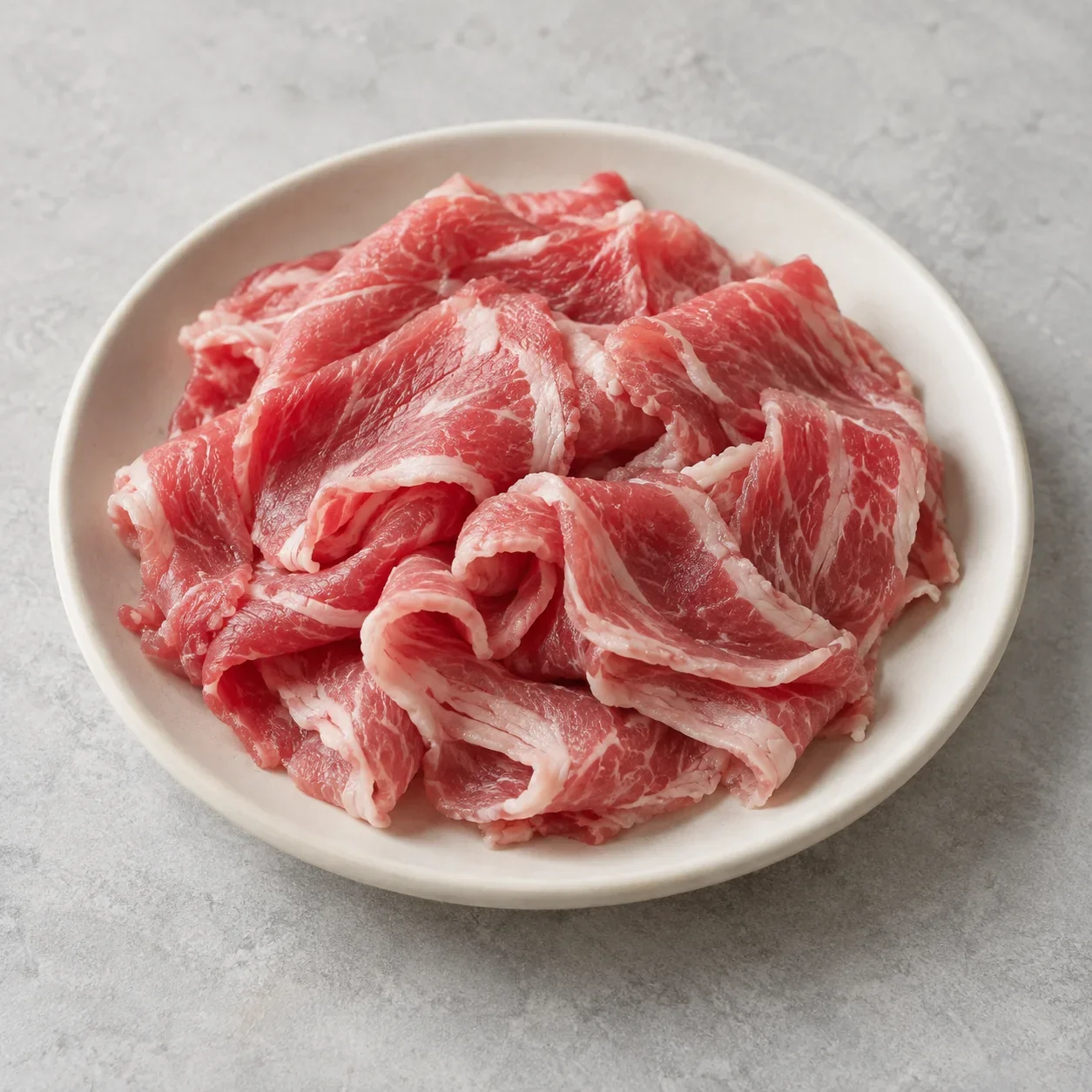
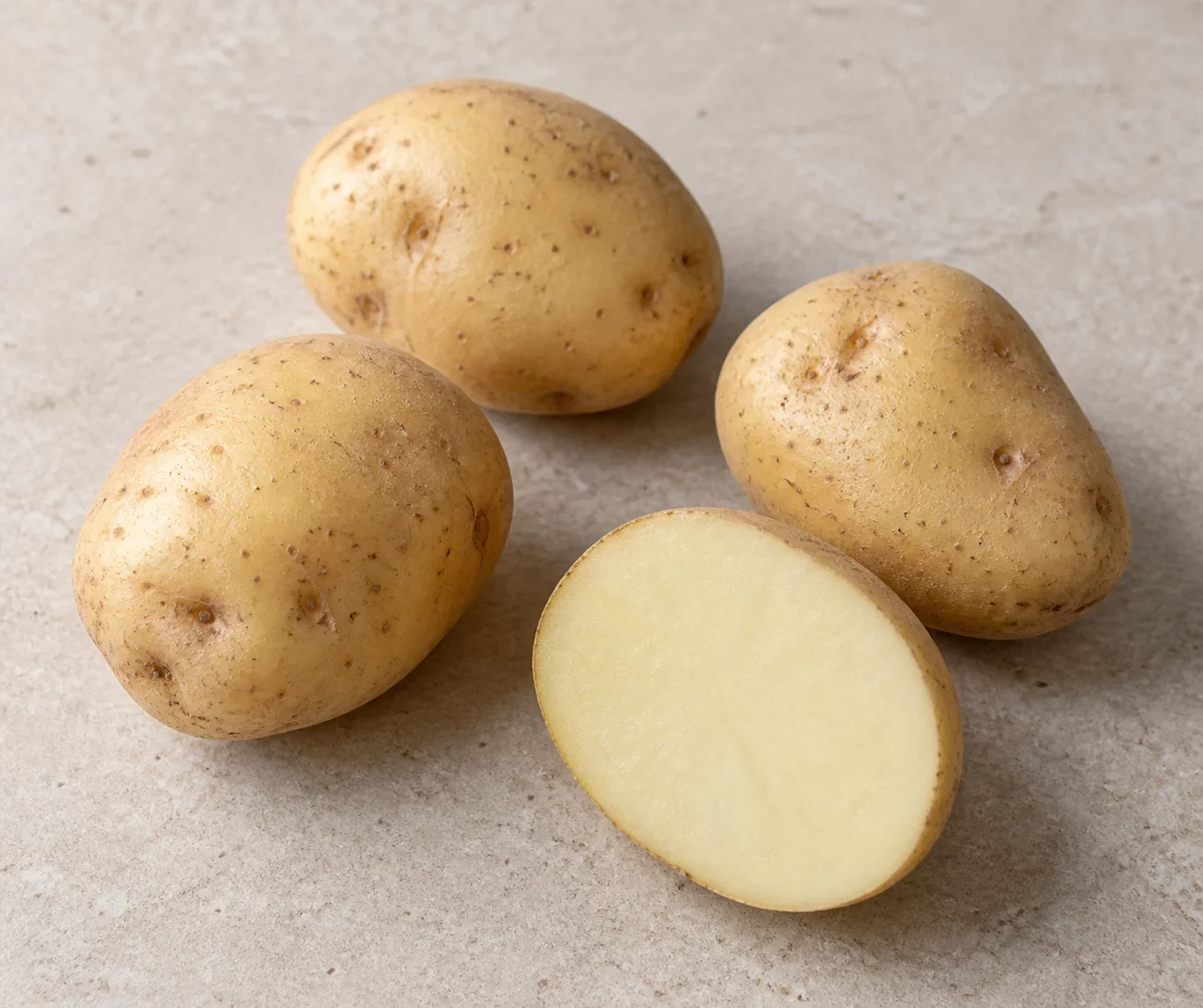
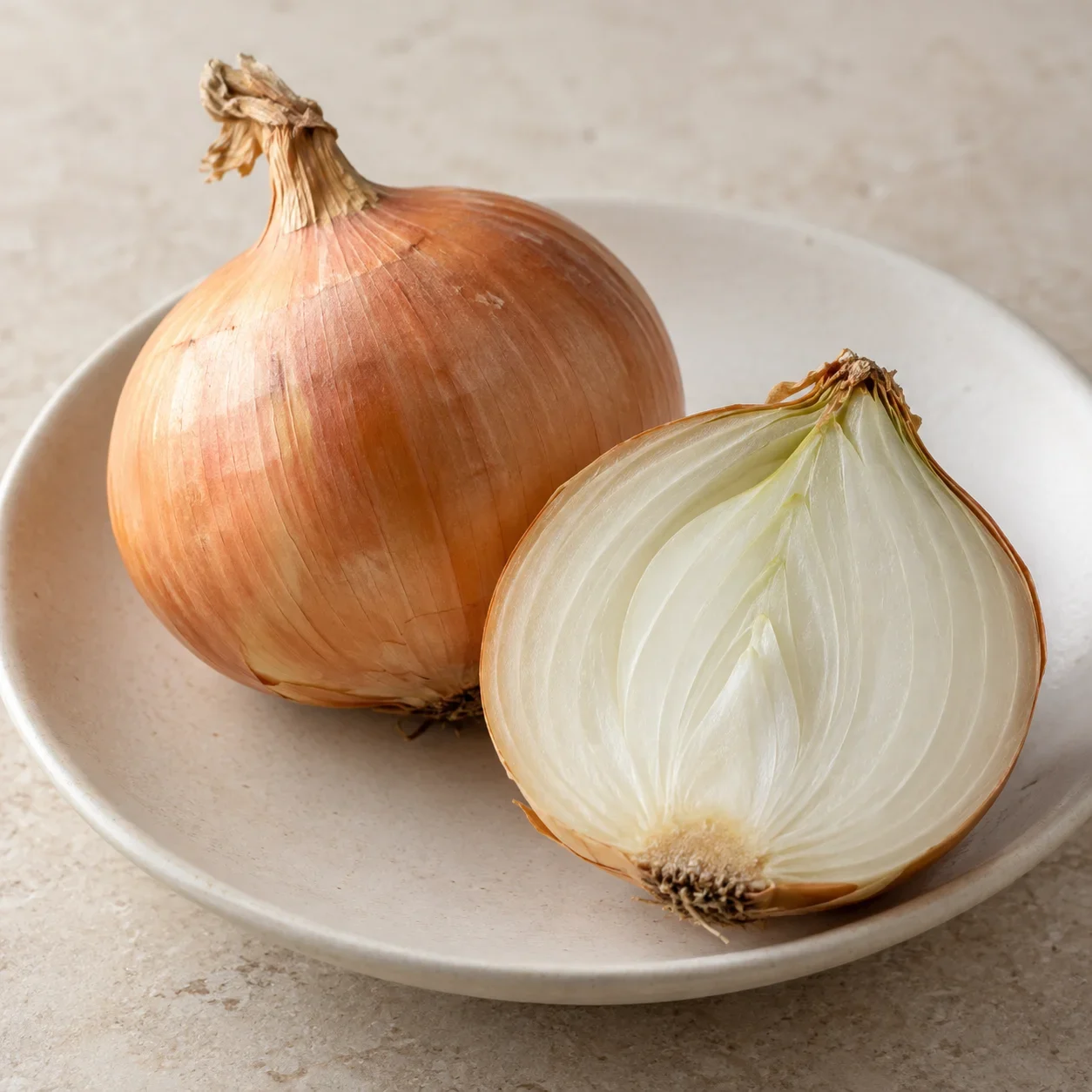
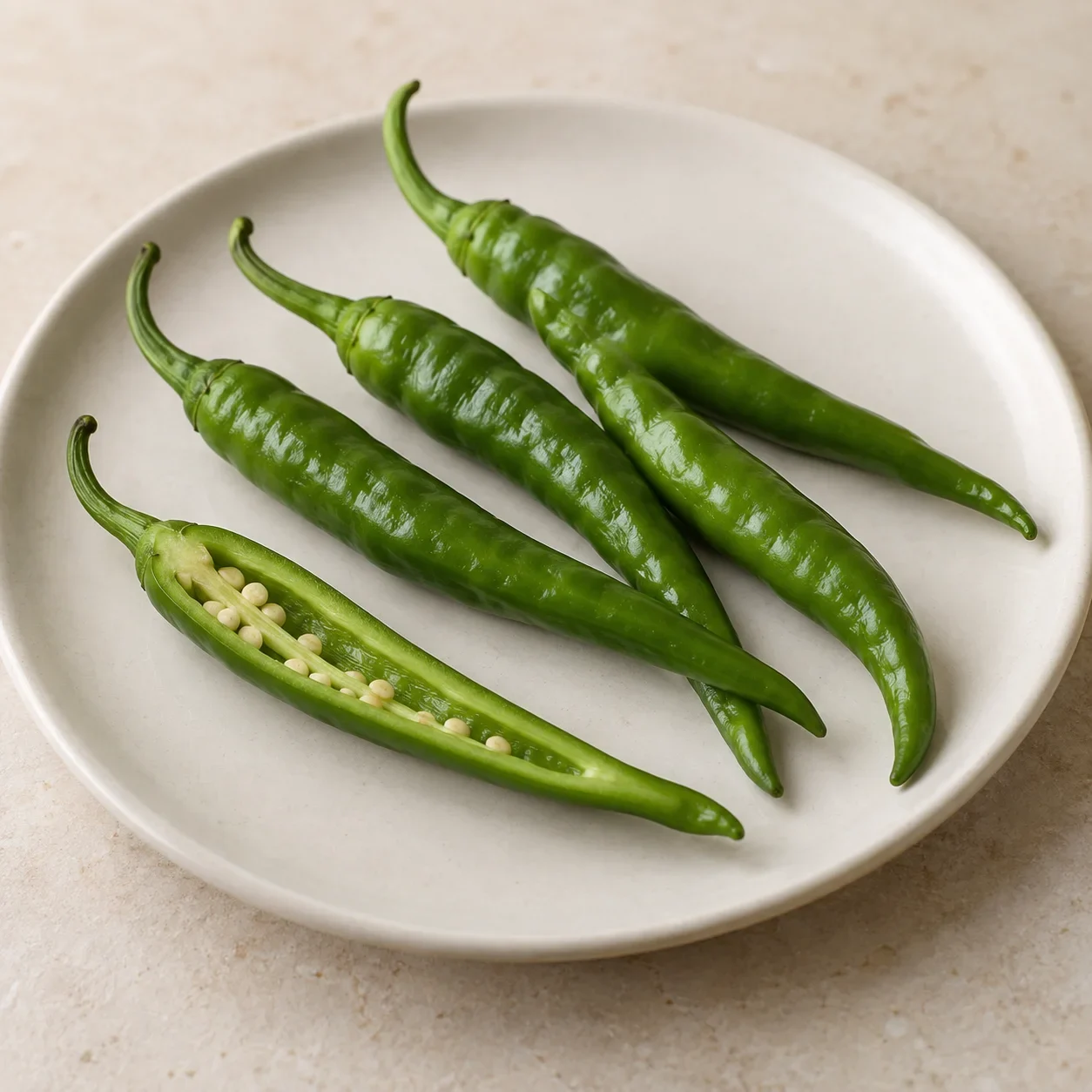
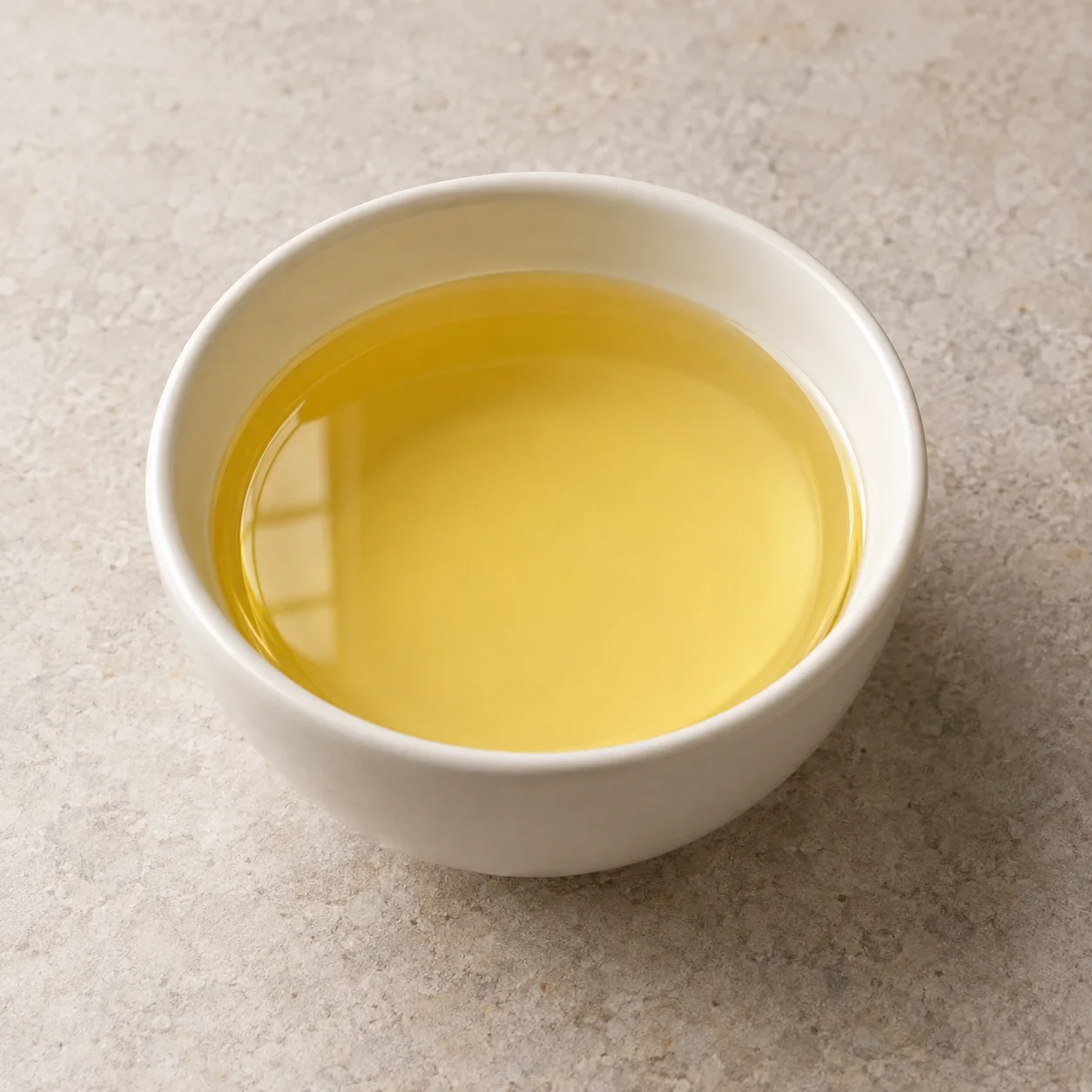

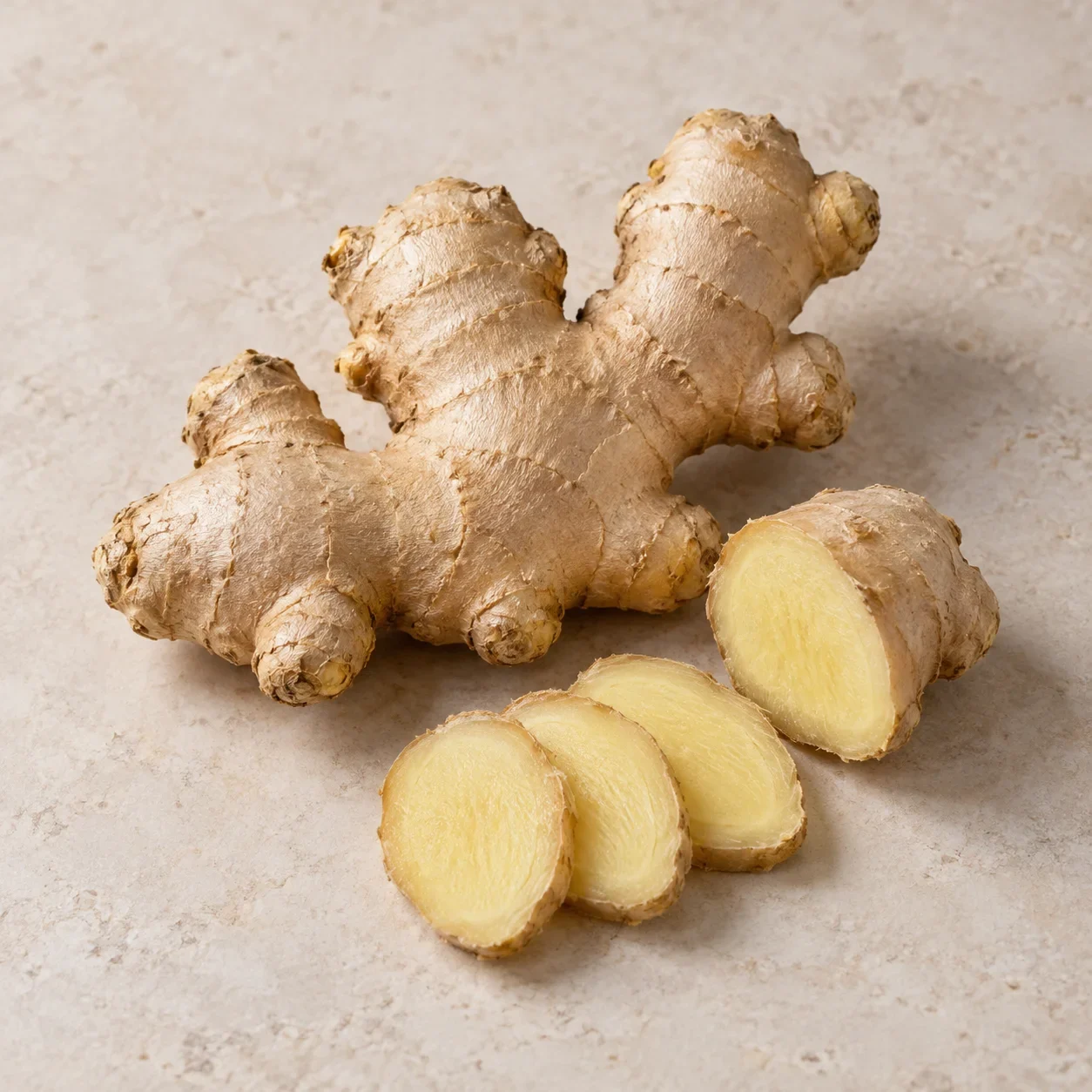
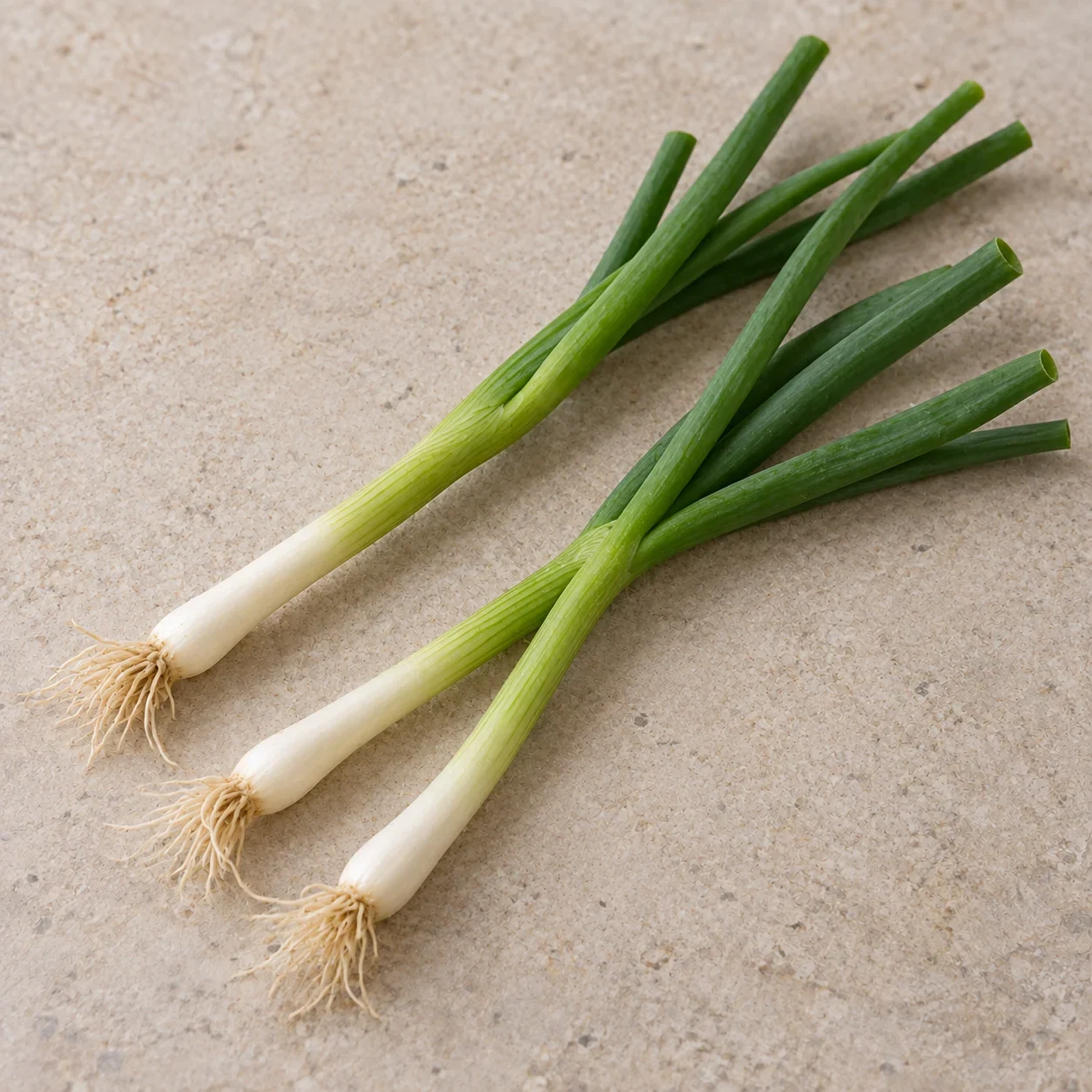
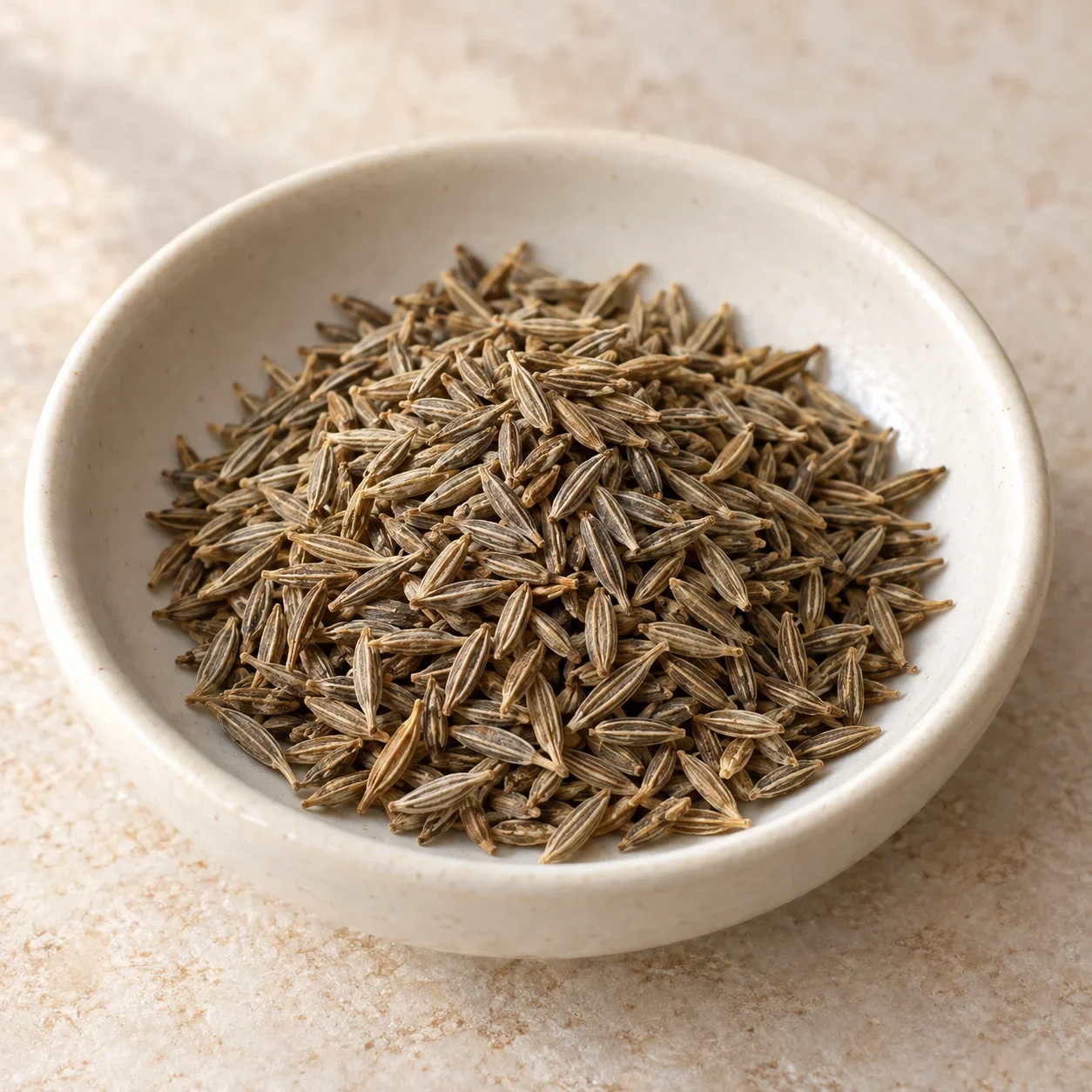
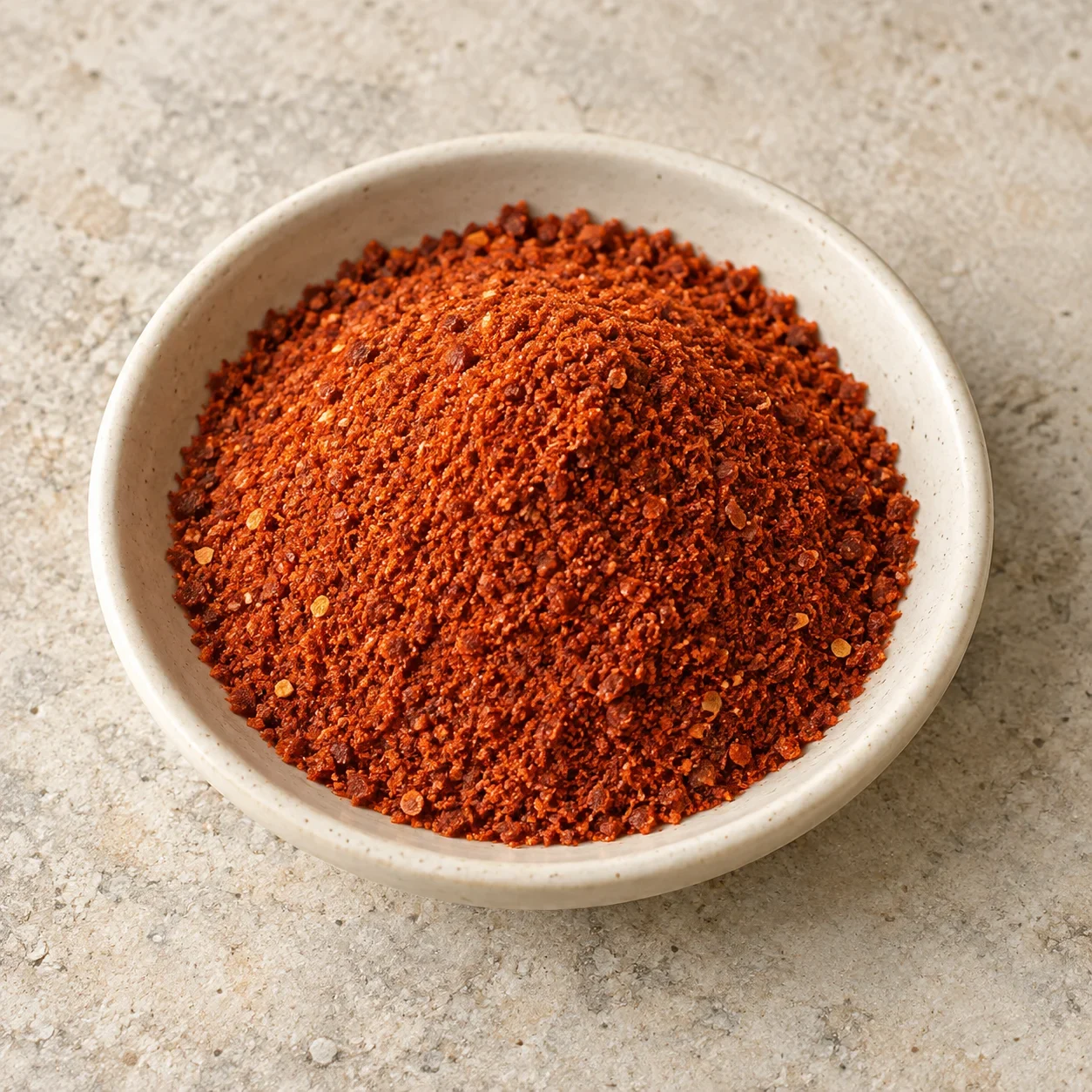
In some versions
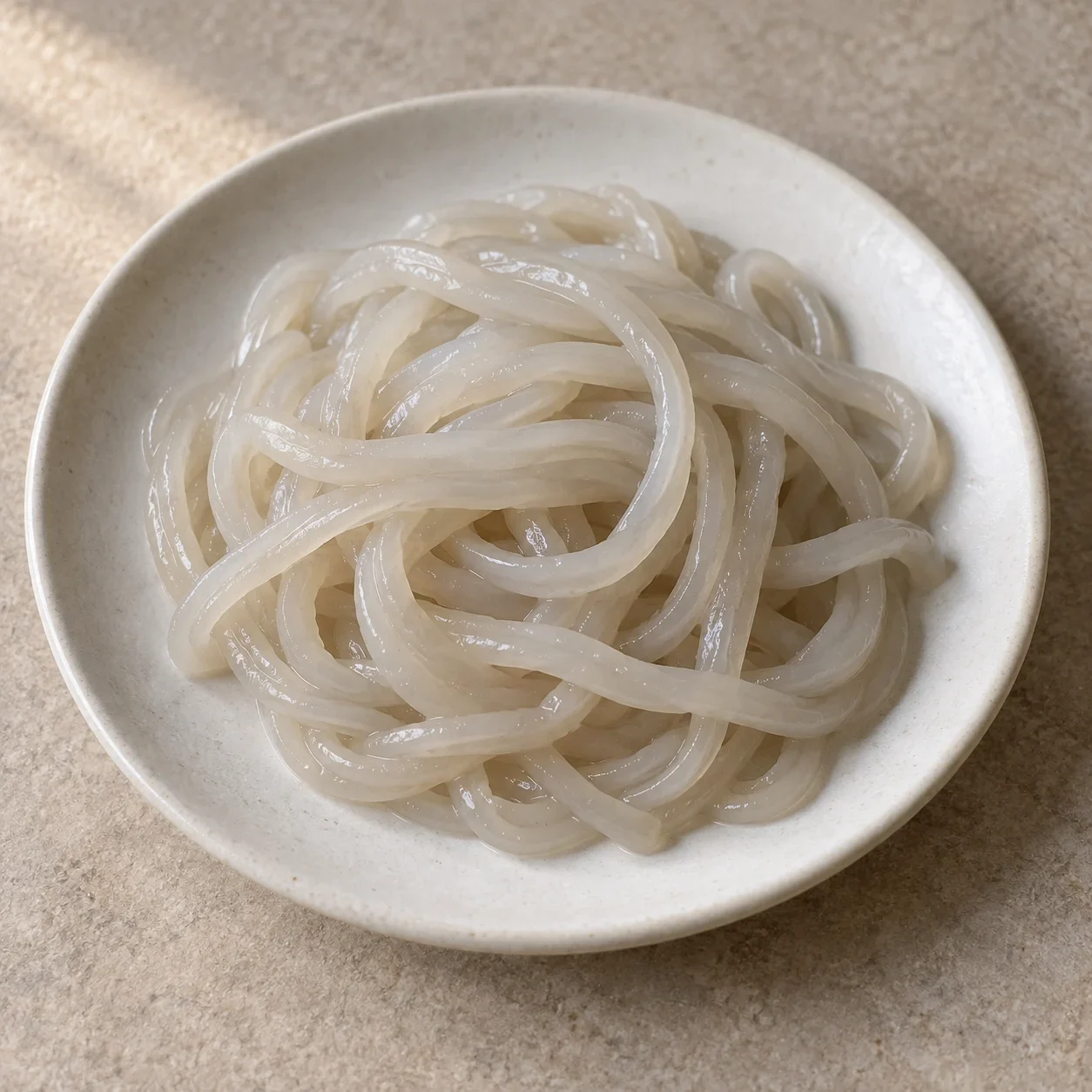
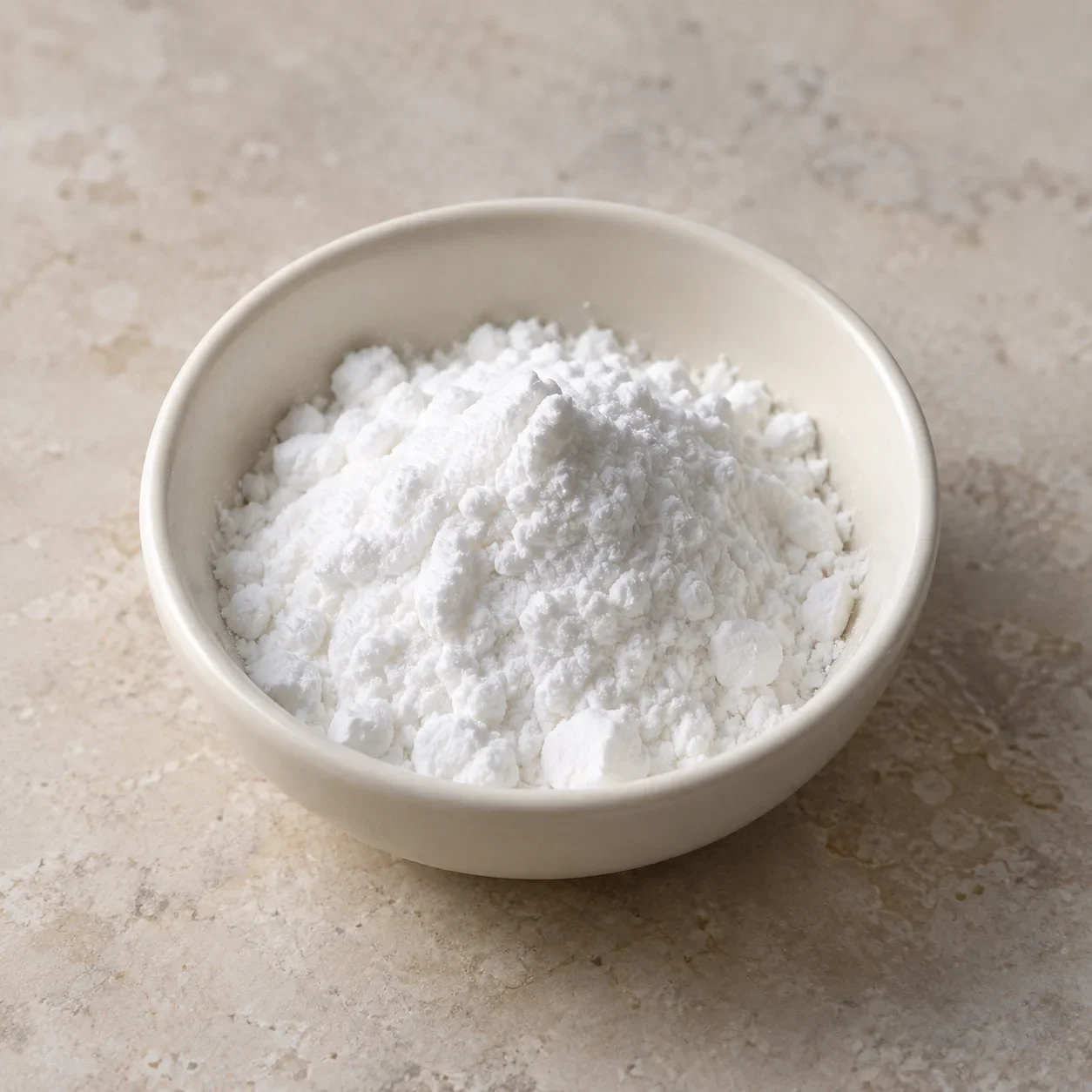
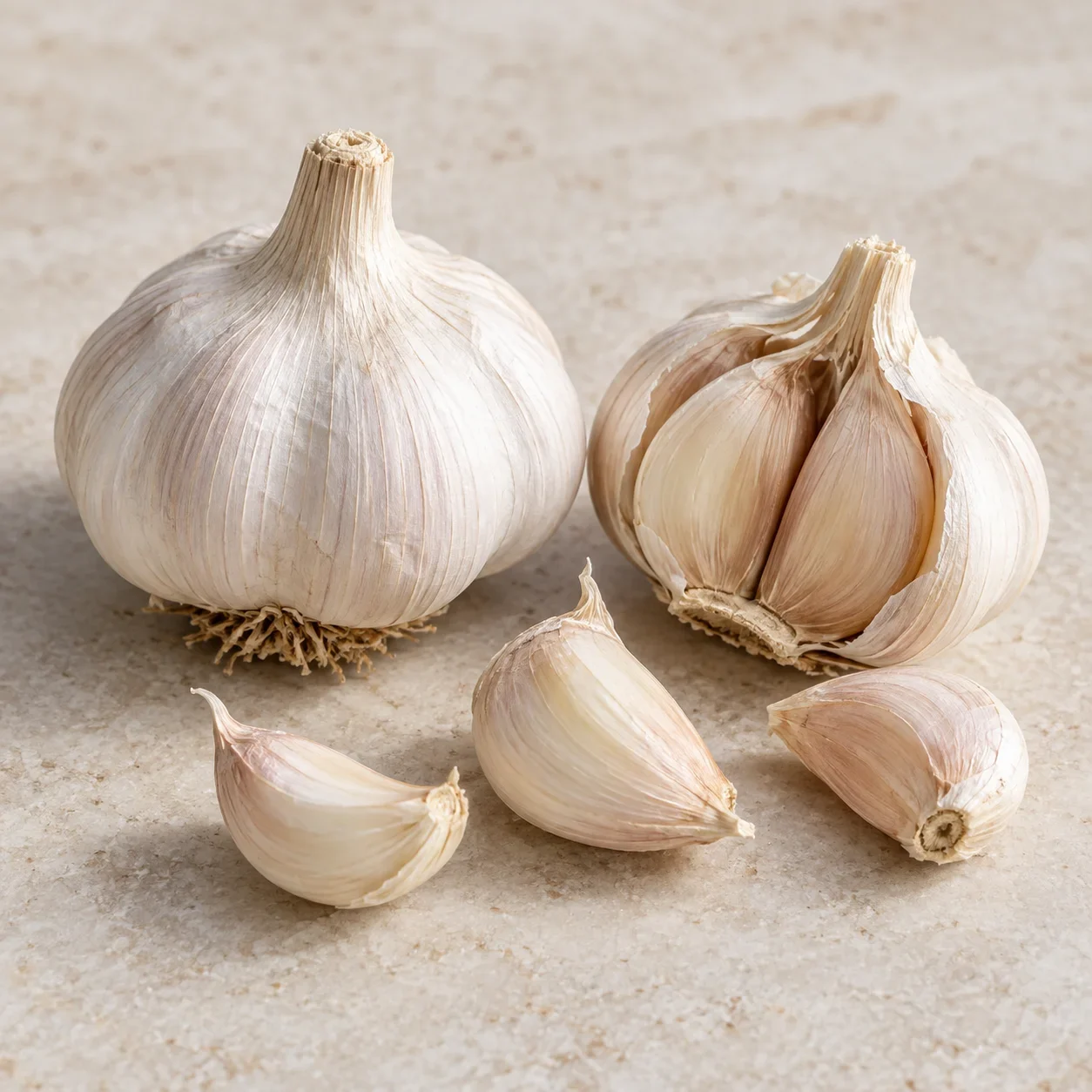
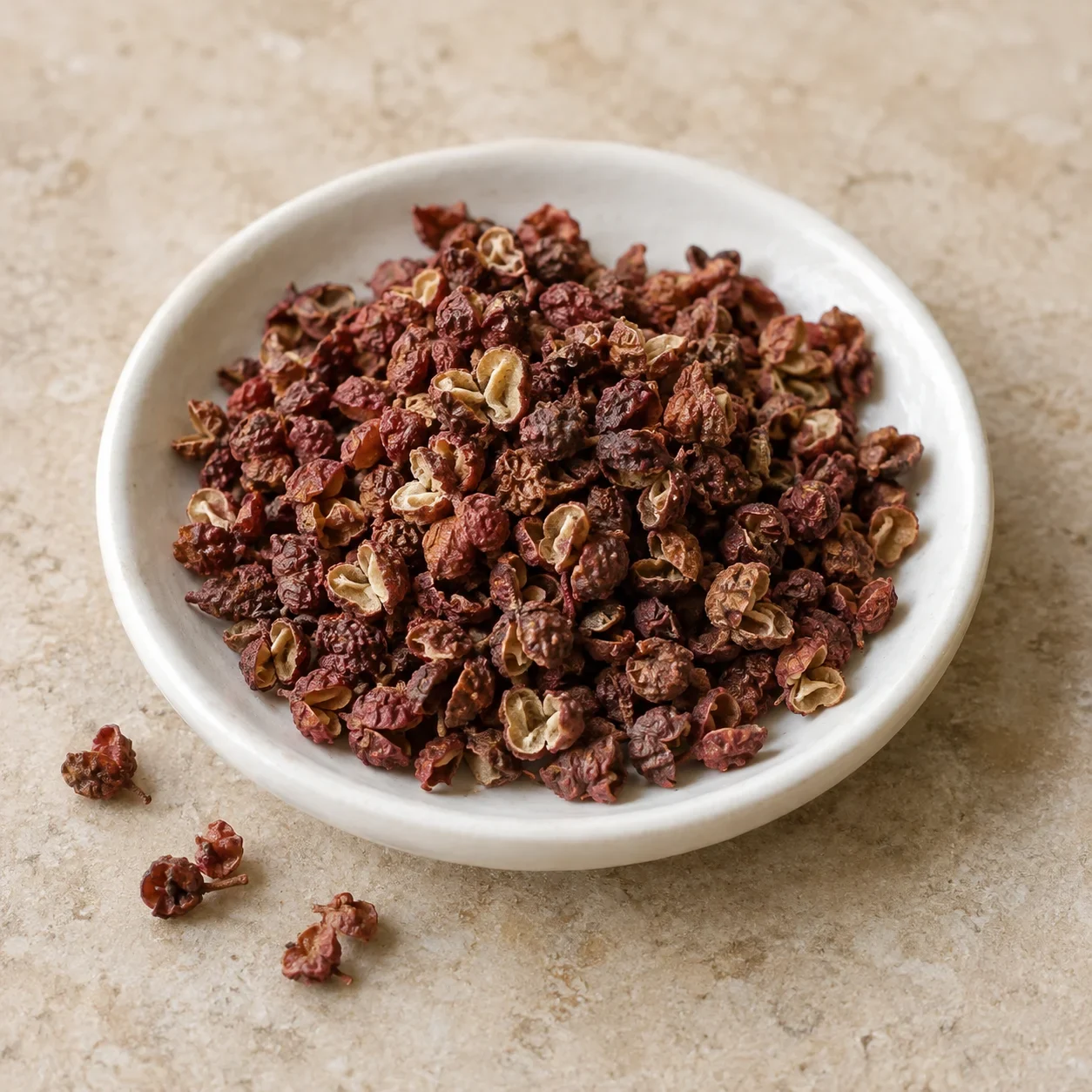
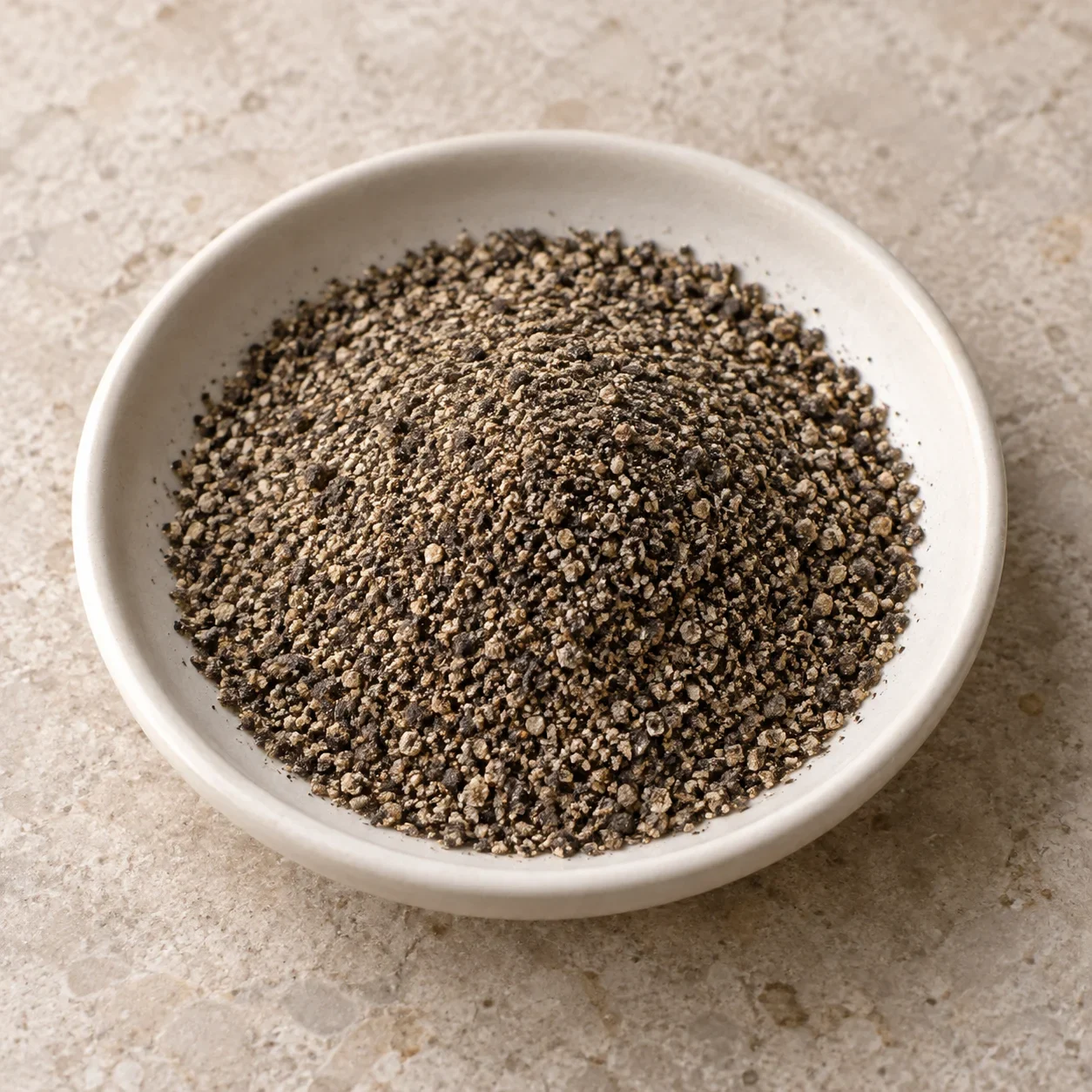
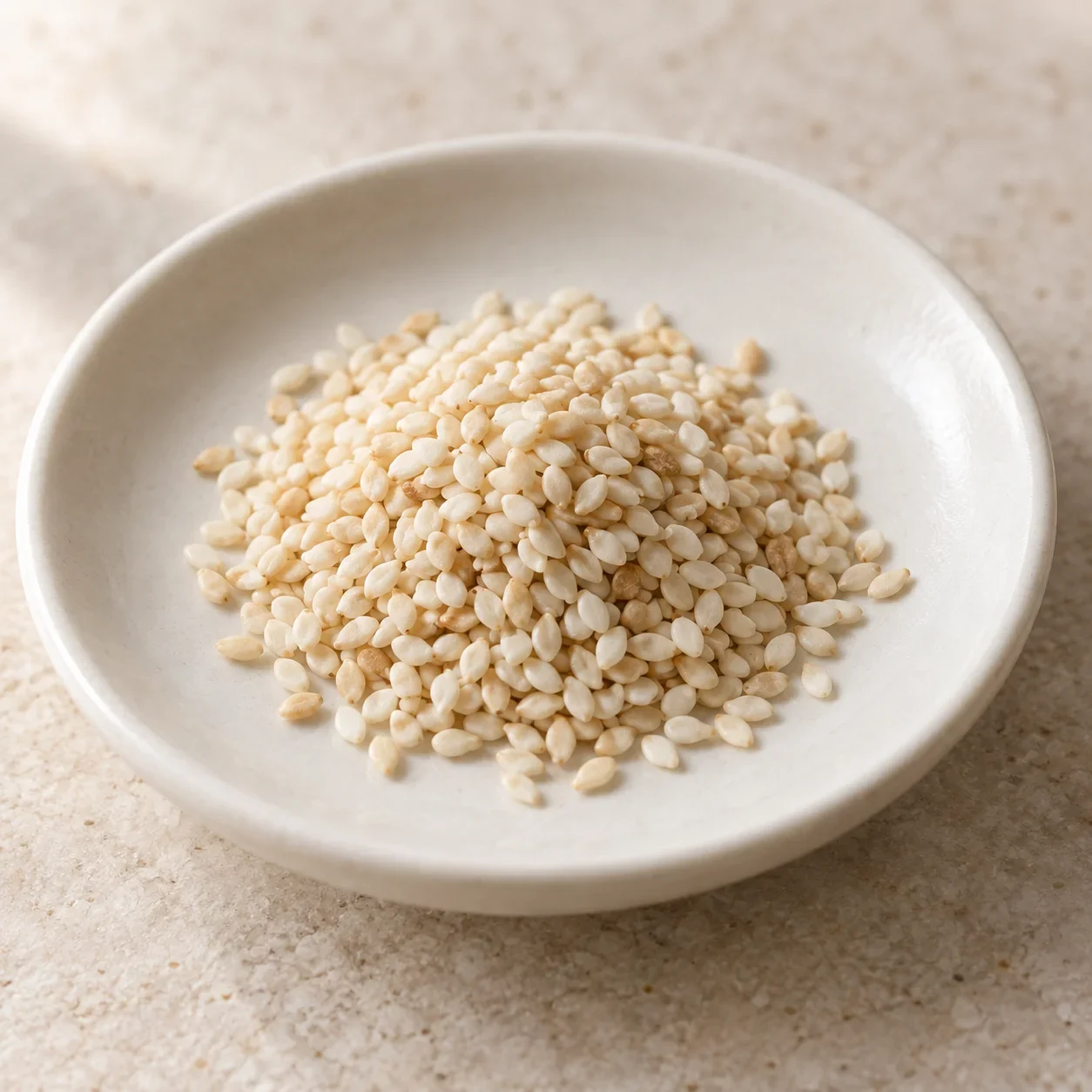
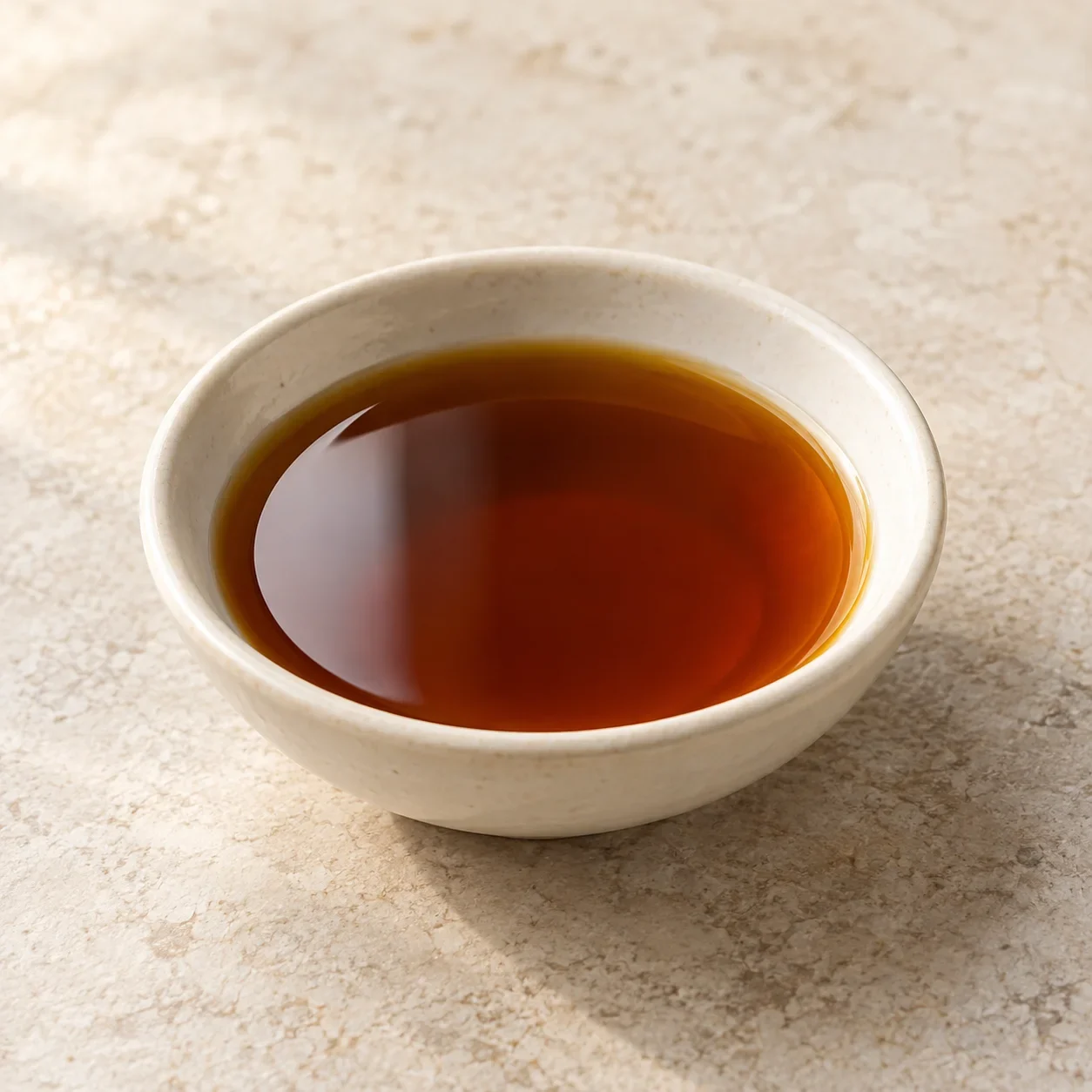
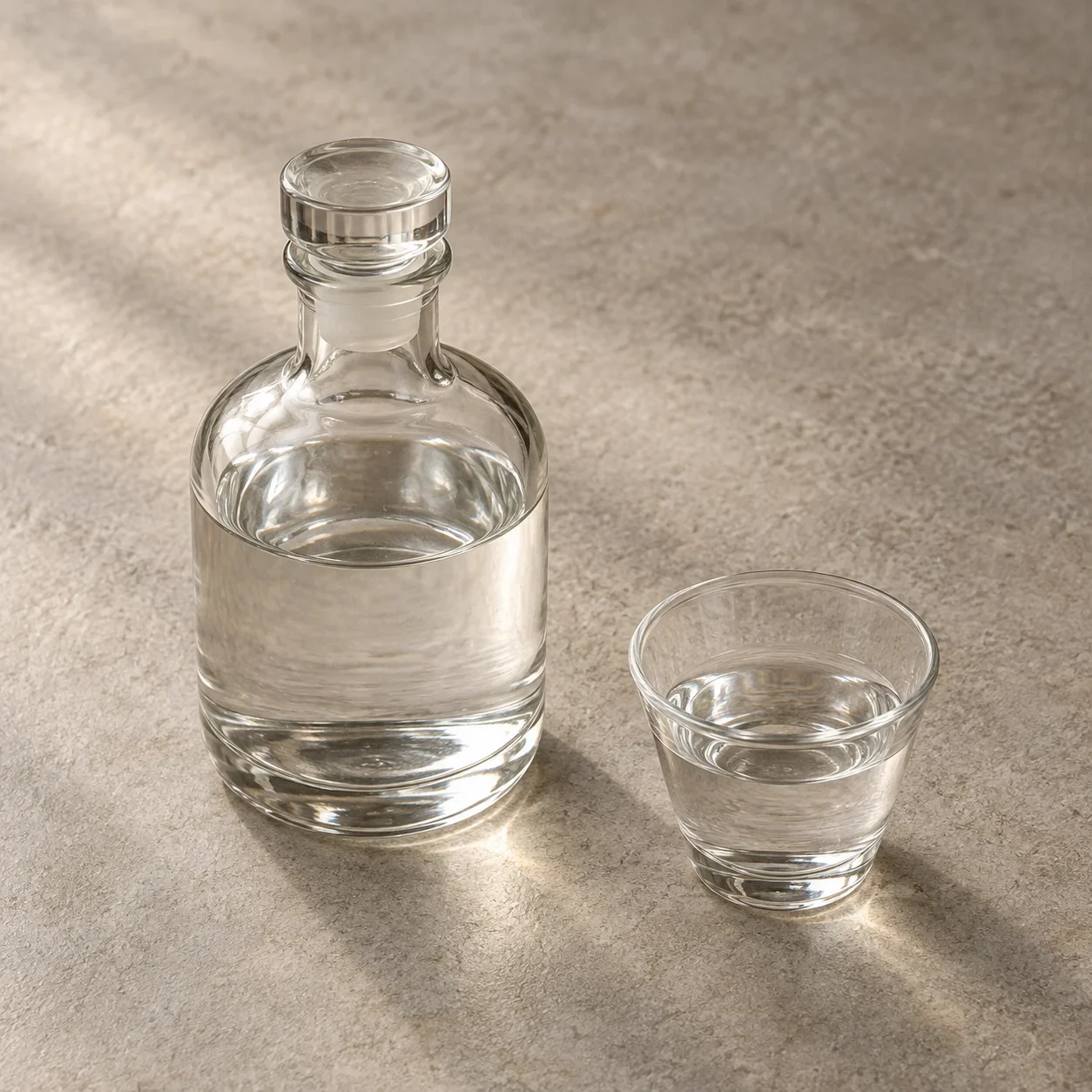
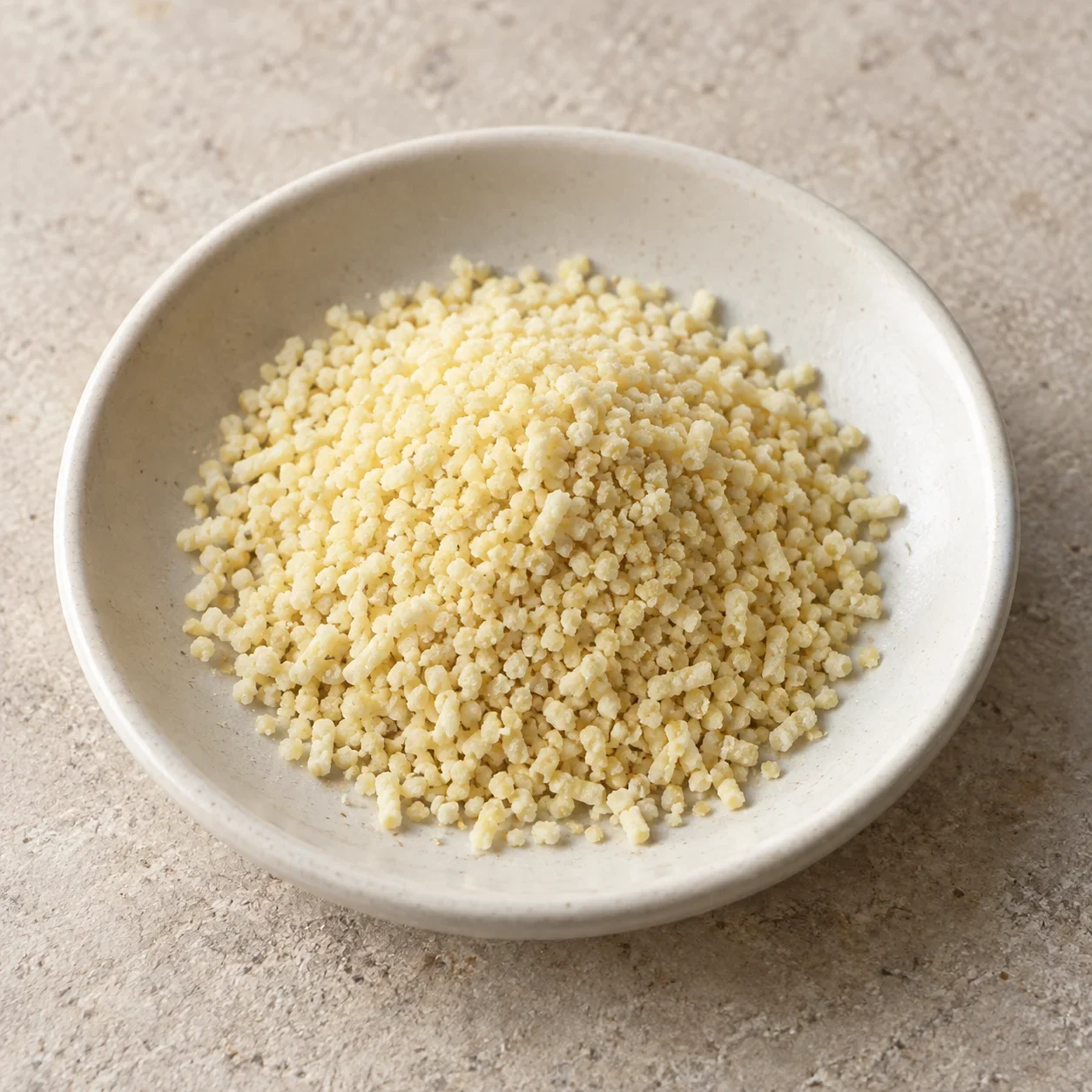
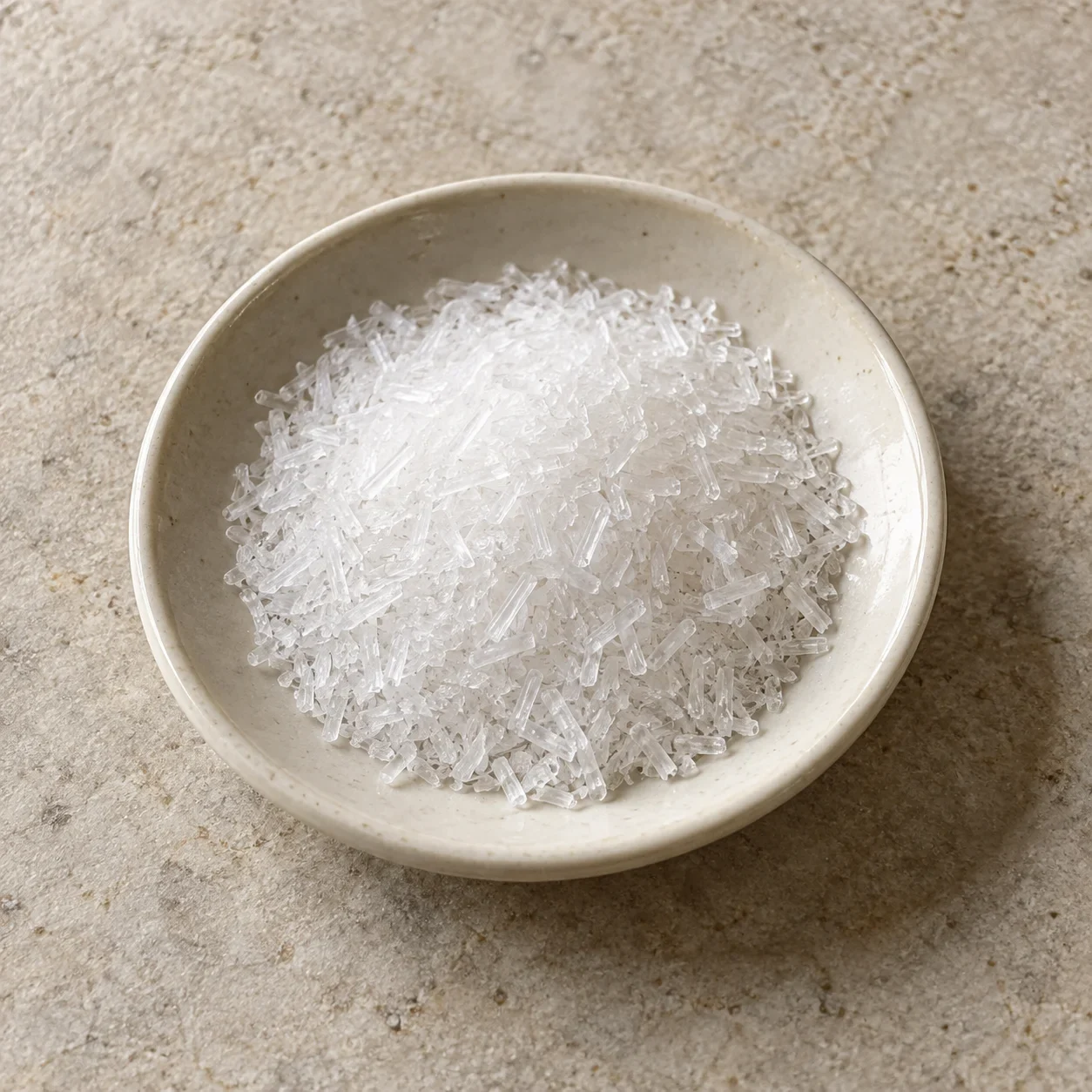
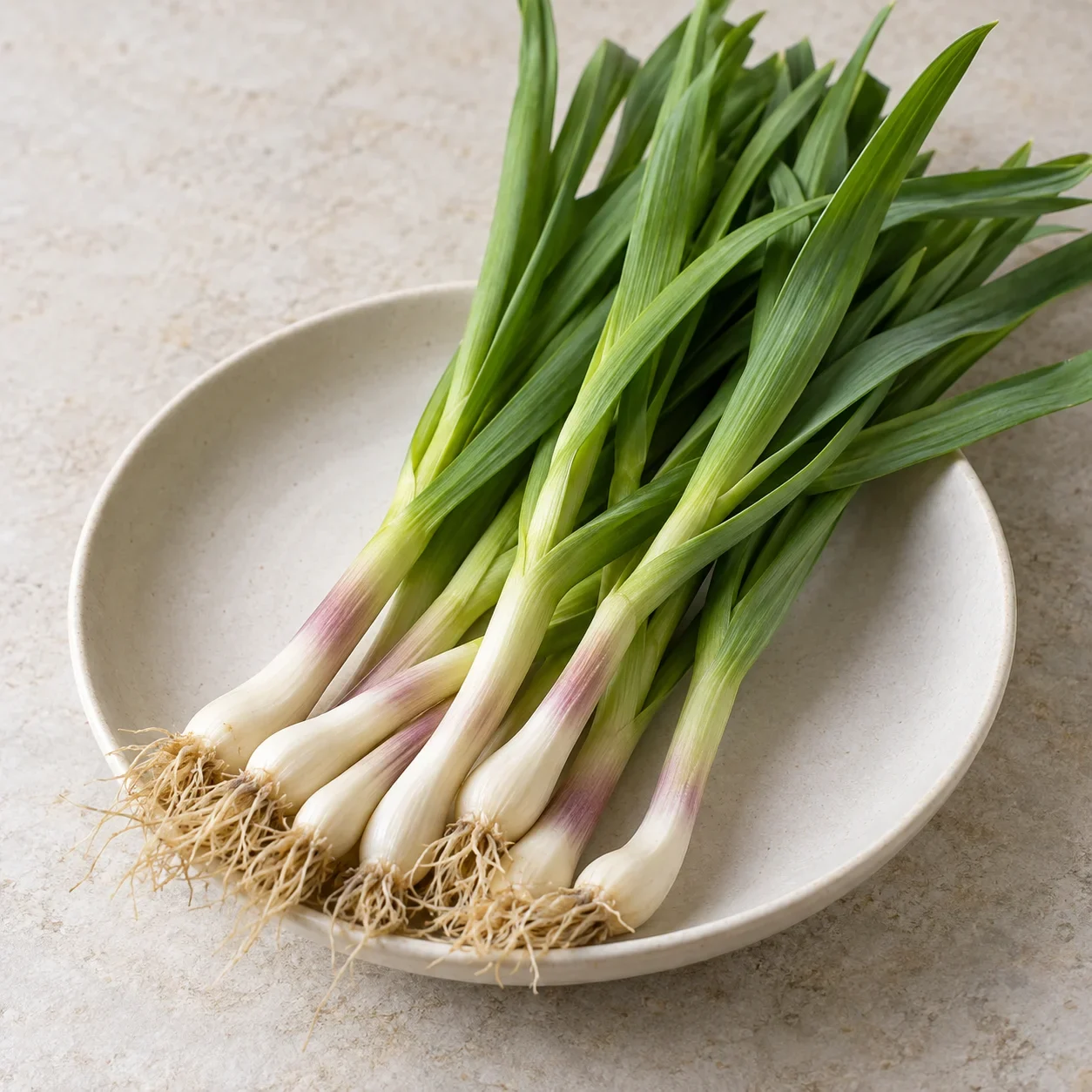
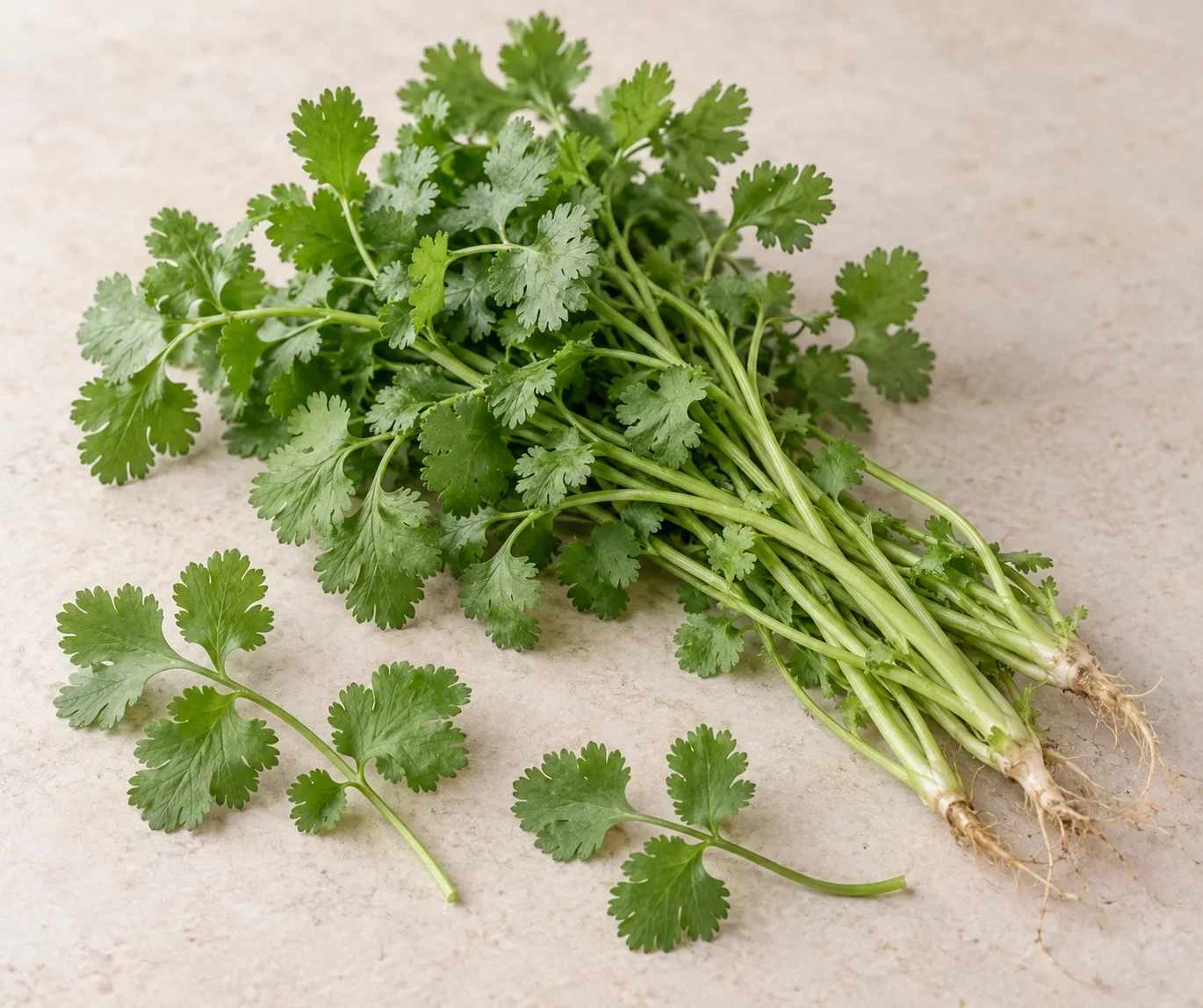
Recipes vary by restaurant.
How does it taste?
Savory sheep meat, cumin and chili with sweet onion.
- Chili heat
- Texture
- Tender meat with browned edges, soft-centered potatoes and chewy starch noodles.
- How it’s made
- The meat is cooked until tender and browned with potatoes, then combined with vegetables, noodles and spices. Some cooks start with raw ribs and braise before browning; others use already-cooked meat.
Wide noodles, sesame, coriander and other seasoning vary. Some cooks coat potatoes with starch. Oil type and chili amount are not fixed.
A CONNECTION TO PLACE
Origin & regional roots
Its origins are linked to Qinghai.
About this regional connection
Qinghai: Xining lanes, including Yanhu Xiang, and the wider plateau pot.
Ask if they have it first
请问你们有炕锅羊肉吗?
Do you have this item?
A LITTLE SOMETHING TO READ
Story & history
A pan for sharing
The thick kang pot supports browning and keeps the food hot at the table. In Qinghai, a shared pan brings sheep meat together with potatoes and, in some versions, wide noodles rather than serving the meat alone.