
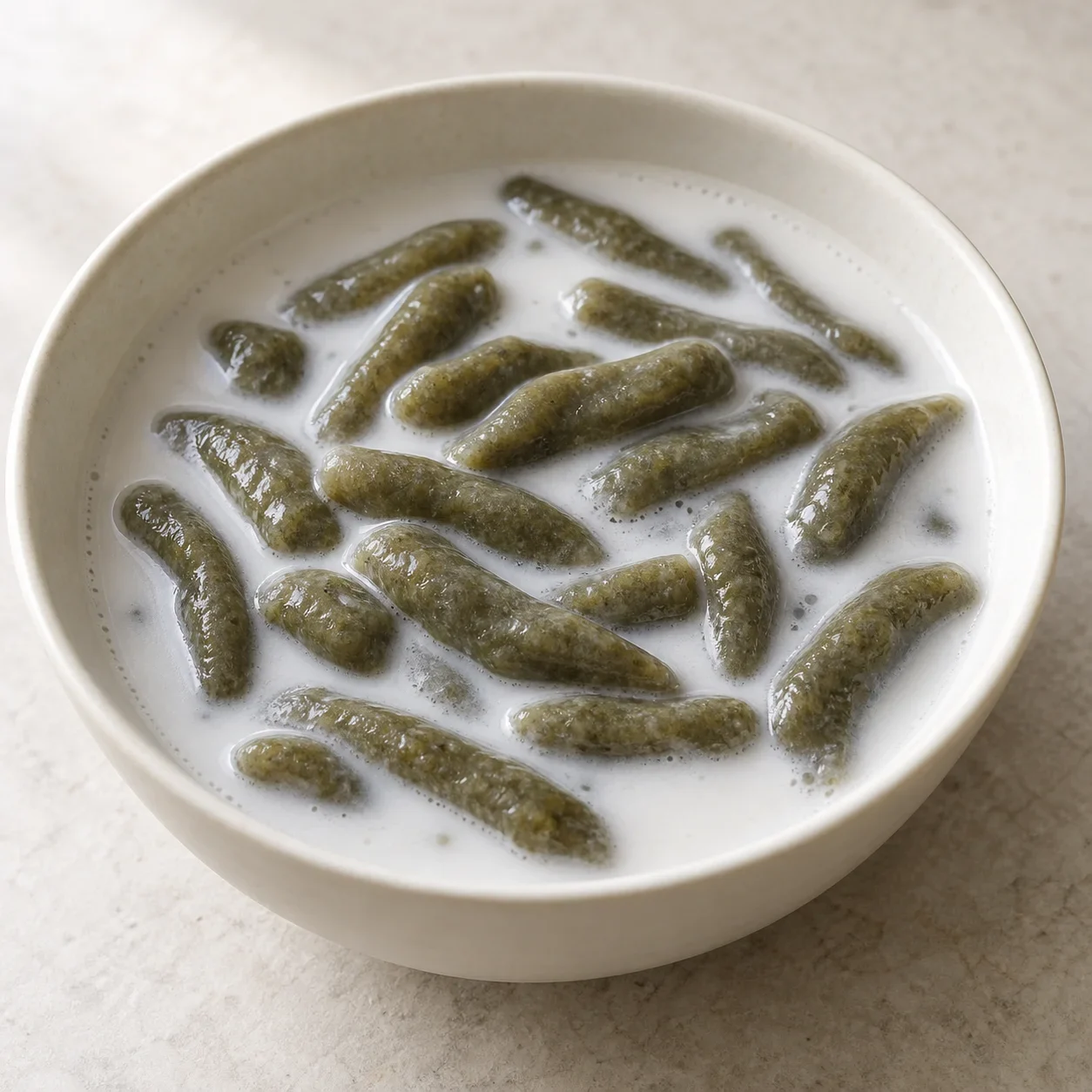
The herbal rice dumplings are sweet and can be shared in a small portion; cut the springy pieces small and let them cool.
Recipes vary. Ask the restaurant about ingredients and serving before you order.
GET TO KNOW THE DISH
What goes into it?
Explore some key ingredients below. Preparations may use additional seasonings and ingredients.
Serve chilled with coconut milk or hot with brown sugar.
Typical ingredients
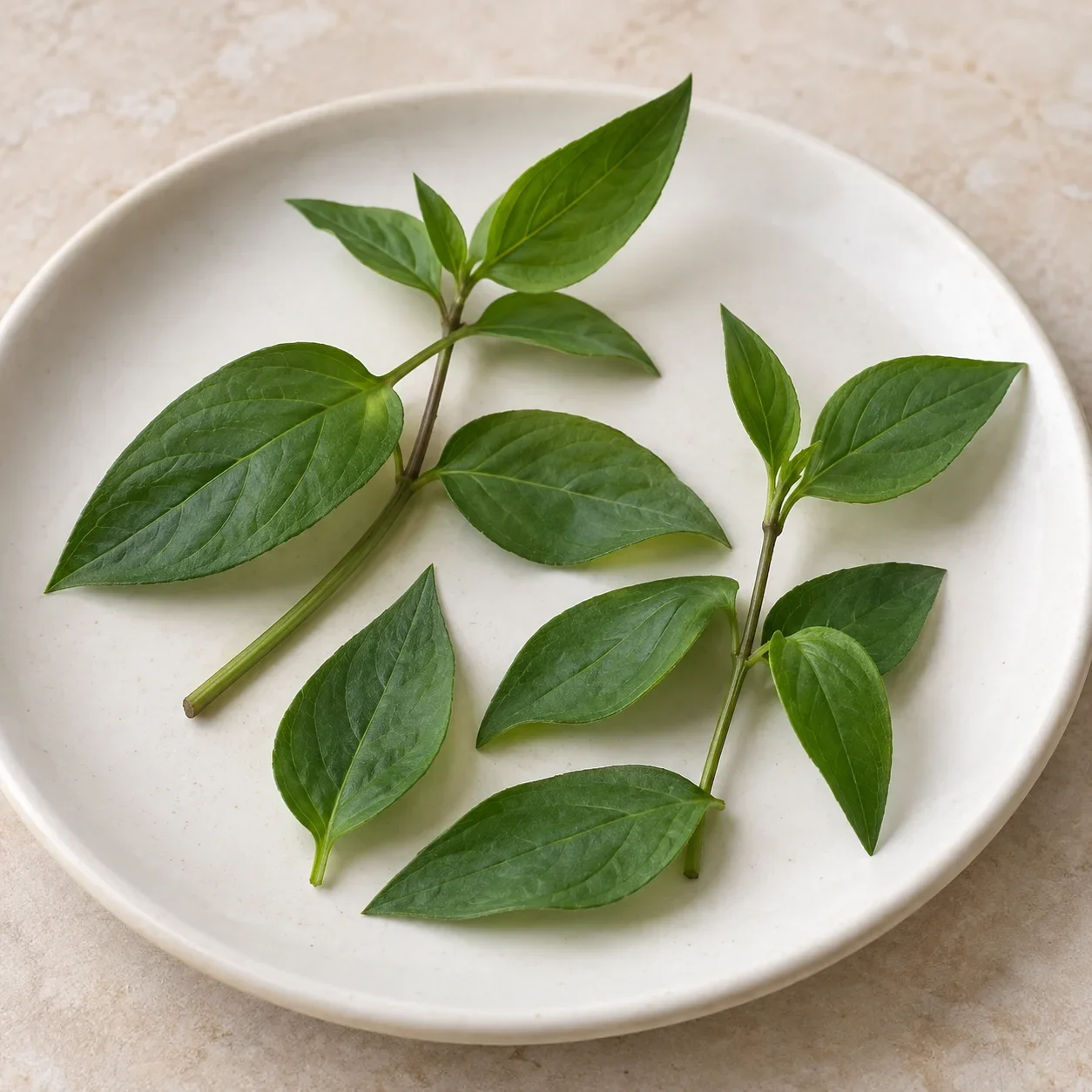
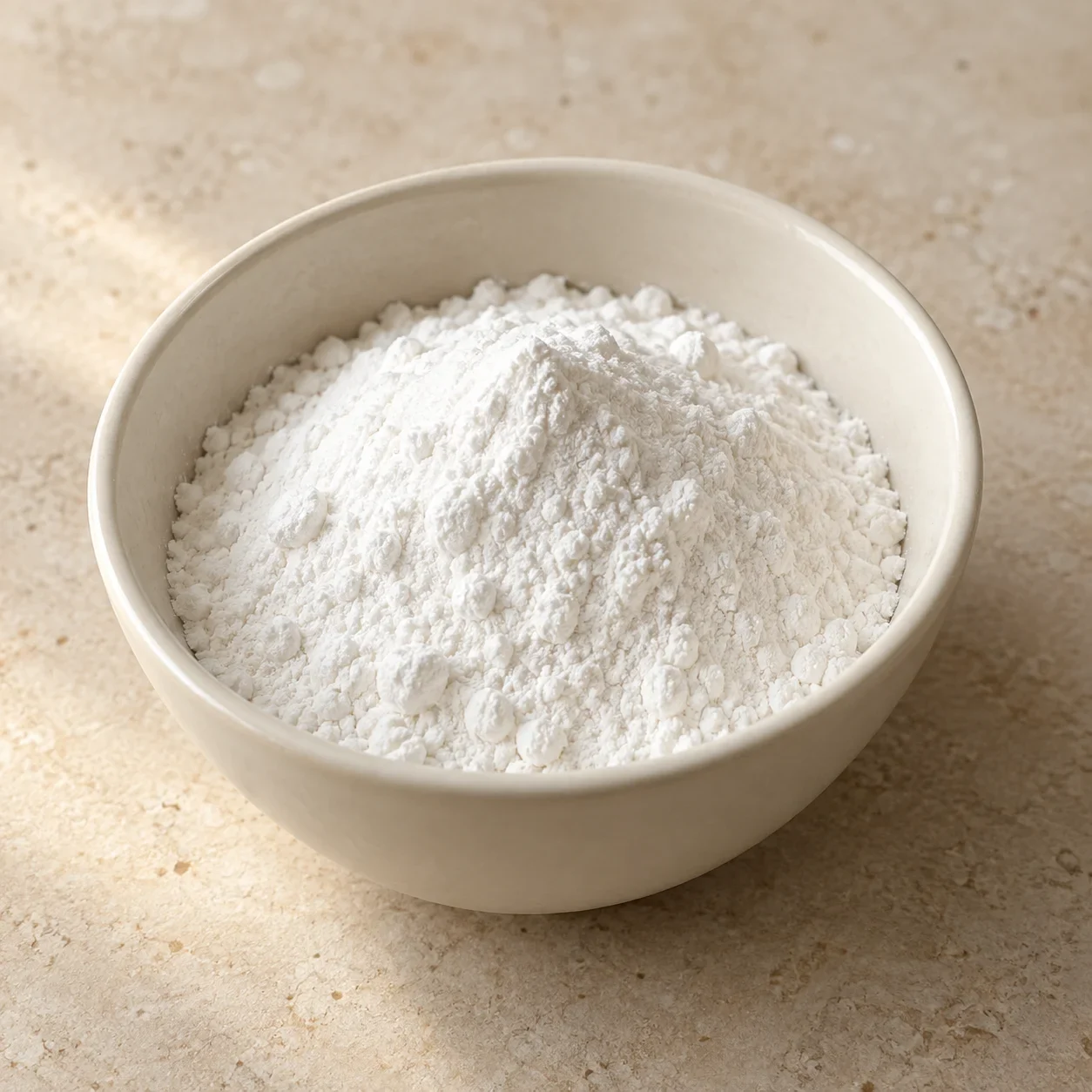
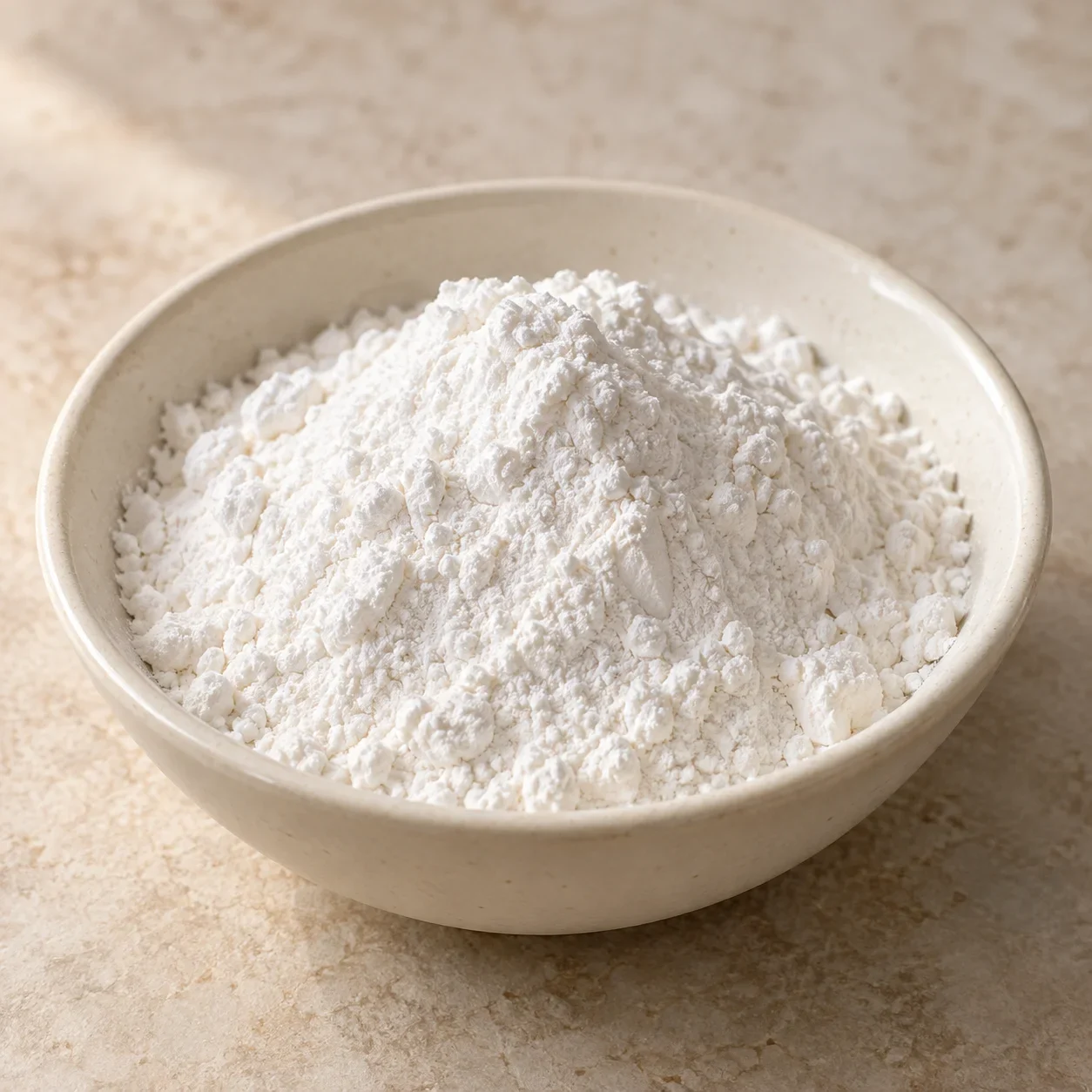
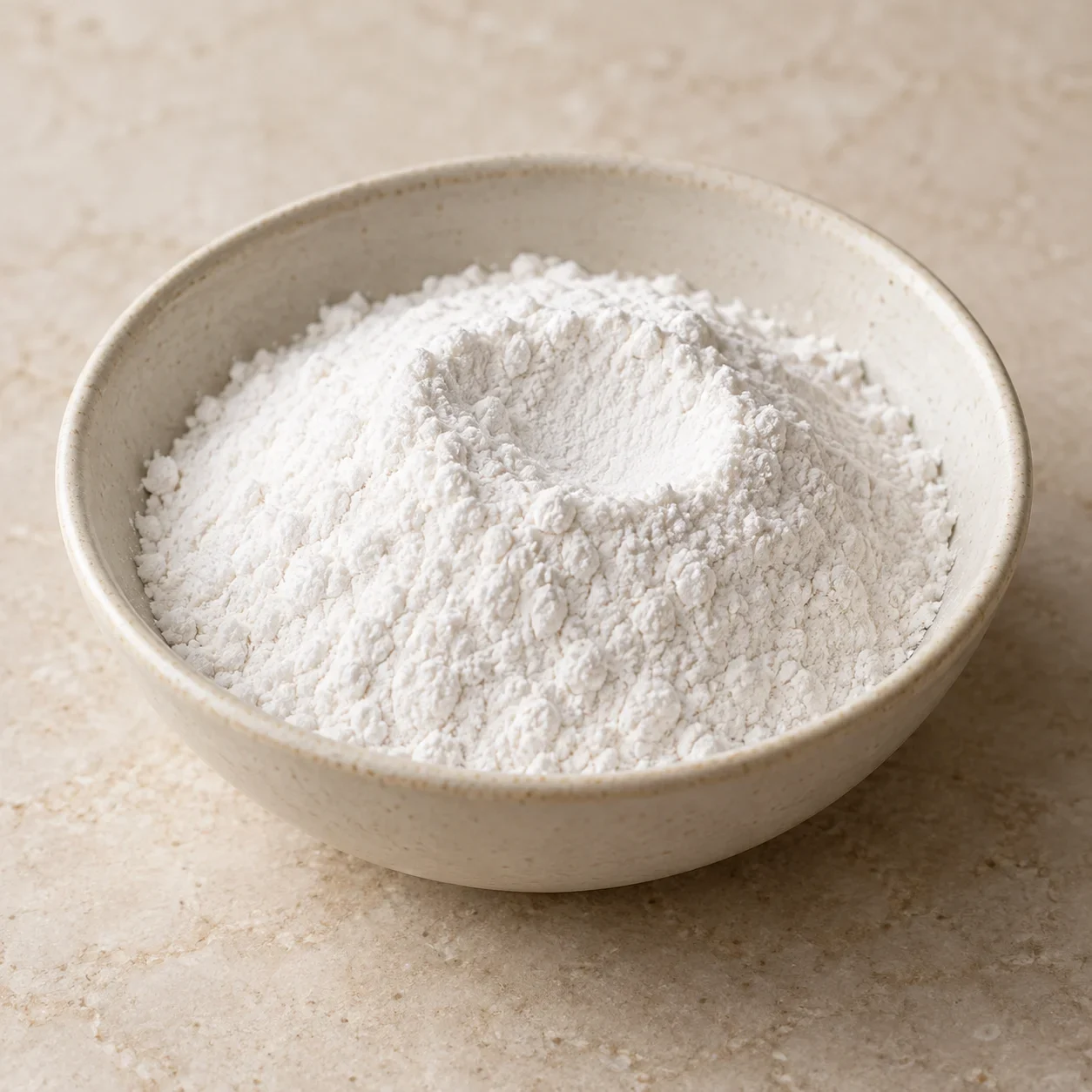
In some versions
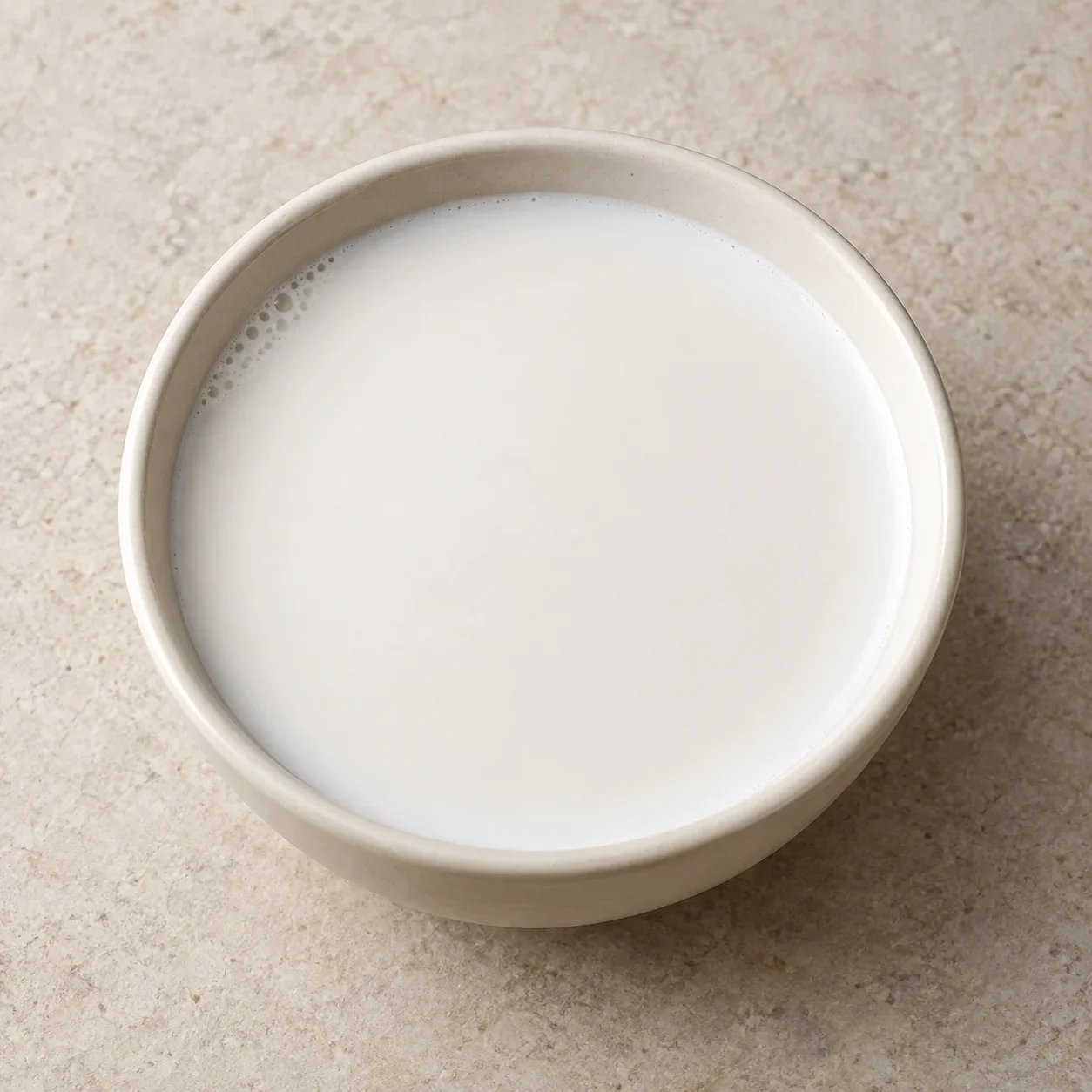
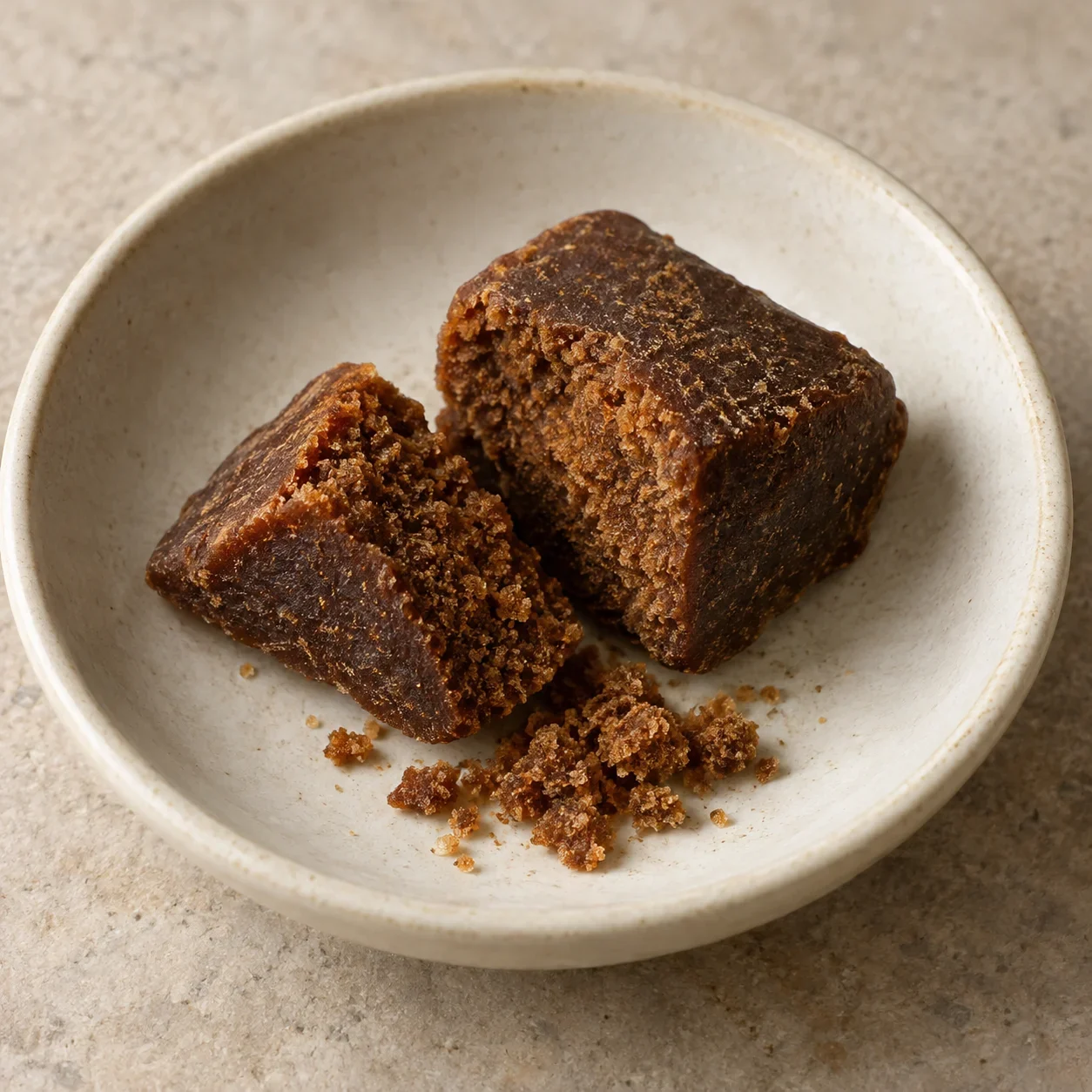
Recipes vary by restaurant.
How does it taste?
Herbal and sweet.
- Chili heat
- Texture
- Springy, chewy pieces.
- How it’s made
- Grind leaves with rice; blend starches, shape and boil.
Serve chilled with coconut milk or hot with brown sugar.
A CONNECTION TO PLACE
Origin & regional roots
Associated with Hainan.
Ask if they have it first
请问你们有鸡屎藤粑仔吗?
Do you have this item?
A LITTLE SOMETHING TO READ
Story & history
A Qionghai Dumpling with a Curious Herb Name
Jishiteng literally means “chicken-droppings vine,” a name linked to the plant’s unpleasant smell. In Hainan, its leaves are ground with rice into chewy dumplings, served cold with coconut milk or hot with brown sugar. In Qionghai, eating jishiteng dumplings during the seventh lunar month is a folk custom associated with warding off misfortune and wishing safety for the family. This calendar custom is reported for Qionghai; it is not a rule that every household or district in Hainan follows.