
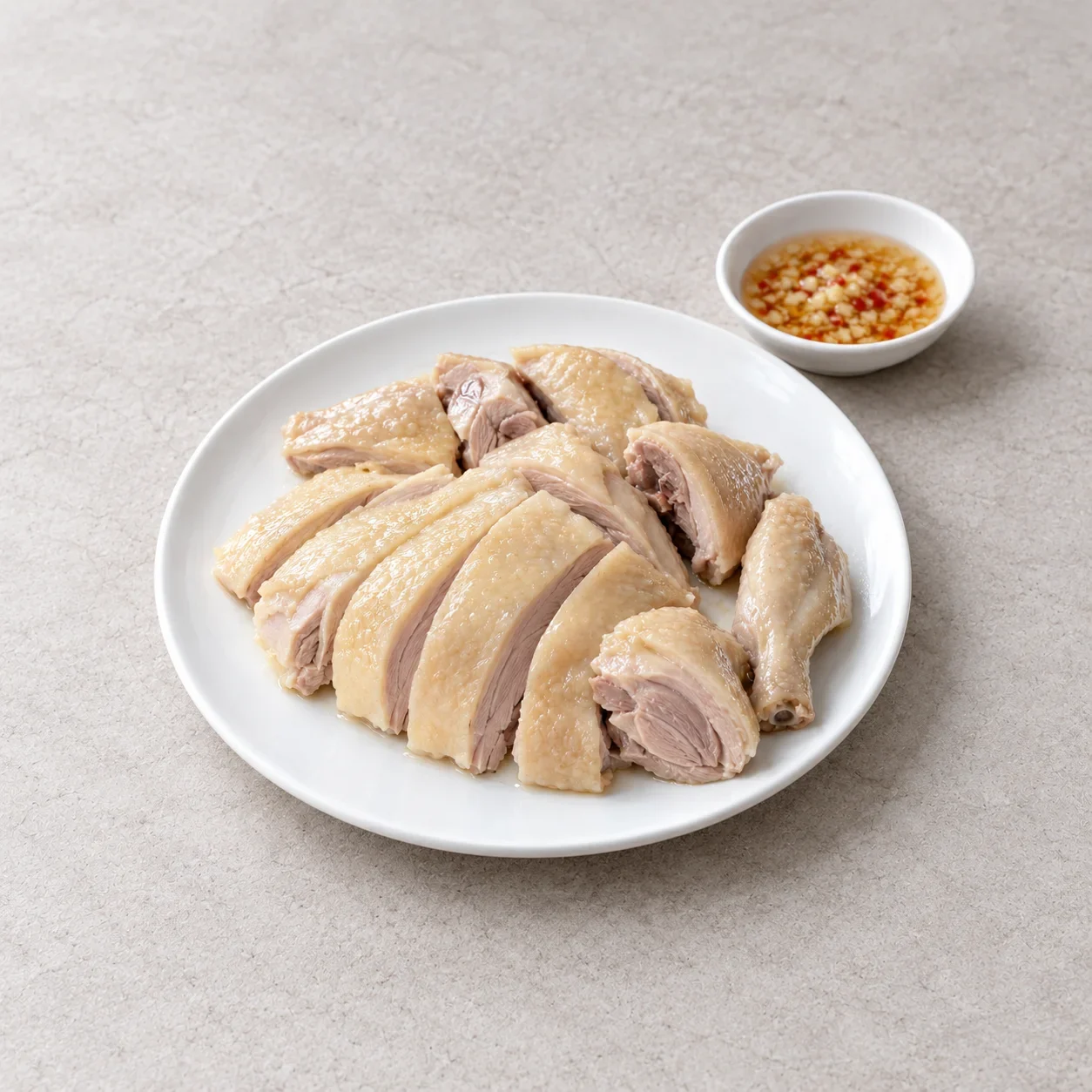
At the table
Take a piece with chopsticks, separate meat from the bone and dip lightly. Ask “蘸料可以另外放吗?” for the dip separately, or “不要辣椒” for no chili.
Pieces contain bones and may have small bone fragments. Separate the meat carefully; plain duck and its chili dip have different heat levels.
Ask which dip is supplied and whether it contains chili or soy sauce. A request for no chili does not remove other ingredients from a prepared sauce.
GET TO KNOW THE DISH
What goes into it?
Explore some key ingredients below. Preparations may use additional seasonings and ingredients.
White-cut is one preparation, not the only way Jiaji duck is cooked. Dips and their oil or seasoning vary; this version uses duck broth.
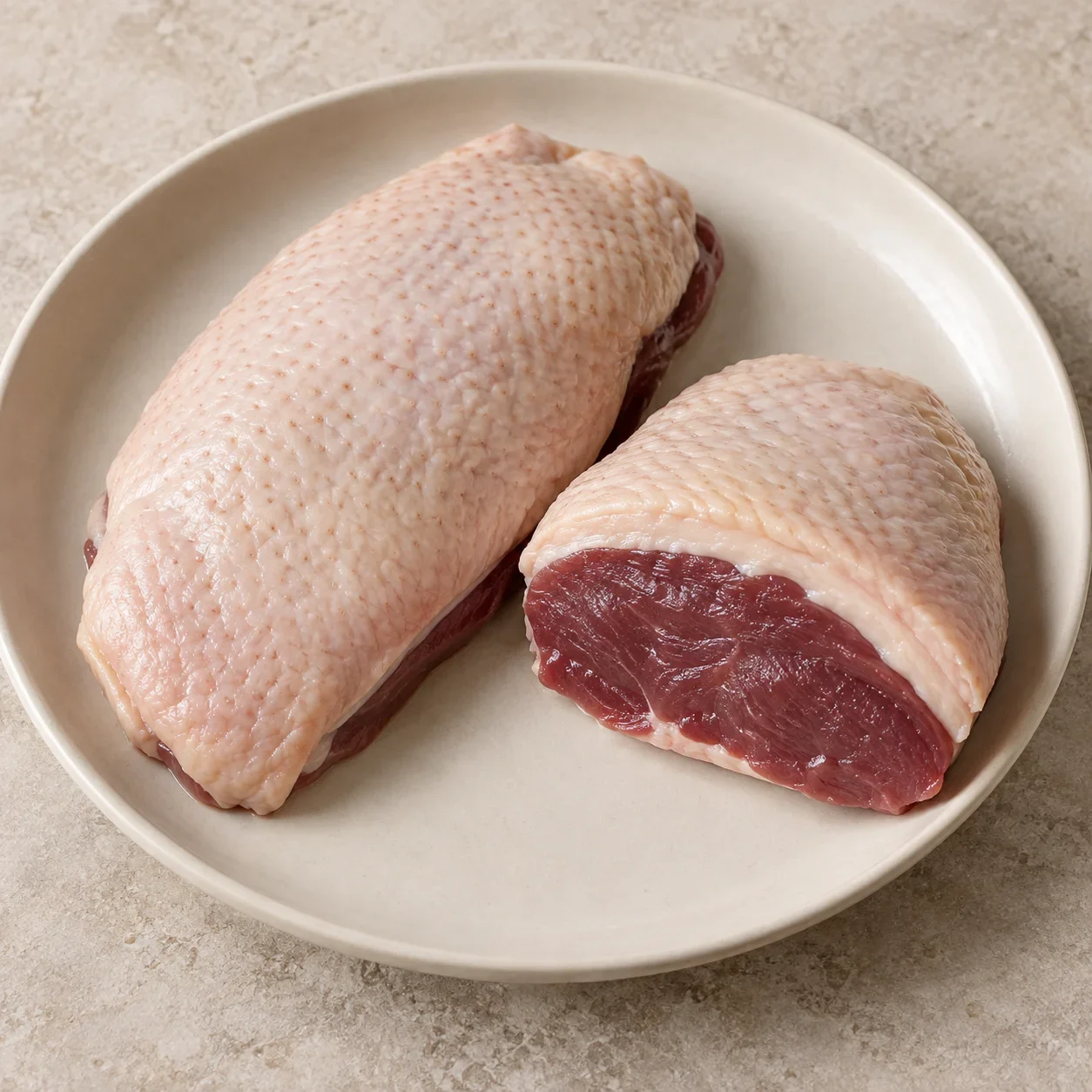
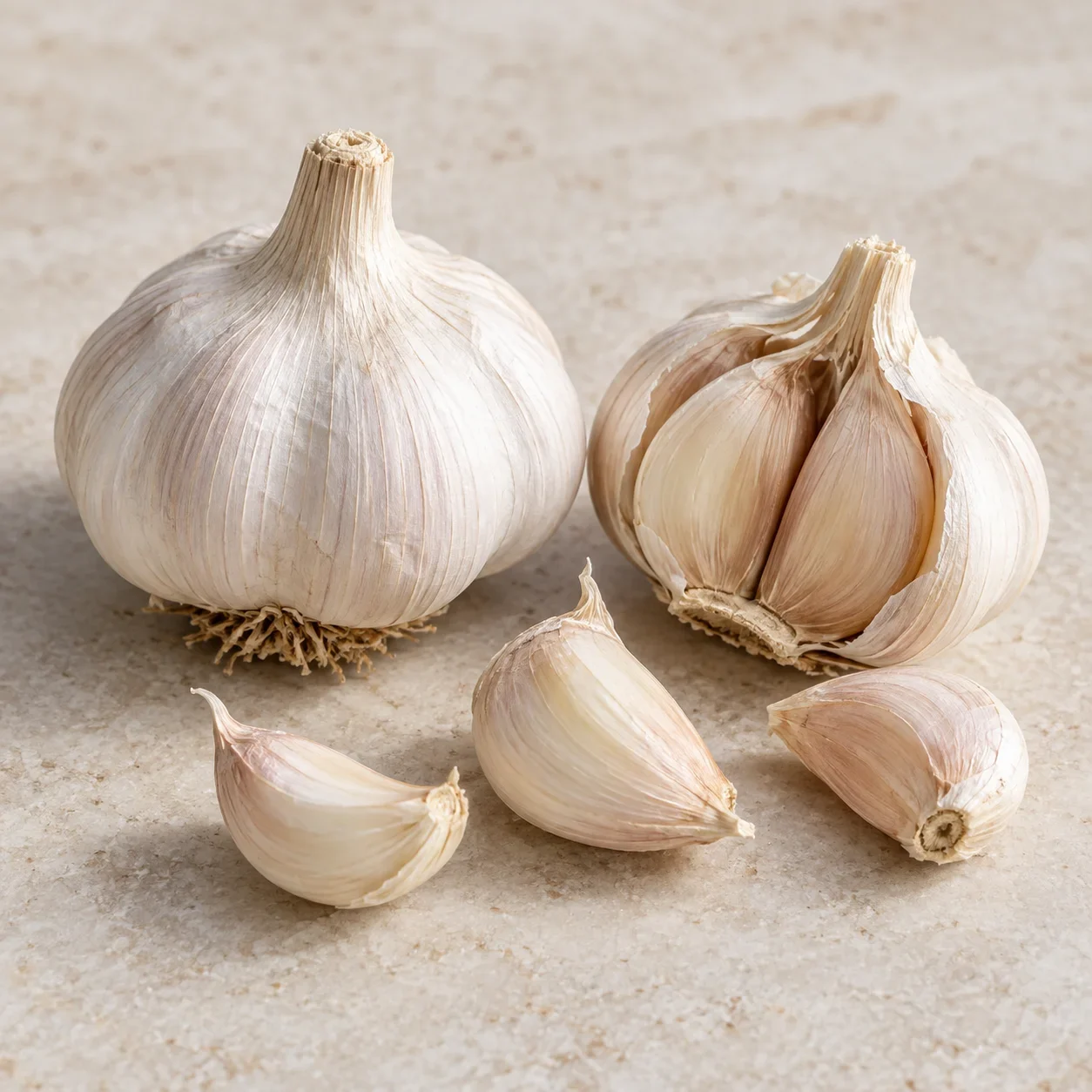
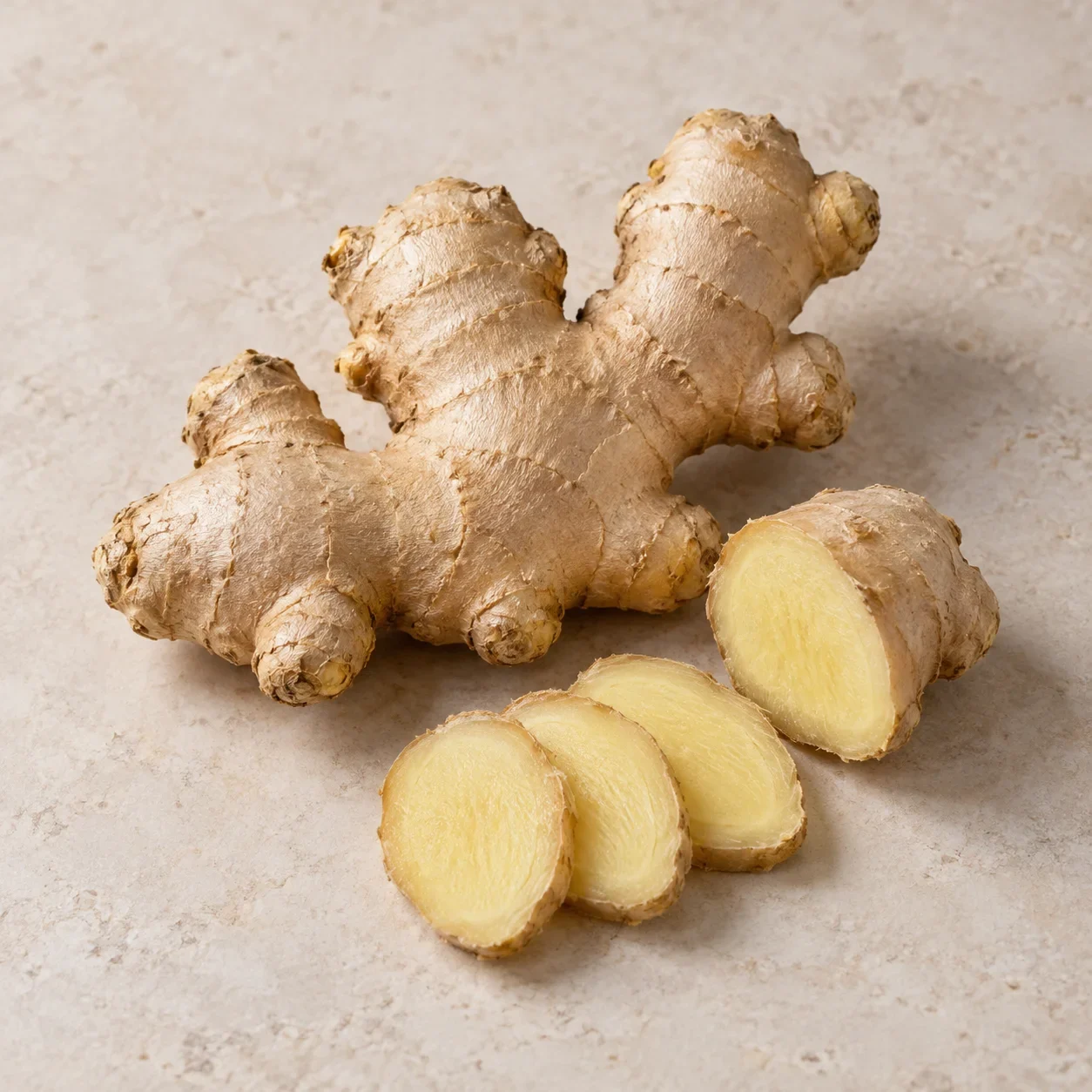

In some versions
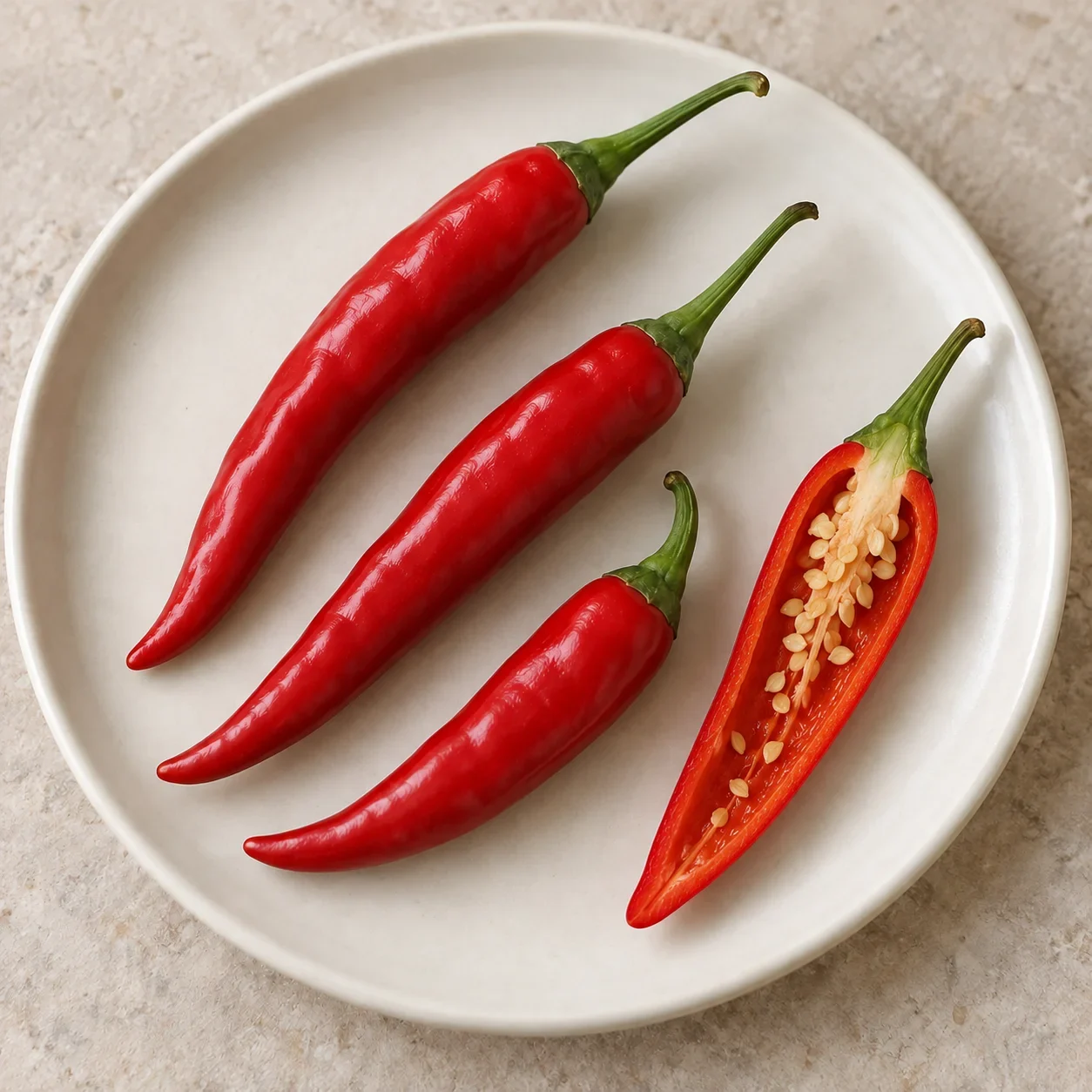

Recipes vary by restaurant.
How does it taste?
Rich duck flavor; the dip adds garlic, ginger, saltiness and optional chili heat.
- Chili heat
- Texture
- Tender but substantial meat with soft skin; bones remain in the chopped pieces.
- How it’s made
- Cook the duck through in water, then chop and plate. For this version, mix duck cooking broth with ginger, garlic and salt; chili and soy sauce are optional dip seasonings.
White-cut is one preparation, not the only way Jiaji duck is cooked. Dips and their oil or seasoning vary; this version uses duck broth.
A CONNECTION TO PLACE
Origin & regional roots
Associated with Hainan.
Ask if they have it first
请问你们有嘉积鸭吗?
Do you have this item?
A LITTLE SOMETHING TO READ
Story & history
A Qionghai shared-table dish
This account describes a tradition or story, rather than an established historical fact.
Jiaji duck is closely associated with Qionghai’s local food culture and family tables. White-cut preparation keeps the duck’s own flavor central, while a dipping sauce lets diners season individual bites.