
At the table
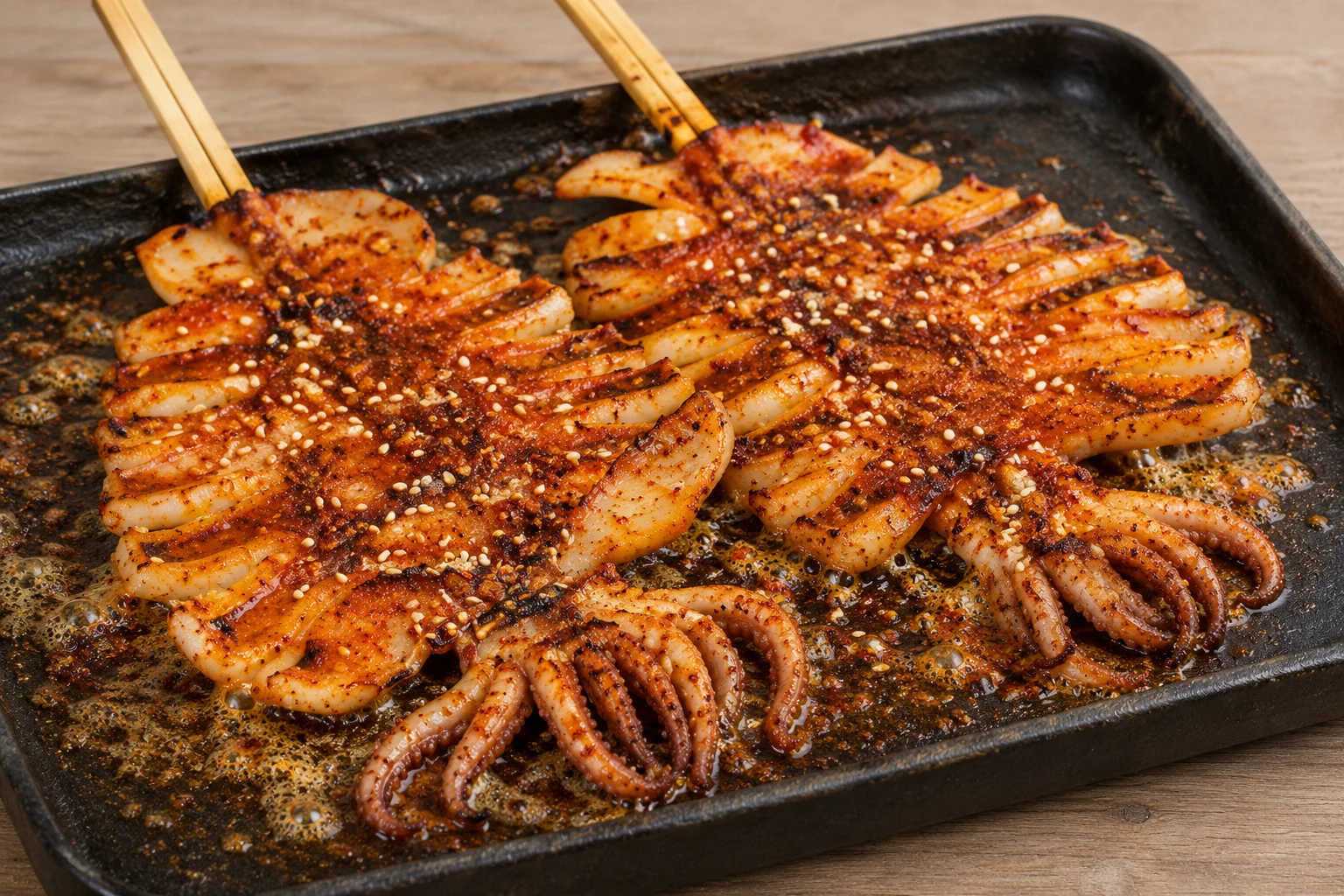
Eat freshly cooked, using the skewer or a small fork for cut pieces. Let it cool briefly before biting. Larger bodies may be cut for easier sharing. Order the chili level before seasoning is applied; a sauce can remain spicy even without an extra dusting of chili.
Squid is a mollusk, so this is neither vegetarian nor vegan. Sauces can contain wheat, soy and oyster ingredients; sesame is a common optional topping. Some versions use cooking wine, so do not assume they are alcohol-free. Check the sauce, marinade and shared griddle for dietary needs. Ask for the squid to be fully cooked; omitting chili powder alone may not remove heat from the sauce.
Whole opened bodies, strips, rings and tentacle portions all appear. Some cooks use ginger, garlic or cooking wine, while others rely on a prepared barbecue or chili sauce. Sesame and scallion are optional finishes. Plate and skewer servings differ, and griddle cooking is distinct from charcoal grilling. No single sauce recipe defines every stall.
GET TO KNOW THE DISH
What goes into it?
Explore some key ingredients below. Preparations may use additional seasonings and ingredients.
Whole opened bodies, strips, rings and tentacle portions all appear. Some cooks use ginger, garlic or cooking wine, while others rely on a prepared barbecue or chili sauce. Sesame and scallion are optional finishes. Plate and skewer servings differ, and griddle cooking is distinct from charcoal grilling. No single sauce recipe defines every stall.
Typical ingredients
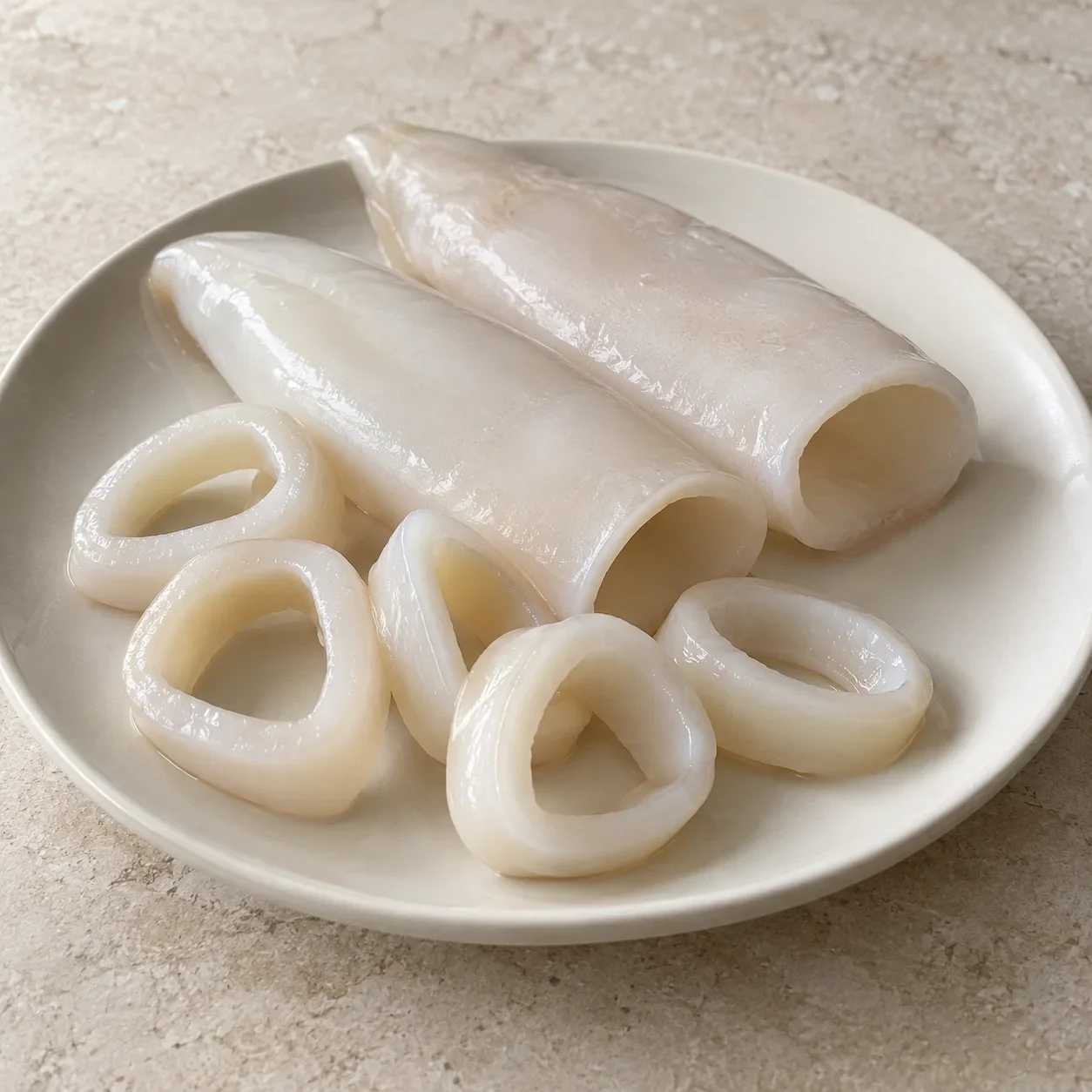
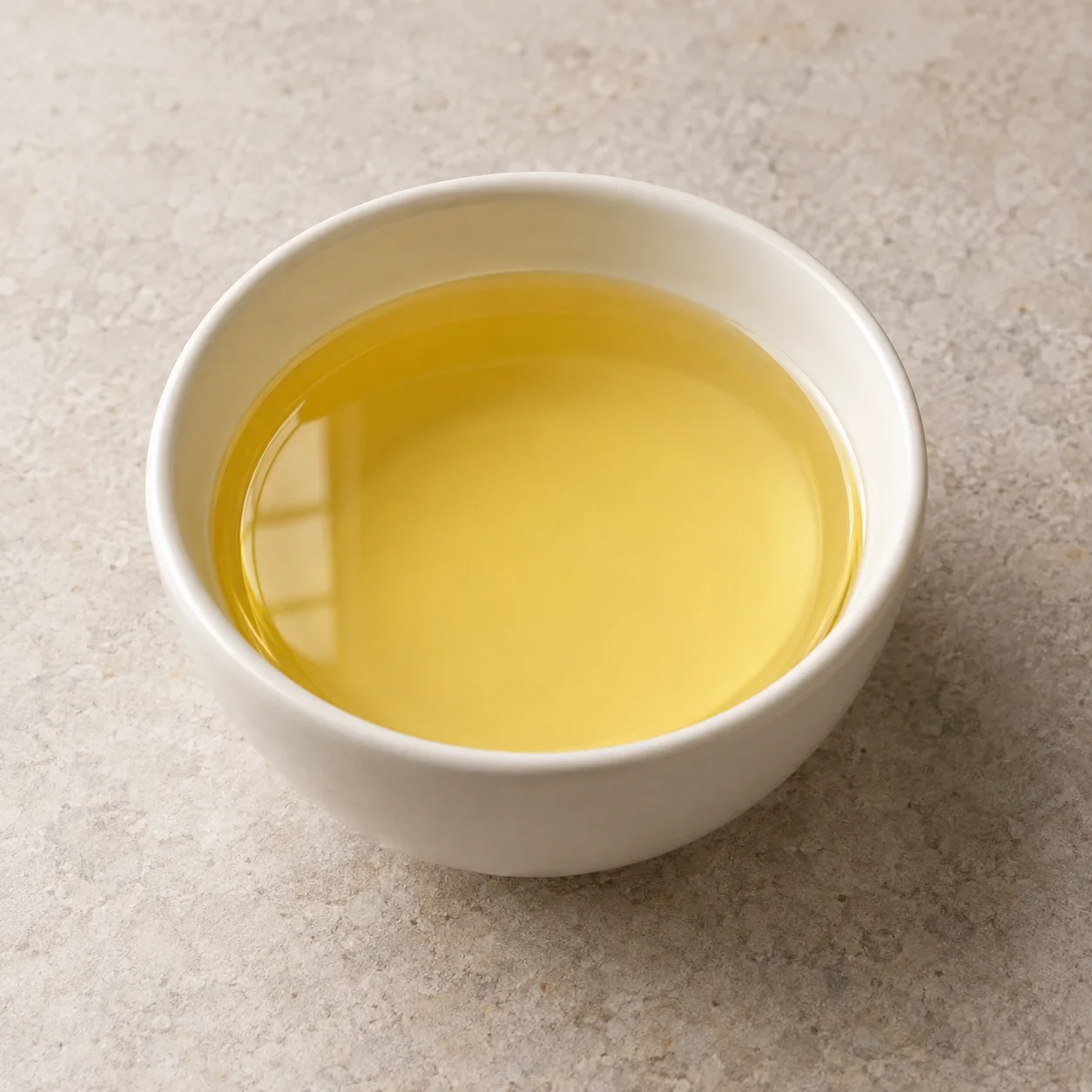
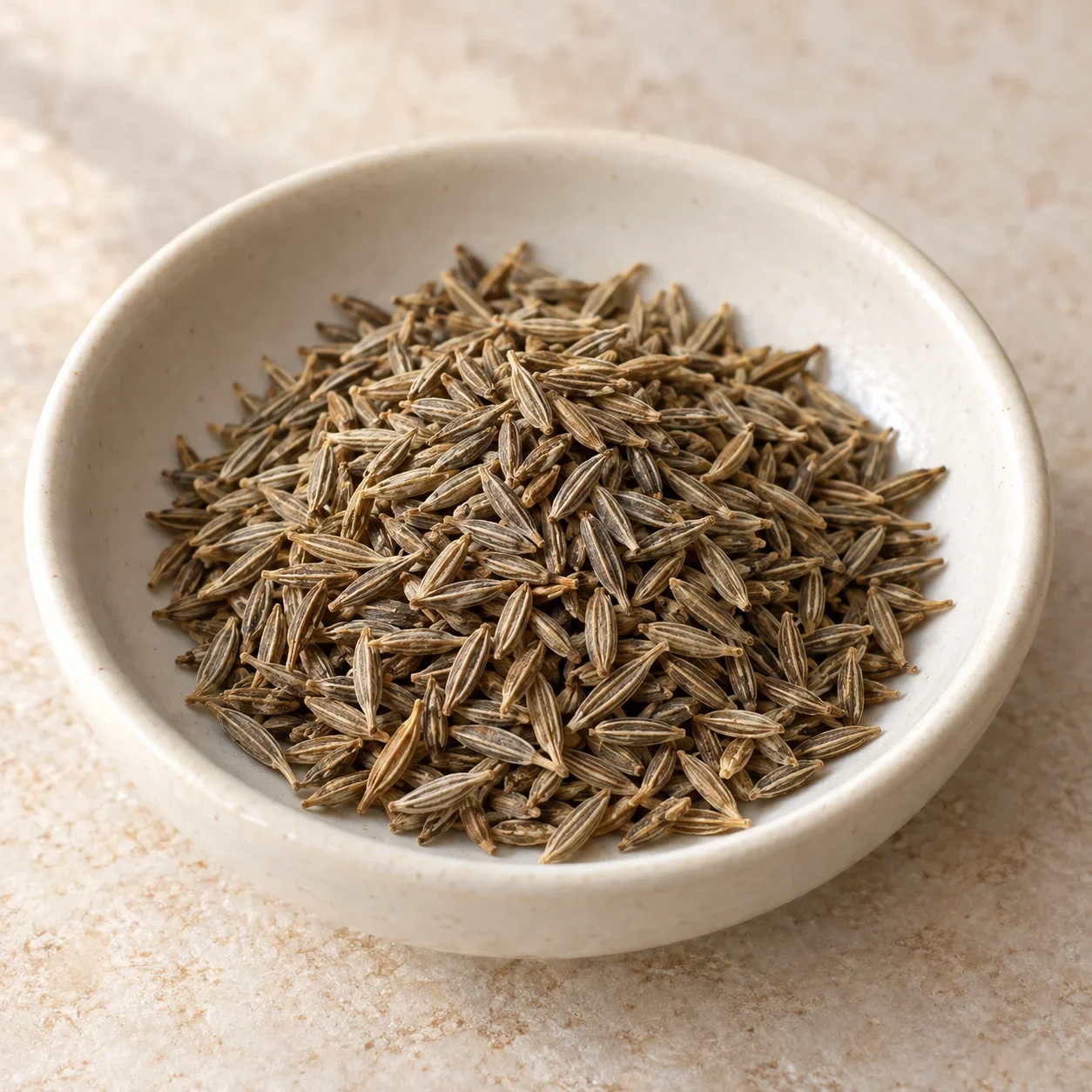
In some versions
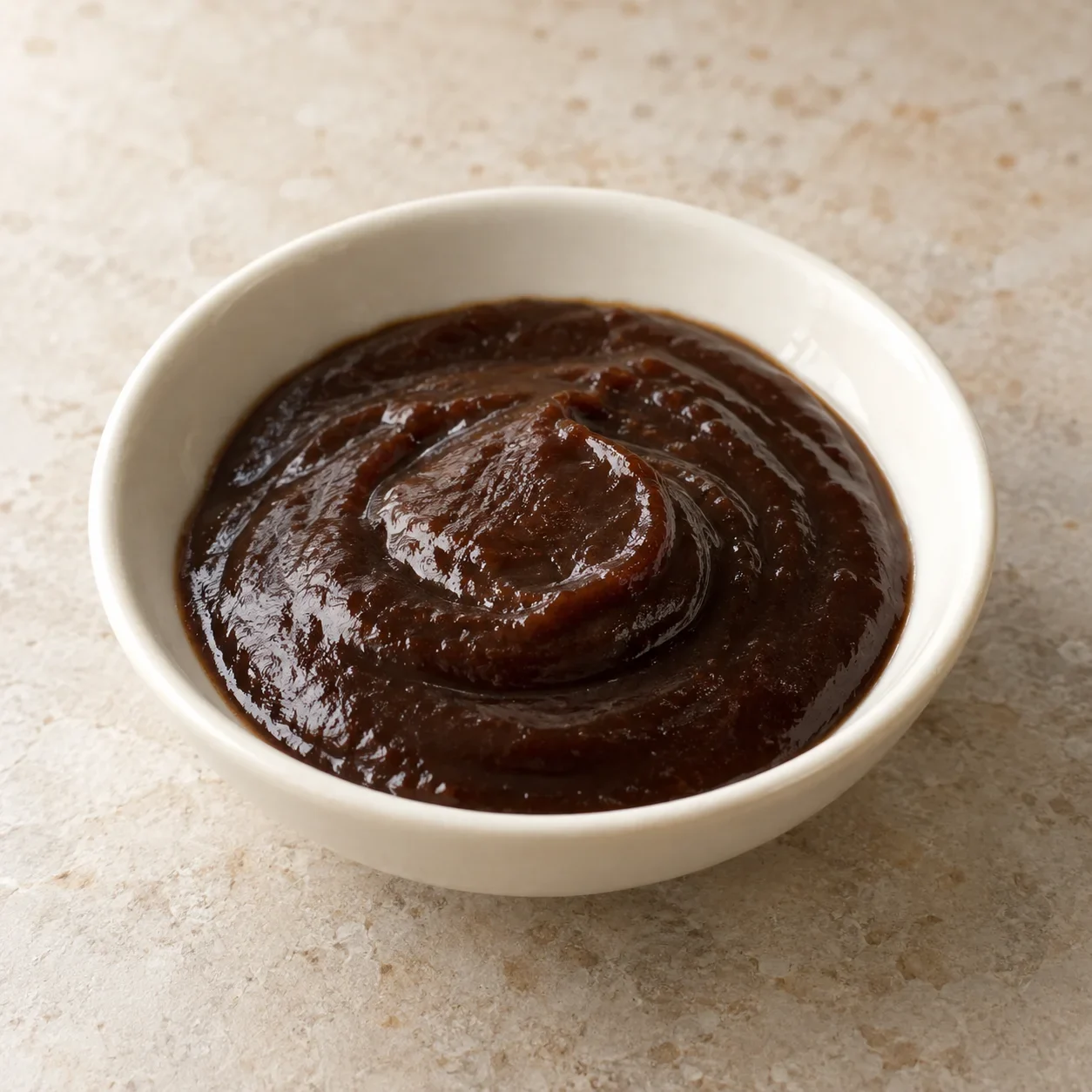
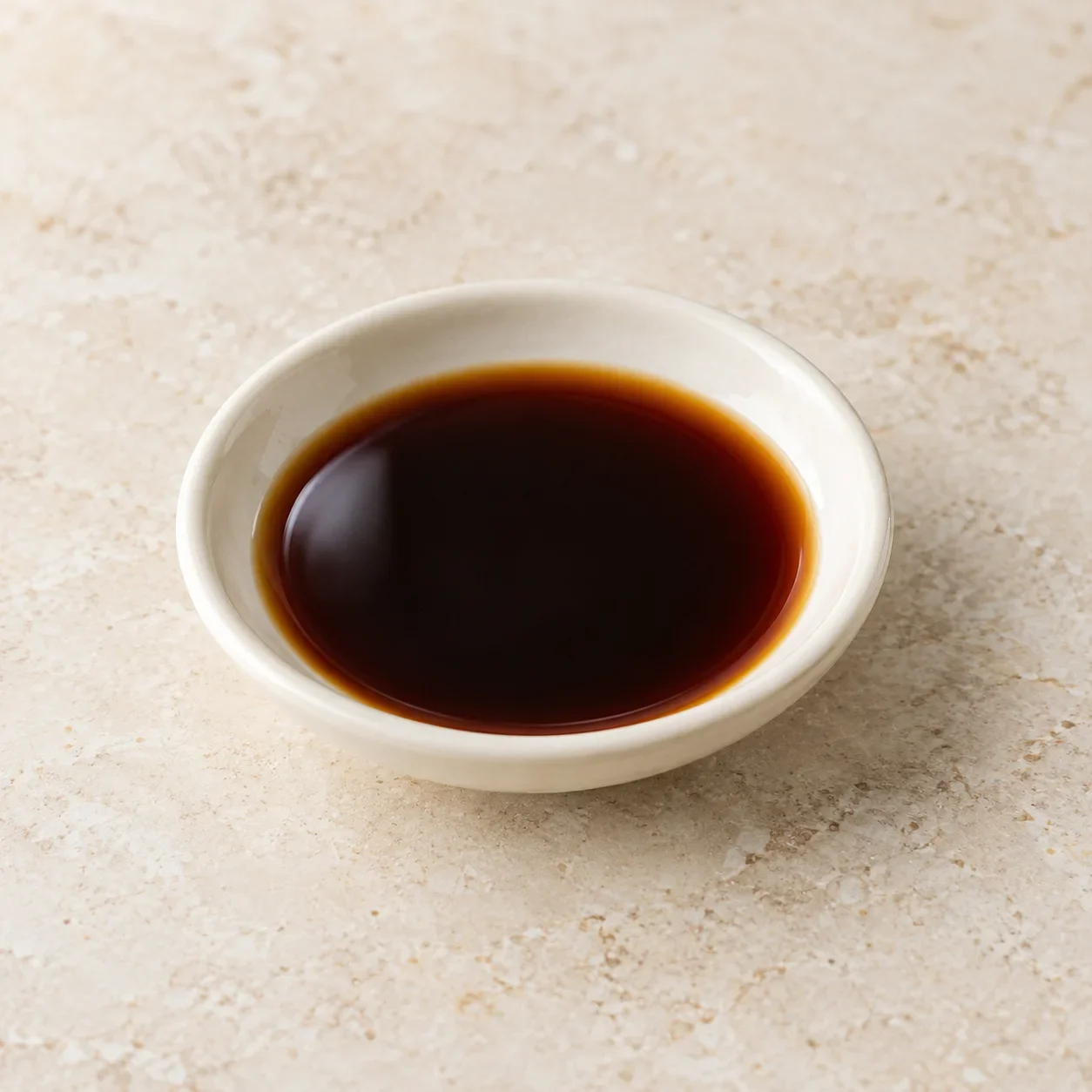
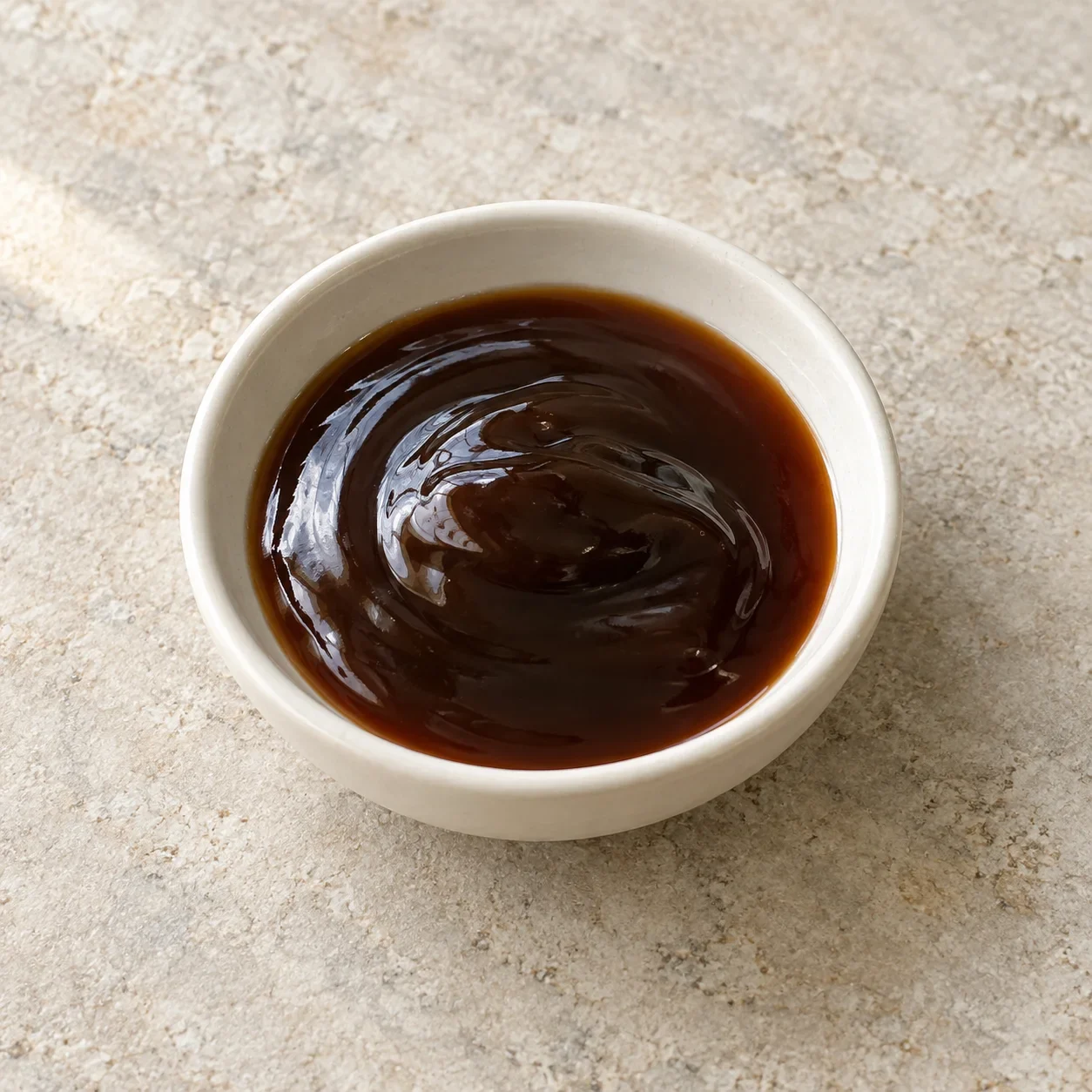
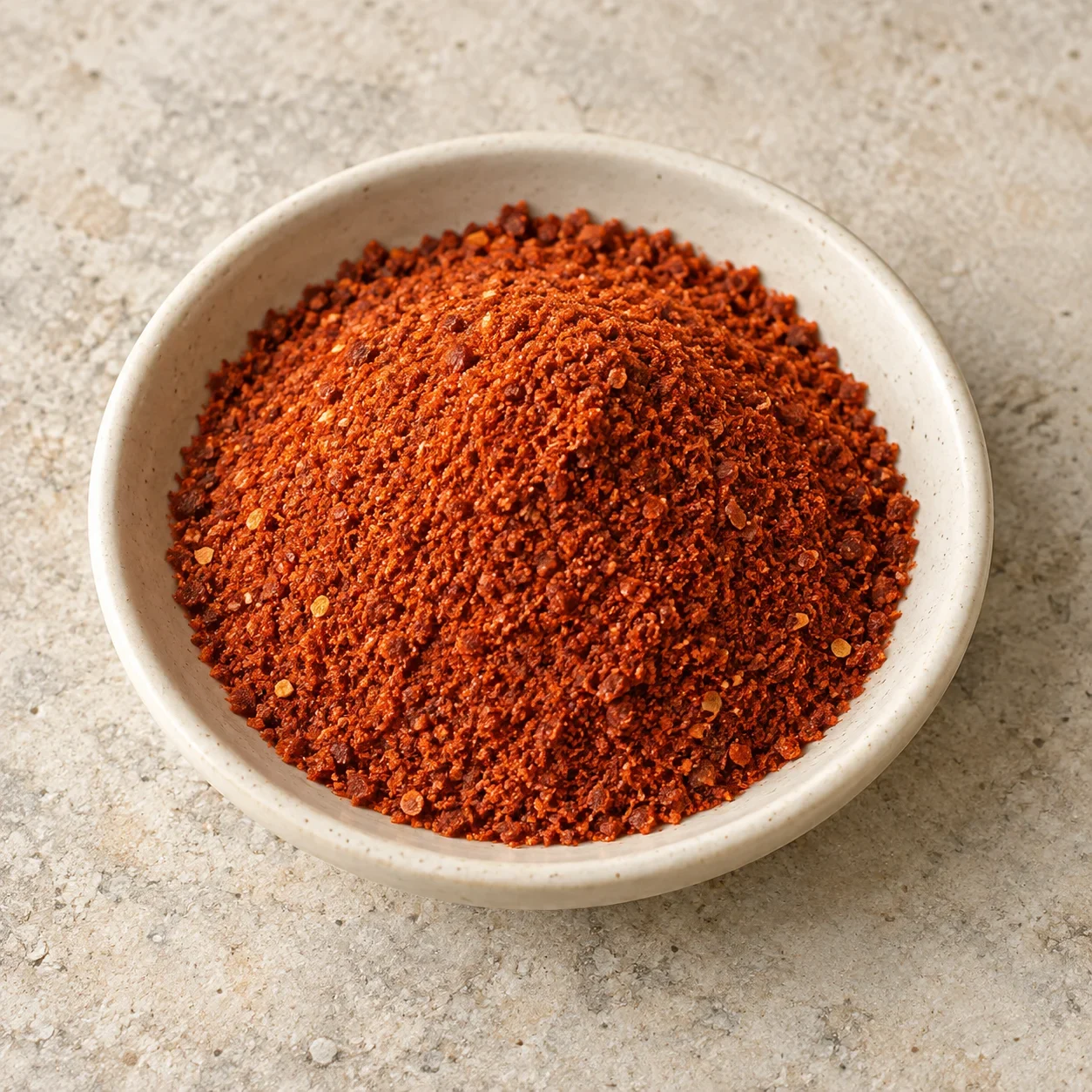
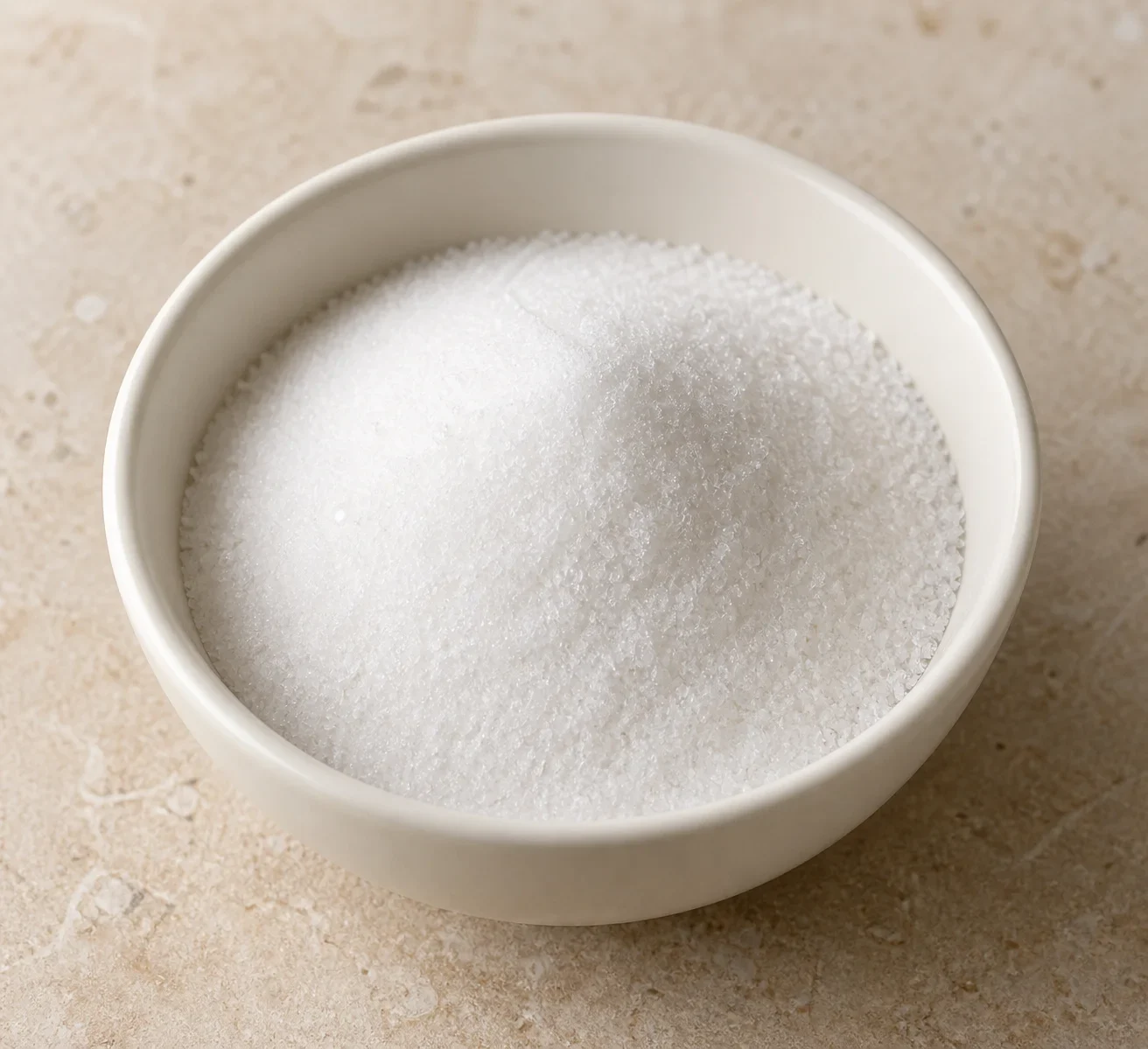
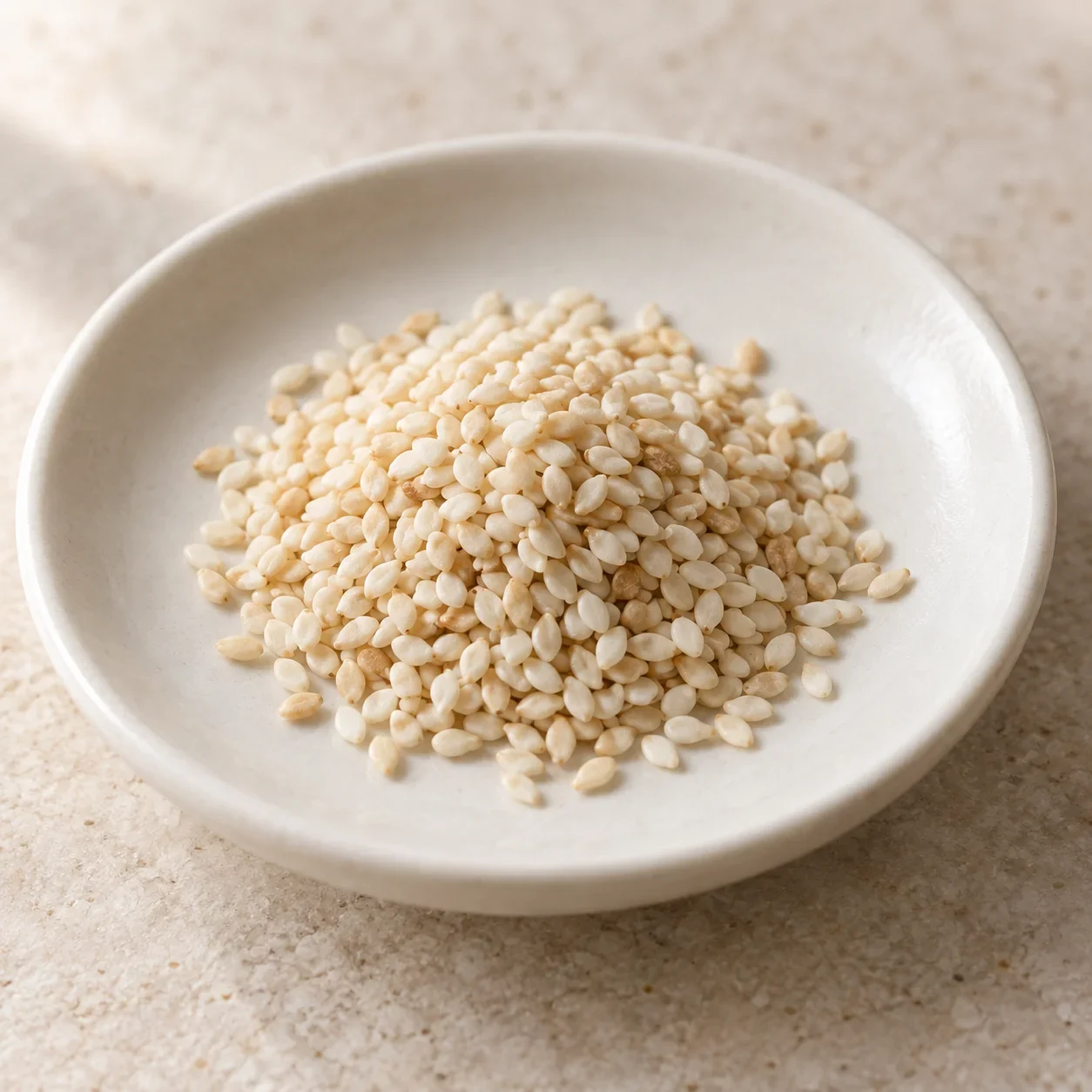
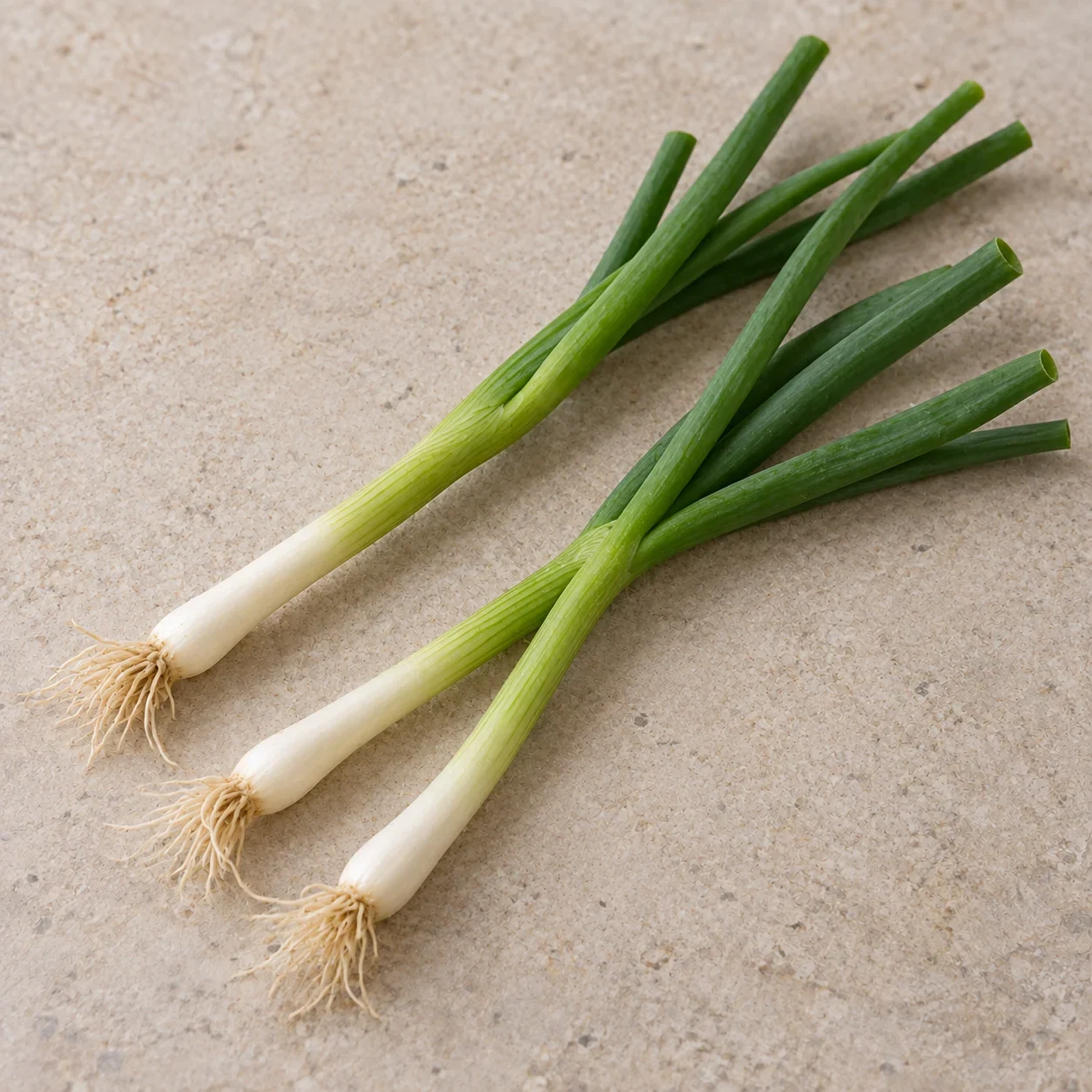
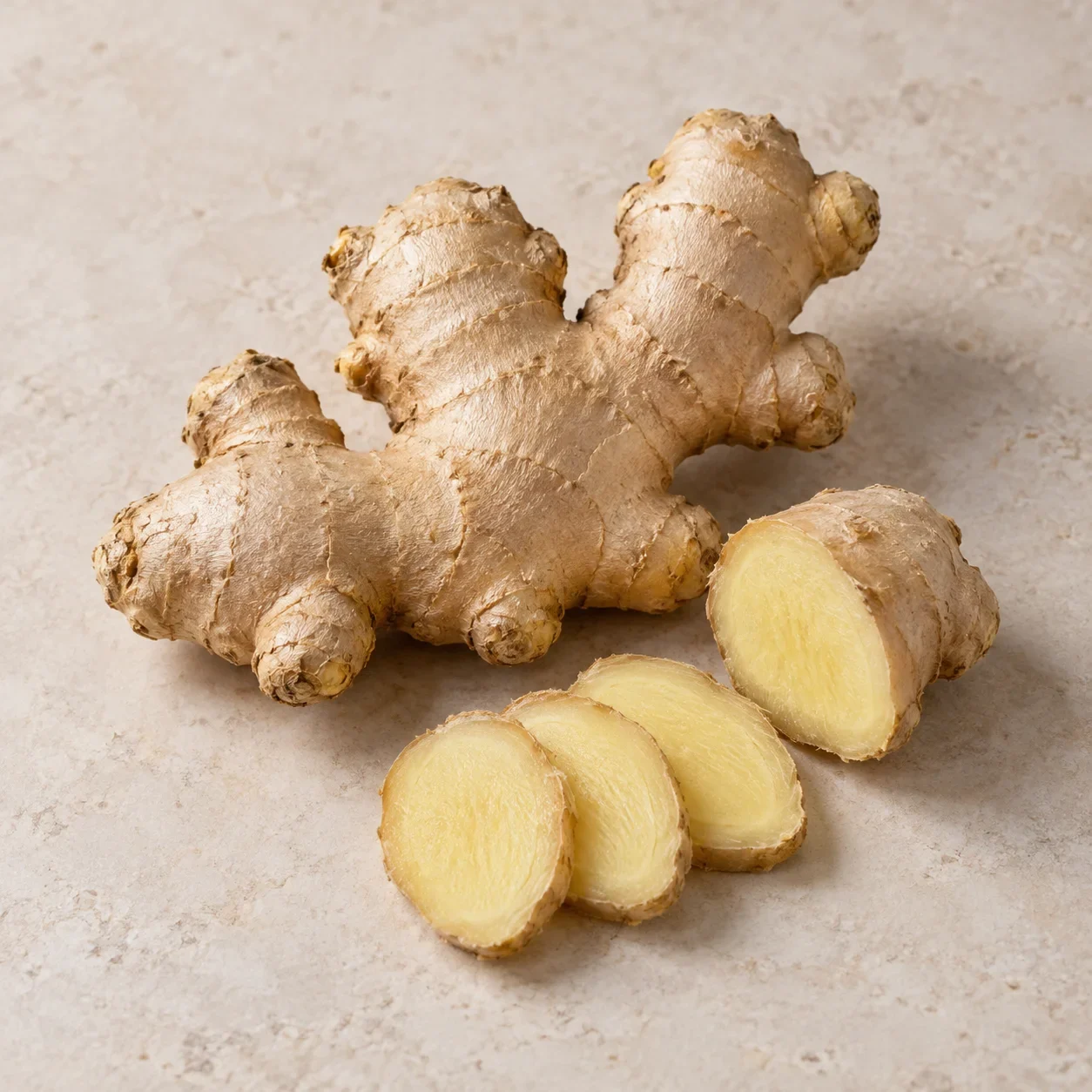
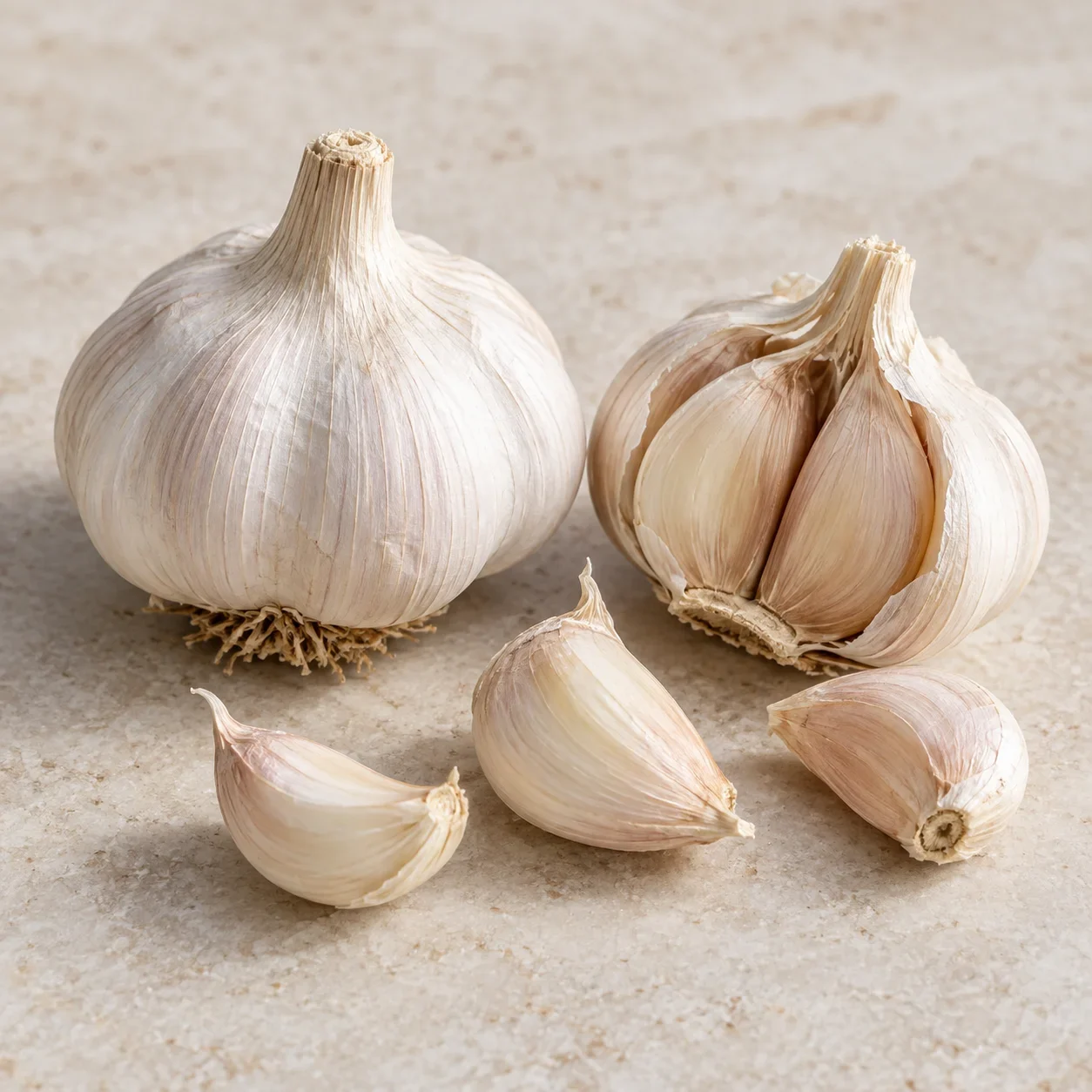
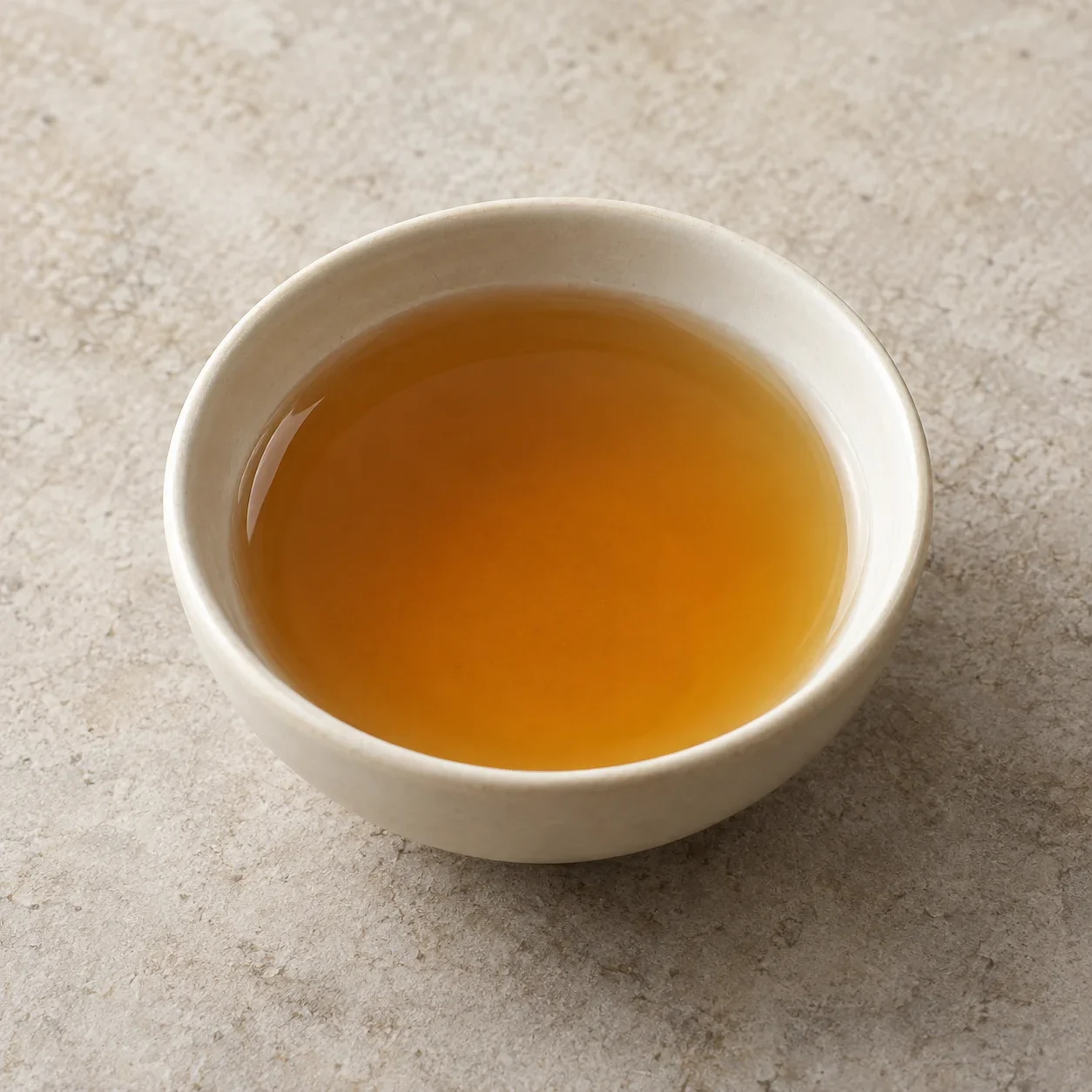
Recipes vary by restaurant.
How does it taste?
Savory squid with toasted cumin and a sweet-salty sauce in a common version. Chili powder or chili sauce adds heat; garlic, sesame and the balance of sweetness vary. Ask about both the sauce and dry seasoning when choosing the chili level.
- Chili heat
- Texture
- Tender but springy squid, with firmer tentacles and lightly seared edges. It is not a battered, crisp fried squid ring; prolonged cooking can make the flesh tough.
- How it’s made
- Cleaned squid is cut into pieces or opened and slit for a larger serving. Cook it on an oiled hot griddle or flat pan, turning and pressing as needed for contact with the surface. Add or brush on sauce and cook through, then finish with spices. A common sauce combines sweet wheat sauce, soy sauce and oyster sauce; cumin, chili, sugar, sesame and scallion may be added. Exact mixtures and whether the squid is marinated first vary.
Whole opened bodies, strips, rings and tentacle portions all appear. Some cooks use ginger, garlic or cooking wine, while others rely on a prepared barbecue or chili sauce. Sesame and scallion are optional finishes. Plate and skewer servings differ, and griddle cooking is distinct from charcoal grilling. No single sauce recipe defines every stall.
A CONNECTION TO PLACE
Origin & regional roots
Associated with Heilongjiang.
About this regional connection
Heilongjiang: Heihe Aihui night market named by provincial tourism; not exclusive origin.
Ask if they have it first
请问你们有铁板鱿鱼吗?
Do you have this item?
A LITTLE SOMETHING TO READ
Story & history
The sizzle of a night-market griddle
Hotplate squid is one of the snacks associated with Heihe’s Aihui night market, but it is also found across China. Its recognizable feature is the direct contact between squid and the hot metal surface, often accompanied by the sound of a spatula pressing and turning it. The local night-market association is not a claim that the dish originated in Heihe.