
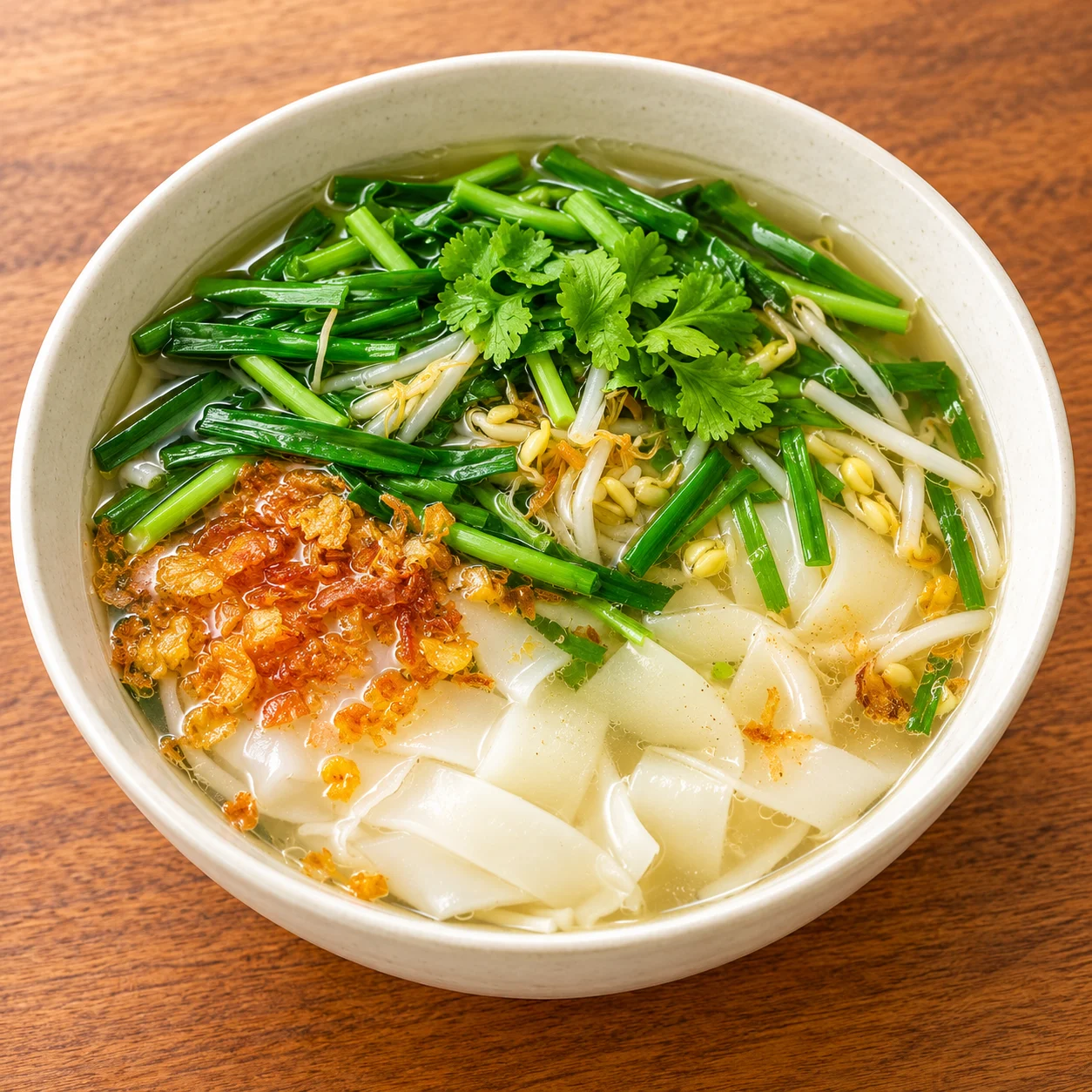
At the table
Use chopsticks for the noodles and a spoon for soup. Ask whether you are ordering soup, dry-tossed or stir-fried noodles.
Soup and toppings may contain pork, dried shrimp or other animal ingredients. Soy-based sauces may contain wheat. Check the noodle mixture, broth and toppings if avoiding particular ingredients.
Some noodle mixtures include added starch. Broth, meat, vegetables, fat and sauces vary; rice noodles alone do not establish a vegetarian or gluten-free meal.
GET TO KNOW THE DISH
What goes into it?
Explore some key ingredients below. Preparations may use additional seasonings and ingredients.
Some noodle mixtures include added starch. Broth, meat, vegetables, fat and sauces vary; rice noodles alone do not establish a vegetarian or gluten-free meal.
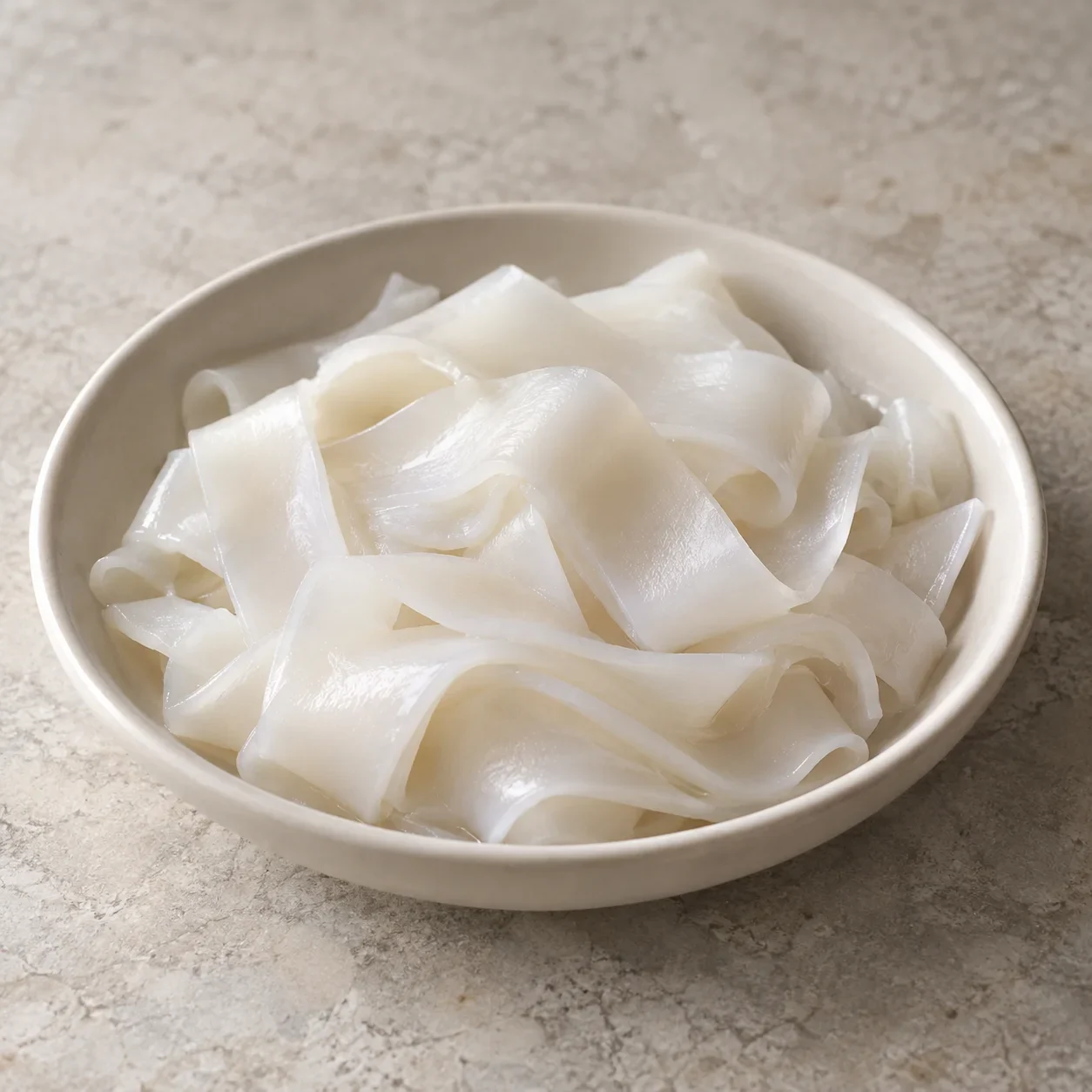
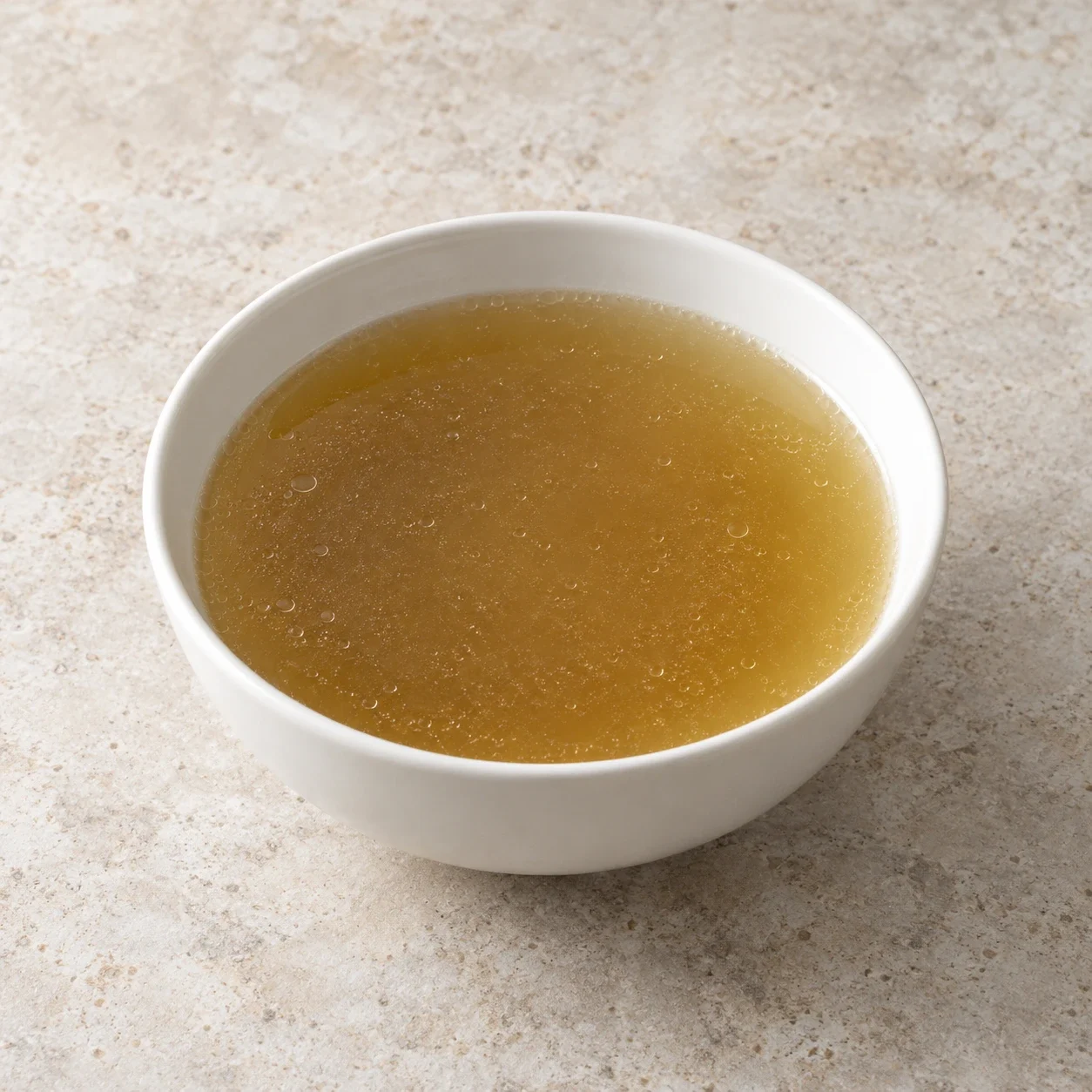
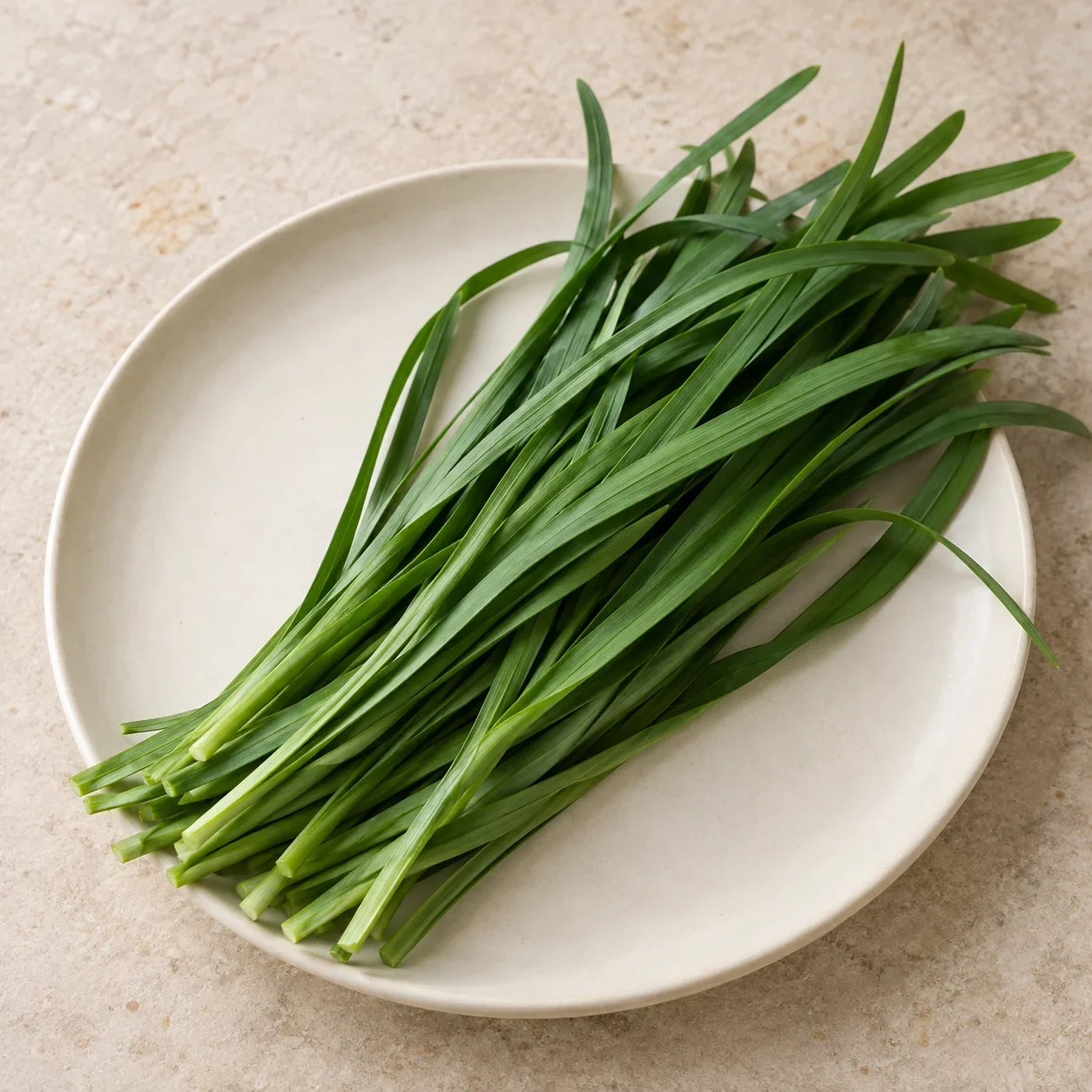
Typical ingredients
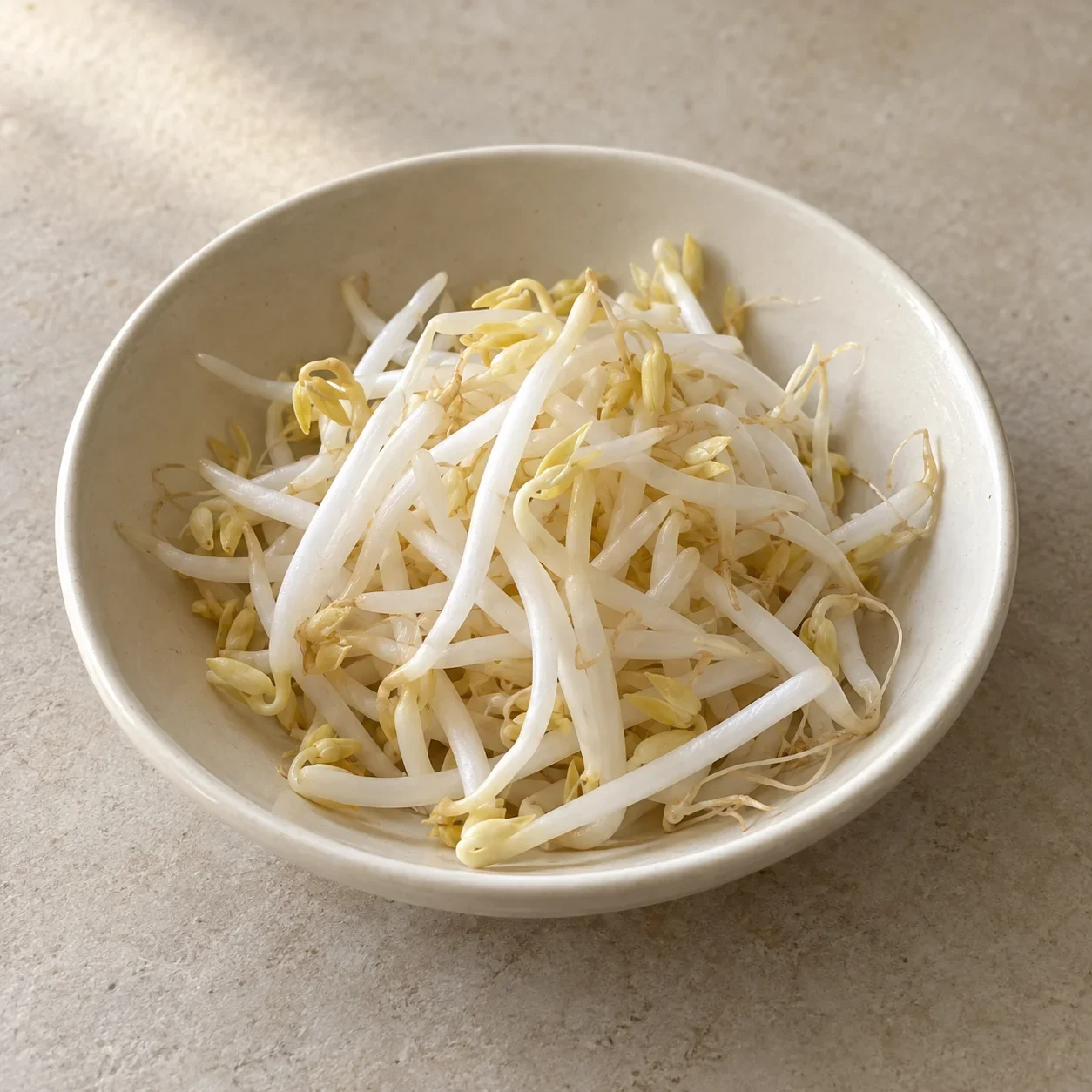
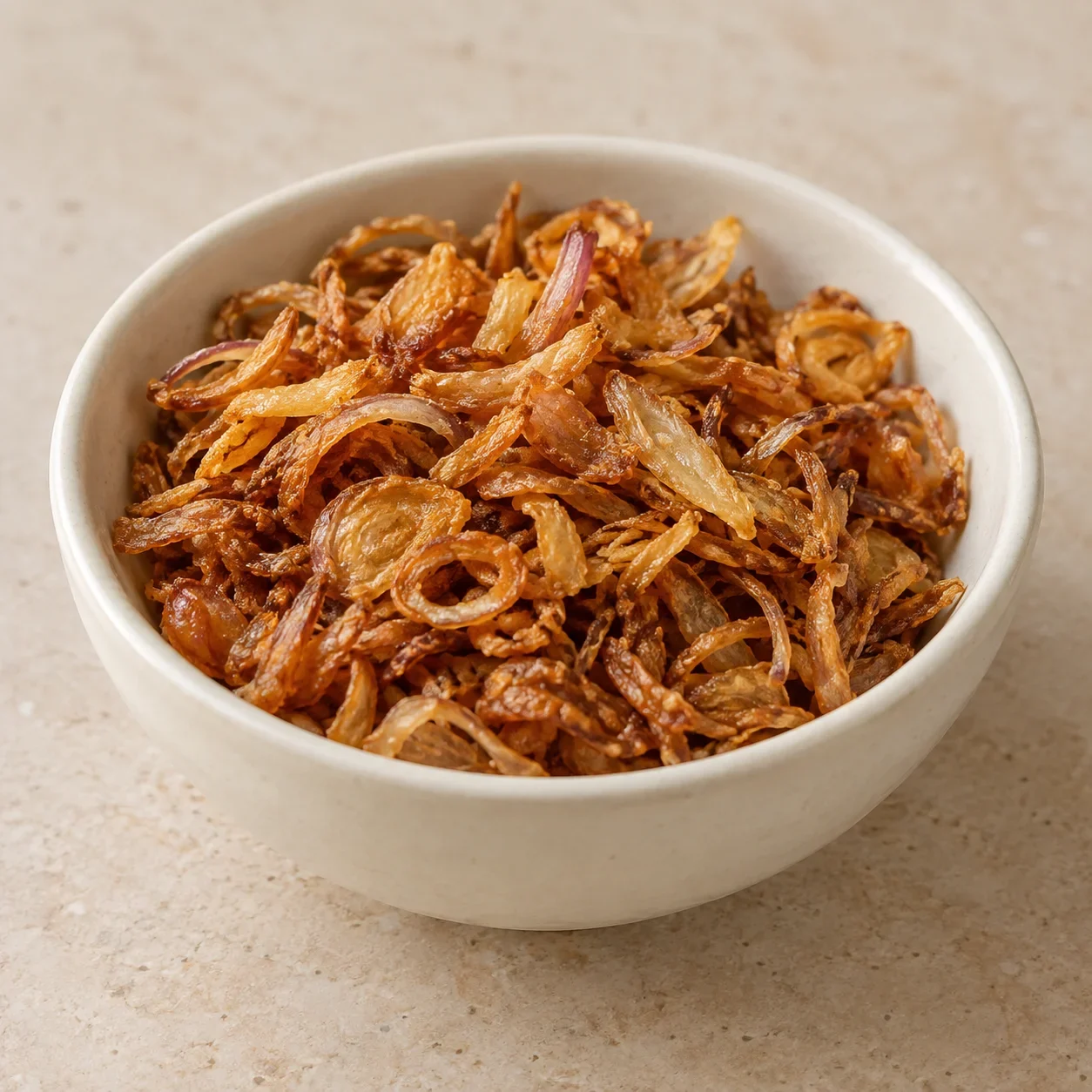
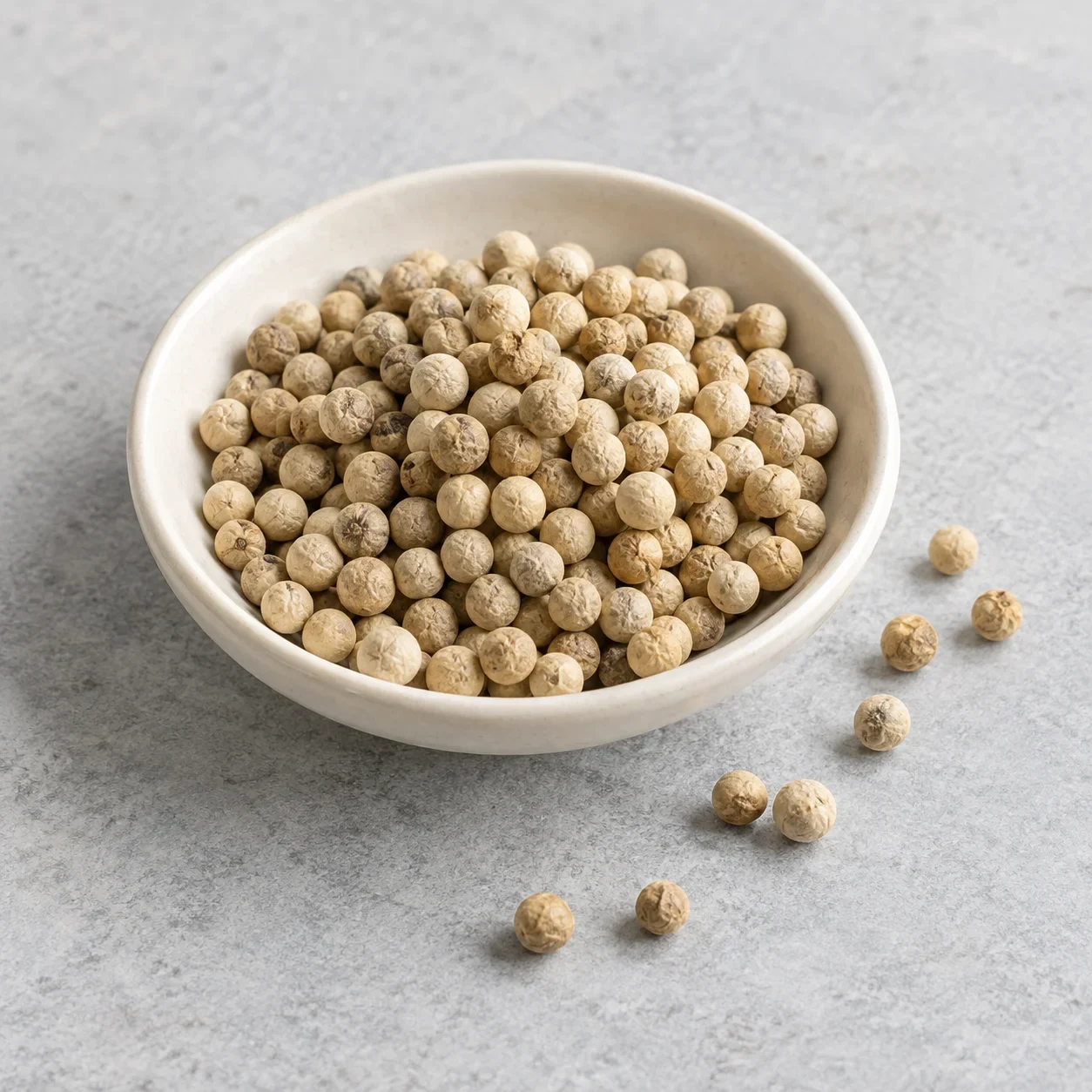
In some versions
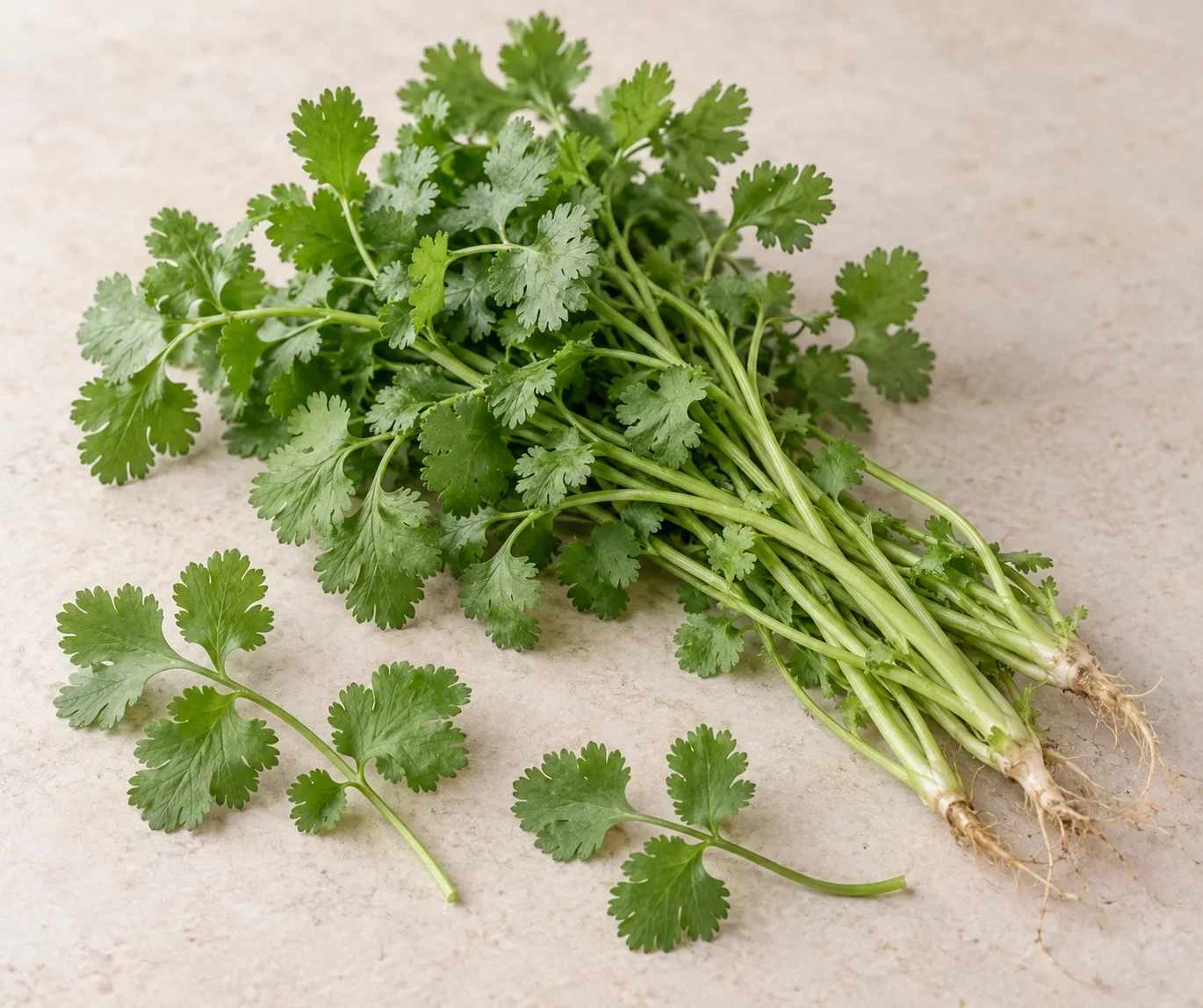
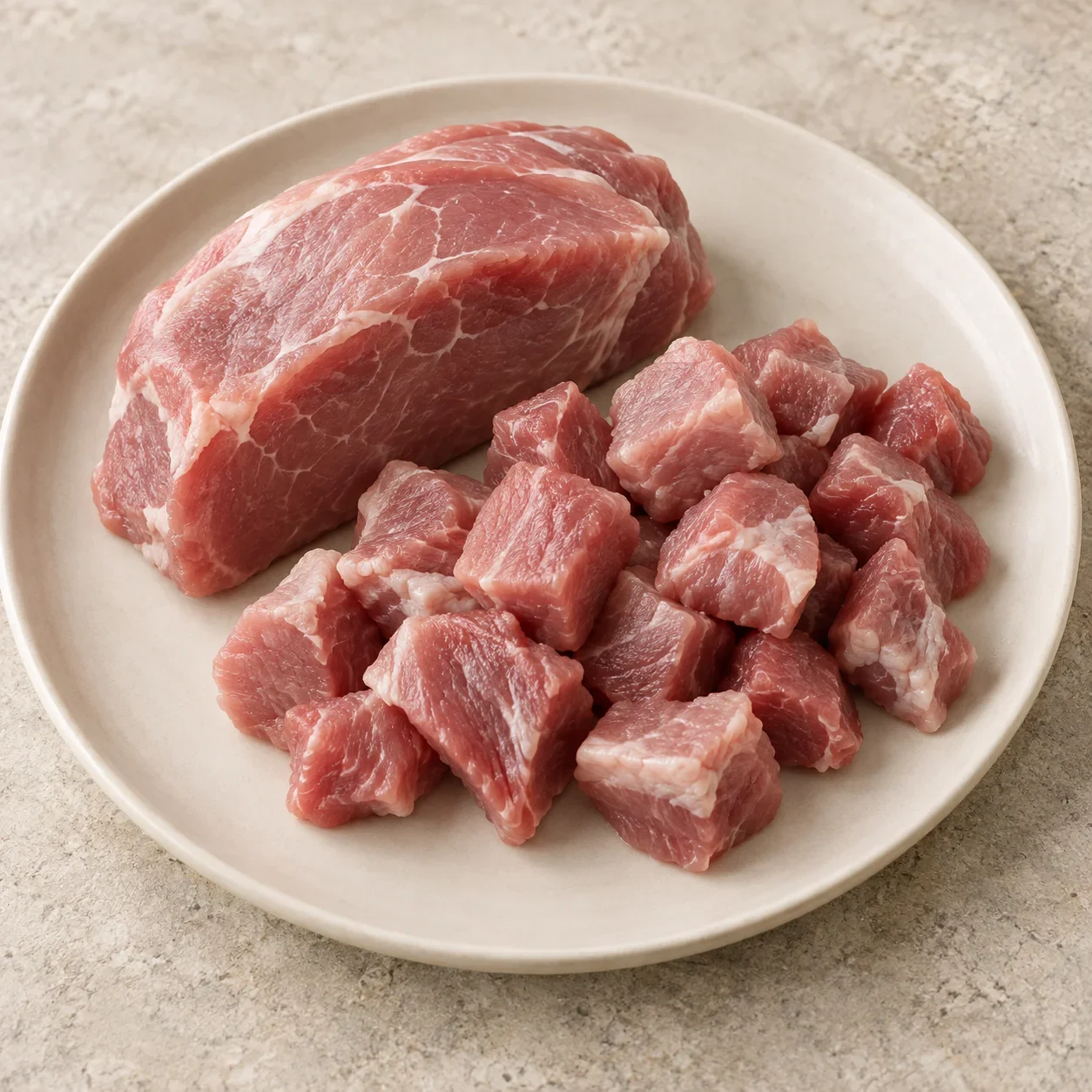
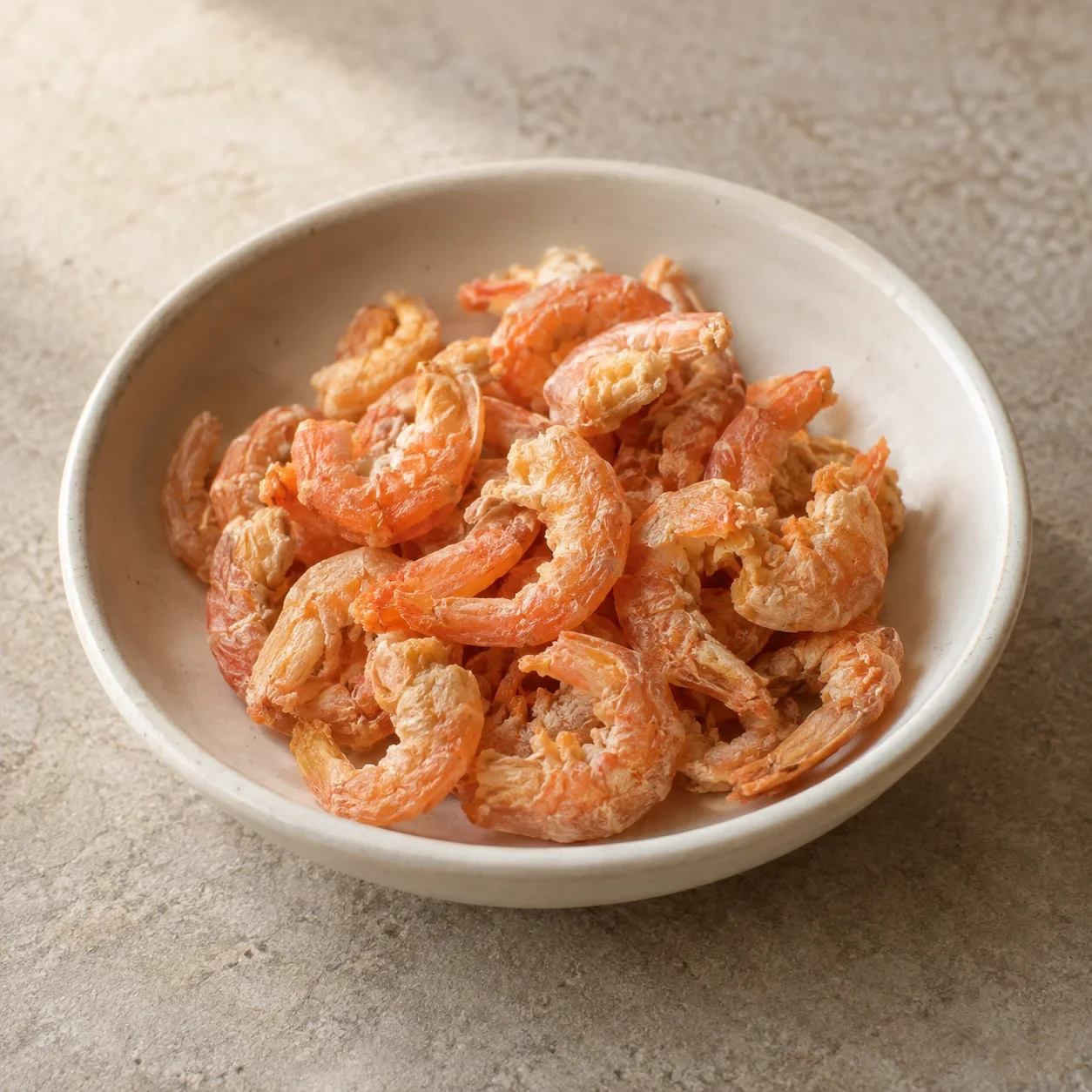
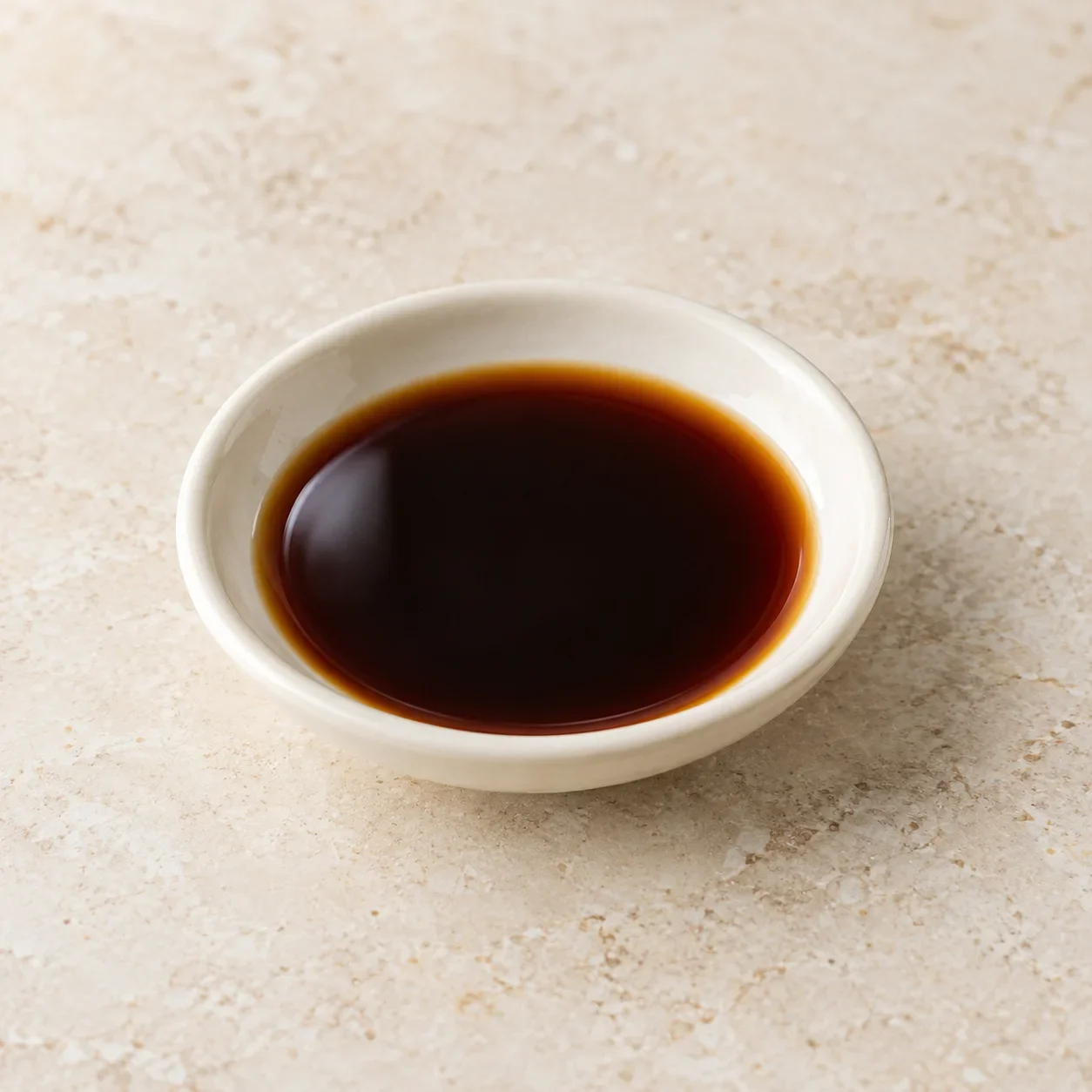
Recipes vary by restaurant.
How does it taste?
Mild rice flavor with savory broth or sauce; fried shallots often add aroma.
- Chili heat
- Texture
- Smooth, soft rice ribbons with a gentle chew; texture varies with the noodle mixture.
- How it’s made
- Rice slurry is steamed into thin sheets and cut into strips. The noodles are then briefly cooked in soup, dressed or stir-fried.
Some noodle mixtures include added starch. Broth, meat, vegetables, fat and sauces vary; rice noodles alone do not establish a vegetarian or gluten-free meal.
A CONNECTION TO PLACE
Origin & regional roots
Associated with Taiwan.
About this regional connection
Taiwan: Taiwanese Hakka rice noodles; southern towel-name and multiple serving styles documented.
Ask if they have it first
请问你们有客家粄条吗?
Do you have this item?
A LITTLE SOMETHING TO READ
Story & history
Rice sheets like a folded towel
In southern Taiwanese Hakka communities, these noodles are also called mian pa ban, referring to the towel-like sheets before they are cut.