
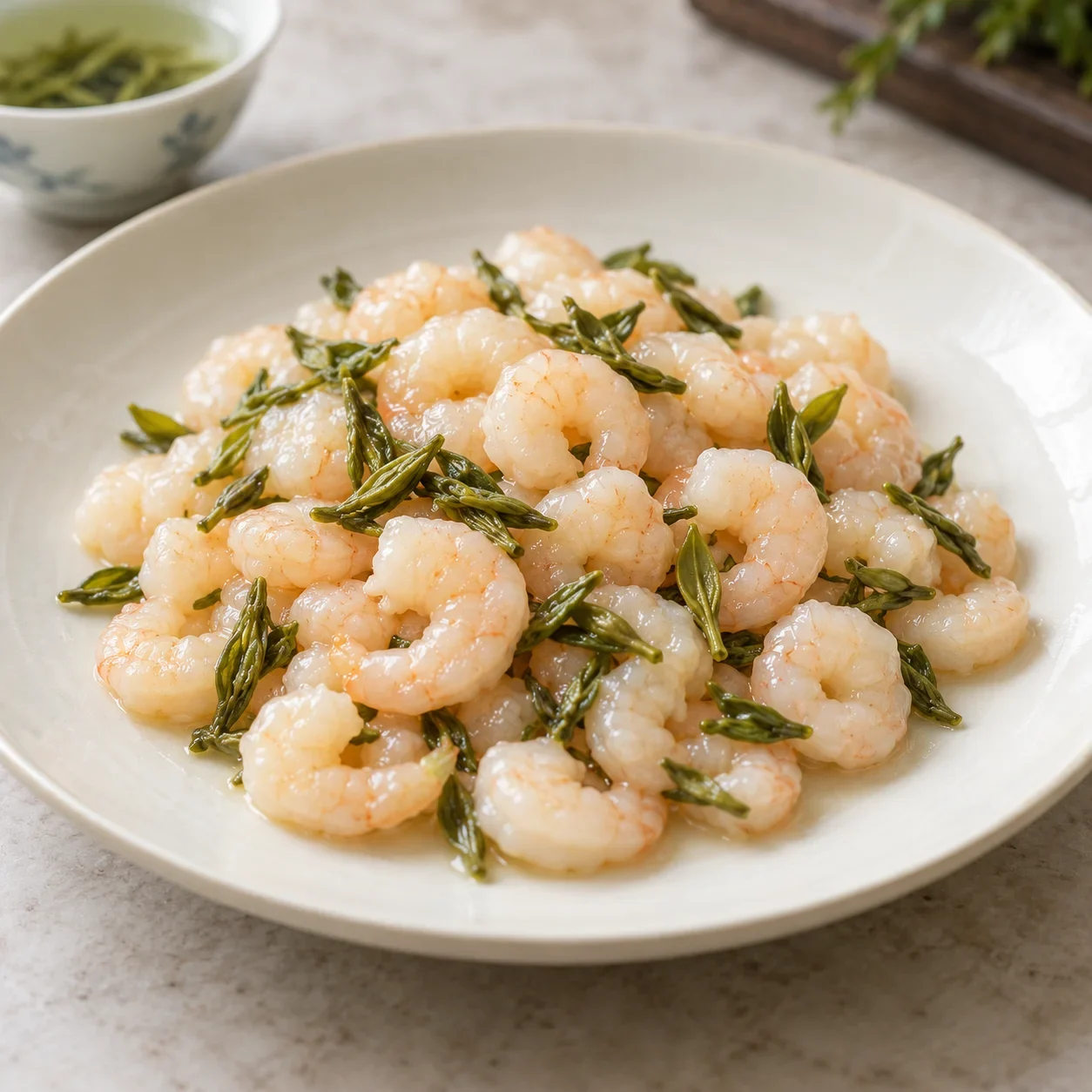
At the table
Eat the peeled shrimp warm, taking small bites to enjoy the light tea aroma.
Contains shrimp and commonly egg white. Confirm ingredients if you have allergies.
The representative preparation has no chili. Tea strength, coating and garnish vary by cook.
GET TO KNOW THE DISH
What goes into it?
Explore some key ingredients below. Preparations may use additional seasonings and ingredients.
The amount of tea and the use of infused leaves as a garnish vary.
Typical ingredients
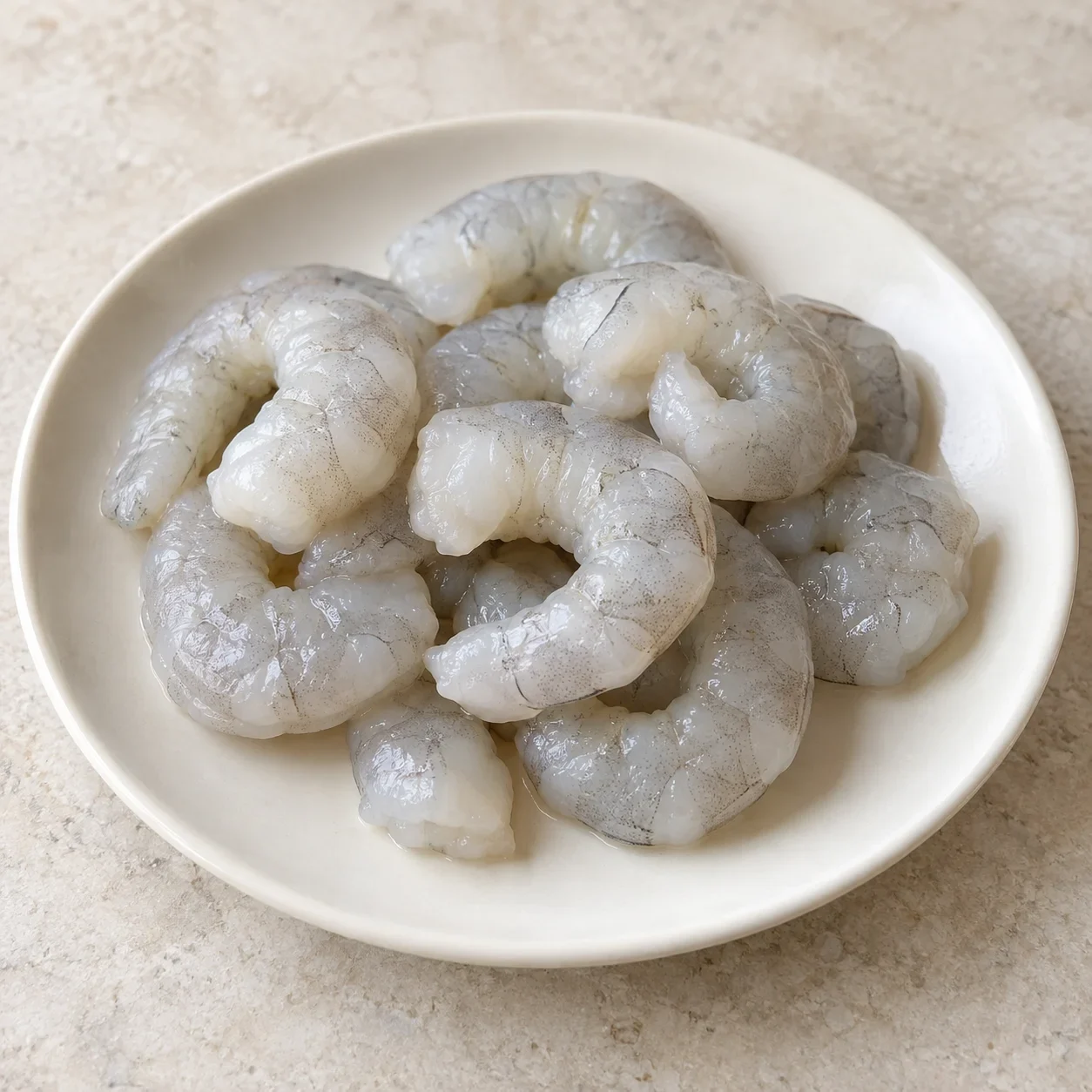
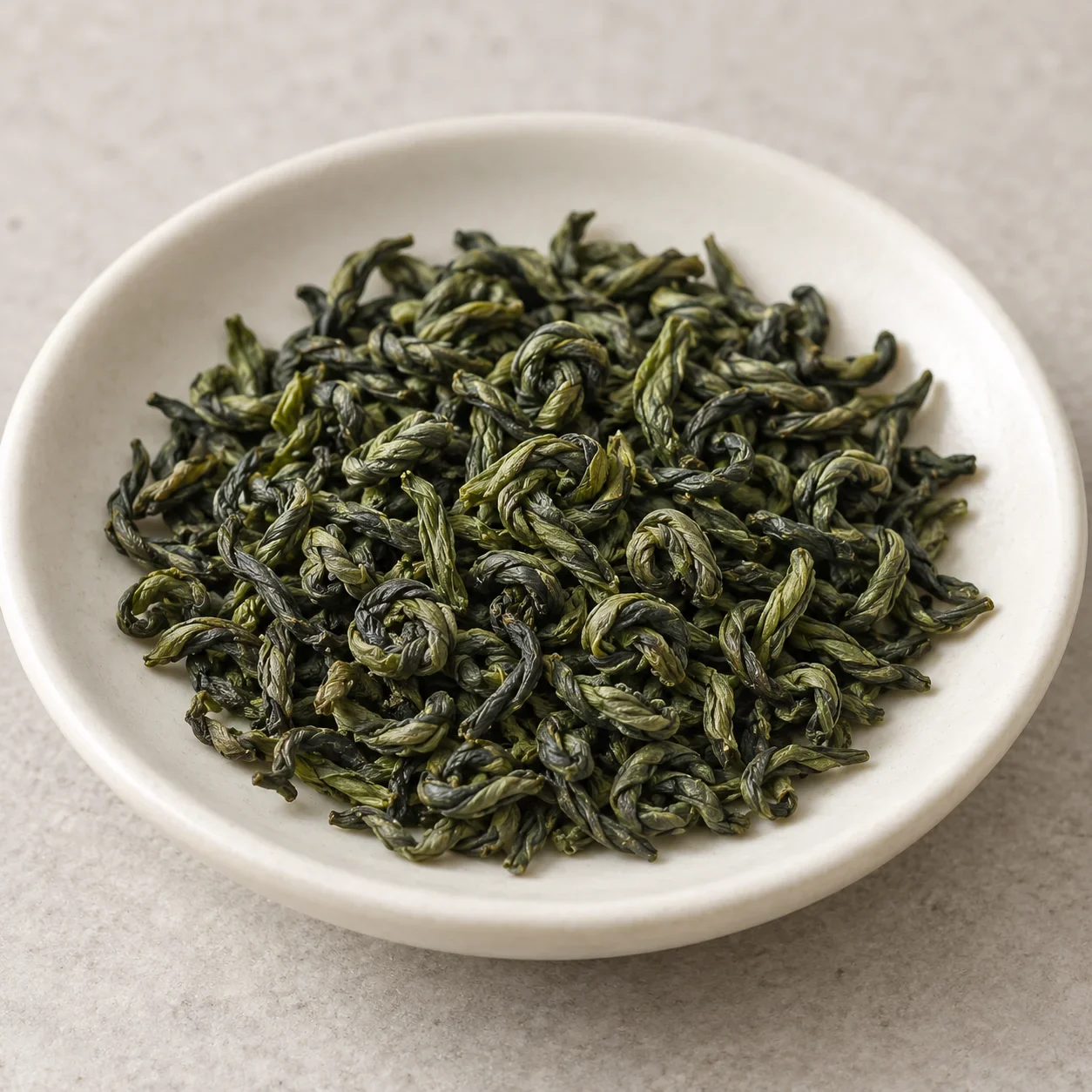

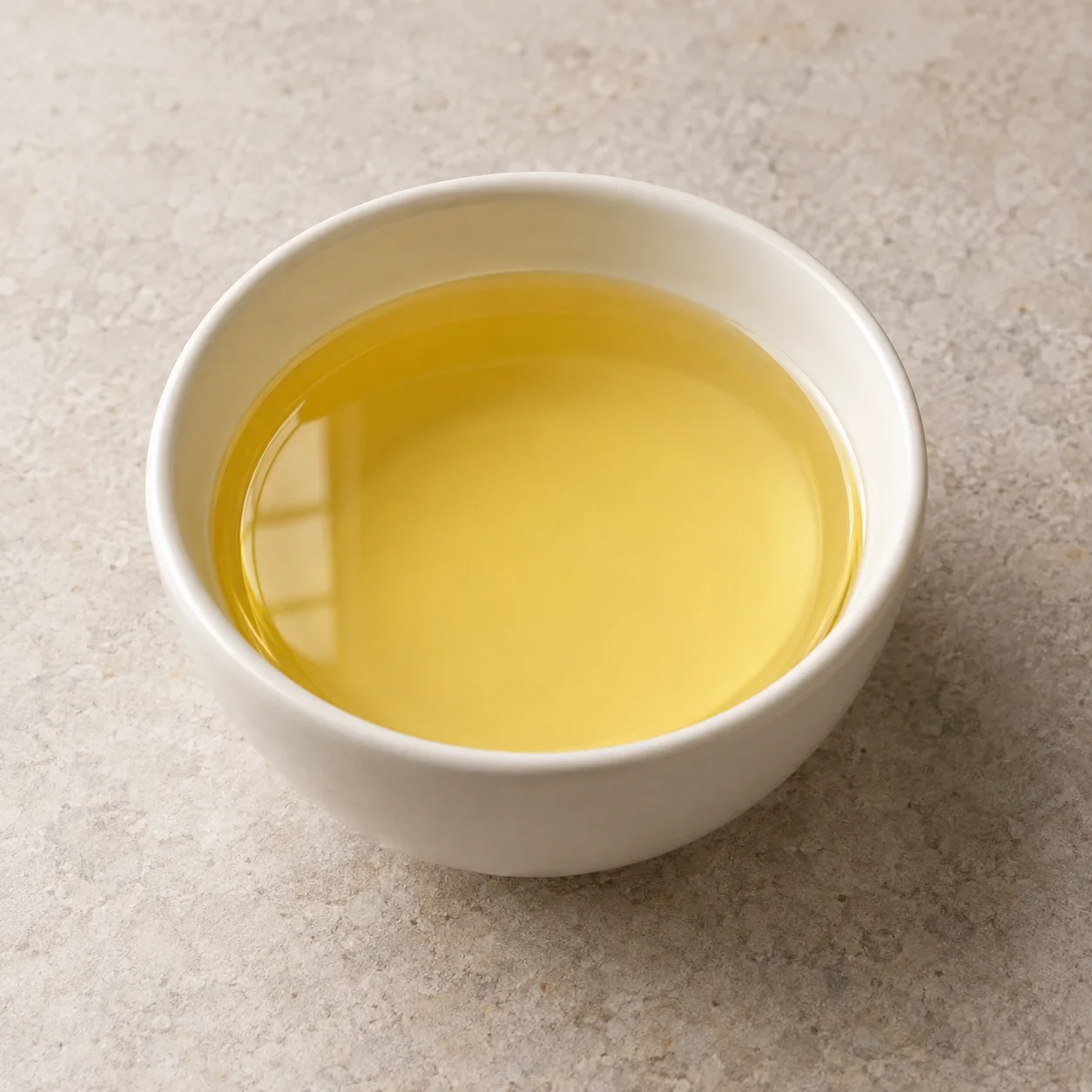
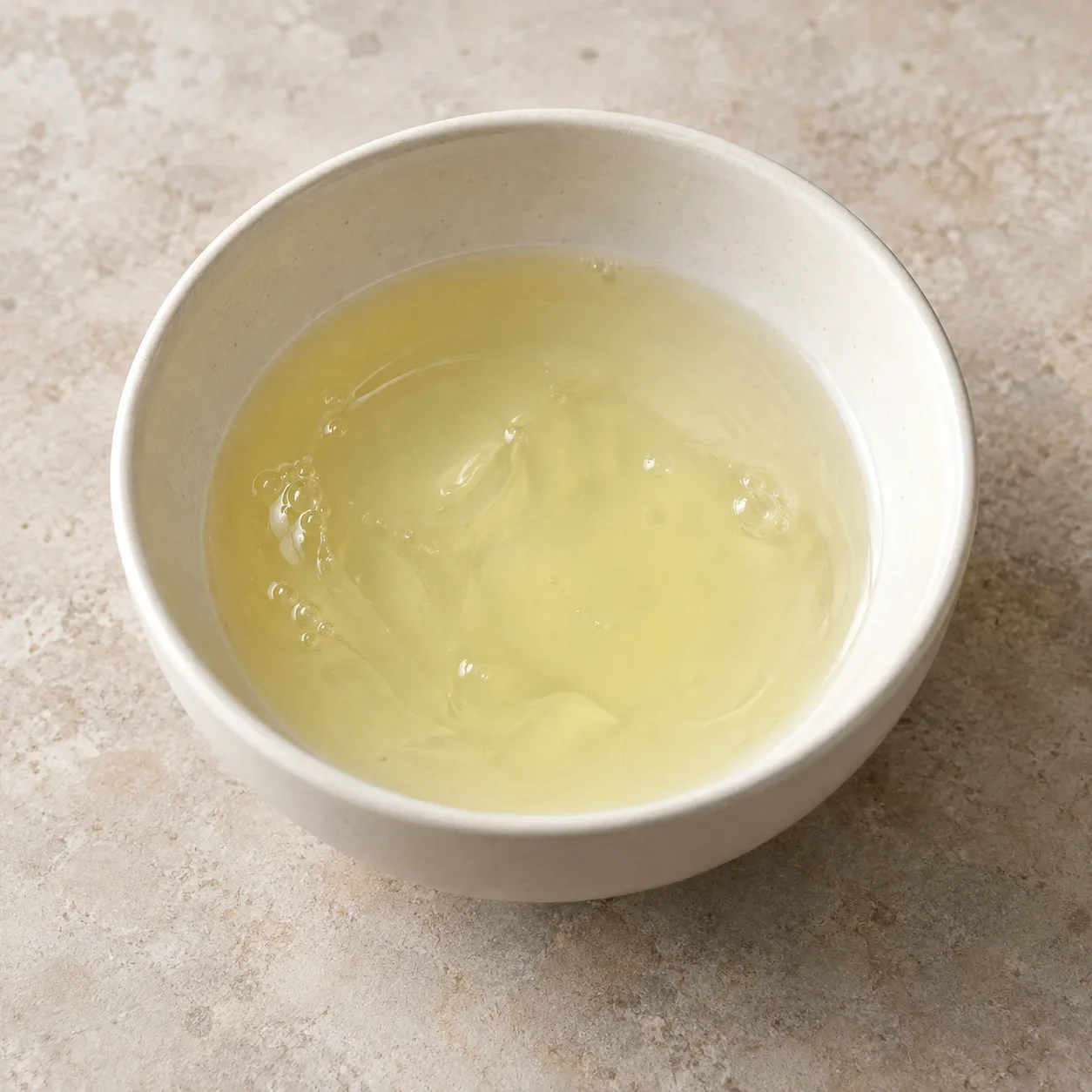
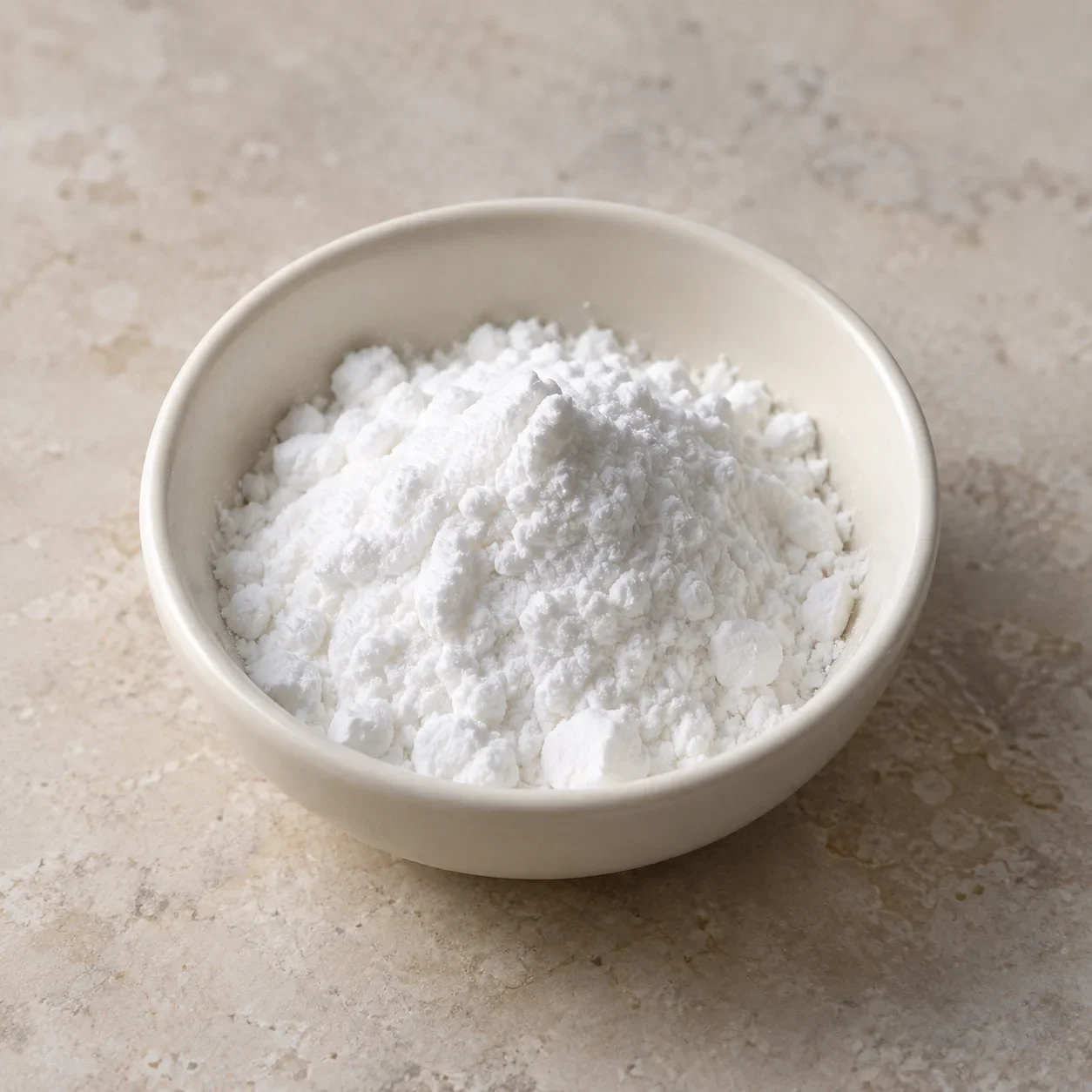
Recipes vary by restaurant.
How does it taste?
Delicate savory shrimp with a fresh tea fragrance.
- Chili heat
- Texture
- Tender, gently springy shrimp with a light coating.
- How it’s made
- Brew Biluochun tea. Lightly coat the shrimp with egg white and starch, cook gently in oil, then briefly toss with the tea infusion.
The amount of tea and the use of infused leaves as a garnish vary.
A CONNECTION TO PLACE
Origin & regional roots
Associated with Jiangsu.
About this regional connection
Jiangsu: Associated with Suzhou, Jiangsu.
Ask if they have it first
请问你们有碧螺春虾仁吗?
Do you have this item?
A LITTLE SOMETHING TO READ
Story & history
Suzhou Tea in the Wok
Biluochun is a green tea associated with the Dongting hills by Lake Tai near Suzhou. Here it becomes a cooking ingredient: its brewed infusion briefly meets peeled shrimp in the wok. The combination brings together a local tea fragrance and the sweetness of shrimp. A few infused leaves may decorate the plate, but the delicate aroma also comes from the tea liquid.