Choose your first bite
- Choose a bowl, a shared dish or a small bite to suit this meal.
- Open the food examples for the Chinese name and a closer look.
- Show the name when ordering, and ask about any ingredients you avoid.
Compare three breakfast textures
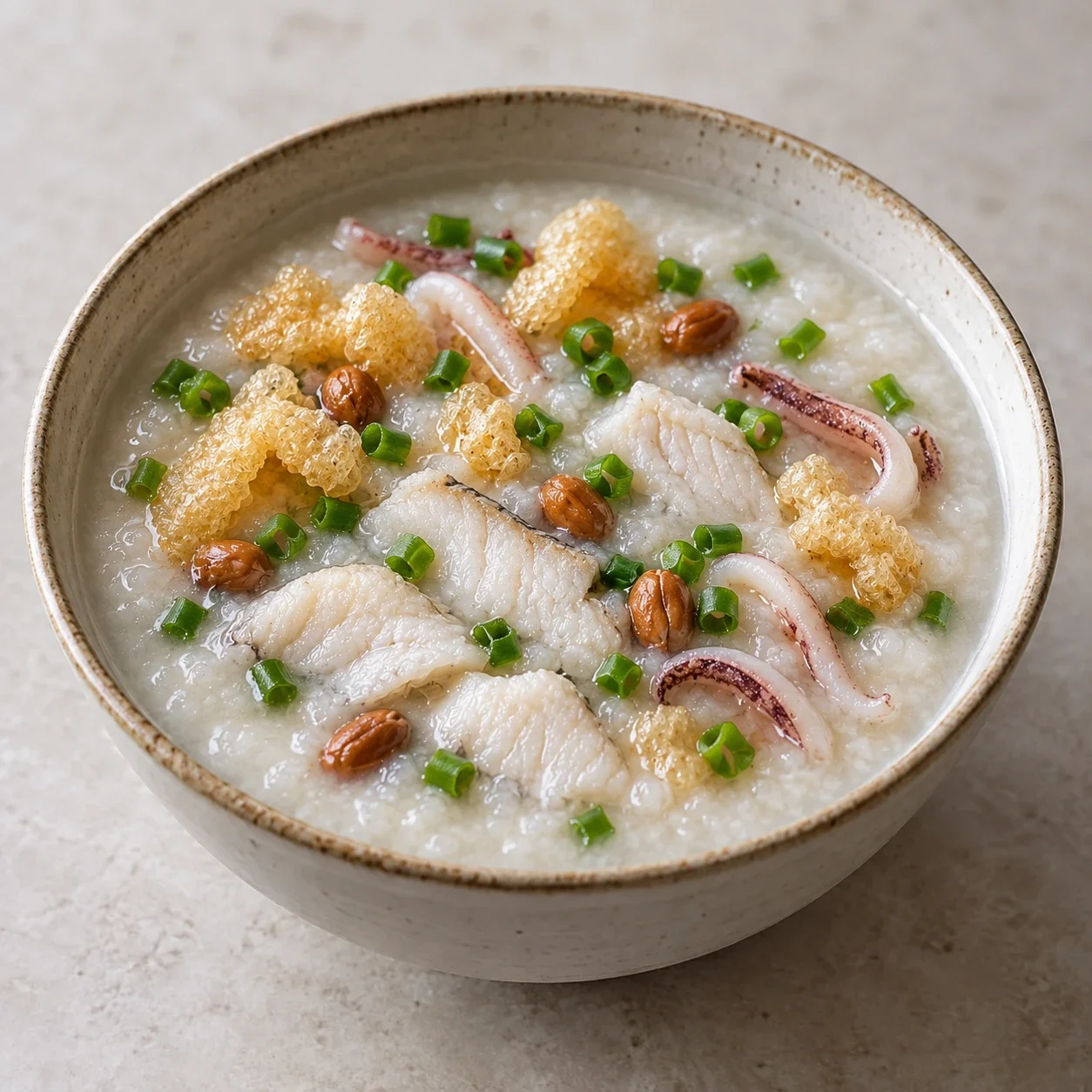
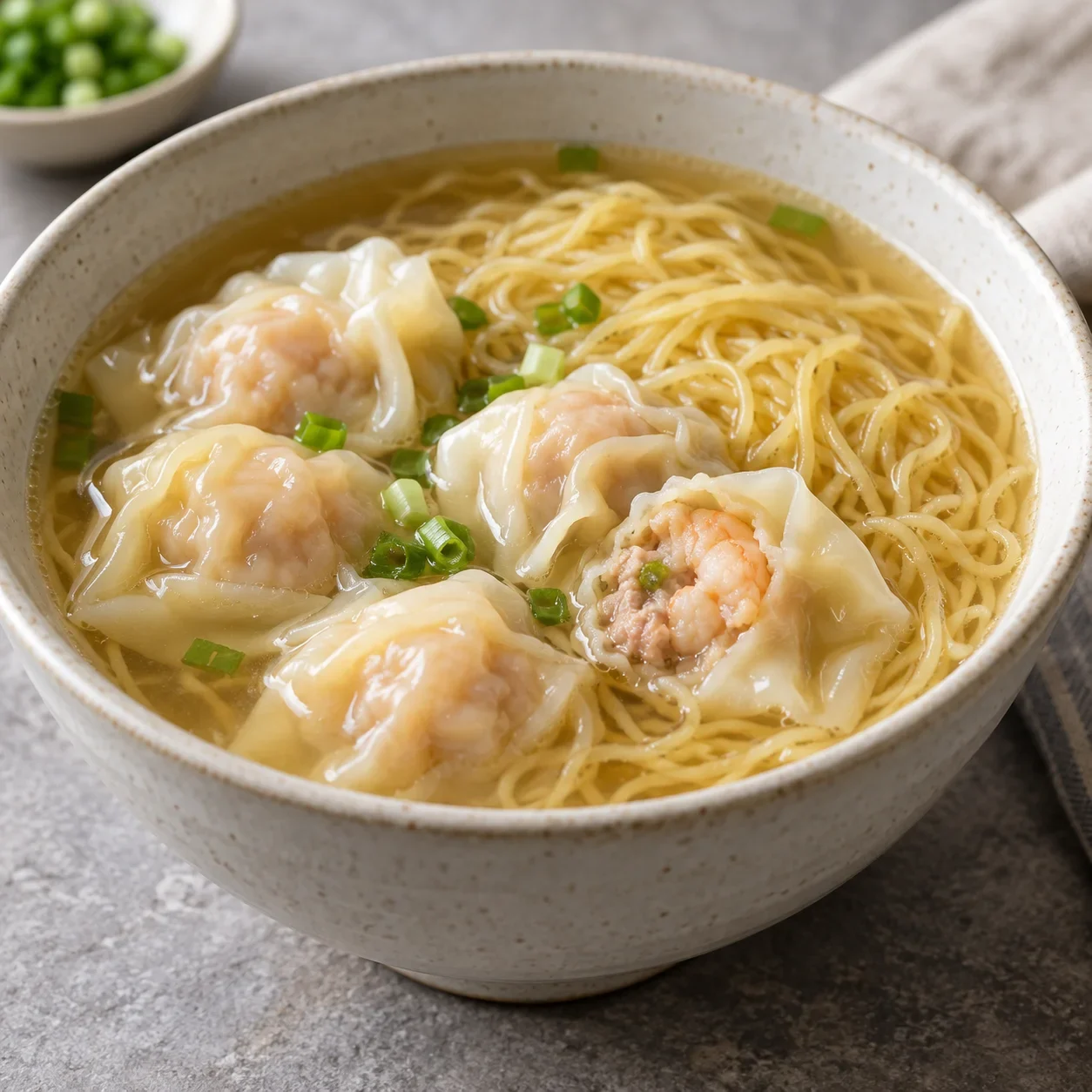
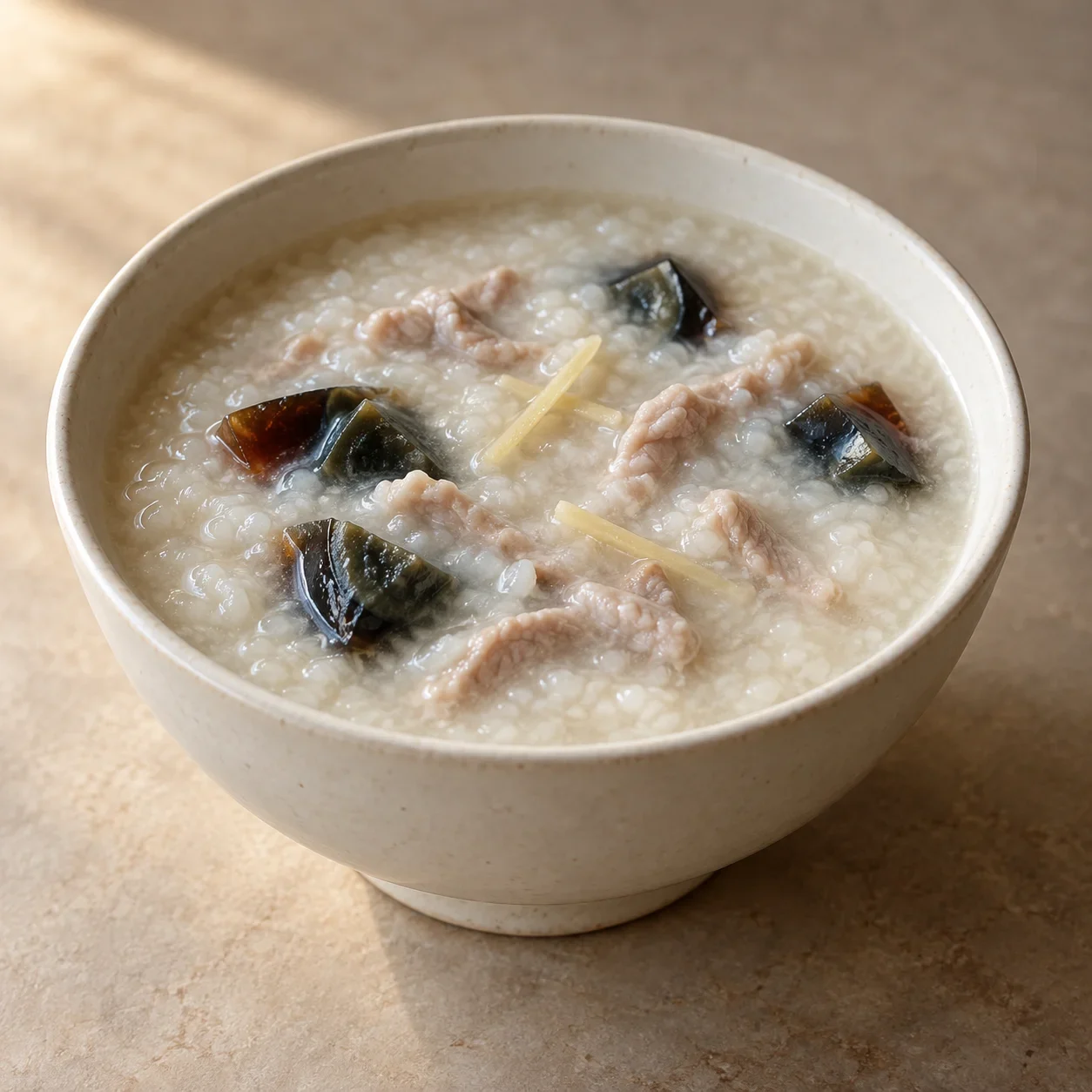
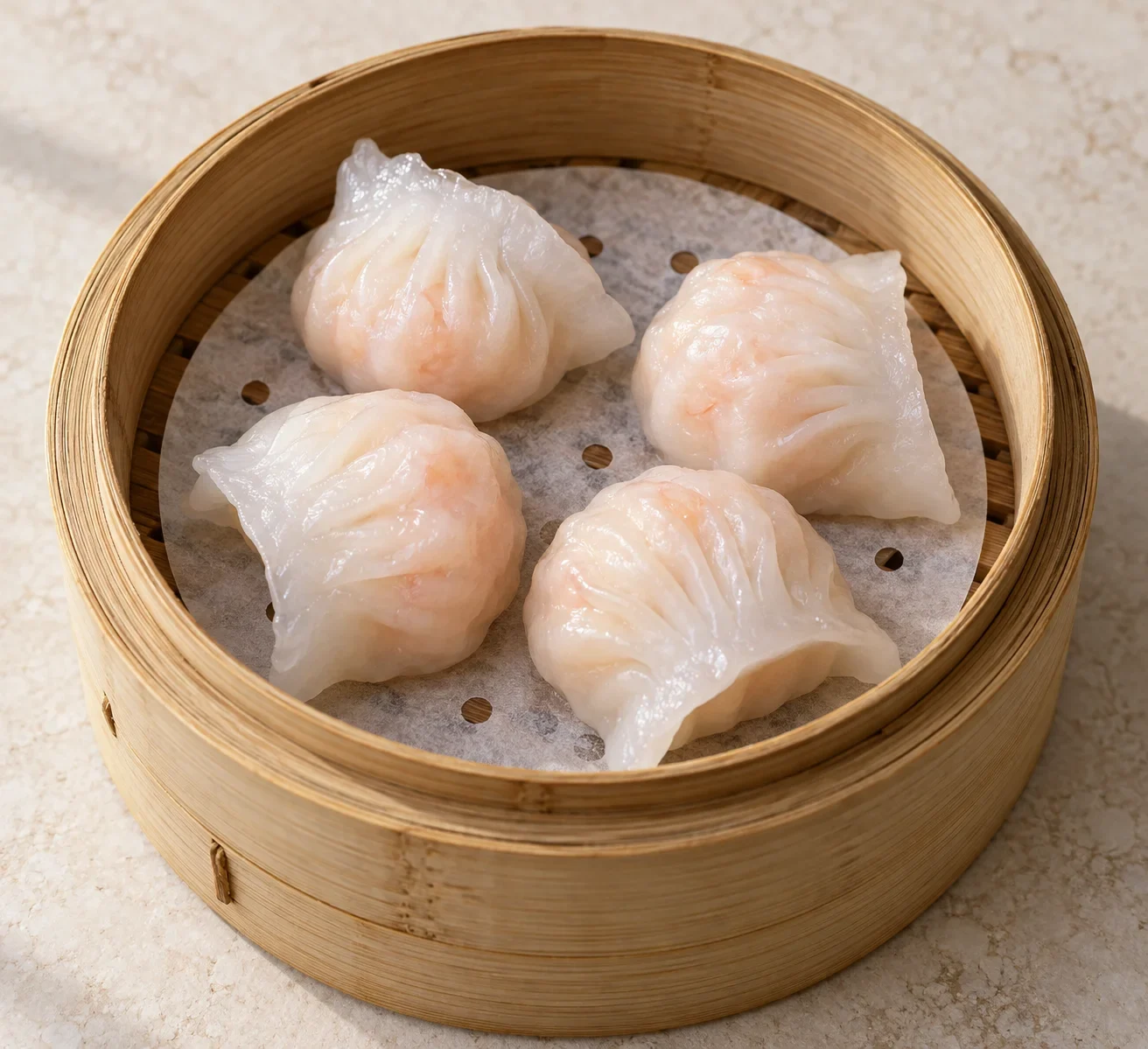
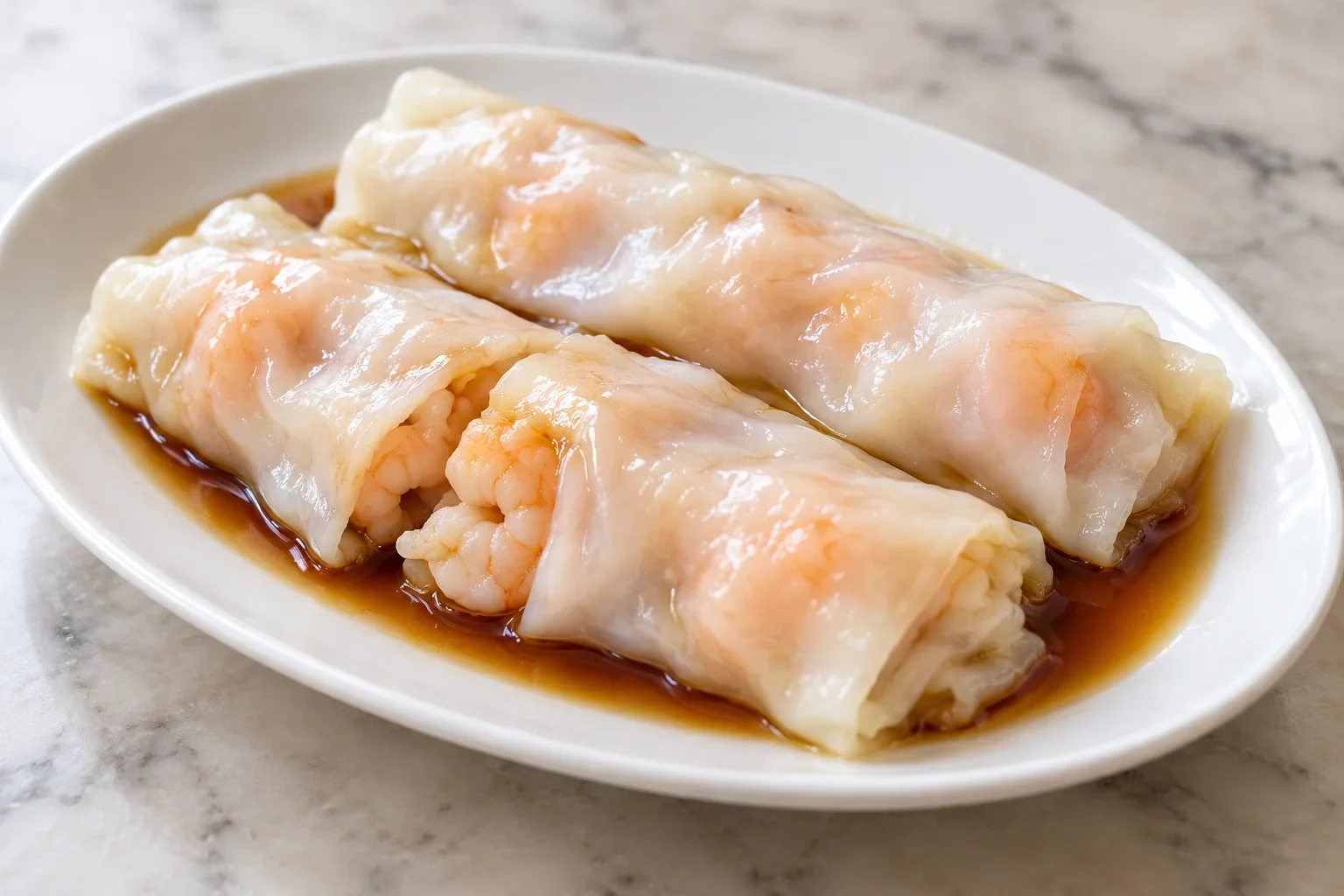
Rice noodle rolls are soft sheets around a filling; congee is a rice porridge; wonton noodles combine noodles and filled dumplings in a bowl. Choose by the texture and filling you prefer. Shrimp rolls and pork congee also show why a rice-based dish is not automatically vegetarian.
Read the name beyond the place
A local place name may refer to an ingredient, a preparation or a food tradition. It does not establish what every restaurant serves. Use the food examples to recognise dishes and ask about the actual filling, sauce and serving. The Guangzhou and dim sum guides offer more context for related Cantonese foods.
Shajing oysters · 沙井蚝
Shajing, in Shenzhen’s Bao’an district, has an oyster-farming and food tradition. Oyster cakes, fried oysters, oyster congee and grilled oysters are different preparations: the place name does not specify one recipe. Ask how the oysters are prepared before choosing.
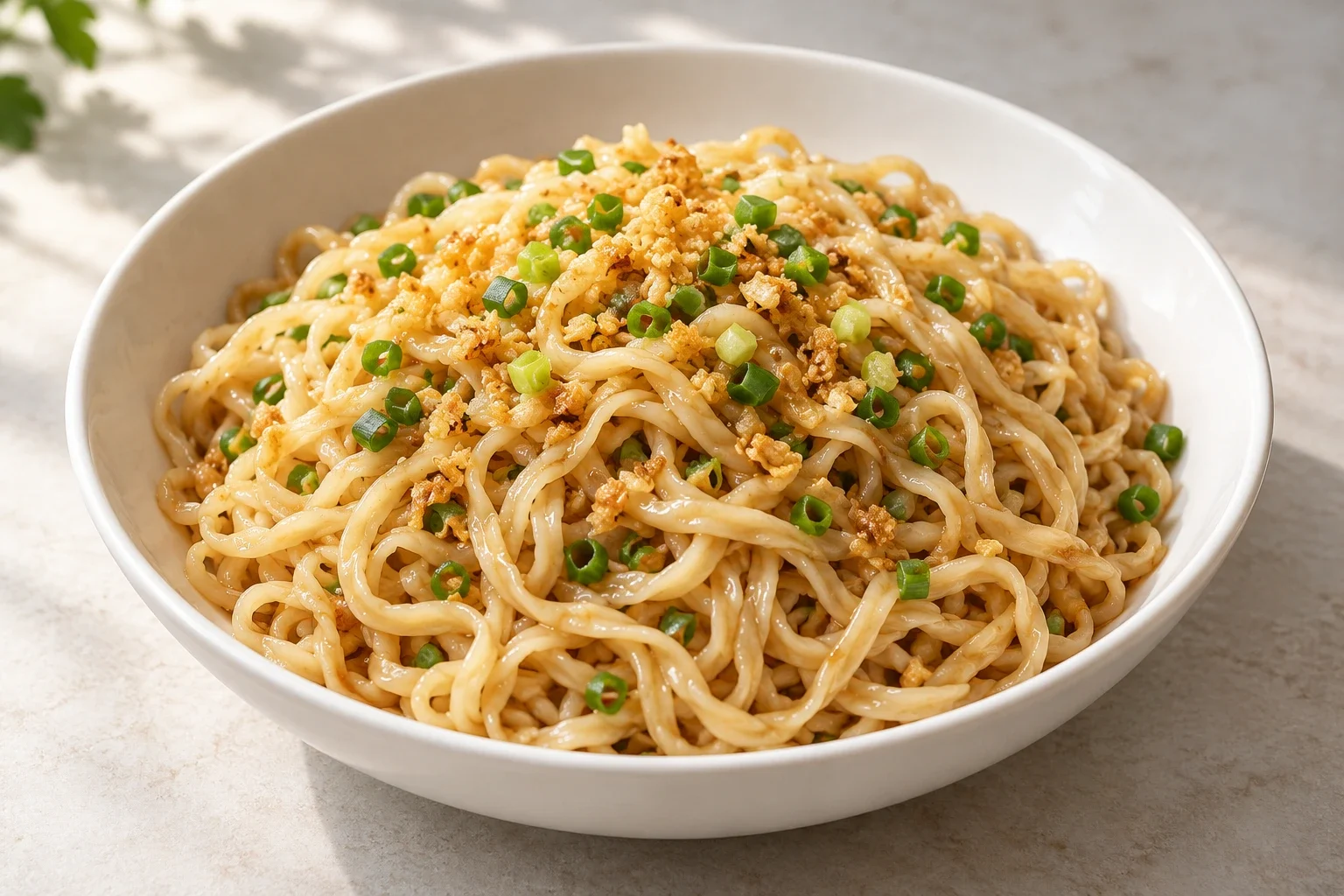
Hakka tossed noodles · 客家腌面
Meixian-style thin wheat noodles tossed with lard, fish sauce and soy sauce, topped with fried garlic and scallion. Here 腌 means mixing with seasoning, not pickling.
Contains wheat, fish and soy, and uses pork fat. It is not vegetarian or vegan.
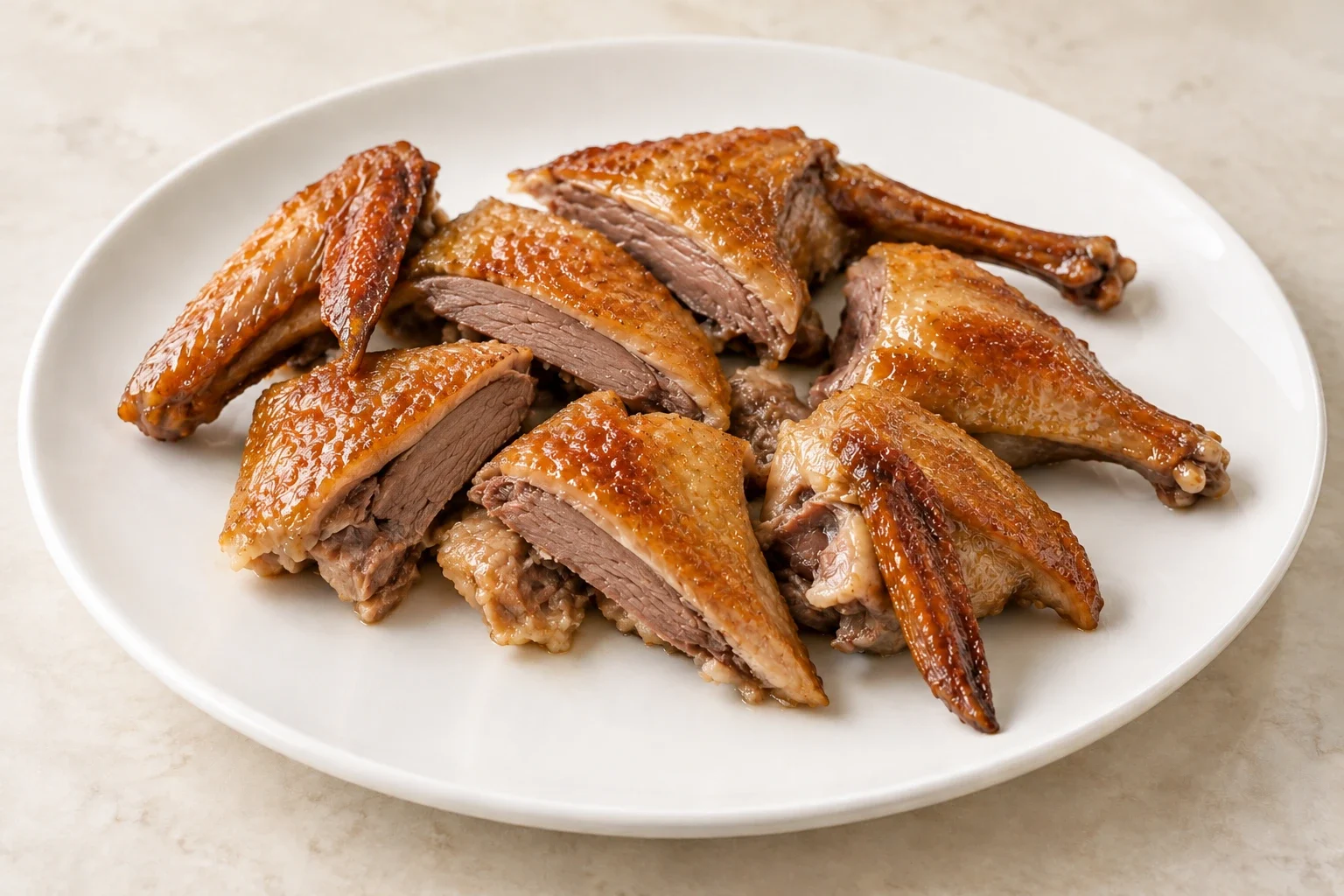
Guangming braised squab · 光明乳鸽
Young pigeon cooked in aromatic brine and briefly oil-basted or fried, a Shenzhen specialty associated with Guangming.
Contains pigeon and meat stock. Small bones remain; ask about the ingredients in compound seasonings if needed.
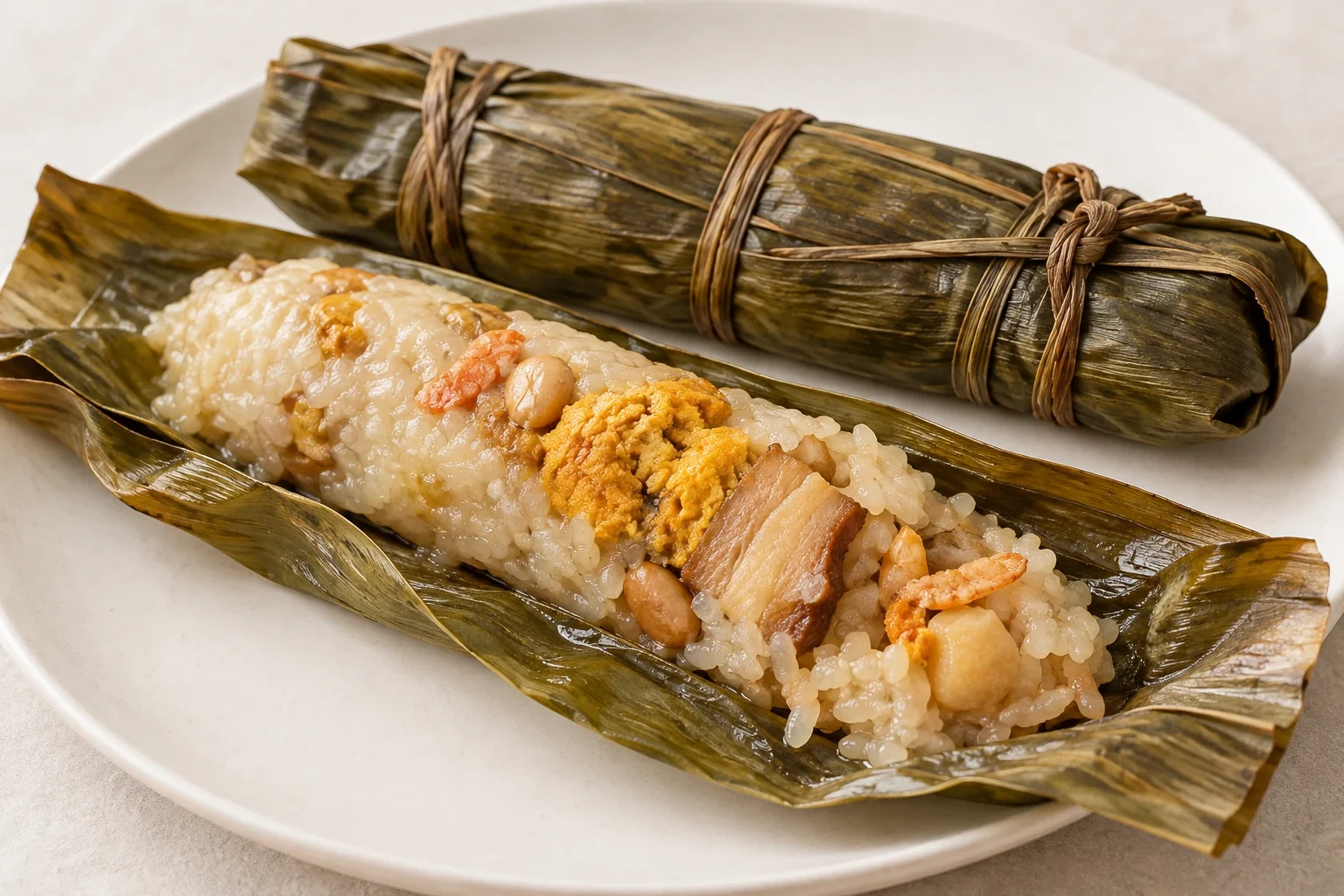
Nanao sea-urchin zongzi · 南澳海胆粽
A long leaf-wrapped glutinous-rice parcel from Nanao in Shenzhen’s Dapeng Peninsula, with sea urchin and pork belly. This version also includes radish, peanuts, dried shrimp and dried scallops.
Contains pork, sea urchin, shrimp, scallops and peanuts in this version. Check the marinade and other seasonings if avoiding ingredients or alcohol; the leaf and cord are not eaten.
Before you order
- Check fillings, broth and sauces as well as the main ingredient.
- Ask about the serving size before ordering several dishes.
Phrases to show at the table
这里面有什么食材?
What is in this?
可以少放一点辣椒吗?
Can you make this less spicy?
这个含饮料吗?
Is a drink included?
这个是甜的还是咸的?
Is this sweet or savoury?
Turn curiosity into a shortlist.
Pick one food you are curious about and keep its Chinese name with your notes. Use the questions above when you compare it with a restaurant menu.
Explore the food