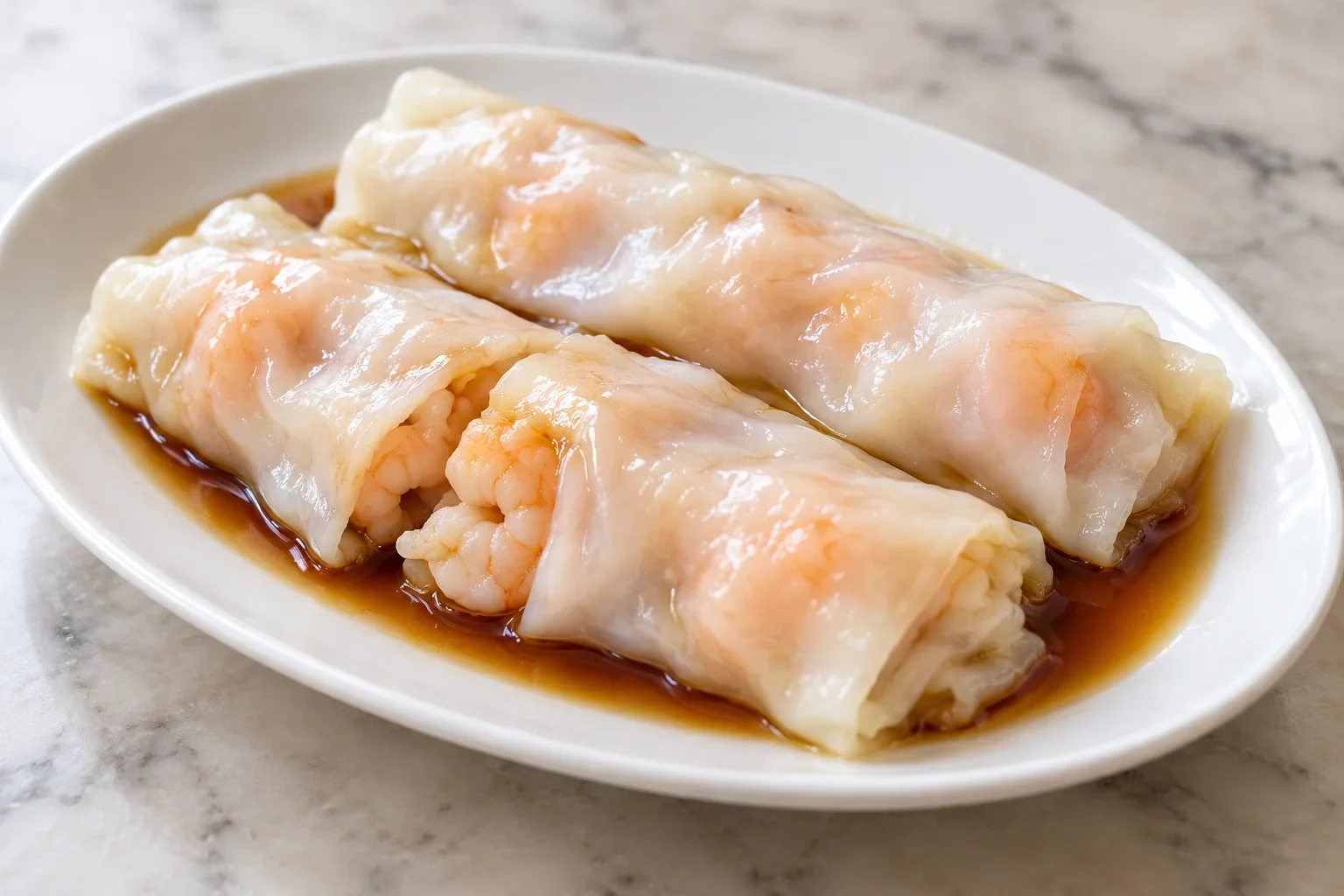
At the table
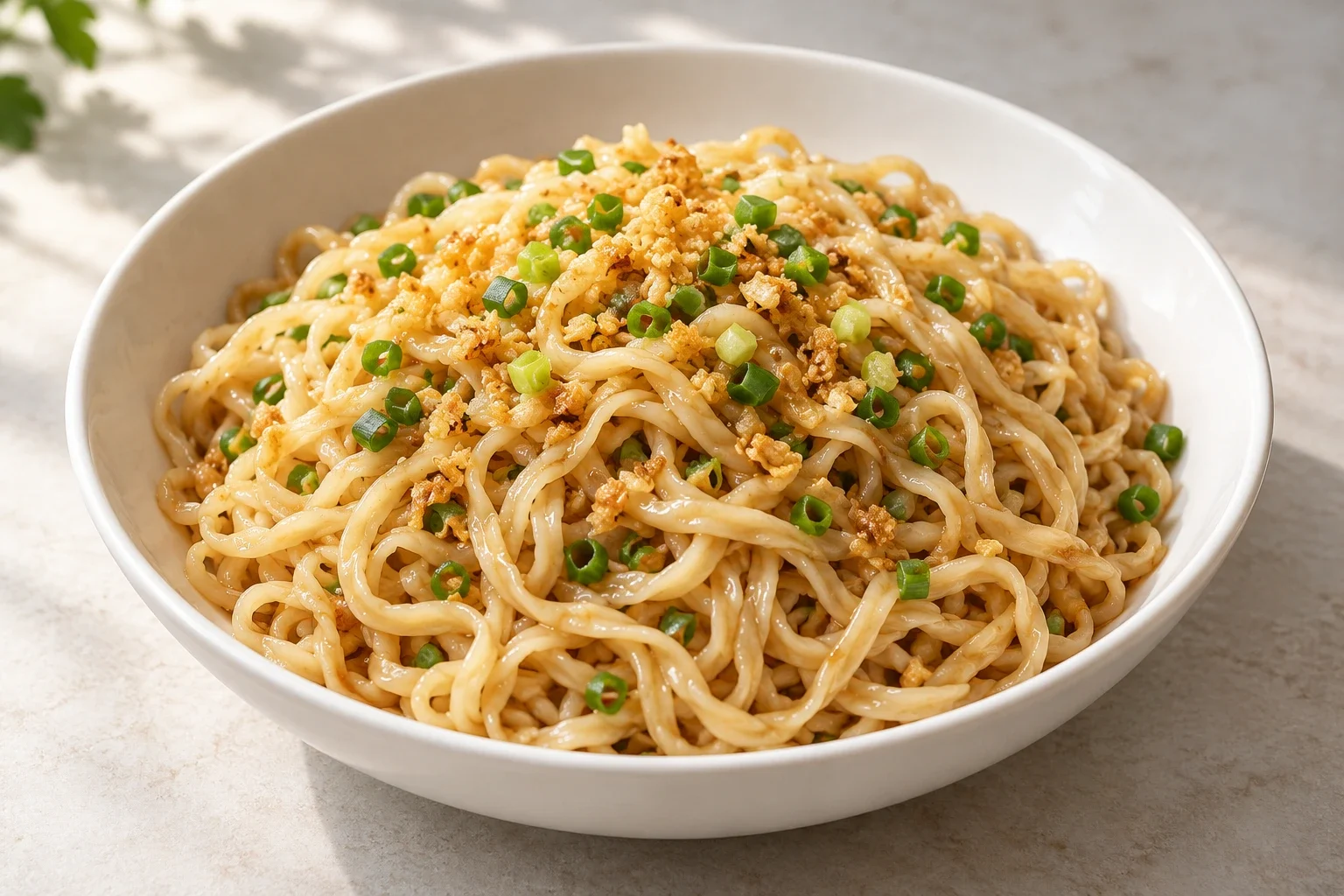
Mix well before eating while warm. It is a dry-tossed noodle dish, not a bowl of noodle soup.
Contains wheat, fish and soy, and uses pork fat. It is not vegetarian or vegan.
The selected version has no chilli. Added sauces and accompaniments may differ.
GET TO KNOW THE DISH
What goes into it?
Explore some key ingredients below. Preparations may use additional seasonings and ingredients.
Seasonings vary. This Meixian version includes soy sauce; other preparations season mainly with fish sauce.
Typical ingredients
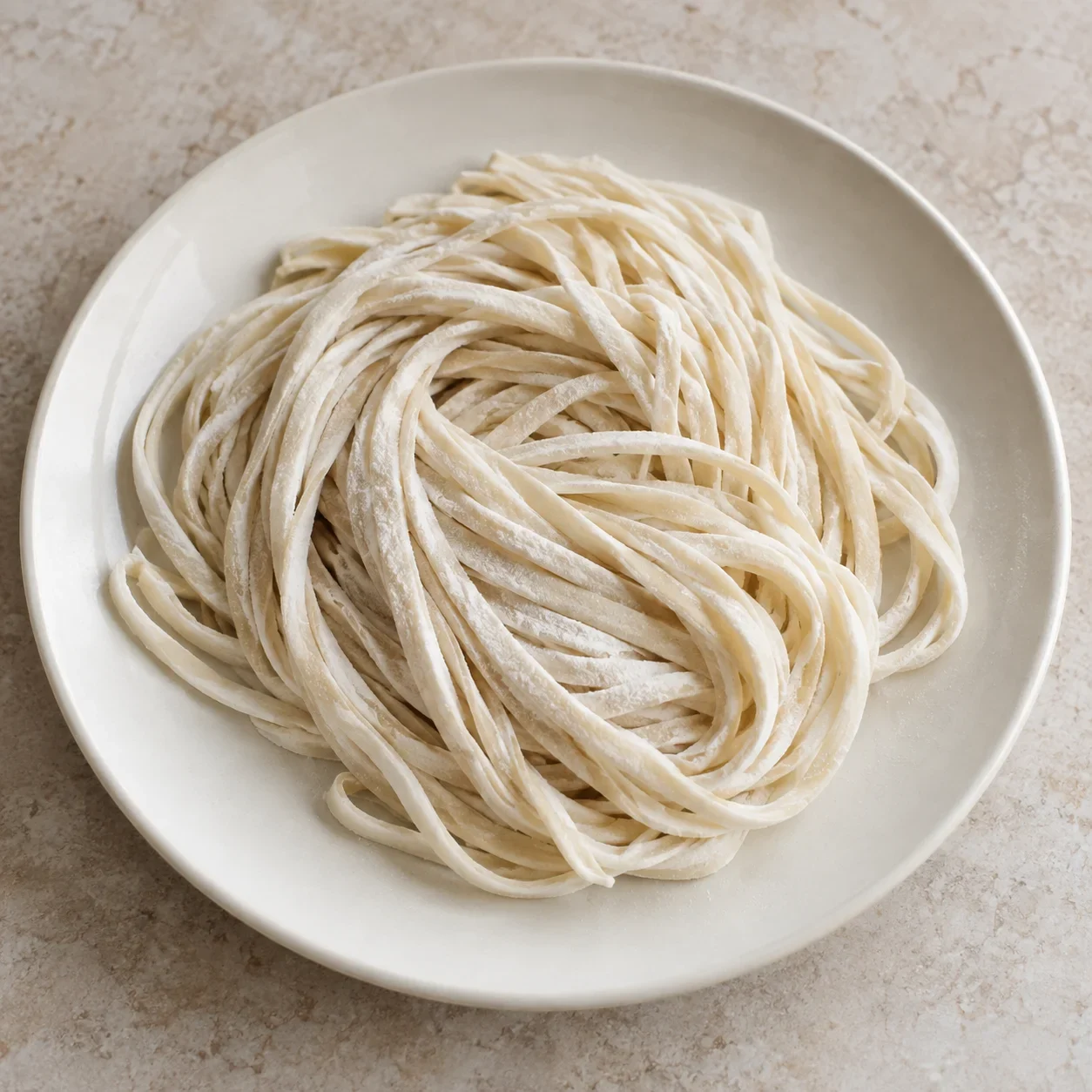
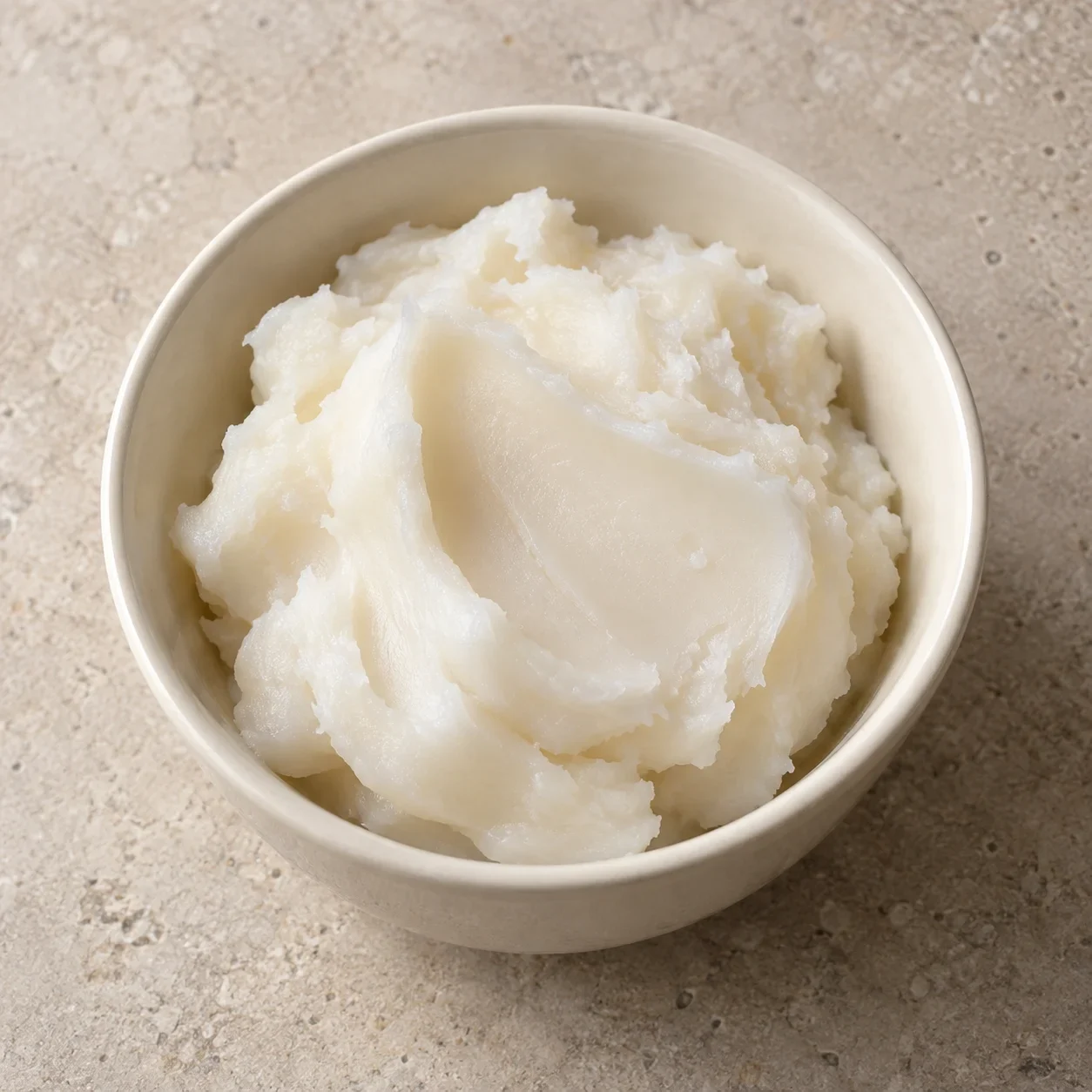
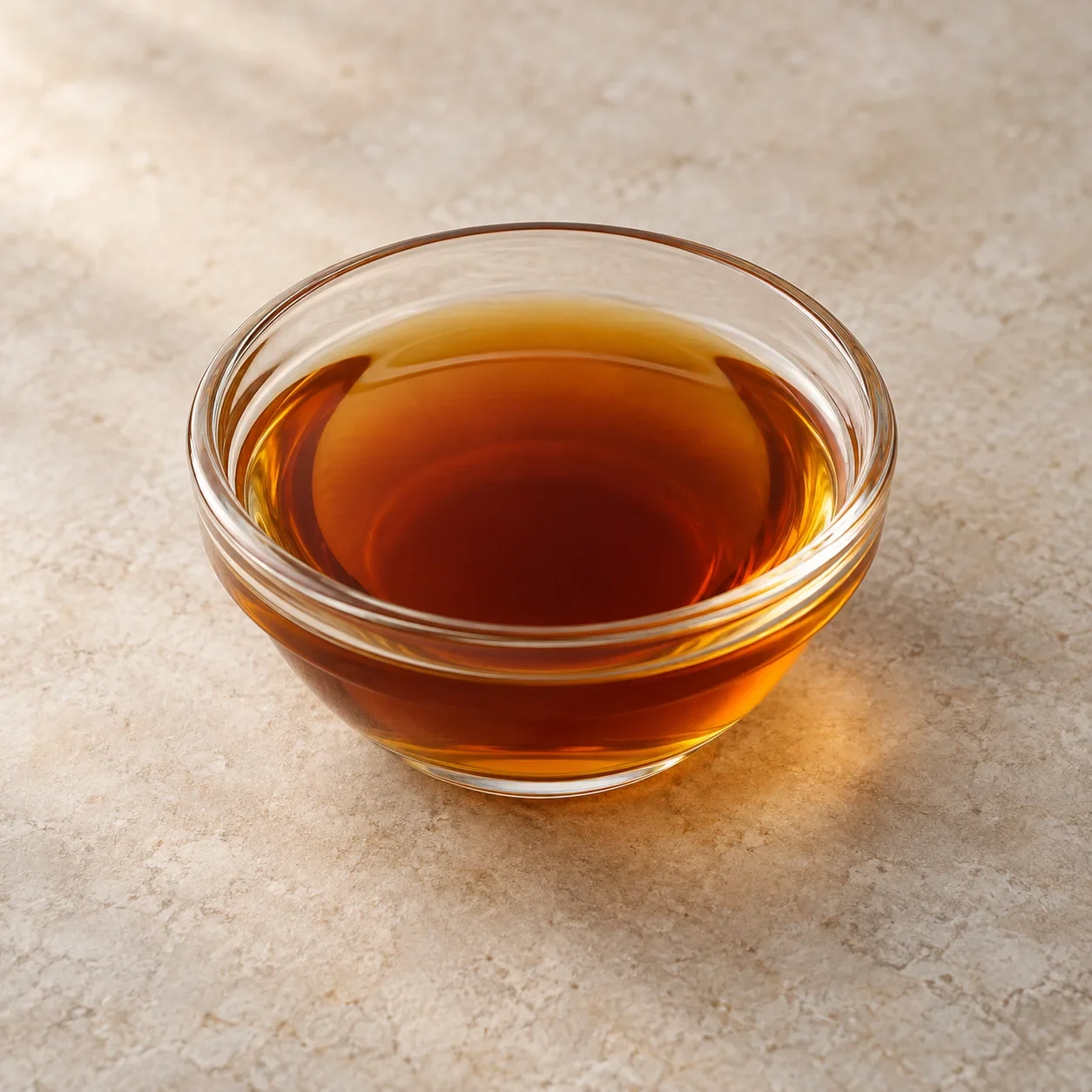
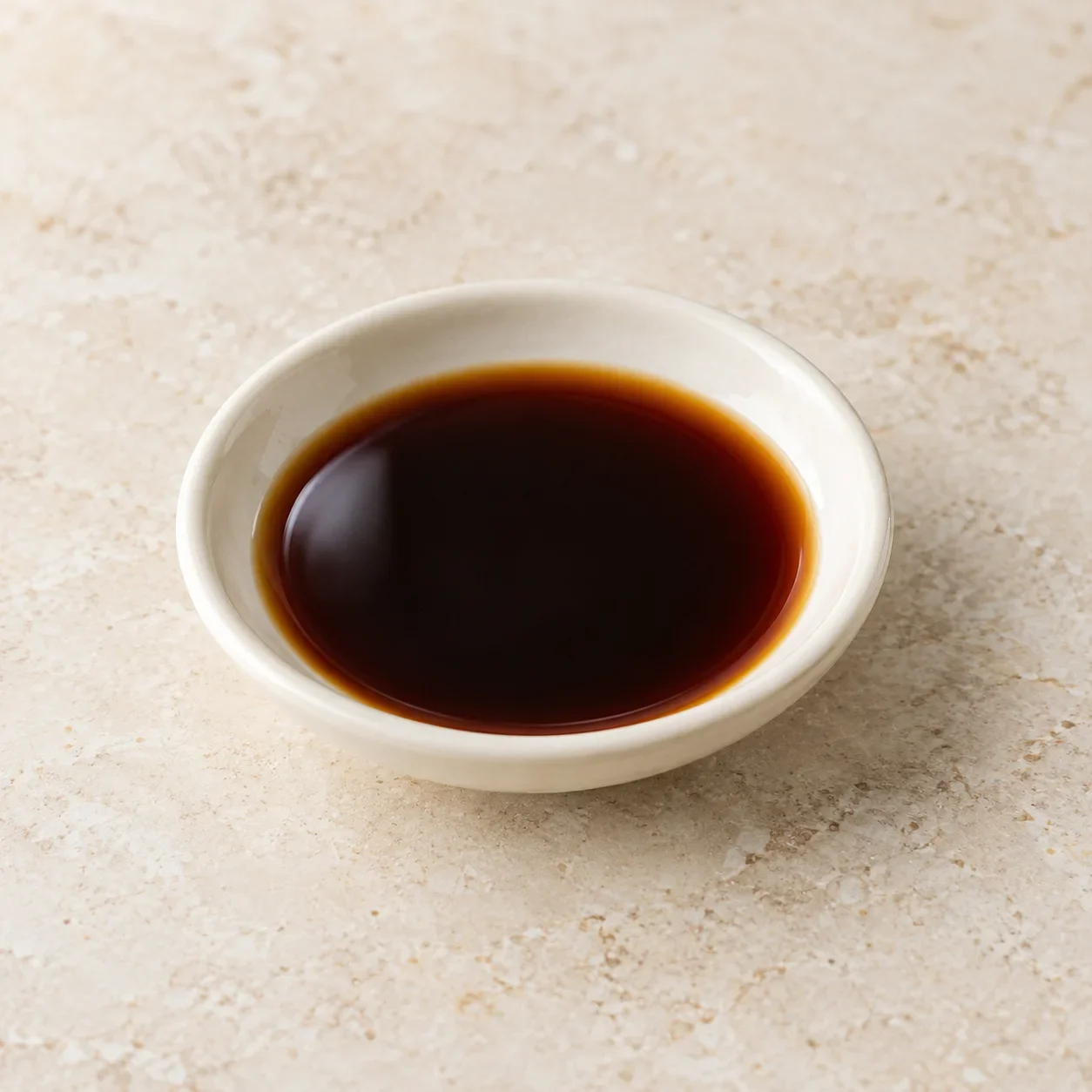
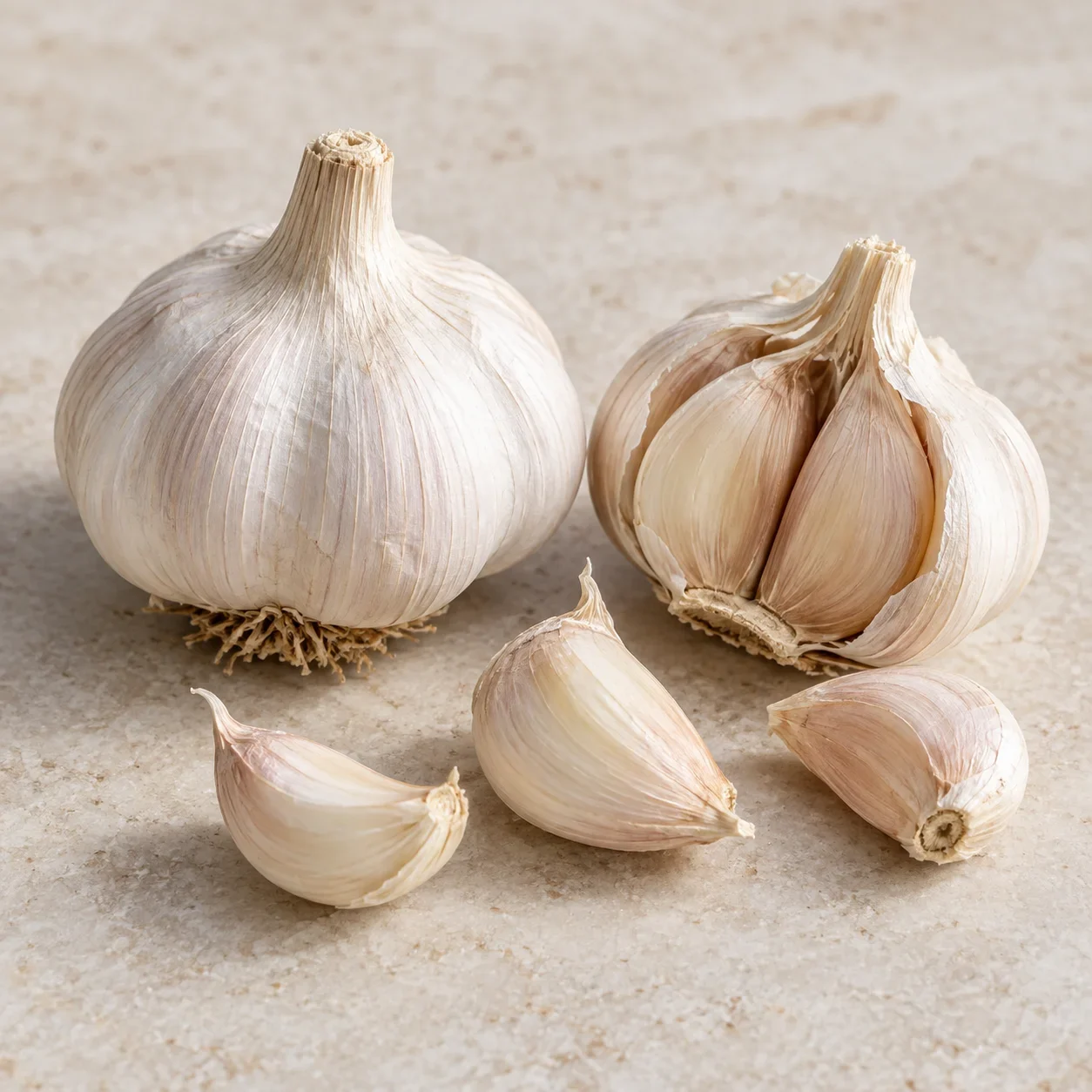
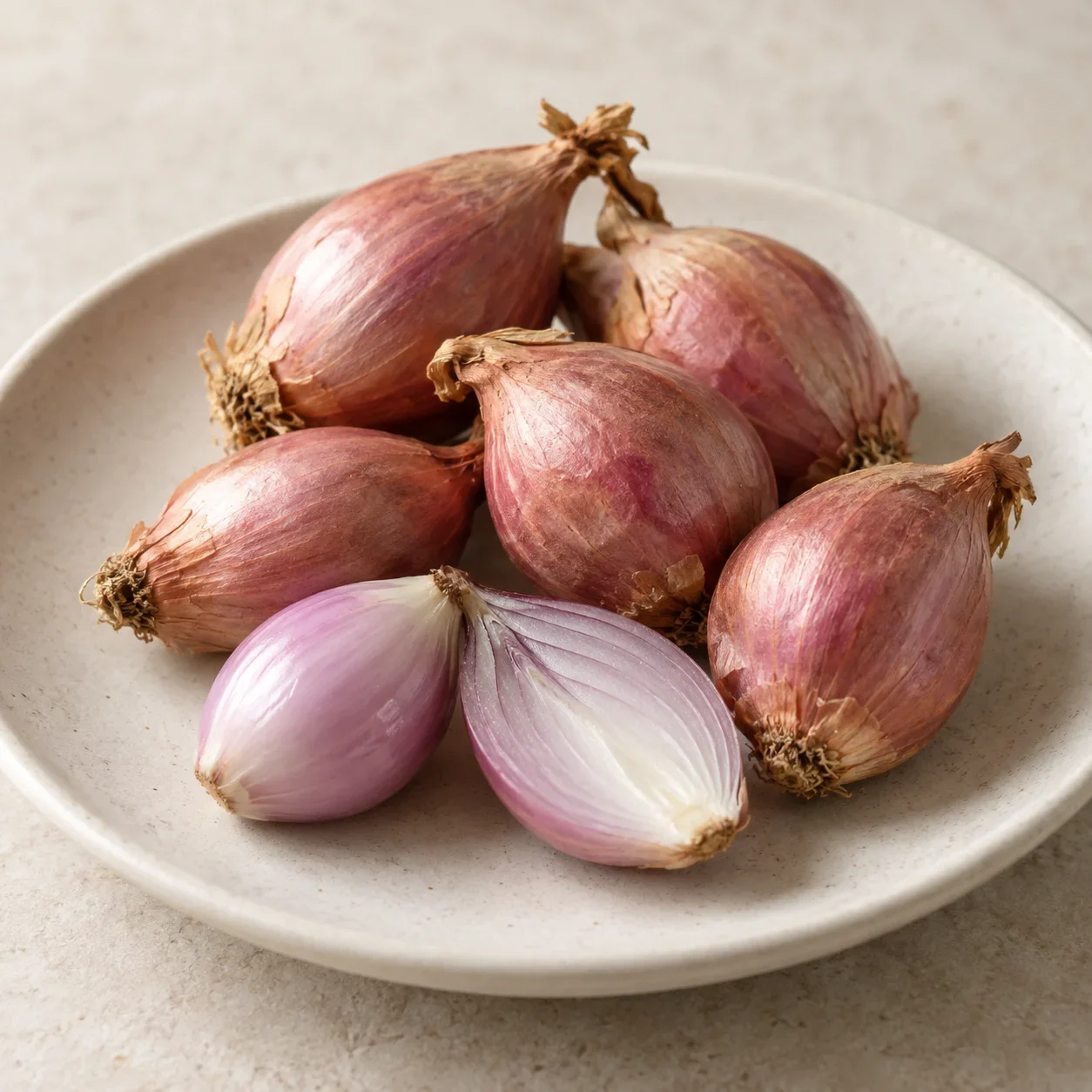
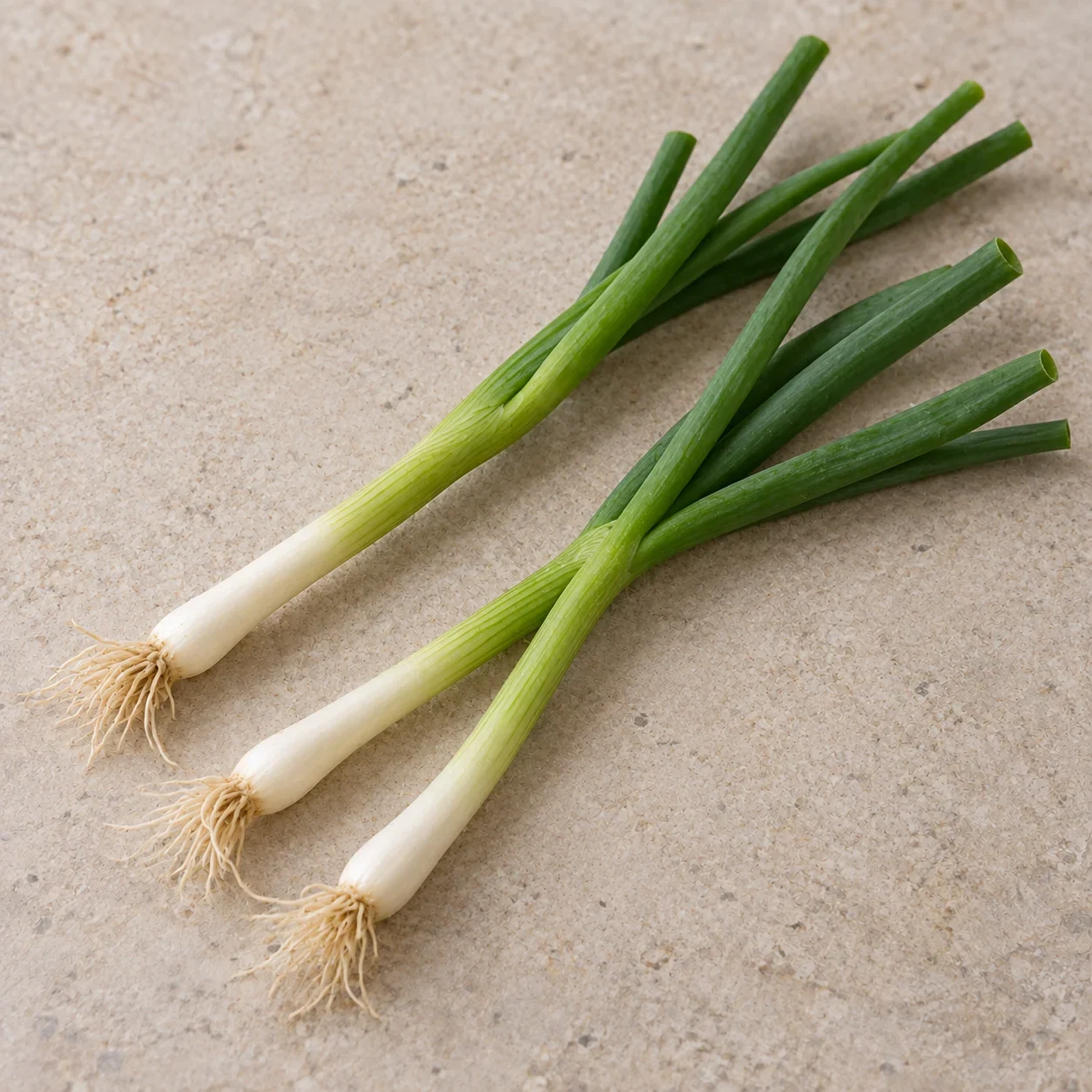
Recipes vary by restaurant.
How does it taste?
Savoury fish sauce and soy sauce, with aromatic lard and garlic.
- Chili heat
- Texture
- Springy noodles with a light oily coating and crisp garlic.
- How it’s made
- Boiled noodles are drained and tossed with lard and a strained garlic-and-shallot sauce, then finished with fried garlic and scallion.
Seasonings vary. This Meixian version includes soy sauce; other preparations season mainly with fish sauce.
A CONNECTION TO PLACE
Origin & regional roots
Associated with Guangdong.
About this regional connection
Guangdong: Meixian/Meizhou Hakka identity; not evidence of specific Shenzhen service.
Ask if they have it first
请问你们有客家腌面吗?
Do you have this item?
A LITTLE SOMETHING TO READ
Story & history
Meixian noodles, mixed rather than pickled
This account describes a tradition or story, rather than an established historical fact.
Yanmian is associated with Meixian in the Hakka region of Guangdong. The appeal is simple noodles carrying the aroma of lard, fried garlic and savoury seasoning.