At the table
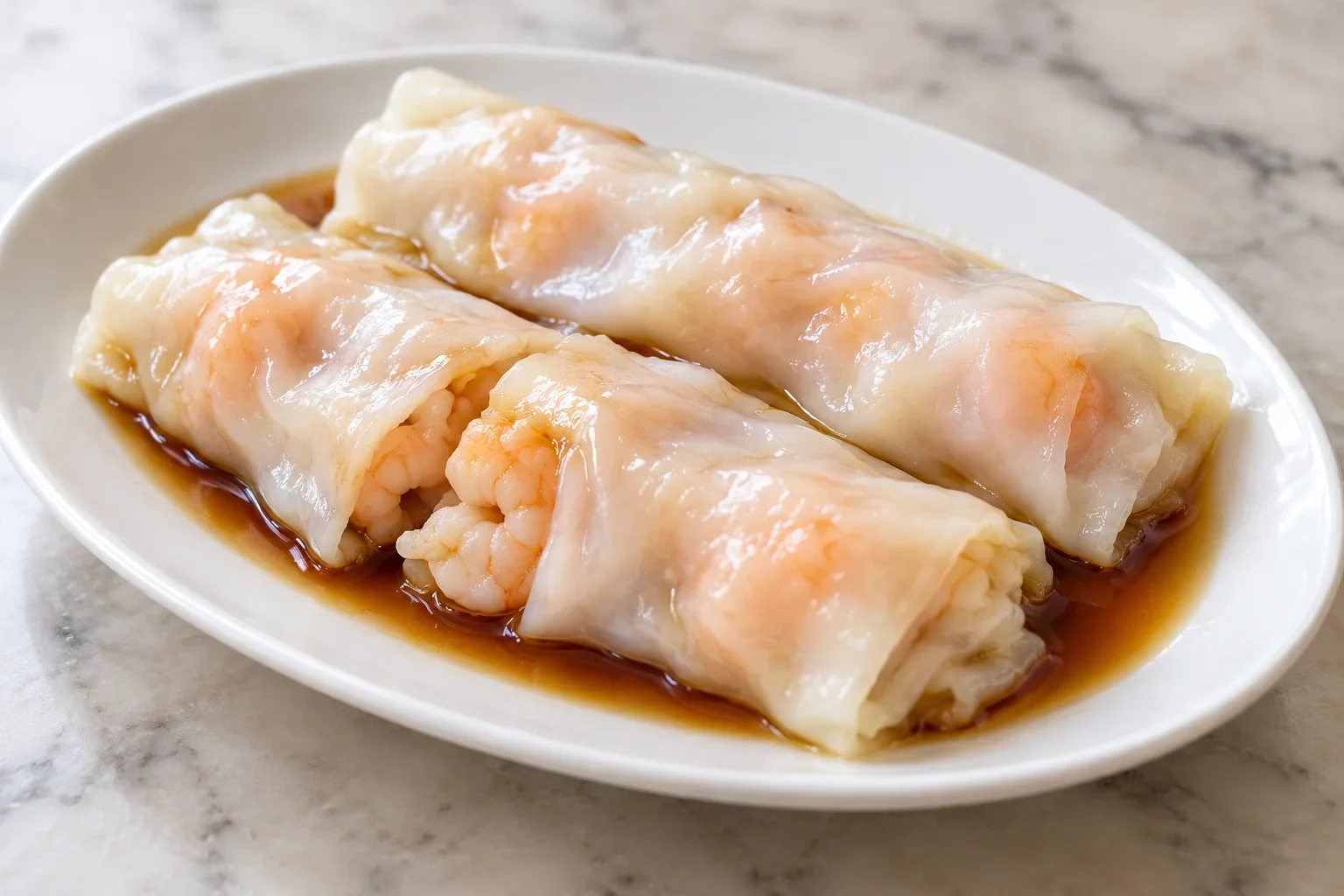
Eat warm, using chopsticks with a spoon to support the slippery rolls. Cut large pieces before lifting and take some sauce with each bite. Let the hot shrimp filling cool slightly.
Contains shrimp and usually soy sauce. Rice sheets may contain wheat starch; soy sauce may also contain wheat. Sesame oil and oyster sauce vary by recipe. Check ingredients for allergies. Slippery rolls and firm shrimp should be cut into suitable pieces for children.
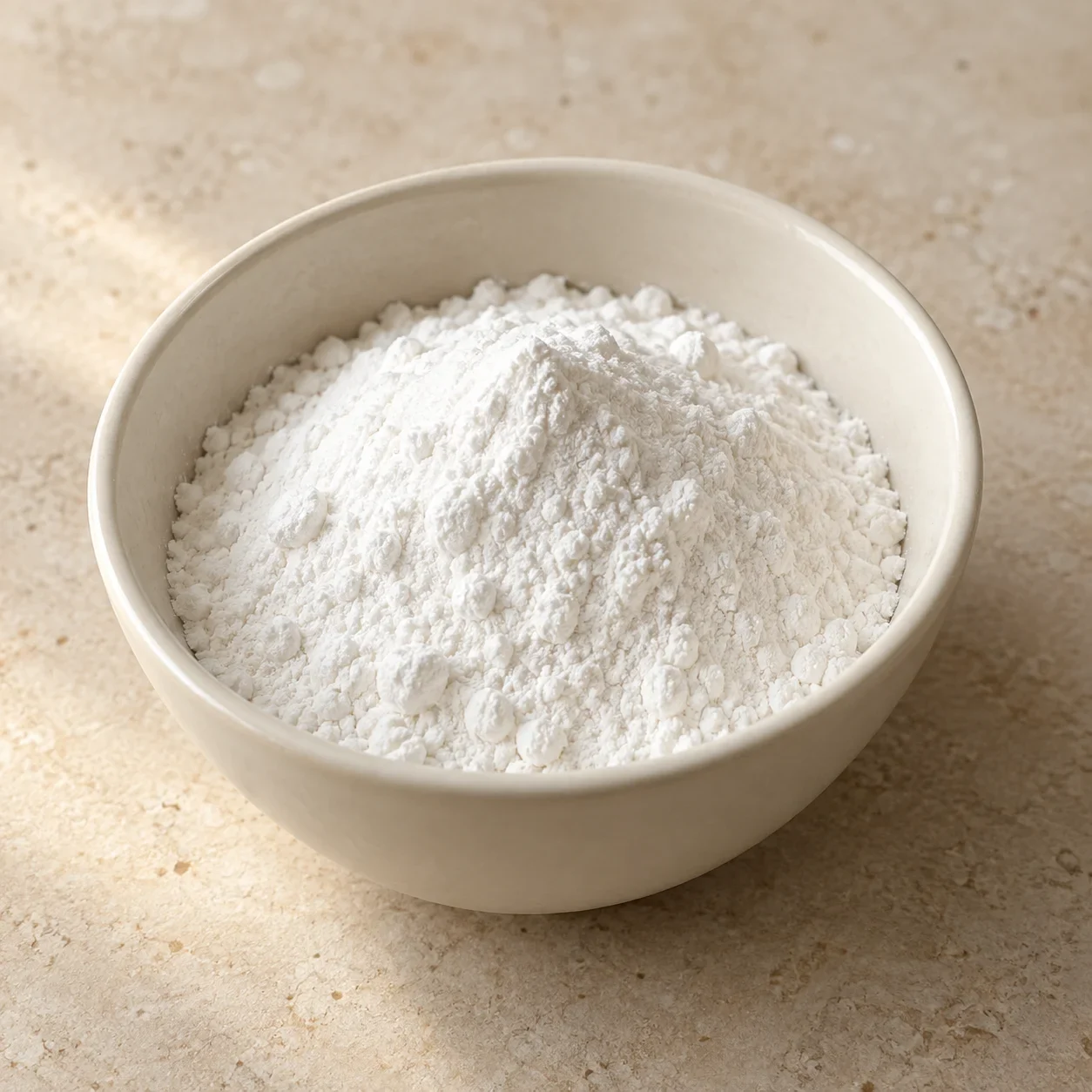
Rice flour is the base; added wheat, tapioca, corn or mung-bean starch varies by recipe. Shrimp makes this version neither vegetarian nor vegan. Beef and roast-pork rolls are separate versions. The representative shrimp roll has no chili; optional chili sauce changes the heat.
GET TO KNOW THE DISH
What goes into it?
Explore some key ingredients below. Preparations may use additional seasonings and ingredients.
Beef and roast-pork fillings are separate versions.
Typical ingredients
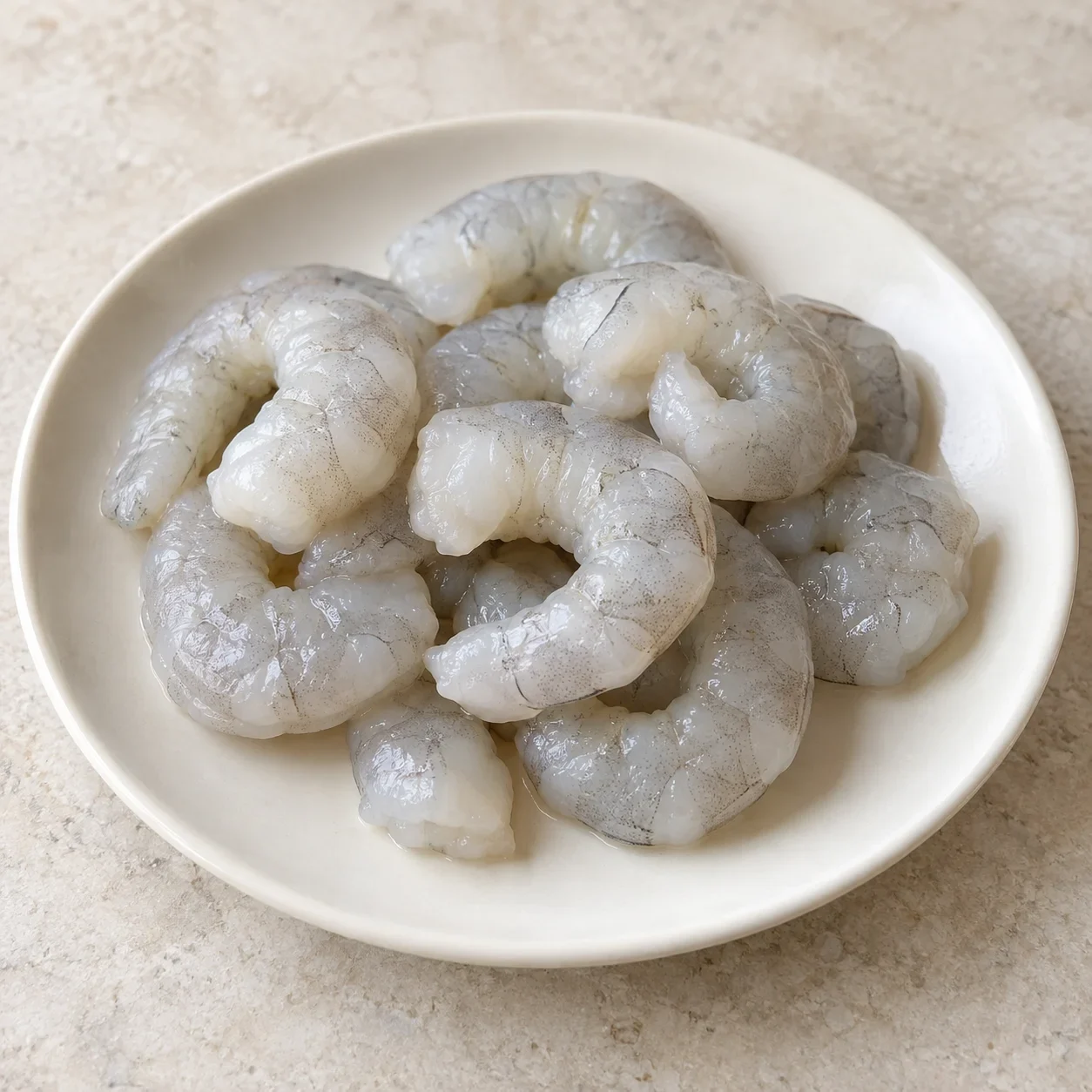




In some versions
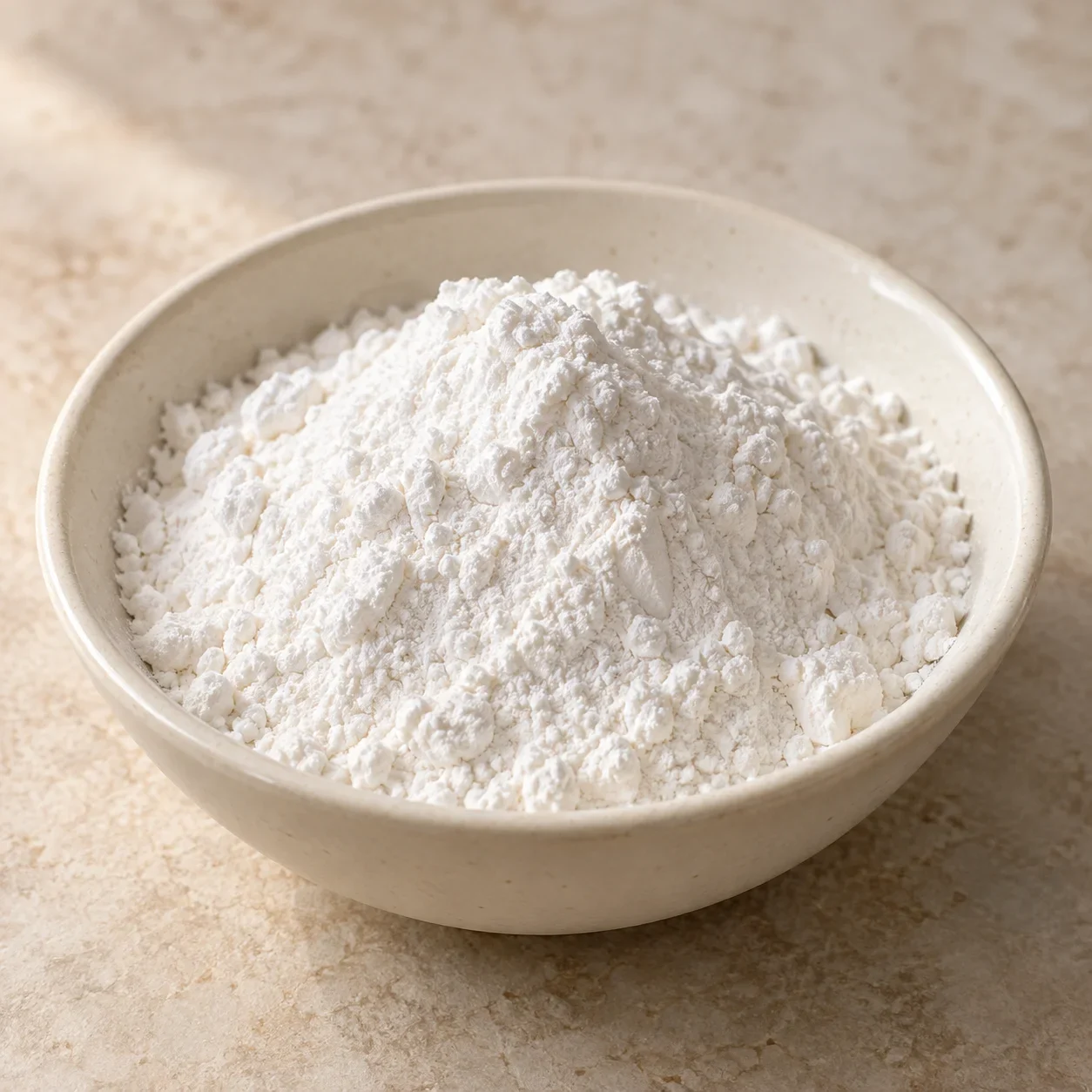
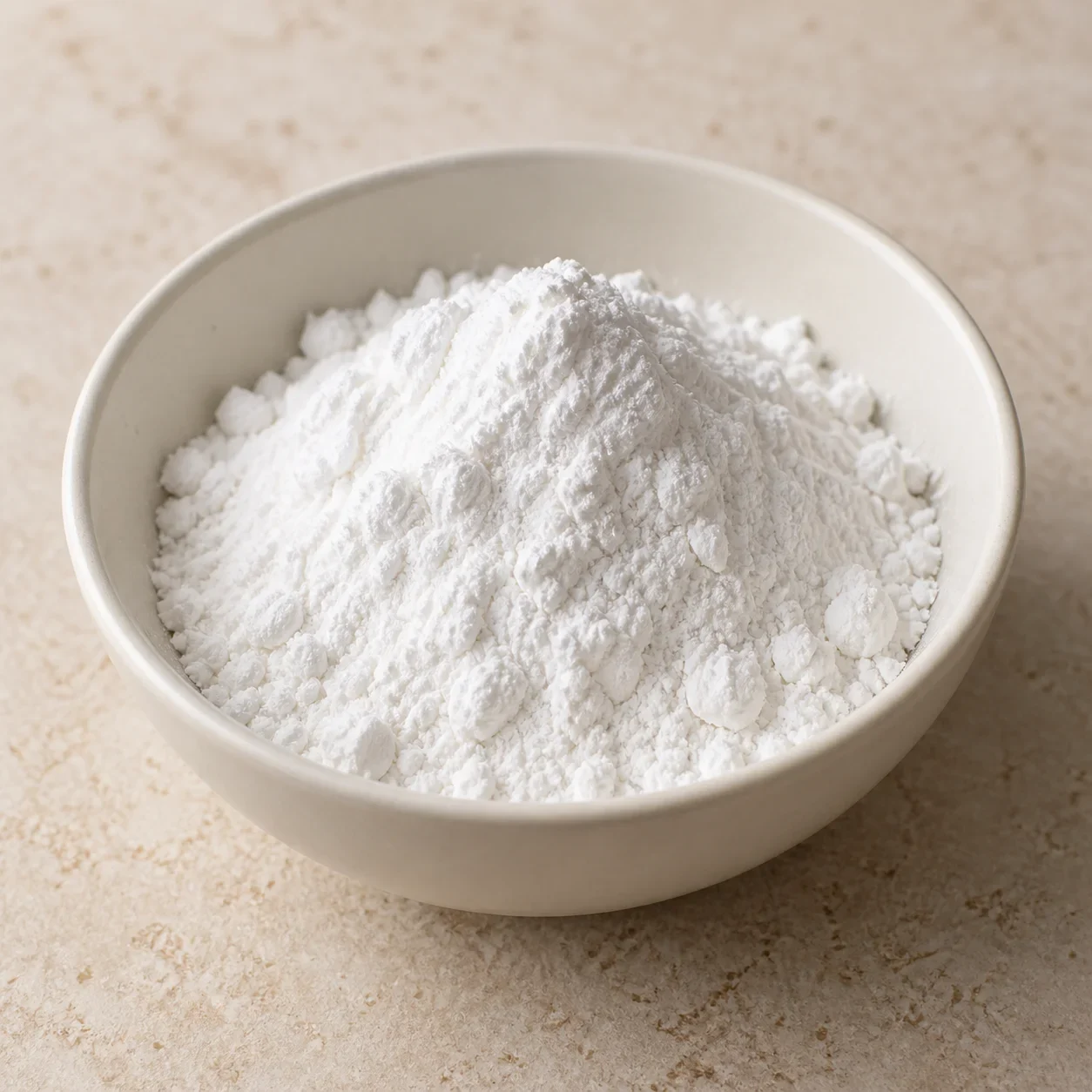
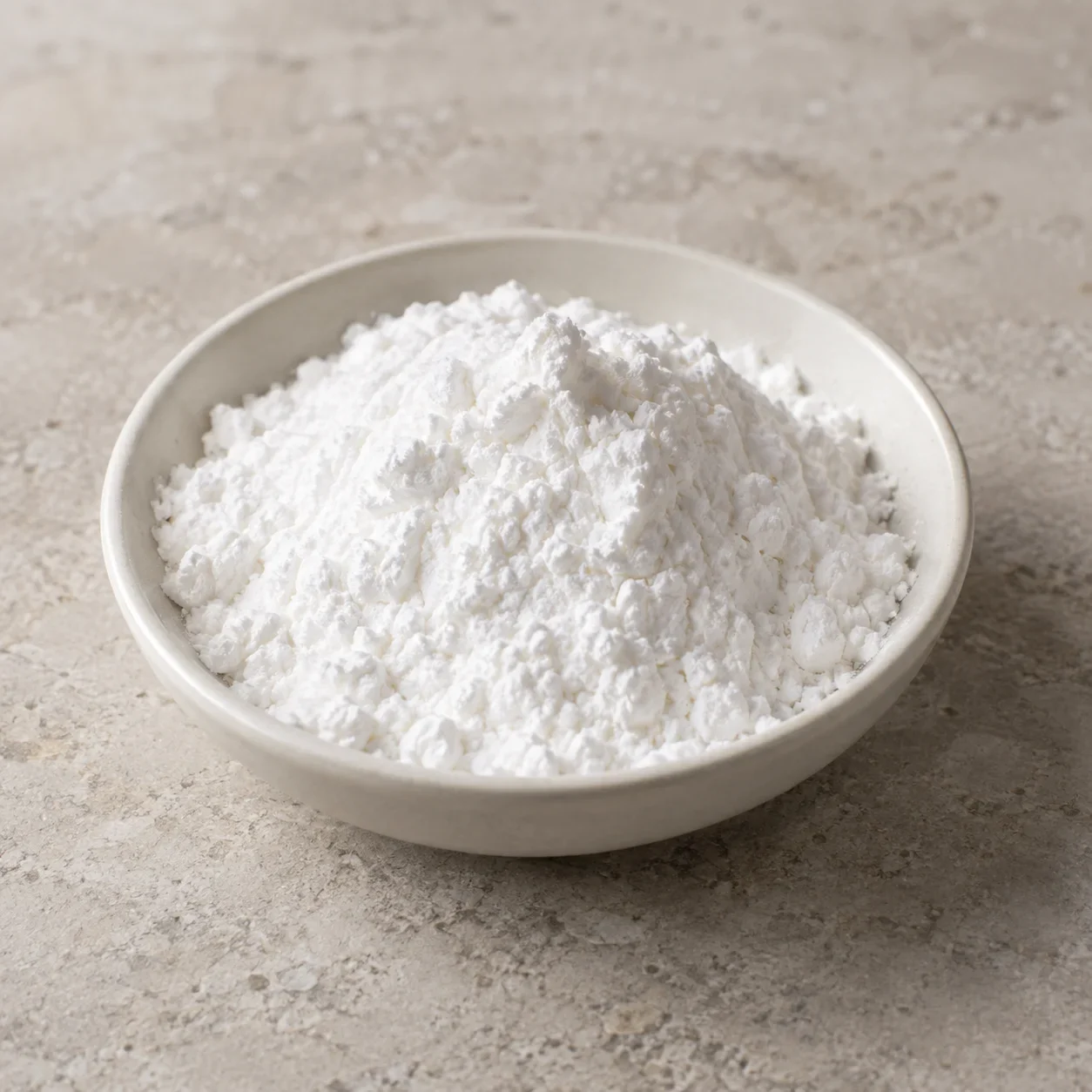
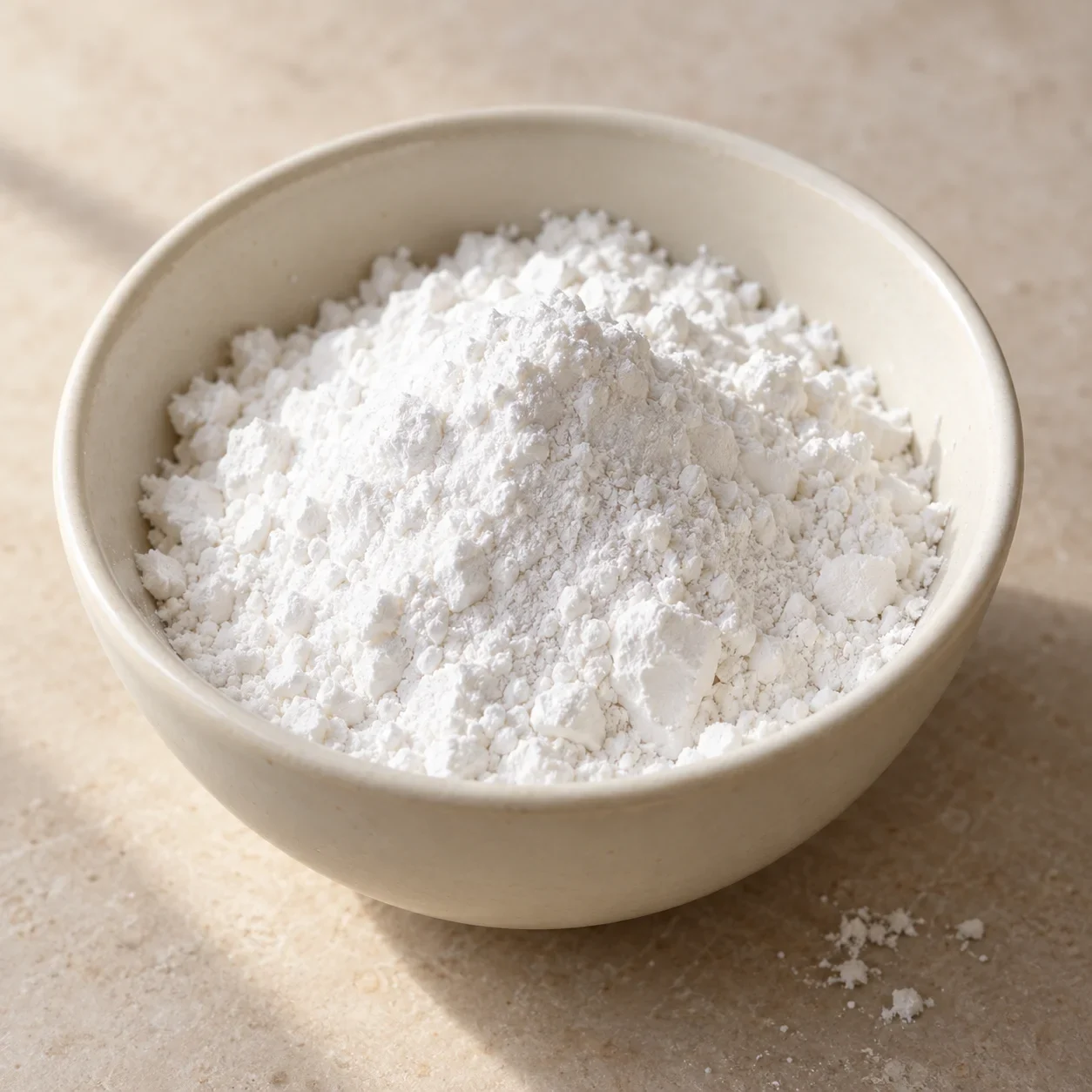
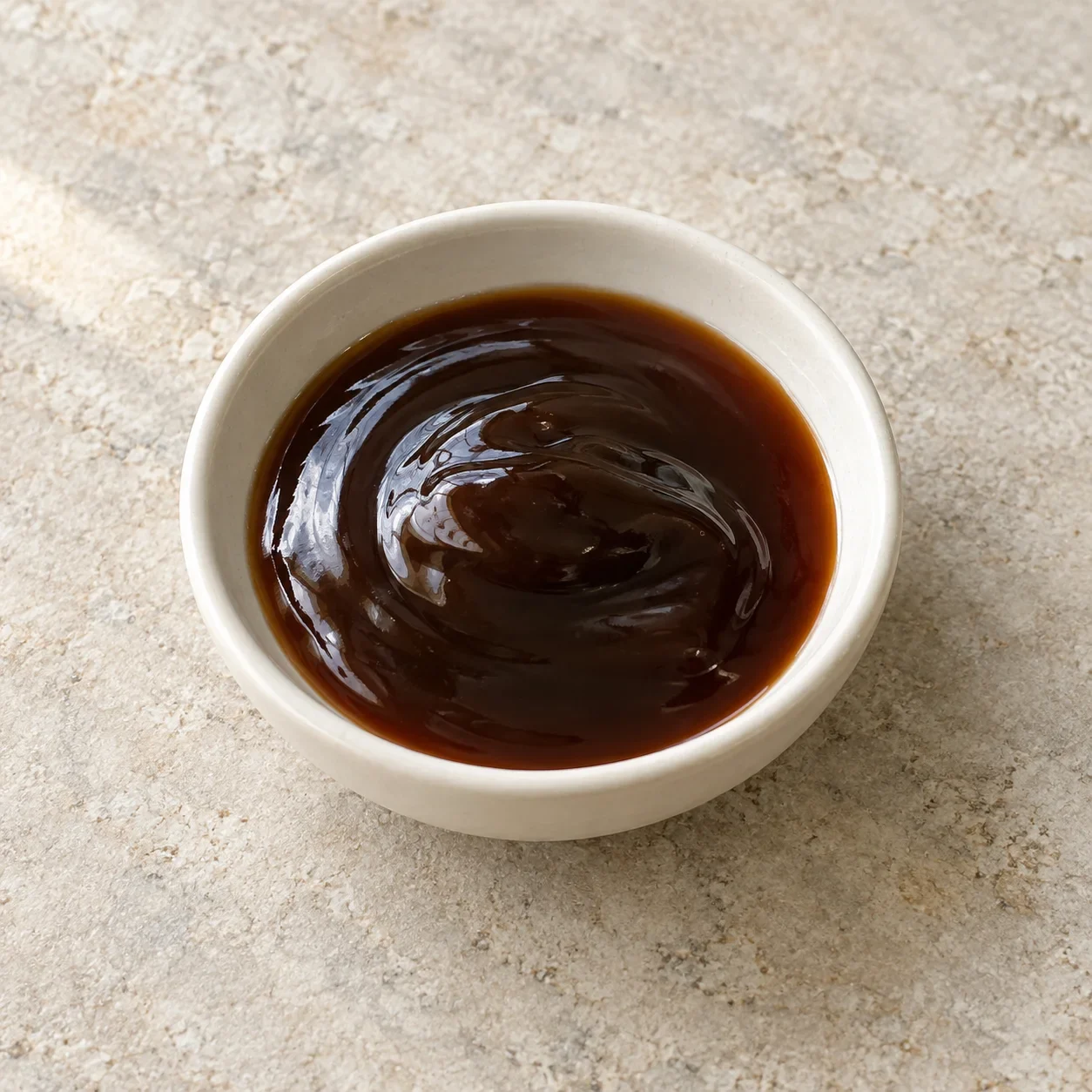
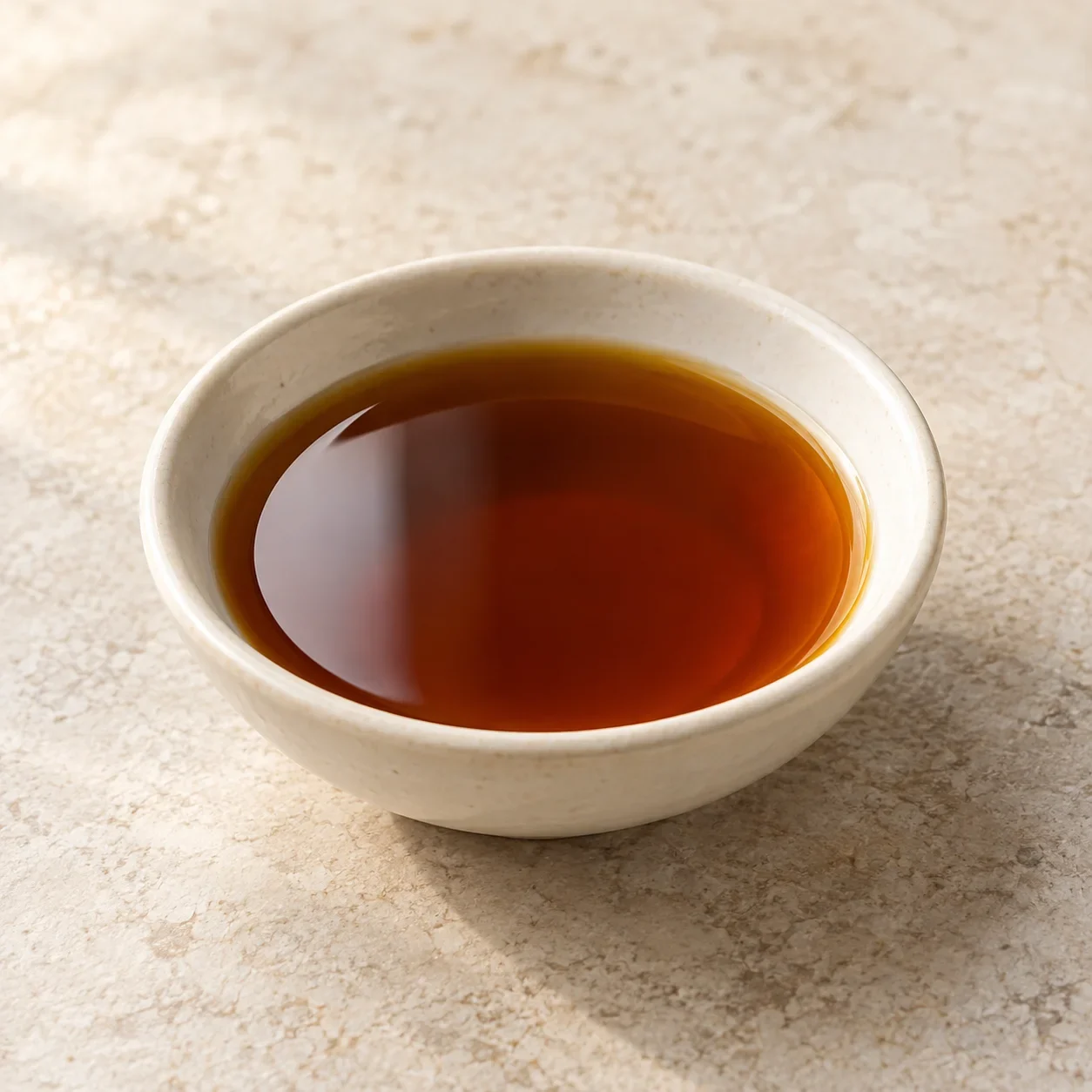
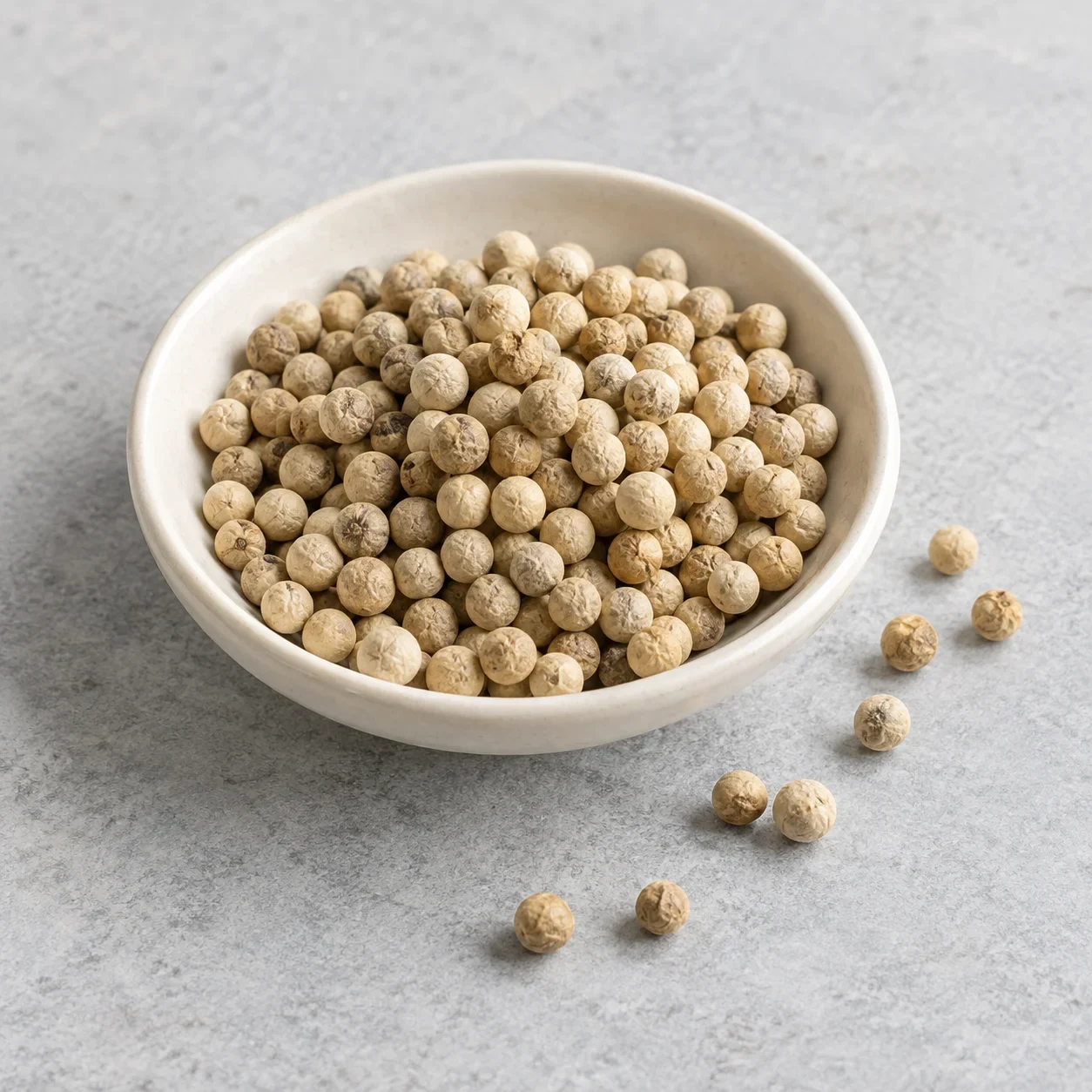
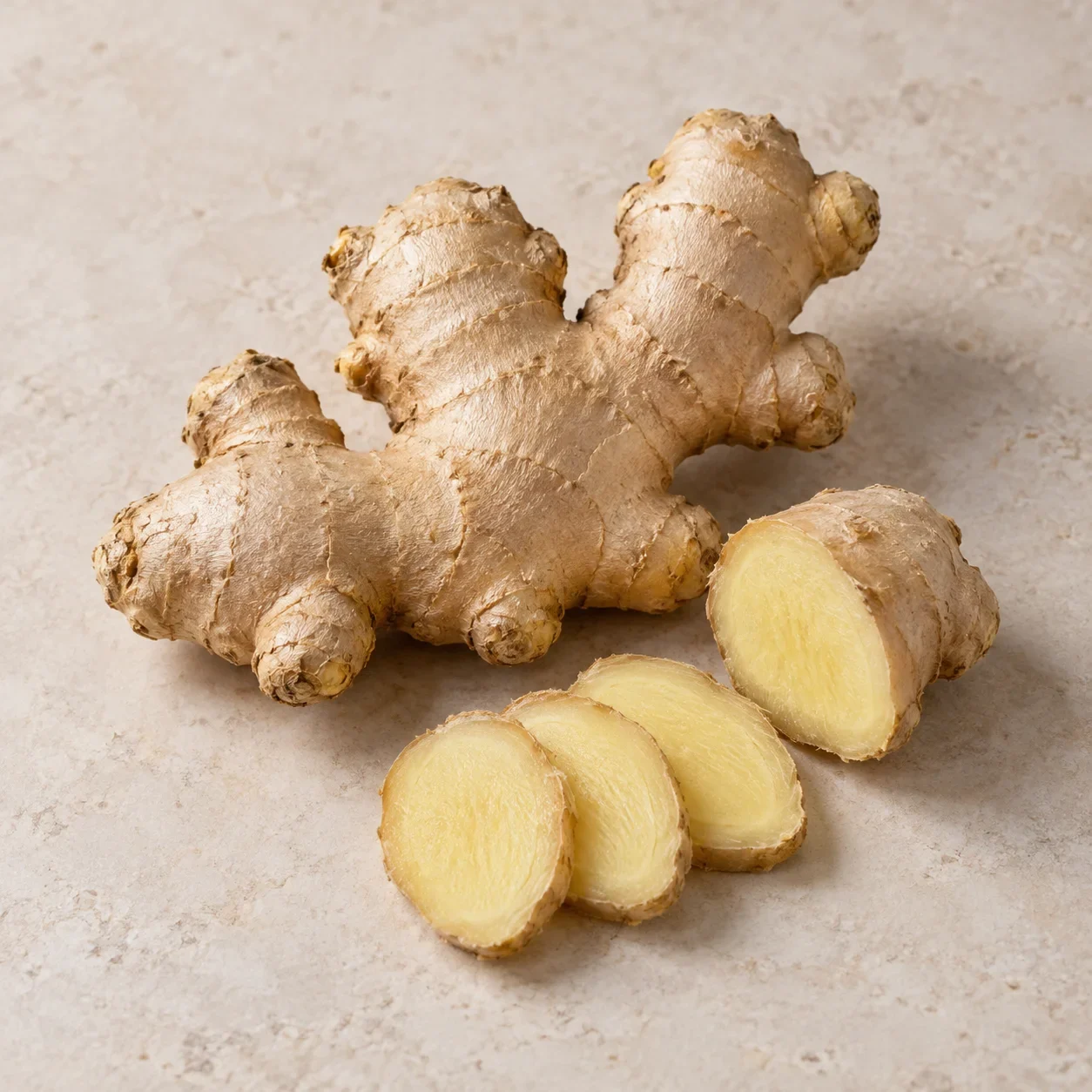

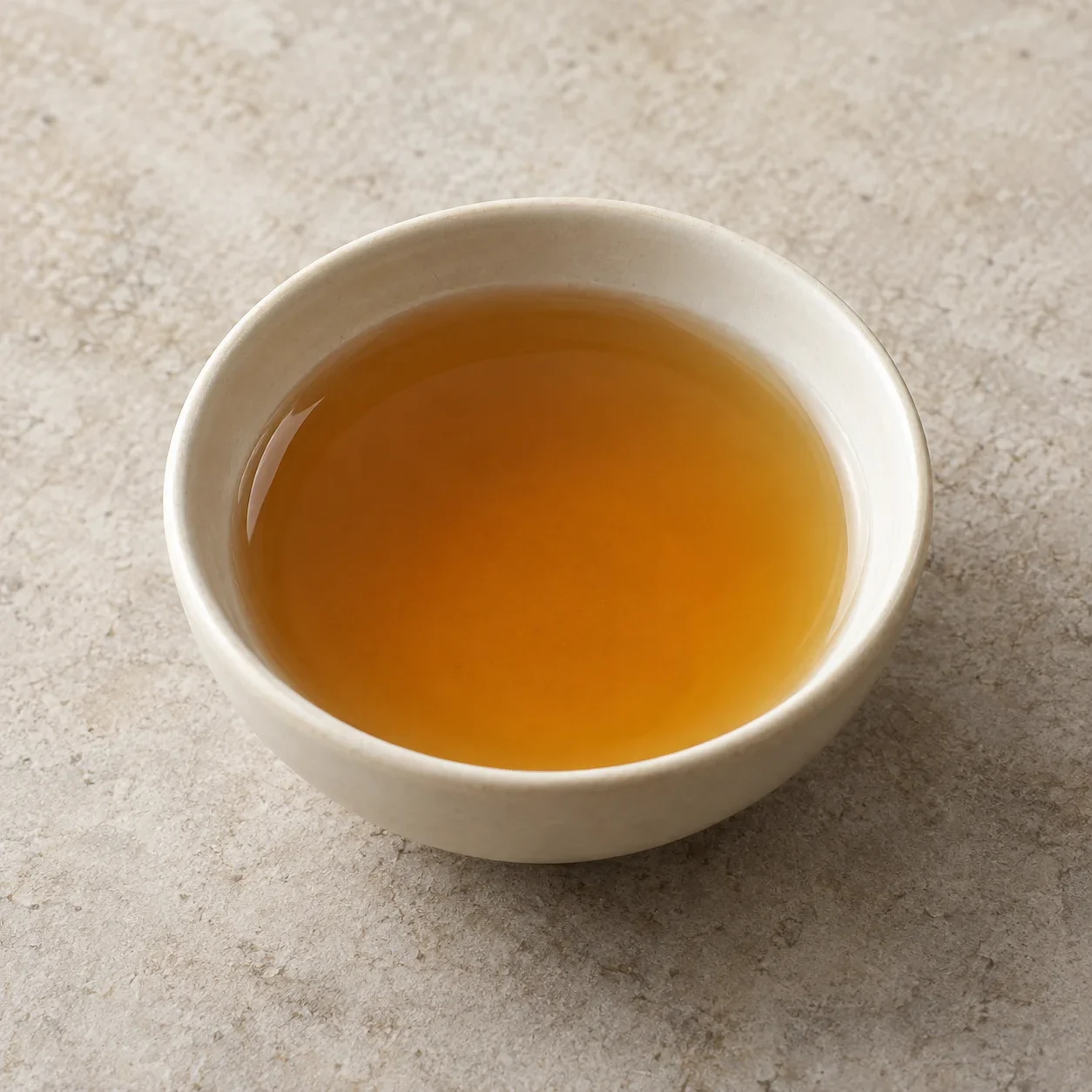
Recipes vary by restaurant.
How does it taste?
Sweet-savory.
- Chili heat
- Texture
- Silky sheets.
- How it’s made
- Steam rice sheets and fill.
Beef and roast-pork fillings are separate versions.
A CONNECTION TO PLACE
Origin & regional roots
Associated with Hong Kong. Associated with Guangdong.
About this regional connection
Guangdong: Part of Cantonese/Xiguan food traditions.
Ask if they have it first
请问你们有鮮蝦腸粉吗?
Do you have this item?
A LITTLE SOMETHING TO READ
Story & history
Thin rice sheets and a Cantonese craft
Cheung fun shows the skill of steaming rice batter into a thin sheet that stays intact when lifted and rolled. In Guangzhou’s Xiguan tradition, batter is spread over cloth for steaming, then carefully scraped free. Shrimp-filled rolls bring this silky texture to the dim sum table, finished with lightly sweet soy sauce.