At the table
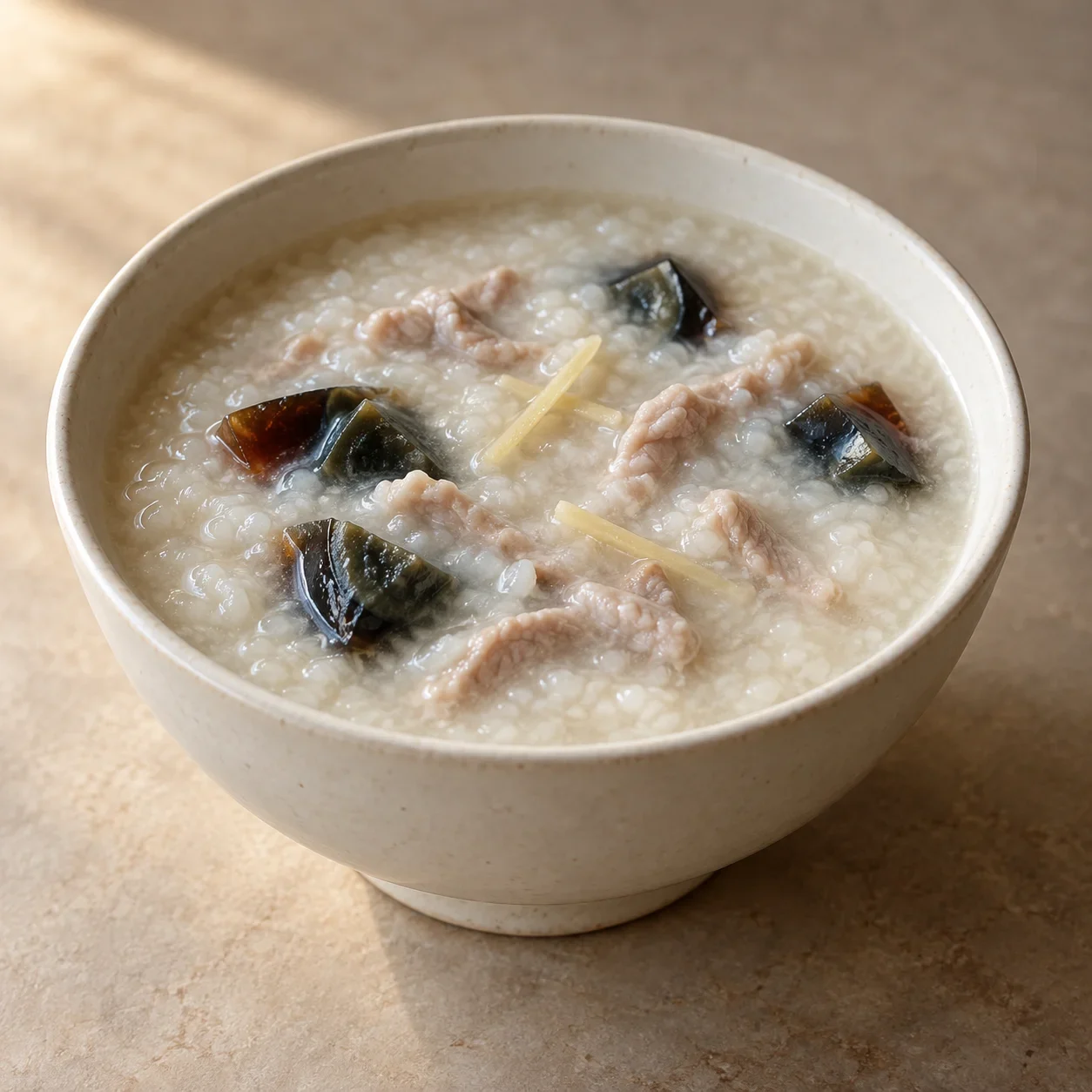
Eat with a spoon, stirring the pork and preserved egg into the rice. Try a little egg with the mild porridge first if its savoury flavour is unfamiliar; the dark egg is deliberately preserved.
Contains pork and egg. Some versions use chicken stock or oyster sauce; sauces may add molluscs, soy or wheat, so ask about the actual recipe if you have allergies. Check the hot porridge before tasting. For children, cool it, check the pork is tender and cut small, and supervise small spoonfuls; softness alone is not a guarantee of suitability.
Pork makes this non-vegetarian; changing the broth does not change that. It is usually mild, with a little warmth from ginger and white pepper rather than chili. Ask for less pepper if preferred; seasoning and thickness vary.
GET TO KNOW THE DISH
What goes into it?
Explore some key ingredients below. Preparations may use additional seasonings and ingredients.
Thickness and garnishes vary. Chicken stock can replace water, and some cooks marinate the pork with oyster sauce and starch.
Typical ingredients
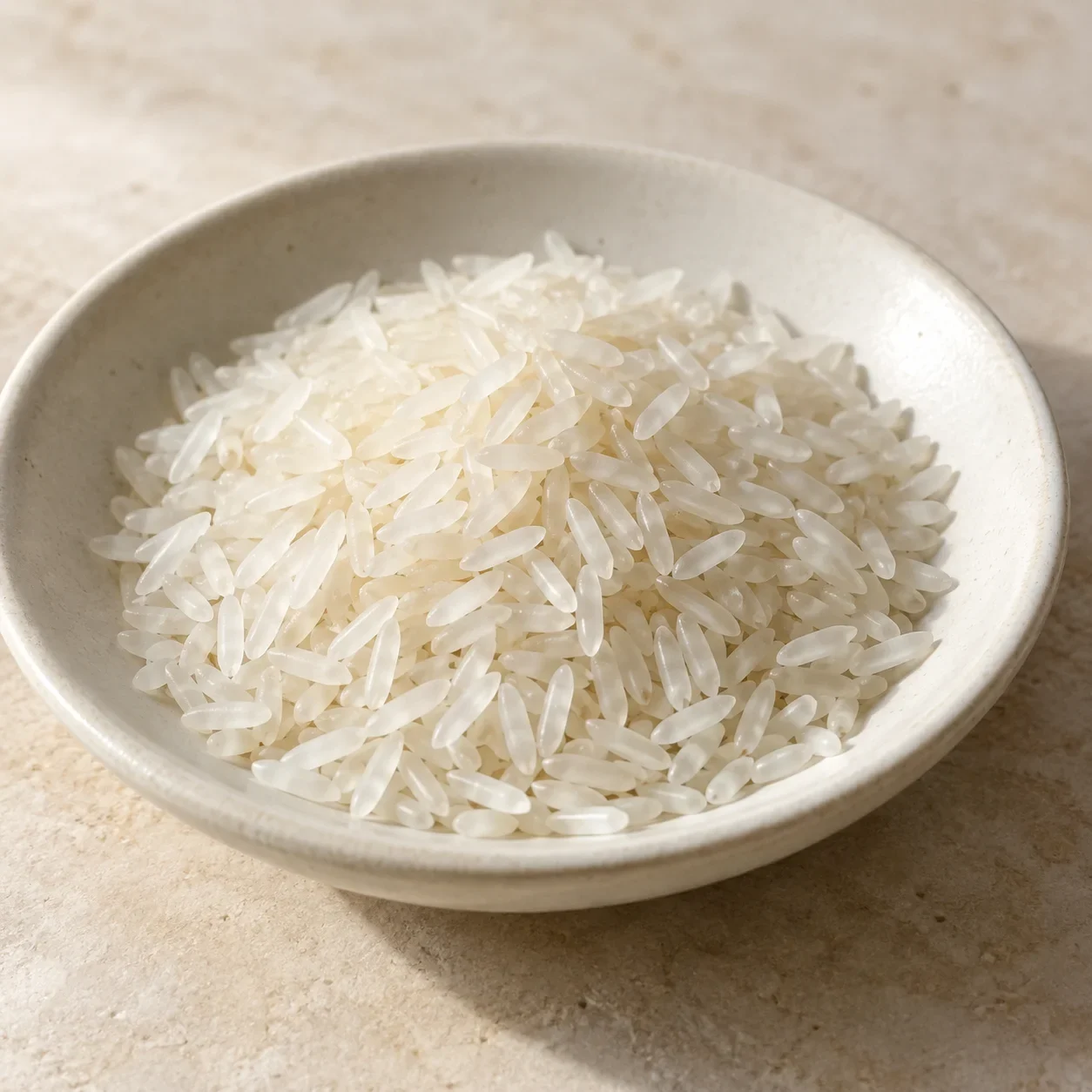
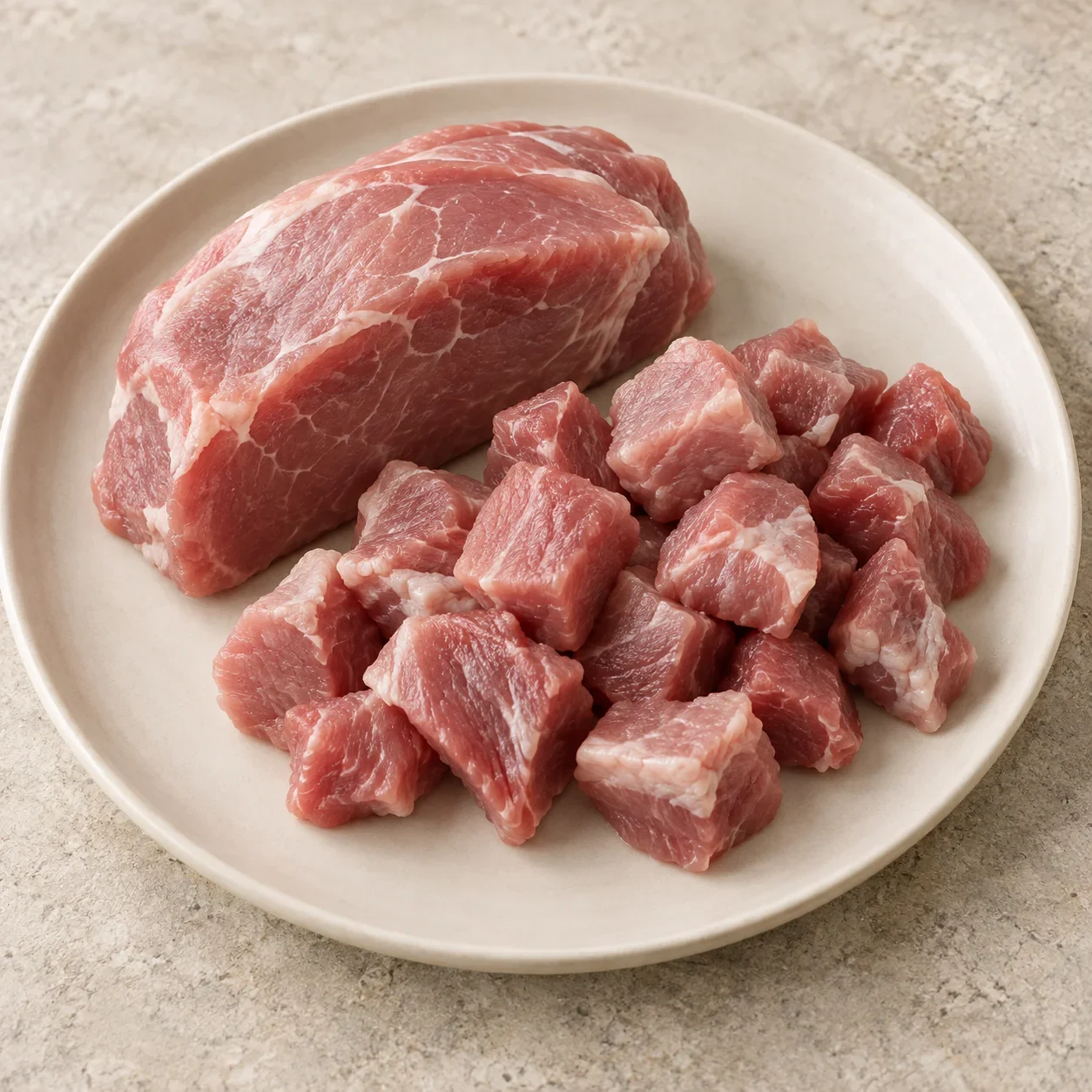
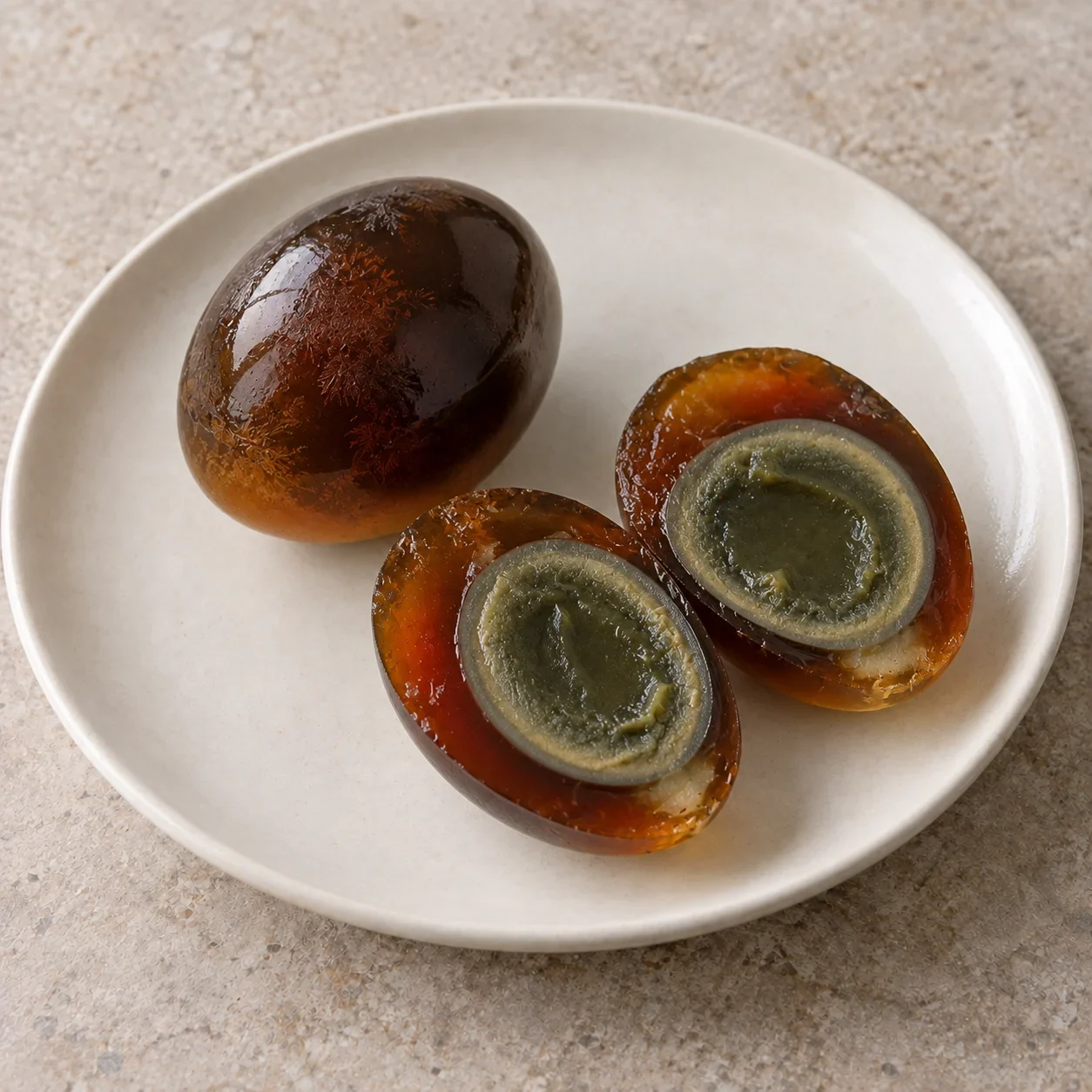

In some versions
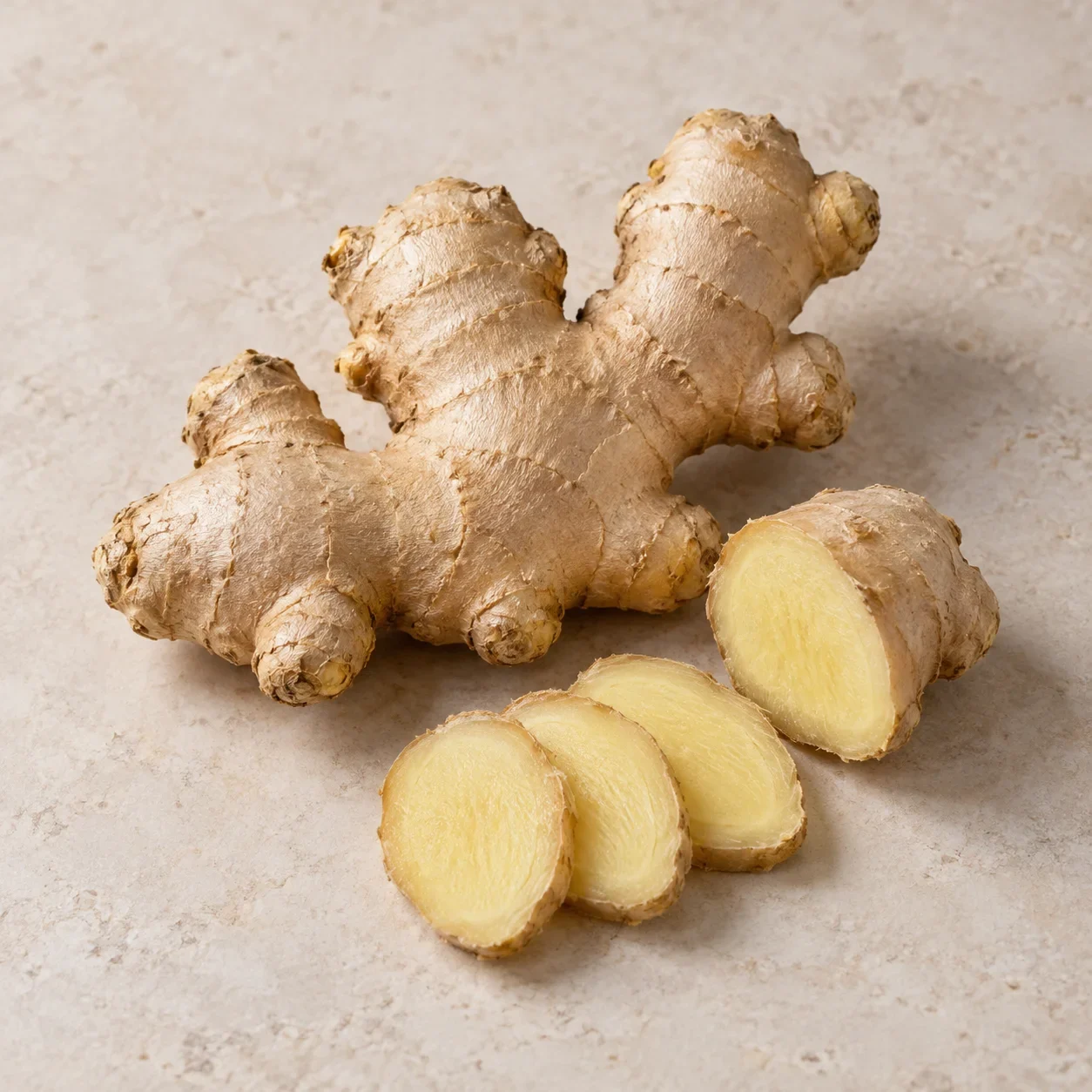
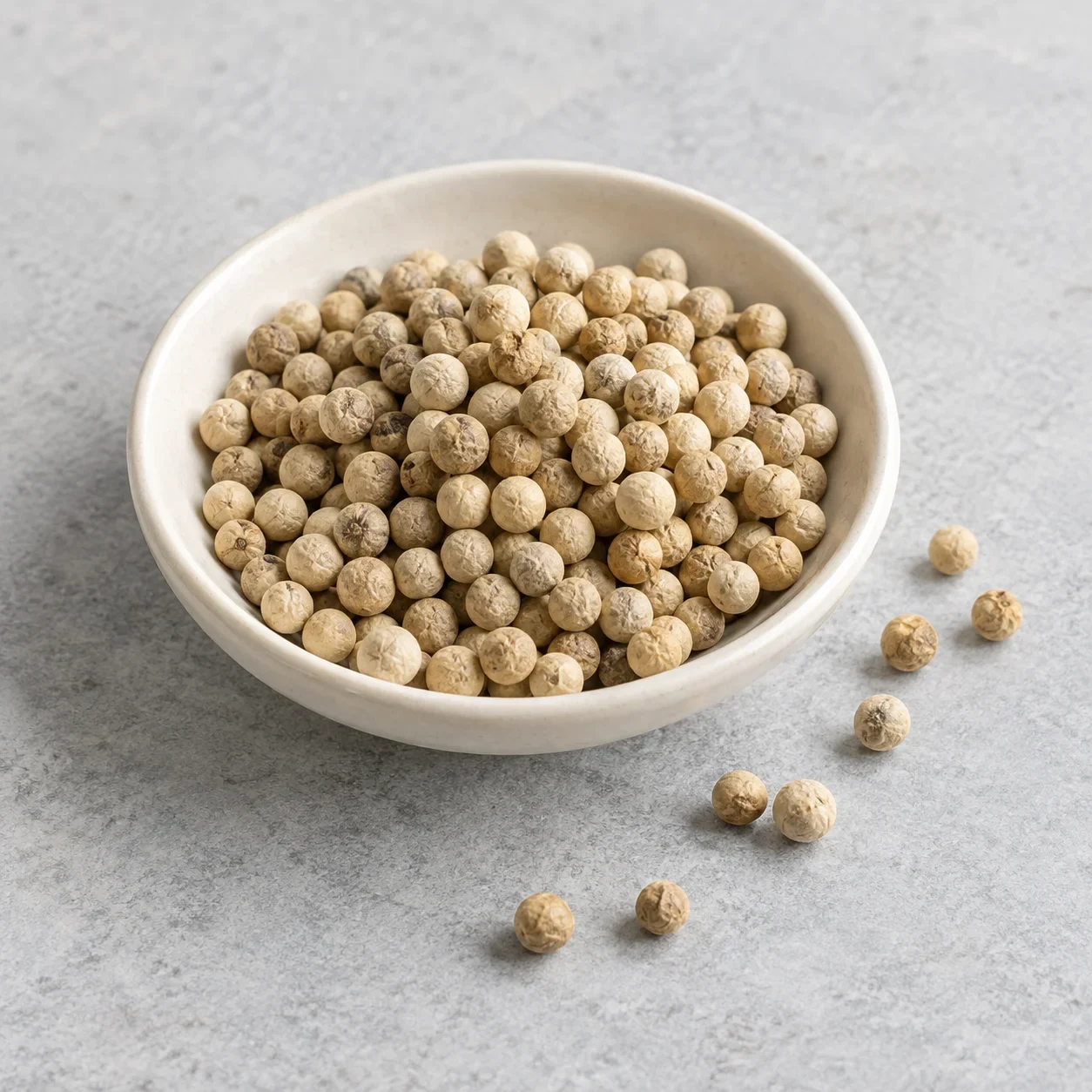
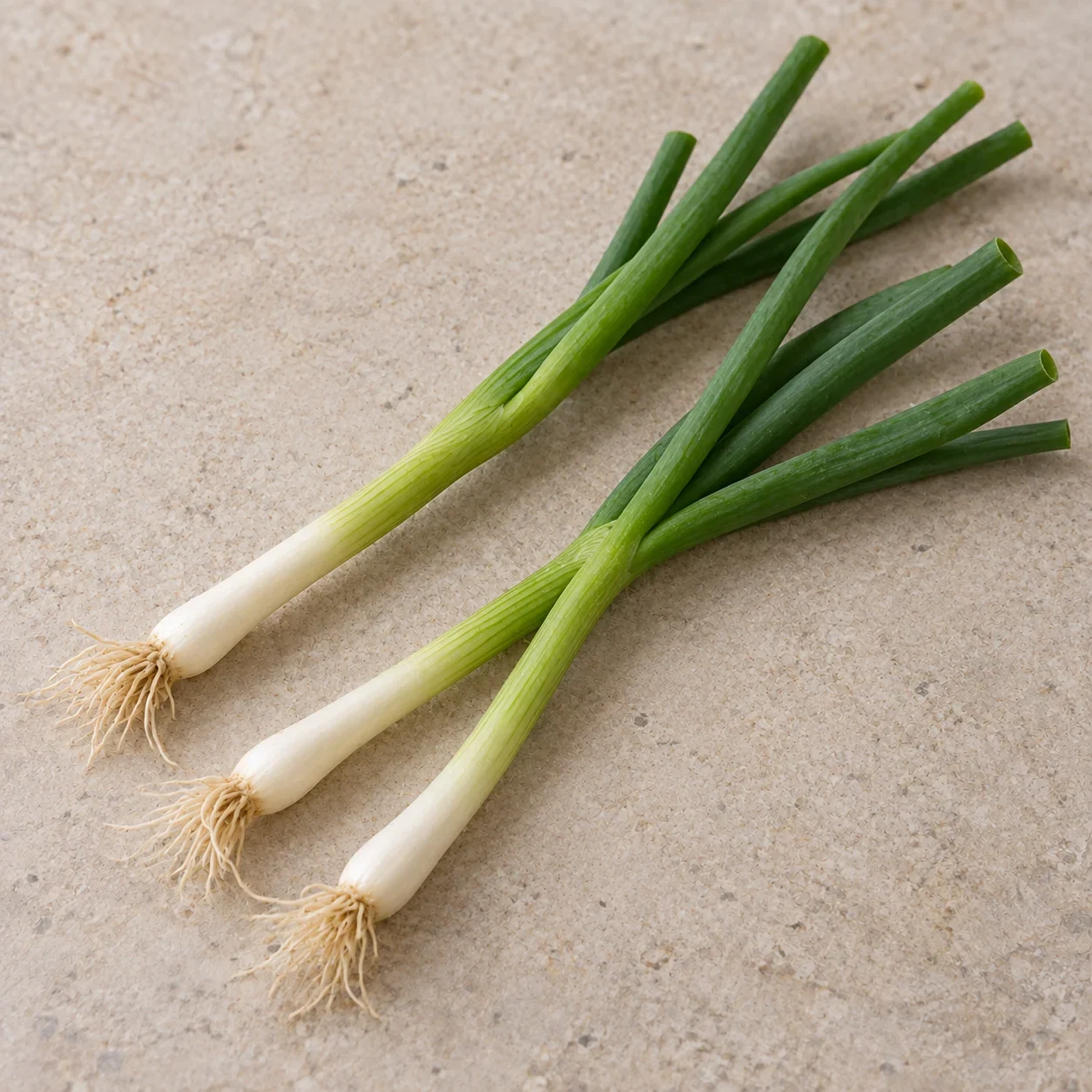
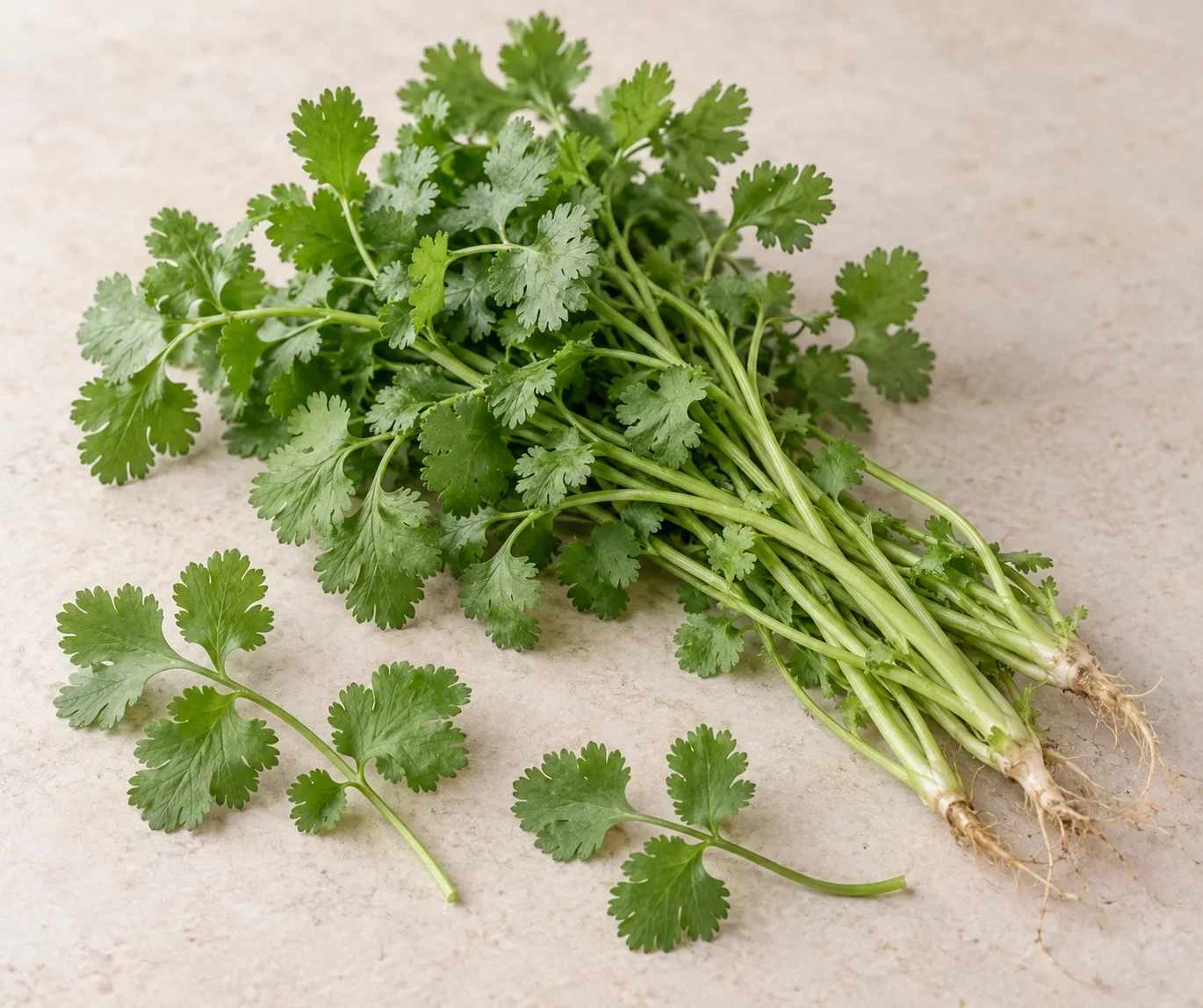
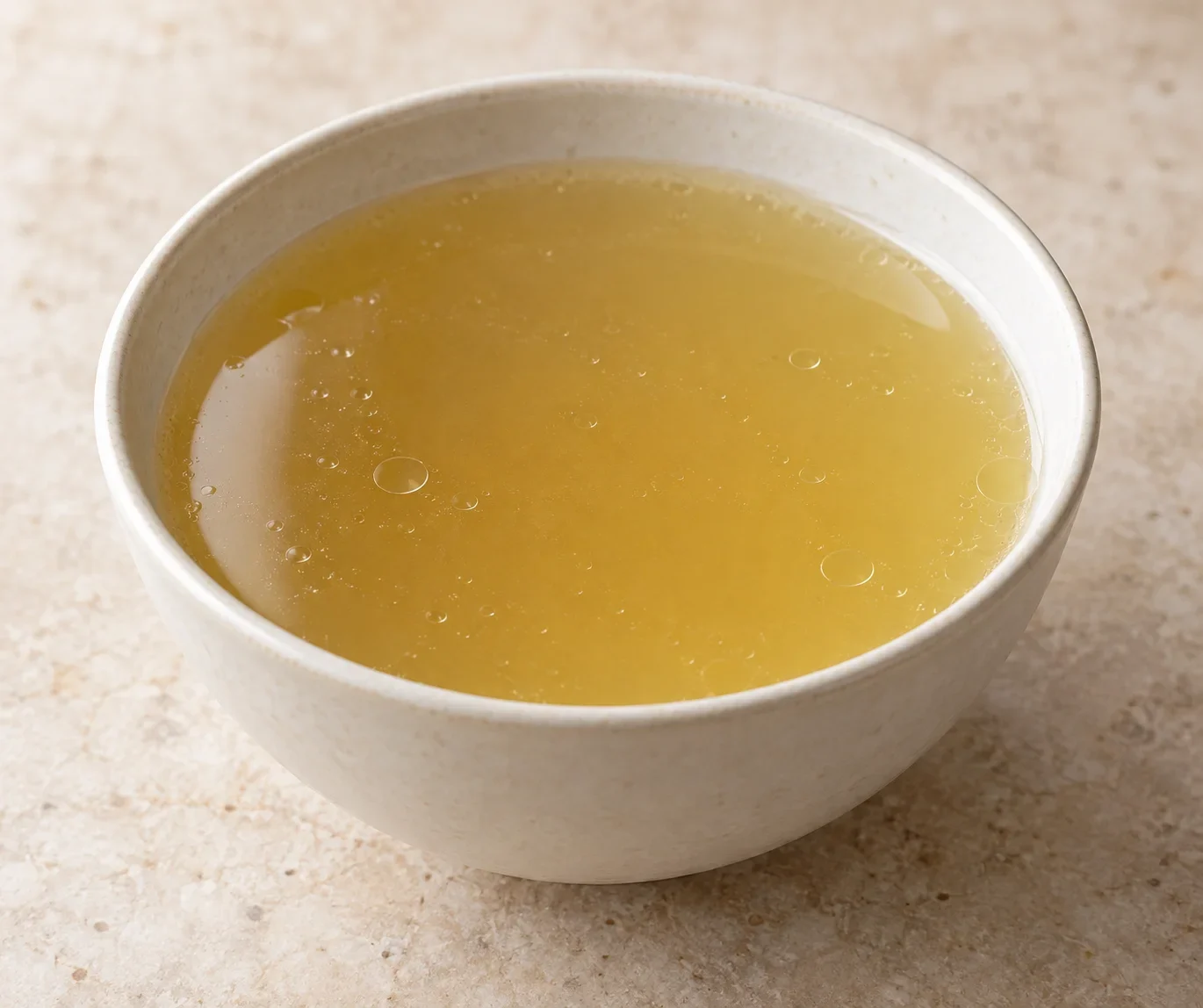
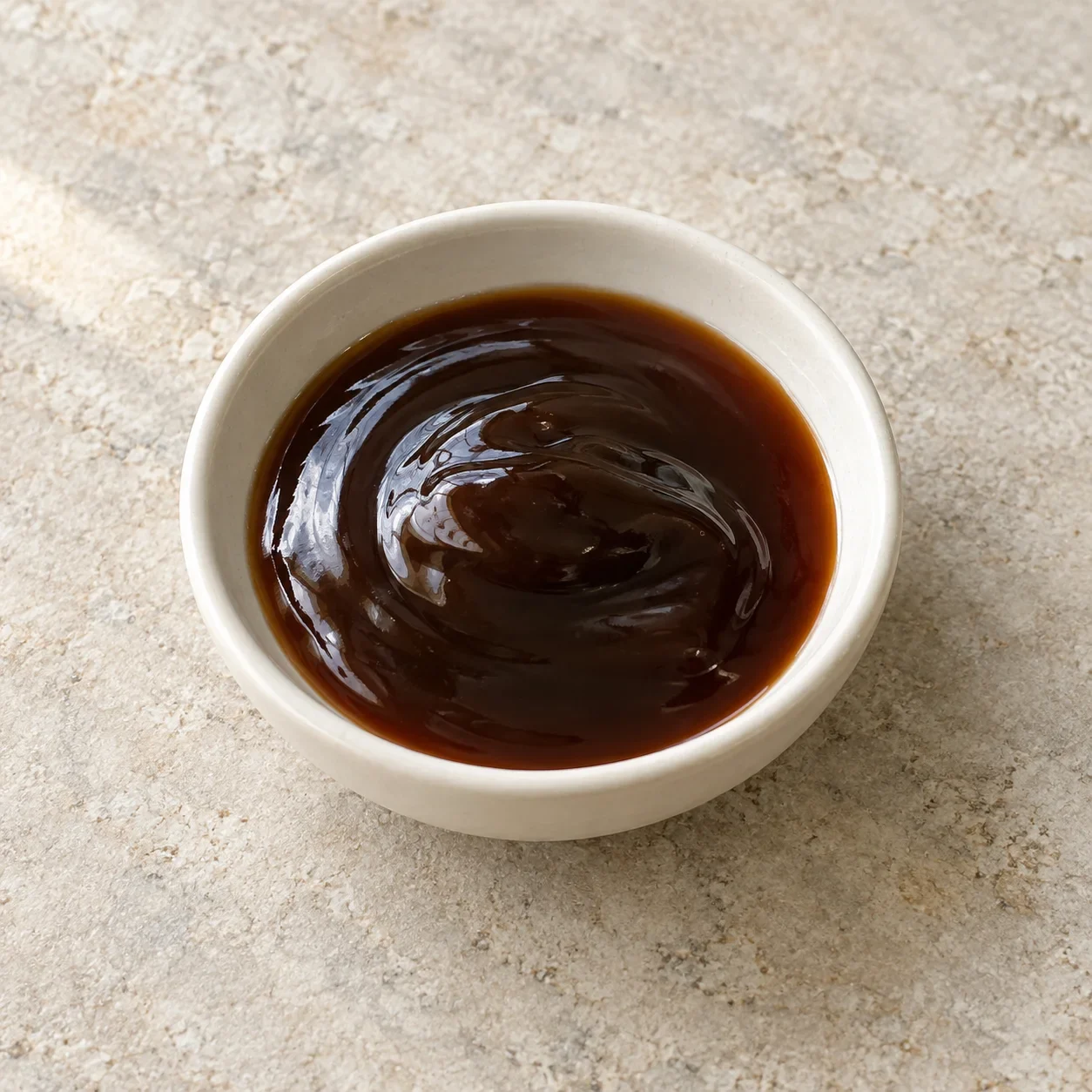
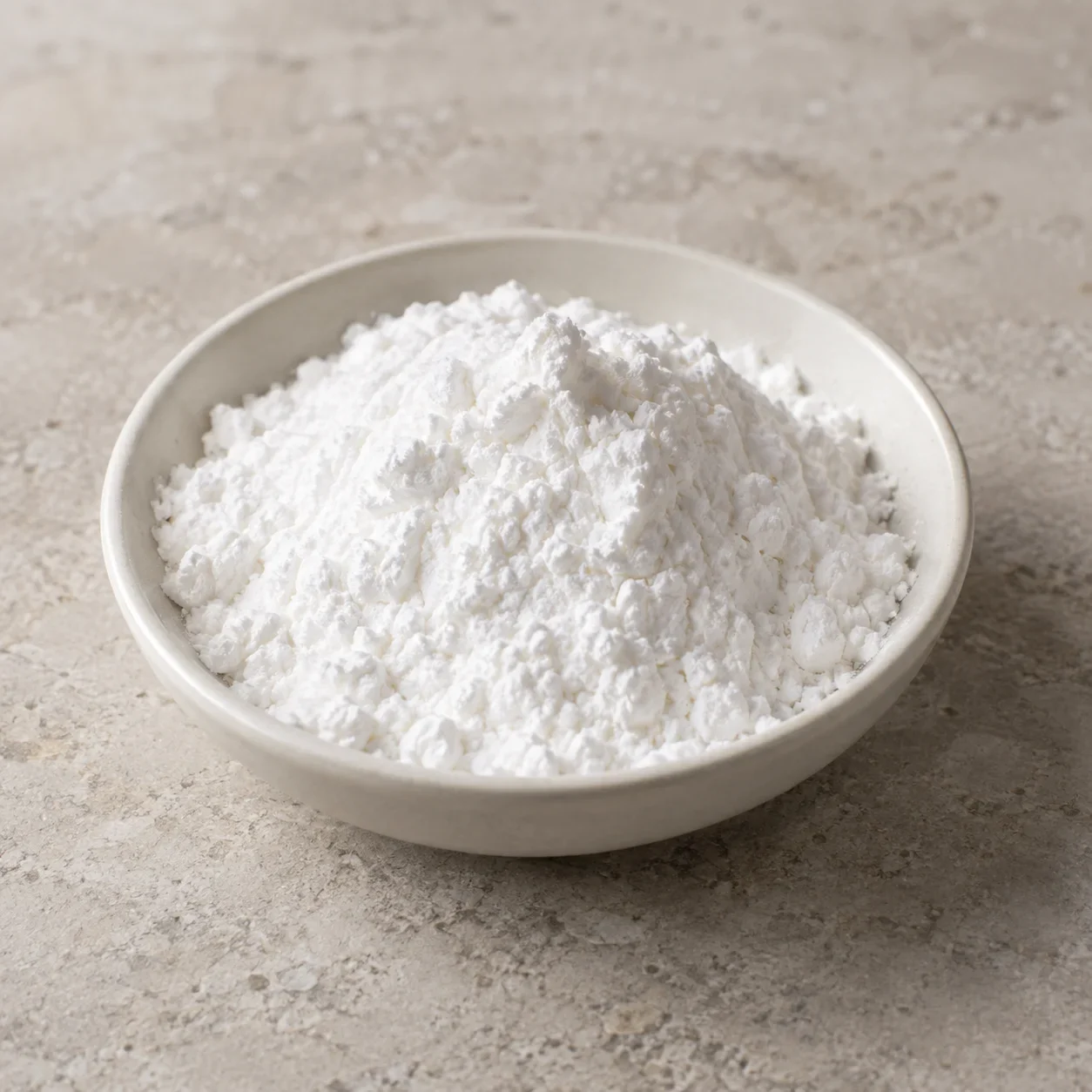
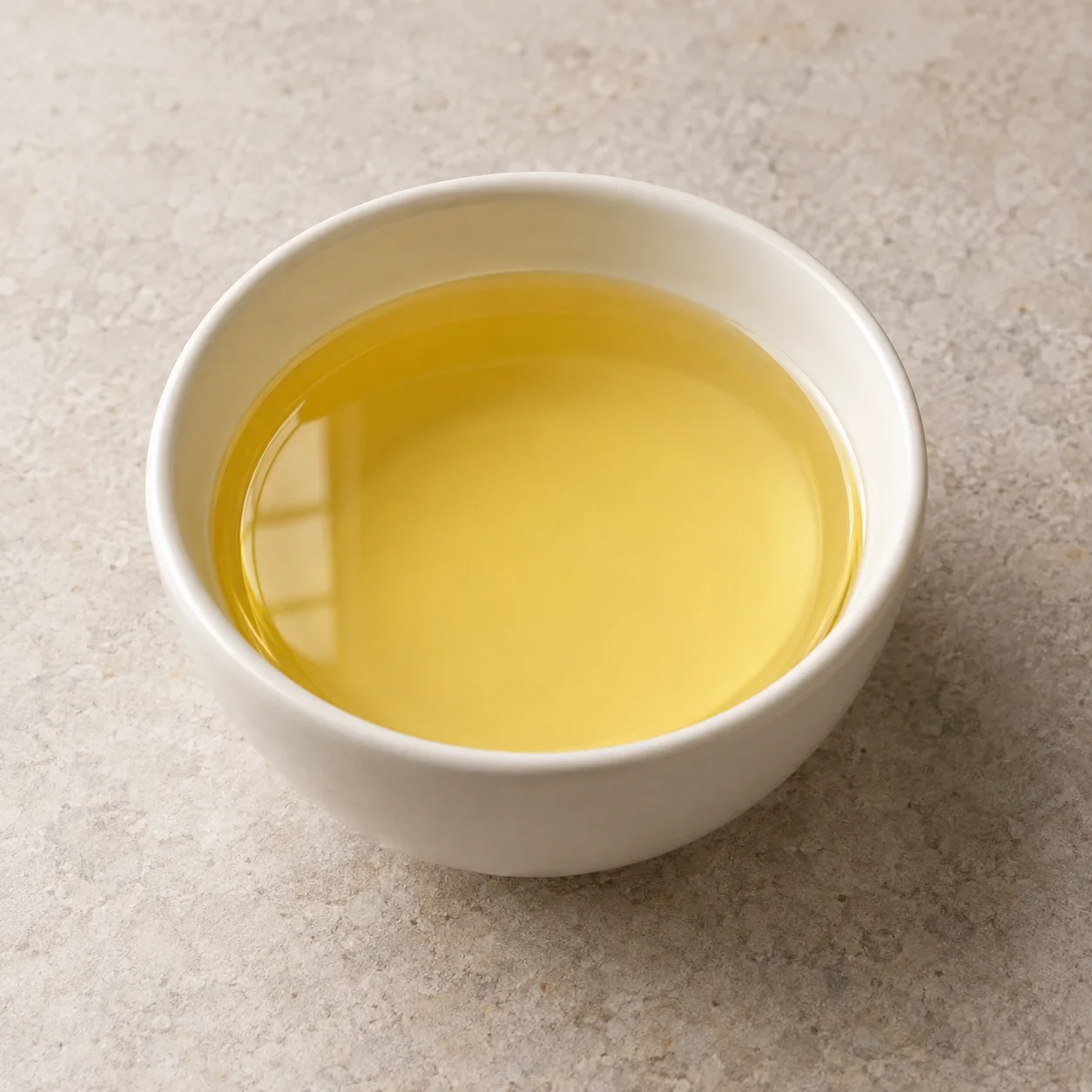
Recipes vary by restaurant.
How does it taste?
Savoury pork and preserved egg, sometimes with ginger and white pepper.
- Chili heat
- Texture
- Soft, creamy rice porridge with tender pork.
- How it’s made
- Simmer rice in water or stock until it breaks down; add pork and chopped preserved egg and cook through.
Thickness and garnishes vary. Chicken stock can replace water, and some cooks marinate the pork with oyster sauce and starch.
A CONNECTION TO PLACE
Origin & regional roots
Associated with Guangdong.
About this regional connection
Guangdong: Guangdong association; not an exclusive origin claim.
Ask if they have it first
请问你们有皮蛋瘦肉粥吗?
Do you have this item?
A LITTLE SOMETHING TO READ
Story & history
Porridge, tea and the making of yum cha
Preserved egg and lean pork congee is one of the porridges named in Guangdong’s early-tea fare, where soft bowls sit alongside tea and other dim sum. Guangzhou’s early-tea story is often traced to modest Qing-era tea shelters where workers stopped to rest and drink; buns and snacks followed when they needed food. A “century egg” starts as a fresh egg, usually duck, preserved with alkaline materials. One preparation method takes about two months, not a century.