
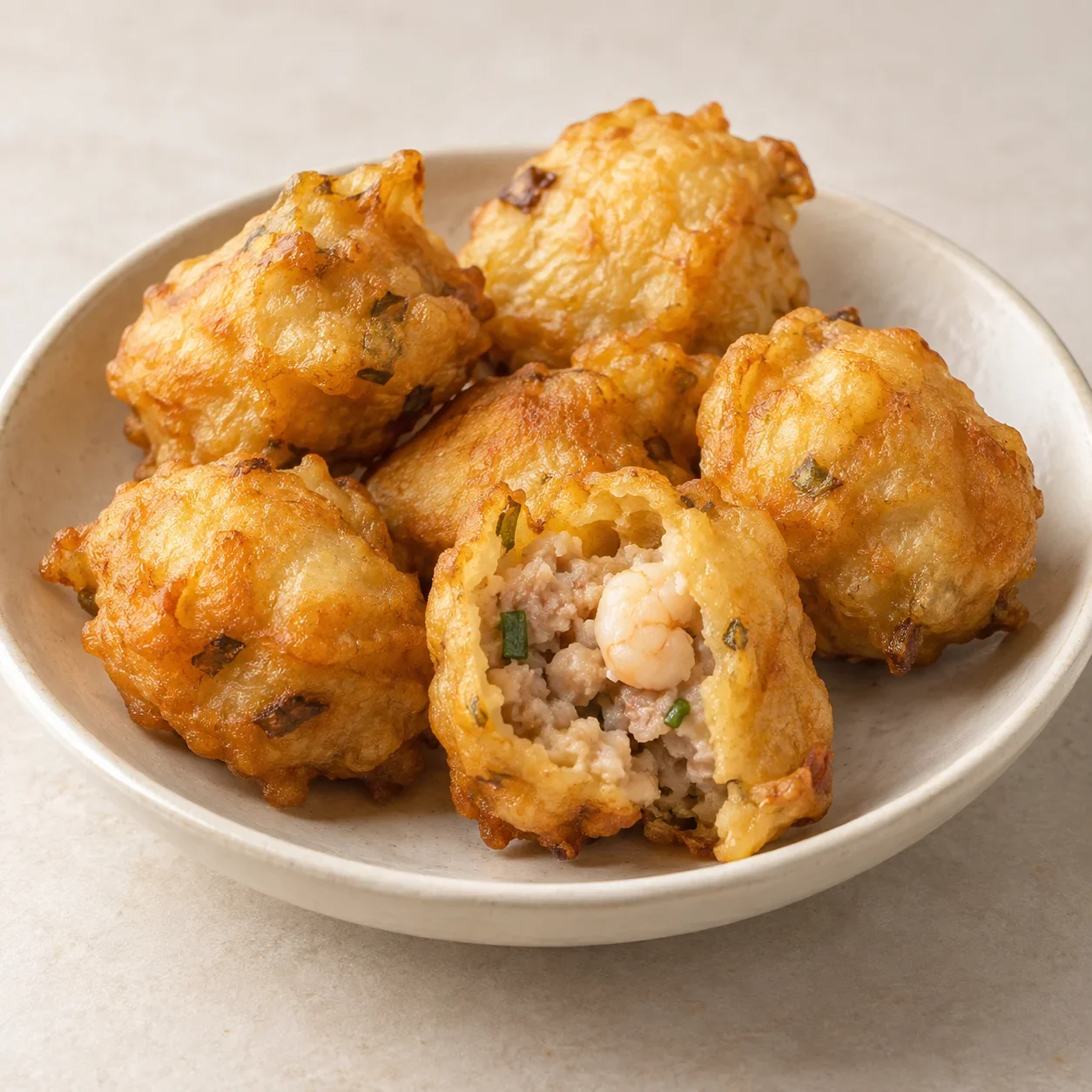
At the table
Let the hot filling cool, then tear or cut into manageable bites. Ask which filling is inside; the name does not guarantee shrimp.
Contains wheat and usually pork. Shrimp, egg or other seafood may be added, and some makers fry in lard. Check the filling and frying fat for dietary or allergy needs.
Offer small cooled pieces only if the child can chew the crisp shell. Avoid spicy cabbage, and remove any shrimp heads or shells before serving.
Recipes vary. Ask the restaurant about ingredients and serving before you order.
GET TO KNOW THE DISH
What goes into it?
Explore some key ingredients below. Preparations may use additional seasonings and ingredients.
Fillings may include egg, shrimp, cabbage, squid or ham-style sausage. Spicy cabbage can add heat to an otherwise non-chili version; recipes and frying fats vary.
Typical ingredients
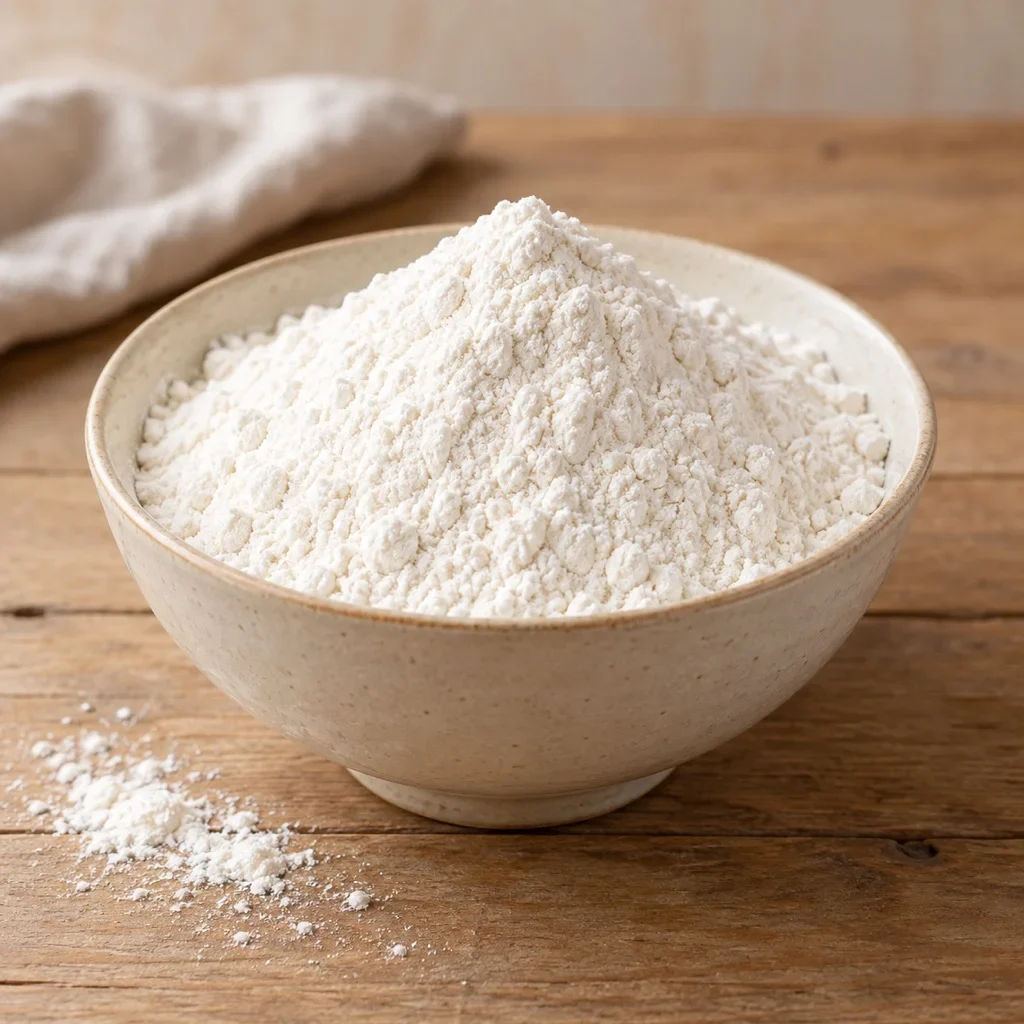
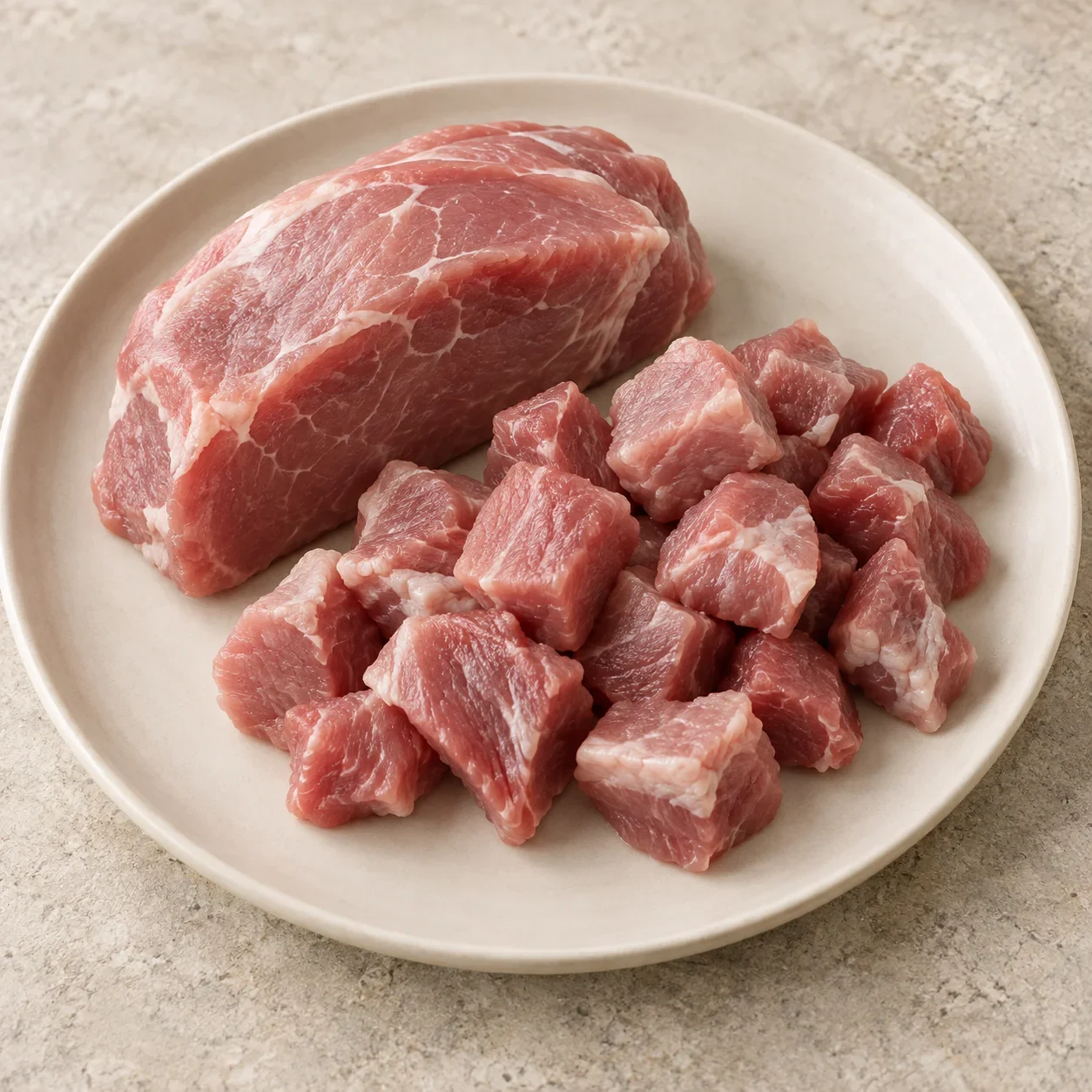
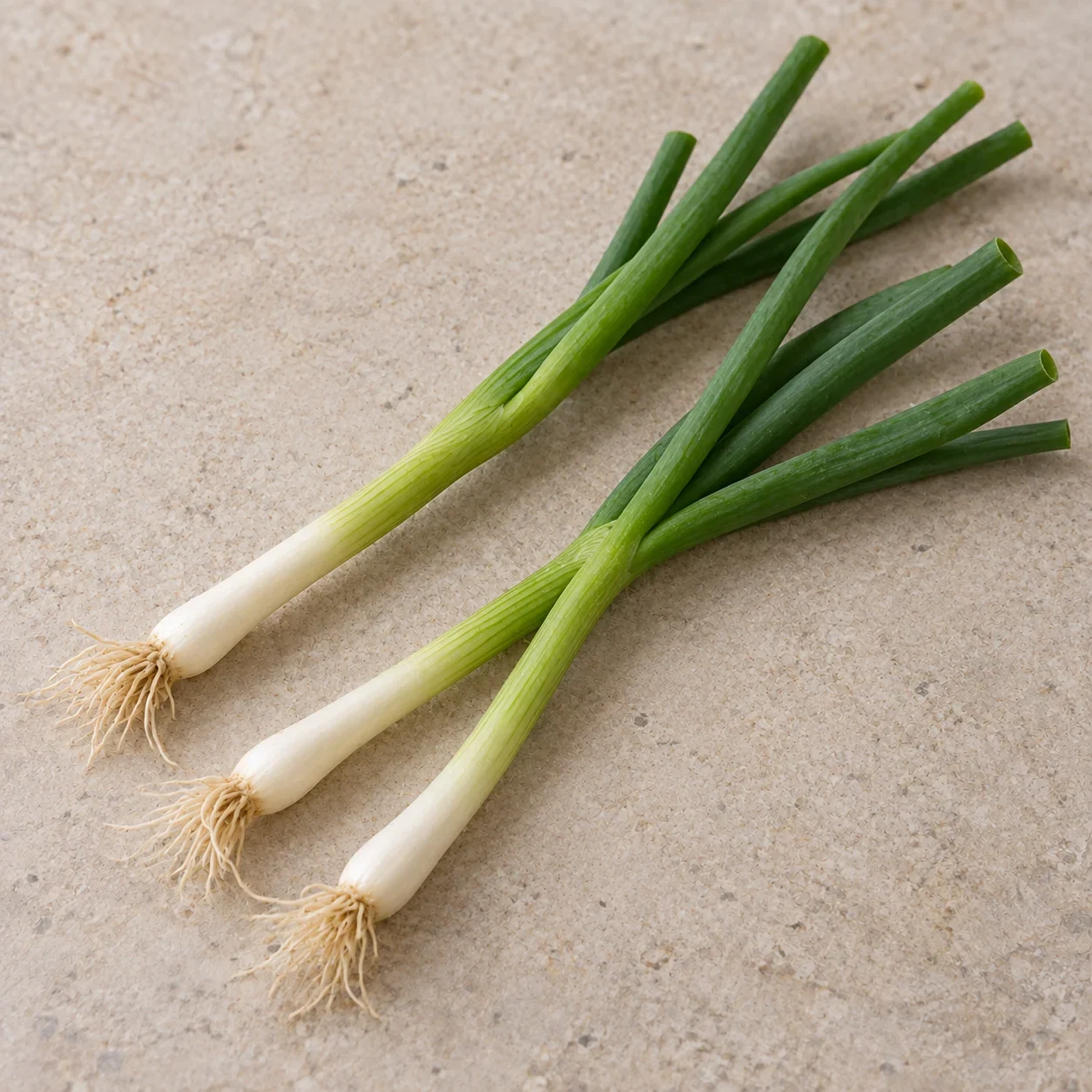
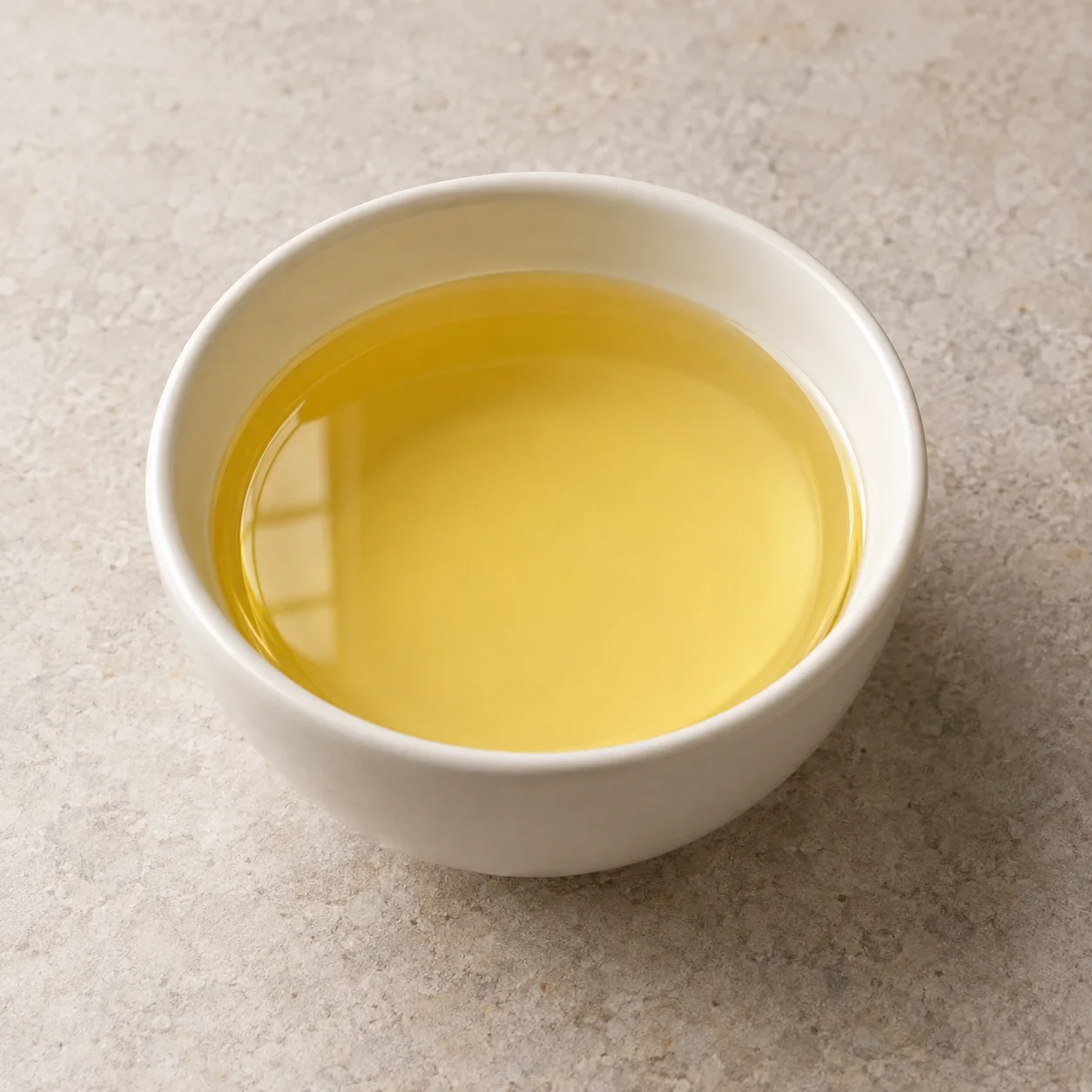

In some versions
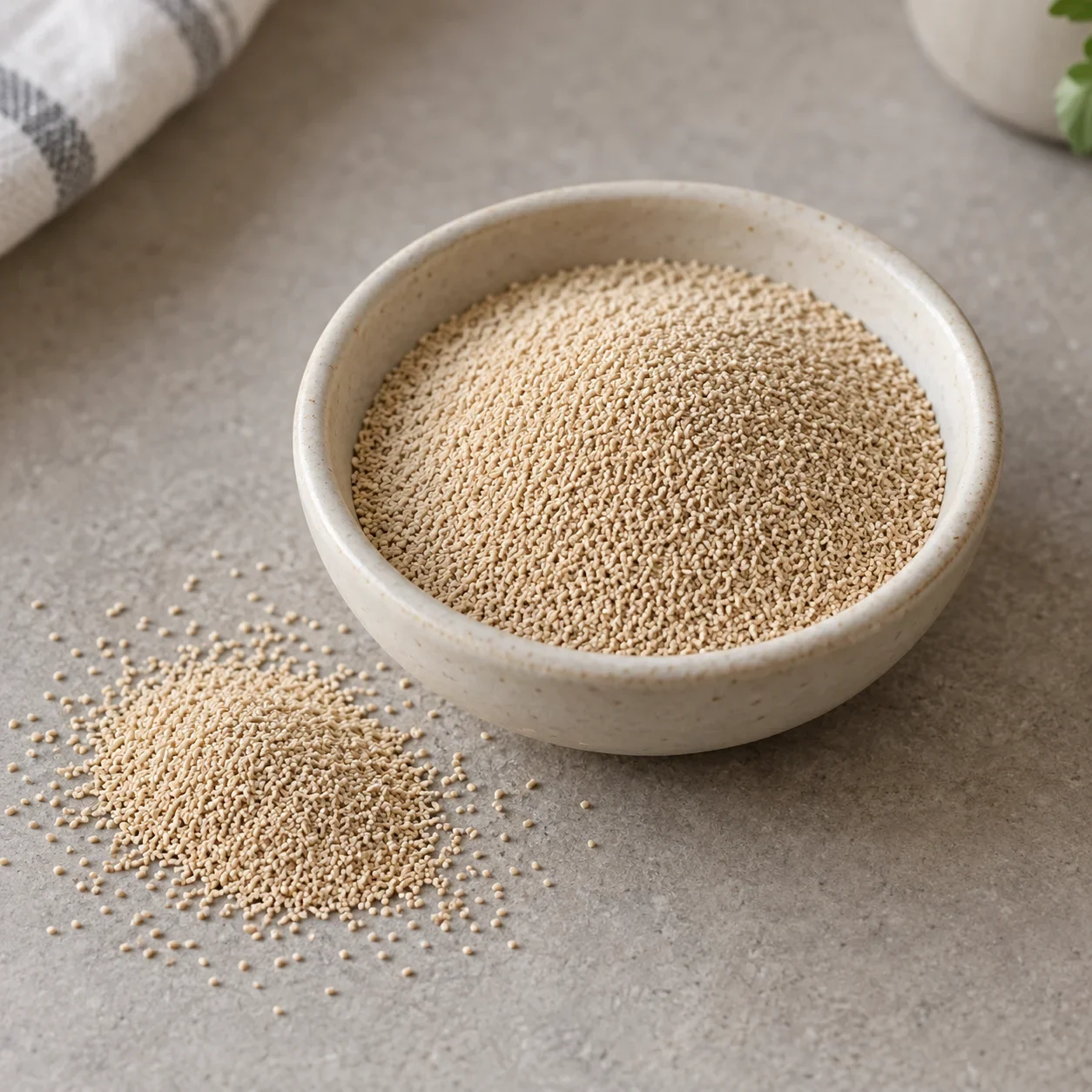
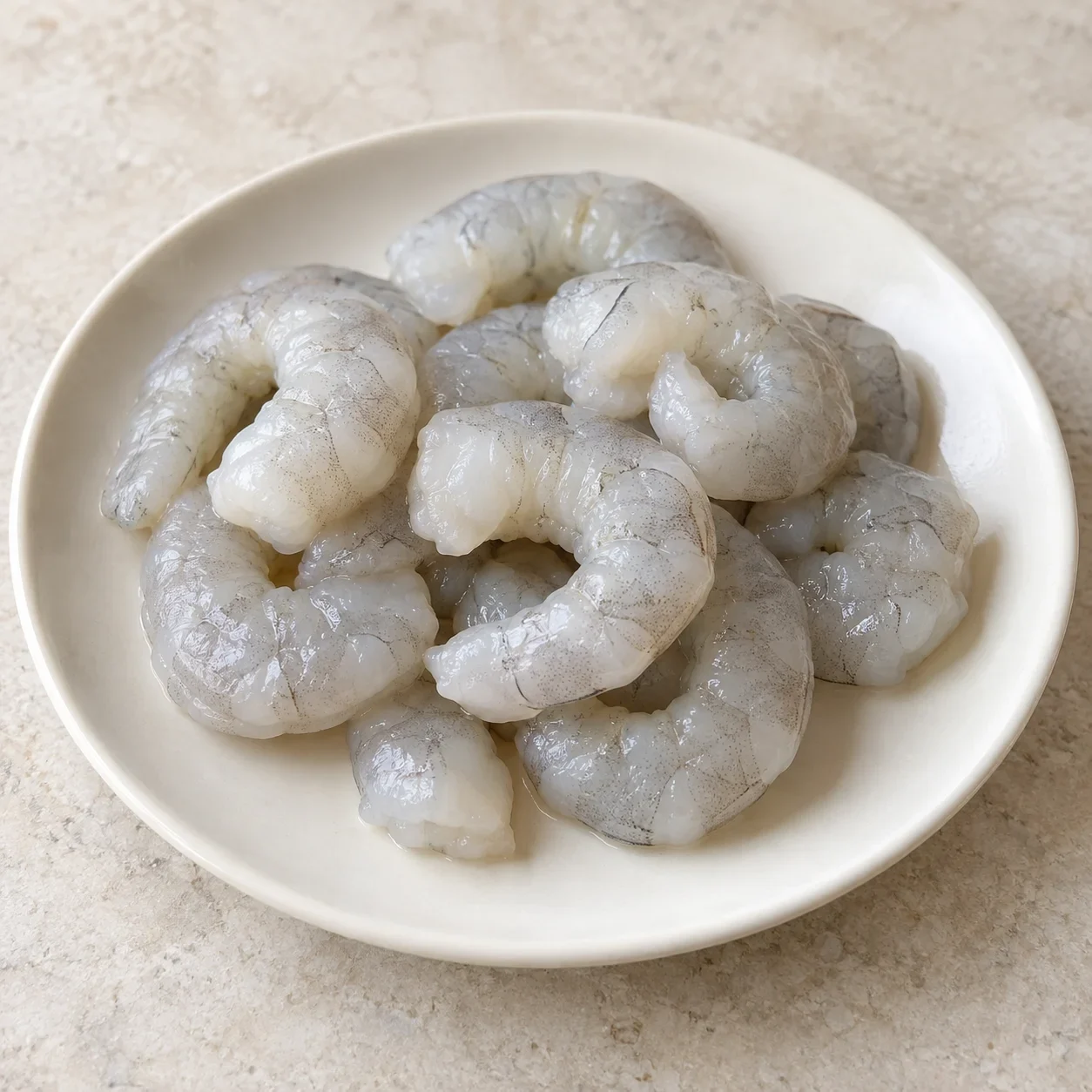
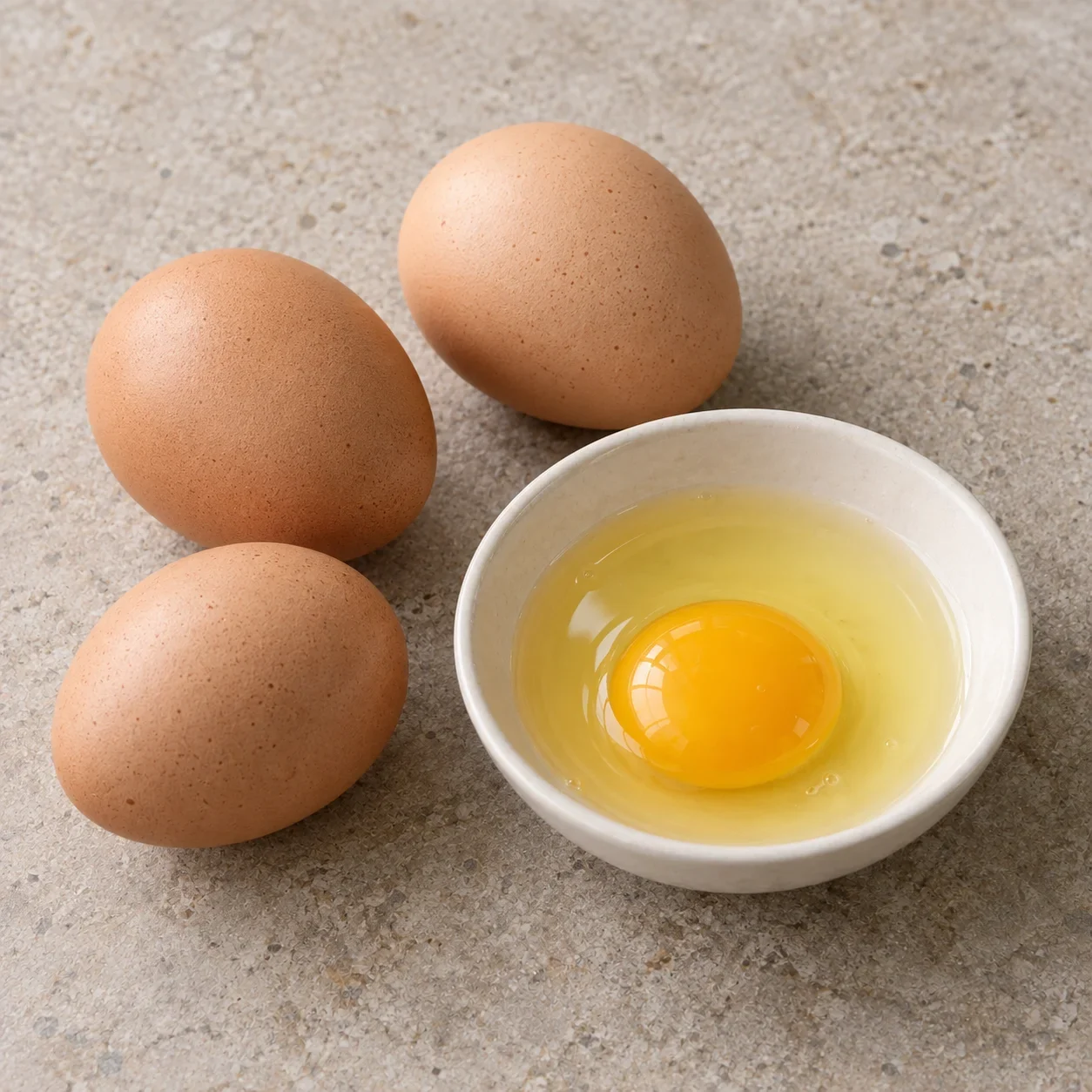
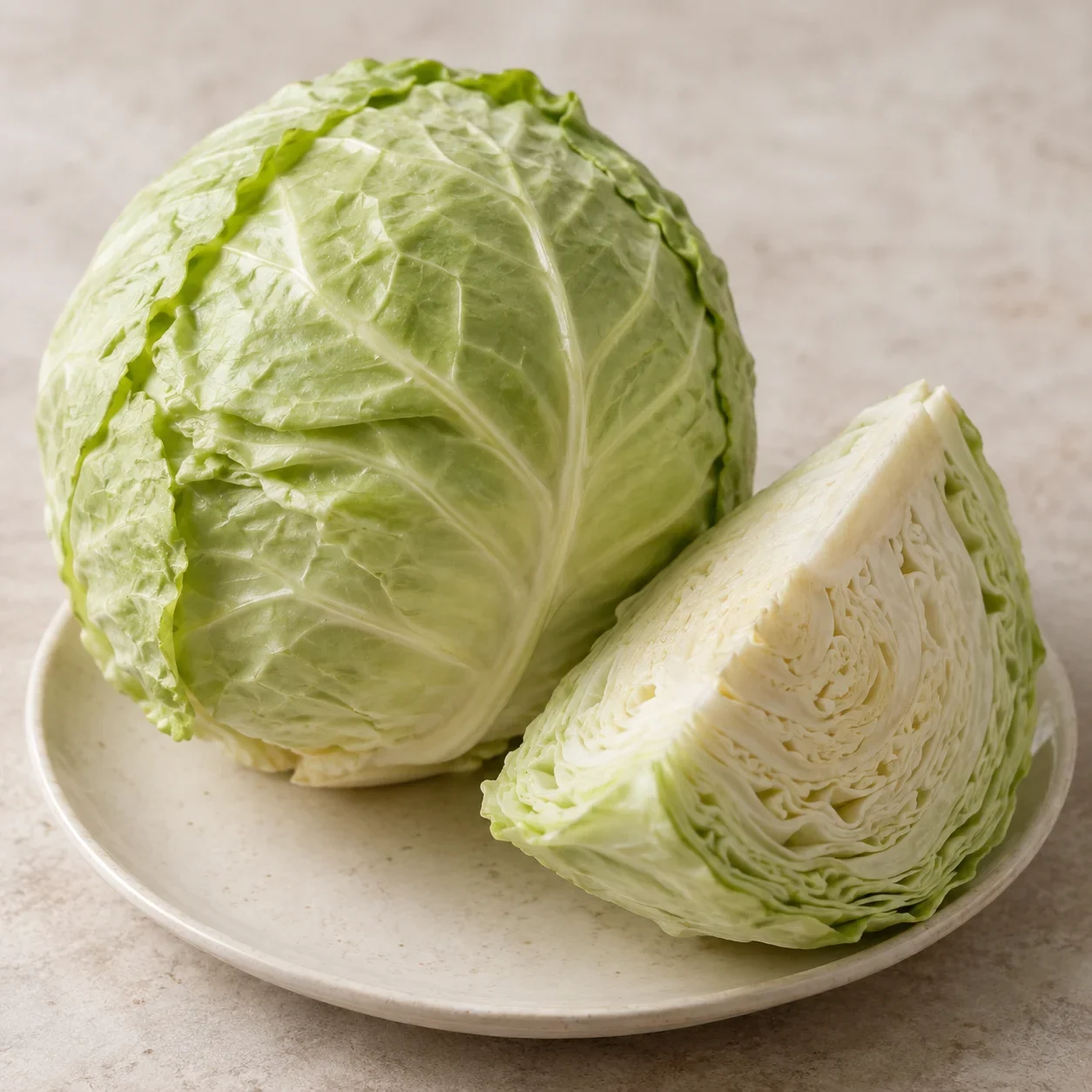
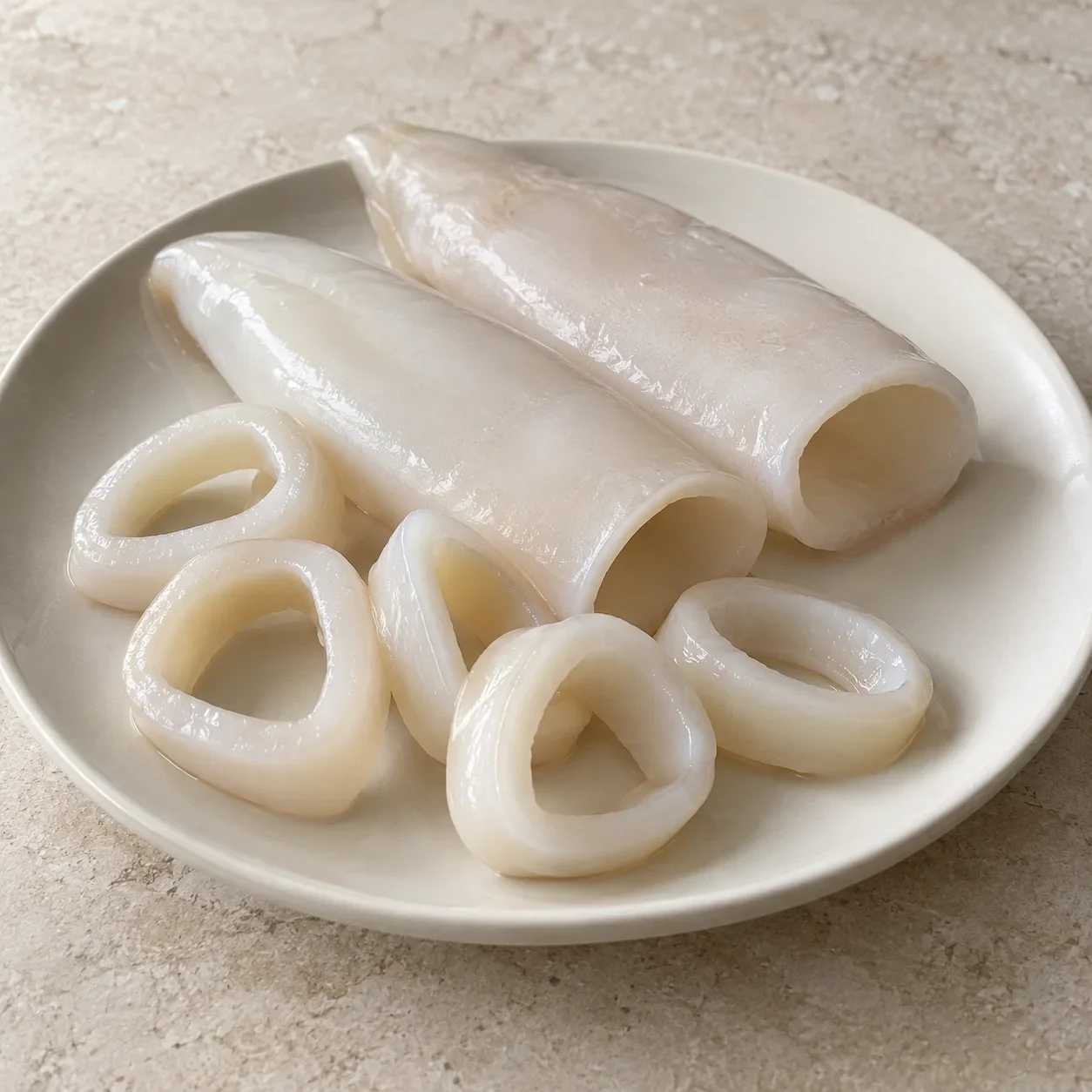

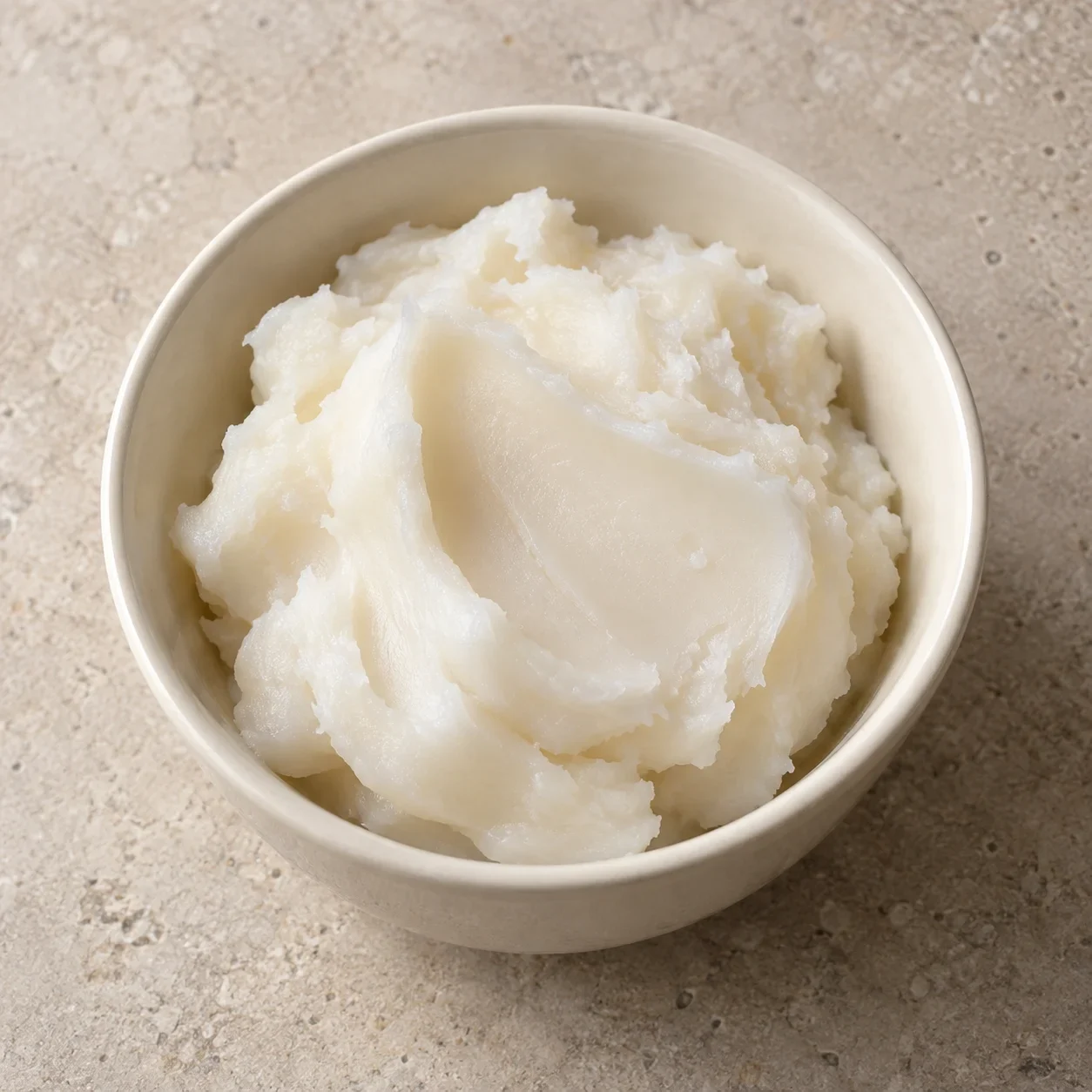
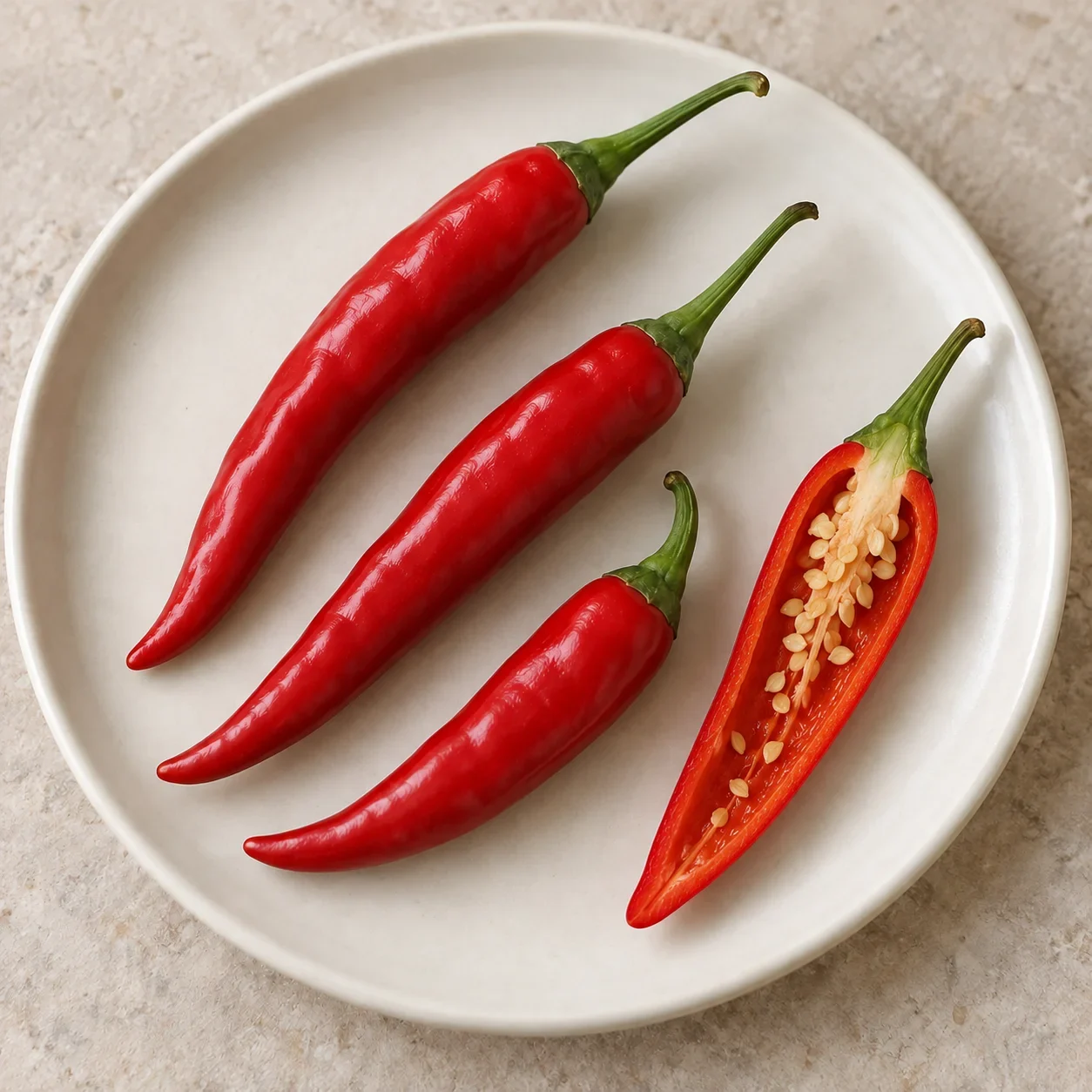
Recipes vary by restaurant.
How does it taste?
Savory pork and scallion richness with optional shrimp sweetness; deep-fried aroma.
- Chili heat
- Texture
- Crisp, blistered golden shell with a soft, steamy savory interior.
- How it’s made
- Batter is spread thin on a tool, filled, sealed with more batter, and deep-fried in hot oil until set and golden; makers press with a strainer to shape. Some shops use house-rendered lard.
Fillings may include egg, shrimp, cabbage, squid or ham-style sausage. Spicy cabbage can add heat to an otherwise non-chili version; recipes and frying fats vary.
A CONNECTION TO PLACE
Origin & regional roots
Associated with Zhejiang.
About this regional connection
Zhejiang: Associated with Wenling (Taizhou), Zhejiang street fryers; related you-gu naming in Songmen noted as local overlap.
Ask if they have it first
请问你们有温岭泡虾吗?
Do you have this item?
A LITTLE SOMETHING TO READ
Story & history
Why pao xia may contain no shrimp
Around Wenling, the names pao xia and you gu overlap. In Songmen, you gu commonly means a fried batter pocket with minced pork and scallions; in Taiping, similar snacks are often called pao xia. Some versions include fresh shrimp, while others do not. Street fryers and snacks eaten around local theatre performances have made these crisp, hot pockets part of familiar everyday food culture.