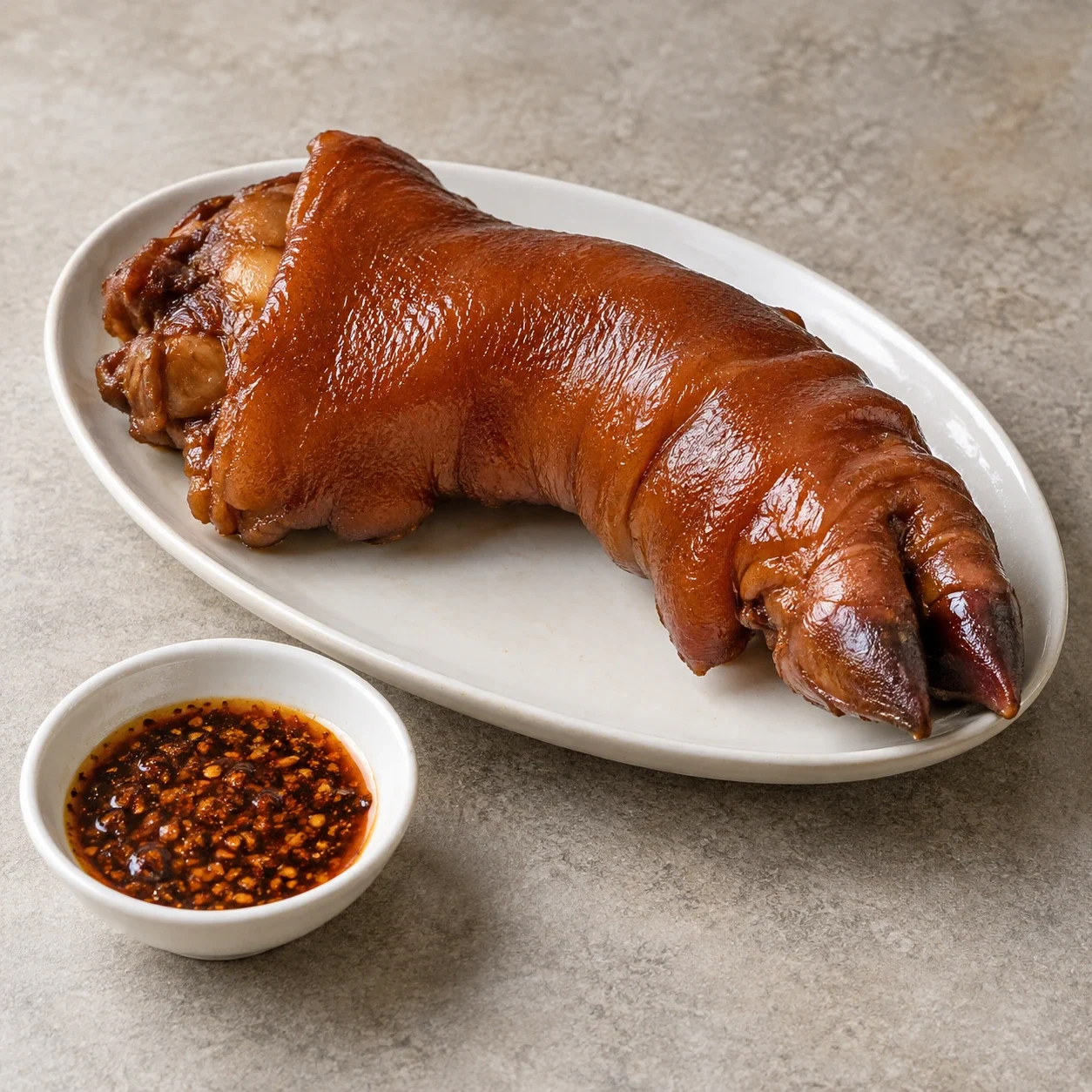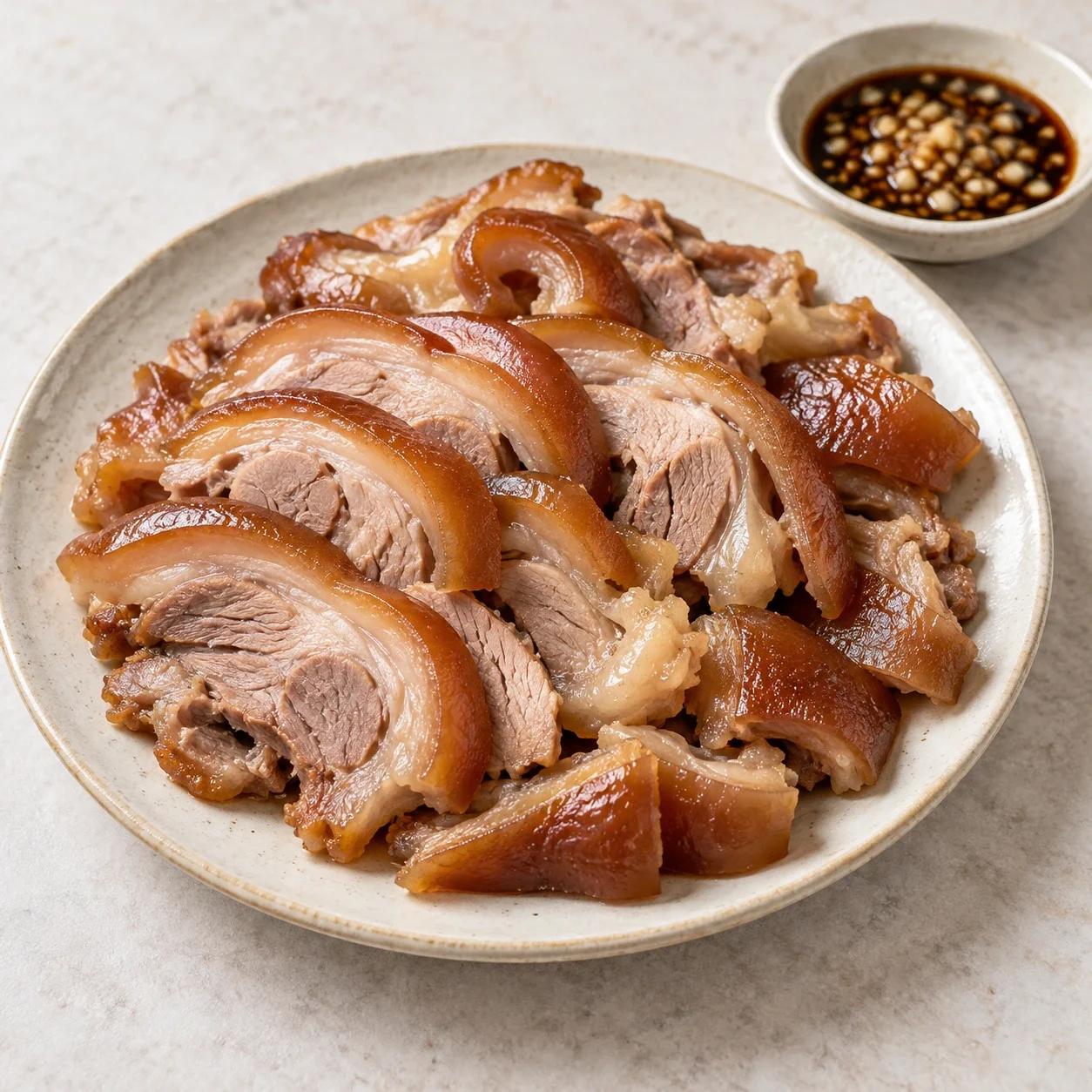
At the table
Pick up a slice, dip lightly in the garlic sauce and eat in small bites. Ask whether the portion is deboned; leave any bones on a side plate.
Contains pork and soy; sauces may contain wheat. Skin and tendon are chewy, and bones may remain. Cooking with rice wine does not guarantee an alcohol-free dish.
Spice blends, cuts and serving temperature vary. Some portions retain bones; chili may be added in other recipes or sauces.
GET TO KNOW THE DISH
What goes into it?
Explore some key ingredients below. Preparations may use additional seasonings and ingredients.
Spice blends, cuts and serving temperature vary. Some portions retain bones; chili may be added in other recipes or sauces.
Typical ingredients
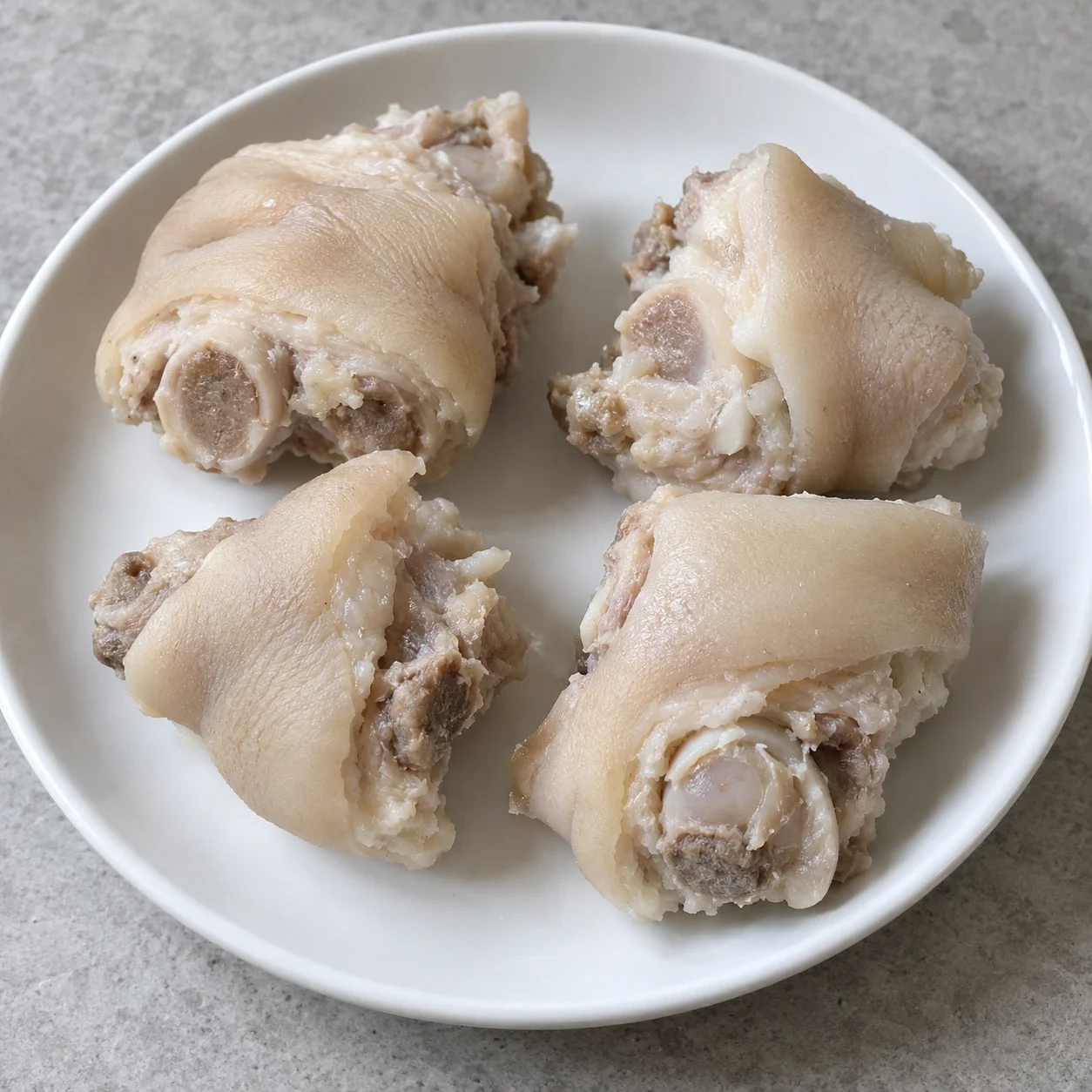
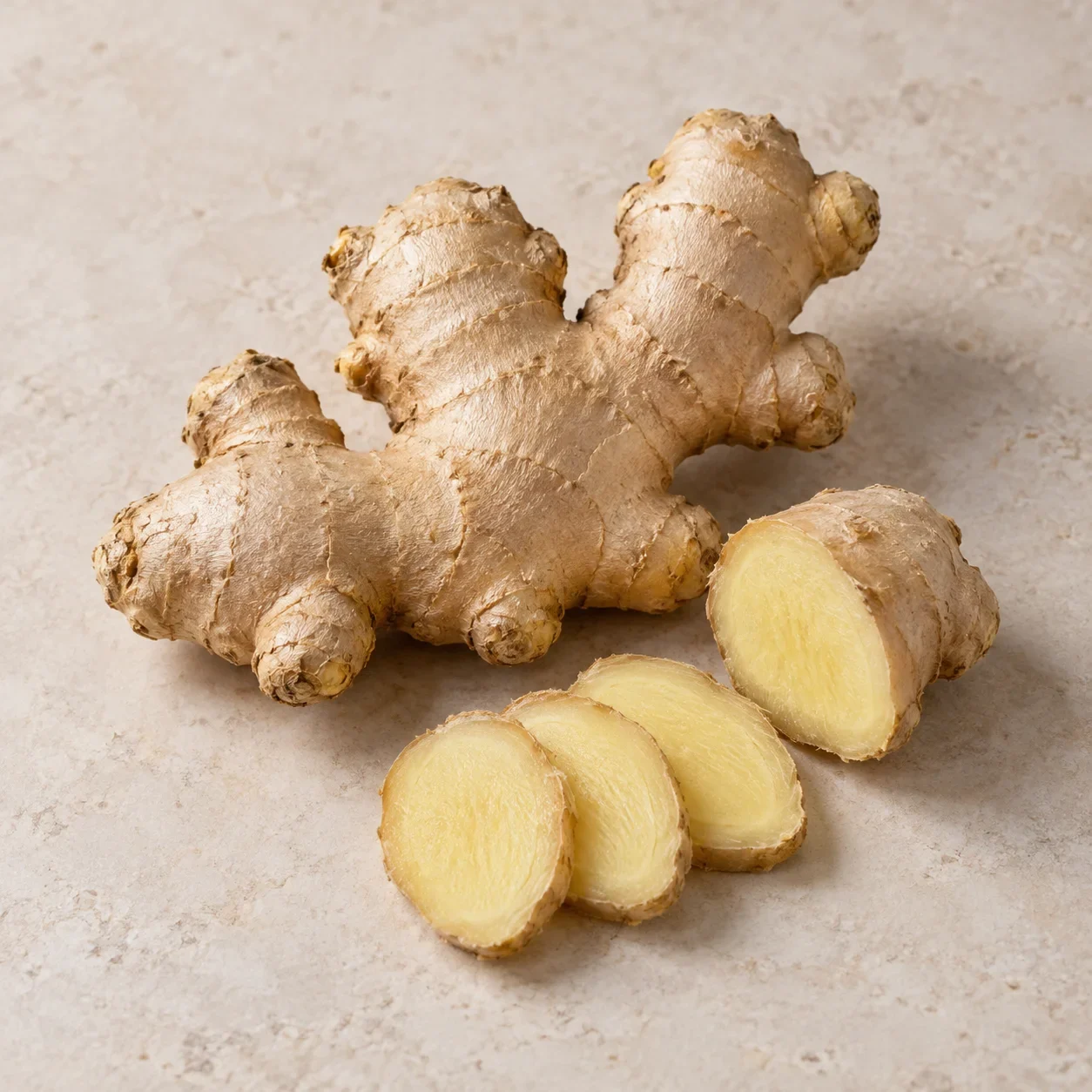
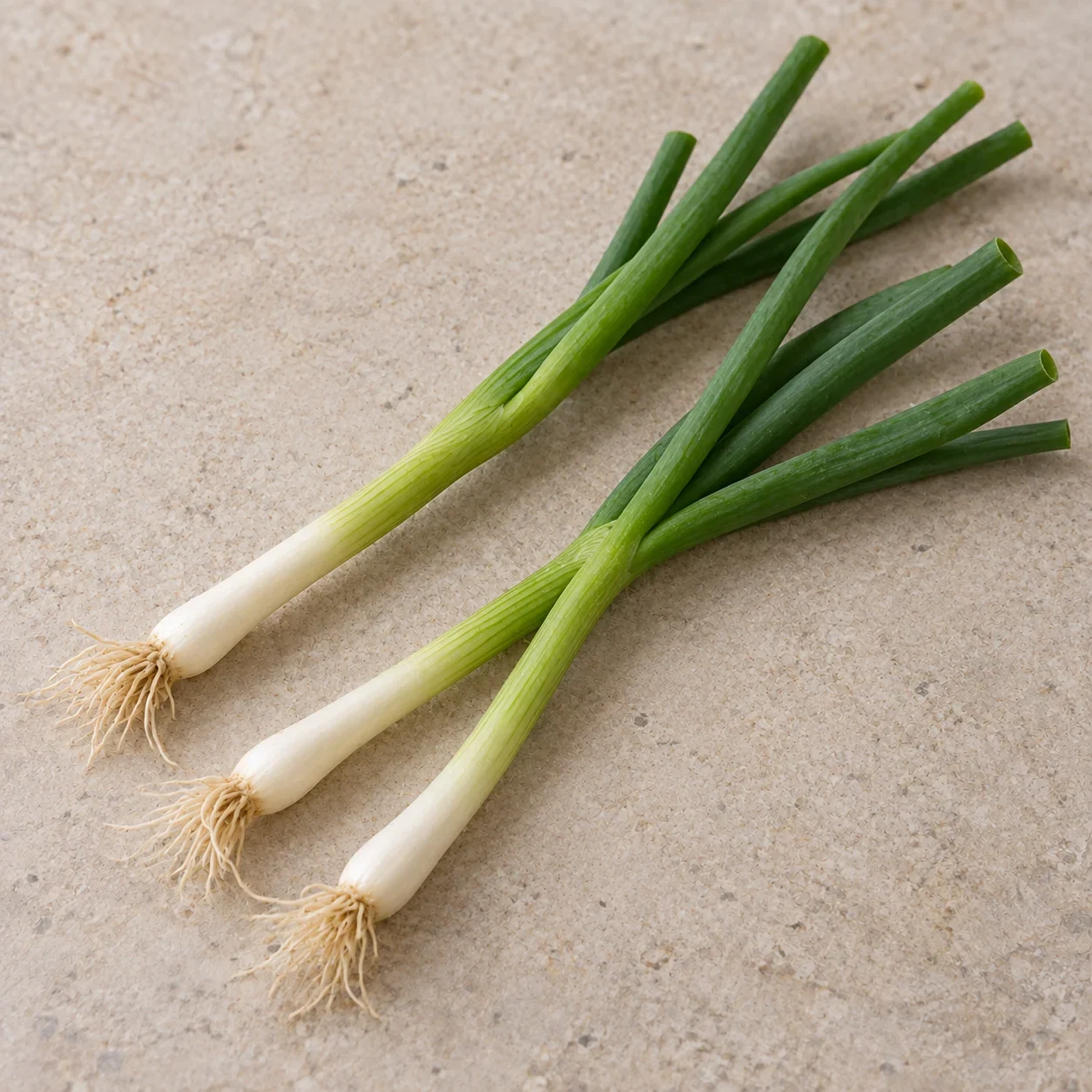
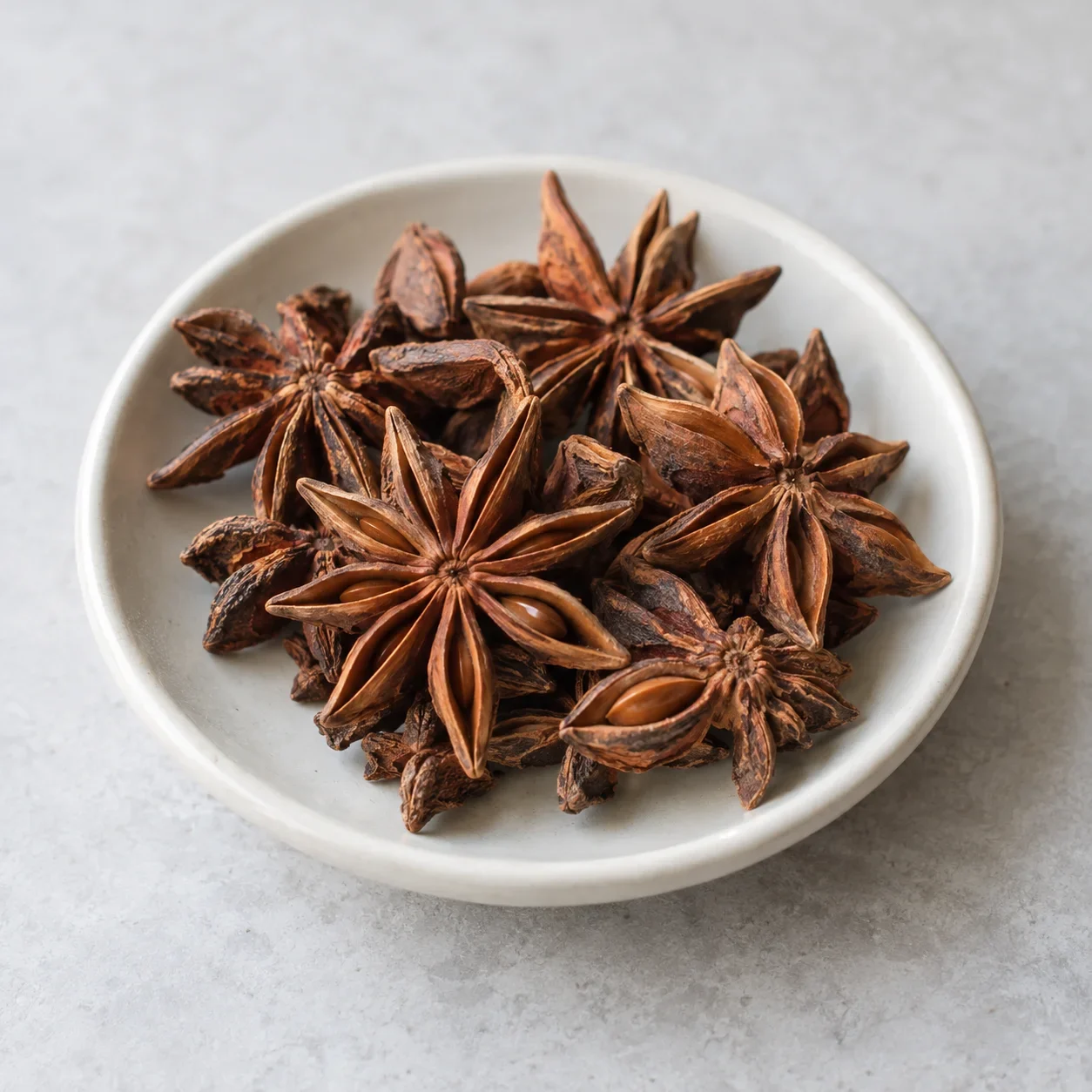
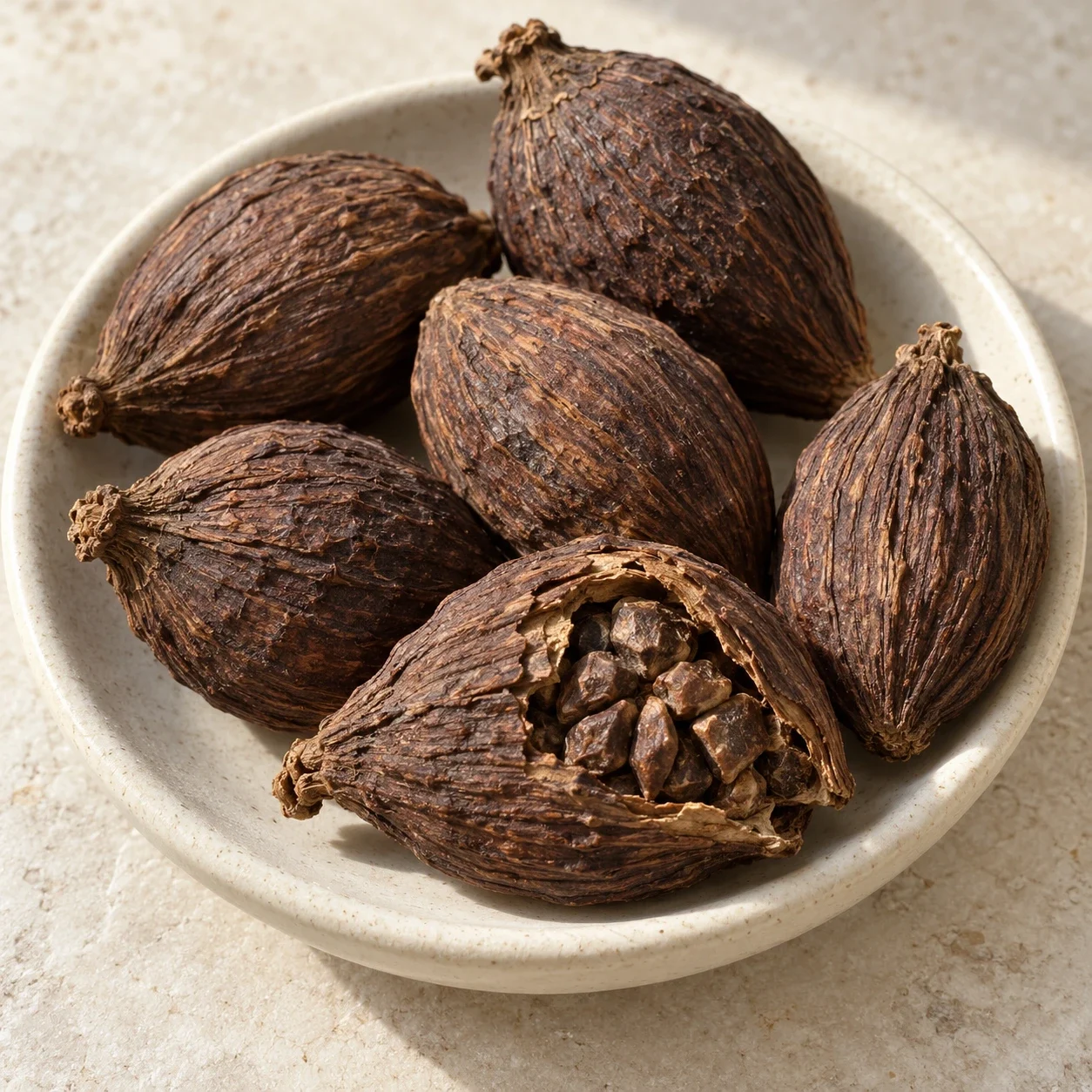
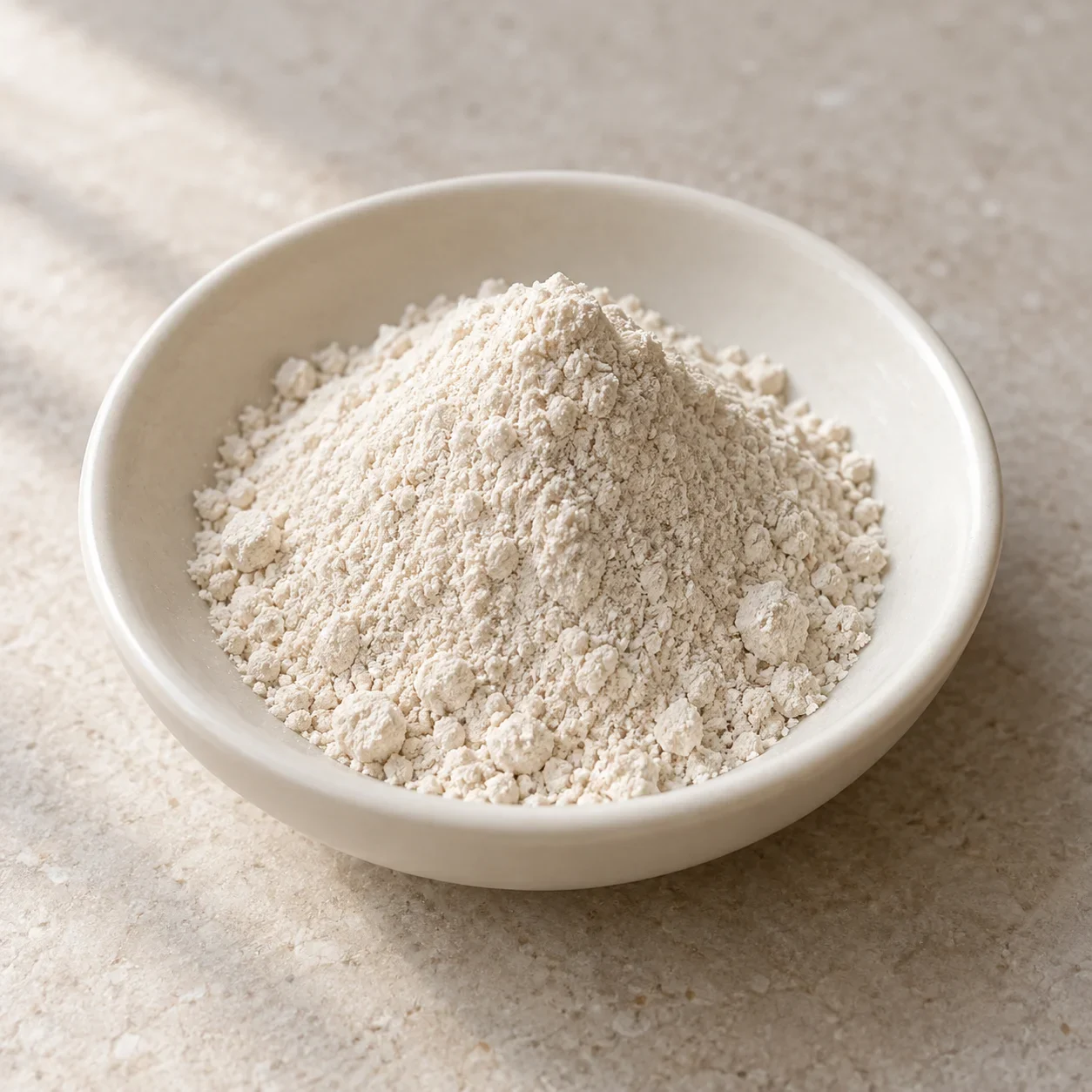
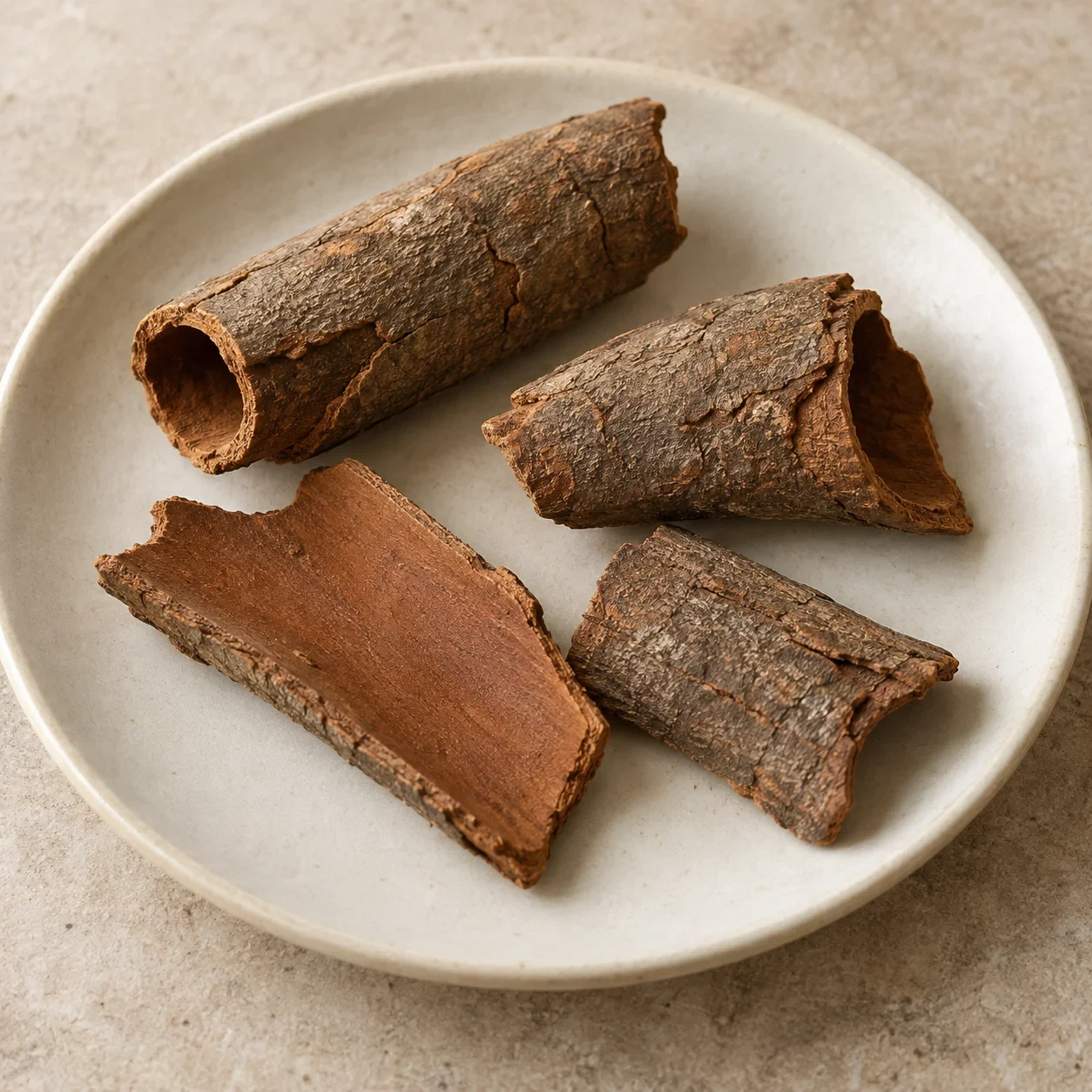
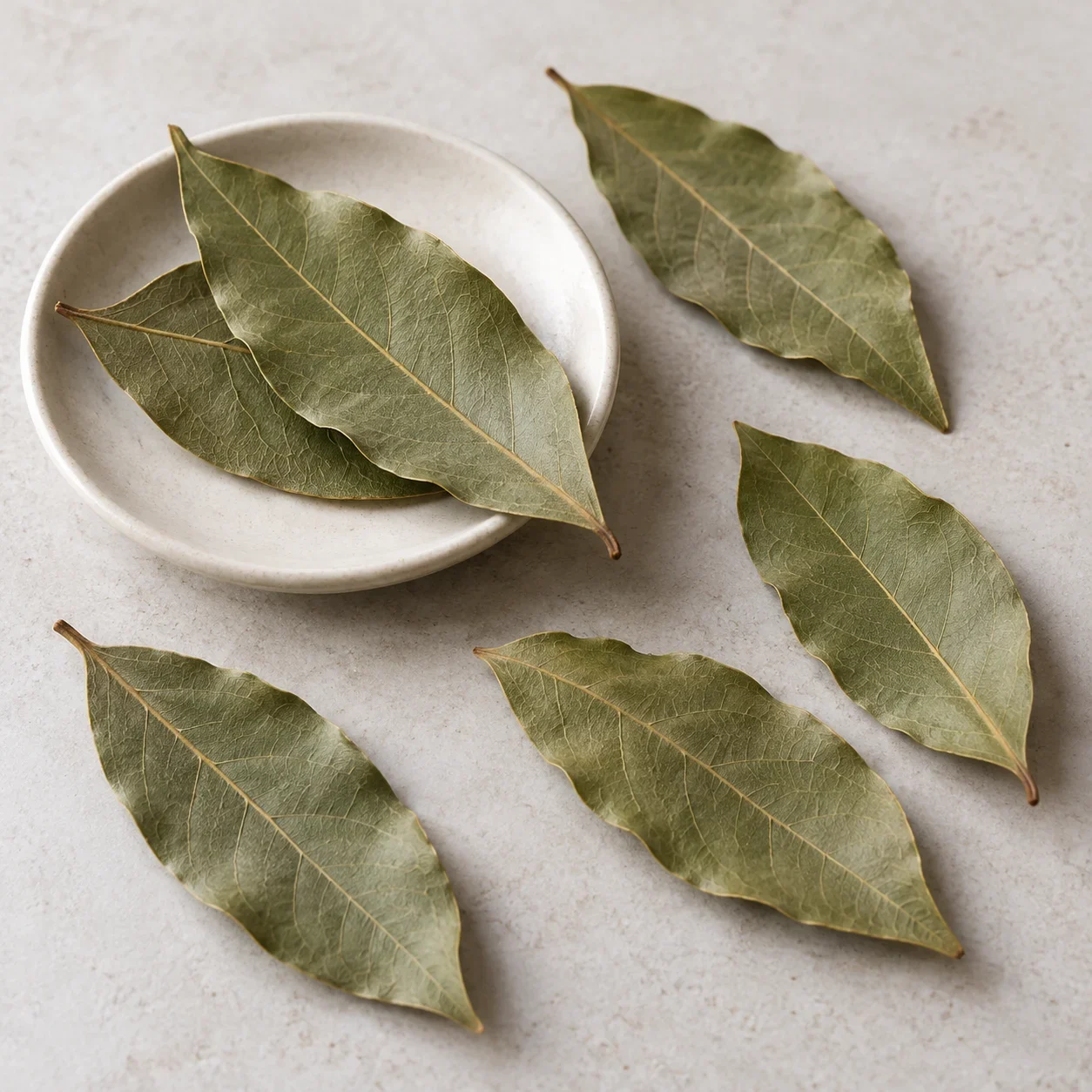
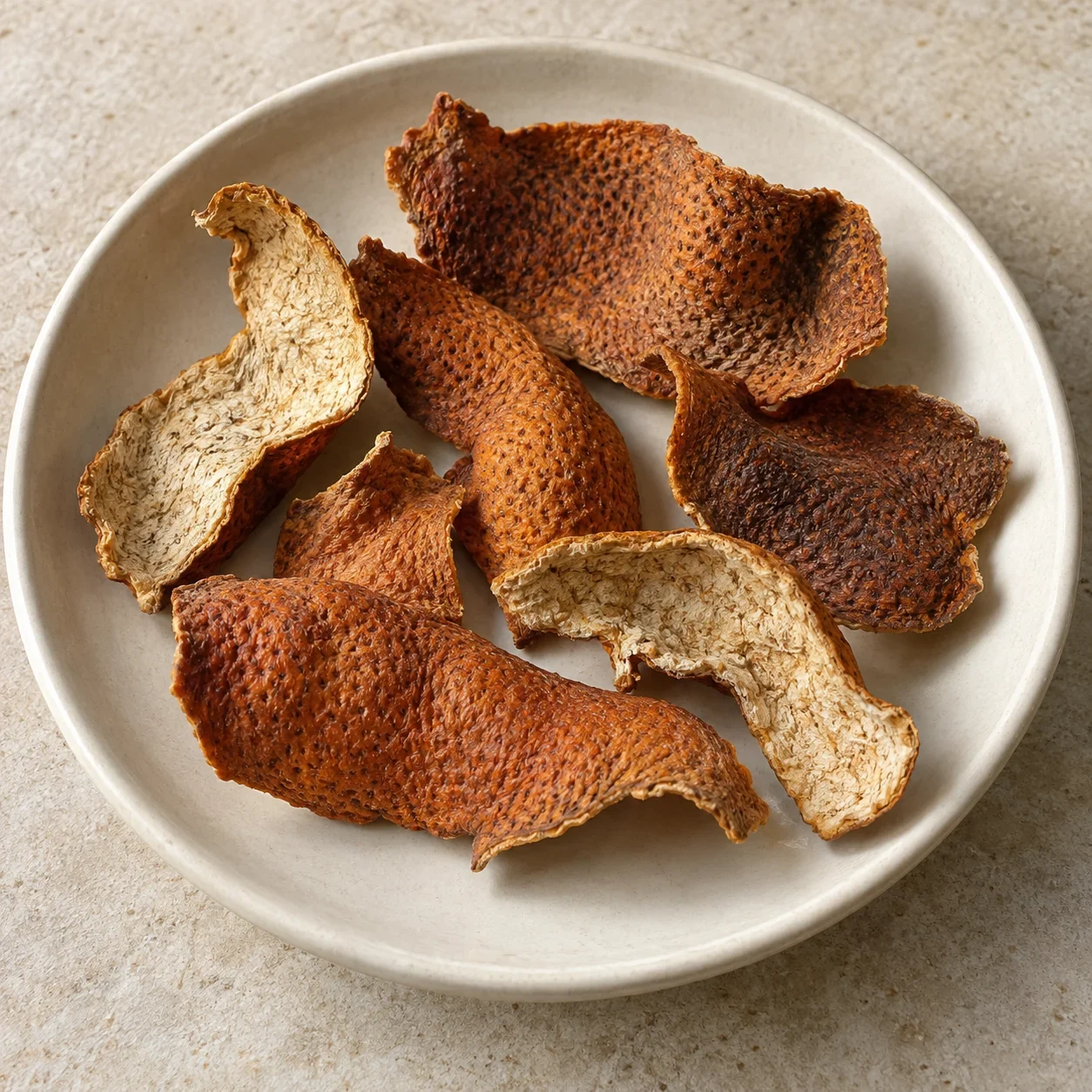
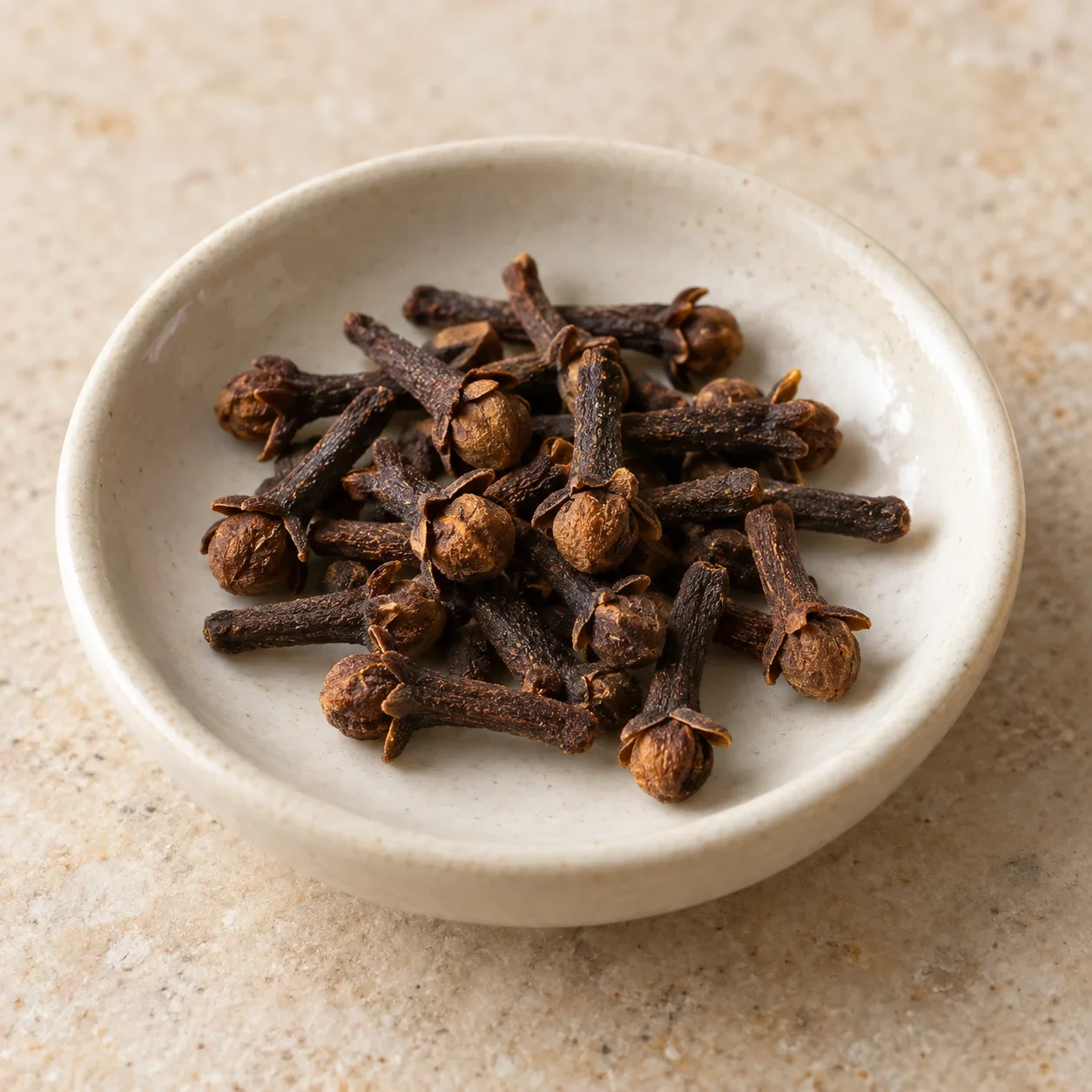
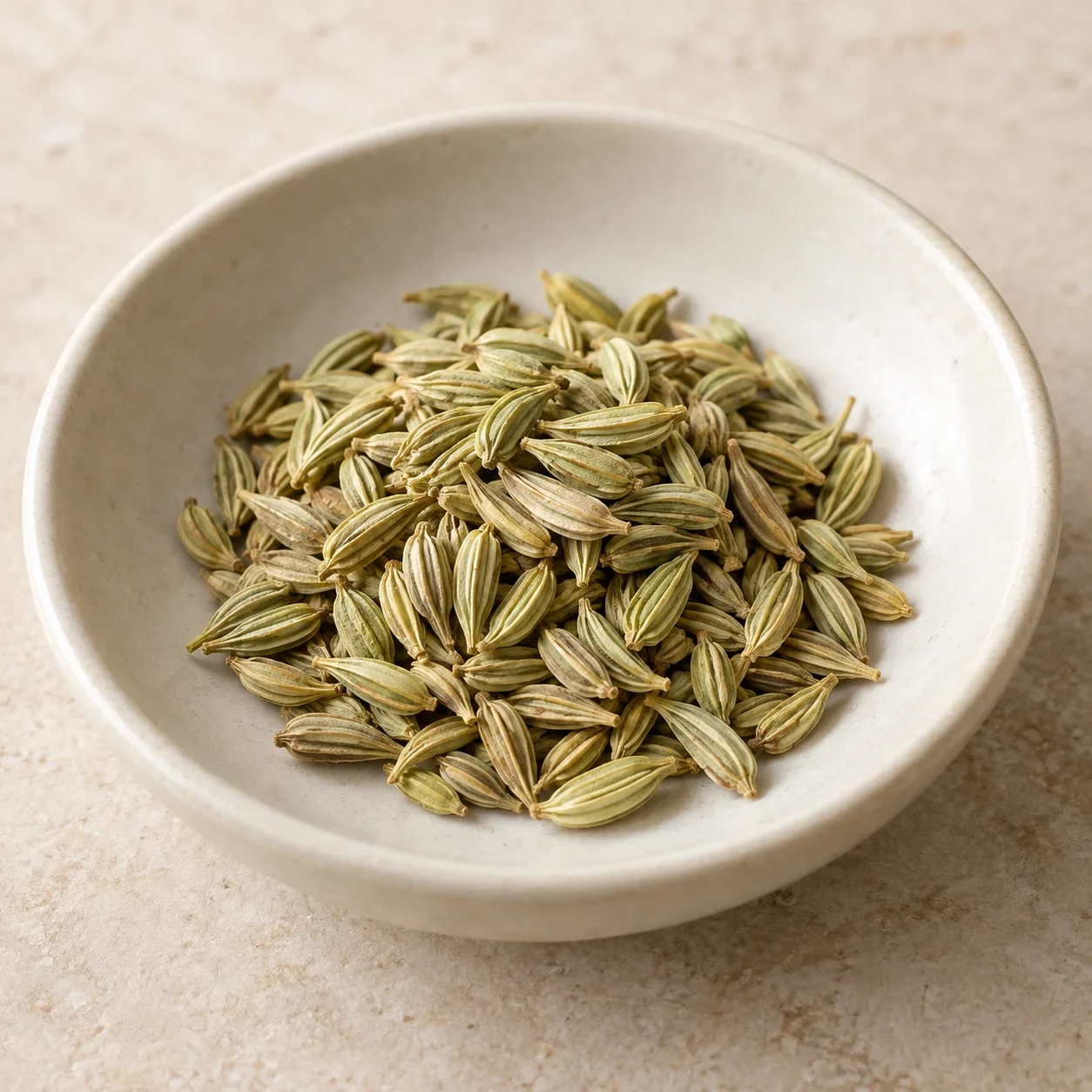
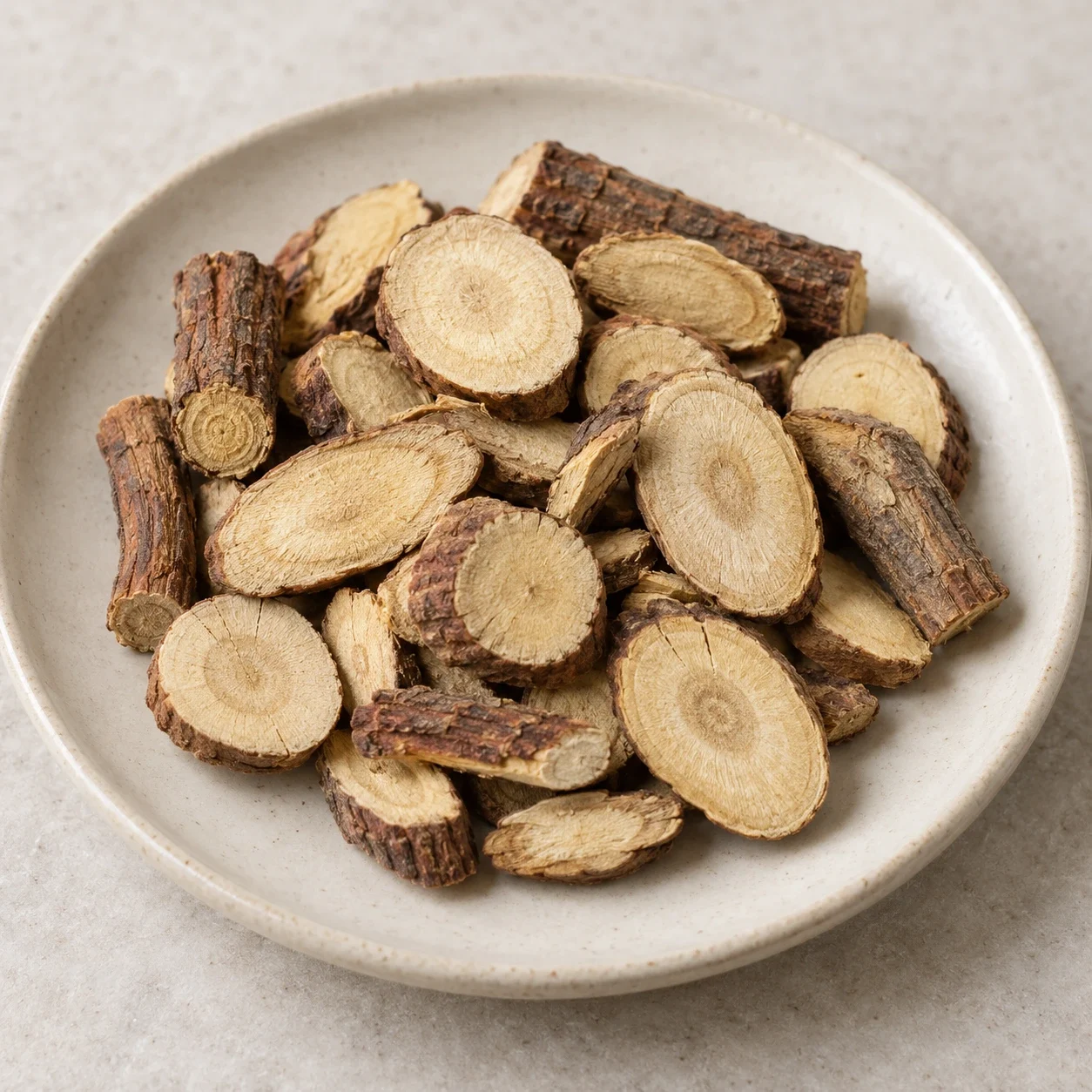
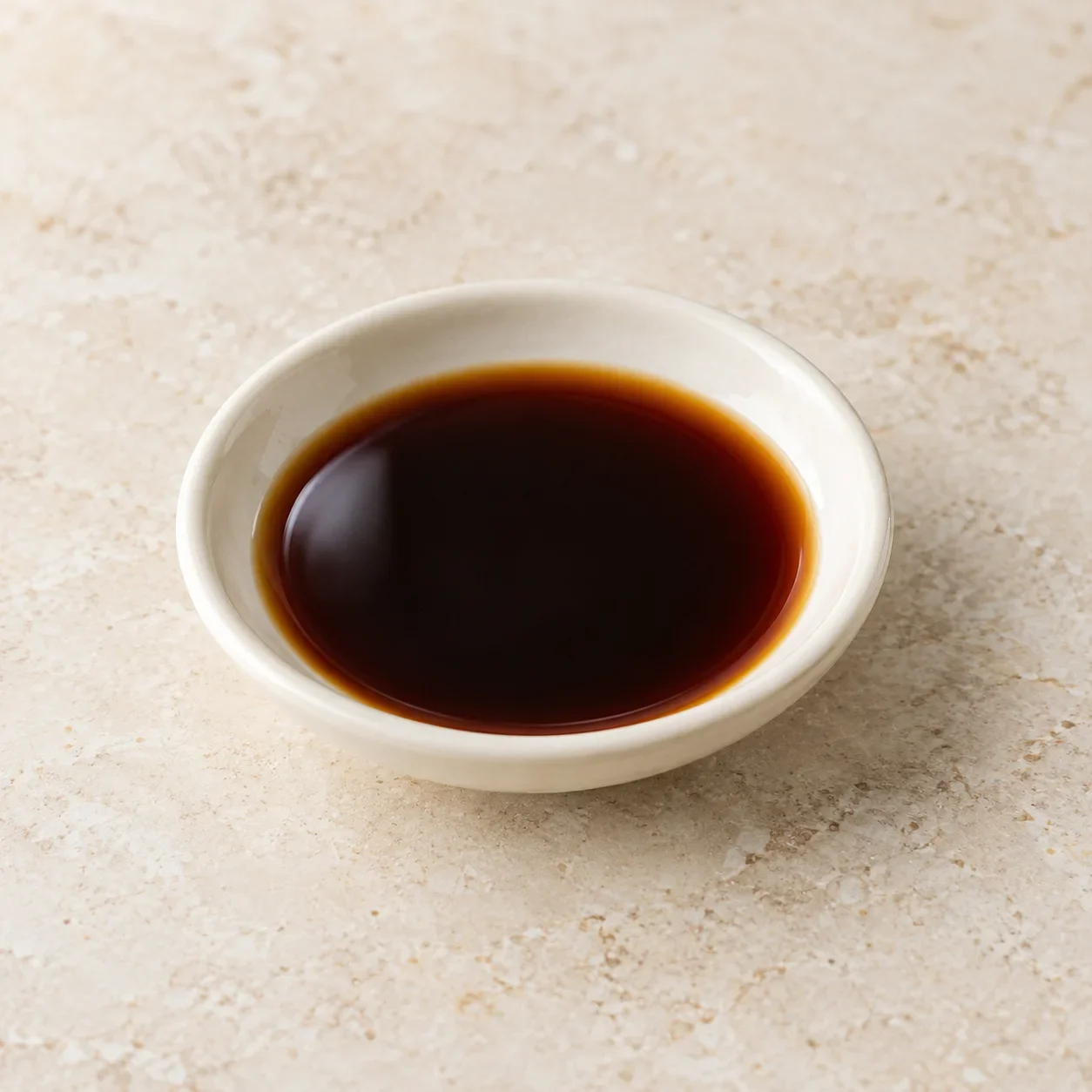

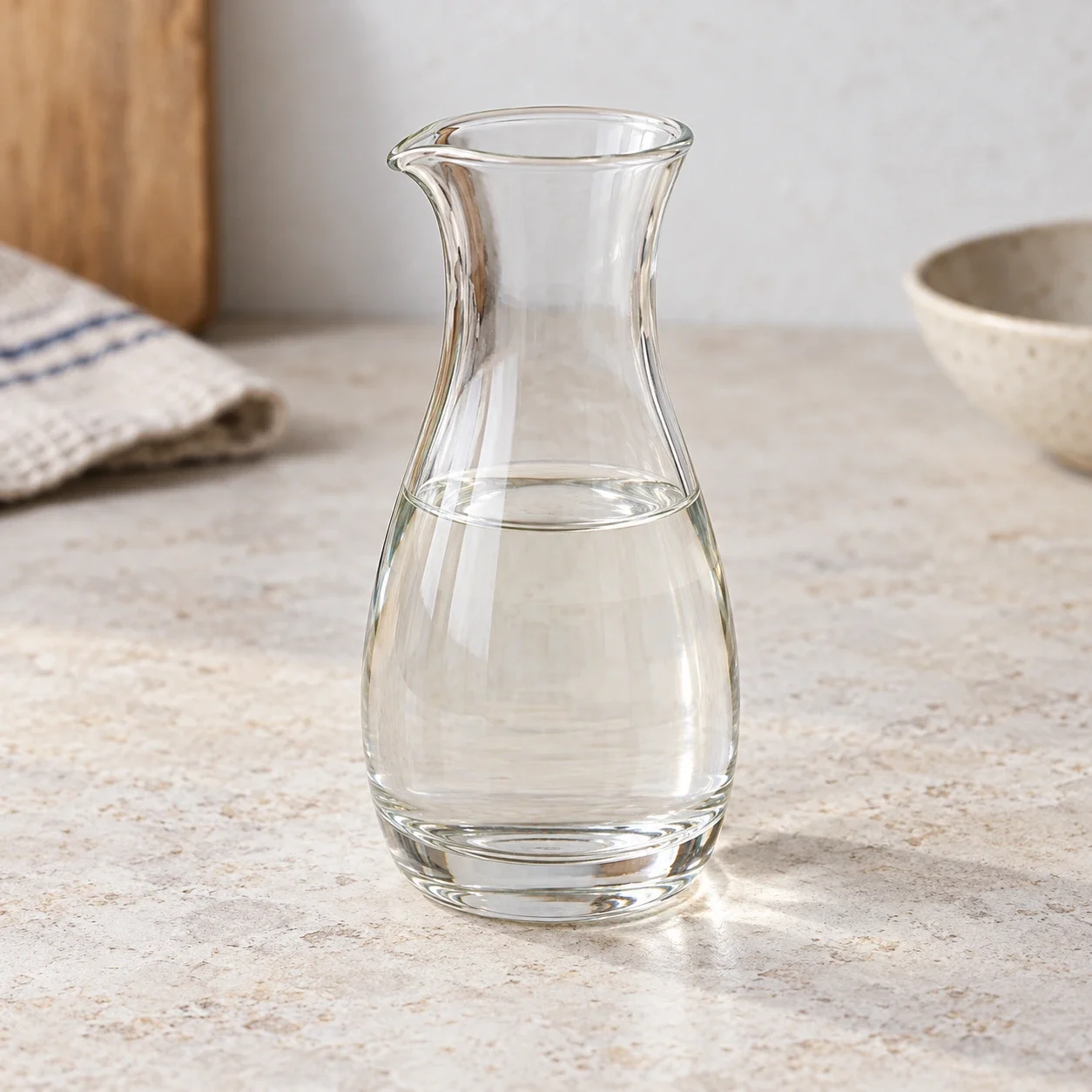
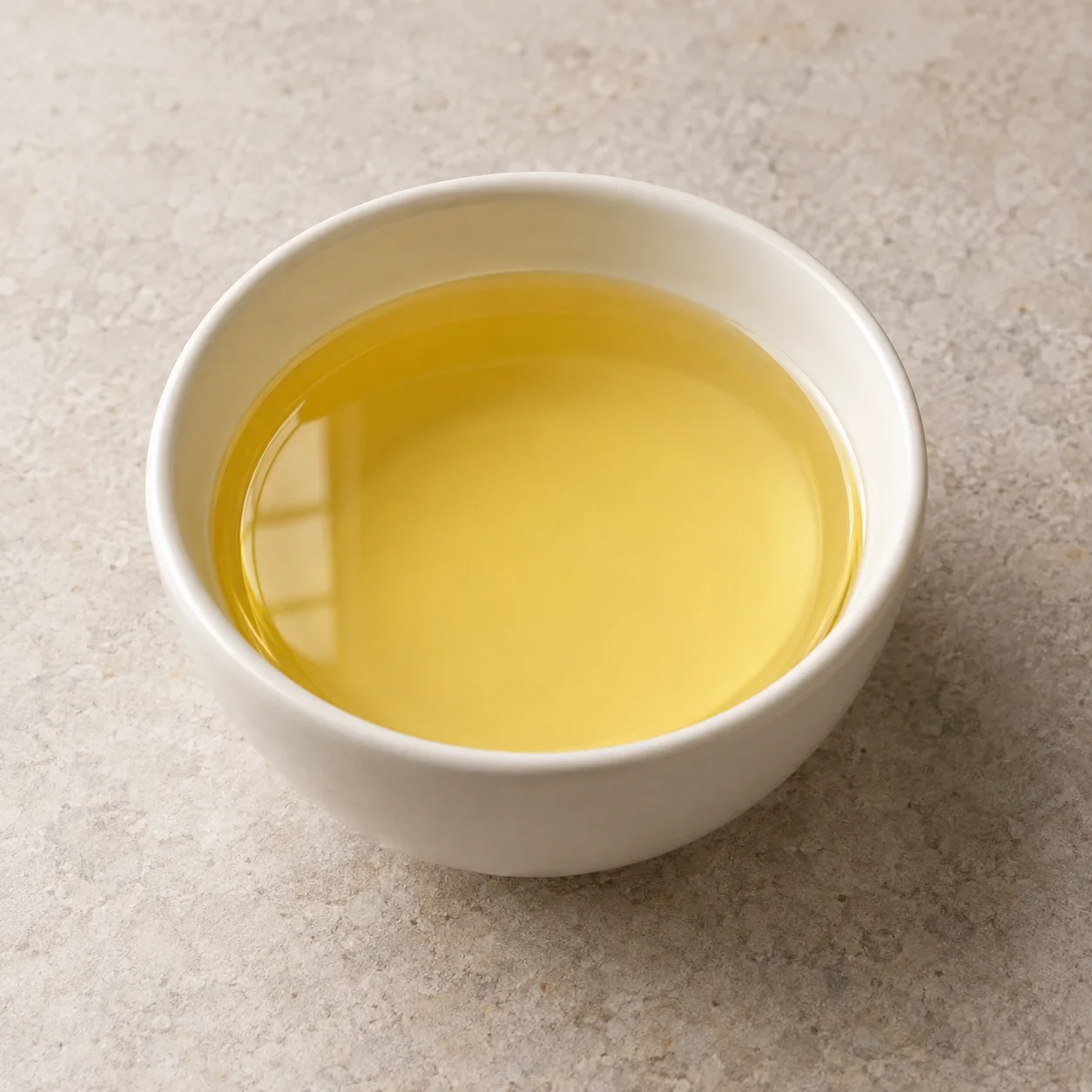
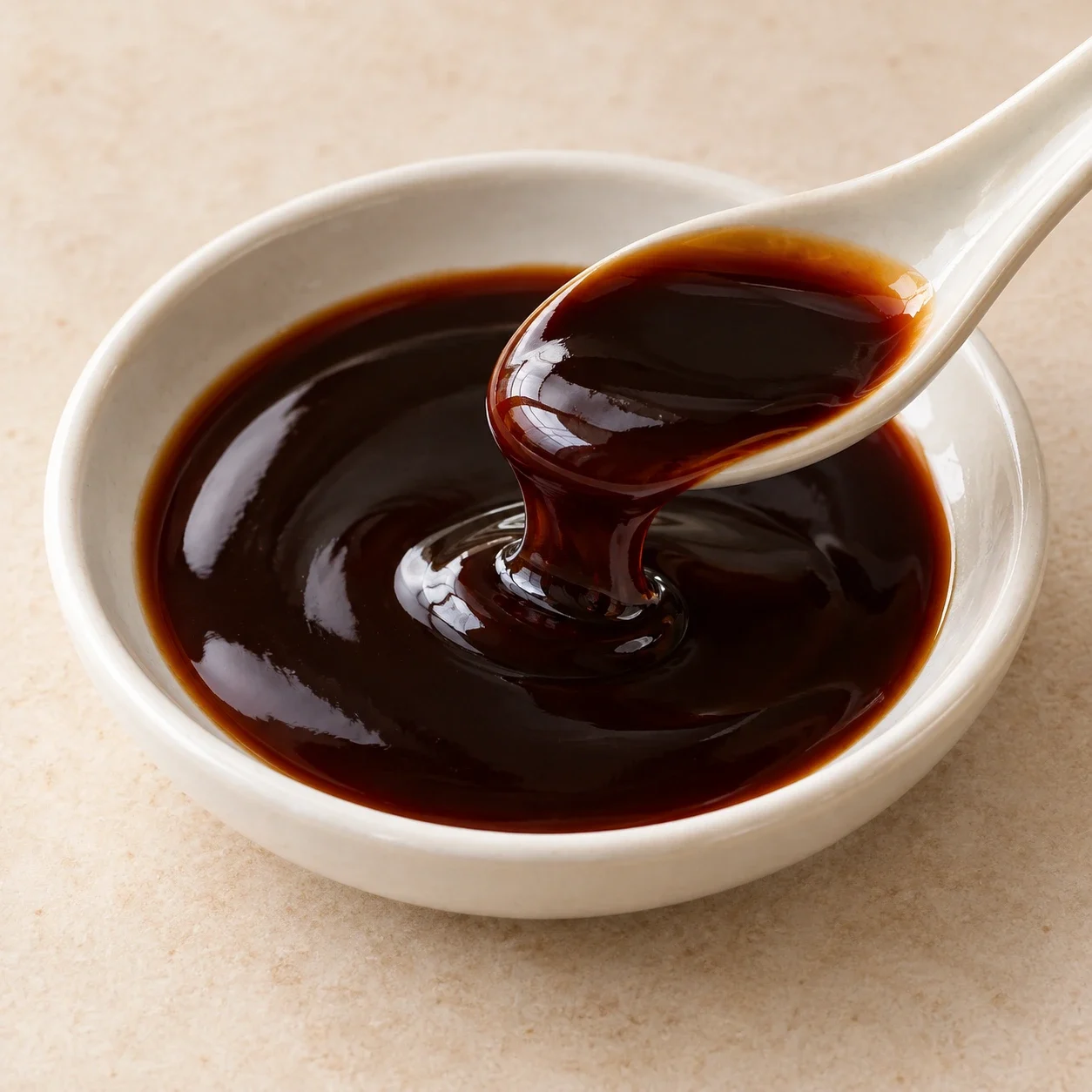
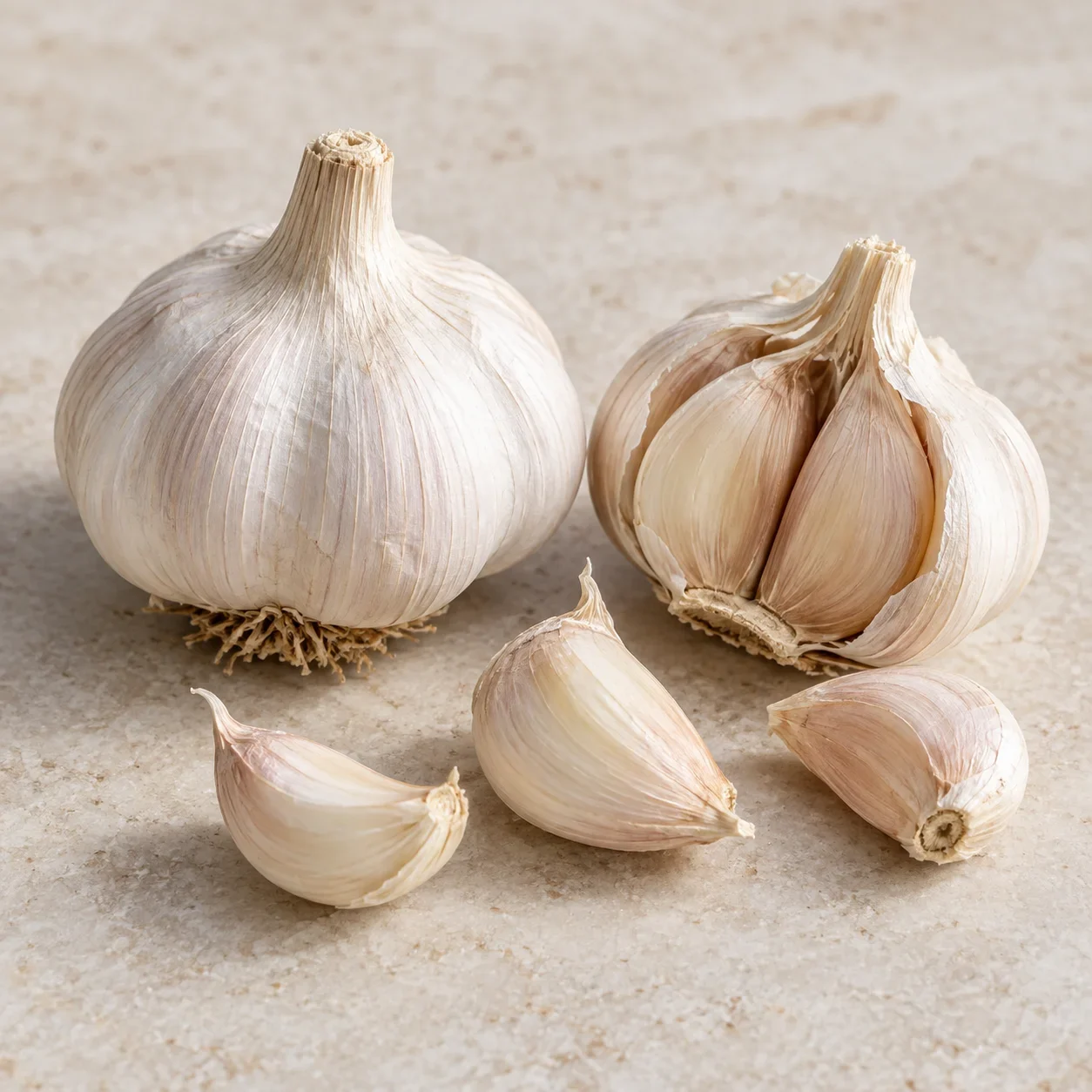
Recipes vary by restaurant.
How does it taste?
Savory-sweet soy, warm spices and a sharp garlic dip; this representative braise contains no chili.
- Chili heat
- Texture
- Springy skin and tendon with firm-tender meat, rather than a falling-apart stew.
- How it’s made
- Pork trotter is braised with soy sauce, sugar, rice wine, ginger, scallion and spices, then cooled, deboned and sliced. The dip combines thick soy sauce, garlic and sugar.
Spice blends, cuts and serving temperature vary. Some portions retain bones; chili may be added in other recipes or sauces.
A CONNECTION TO PLACE
Origin & regional roots
Its origins are linked to Taiwan.
About this regional connection
Taiwan: Wanluan Township, Pingtung.
Ask if they have it first
请问你们有萬巒豬腳吗?
Do you have this item?
A LITTLE SOMETHING TO READ
Story & history
A town known for pork trotters
This account describes a tradition or story, rather than an established historical fact.
Wanluan in Pingtung has a street of shops specializing in braised pork trotters. Cooling and slicing highlight the springy skin and tendon, while garlic sauce provides a lively contrast to the rich meat.