
At the table
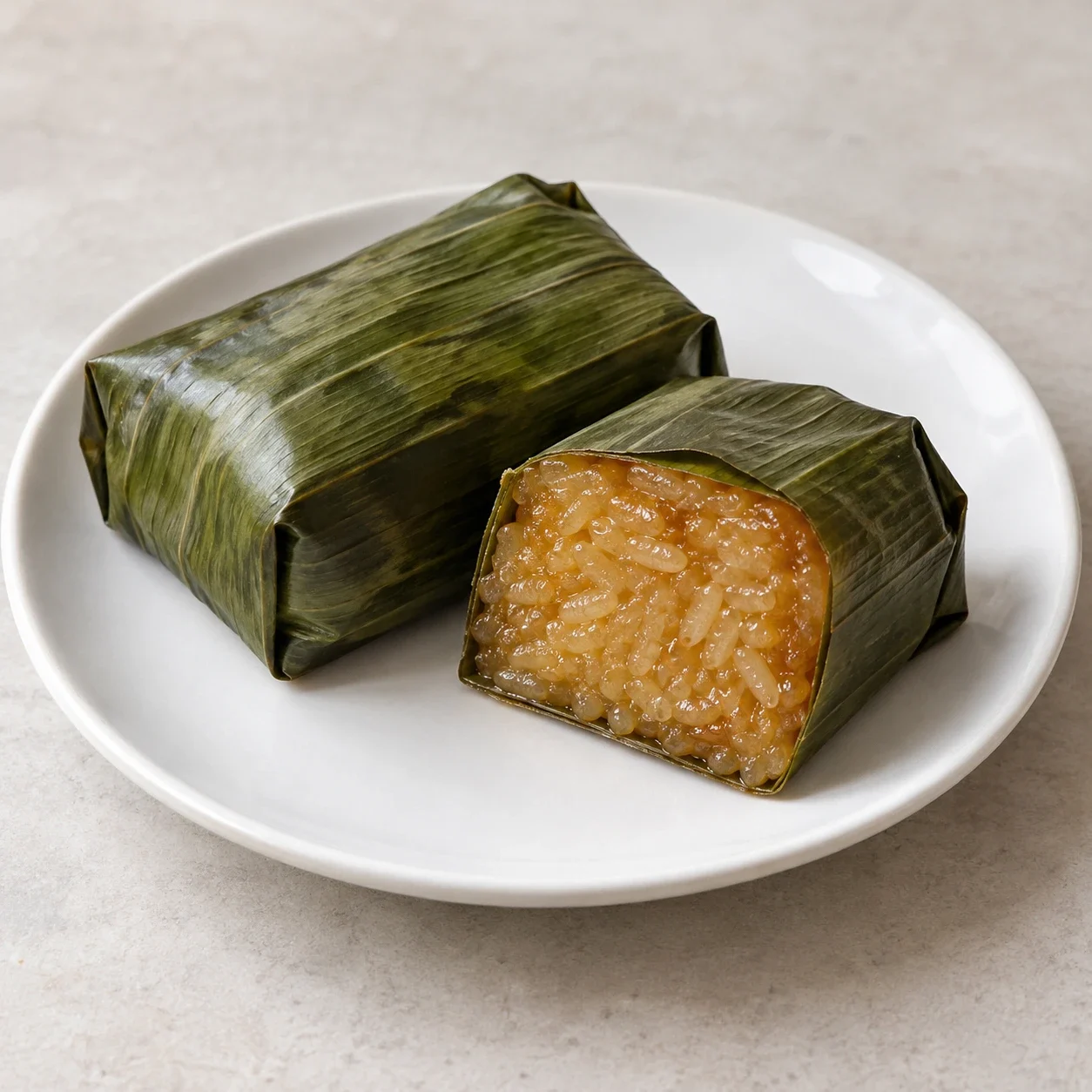
Remove the wrapping leaf and any ties. Cut or break the cake into small bites; the leaf is not eaten. Share a larger piece and let hot rice cake cool before eating.
The cake is chewy and can be sticky. Flavors and additions vary; ask about ingredients and any oil used for pan-frying.
White-sugar and mixed-sugar versions also occur. Some makers offer sesame or fruit flavors; slices may be pan-fried instead of served steamed.
GET TO KNOW THE DISH
What goes into it?
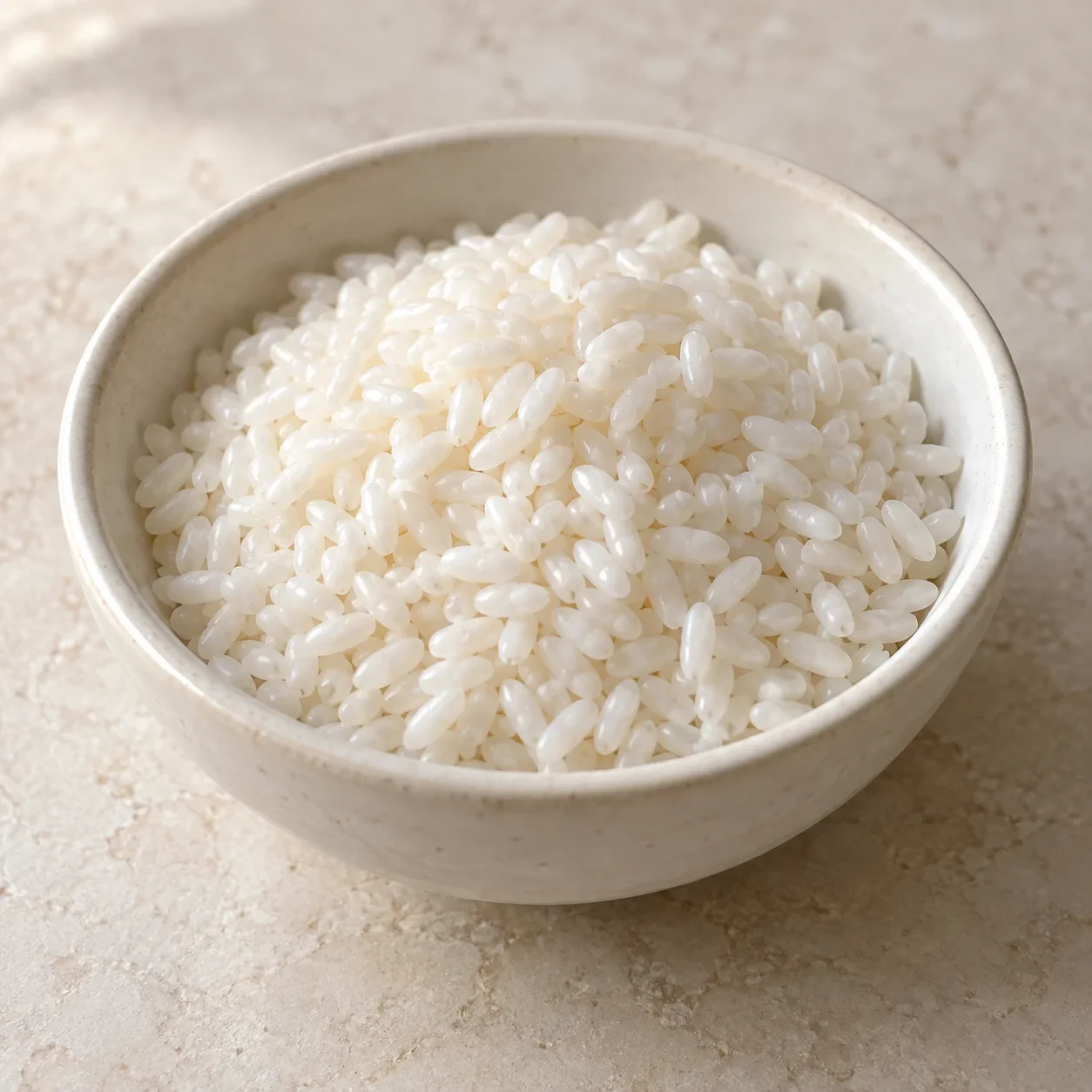
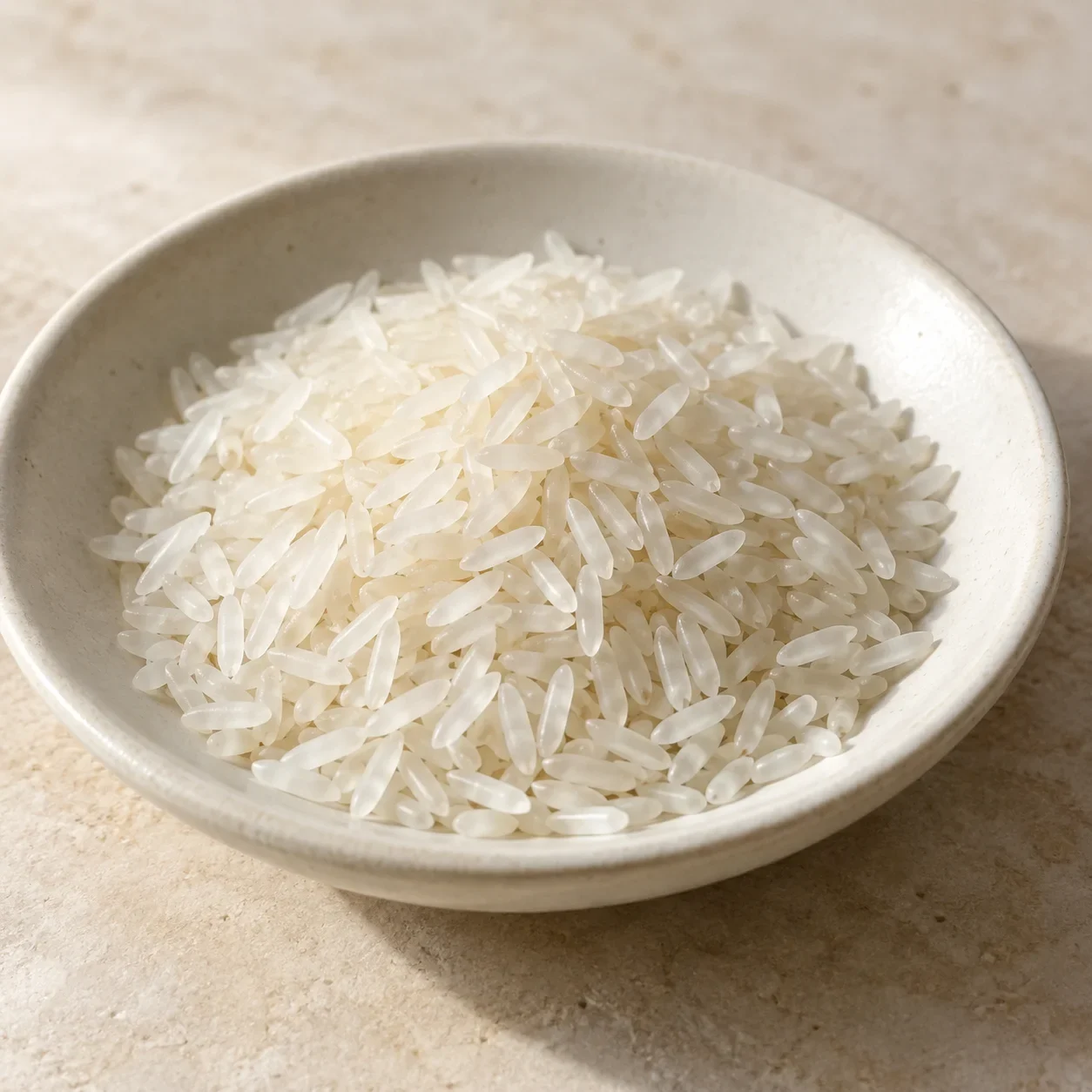
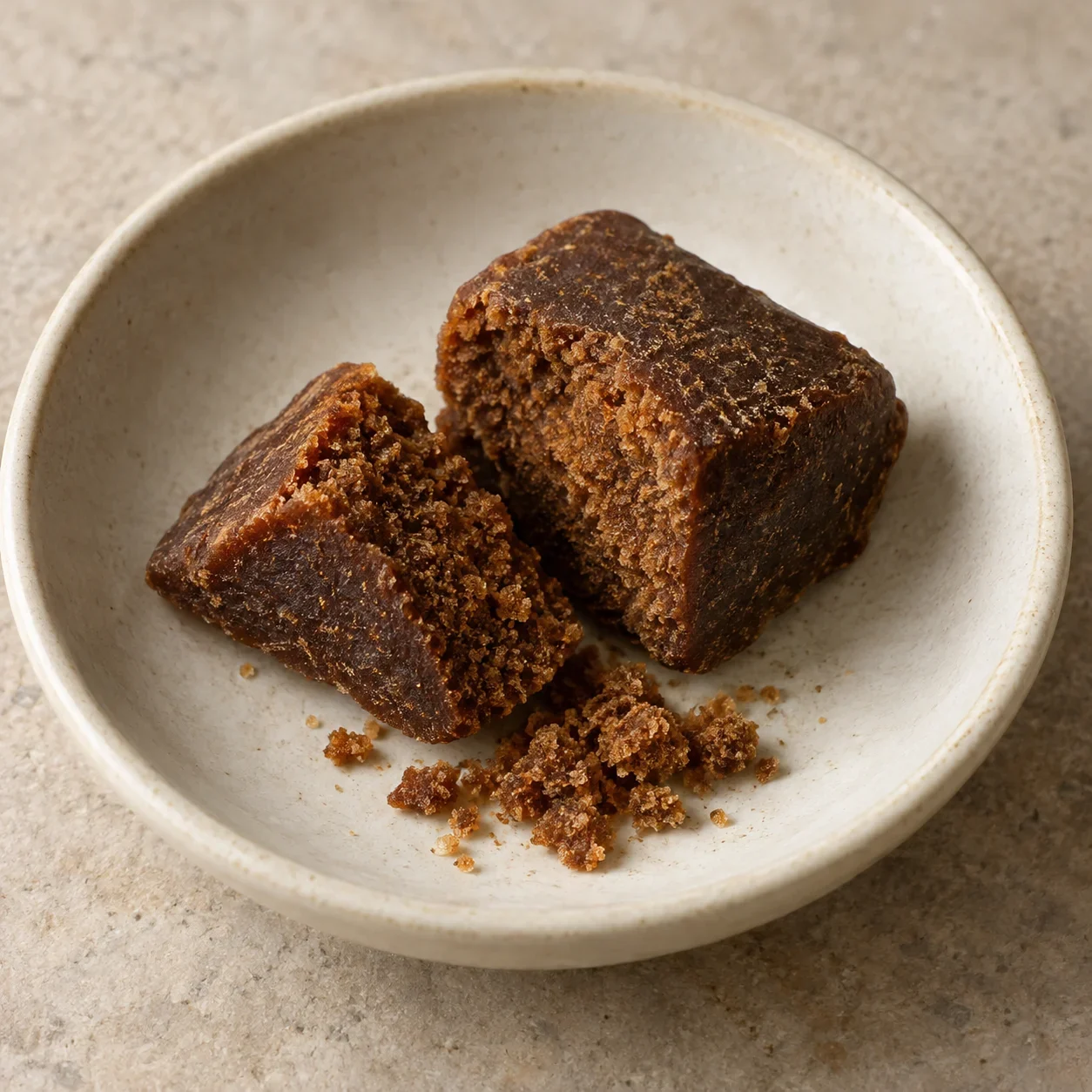
Explore some key ingredients below. Preparations may use additional seasonings and ingredients.
White-sugar and mixed-sugar versions also occur. Some makers offer sesame or fruit flavors; slices may be pan-fried instead of served steamed.
Typical ingredients
In some versions
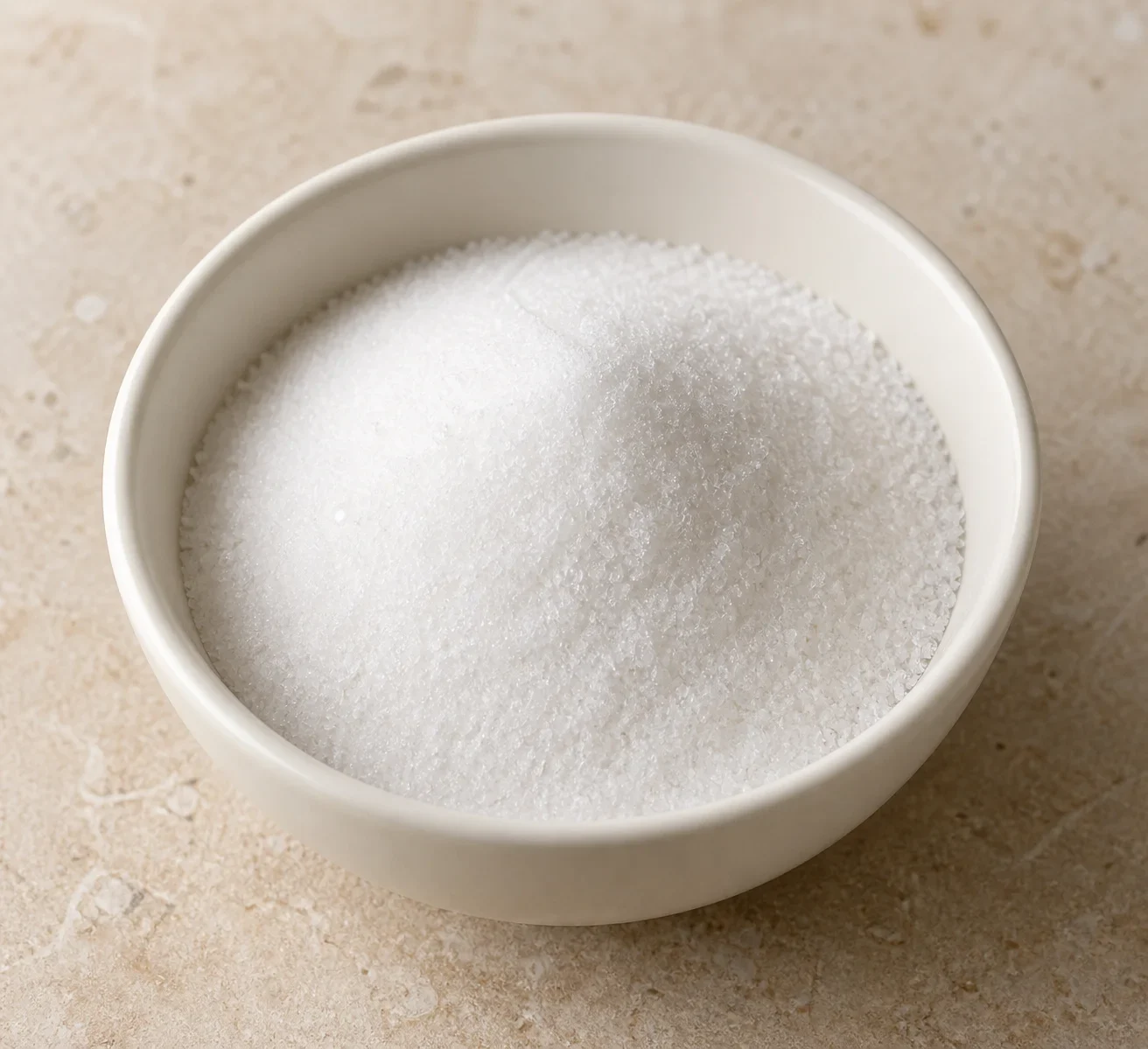
Recipes vary by restaurant.
How does it taste?
Sweet brown sugar and rice, with a fragrance from the wrapper.
- Chili heat
- Texture
- Dense, soft and chewy, with visible rice grains.
- How it’s made
- Rice slurry is mixed with steamed glutinous rice and sugar, shaped, wrapped in leaves locally called liangjiang leaves and steamed again. The pictured version uses brown sugar.
White-sugar and mixed-sugar versions also occur. Some makers offer sesame or fruit flavors; slices may be pan-fried instead of served steamed.
A CONNECTION TO PLACE
Origin & regional roots
Associated with Sichuan.
About this regional connection
Sichuan: Luzhou/Hejiang rice cake, not Danleng fermented rice cake.
Ask if they have it first
请问你们有泸州黄粑吗?
Do you have this item?
A LITTLE SOMETHING TO READ
Story & history
Rice in two textures
This account describes a tradition or story, rather than an established historical fact.
Mixing rice slurry with steamed glutinous rice gives Luzhou huangba its close texture and visible grains. The aromatic leaf wraps each portion during its final steaming.