At the table
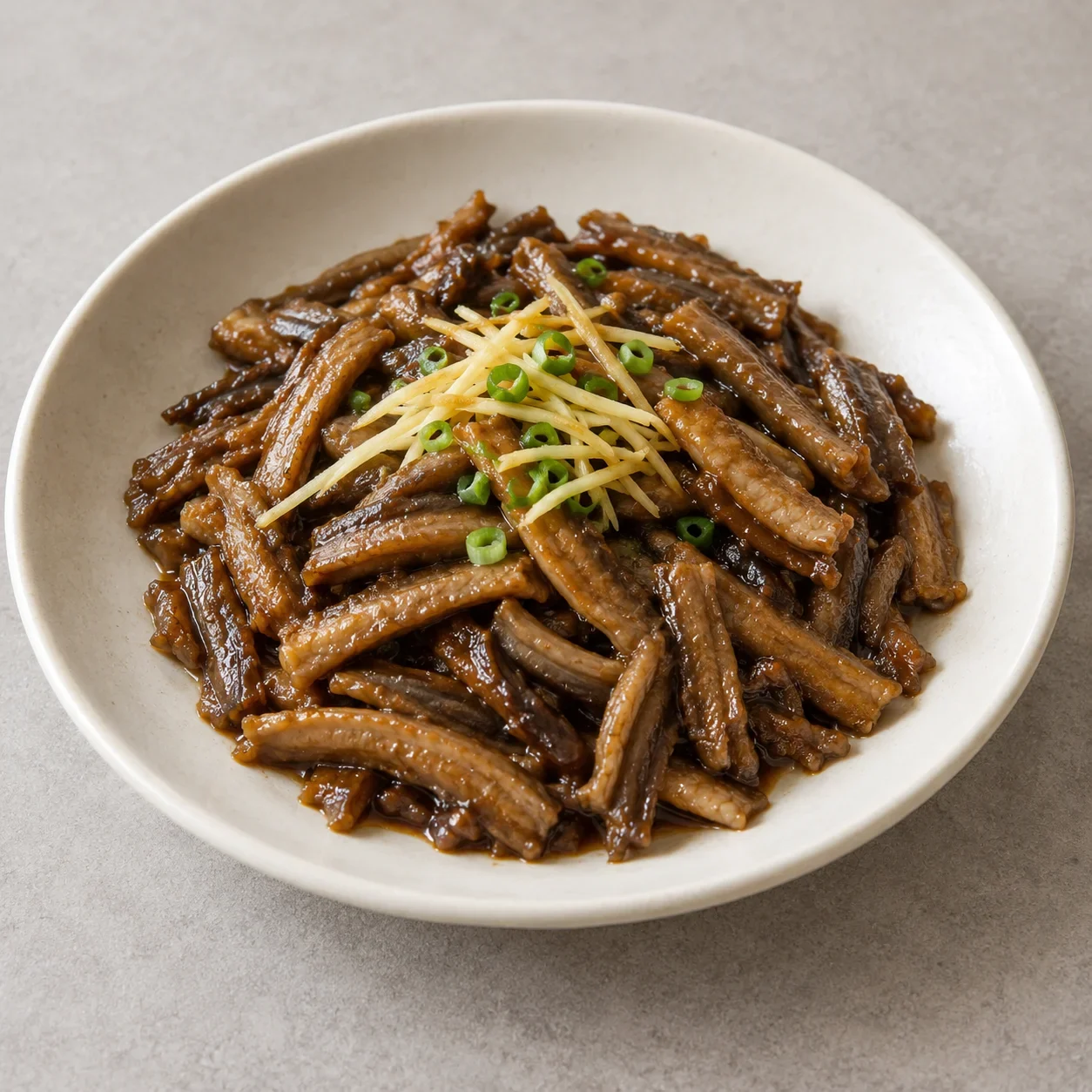
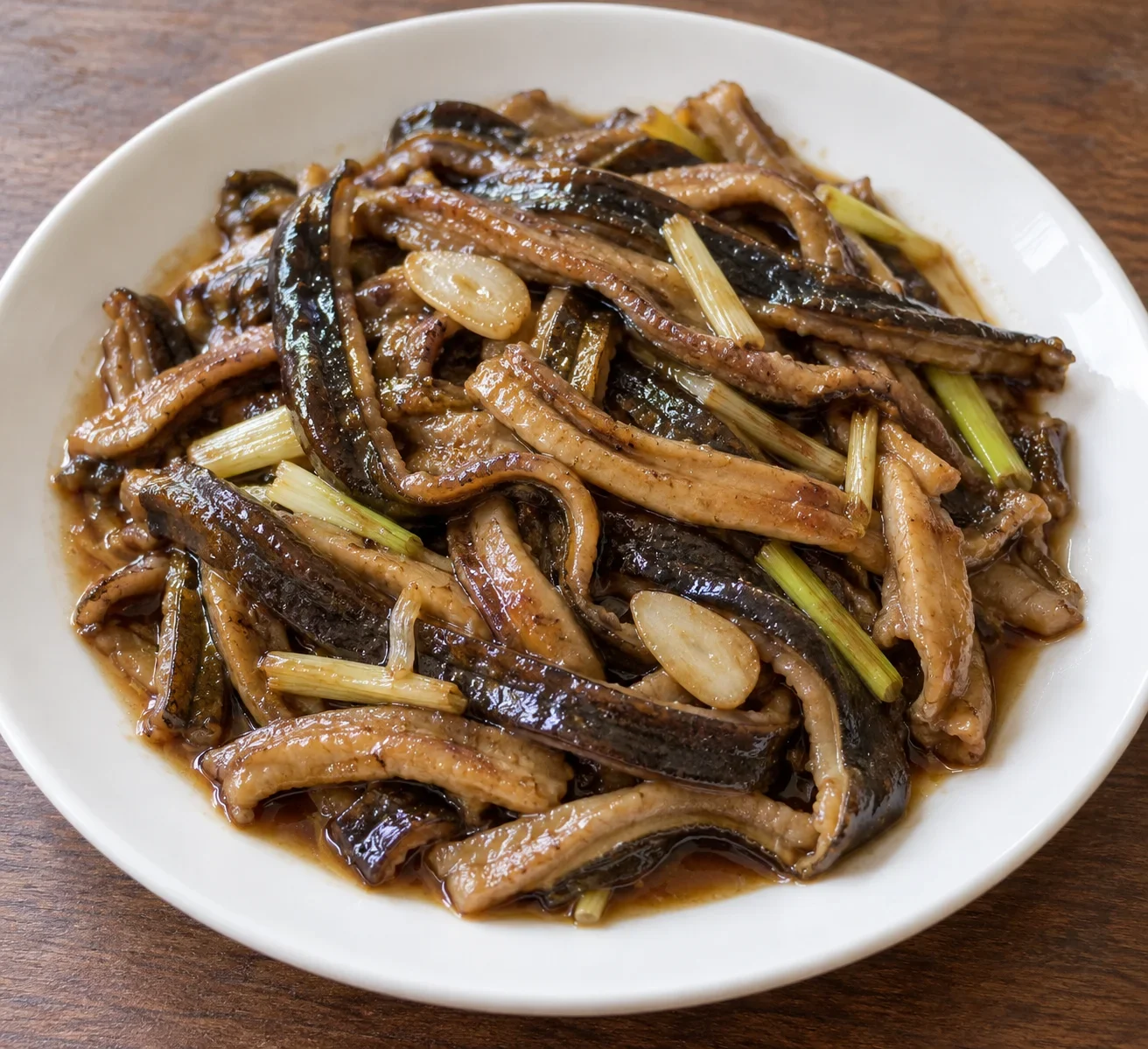
Share the plate while hot. Lift the soft strips with chopsticks and support them with a spoon if needed.
Contains fish and usually soy sauce; traditional recipes use pork fat and cooking wine. Check for remaining bones and ask about ingredients if you have dietary restrictions.
Swamp eel makes this neither vegetarian nor vegan. Chili heat is 0 for the representative recipe; white pepper adds pungency, and added chili sauces change the heat.
GET TO KNOW THE DISH
What goes into it?
Explore some key ingredients below. Preparations may use additional seasonings and ingredients.
Yellow chives appear in some versions. The amount of vinegar, pepper and cooking fat varies by kitchen; starch type is not fixed.
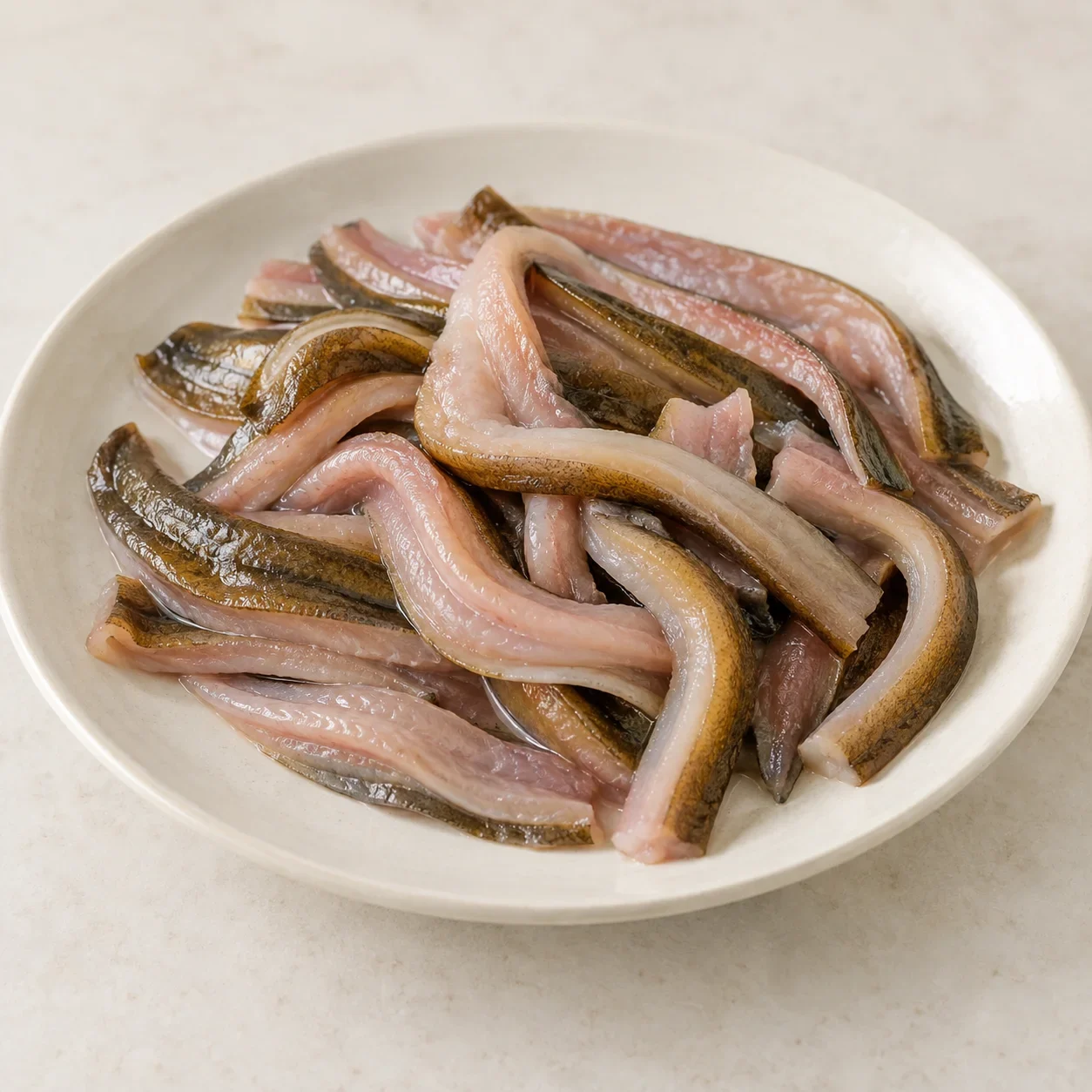
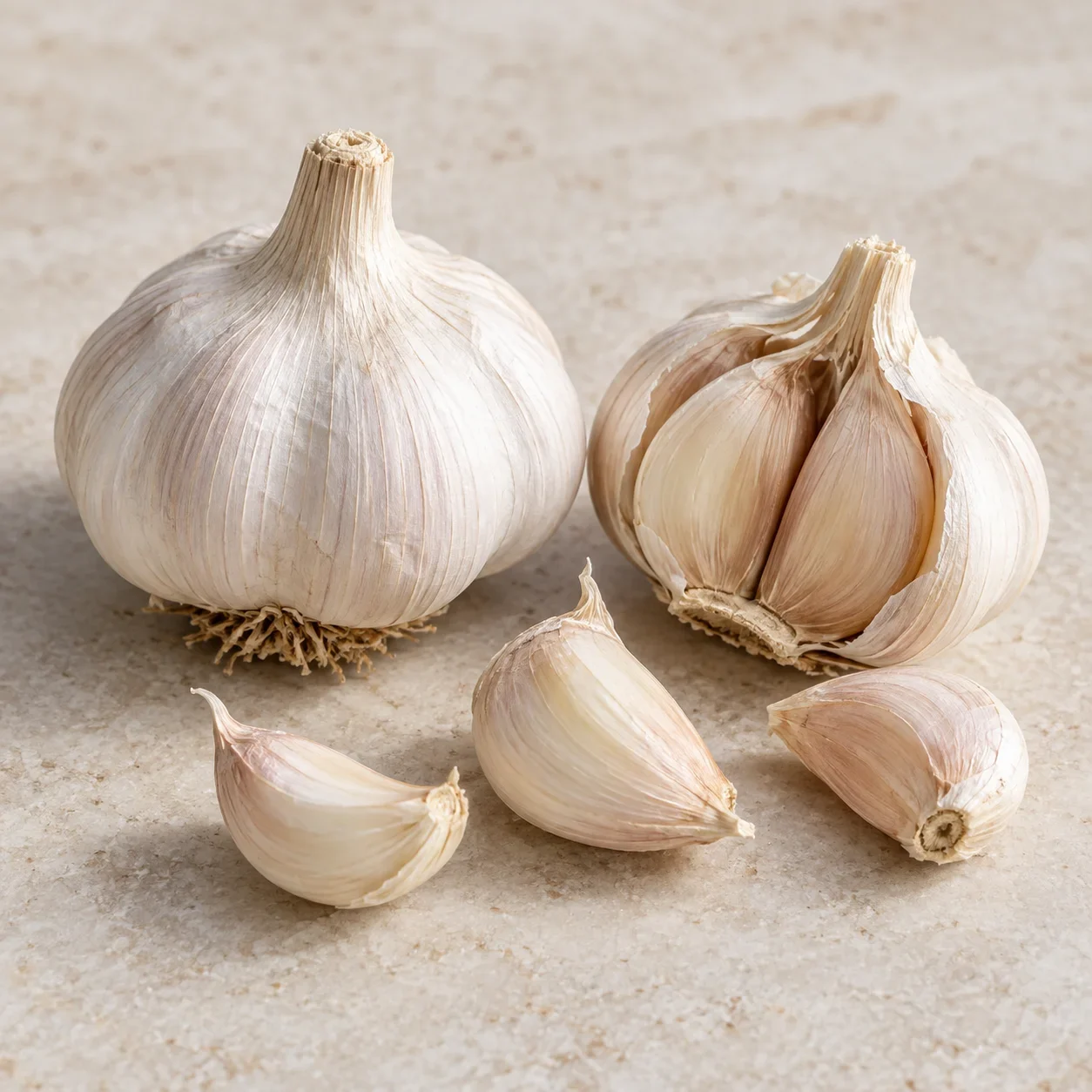
Typical ingredients
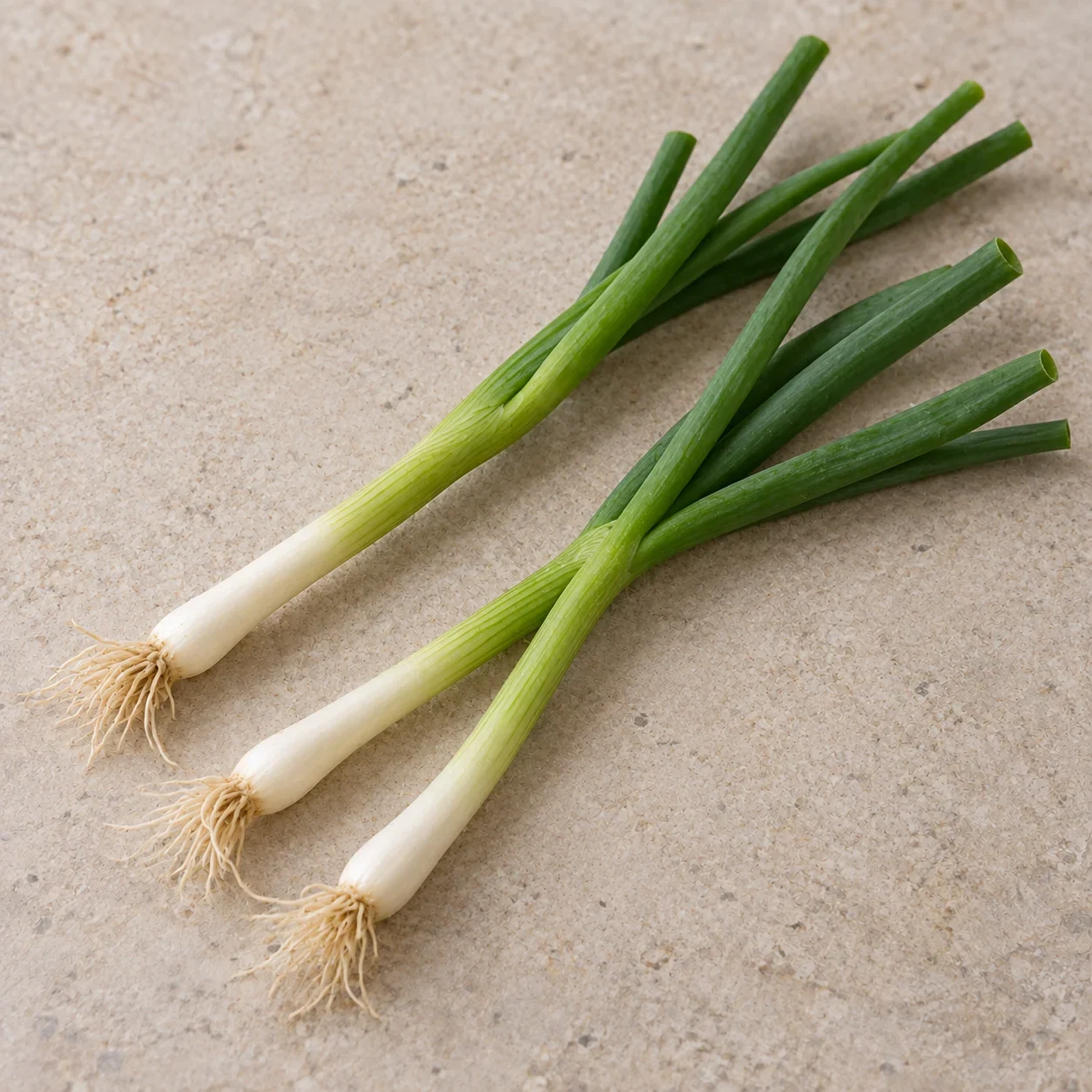
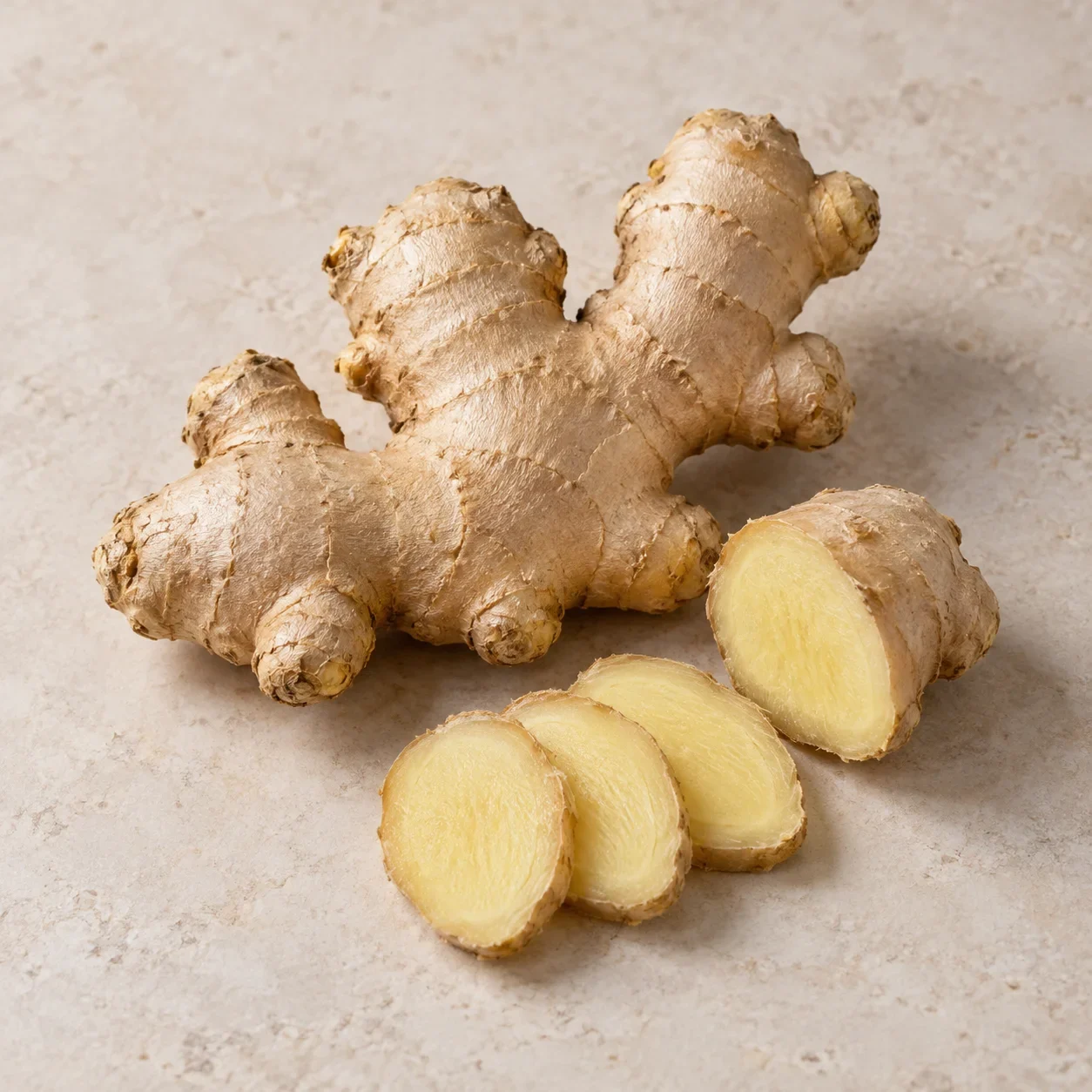
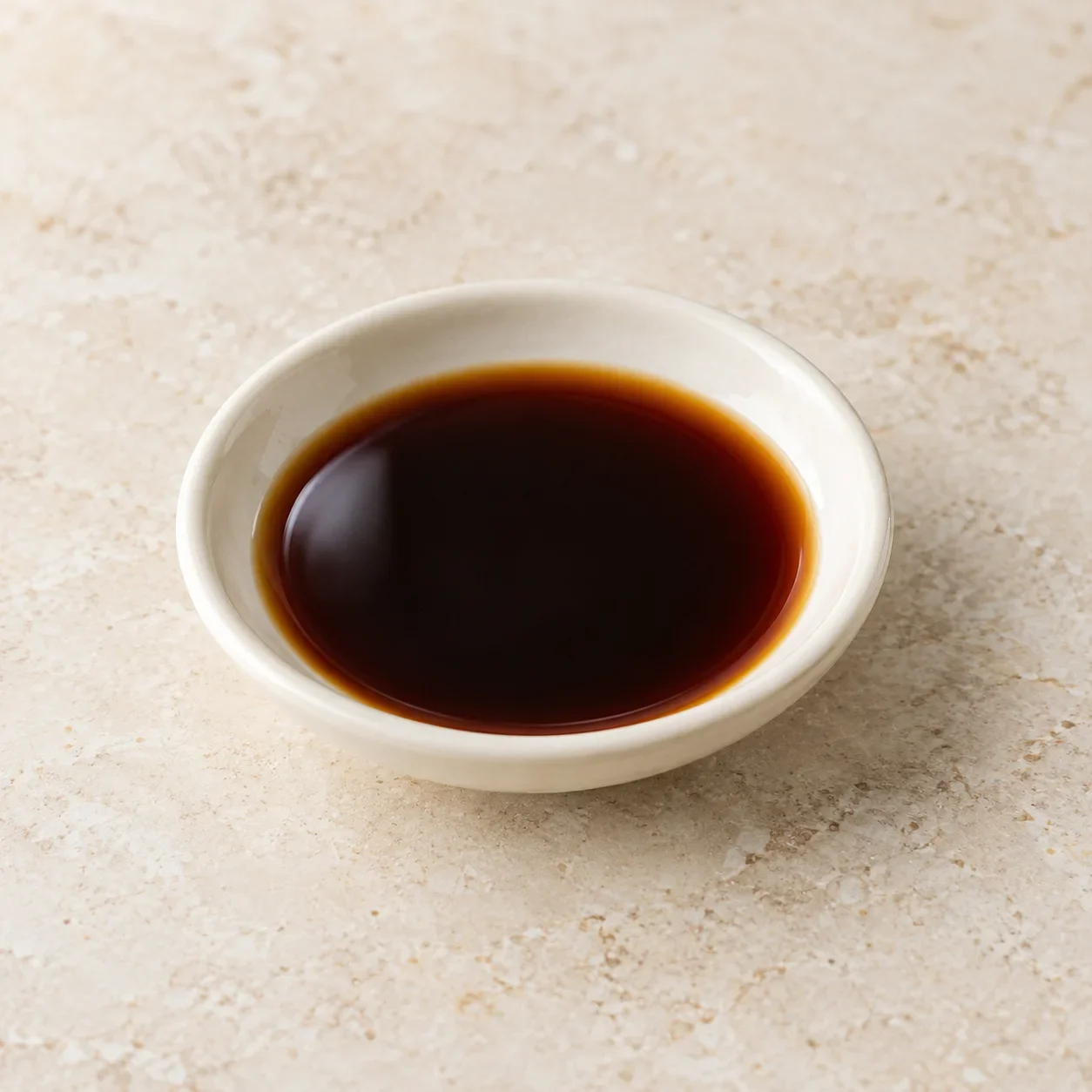
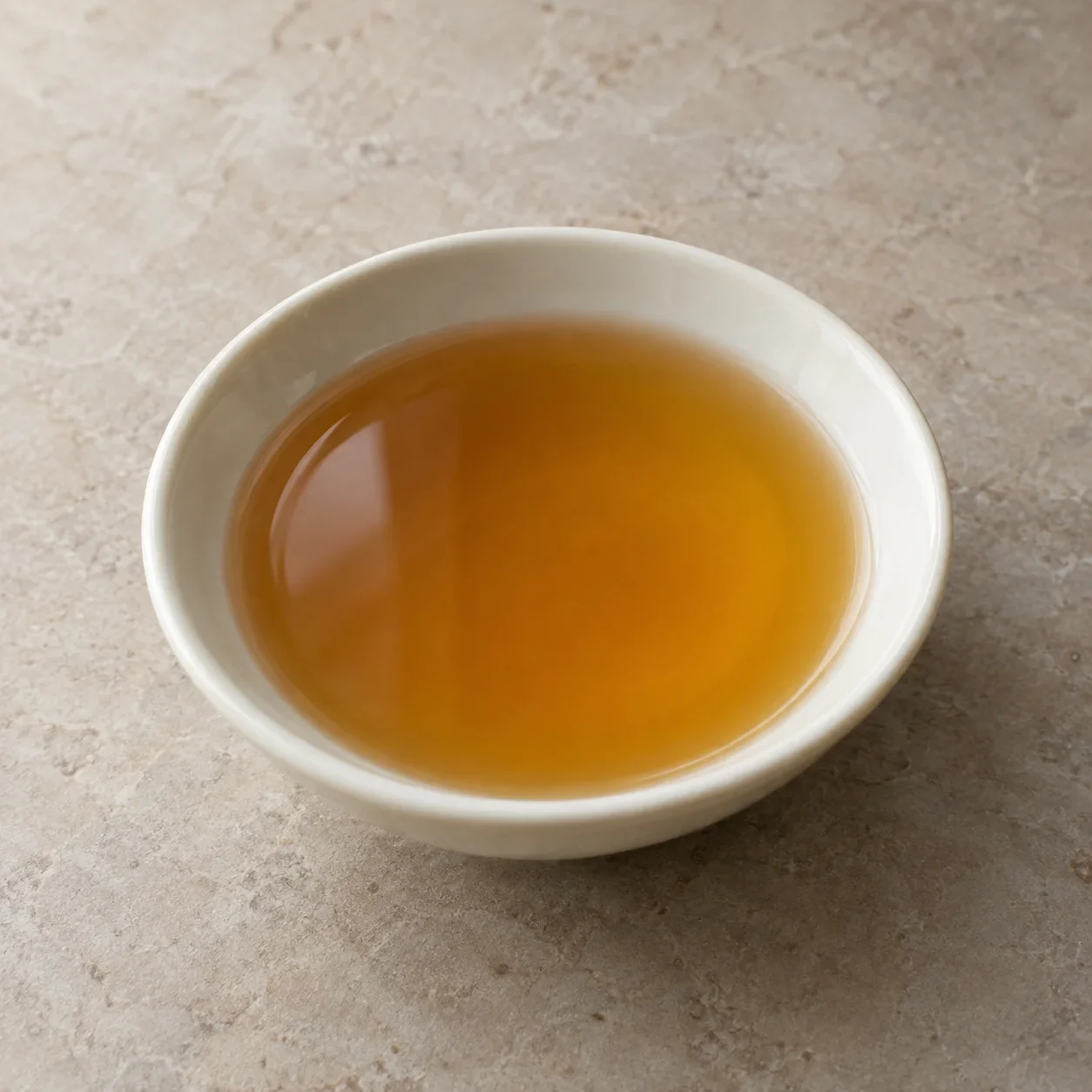
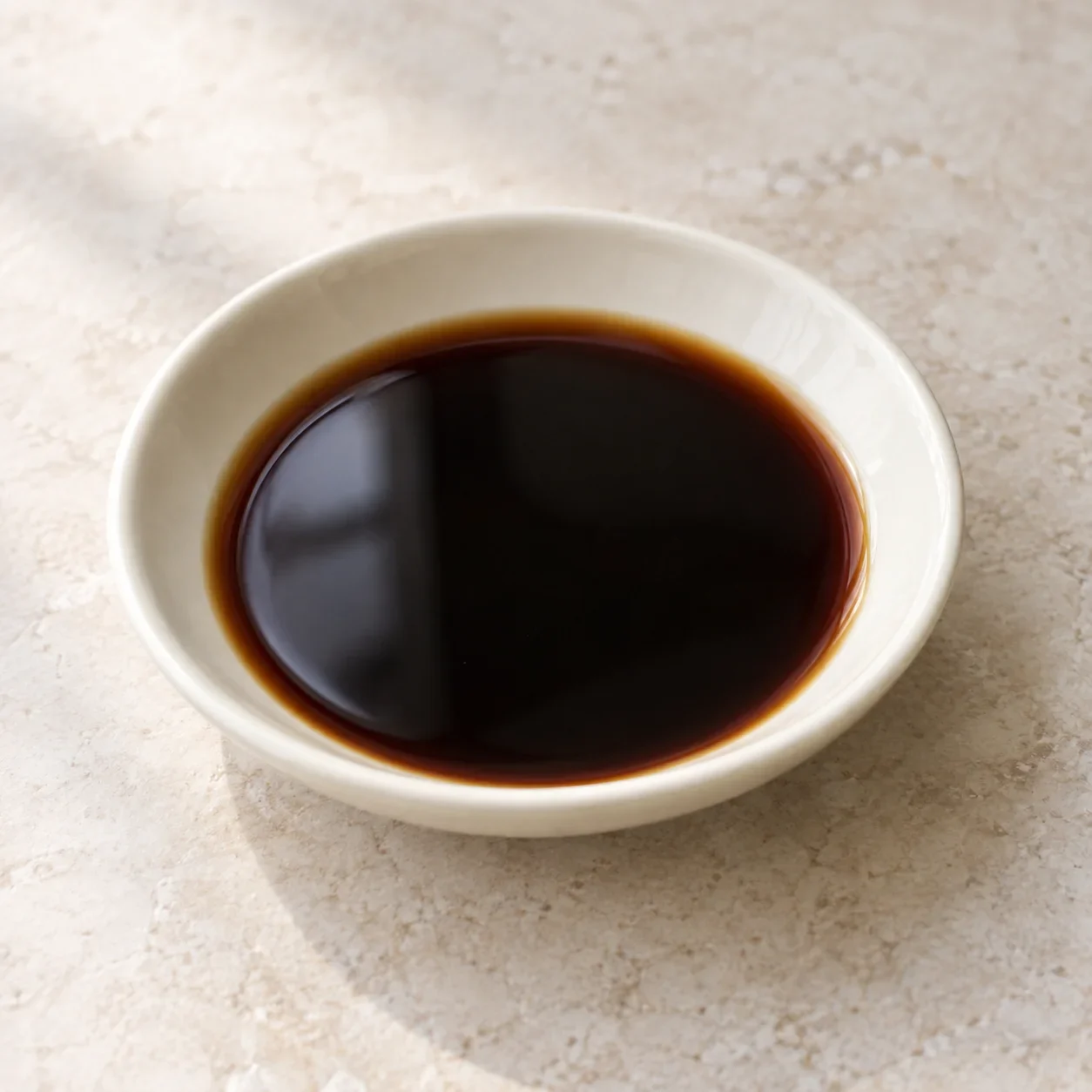
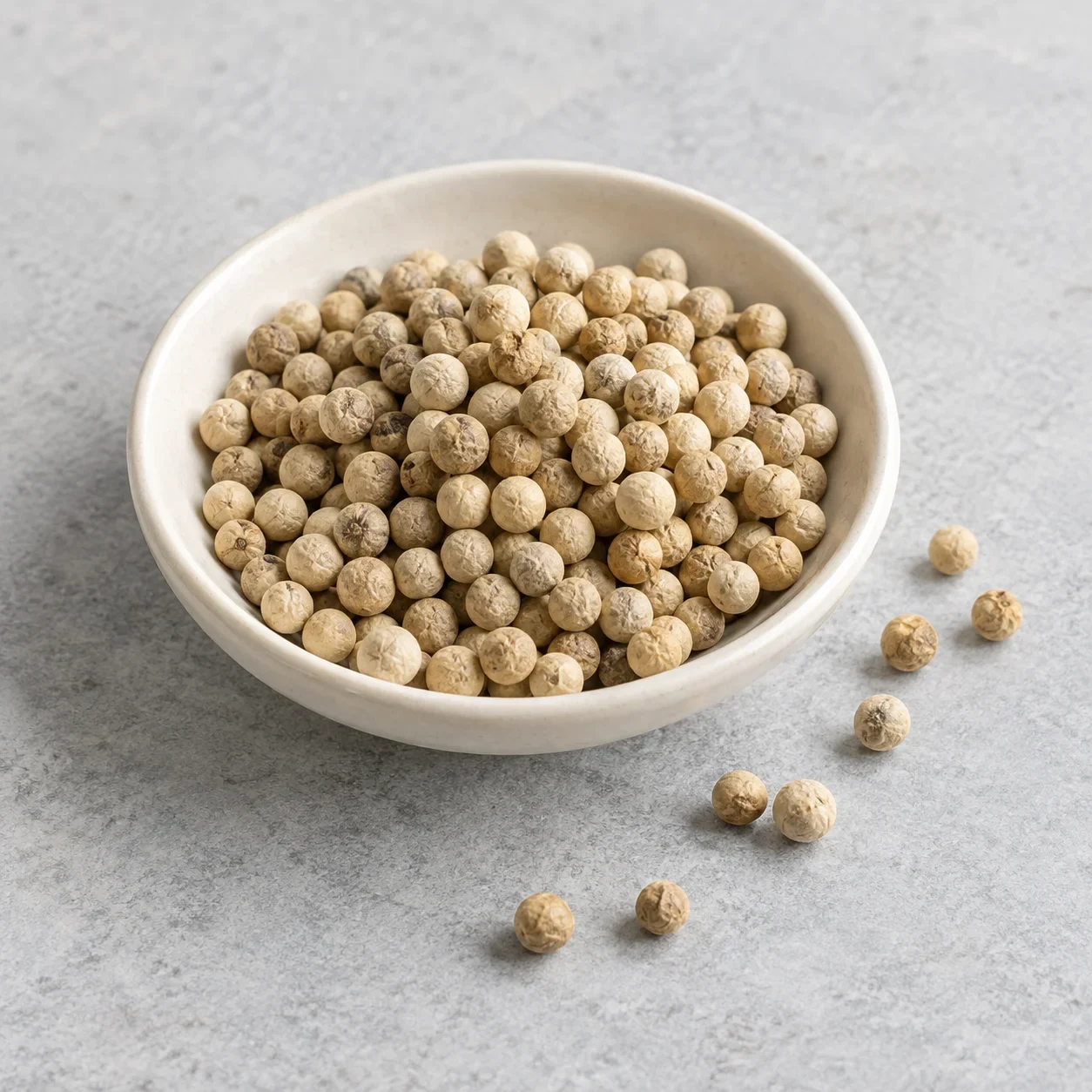
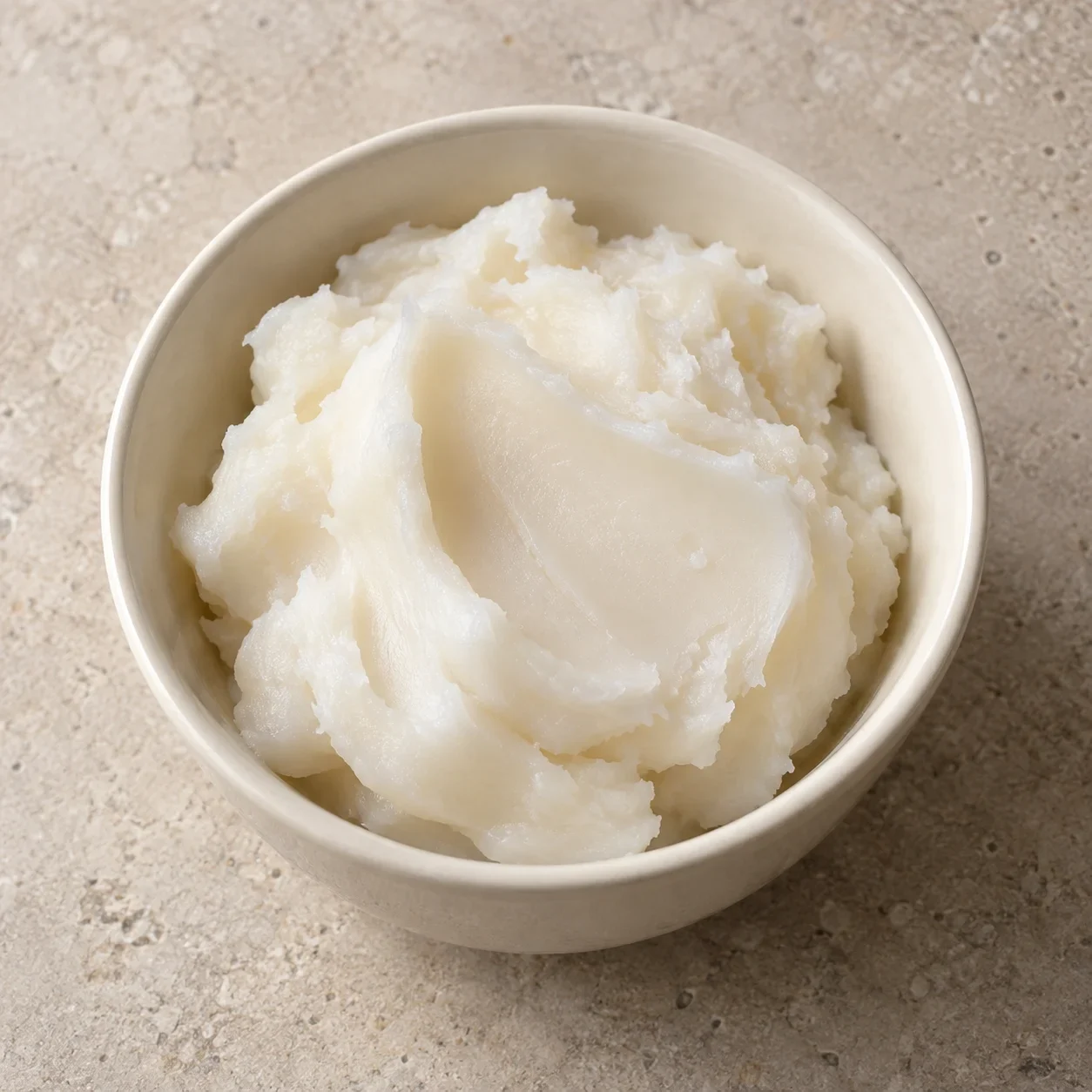

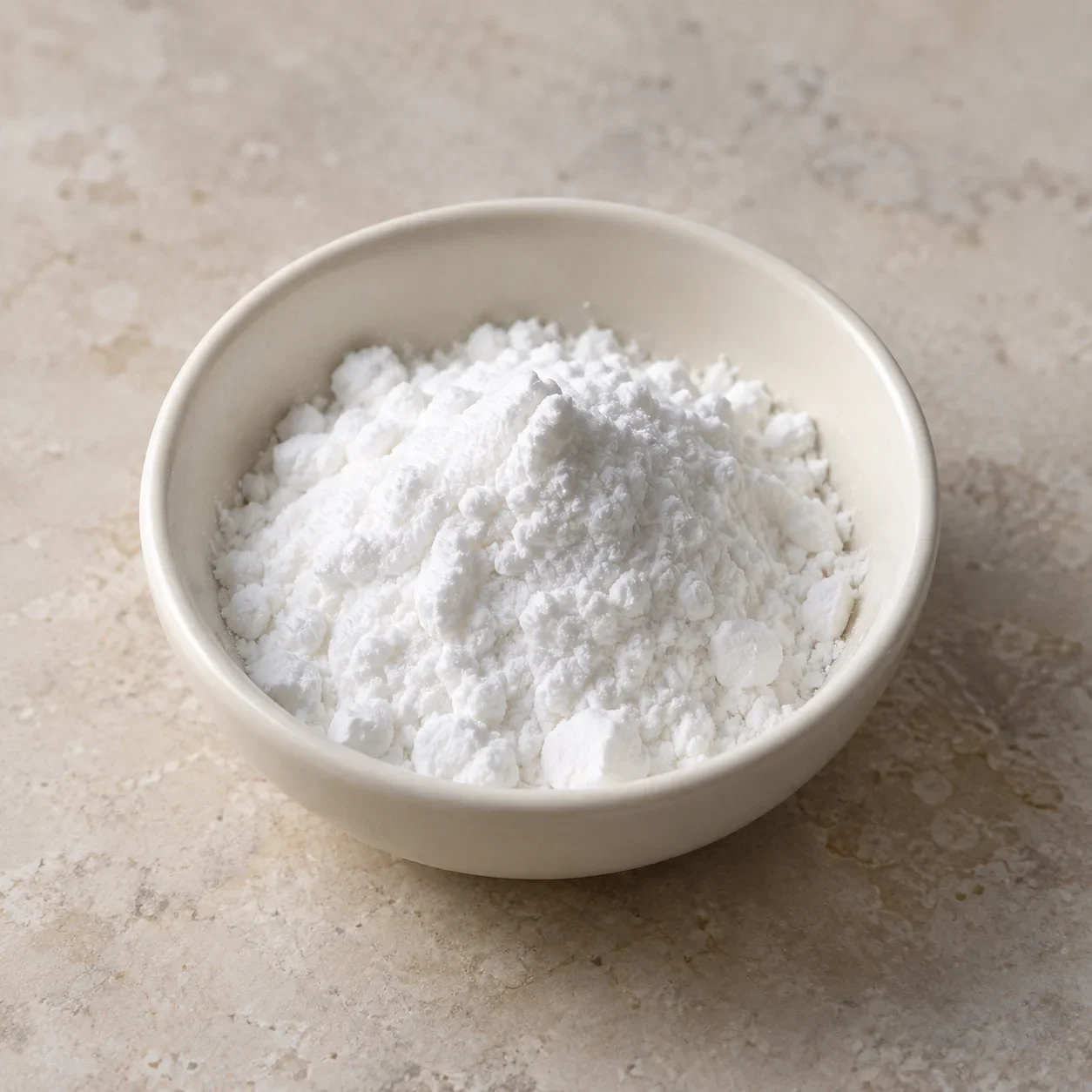
In some versions
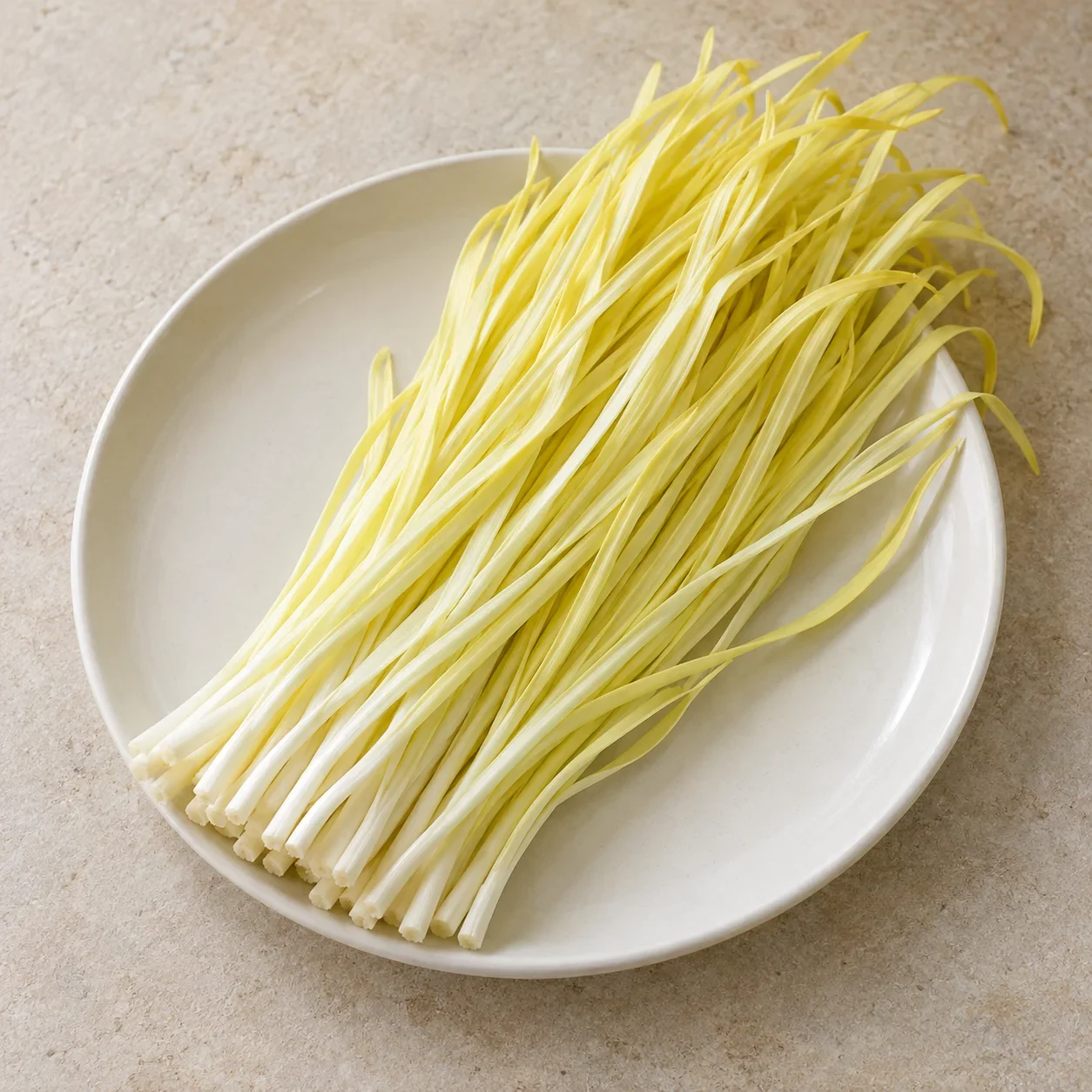
Recipes vary by restaurant.
How does it taste?
Savory garlic and soy, a bright vinegar note and aromatic white pepper; the representative recipe has no chili.
- Chili heat
- Texture
- Soft, supple back-meat strips with a thin glossy starch coating.
- How it’s made
- Blanch the eel, remove the bones and separate the back meat. Briefly stir-fry with garlic and seasonings, bind lightly with starch, and finish with vinegar and white pepper.
Yellow chives appear in some versions. The amount of vinegar, pepper and cooking fat varies by kitchen; starch type is not fixed.
A CONNECTION TO PLACE
Origin & regional roots
Associated with Jiangsu.
About this regional connection
Jiangsu: Huai’an local cooking; Jiangsu printed68 and Su-Yang printed74.
Ask if they have it first
请问你们有软兜长鱼吗?
Do you have this item?
A LITTLE SOMETHING TO READ
Story & history
The craft of tender back strips
This account describes a tradition or story, rather than an established historical fact.
In the Huai'an area, swamp eel is locally called changyu, or long fish, and can be prepared as several dishes in an eel banquet. Ruandou focuses on the back meat. Boning, brief cooking and a light glaze give the strips their supple shape. A spoon helps carry the delicate pieces from the shared plate.