
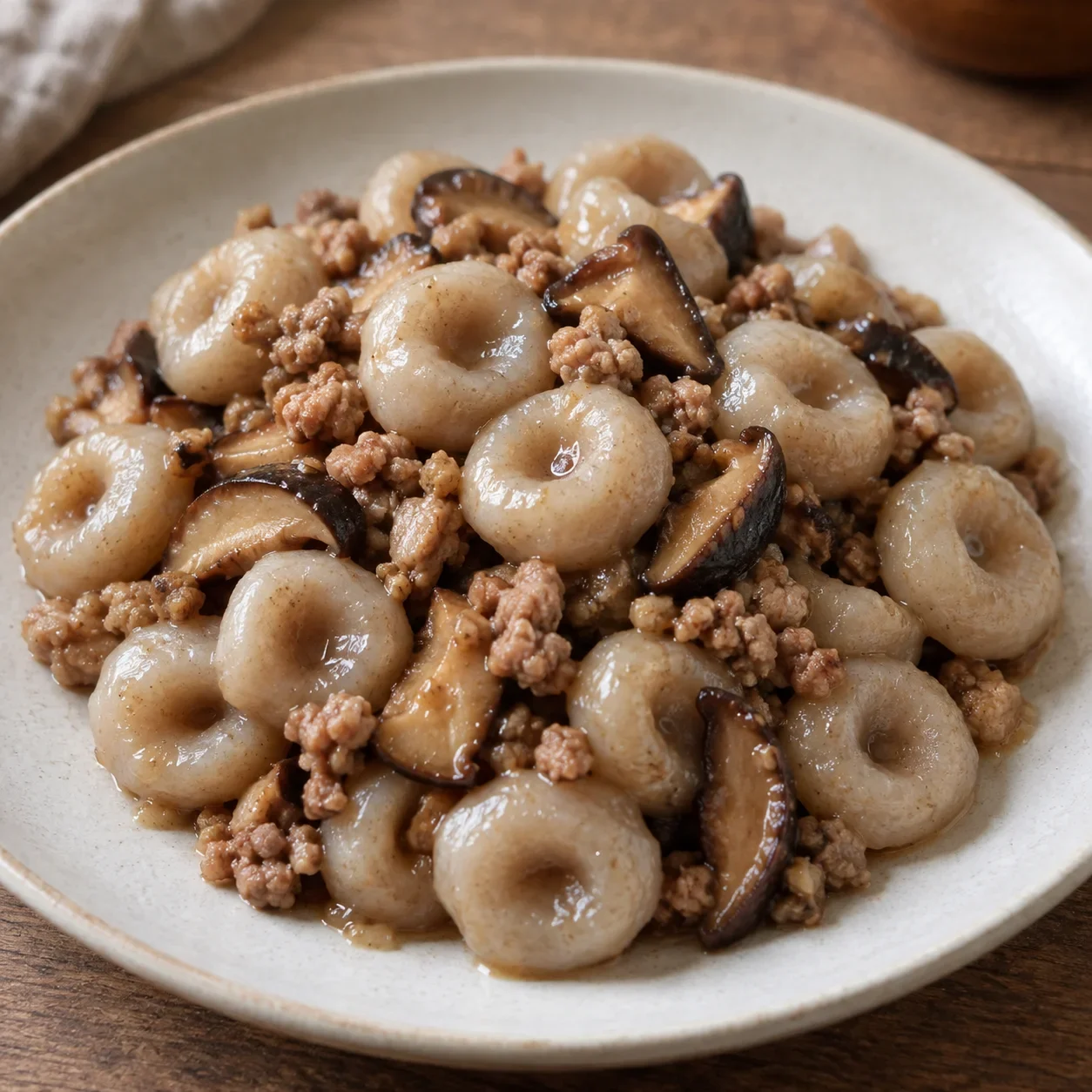
At the table
Eat the chewy taro beads with chopsticks or a spoon, together with the savoury toppings. Take small bites and let hot pieces cool.
Usually contains pork; dried shrimp, squid, fish sauce or oyster sauce may also be used. Soy sauce and dried tofu add soy, and some sauces contain wheat. Check the full recipe for allergies. The chewy beads need thorough chewing; cut them smaller for children who can manage this texture.
The usual meat-and-seafood stir-fry is neither vegetarian nor vegan. A vegetarian version needs different toppings, sauces and cooking fat. The representative recipe has no chili; white pepper is not chili heat, and added chili can change the result.
GET TO KNOW THE DISH
What goes into it?
Explore some key ingredients below. Preparations may use additional seasonings and ingredients.
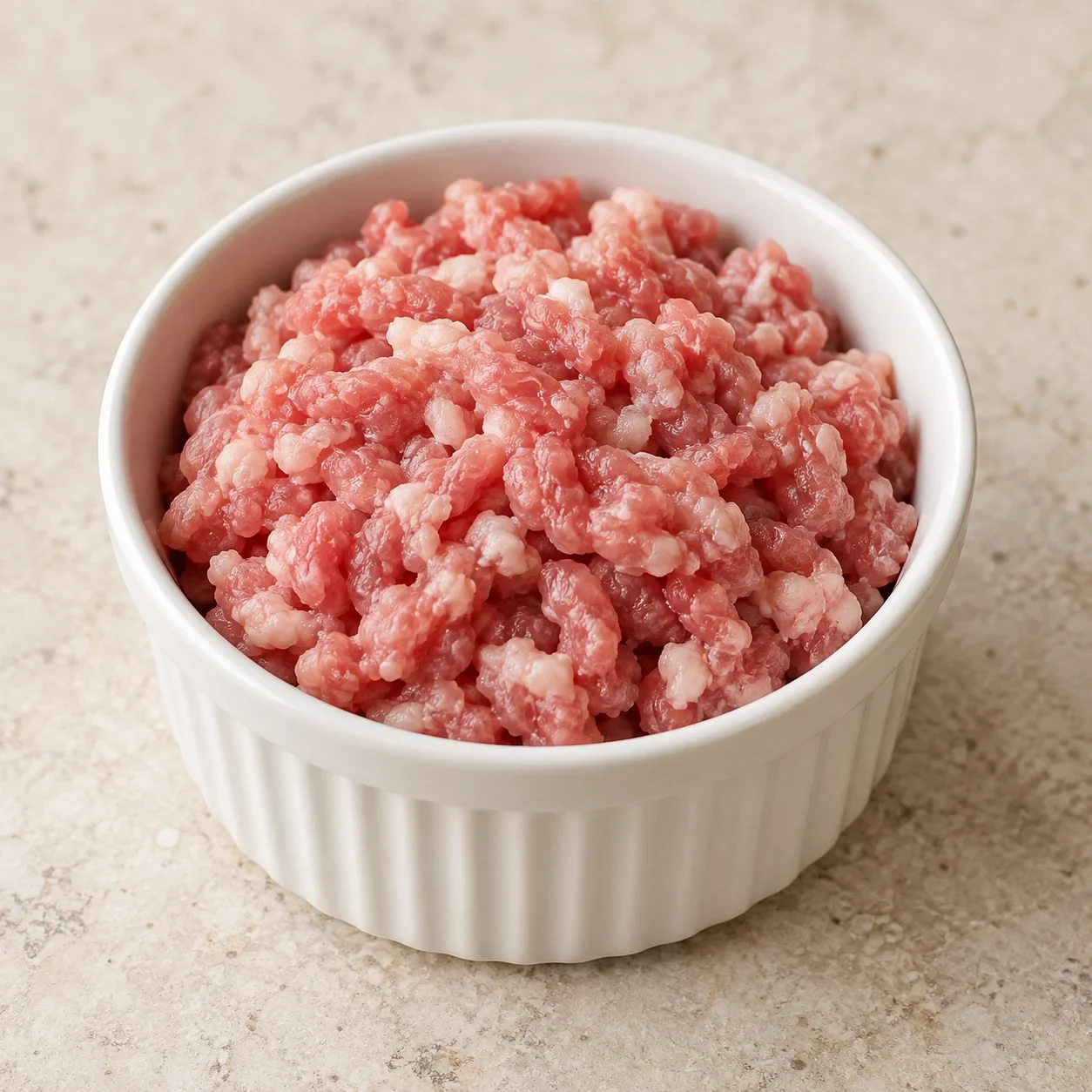
Minced pork and shiitake mushrooms are common additions. Some family versions use chicken, dried shrimp, dried squid, wood-ear fungus, fish sauce or oyster sauce.
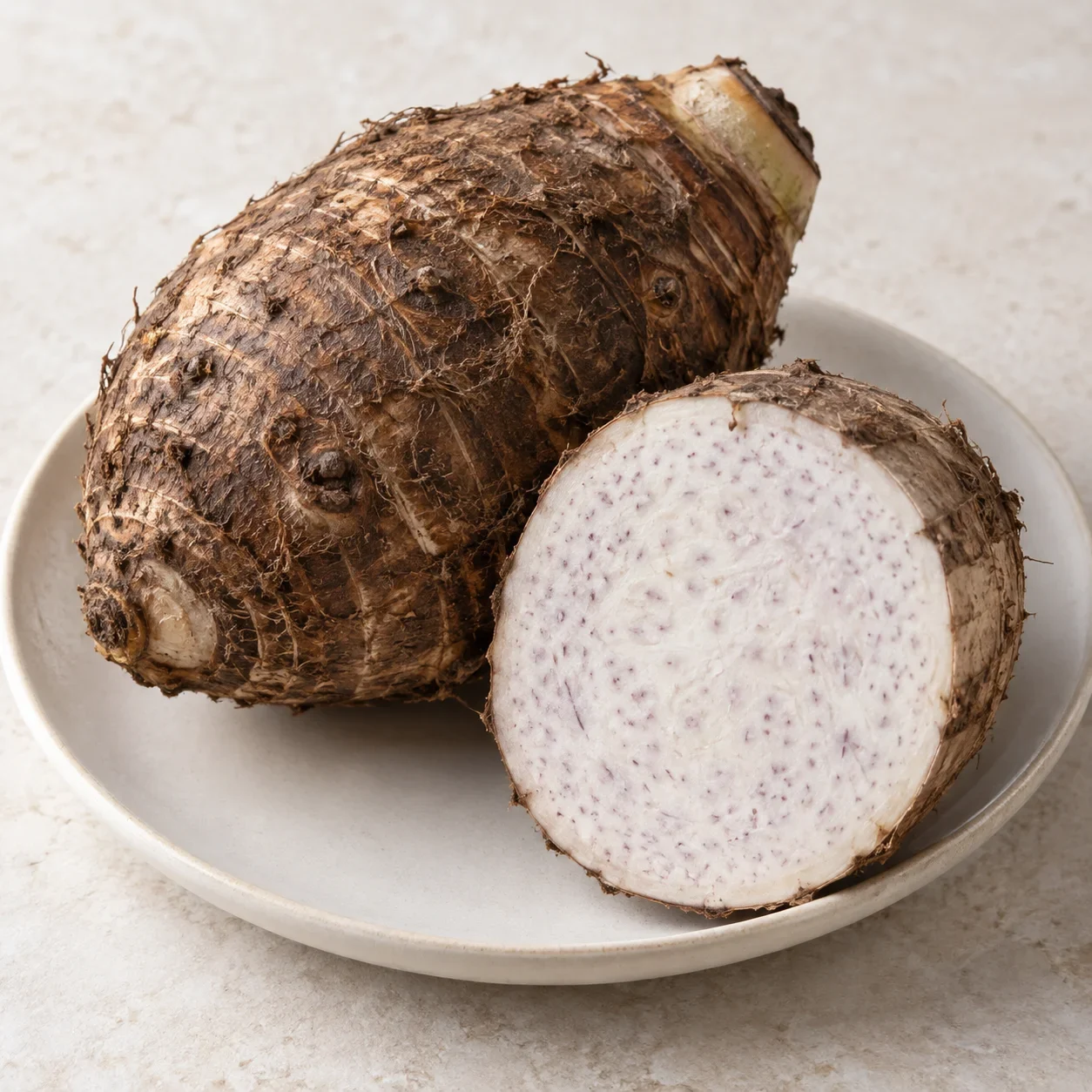
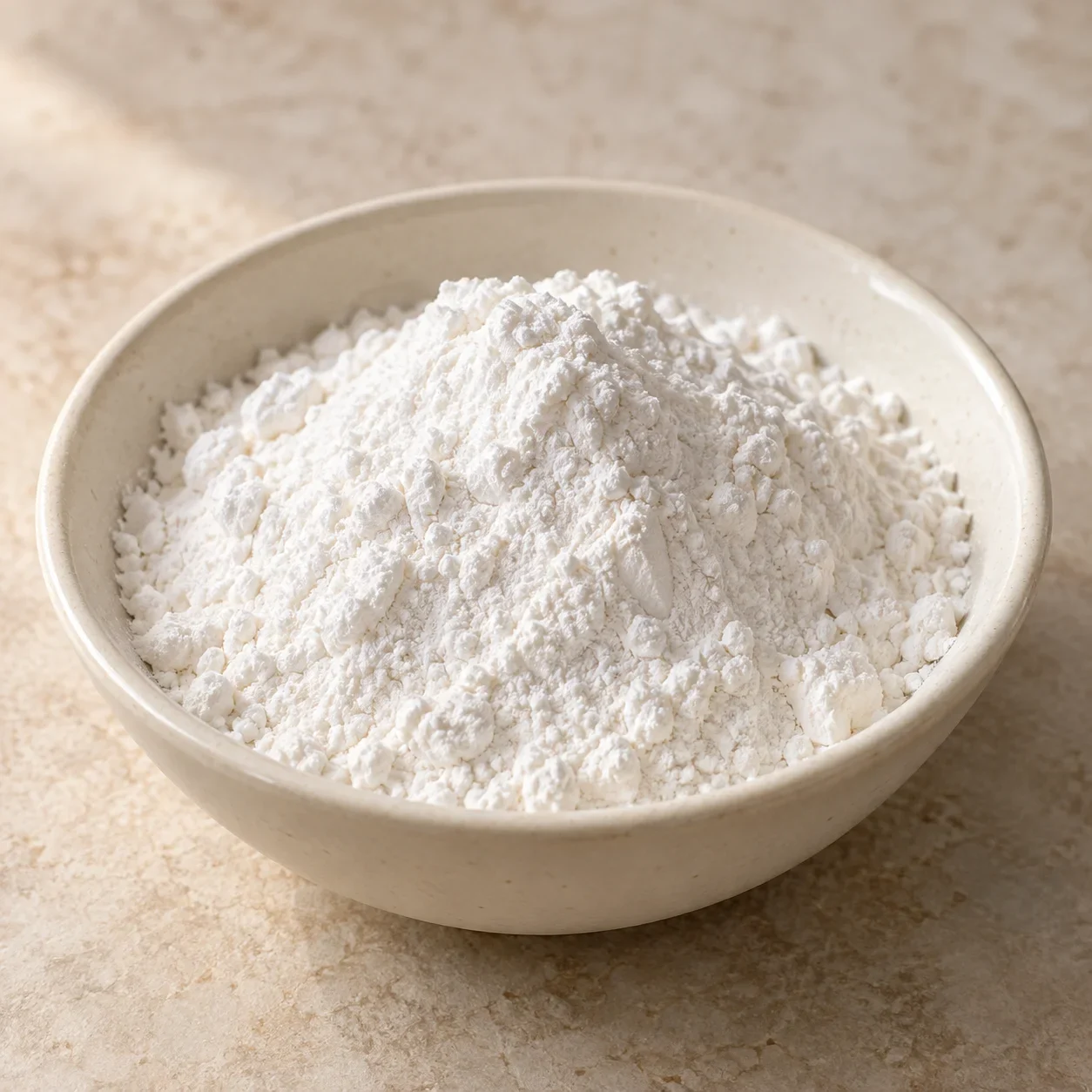
Typical ingredients
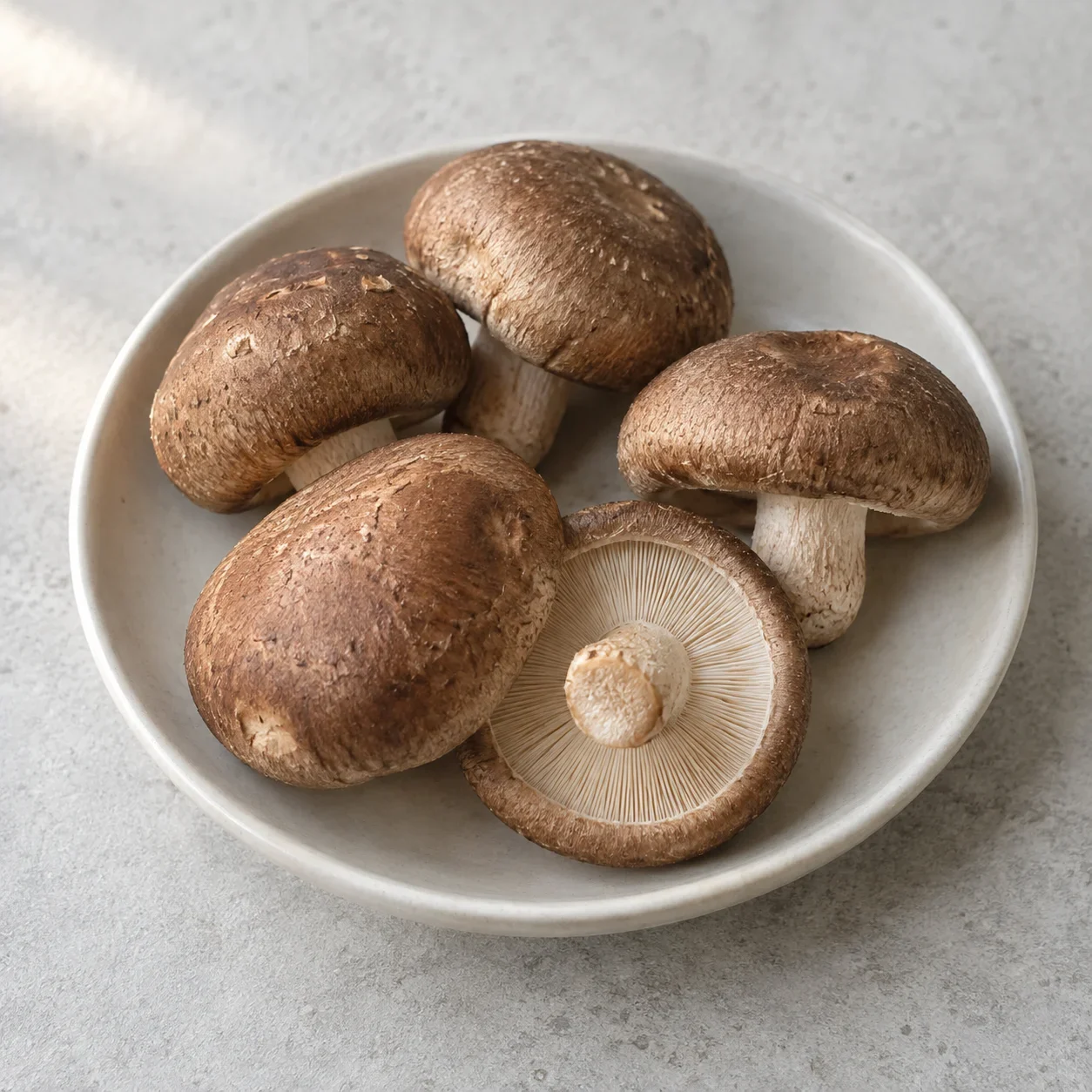
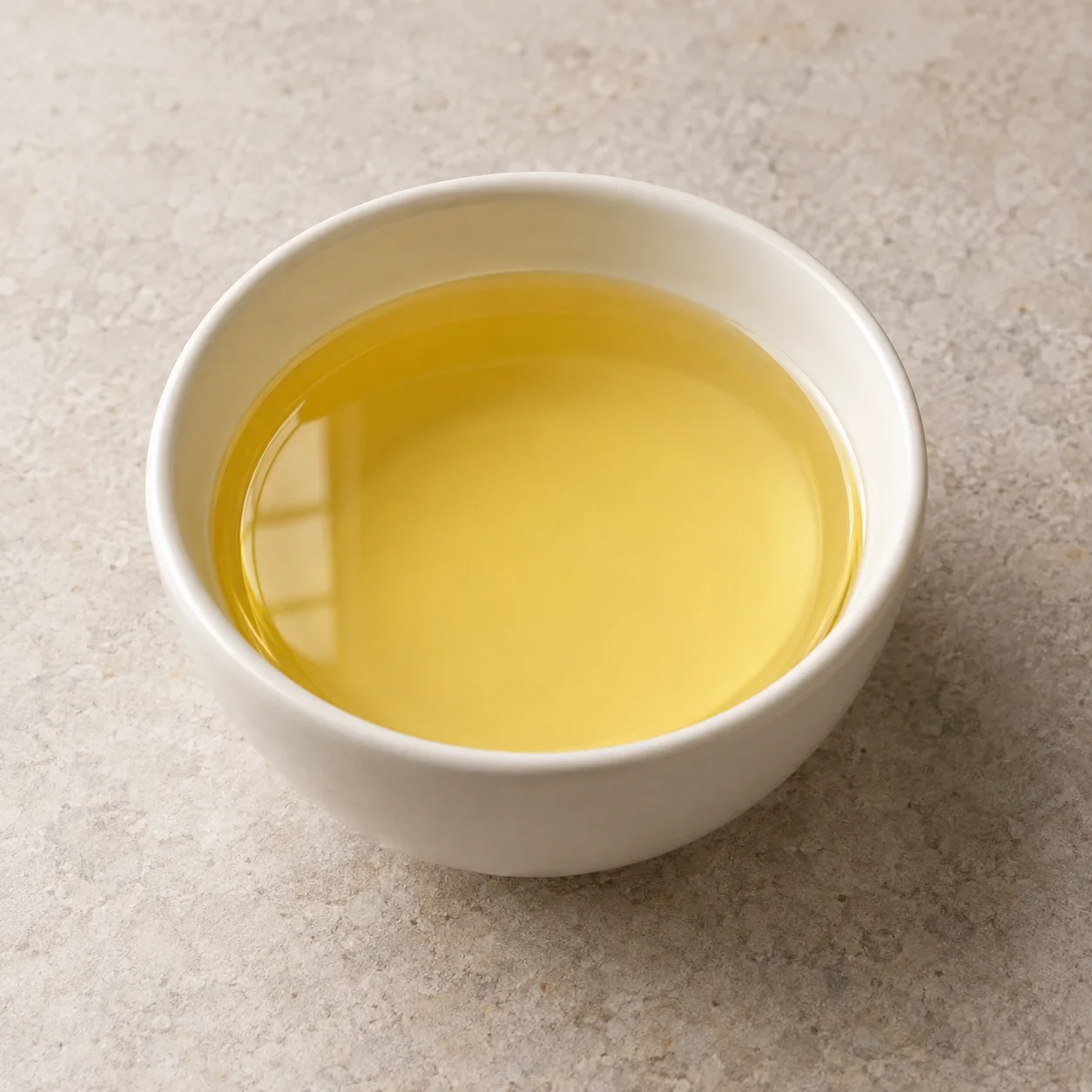

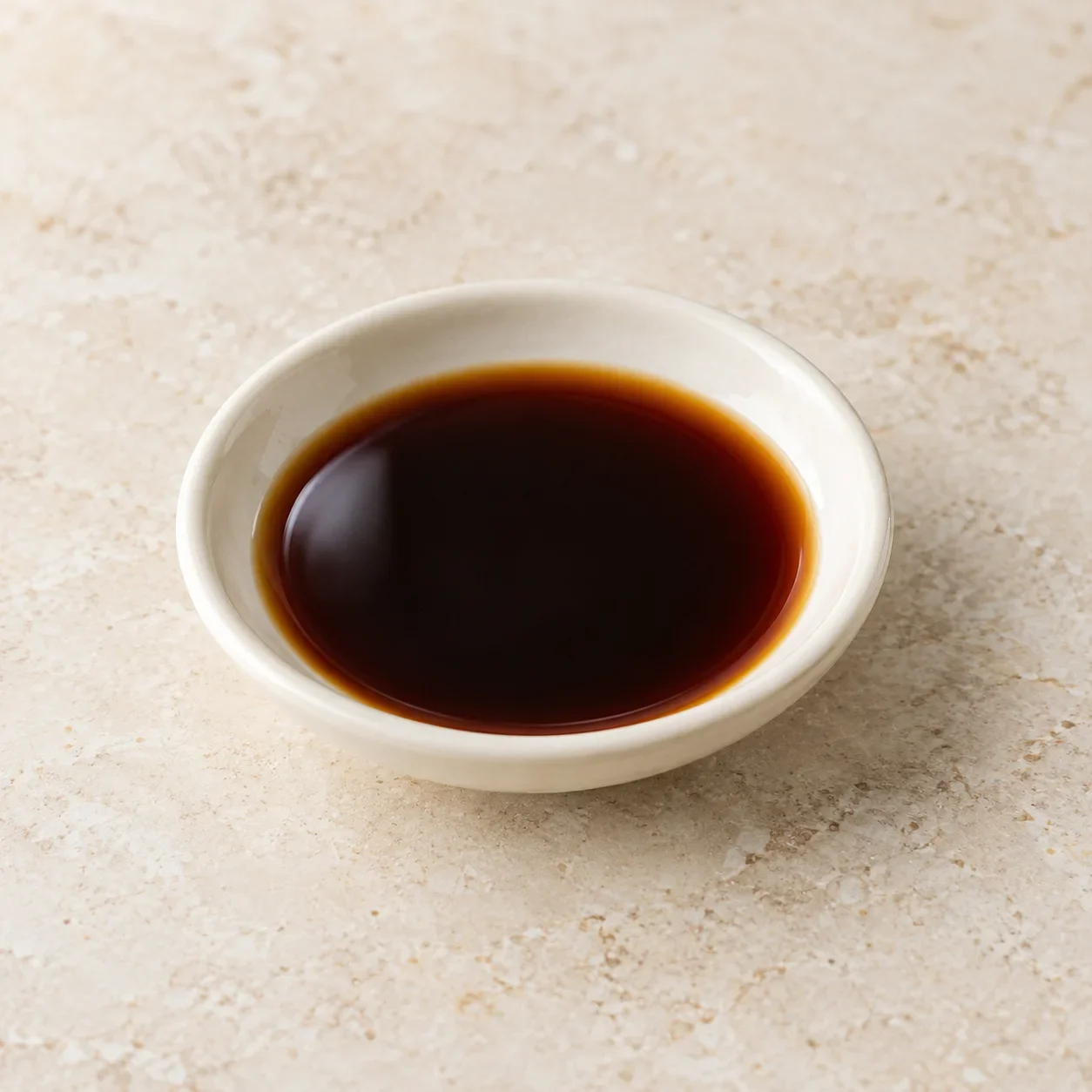
In some versions
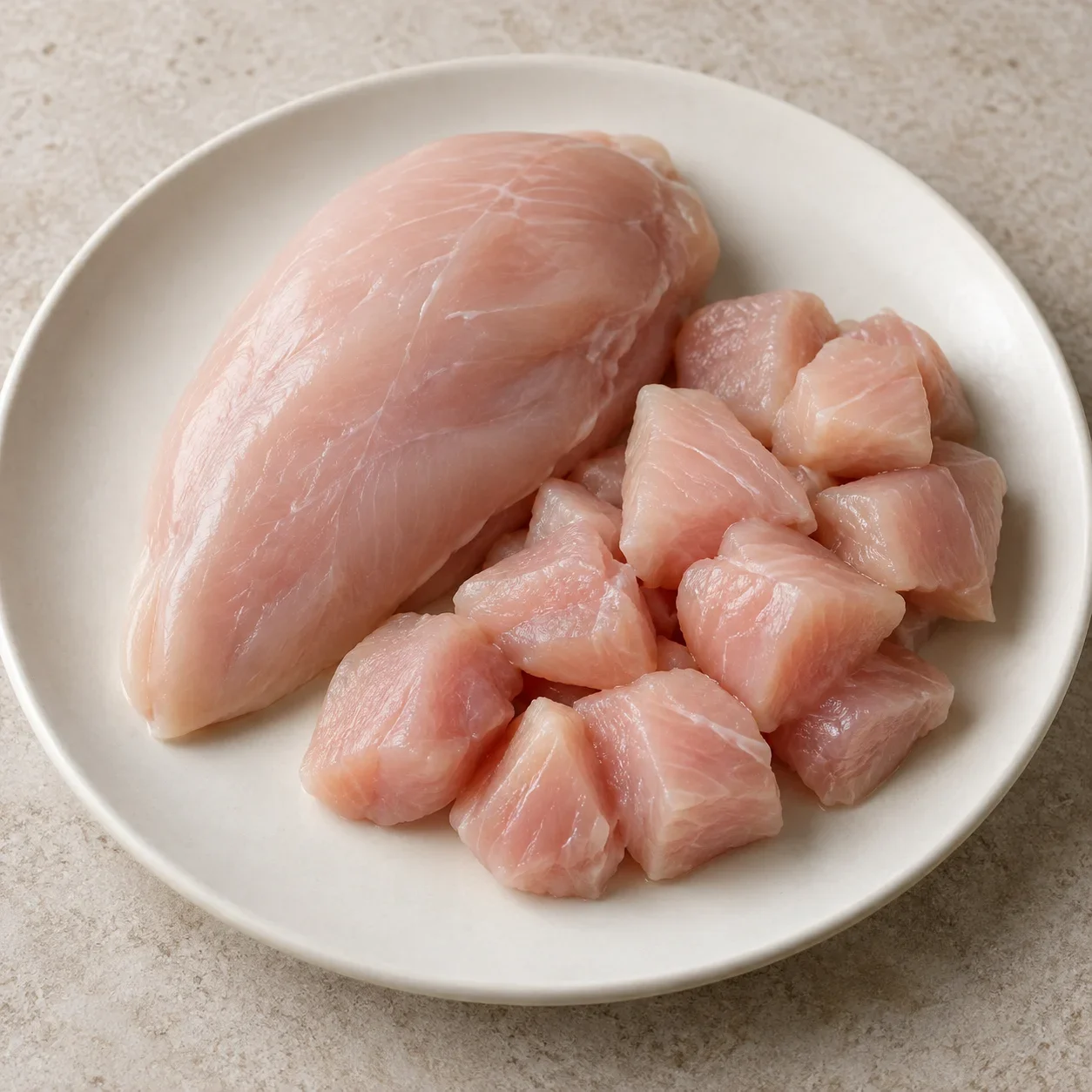
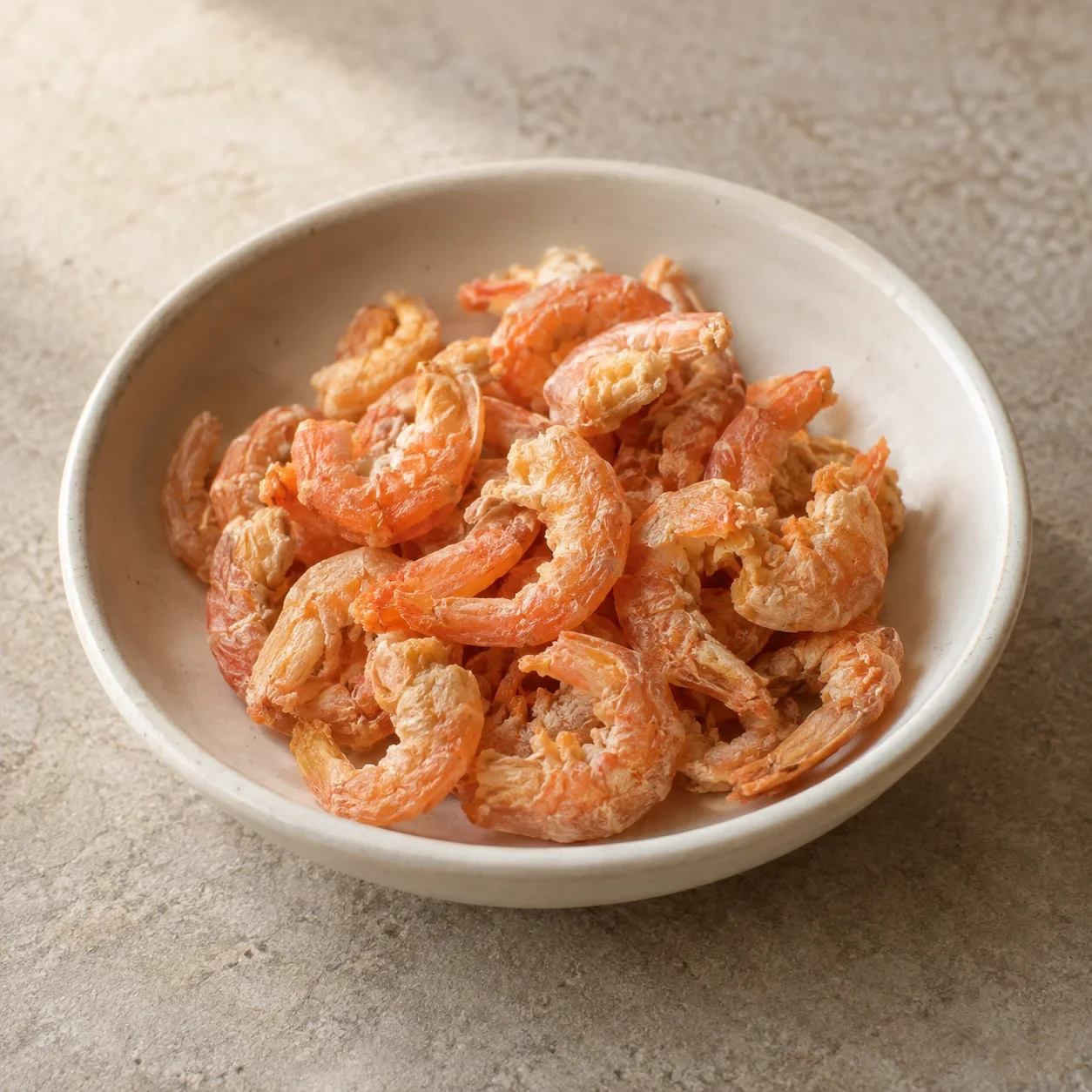
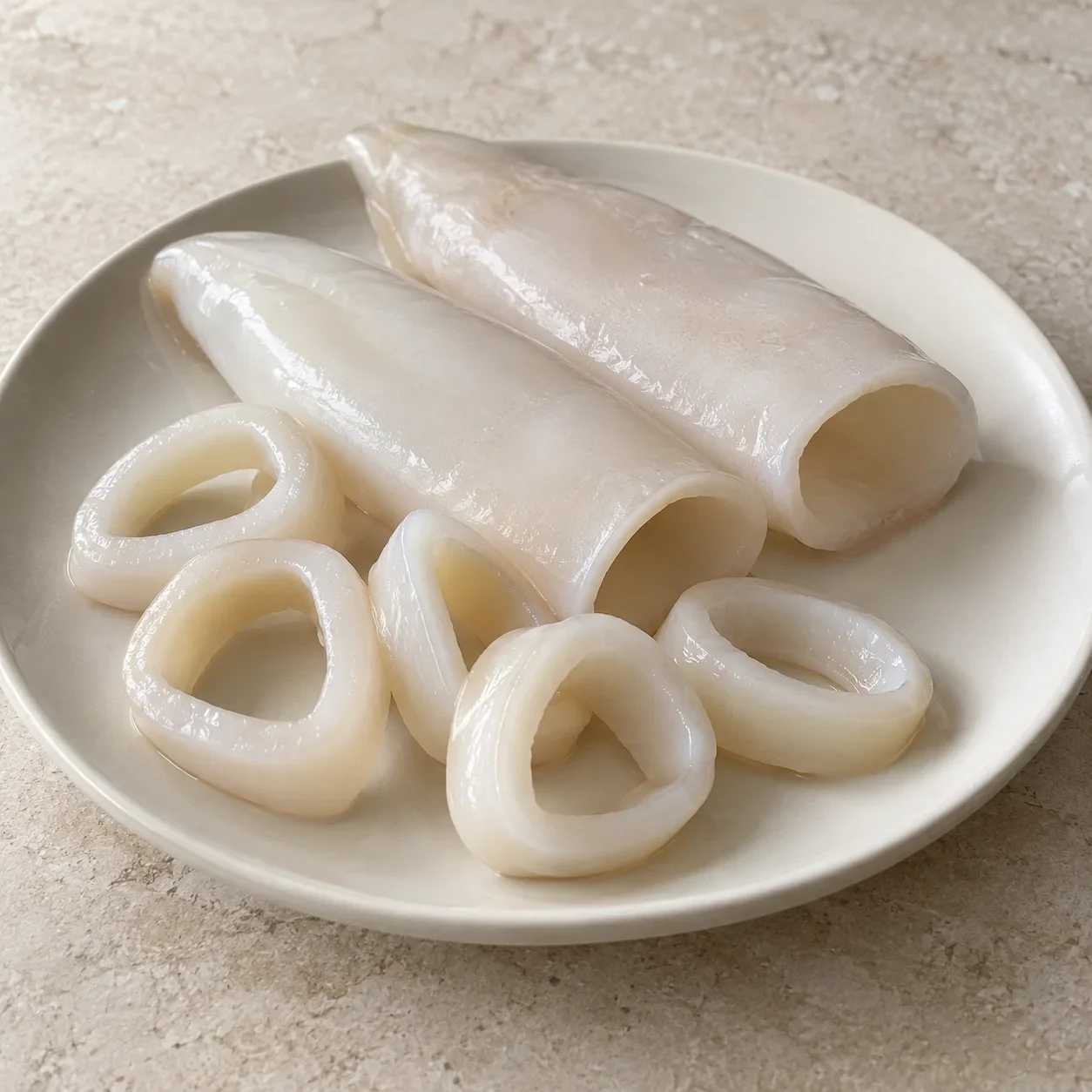
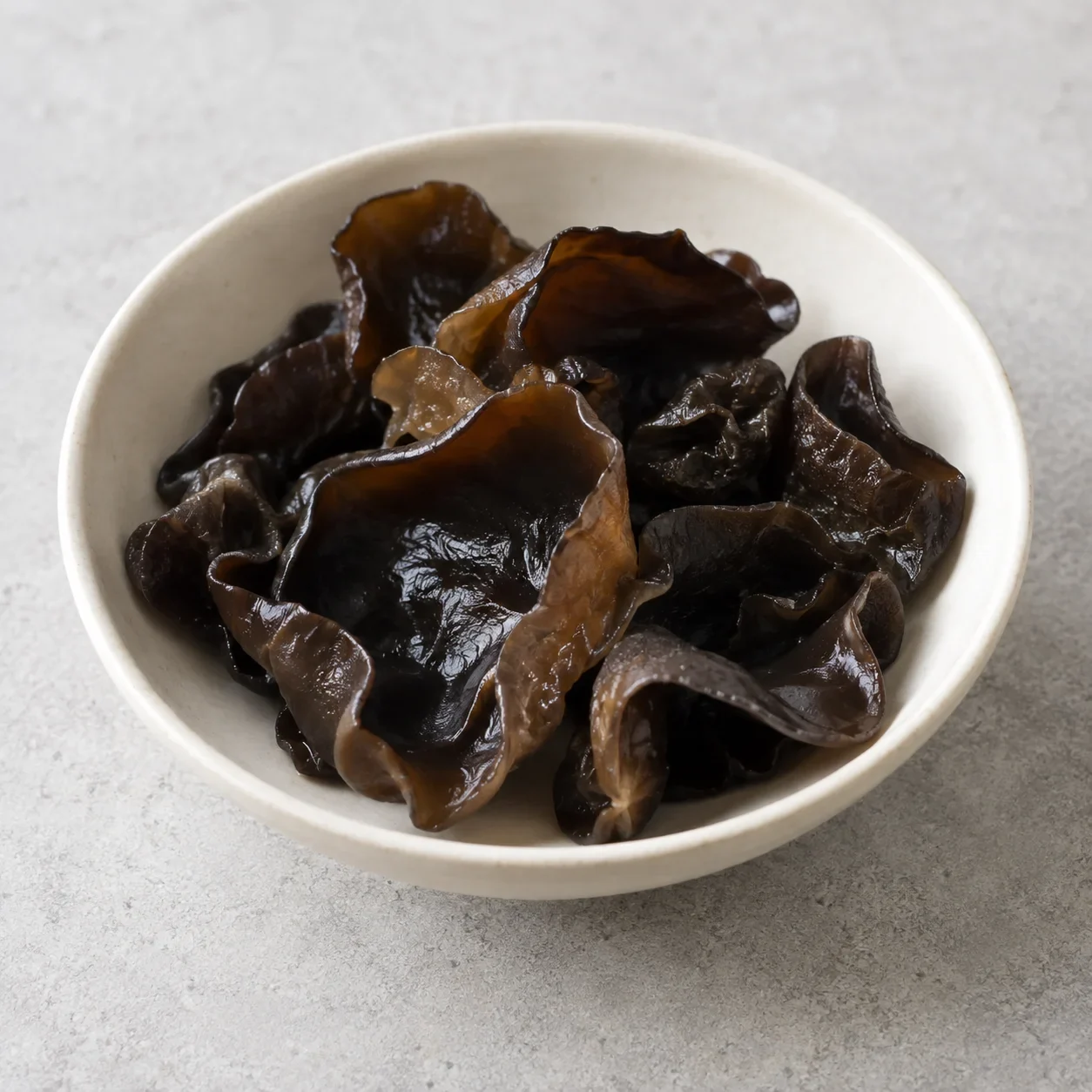
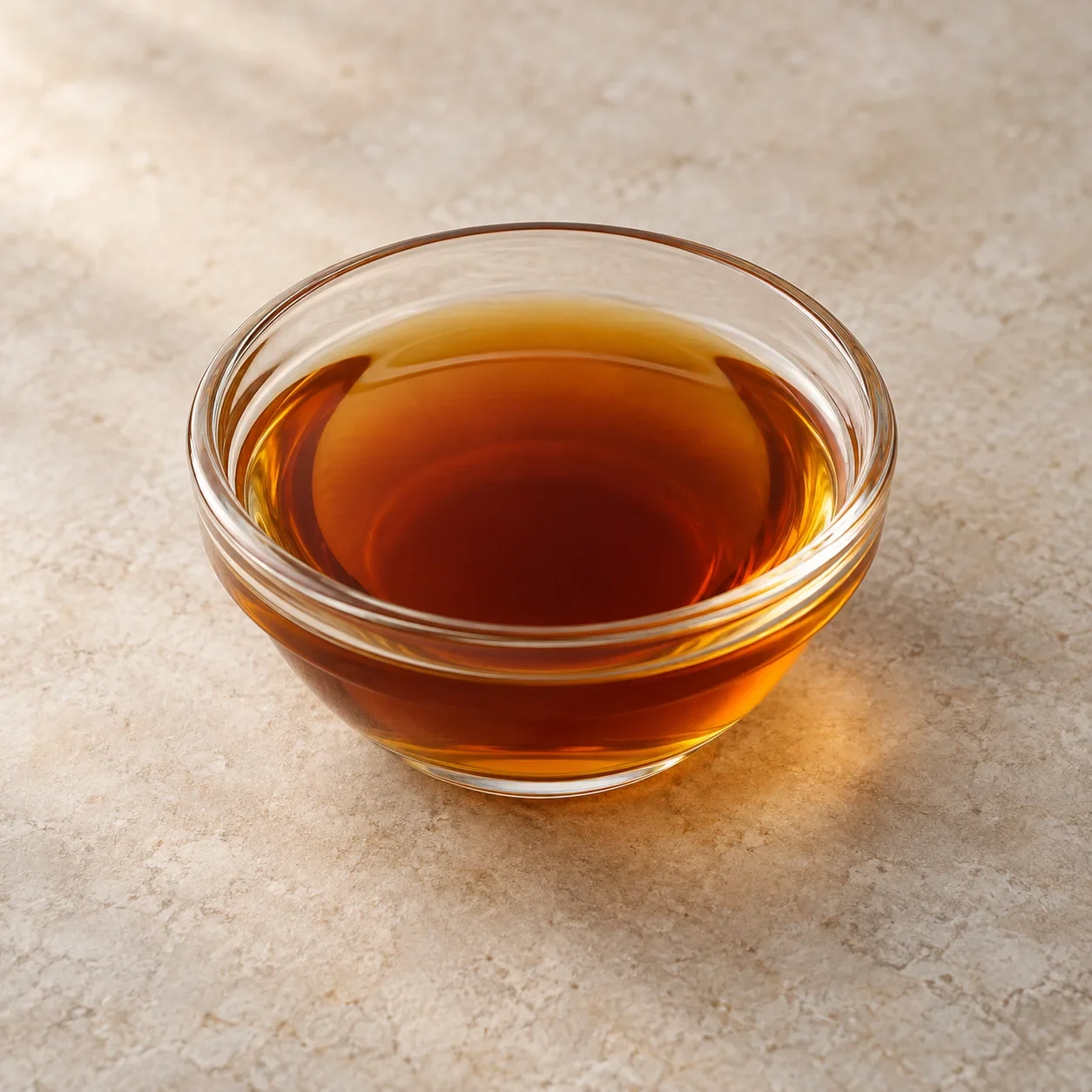
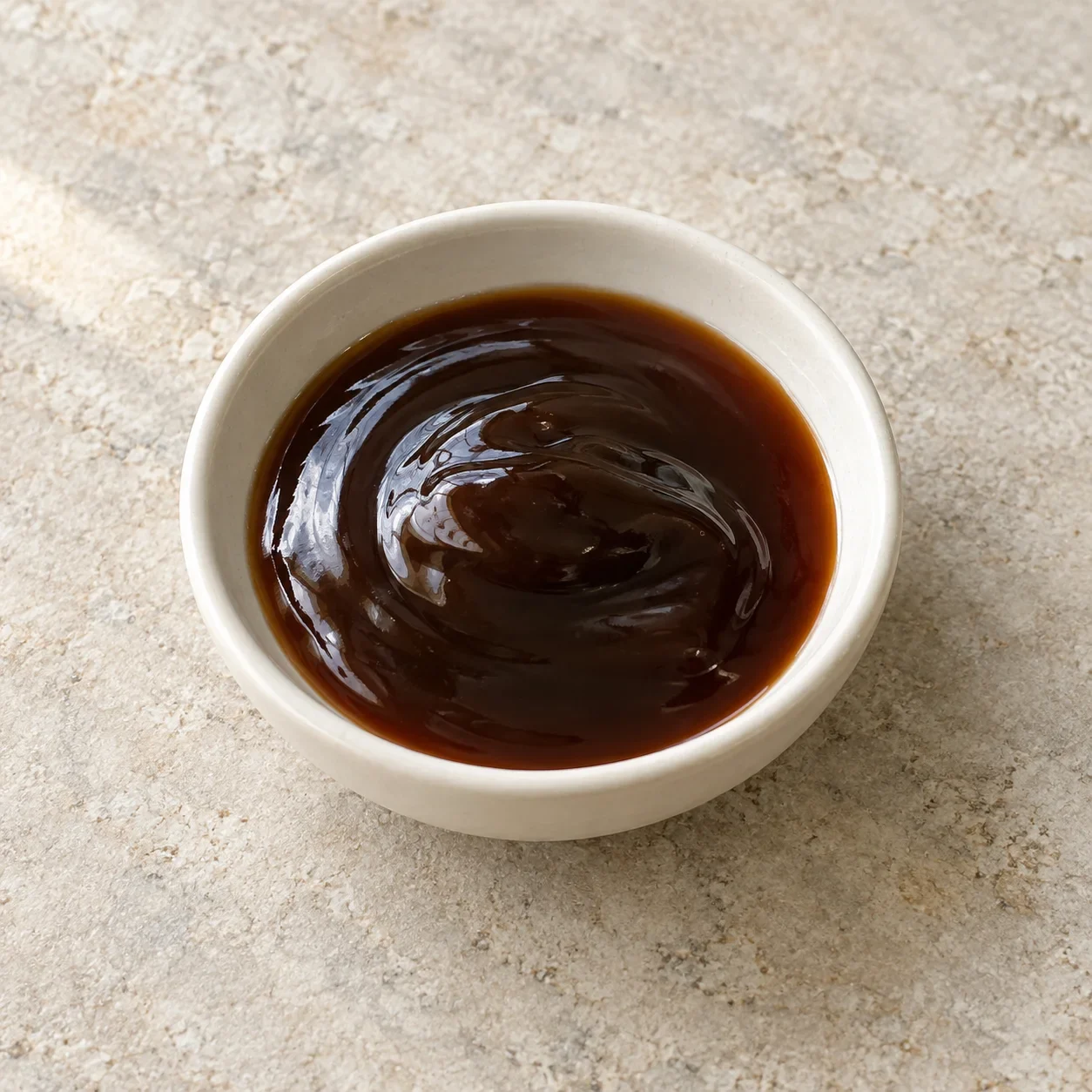
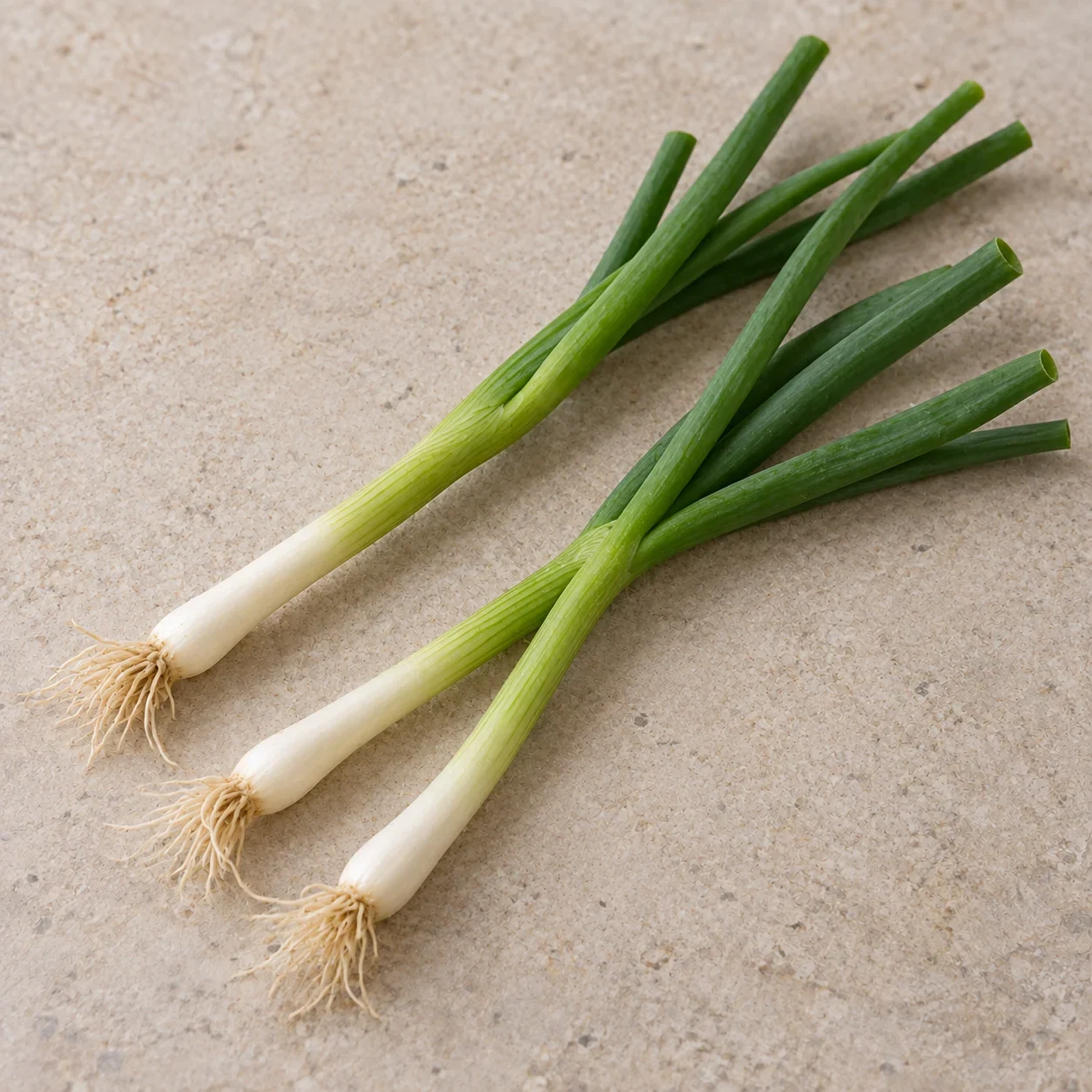
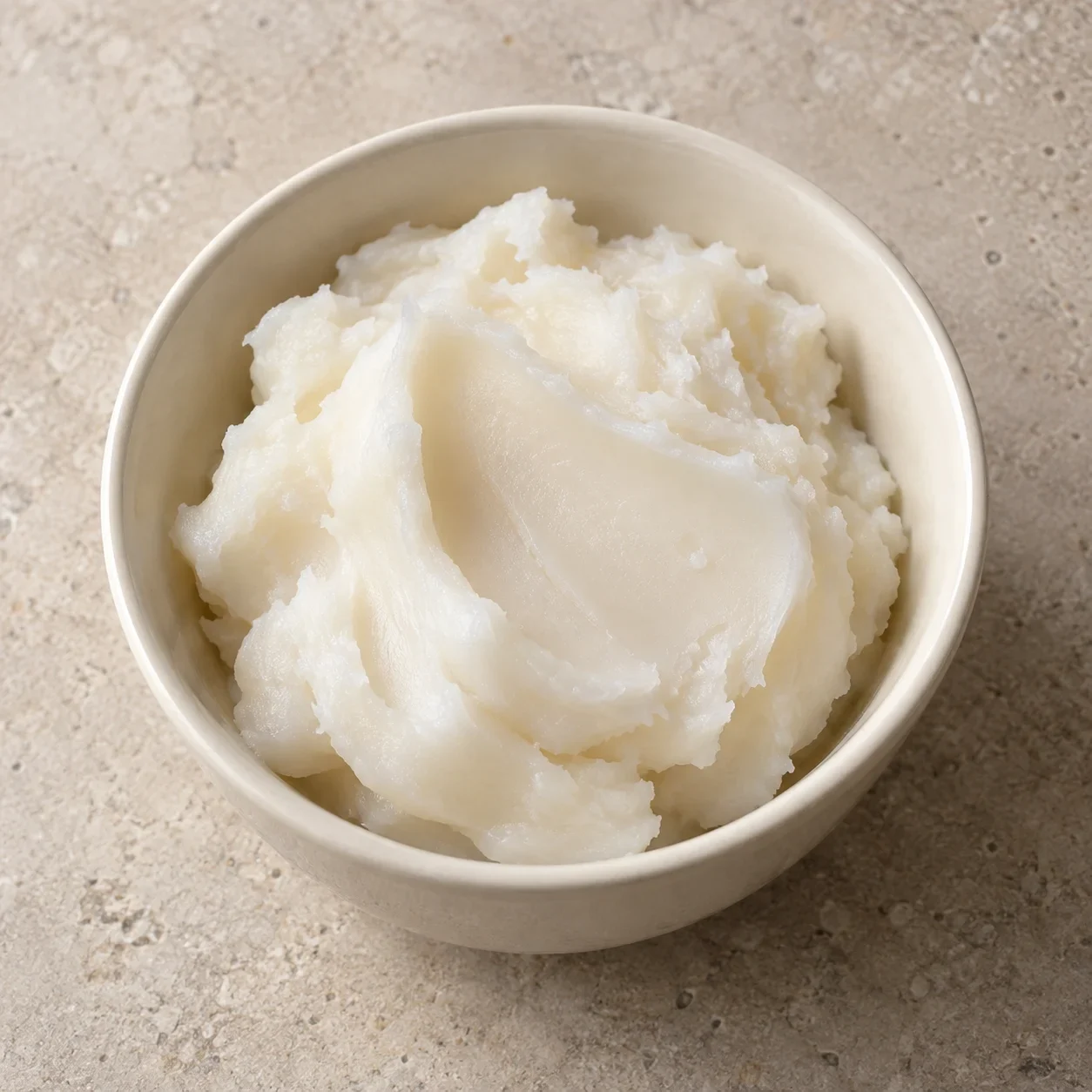
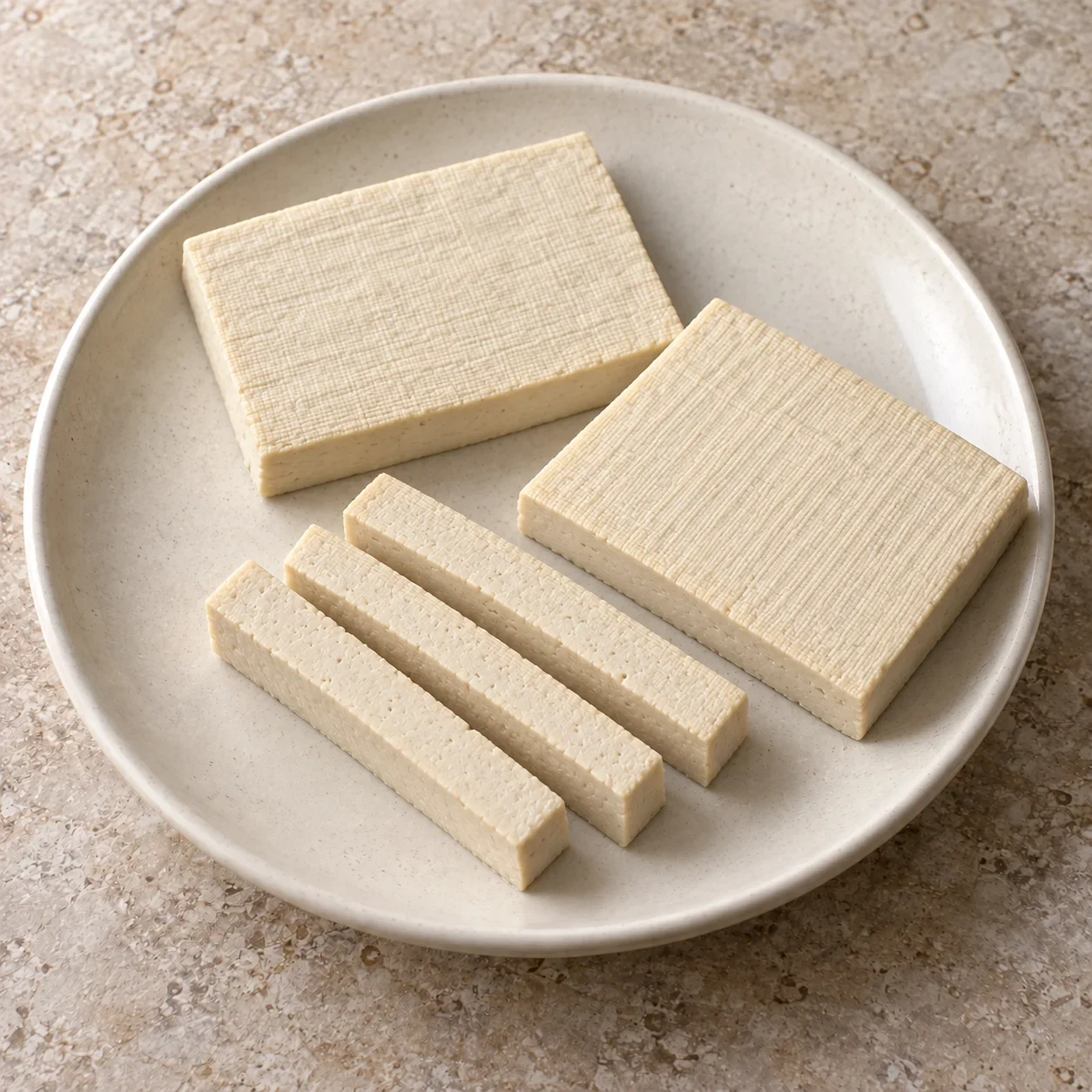
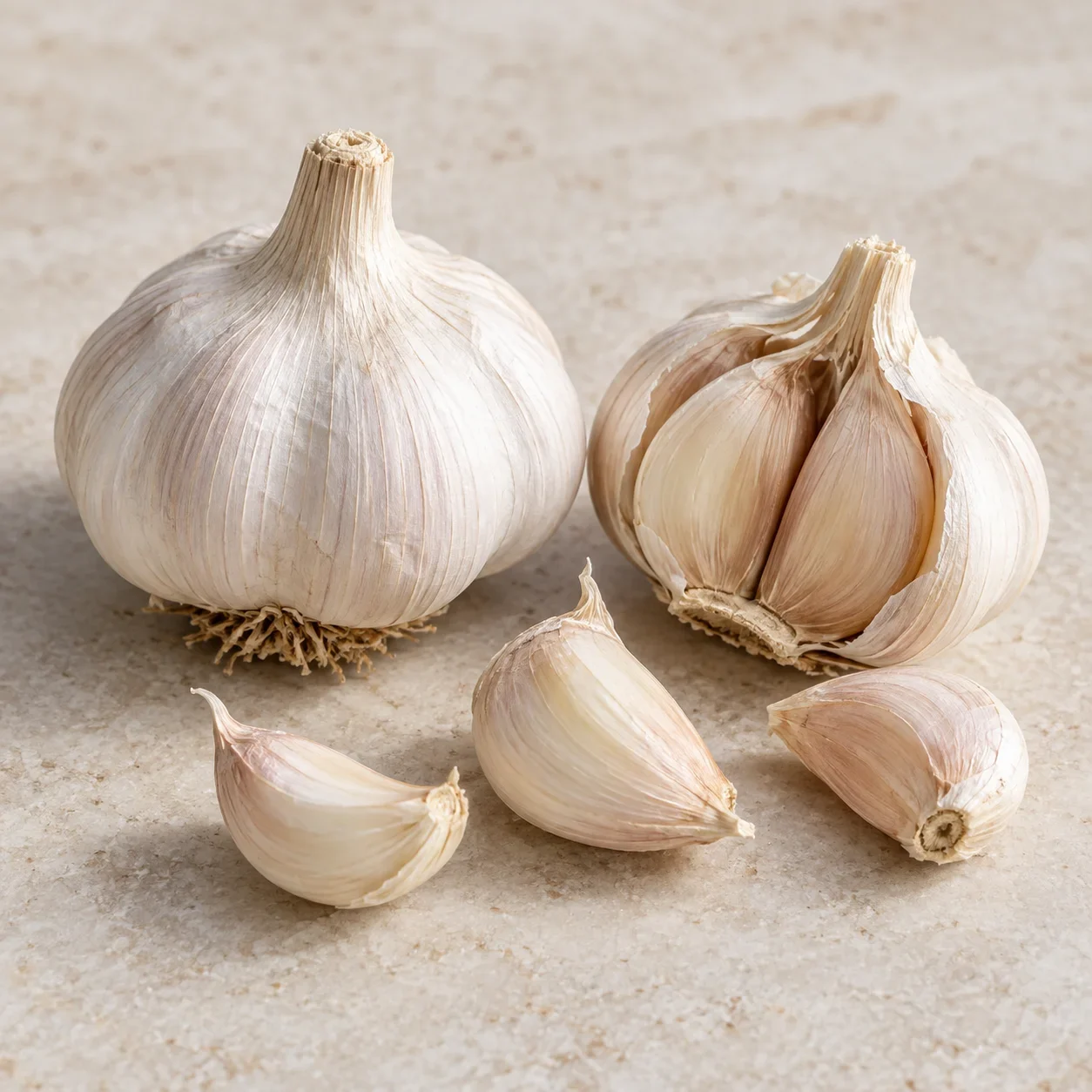
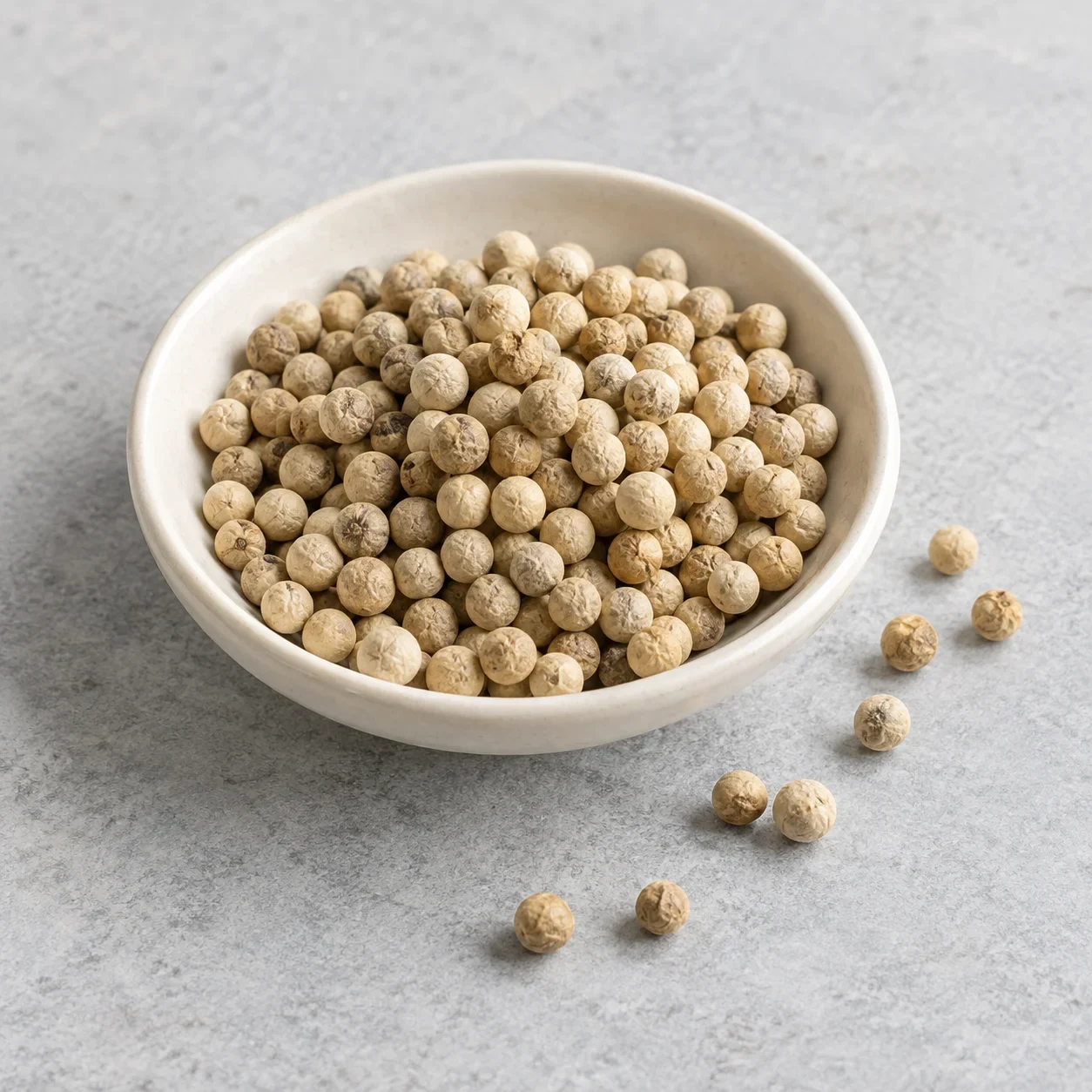

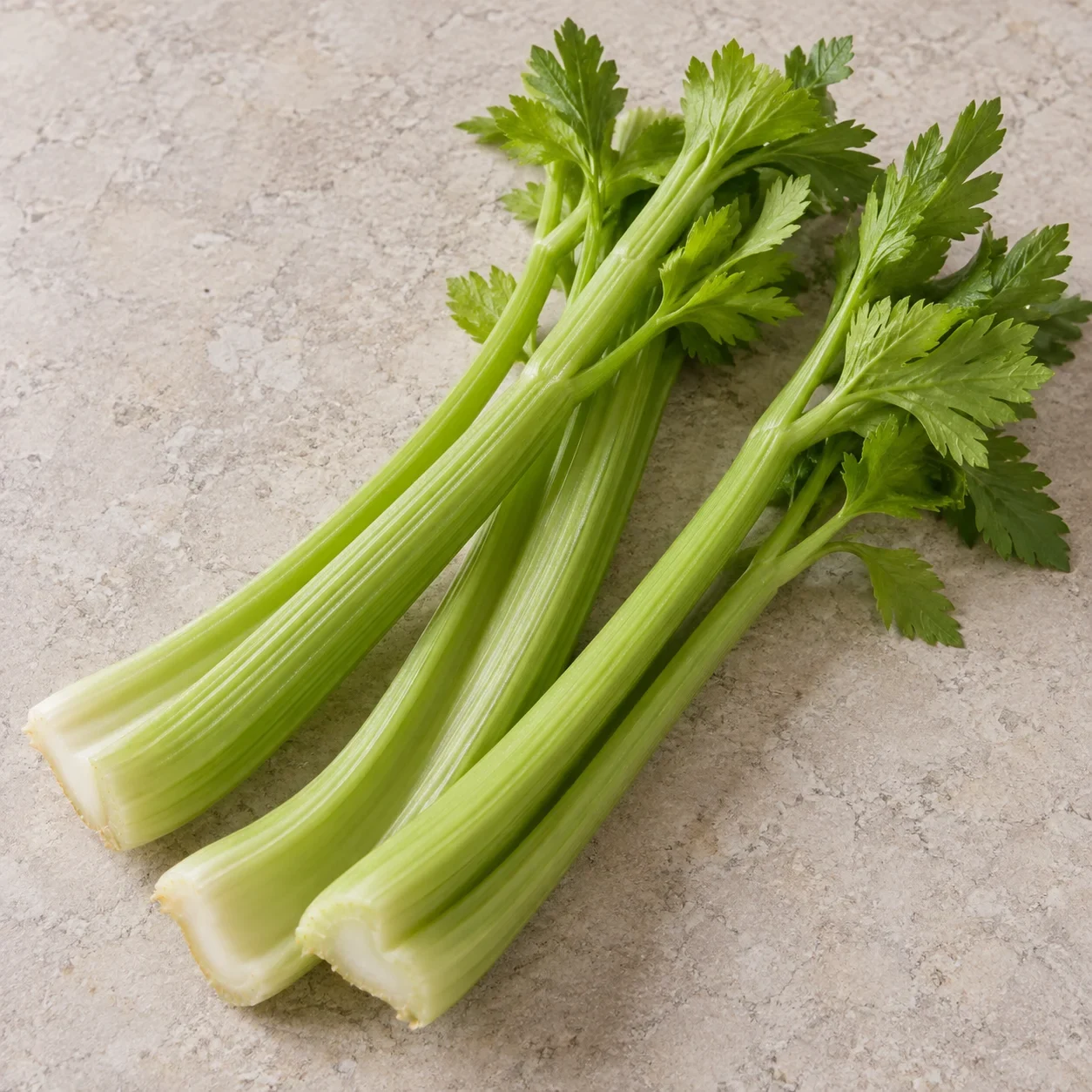
Recipes vary by restaurant.
How does it taste?
Earthy taro with savoury meat and mushroom flavours.
- Chili heat
- Texture
- Chewy bead-shaped dumplings.
- How it’s made
- Mash cooked taro with starch, shape into small indented beads and boil. Stir-fry with the other ingredients.
Minced pork and shiitake mushrooms are common additions. Some family versions use chicken, dried shrimp, dried squid, wood-ear fungus, fish sauce or oyster sauce.
A CONNECTION TO PLACE
Origin & regional roots
Associated with Guangdong.
About this regional connection
Guangdong: Guangdong association; no exclusive origin claim.
Ask if they have it first
请问你们有客家算盘子吗?
Do you have this item?
A LITTLE SOMETHING TO READ
Story & history
Dabu Hakka abacus beads and wishes for plenty
This account describes a tradition or story, rather than an established historical fact.
In Dabu, these taro-and-tapioca dumplings carry wishes for family reunion and prosperity, with money to count year after year. Their rounded, indented shape resembles abacus beads, giving the dish its name. Customs vary among Hakka communities.