
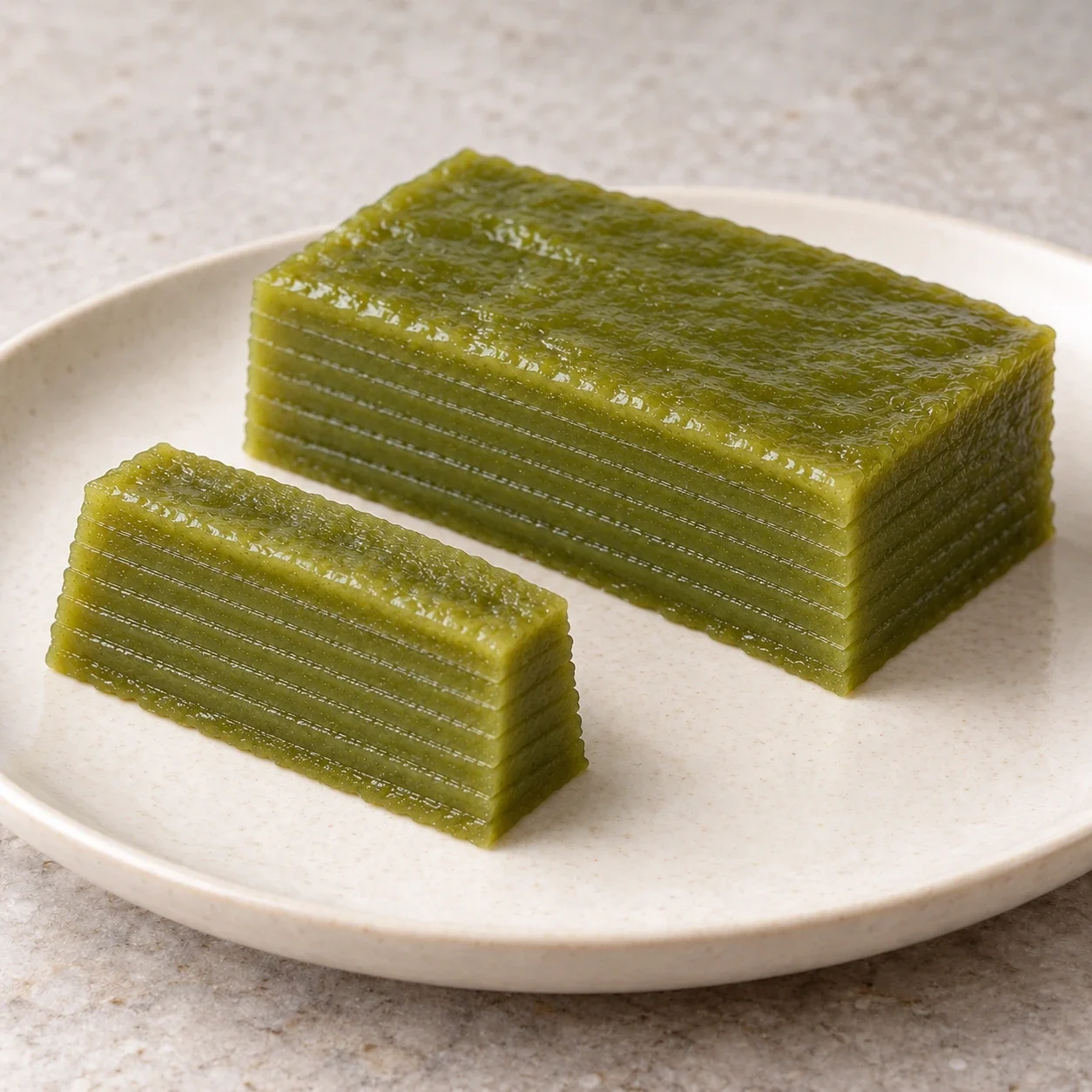
At the table
Take a small piece with chopsticks or a fork; you can eat the layers together or gently separate them.
The cake is dense and chewy; take manageable bites and let a hot piece cool.
This selected version uses rice, luanxi leaves, sugar and food-grade alkaline water. Ask about the actual recipe if you have dietary restrictions.
GET TO KNOW THE DISH
What goes into it?
Explore some key ingredients below. Preparations may use additional seasonings and ingredients.
Other cakes share the name nine-layer cake. This is the green luanxi version from Shunde, not a coconut-layered cake.
Typical ingredients
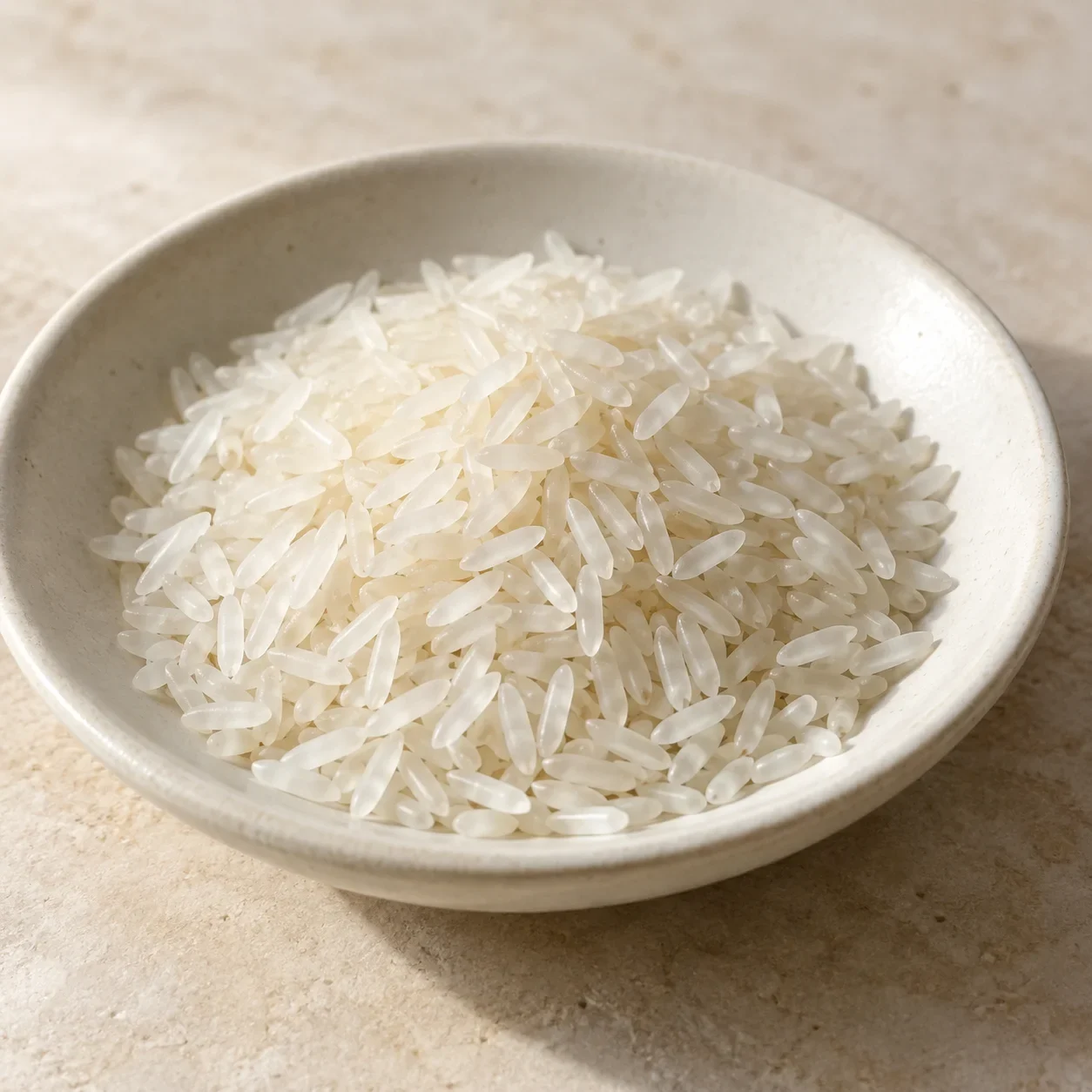
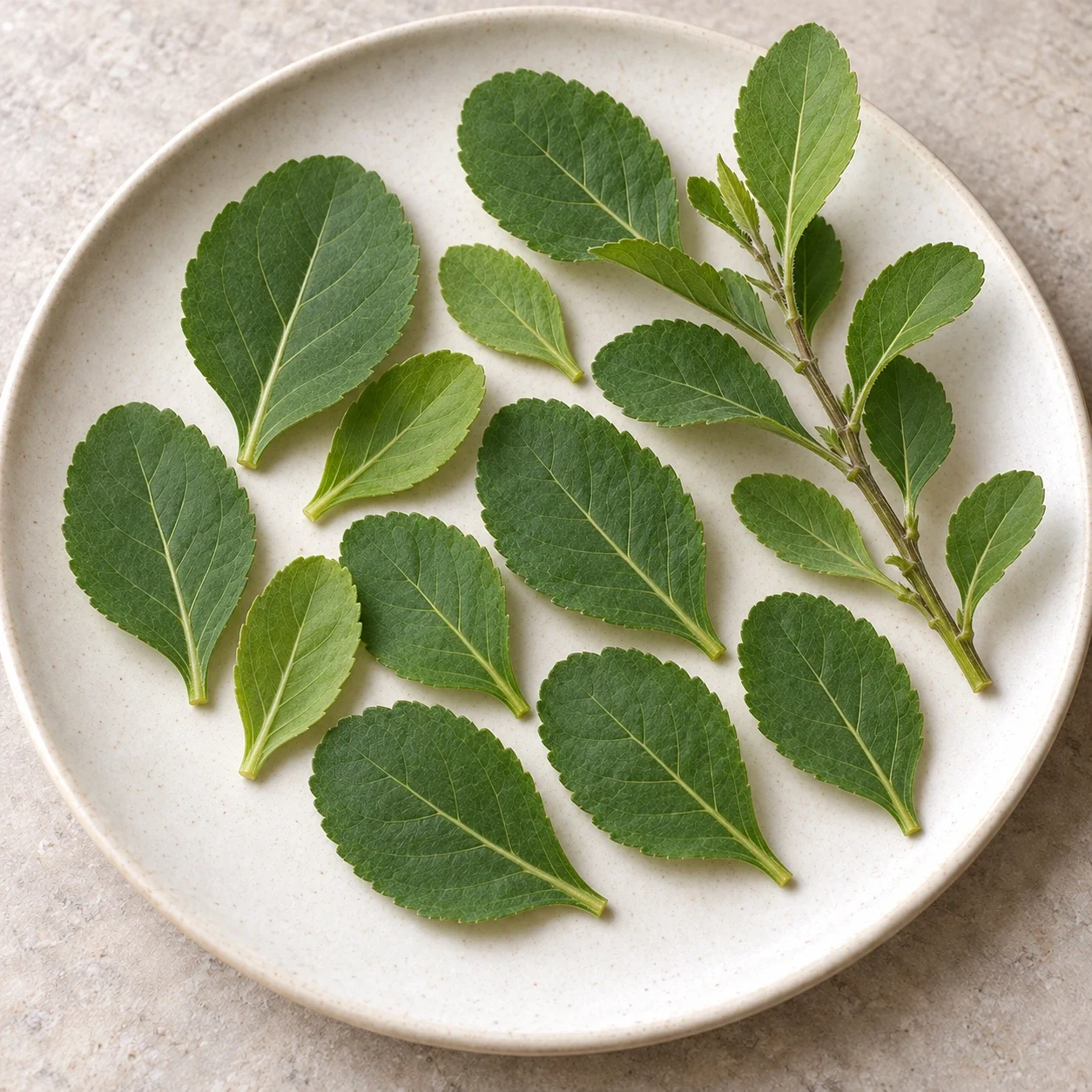
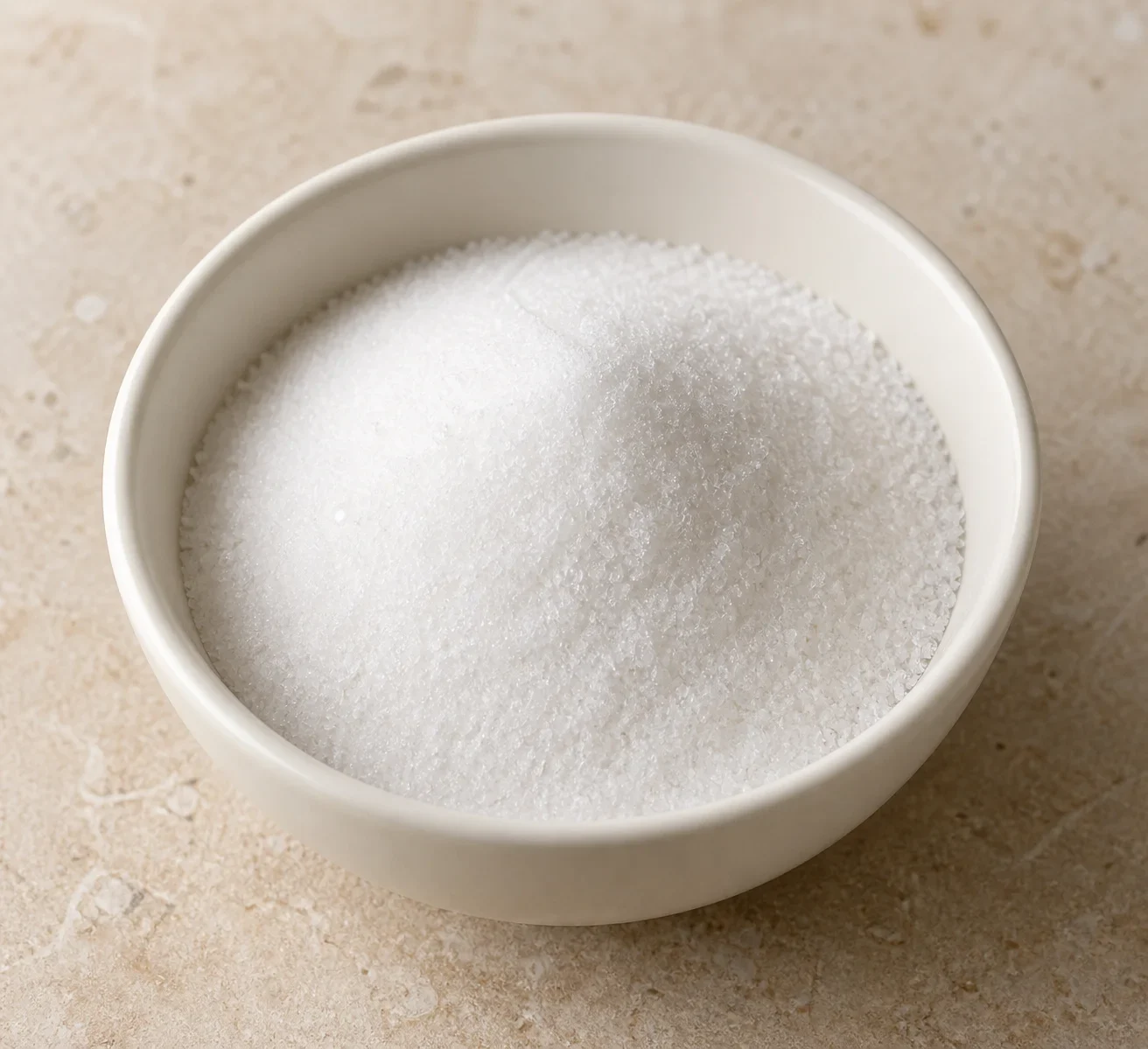
Recipes vary by restaurant.
How does it taste?
Mildly sweet with rice and leafy herbal aromas.
- Chili heat
- Texture
- Dense, moist and gently chewy, with thin layers that can be separated.
- How it’s made
- Luanxi leaves are blanched in food-grade alkaline water. Their filtered juice is mixed with ground japonica rice and sugar water; each layer is steamed before the next is added.
Other cakes share the name nine-layer cake. This is the green luanxi version from Shunde, not a coconut-layered cake.
A CONNECTION TO PLACE
Origin & regional roots
Associated with Guangdong.
About this regional connection
Guangdong: Foshan Shunde Beijiao Taocun explicitly named.
Ask if they have it first
请问你们有佛山九层糕吗?
Do you have this item?
A LITTLE SOMETHING TO READ
Story & history
Layer by layer in Shunde
This account describes a tradition or story, rather than an established historical fact.
In Taocun, Beijiao, this rice cake is associated with the eighth day of the fourth lunar month. Steaming successive layers creates its distinctive structure.