
At the table
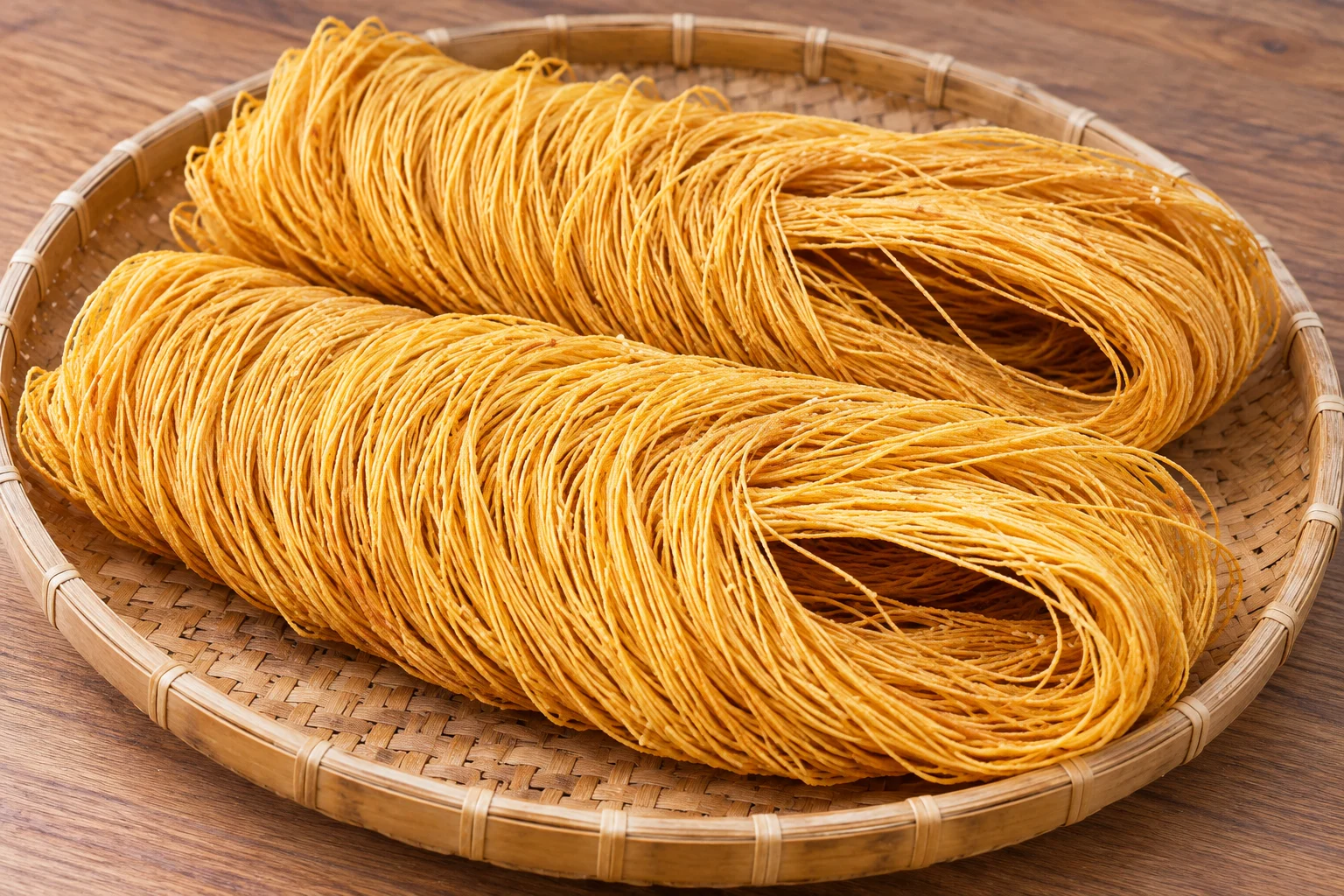
Break off a manageable piece to eat as a crisp snack. Small broken pieces can be added near the end of cooking cabbage or dipped into hot soup. Eat promptly after moistening if you want some crunch; lamb or beef soup makes the serving nonvegetarian.
Contains wheat and commonly sesame; peanut oil can be used. The documented basic dough and plant-oil preparation is vegetarian and vegan, but confirm the actual seasonings, dough fat and frying oil. Meat soup or meat fillings change that status. If you have allergies, ask about all oils and shared equipment rather than assuming a plain-looking snack is suitable.
Bundle size, folding, sesame quantity, seasoning and oil vary. Both small handcraft workshops and larger producers make Fangji sanzi. Peanut oil may be used to rest the strands even when rapeseed oil is used elsewhere in the process. Plain sanzi and sanzi served in meat soup are different servings.
GET TO KNOW THE DISH
What goes into it?
Explore some key ingredients below. Preparations may use additional seasonings and ingredients.
Bundle size, folding, sesame quantity, seasoning and oil vary. Both small handcraft workshops and larger producers make Fangji sanzi. Peanut oil may be used to rest the strands even when rapeseed oil is used elsewhere in the process. Plain sanzi and sanzi served in meat soup are different servings.
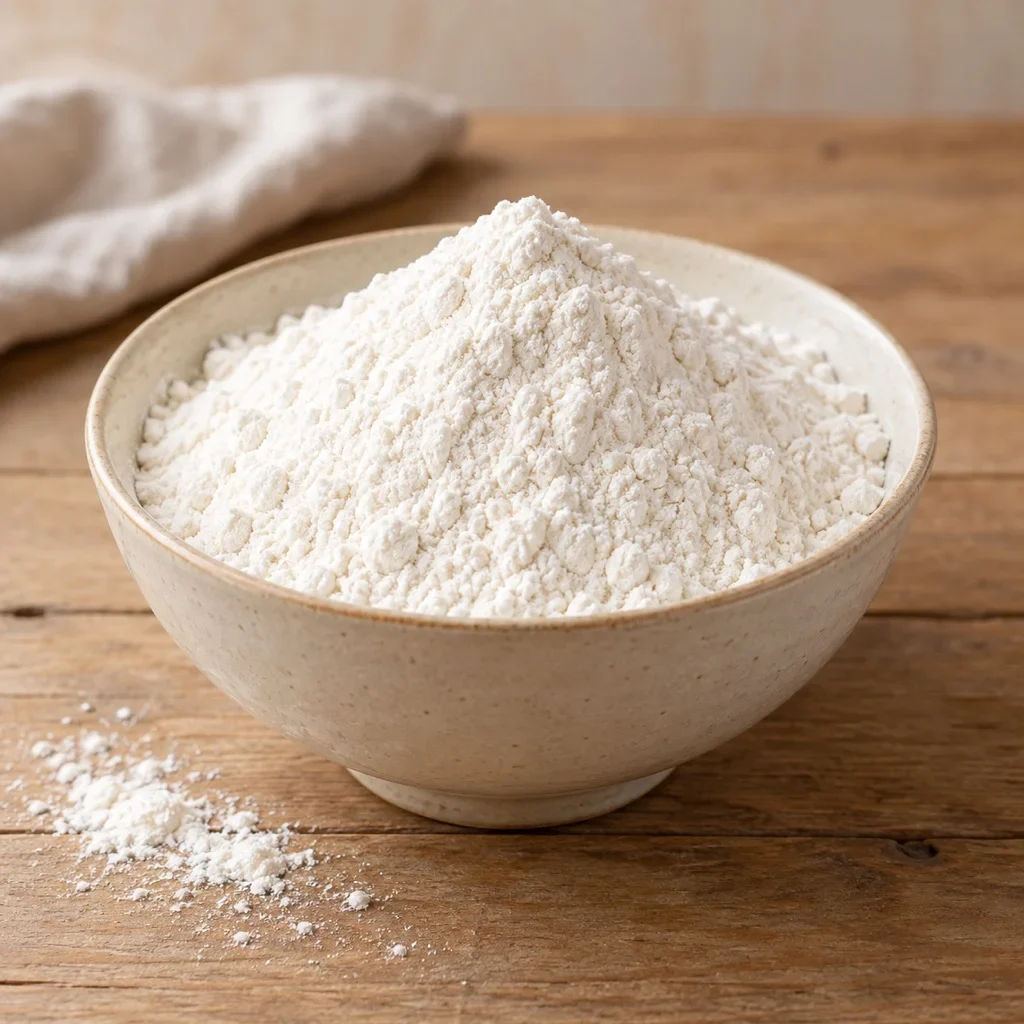
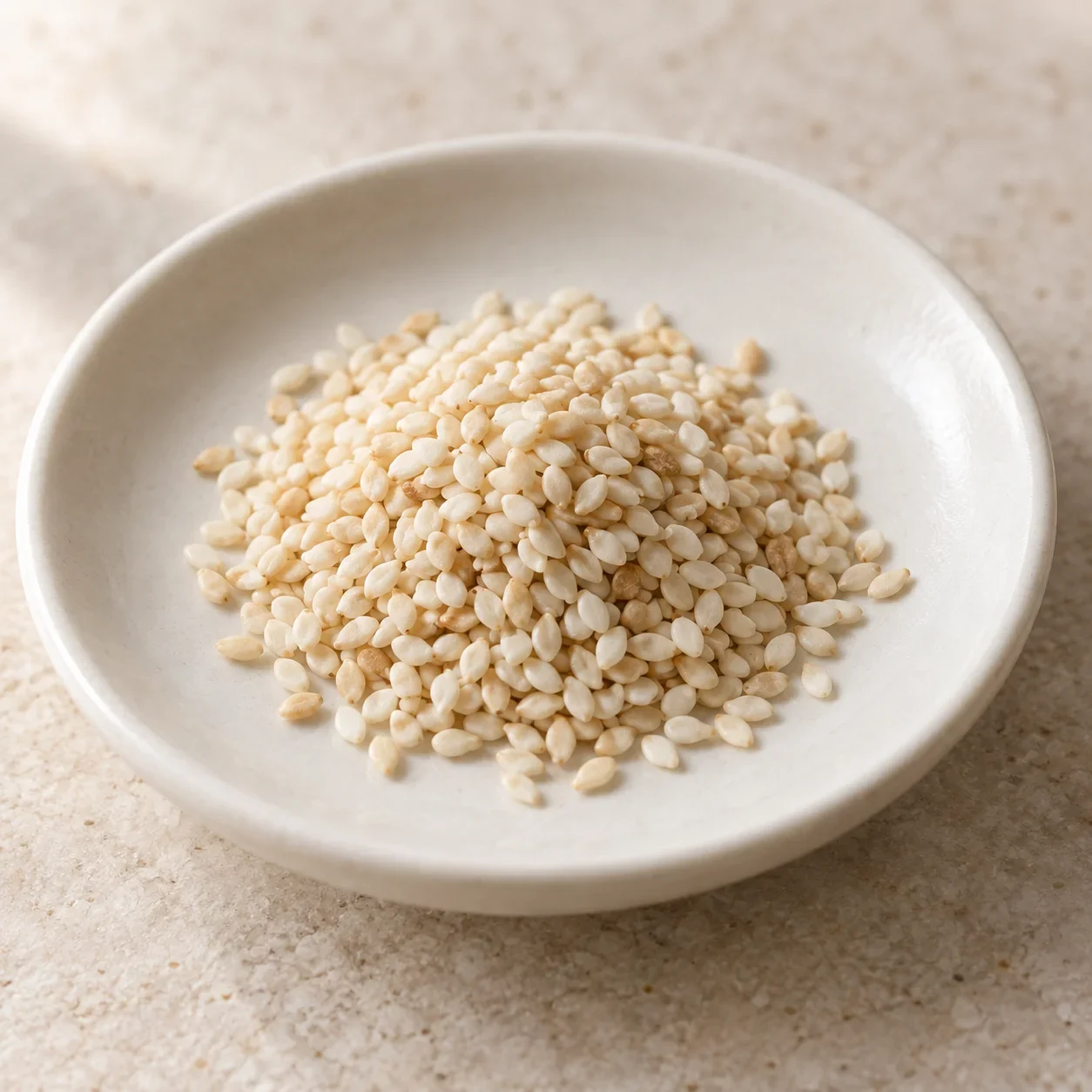
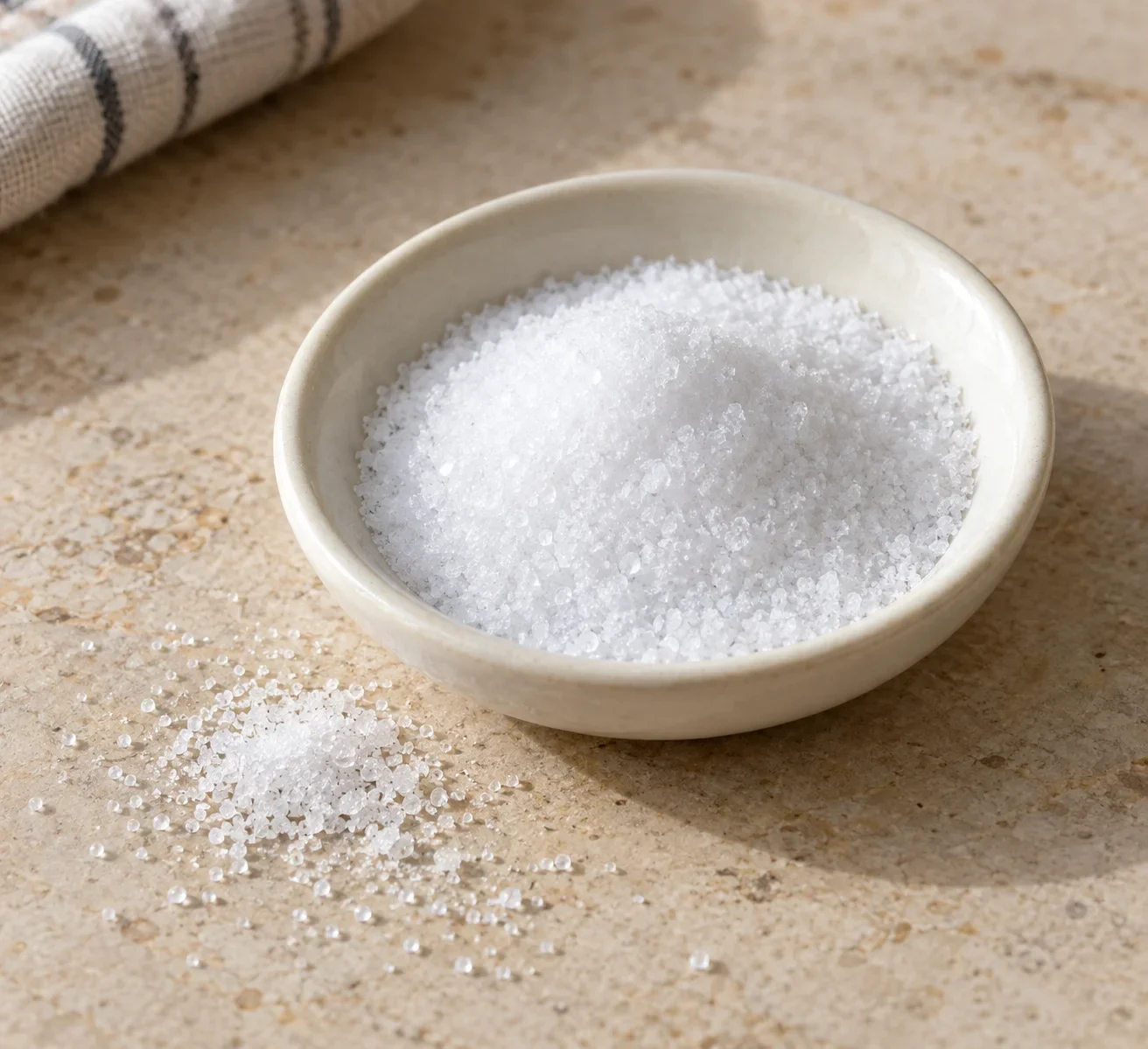
Typical ingredients
In some versions
Recipes vary by restaurant.
How does it taste?
Savory fried-wheat and sesame flavors, with a fragrant oil finish. Seasoning varies by maker; chili heat is not a defining feature of the plain version.
- Chili heat
- Texture
- Delicate, brittle strands with spaces between the loops. They snap easily when dry and soften quickly in soup, retaining some crunch if dipped only briefly.
- How it’s made
- Mix wheat flour with water, salt, sesame and seasoning, then knead and rest. Coat and rest the coiled dough strands in oil, stretch them into fine loops, and fold the bundle while deep-frying until golden. Rapeseed oil and peanut oil are used in documented preparations.
Bundle size, folding, sesame quantity, seasoning and oil vary. Both small handcraft workshops and larger producers make Fangji sanzi. Peanut oil may be used to rest the strands even when rapeseed oil is used elsewhere in the process. Plain sanzi and sanzi served in meat soup are different servings.
A CONNECTION TO PLACE
Origin & regional roots
Associated with Anhui.
About this regional connection
Anhui: Fangji town, Funan county, Fuyang; local fine-loop sanzi.
Ask if they have it first
请问你们有方集馓子吗?
Do you have this item?
A LITTLE SOMETHING TO READ
Story & history
Fine loops, large bundles
In Fangji, sanzi is both an everyday snack and a familiar Lunar New Year food. Makers coil rested dough, wind and stretch it around their hands and forearms, then shape the many fine strands in hot oil. The large bundles contrast with the delicacy of each strand.