
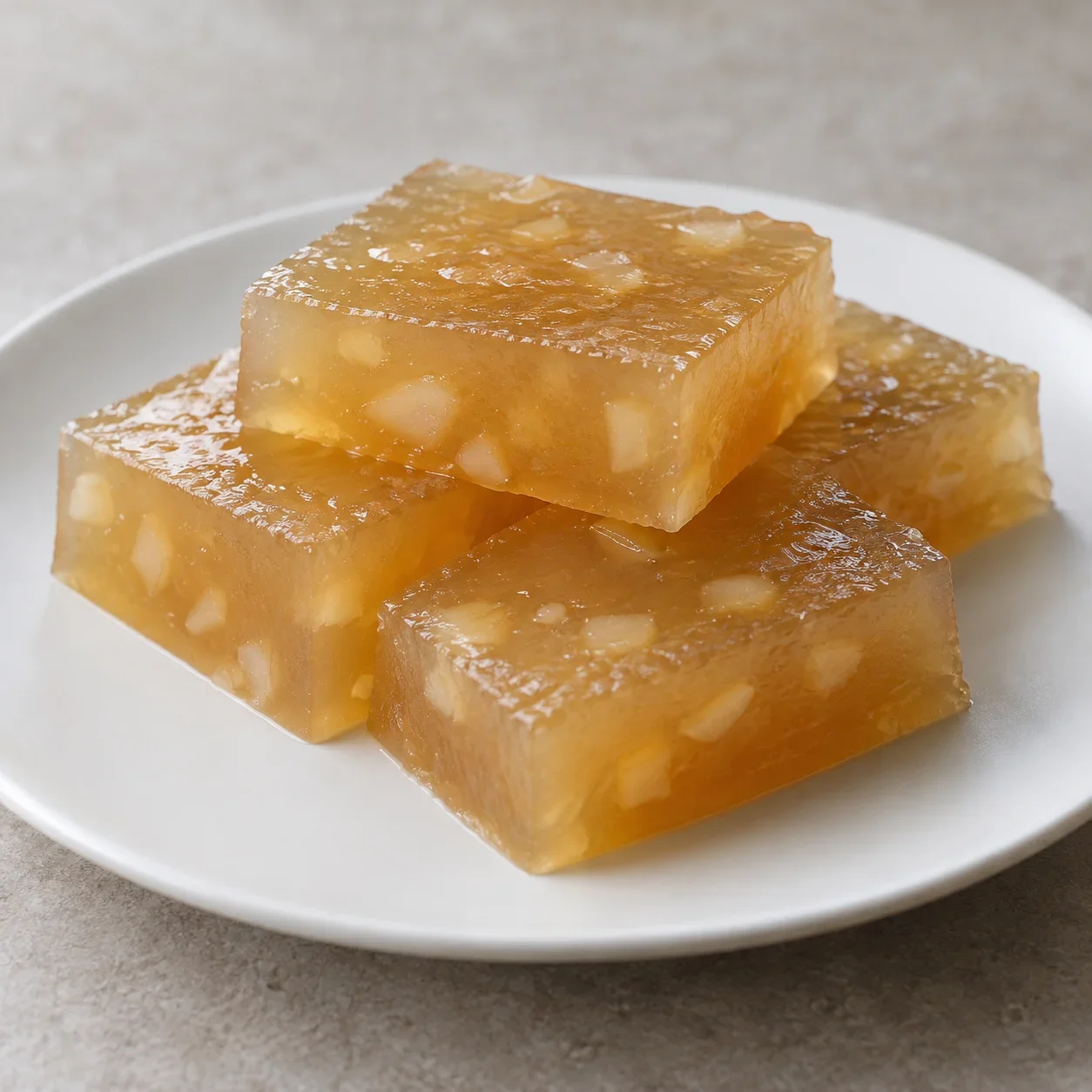
The soft, springy cake can be cut into small pieces and shared; allow it to cool and consider the extra crunch in versions with water-chestnut pieces.
Recipes vary. Ask the restaurant about ingredients and serving before you order.
GET TO KNOW THE DISH
What goes into it?
Explore some key ingredients below. Preparations may use additional seasonings and ingredients.
It may be eaten after steaming or pan-fried in slices. Sugar choice and added water-chestnut pieces change colour and texture.
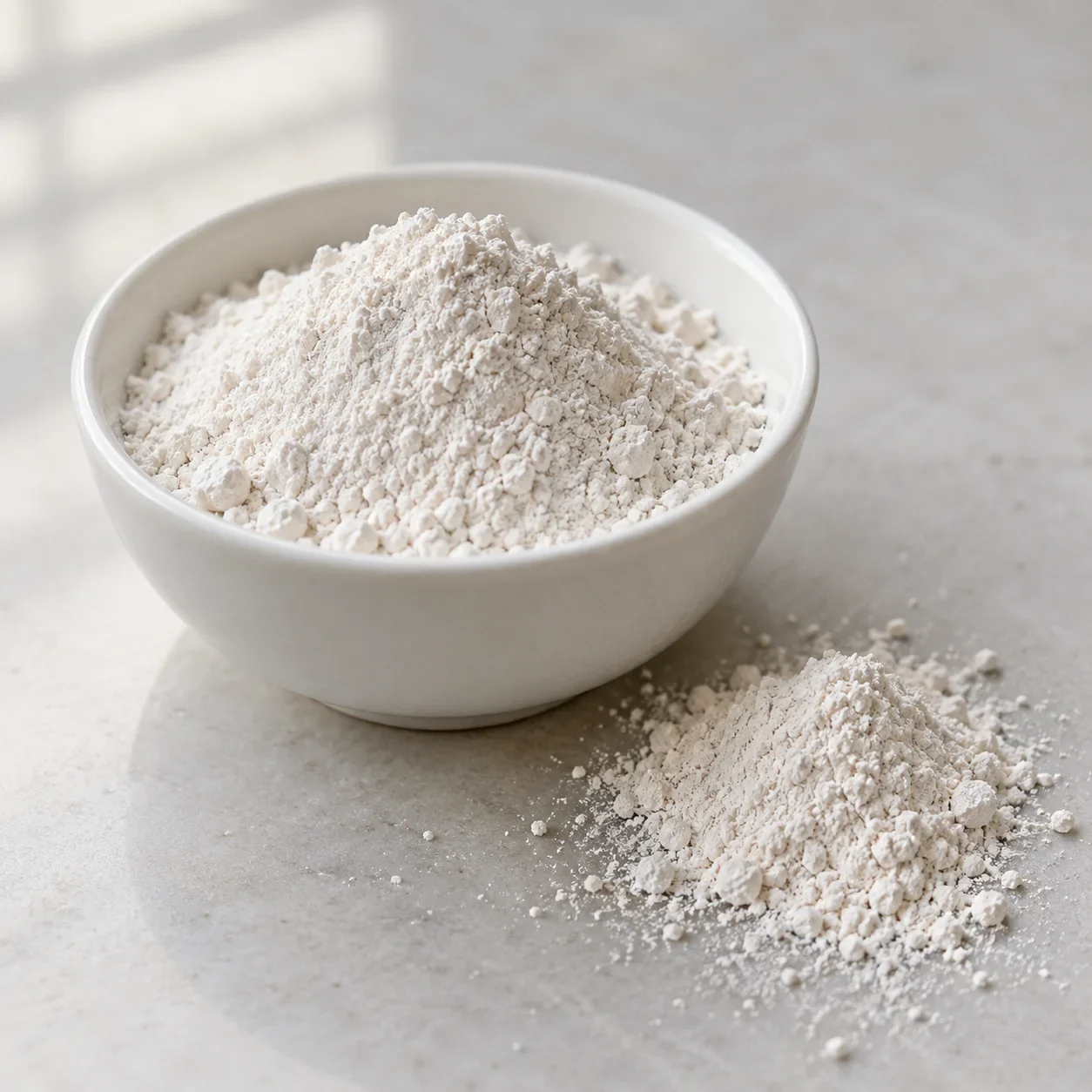
Typical ingredients

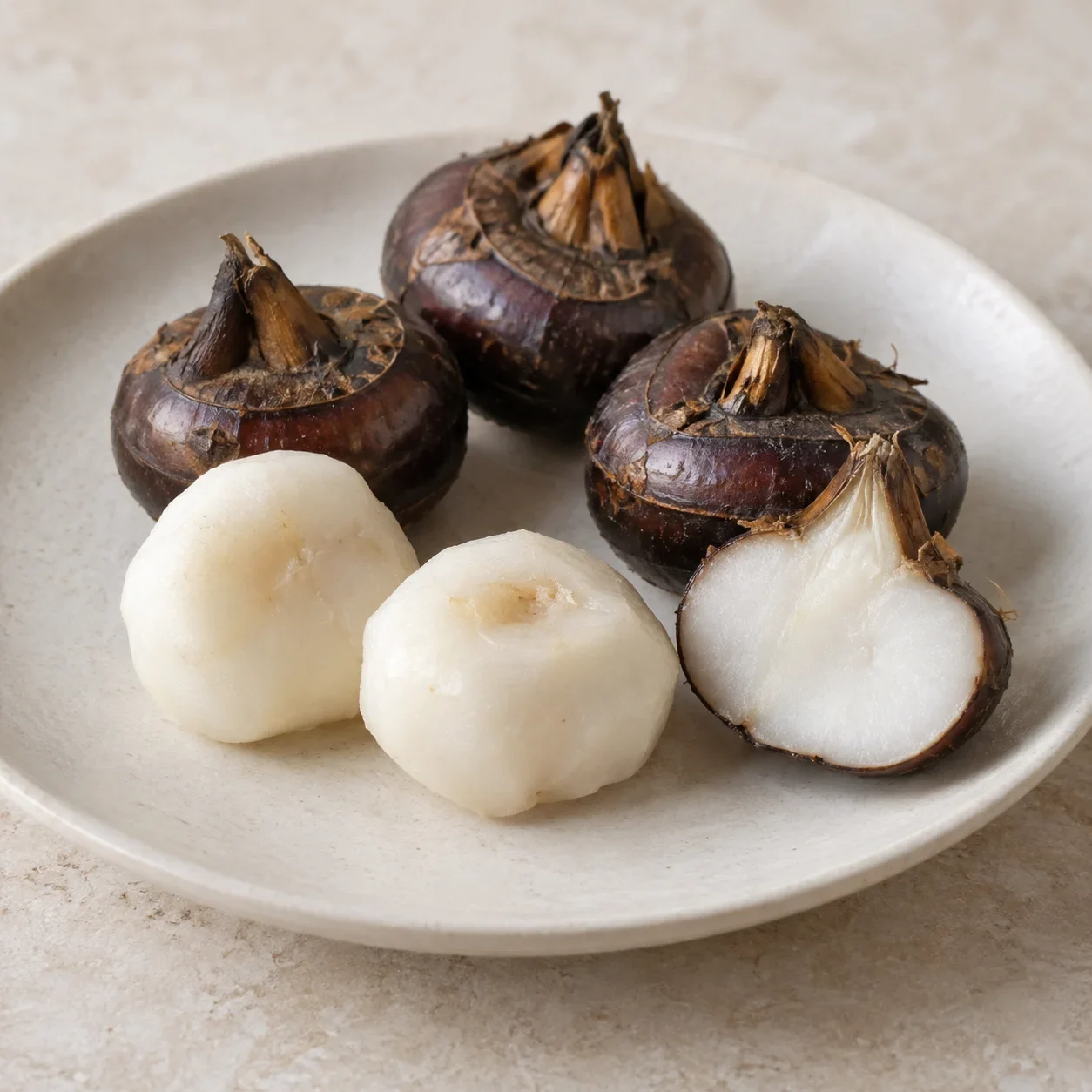
In some versions

Recipes vary by restaurant.
How does it taste?
Sweet, with a gentle water-chestnut flavour.
- Chili heat
- Texture
- Soft and springy, with crunch when chopped water chestnuts are added.
- How it’s made
- Mix water-chestnut starch with water and sugar syrup, thicken the batter, then steam and cool it before cutting.
It may be eaten after steaming or pan-fried in slices. Sugar choice and added water-chestnut pieces change colour and texture.
A CONNECTION TO PLACE
Origin & regional roots
Associated with Guangdong.
About this regional connection
Guangdong: Guangdong association; no exclusive origin claim.
Ask if they have it first
请问你们有马蹄糕吗?
Do you have this item?
A LITTLE SOMETHING TO READ
Story & history
Pantang’s water chestnut cake
Water chestnuts are one of Pantang’s “Five Delicacies,” the water-grown crops associated with this old Guangzhou village. When Panxi Restaurant opened in 1947, Pantang water chestnut cake was among its early local specialties and became a signature sweet. Neighbourhood memories include cutting the steamed cake into thin slices and pan-frying them until fragrant.