
At the table
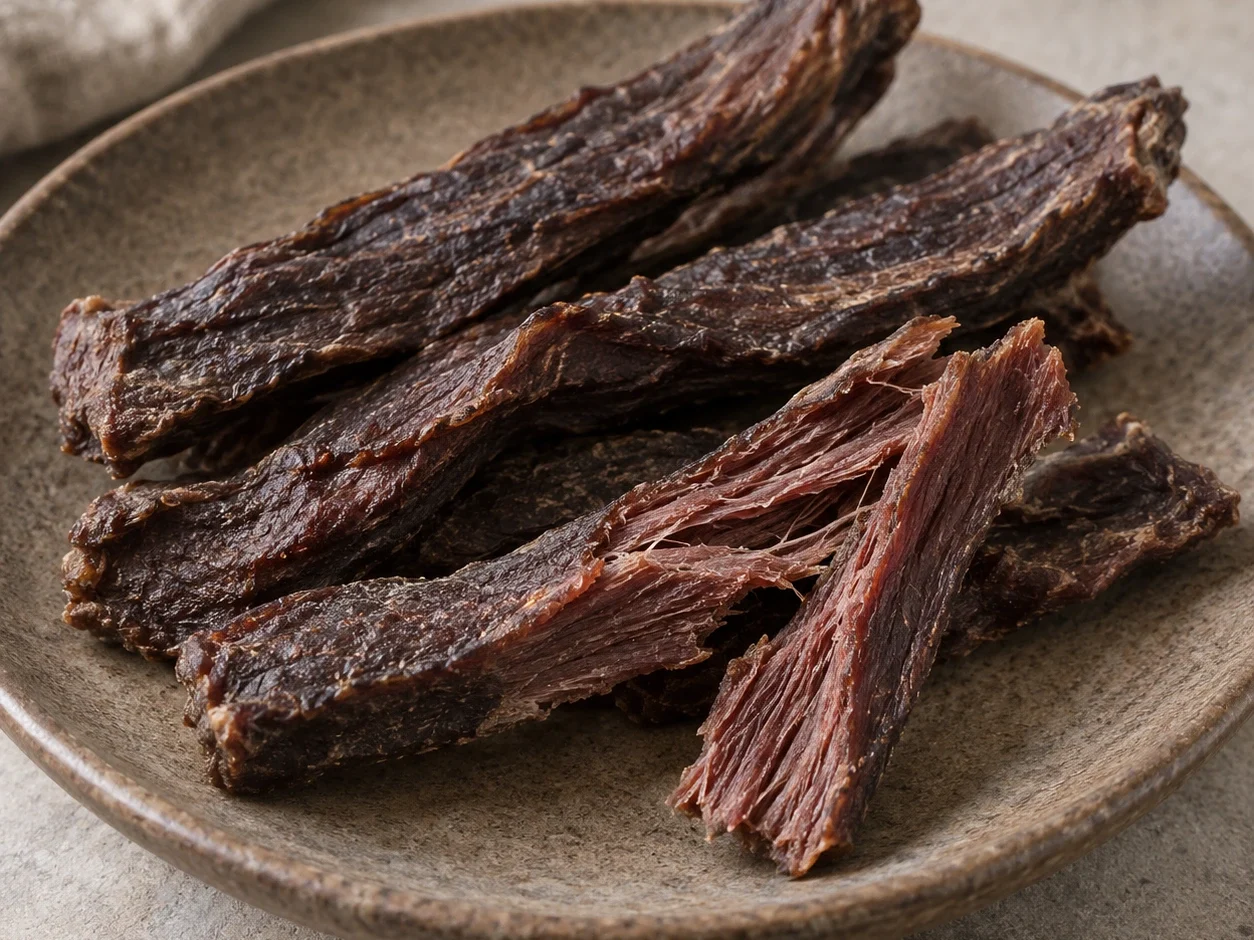
Tear off a small piece along the grain and chew slowly. Ask whether the product is ready to eat and how it has been treated.
Traditional air-drying is not cooking. If avoiding uncooked meat, choose a cooked product. Tough pieces are unsuitable for people who have difficulty chewing.
Salt, chili and cumin are used in some versions, not all.
GET TO KNOW THE DISH
What goes into it?
Explore some key ingredients below. Preparations may use additional seasonings and ingredients.
Salt, chili and cumin are used in some versions, not all.
Typical ingredients
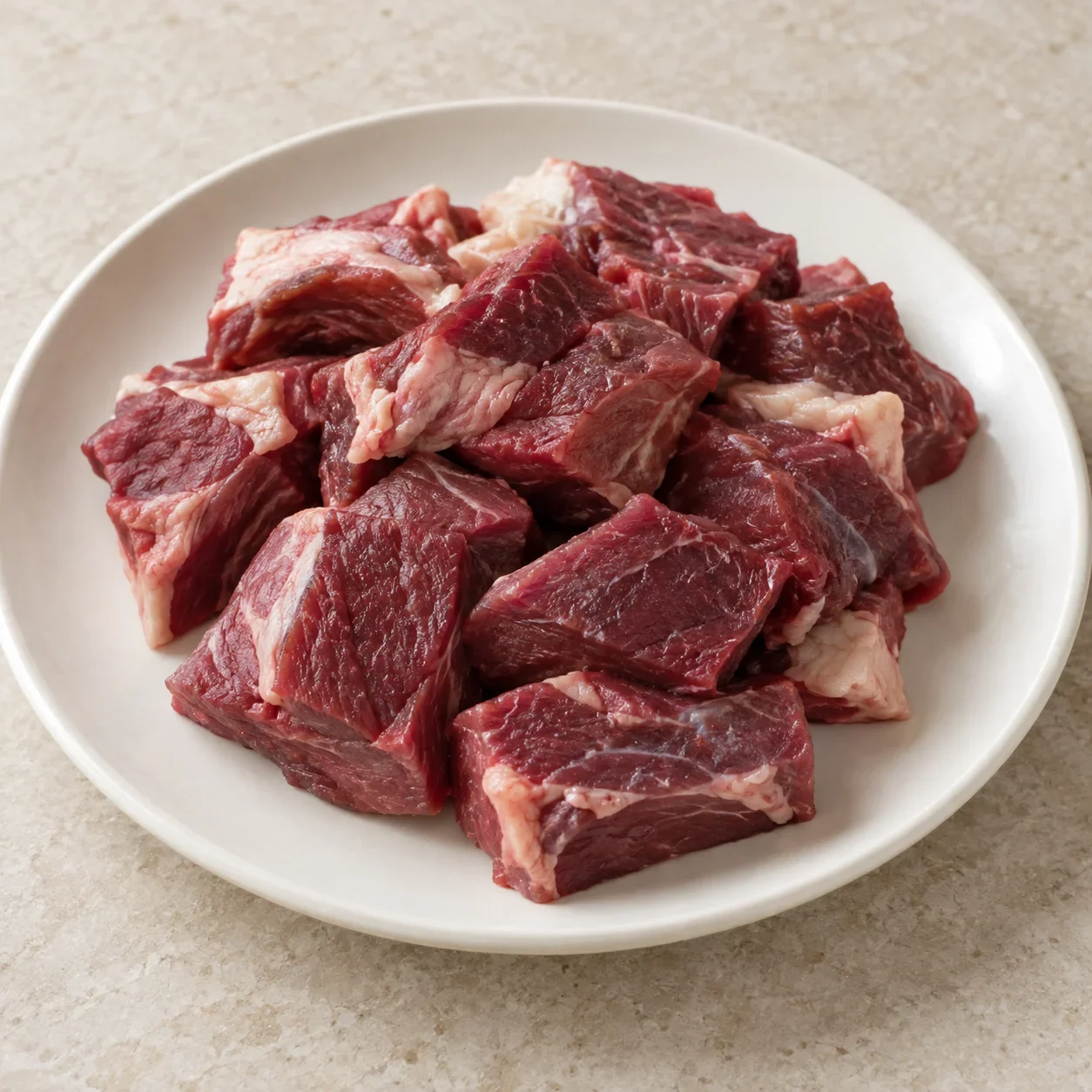
In some versions

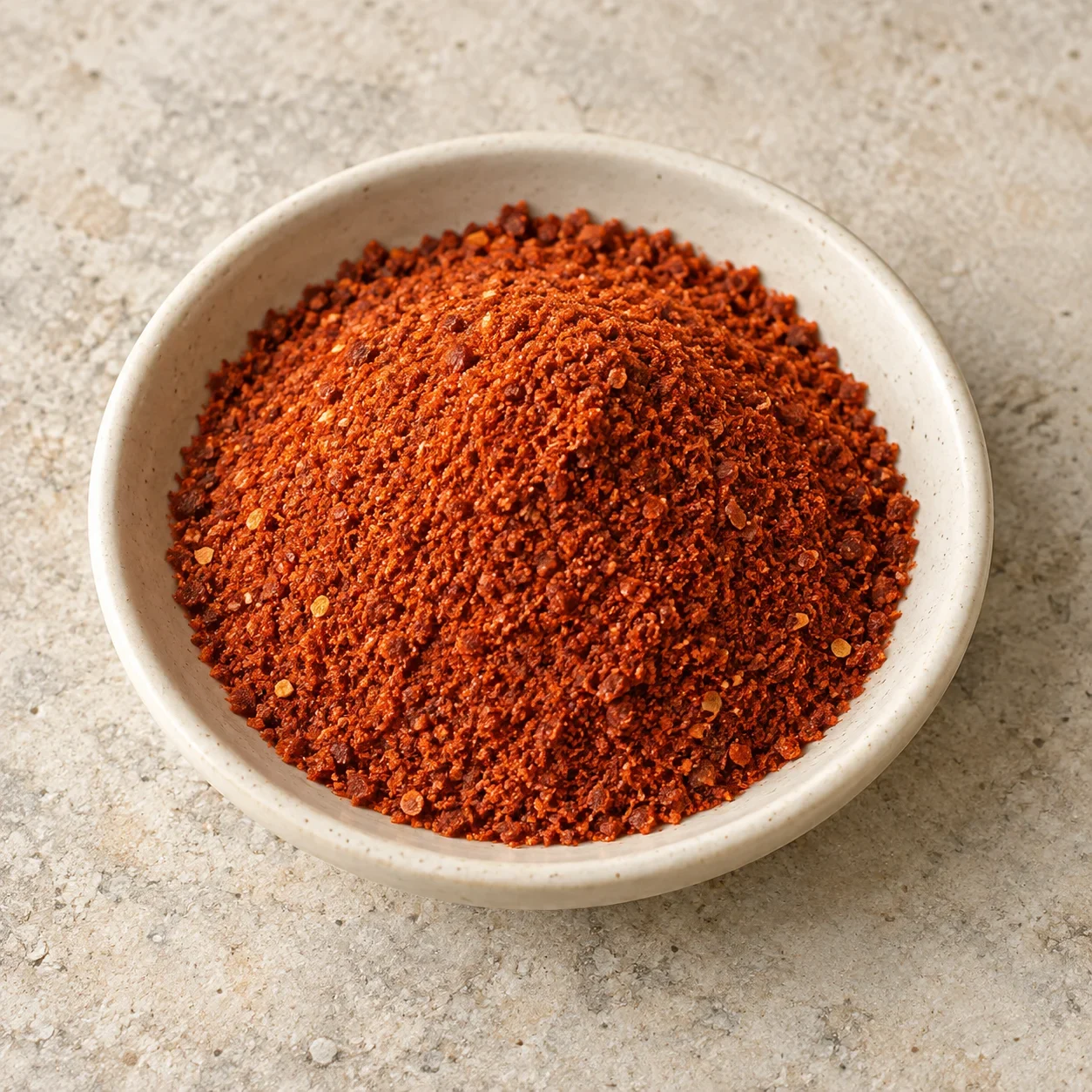
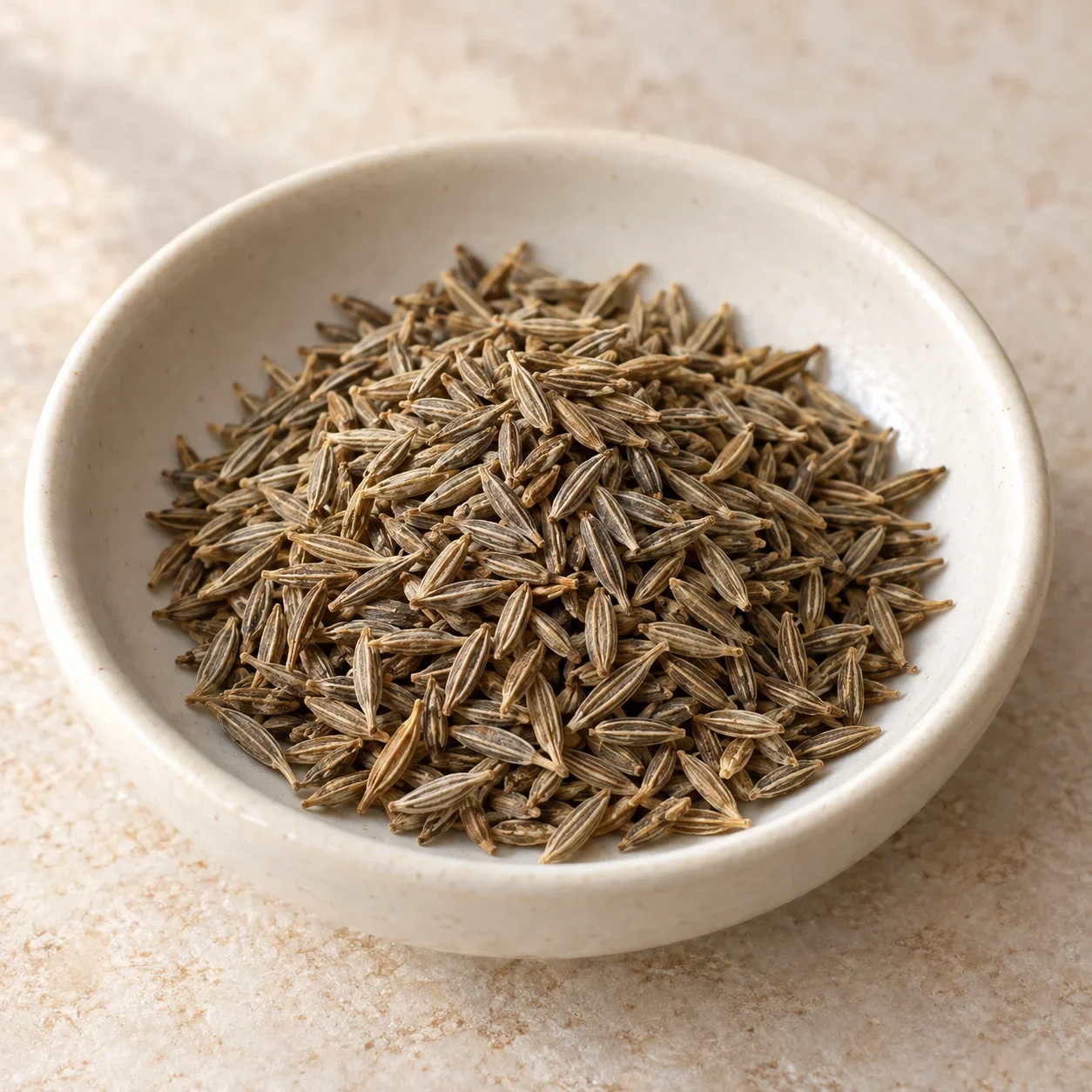
Recipes vary by restaurant.
How does it taste?
Concentrated meaty flavor; seasoning may be salty or spicy.
- Chili heat
- Texture
- Firm, dry and fibrous, requiring patient chewing.
- How it’s made
- Yak meat is cut into strips and air-dried, traditionally during the cold season.
Salt, chili and cumin are used in some versions, not all.
A CONNECTION TO PLACE
Origin & regional roots
Its origins are linked to Tibet.
About this regional connection
Tibet: Tibetan cold-season air-dried yak meat.
Ask if they have it first
请问你们有风干牦牛肉吗?
Do you have this item?
A LITTLE SOMETHING TO READ
Story & history
Preserving meat in the cold season
In Tibet, cold-season air-drying turns yak meat into a firm, concentrated food. Plain and seasoned versions coexist; dried does not necessarily mean cooked.