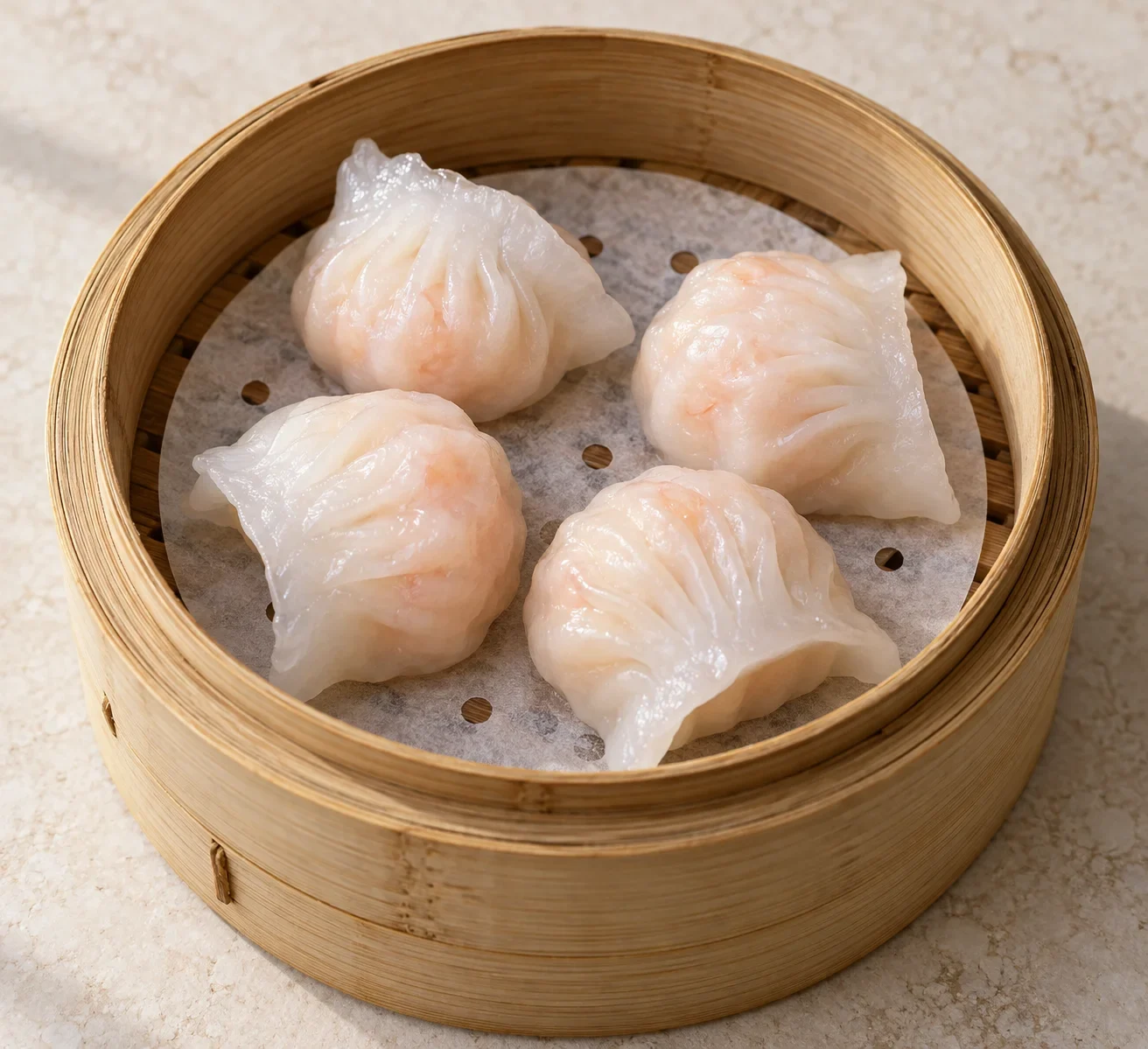
Choose a name and a format
- First choose a brewed leaf tea, a milk-based tea, a coffee-and-tea blend, or another drink. Longjing, jasmine tea, Tieguanyin and pu’er use tea leaves; herbal and flower drinks are a separate choice. Hong Kong milk tea contains milk, and yuenyeung combines tea with coffee and milk. Ask about hot or cold service, added sugar and milk before ordering. Caffeine content and recipes vary; a cold or sweet drink is not necessarily caffeine-free.
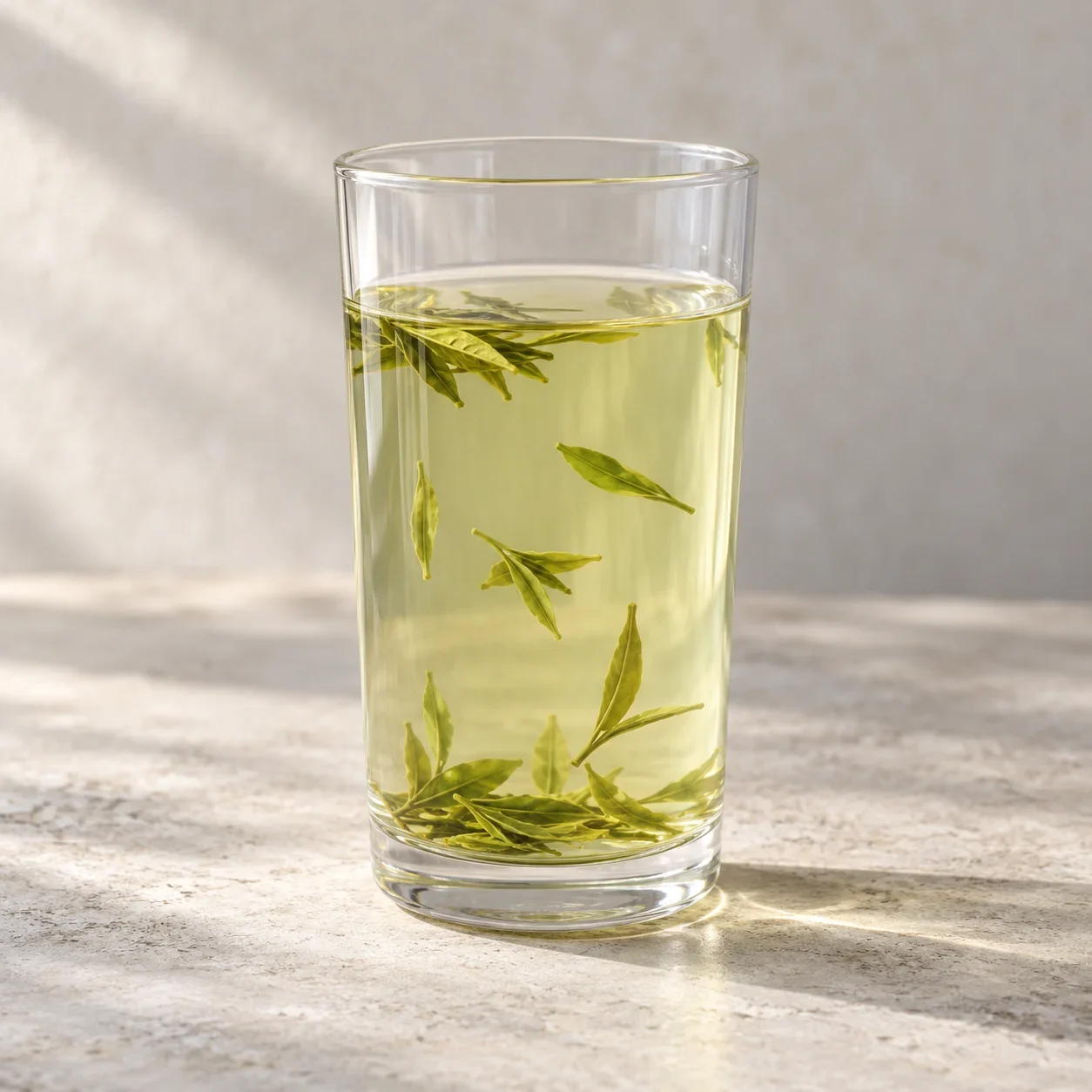
- Want a brewed green tea? Look for Longjing (龙井) and ask whether the serving is a cup or a pot.
- Interested in scented tea? Look for jasmine tea (茉莉花茶).
- Want a sweet-tart drink? Look for suanmeitang (酸梅汤), and check whether it is prepared in-house or bottled.
Tea is a family of different styles
Longjing and jasmine tea are two different starting points. Longjing is a green tea associated with Hangzhou. Jasmine tea takes its floral fragrance from a scenting process. Ask which tea is being served rather than expecting one flavor from the words “Chinese tea”.
Read the Chinese name with the English one: 龙井 is Longjing; 茉莉花茶 is jasmine tea. Compare a cup of either with a sweet-tart plum drink if you want to explore a different type of drink.
Choose the drink format as well as the name
A pot of brewed tea, a cup made to order and a ready-to-drink bottle are different purchases. Check whether you are ordering one cup, a shared pot or a packaged drink. Ask about the price and any refill arrangement instead of assuming that all tea service works the same way.
If you want an unsweetened drink, ask whether sugar or another sweetener is included before it is made. A request for no added sugar cannot change a drink that arrives pre-sweetened in a sealed bottle. Check the label or ask about a different option.
Try something beyond tea
Suanmeitang, 酸梅汤, is a sweet-tart plum drink. Its sweetness and ingredients vary by preparation; ask how it is made before ordering.
Save the exact drink or product you like if you want to find it again. A general style name does not guarantee the same sweetness or ingredients across brands and kitchens. Exploring drinks can be as much a part of a food trip as choosing the dishes.
Does Chinese tea contain caffeine?
Tea naturally contains caffeine, and the amount varies between products and servings. A floral scent or pale color does not establish that a tea is caffeine-free. Decaffeinated tea can still contain some caffeine.
If you are looking for a caffeine-free drink, check the specific product label or ask the seller about its ingredients. Keep sweetness and caffeine as separate questions: an unsweetened drink is not necessarily caffeine-free.
Hong Kong milk tea · 港式奶茶
Strong tea is strained through a cloth bag and mixed with evaporated milk for a smooth, rich cup. Hong Kong milk tea is a familiar cha chaan teng drink.
Contains milk and tea caffeine. A request for no added sugar does not remove sugar already present in sweetened milk.
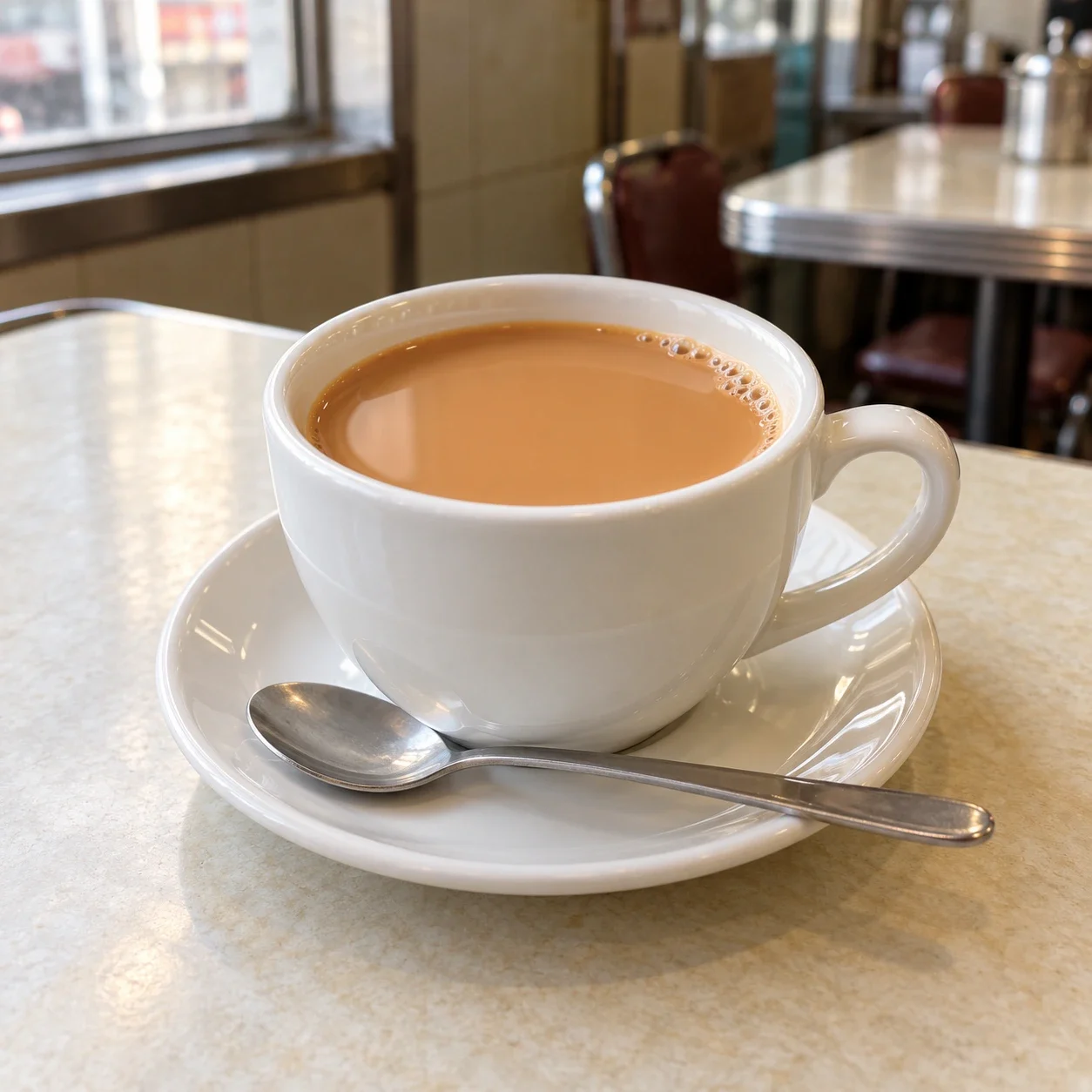
Yuenyeung (Hong Kong coffee milk tea) · 鸳鸯
A Hong Kong drink mixing brewed coffee with black tea and evaporated milk. It combines roasted coffee notes, tea astringency and a creamy taste; sweetness varies.
Contains milk and caffeine from both coffee and tea. Less sugar does not mean caffeine-free or milk-free.
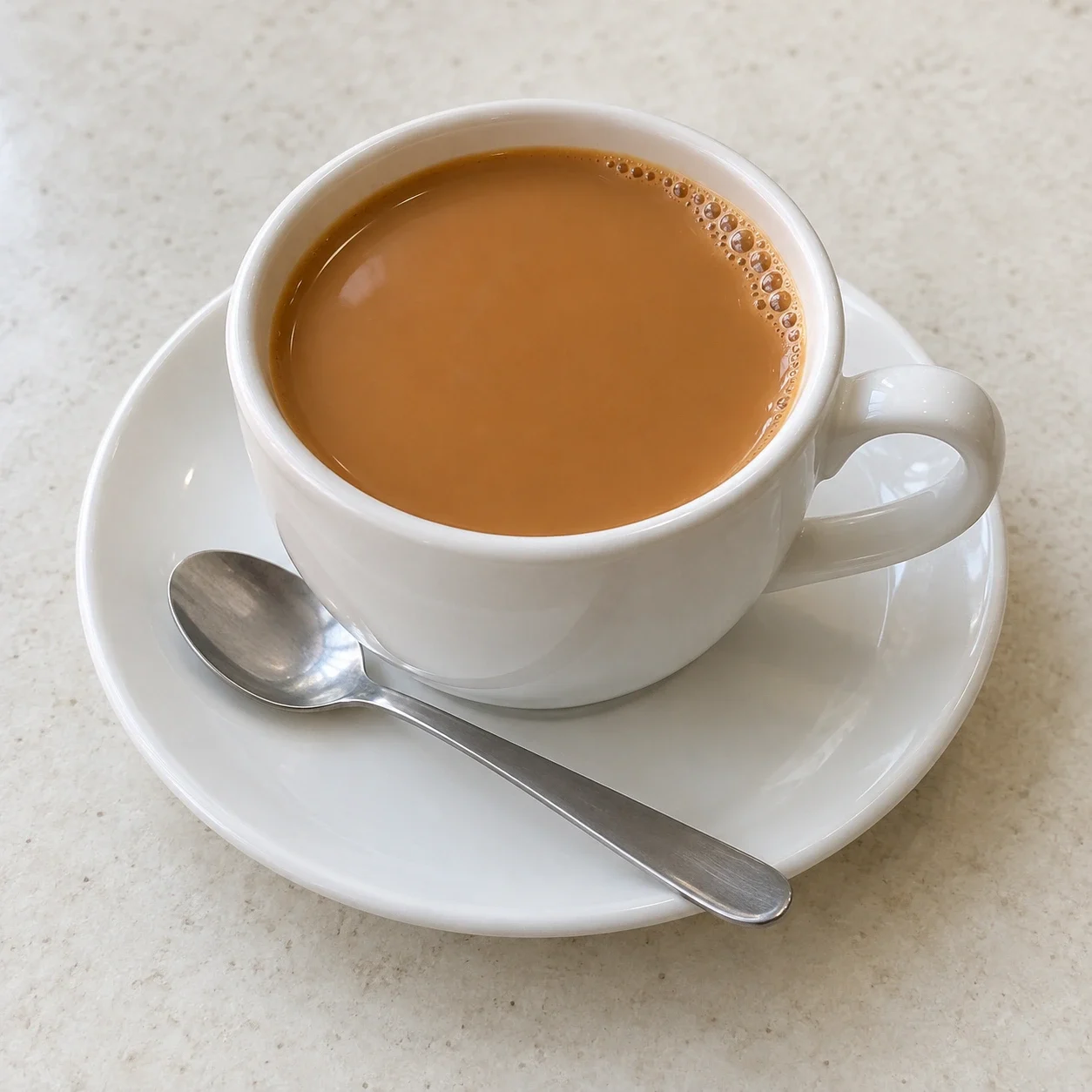
Hong Kong lemon tea · 港式柠檬茶
Black tea with fresh lemon slices and sugar syrup, served hot or over ice. Its tea taste and citrus acidity distinguish it from plain lemon water.
Contains tea caffeine. Less sugar does not mean caffeine-free; sweetness depends on the amount of syrup.
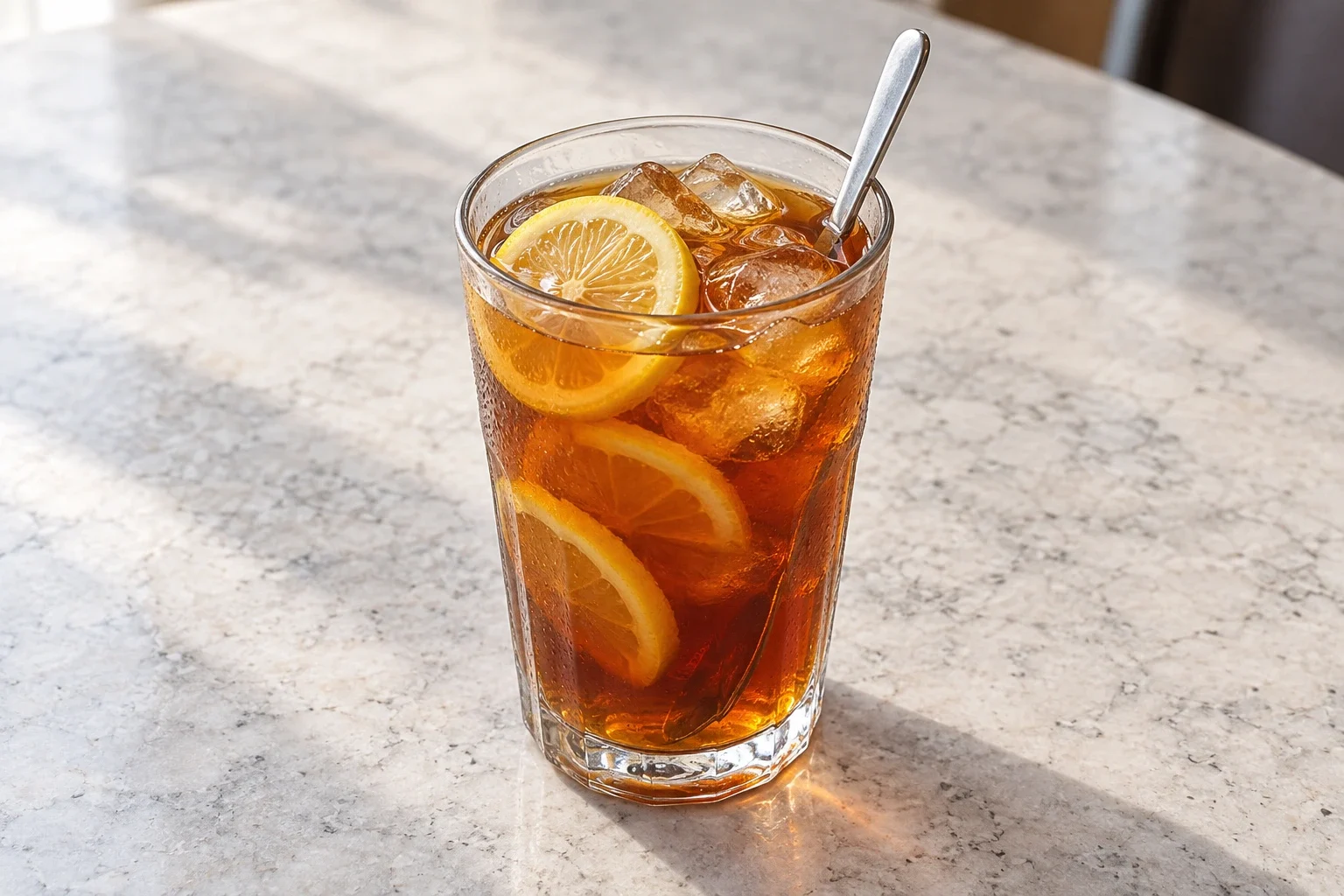
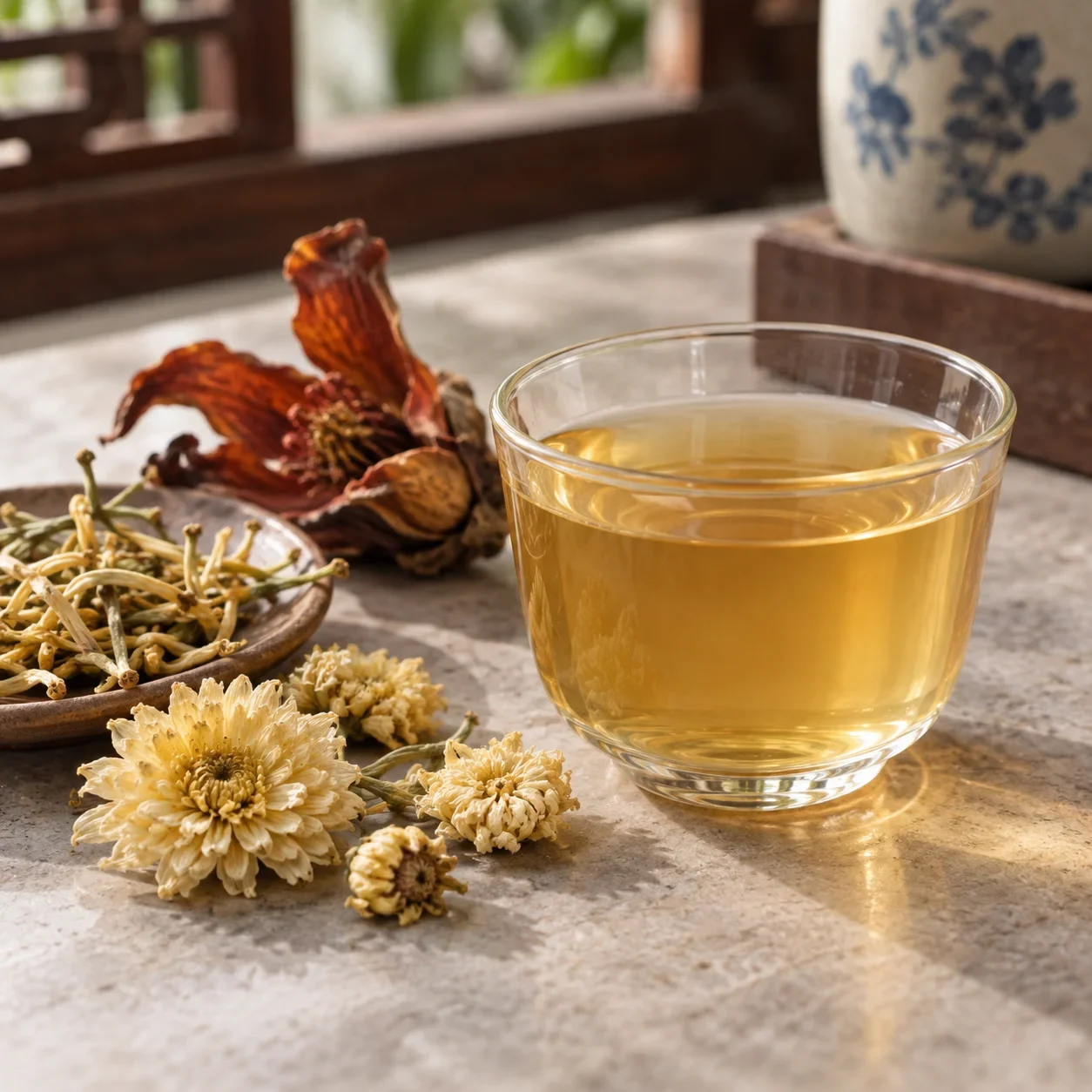
Wuhuacha flower herbal drink · 五花茶
Five-flower tea is one floral infusion within the liangcha category. Flowers and sweeteners vary by preparation. Liangcha is not a single recipe and is not necessarily served cold.
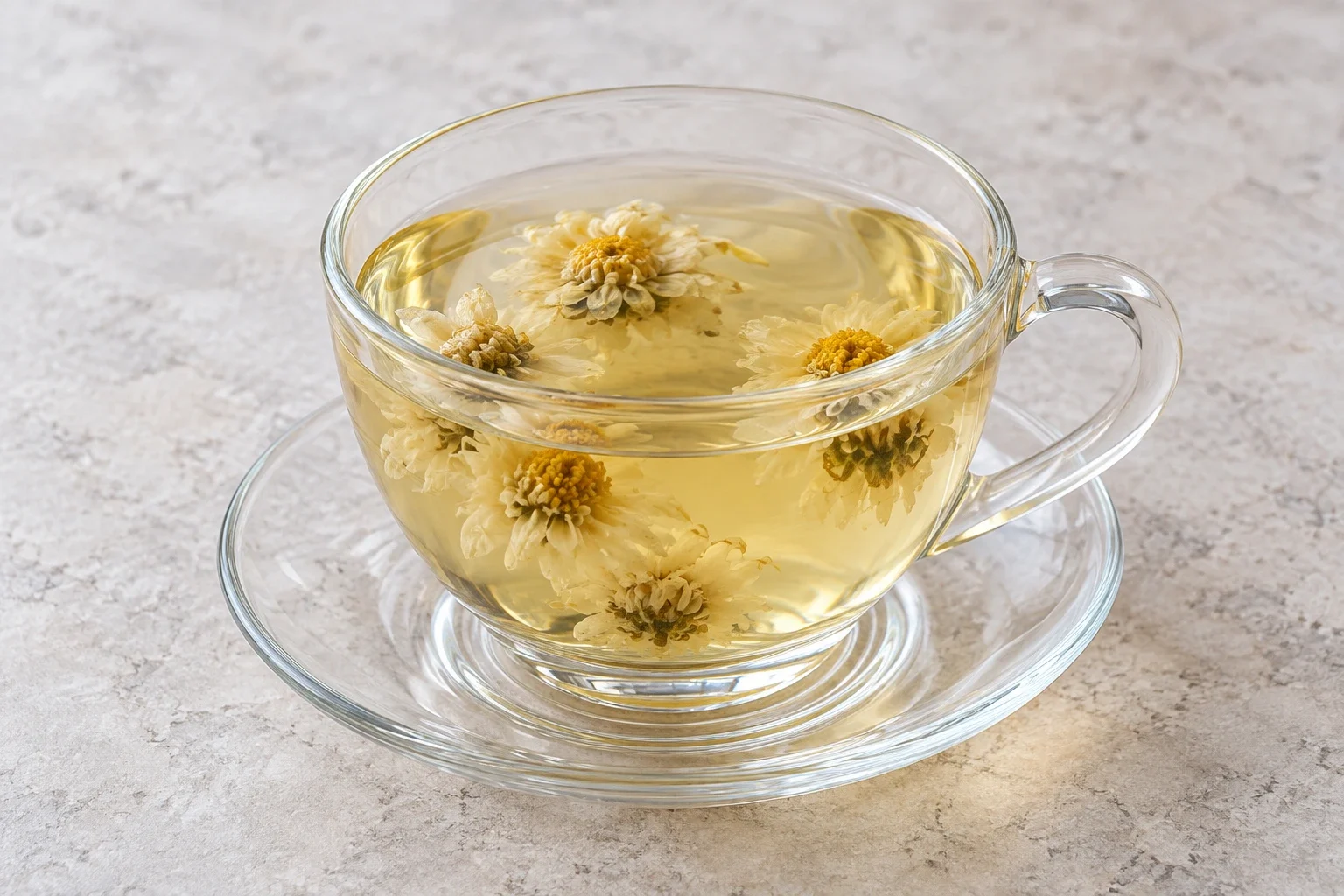
Chrysanthemum tea · 菊花茶
A light flower infusion made with dried chrysanthemums and water. Plain chrysanthemum tea is different from chrysanthemum mixed with pu’er tea.
Confirm sweeteners and any tea leaves or other additions if avoiding particular ingredients.
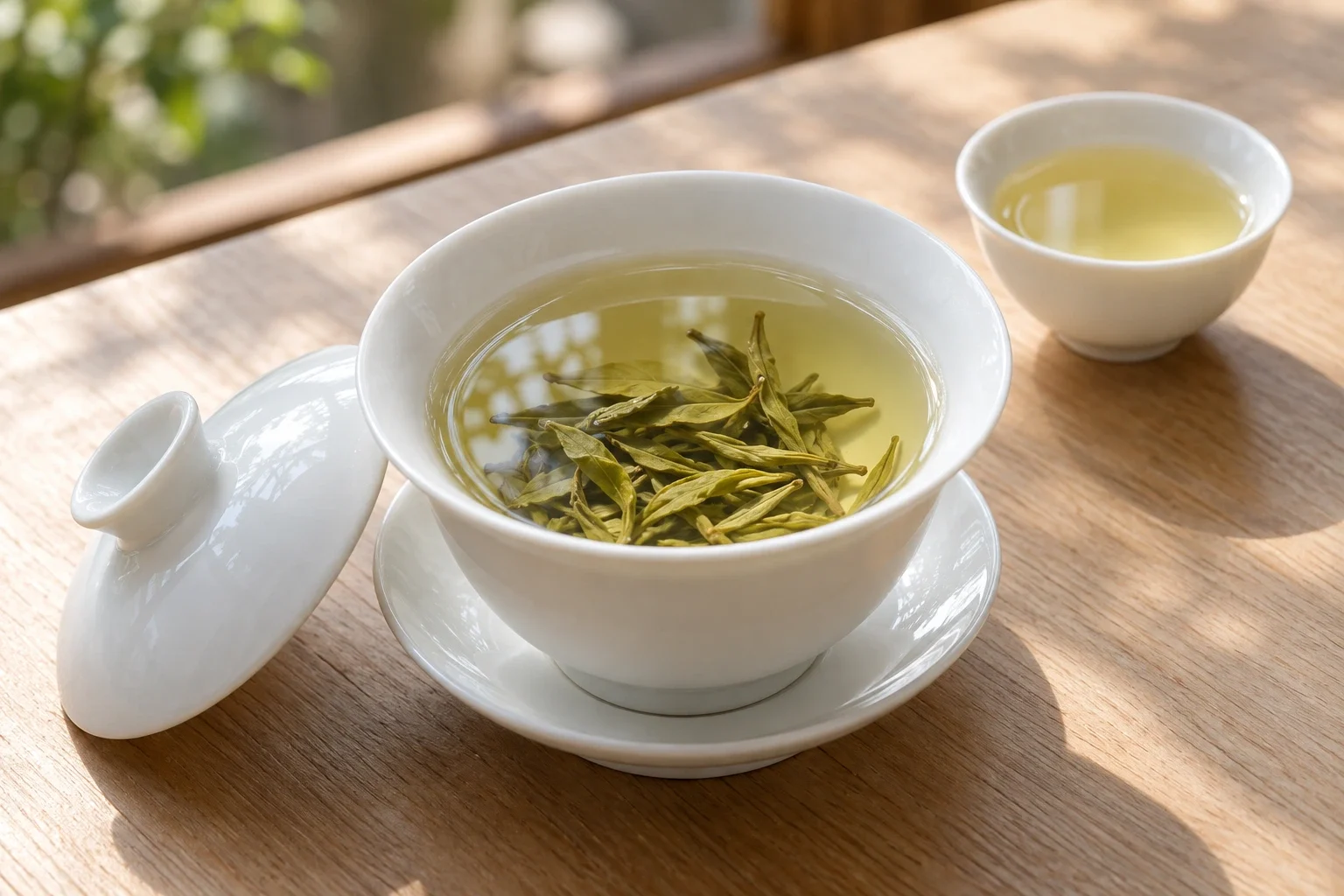
Jasmine tea · 茉莉花茶
Tea leaves scented with jasmine, brewed into a fragrant drink. This version uses a green-tea base; it is not an infusion of flowers alone.
Contains caffeine. Check additions if avoiding particular ingredients.
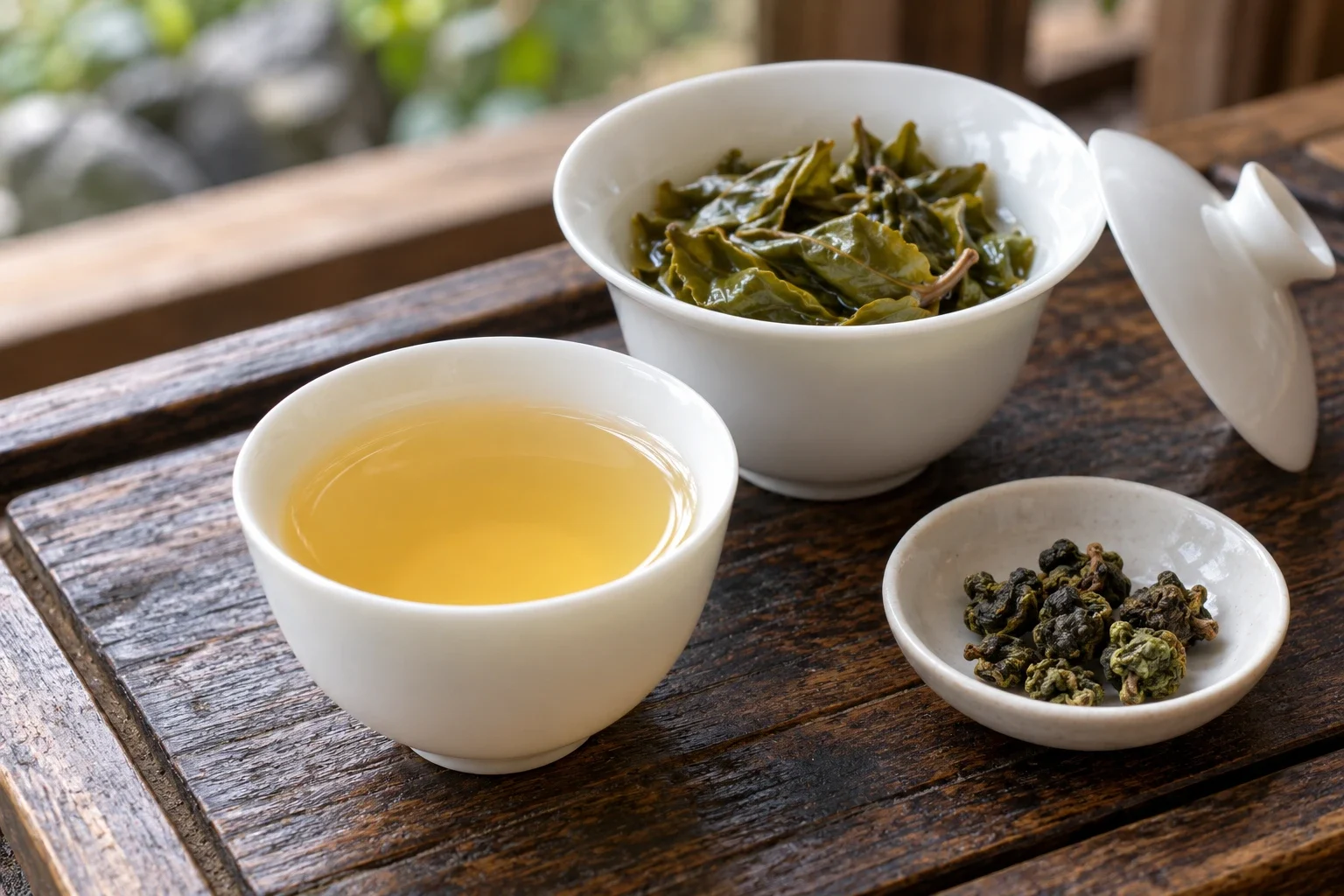
Tieguanyin oolong tea · 铁观音
An oolong tea associated with Anxi, Fujian. The light-fragrance style has a floral aroma and a clear golden infusion.
Contains caffeine. Check additions if avoiding particular ingredients.
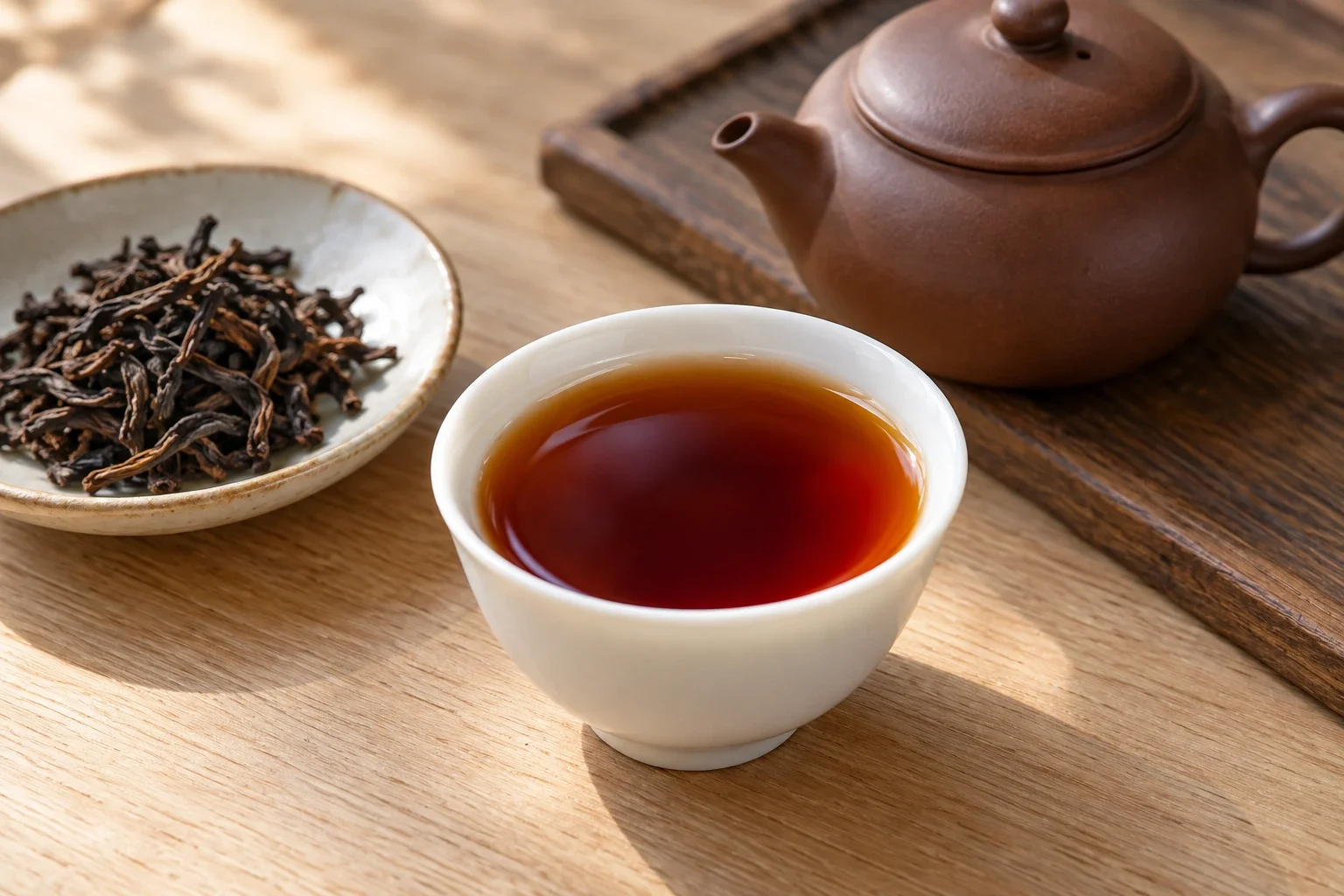
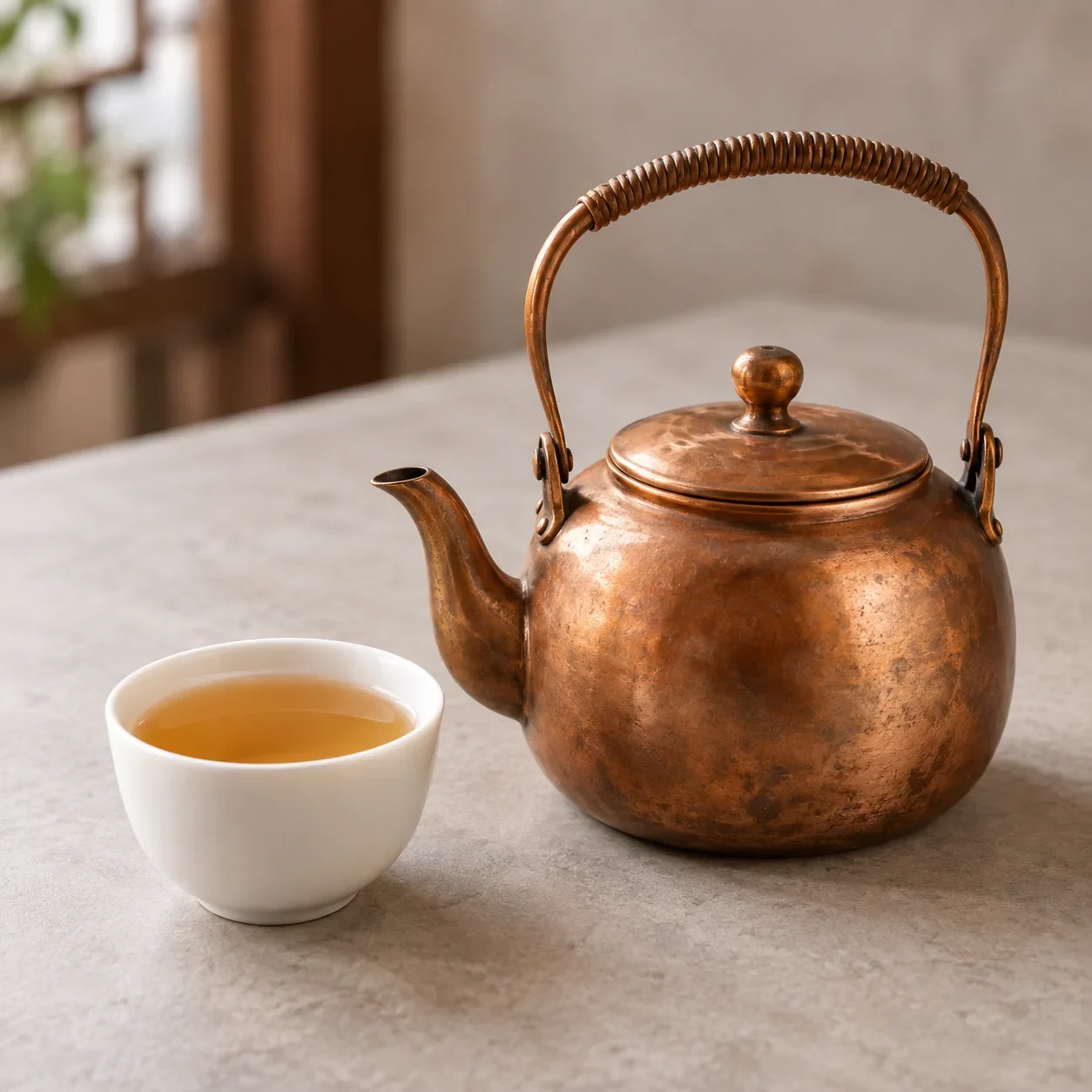
Pu’er tea · 普洱茶
Yunnan tea made in raw (sheng) and ripe (shou) styles. The ripe version shown has a deep reddish-brown infusion and an earthy, mellow character.
Contains caffeine. Check additions if avoiding particular ingredients.
Before you order
- Choose brewed, made-to-order or bottled.
- Ask whether the order is a cup or a pot.
- Check sweeteners before requesting no added sugar.
- Save the exact name of a drink you enjoy.
Phrases to show at the table
这个饮料已经加糖了吗?
Has sugar already been added to this drink?
这份茶是一杯还是一壶?
Is this order of tea a cup or a pot?
这个含饮料吗?
Is a drink included?
这个是甜的还是咸的?
Is this sweet or savoury?
Turn curiosity into a shortlist.
Pick one food you are curious about and keep its Chinese name with your notes. Use the questions above when you compare it with a restaurant menu.
Explore Chinese drinks